Posts Tagged ‘Santorini’
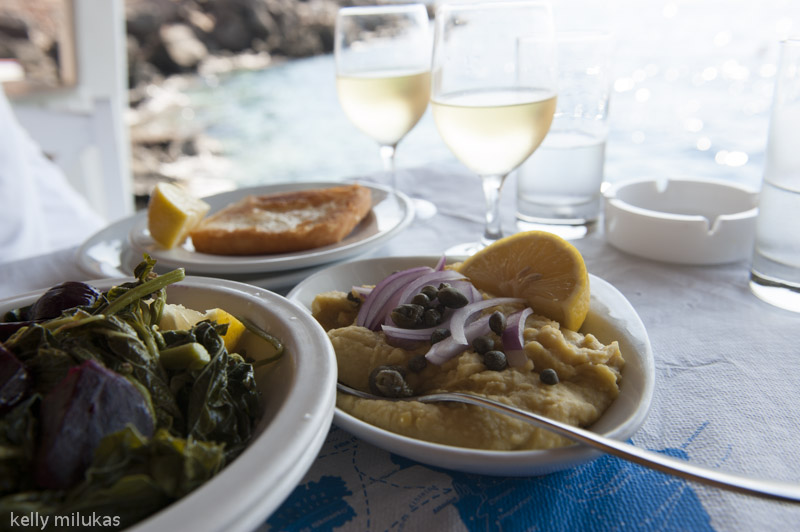
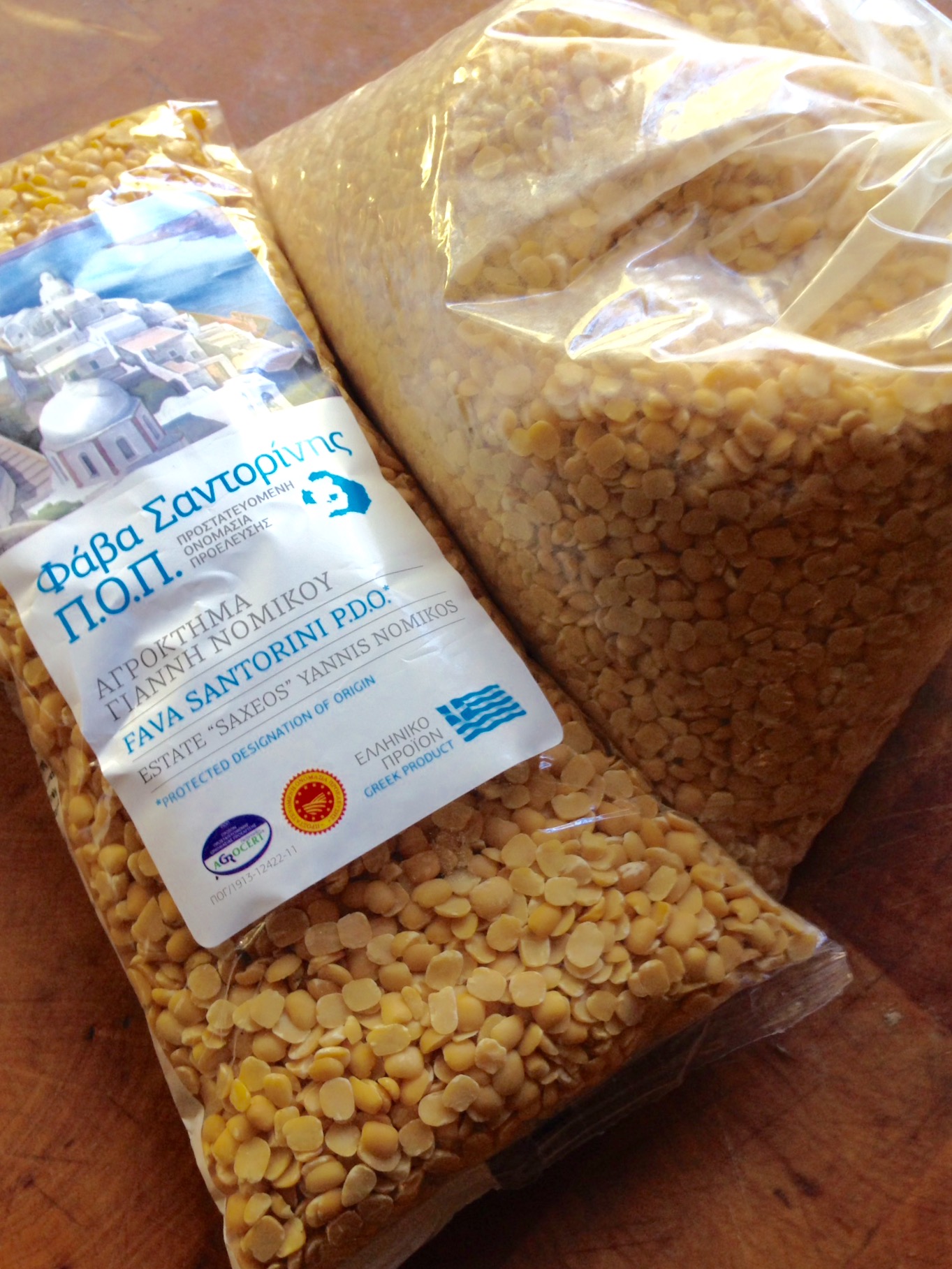
SIMPLE, MAGICAL SANTORINI FAVA
Posted: January 21, 2026 in bacon, Food, Recipes, Santorini, travelTags: food, recipes, Greece, Santorini, fava, split pea, porridge
1/2 cup olive oil
COLD CUCUMBER SOUP
Posted: August 24, 2025 in Cucumbers, fleur de sel, UncategorizedTags: cucumber, food, Greece, recipes, Santorini, soup, VEGGIES
What do you do when the hot weather kicks in and the cucumbers start taking over your garden? Make soup!
The original cucumber soup recipe comes from Ikies Traditional Houses, a wonderful hotel in the beautiful town of Oia in Santorini, Greece. After a long, hot day of exploring the island, we would settle down to a refreshing bowl of cucumber soup. They were nice enough to share the recipe with us, and a few tweaks later, it’s my definition of perfect.
3 English cucumbers or 5 regular cucumbers, peeled, seeded and roughly chopped
1 clove garlic, crushed
1 cup vegetable stock, preferably home-made
4 cups plain Greek yogurt
1/2 cup fresh mint leaves
Juice of 1 lemon
Sea salt and pepper
Peel, seed and chop the cucumbers and place them in a blender with the garlic, stock, 2 cups of the yogurt, mint leaves, lemon juice, 2 teaspoons of sea salt, and a grating of fresh black pepper.
Turn on the blender and mix well. Stop the blender and then add remaining 2 cups of yogurt and mix it by hand.
Pour the cucumber soup in bowls. Garnish with diced cucumber or radish.
To make the vegetable stock: rough-chop a few carrots, a few stalks of celery, and an onion, and put them in a pot with 4 cups of water. Boil until the liquid has reduced by half. Strain the veggies before using the stock. You can also roast the veggies on a sheet pan in a hot oven for a bit before adding them to the water for a more robust flavor.
GREEK-STYLE SHRIMP
Posted: September 8, 2024 in Food, Recipes, restaurants, san marzano, Santorini, seafood, shrimp, travel, UncategorizedTags: food, Greece, recipes, saganaki, Santorini, seafood, shrimp
Though it may sound Japanese, the word “saganaki” refers to a small frying pan used in Greek cooking. The most famous of these dishes, simply called saganaki, is a fried cheese, often flamed at the end with a little ouzo.
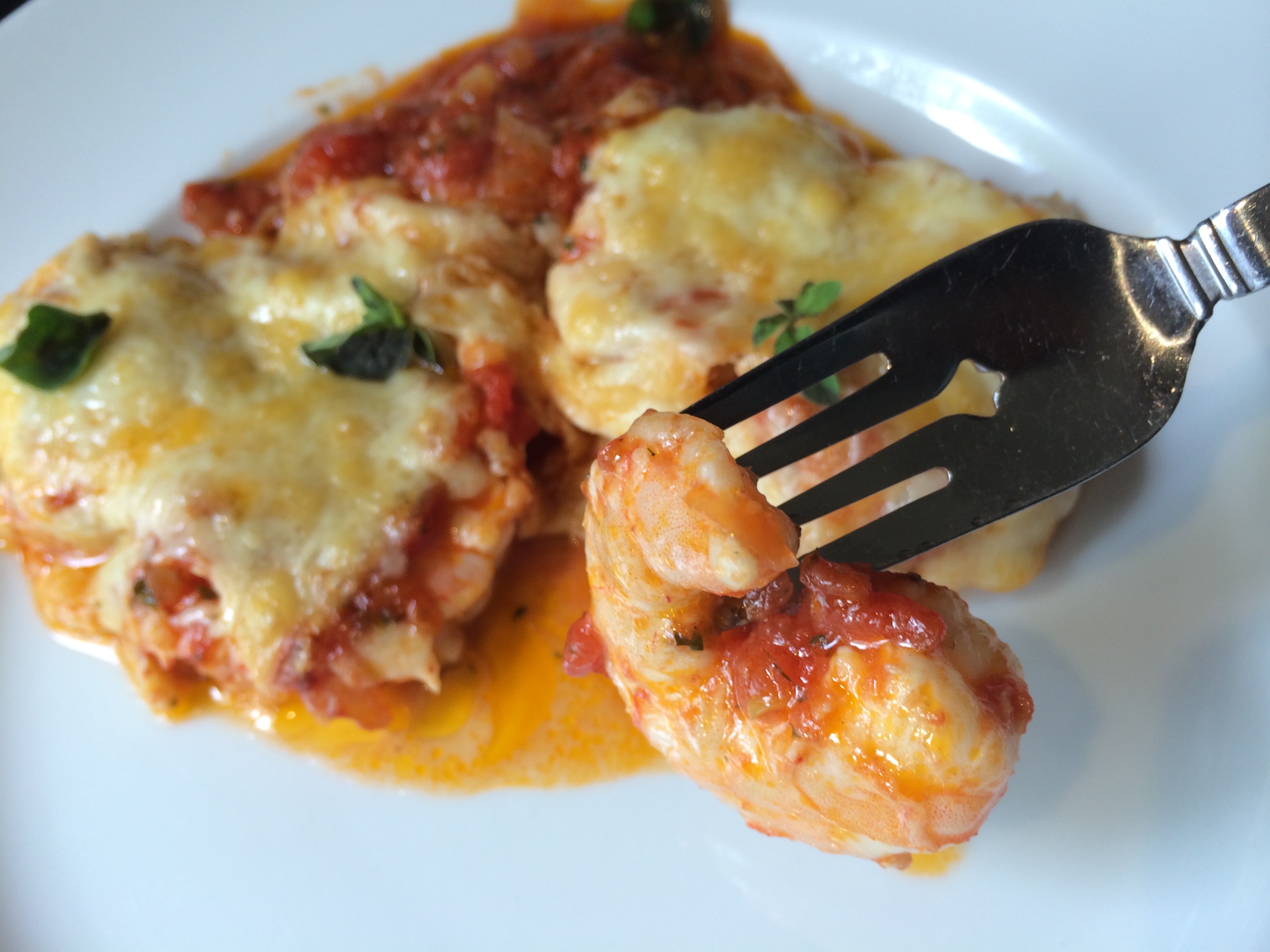
Shrimp saganaki is one of my favorite Greek dishes, and it usually involves cooking shrimp in a tomato-based sauce with plenty of feta cheese sprinkled in. It’s simple yet fantastic if the ingredients are fresh. Doesn’t hurt to be sitting in a taverna on the beautiful island of Santorini while eating it, either!
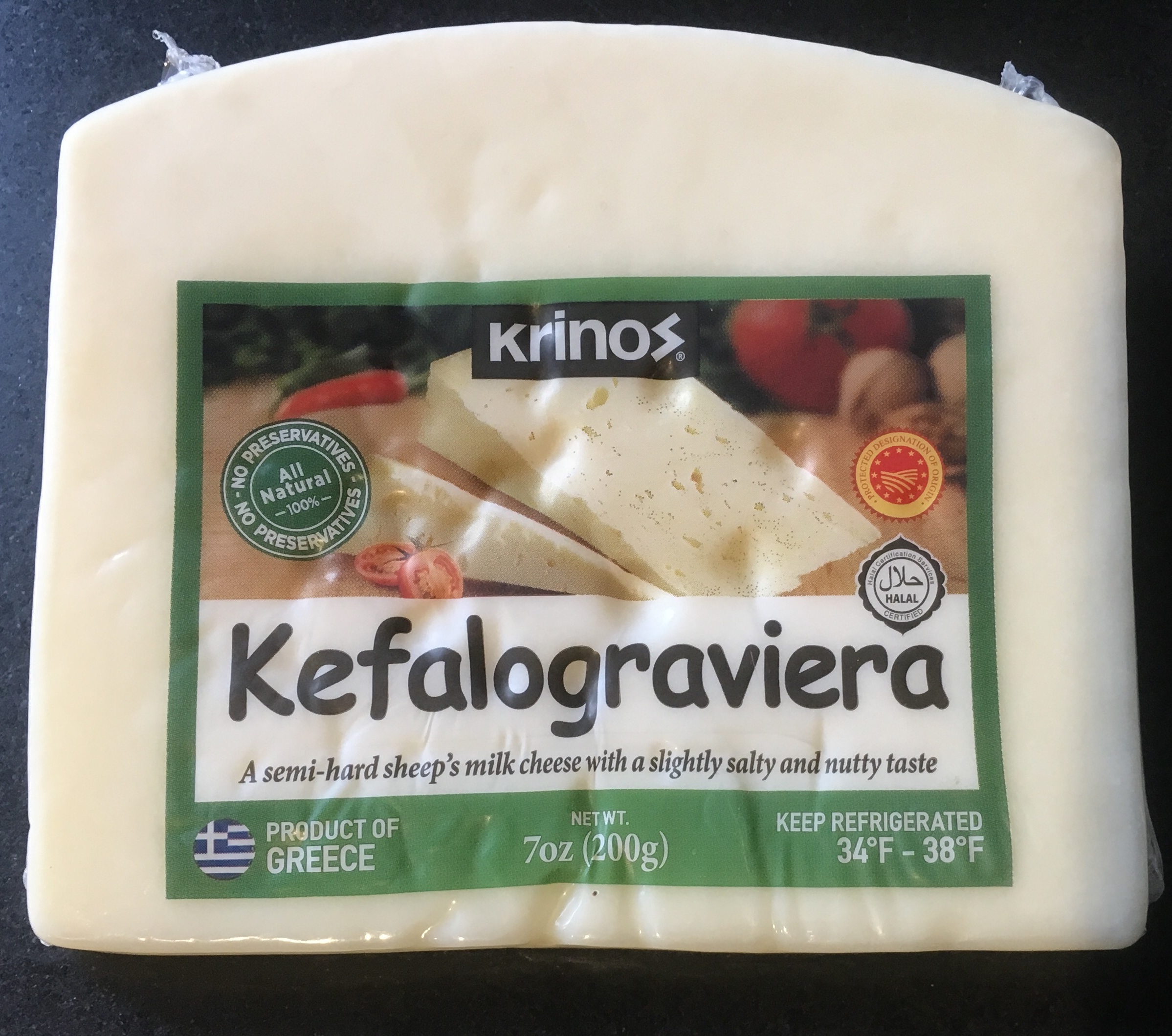
I found a slab of Graviera cheese at a local supermarket, and decided to recreate shrimp saganaki using that instead of feta. It was pretty darn amazing.
I like using peeled and deveined 24–30 shrimp, because larger shrimp don’t always cook through. These smaller shrimp will be bite-sized and delicious.
200g package (7 oz.) grated Graviera cheese
1 can (28 oz.) whole tomatoes
1 lb. (about 24) shrimp, thawed, peeled and deveined
1 medium onion, chopped
juice of 1/2 lemon
1/4 cup olive oil
2 cloves garlic, through a press
pinch red pepper flakes
1 1/2 tablespoons fresh dill, finely chopped
1 tablespoon fresh oregano, finely chopped
1 1/2 tablespoons Ouzo
salt and pepper
Peel and devein the shrimp (or you can buy them that way already.) Place them in a bowl. Squeeze the juice of 1/2 of a lemon on to the shrimp and toss. Set them aside.
In a large pan, sauté the onions in the olive oil until translucent. Add the garlic and cook for a few seconds more.
Crush or puree the tomatoes and add them to the pan. Add the red pepper flakes, dill and oregano, and salt and pepper. Add the Ouzo.
Let this sauce cook down for a bit until all the flavors have blended together.
Pour a layer of the sauce on the bottom of a metal broiler-proof pan. Lay the raw shrimp in a single layer into the sauce. Cover the shrimp with the rest of the sauce and sprinkle the grated Graviera on top.
Place the pan in a pre-heated 350-degree oven and bake until the cheese is golden brown and bubbly and the shrimp have cooked through. I like to finish it under the broiler for a few minutes to get the cheese brown and melty.
PASTA WITH LOBSTER SAUCE
Posted: June 12, 2024 in Food, lobster, pasta, Recipes, seafood, tomatoes, travelTags: food, lobster, pasta, recipes, Santorini, sauce
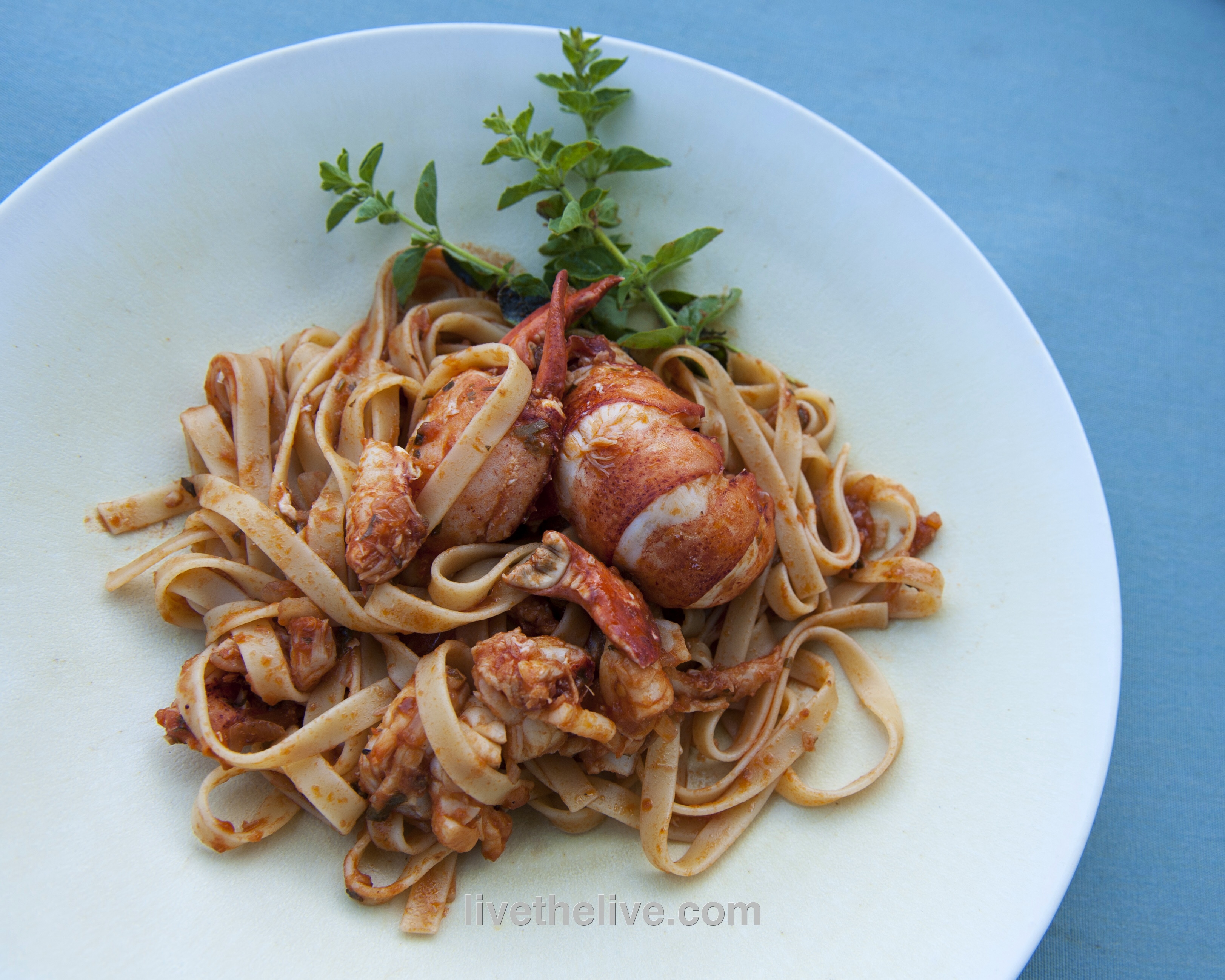
One of the most incredible dishes we’ve had was on the beautiful island of Santorini, Greece: pasta with lobster sauce. It’s one of those dishes that takes time to prepare, because the lobster sauce they make is a labor of love…time consuming, but so spectacular.
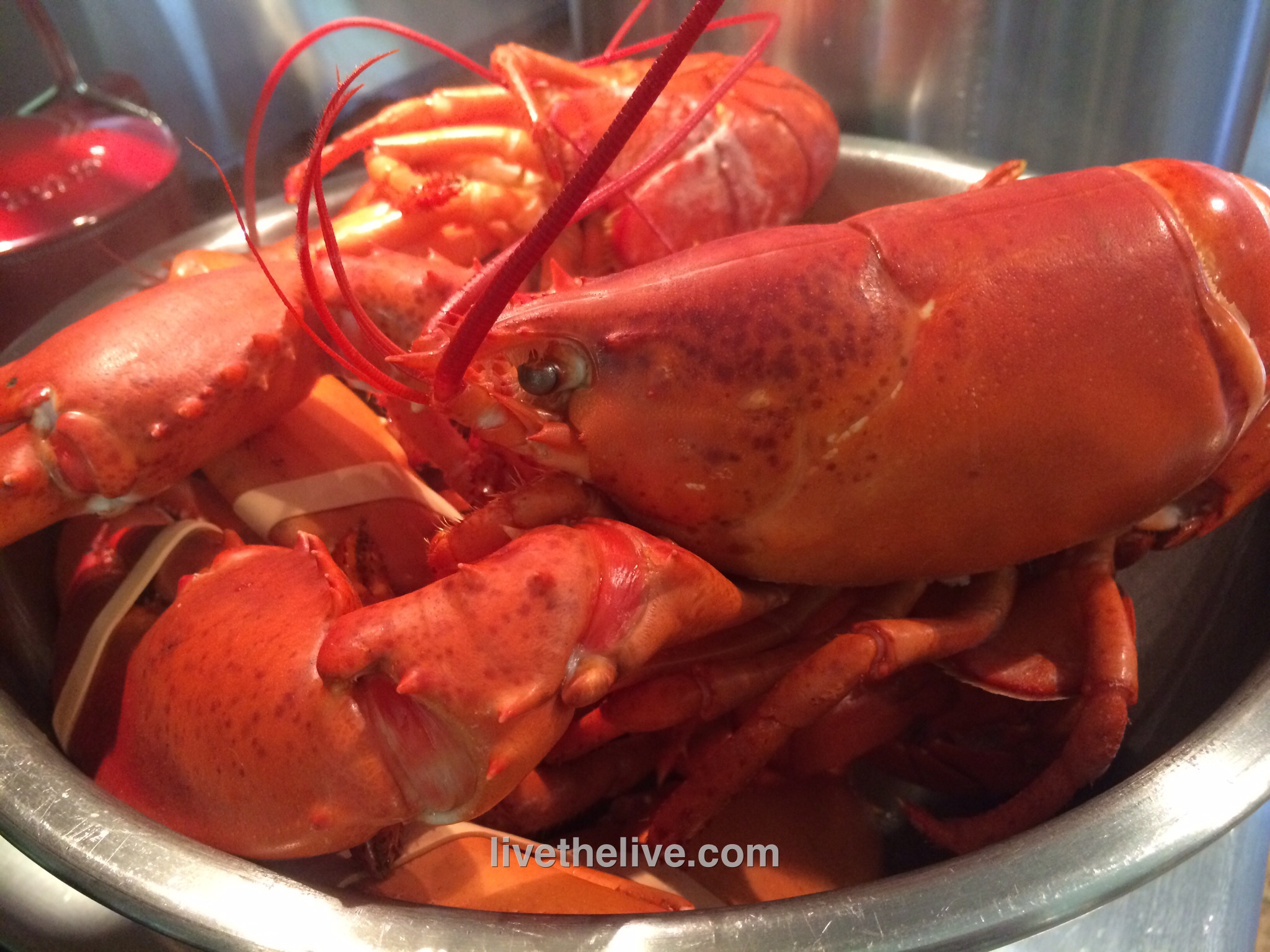
To try to copy that lobster sauce we had in Santorini, I start with a kick-ass lobster stock. It’s simple but flavorful:
clean, empty claws, tails and bodies from two 1-1/2 lb. boiled lobsters (use the legs, too)
12 cups water
1/2 onion
3 celery stalks
1 carrot
Place all the ingredients in a large pot and set it on high heat. Crush the lobster shells (I use a potato masher!) Cook until the stock is reduced by half.
Strain the stock, discarding the lobster shells and veggies. Bring the stock back to the heat and reduce it until all you have left is 1 cup of intense stock.
Now that you have the stock, you can make the sauce!
1/2 onion, finely chopped
1 garlic clove, finely chopped
pinch of Italian red pepper flakes
1 teaspoon parsley
extra virgin olive oil
1/2 cup lobster stock
1/4 cup San Marzano tomato sauce (see below)
splash of white wine (I use an un-oaked Chardonnay)
salt and pepper
1 tablespoon unsalted butter (optional)
1/2 lb. cooked pasta (firmer than al dente)
Add some olive oil to a pan and sauté the onions until translucent. Season with salt and pepper. Add the garlic and cook for 10 seconds. Add the red pepper flakes and parsley.
Add 1/4 cup of the lobster stock and let it cook, reducing it by half. Add the other 1/4 cup of lobster stock and then the tomato sauce. Let it cook for a couple of minutes and add the white wine. Cook for a few minutes more, to cook out the alcohol.
Cook the pasta and drain it even before it reaches the al dente stage. Place the pasta in the pan with the sauce, heating and coating it thoroughly. A touch of butter can’t hurt anything!
Serve immediately, with or without the lobster meat. (Since the lobster was already cooked, you just need to add it to the pan for a few minutes to warm it through.)
For the San Marzano tomato sauce: I pour a can of San Marzano tomatoes into a food processor or blender and blend. Pour it into a pan and reduce it over medium heat by half, until the sauce has thickened. Then use it in this recipe.
COLD CUCUMBER SOUP
Posted: July 6, 2023 in Cucumbers, fleur de sel, UncategorizedTags: cucumber, food, Greece, recipes, Santorini, soup, VEGGIES
What do you do when the hot weather kicks in and the cucumbers start taking over your garden? Make soup!
The original cucumber soup recipe comes from Ikies Traditional Houses, a wonderful hotel in the beautiful town of Oia in Santorini, Greece. After a long, hot day of exploring the island, we would settle down to a refreshing bowl of cucumber soup. They were nice enough to share the recipe with us, and a few tweaks later, it’s my definition of perfect.
3 English cucumbers or 5 regular cucumbers, peeled, seeded and roughly chopped
1 clove garlic, crushed
1 cup vegetable stock, preferably home-made
4 cups plain Greek yogurt
1/2 cup fresh mint leaves
Juice of 1 lemon
Sea salt and pepper
Peel, seed and chop the cucumbers and place them in a blender with the garlic, stock, 2 cups of the yogurt, mint leaves, lemon juice, 2 teaspoons of sea salt, and a grating of fresh black pepper.
Turn on the blender and mix well. Stop the blender and then add remaining 2 cups of yogurt and mix it by hand.
Pour the cucumber soup in bowls. Garnish with diced cucumber or radish.
To make the vegetable stock: rough-chop a few carrots, a few stalks of celery, and an onion, and put them in a pot with 4 cups of water. Boil until the liquid has reduced by half. Strain the veggies before using the stock. You can also roast the veggies on a sheet pan in a hot oven for a bit before adding them to the water for a more robust flavor.
PASTA WITH LOBSTER SAUCE
Posted: June 9, 2023 in Food, lobster, pasta, Recipes, seafood, tomatoes, travelTags: food, lobster, pasta, recipes, Santorini, sauce
One of the most incredible dishes I’ve had on the beautiful island of Santorini, Greece, is lobster with pasta. It’s one of those dishes that takes time to prepare, because the lobster sauce they make is a labor of love…time consuming, but so spectacular.
To try to copy that lobster sauce we had in Santorini, I start with a kick-ass lobster stock. It’s simple but flavorful:
clean, empty claws, tails and bodies from two 1-1/2 lb. lobsters (use the legs, too)
12 cups water
1/2 onion
3 celery stalks
1 carrot
Place all the ingredients in a large pot and set it on high heat. Crush the lobster shells (I use a potato masher!) Cook until the stock is reduced by half.
Strain the stock, discarding the lobster shells and veggies. Bring the stock back to the heat and reduce it until all you have left is 1 cup of intense stock.
Now that you have the stock, you can make the sauce!
1/2 onion, finely chopped
1 garlic clove, finely chopped
pinch of Italian red pepper flakes
1 teaspoon parsley
extra virgin olive oil
1/2 cup lobster stock
1/4 cup San Marzano tomato sauce (see below)
splash of white wine (I use an un-oaked Chardonnay)
salt and pepper
1/2 lb. cooked pasta (firmer than al dente)
Add some olive oil to a pan and sauté the onions until translucent. Season with salt and pepper. Add the garlic and cook for 10 seconds. Add the red pepper flakes and parsley.
Add 1/4 cup of the lobster stock and let it cook, reducing it by half. Add the other 1/4 cup of lobster stock and then the tomato sauce. Let it cook for a couple of minutes and add the white wine. Cook for a few minutes more, to cook out the alcohol.
Cook the pasta and drain it even before it reaches the al dente stage. Place the pasta in the pan with the sauce, heating and coating it thoroughly. Serve immediately, with or without the lobster meat.
For the San Marzano tomato sauce: I pour a can of San Marzano tomatoes into a food processor or blender and blend until I get sauce. Pour it into a pan and reduce it over medium heat by half, until the sauce has thickened. Then use it in this recipe.
GREEK-STYLE SHRIMP
Posted: August 9, 2022 in Food, Recipes, restaurants, san marzano, Santorini, seafood, shrimp, travel, UncategorizedTags: food, Greece, recipes, saganaki, Santorini, seafood, shrimp
Though it may sound Japanese, the word “saganaki” refers to a small frying pan used in Greek cooking. The most famous of these dishes, simply called saganaki, is a fried cheese, often flamed at the end with a little ouzo.
Shrimp saganaki is one of my favorite Greek dishes, and it usually involves cooking shrimp in a tomato-based sauce with plenty of feta cheese sprinkled in. It’s simple yet fantastic if the ingredients are fresh. Doesn’t hurt to be sitting in a taverna on the beautiful island of Santorini while eating it, either!
I found a slab of Graviera cheese at a local supermarket, and decided to recreate shrimp saganaki using that instead of feta. It was pretty darn amazing.
I like using peeled and deveined 24–30 shrimp, because larger shrimp don’t always cook through. These smaller shrimp will be bite-sized and delicious.
200g package (7 oz.) grated Graviera cheese
1 can (28 oz.) whole tomatoes
1 lb. (about 24) shrimp, thawed, peeled and deveined
1 medium onion, chopped
juice of 1/2 lemon
1/4 cup olive oil
2 cloves garlic, through a press
pinch red pepper flakes
1 1/2 tablespoons fresh dill, finely chopped
1 tablespoon fresh oregano, finely chopped
1 1/2 tablespoons Ouzo
salt and pepper
Peel and devein the shrimp (or you can buy them that way already.) Place them in a bowl. Squeeze the juice of 1/2 of a lemon on to the shrimp and toss. Set them aside.
In a large pan, sauté the onions in the olive oil until translucent. Add the garlic and cook for a few seconds more.
Crush or puree the tomatoes and add them to the pan. Add the red pepper flakes, dill and oregano, and salt and pepper. Add the Ouzo.
Let this sauce cook down for a bit until all the flavors have blended together.
Pour a layer of the sauce on the bottom of a metal broiler-proof pan. Lay the raw shrimp in a single layer into the sauce. Cover the shrimp with the rest of the sauce and sprinkle the grated Graviera on top.
Place the pan in a pre-heated 350-degree oven and bake until the cheese is golden brown and bubbly and the shrimp have cooked through. I like to finish it under the broiler for a few minutes to get the cheese brown and melty.
GREEK-STYLE SHRIMP
Posted: September 12, 2020 in Food, Recipes, restaurants, san marzano, Santorini, seafood, shrimp, travel, UncategorizedTags: food, Greece, recipes, saganaki, Santorini, seafood, shrimp
Though it may sound Japanese, the word “saganaki” refers to a small frying pan used in Greek cooking. The most famous of these dishes, simply called saganaki, is a fried cheese, often flamed at the end with a little ouzo.
Shrimp saganaki is one of my favorite Greek dishes, and it usually involves cooking shrimp in a tomato-based sauce with plenty of feta cheese sprinkled in. It’s simple yet fantastic if the ingredients are fresh. Doesn’t hurt to be sitting in a taverna on the beautiful island of Santorini while eating it, either!
I found a slab of Graviera cheese at a local supermarket, and decided to recreate shrimp saganaki using that instead of feta. It was pretty darn amazing.
I like using peeled and deveined 24–30 shrimp, because larger shrimp don’t always cook through. These smaller shrimp will be bite-sized and delicious.
200g package (7 oz.) grated Graviera cheese
1 can (28 oz.) whole tomatoes
1 lb. (about 24) shrimp, peeled and deveined
1 medium onion, chopped
juice of 1/2 lemon
1/4 cup olive oil
2 cloves garlic, through a press
pinch red pepper flakes
1 1/2 tablespoons fresh dill, finely chopped
1 tablespoon fresh oregano, finely chopped
1 1/2 tablespoons Ouzo
salt and pepper
Peel and devein the shrimp (or you can buy them that way already.) Place them in a bowl. Squeeze the juice of 1/2 of a lemon on to the shrimp and toss. Set them aside.
In a large pan, saute the onions in the olive oil until translucent. Add the garlic and cook for a few seconds more.
Crush or puree the tomatoes and add them to the pan. Add the red pepper flakes, dill and oregano, and salt and pepper. Add the Ouzo.
Let this sauce cook down for a bit until all the flavors have blended together.
Pour a layer of the sauce on the bottom of a metal broiler-proof pan. Lay the raw shrimp in a single layer into the sauce. Cover the shrimp with the rest of the sauce and sprinkle the grated Graviera on top.
Place the pan in a pre-heated 350-degree oven and bake until the cheese is golden brown and bubbly and the shrimp have cooked through. I like to finish it under the broiler for a few minutes to get the cheese brown and melty.
COLD CUCUMBER SOUP
Posted: July 8, 2020 in Cucumbers, fleur de sel, UncategorizedTags: cucumber, food, Greece, recipes, Santorini, soup, VEGGIES
What do you do when the hot weather kicks in and the cucumbers start taking over your garden? Make soup!
The original cucumber soup recipe comes from Ikies Traditional Houses, a wonderful hotel in the beautiful town of Oia in Santorini, Greece. After a long, hot day of exploring the island, we would settle down to a refreshing bowl of cucumber soup. They were nice enough to share the recipe with us, and a few tweaks later, it’s my definition of perfect.
3 English cucumbers or 5 regular cucumbers, peeled, seeded and roughly chopped
1 clove garlic, crushed
1 cup vegetable stock, preferably home-made
4 cups plain Greek yogurt
1/2 cup fresh mint leaves
Juice of 1 lemon
Sea salt and pepper
Peel, seed and chop the cucumbers and place them in a blender with the garlic, stock, 2 cups of the yogurt, mint leaves, lemon juice, 2 teaspoons of sea salt, and a grating of fresh black pepper.
Turn on the blender and mix well. Stop the blender and then add remaining 2 cups of yogurt and mix it by hand.
Pour the cucumber soup in bowls. Garnish with diced cucumber or radish.
To make the vegetable stock: rough-chop a few carrots, a few stalks of celery, and an onion, and put them in a pot with 4 cups of water. Boil until the liquid has reduced by half. by half. Strain the veggies before using the stock. You can also roast the veggies on a sheet pan in a hot oven for a bit before adding them to the water for a more robust flavor.
PASTA WITH LOBSTER SAUCE
Posted: December 29, 2019 in Food, lobster, pasta, Recipes, seafood, tomatoes, travelTags: food, lobster, pasta, recipes, Santorini, sauce
This dish is absolutely delicious and worth the effort. Despite the fact that we first had it in the middle of summer on a vacation to the beautiful island of Santorini, Greece, we always cook it around the holidays in wintertime. We don’t have access to that unusual Mediterranean lobster, but our cold water New England lobsters are a fine substitute!
Santorini gets a bad rap these days, because they’ve allowed the cruise ships to take over, and they just can’t support the massive crowds that invade this small, beautiful island every summer. Once you’ve opened the floodgates, it’s hard to suddenly turn around and tell tourists not to come. Santorini’s tourism industry drives the entire country of Greece. Sadly, it seems that many beautiful places in the world, once discovered by the masses, have to deal with this issues. (My beloved island of St. John in the USVI, is another example.)
But despite the hoards of tourists that swarm the island every summer, Santorini remains one of the most amazing places I’ve been to in my life. Having traveled there at least 4 times now, I know all the cruise ship tour bus routes and stops to avoid, and where I can still go to experience the real Santorini.
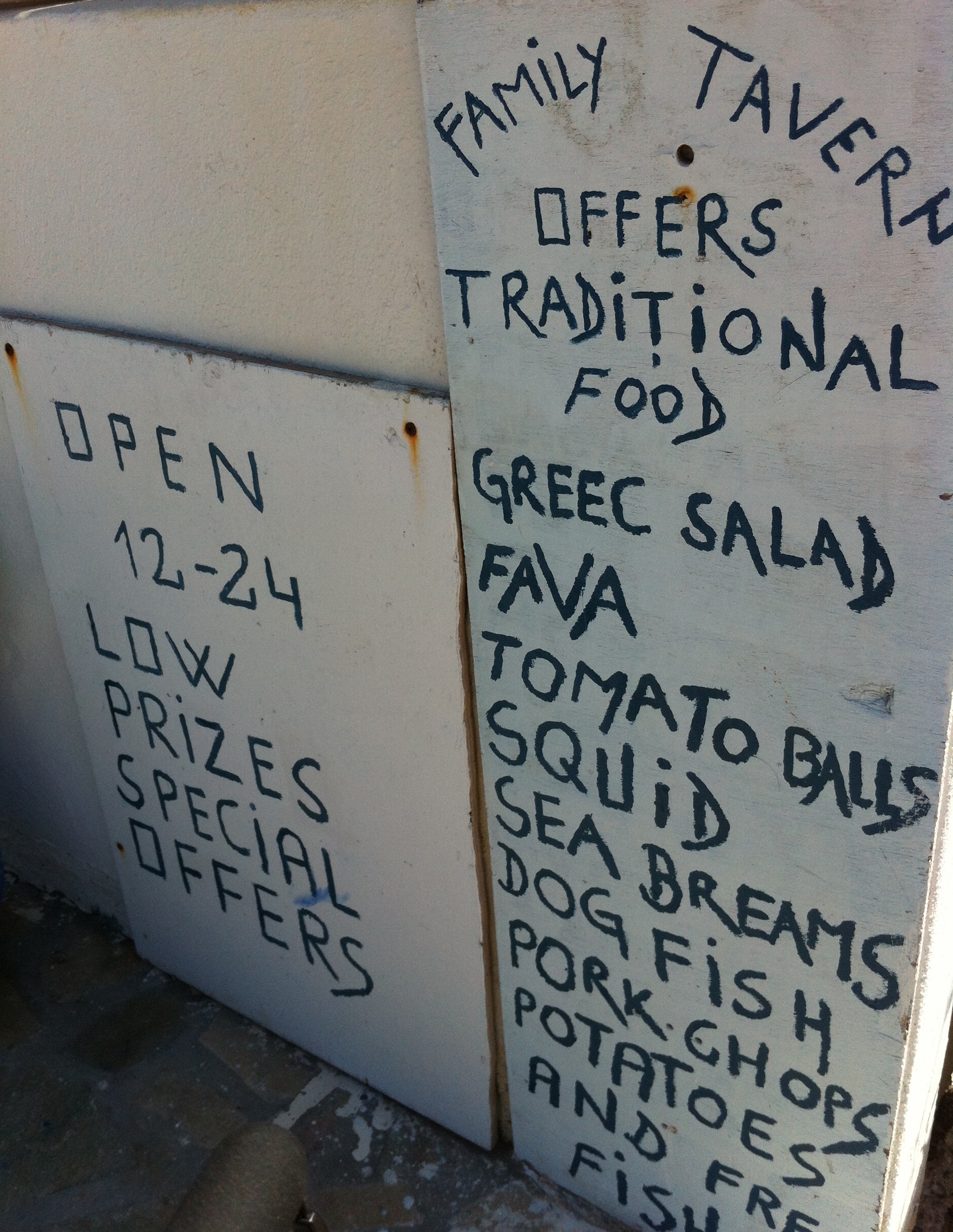
It was in one of those out-of-the-way places that we first had this dish. Taverna Giorgaros is a simple family-run restaurant that is on the road leading to the lighthouse, past the ancient ruins of Akrotiri. We’ve gone there every time we’ve visited Santorini, and only once did they have the freshly caught lobster that allowed us to enjoy this dish.
First, it’s absolutely important to make a good stock: the base for all the other flavors to follow.
For the stock…
2 1-1/2 lb. lobsters, slightly under-cooked
12 cups water
1/2 onion, chopped into quarters
3 celery stalks, chopped into quarters
1 carrot, chopped into quarters
Under-cook (steam or boil, whatever your favorite method) the lobsters. (You’ll be cooking the meat again later.) Remove the lobster meat from the shells and set it aside.
Place the cleaned lobster shells, claws, tails, legs and bodies in a large pot. (You don’t want any of the internal organs or tommaley.) Crush the shells, if needed, so they fit in the pot. Add the water, onion, celery and carrot. Set the heat on high. Cook it until it’s reduced by half.
Strain the stock, discarding the lobster shells and veggies. Bring the stock back to the heat and reduce it until all you have left is 1 cup of intense stock.
For the lobster sauce…
1/2 onion, finely chopped
1 garlic clove, finely chopped
pinch of Italian red pepper flakes
teaspoon fresh chopped parsley
extra virgin olive oil
1/2 cup lobster stock
1/4 cup San Marzano tomato sauce (see below)
splash of dry un-oaked white wine (I use an Australian Chardonnay)
salt and pepper
Final ingredients…
reserved lobster meat
1/2 lb. cooked pasta
Add some olive oil to a large pan and sauté the onions until they’re translucent. Season them with salt and pepper. Add the garlic and cook for 10 seconds. Add the red pepper flakes and parsley.
Add 1/4 cup of the lobster stock and let it cook, reducing by half. Add the other 1/4 cup of lobster stock and the tomato sauce. Let it cook for a couple of minutes and add the white wine. Cook for a few minutes more.
Cook the pasta and drain it before it reaches the al dente stage. Place the pasta in the pan with the sauce, heating and coating thoroughly. Add the reserved lobster pieces and warm them through, tossing in the sauce. Serve immediately.
For the San Marzano tomato sauce: Pour a can of whole San Marzano tomatoes in a food processor and blend. Pour the sauce into a pan and reduce it over medium heat by half, until the sauce has thickened. Use this sauce in the recipe.