Mardi Gras is a couple of weeks away!! Here’s a great dish from New Orleans…

One of my favorite dishes to come out of New Orleans is Barbecue Shrimp, so on a visit to the Crescent City a couple of years ago, I had to make a stop at the place where it all started.

The first unusual thing you notice about the classic dish, New Orleans Barbecue Shrimp, is that it’s not cooked on a barbecue grill and it has no barbecue sauce.

So why the name?
Its origin goes back to the mid-1950’s, to an Italian restaurant in New Orleans called Pascale’s Manale. The story goes that a regular customer had just returned from Chicago, where he had dined on an amazing shrimp dish. He asked the chef at Pascale’s Manale to try to replicate it, and what resulted was actually better than the original. And though no barbecue grill or sauce was used, it is believed that they gave it the name “BBQ Shrimp” to cash in on the backyard barbecuing craze that was all the rage at the time. Whatever they call it, I have to say that it’s worth a special trip to have the dish!
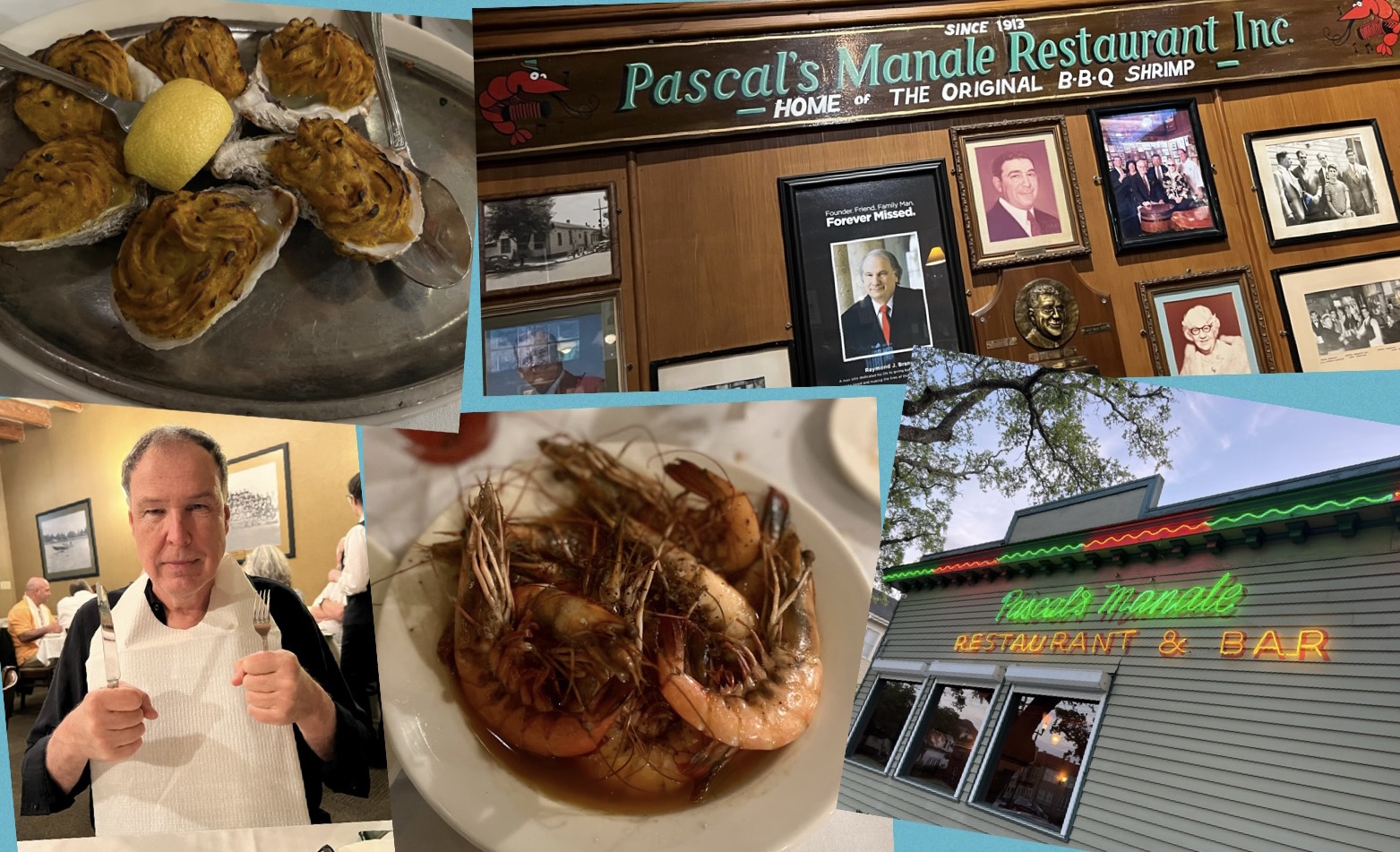
The classic New Orleans Barbecue Shrimp is served with shell-on shrimp, so you have to make a big, buttery mess of yourself as you devour it. And it’s served with plenty of crusty French bread.

At home, sometimes I’ll leave out the bread and go for rice instead. And I’ll peel the shrimp completely, using the shrimp shells to make the stock I cook the rice in.

image
For the seasoning…
1 1/2 teaspoons salt
1 1/2 teaspoons fresh ground black pepper
1 teaspoon fresh rosemary, very finely chopped
1/4 teaspoon oregano
1/4 teaspoon granulated garlic
1/4 teaspoon granulated onion
1/4 teaspoon paprika
1/4 teaspoon dried thyme
1/8 teaspoon cayenne pepper
1/8 teaspoon white pepper

Mix all the seasoning spices and set them aside.

image
For the BBQ shrimp…
2 lbs. large wild-caught American shrimp, peeled and de-veined
1 stick butter (4 oz.)
1/2 cup beer
1/4 cup Worcestershire sauce
olive oil
For the rice…
1 cup rice (I like jasmine rice)
2 1/4 cups water or seafood stock (see below)
1 teaspoon olive oil
1/2 teaspoon Tony Chachere’s Original Creole Seasoning

image

Cook the rice following the directions on the package. I like using stock instead of water when I cook my rice, so after peeling all the shrimp, I toss the shells in a saucepan full of water and I boil the heck out of it, strain it, and use that stock to cook the rice. I add the olive oil and the Tony Chachere’s (available online or at your favorite food store) to the stock before cooking the rice.

To cook the shrimp, I heat a little olive oil in a large skillet over moderate heat. Then I add the shrimp, and sear them on one side (about 30 seconds) and then flip them over to sear on the other side (another 30 seconds.) I’m not trying to cook them all the way through, just get them a bit caramelized. Then I remove the shrimp from the skillet and set them aside.

(I often serve the BBQ Shrimp over the rice with broccoli. If you want to use broccoli, add a little butter and olive oil to the same pan you seared the shrimp in. Cook until the broccoli is nicely caramelized, then remove from the pan and set aside.)

In the same skillet, I heat the butter until the foam subsides. Then I add the beer, Worcestershire sauce, and 2 teaspoons of the seasoning mix. I mix well, then add the shrimp and broccoli back in the pan, simmering for about 5 minutes, stirring occasionally.

Serve over the rice!

Chicken Rollatini was one of the first dishes I learned how to make back in my teenage days on Long Island, working at a local Italian restaurant called Pizza City East. (The original Pizza City was in Ozone Park, Queens.) It was a simple dish: a chicken breast rolled up with prosciutto and mozzarella, and baked in a mushroom cream sauce. My version these days substitutes ham for the prosciutto, provolone for the mozzarella, and an Alfredo-like sauce instead of  the mushroom cream sauce.


4 chicken breasts cut lengthwise to make 8 thin breasts, about 2 pounds
8 slices sliced ham
8 slices of provolone cheese
Remove the chicken tender portion of the chicken breasts and set those aside for another day.
I don’t like to pound out my chicken breasts. I like the texture of “real meat.” So I take a large breast, and slice it lengthwise to make 2 thinner breasts. I lay the breast down on the cutting board, add a slice of “real” ham (not the deli-sliced stuff, but a ham that I sliced myself), then a slice of provolone, and carefully roll it up, securing it with toothpicks. Sometimes it’s easier to roll the ham and cheese first, then wrap the chicken around it. Place the rollatinis on a baking sheet. Set aside, preferably in the fridge, until ready to cook.

Rolled and ready!

1/2 cup breadcrumbs
1 teaspoon parsley
1/2 teaspoon oregano
1/2 teaspoon salt
1/4 teaspoon pepper
1/4 teaspoon granulated onion
1/4 teaspoon granulated garlic
Combine these ingredients in a bowl. Set it aside.
2 carrots
2 parsnips
2 celery stalks
1/2 medium onion
Olive oil
Peel and chop the parsnips and carrots into quarters. Peel and chop the onion in half. Chop the celery into quarters as well. Place all the vegetables on a sheet pan and drizzle olive oil over the top, tossing them in the oil. Roast the vegetables in a 400° oven until caramelized, and the  carrots and parsnips are fork-tender, about 20 minutes. Remove the sheet pan from the oven and let the vegetables cool. Once the veggies have cooled, chop them finely with a knife or food processor. Set them aside.
3 cups your favorite rice, cooked
Cook the rice according to package directions. Once the rice is cooked, mix it with the chopped carrots, parsnips, celery and onion. Set it aside.
1 cup cream or half-and-half
3 tablespoons butter
1/2 cup freshly grated Parmigiano Reggiano
salt and pepper
For the Alfredo-like sauce, heat a saucepan over medium heat, melting the butter and then adding the cream or half-and-half. Once it’s warmed through, add the cheese and whisk until it has melted and the sauce is smooth. Season with salt and pepper. Set it aside, to re-warm later.
Take the pan of rollatinis out of the fridge to warm to room temperature, and reduce the heat of the oven to 350°.
Drizzle a little olive oil over the top of the rollatinis and rub it in. Sprinkle the breadcrumb mixture over the top and bake them for 30-45 minutes, until the chicken has cooked through.
To serve, remove the chicken rollatinis from the pan and plate on a bed of arugula (optional) with the rice on the side. Serve with the sauce.

As recently as a couple of years ago, I had never heard of beef flap. But I purchased one from Slanker’s, a distributor of grass-fed beef out in Texas, and it’s become one of my favorite cuts of beef.

You won’t find beef flap in most supermarkets…at least I haven’t been able to find it…so online ordering may be one of the only ways to give it a try.

And yes, I grill outside even in cold weather!

Beef flap is also known as bottom sirloin butt, and it comes from a part of the cow where flank steak comes from, only farther back. So it has its similarities to flank.

Beef flap is wonderfully marbled and is fantastic for a variety of dishes, including fajitas, stirfrying, or just enjoying it grilled.

I’ve marinated beef flap in many different ways, with Asian flavors and classic American BBQ spices, but one of my favorite ways is to give it a marinade that is similar to Italian dressing.

Some folks actually use bottled Italian dressing to marinate meat, but I prefer to make my own.

Olive oil
White wine vinegar
Salt
Pepper
Granulated garlic
Granulated onion
Dried oregano

Combine these ingredients in the proportions that you like in a bowl, mixing thoroughly.

I like to trim the beef flap, removing any silver skin that might be on it, and cutting it into pieces that are about 4” square and 1/4” thick. If the meat is too thick, I slice it lengthwise in half, to make a thinner cut. I place all the beef in a Ziploc bag, pour the marinade in, squeeze the air out of the bag and then seal it tightly.

I squish the bag all around to make sure that the marinade makes contact with all the meat, and I place the bag in the fridge overnight. (I usually put it in a bowl or tray, just to avoid any accidental spillage.)

The next day, I remove the meat from the fridge and let it come to room temperature before I cook it on a hot hardwood charcoal grill.

Beef flap cooks quickly on the grill, especially if you like it medium-rare, but because it has that fat marbling, it still stays juicy even if you like it well done.

And if you can’t get outside, a hot cast iron grill on the kitchen stove works just as well!

We’re waiting on the big snowstorm here in New England. If I didn’t have to go to work today, and spend the night at the radio station to be there for my show tomorrow morning, I’d probably be cooking something like this!

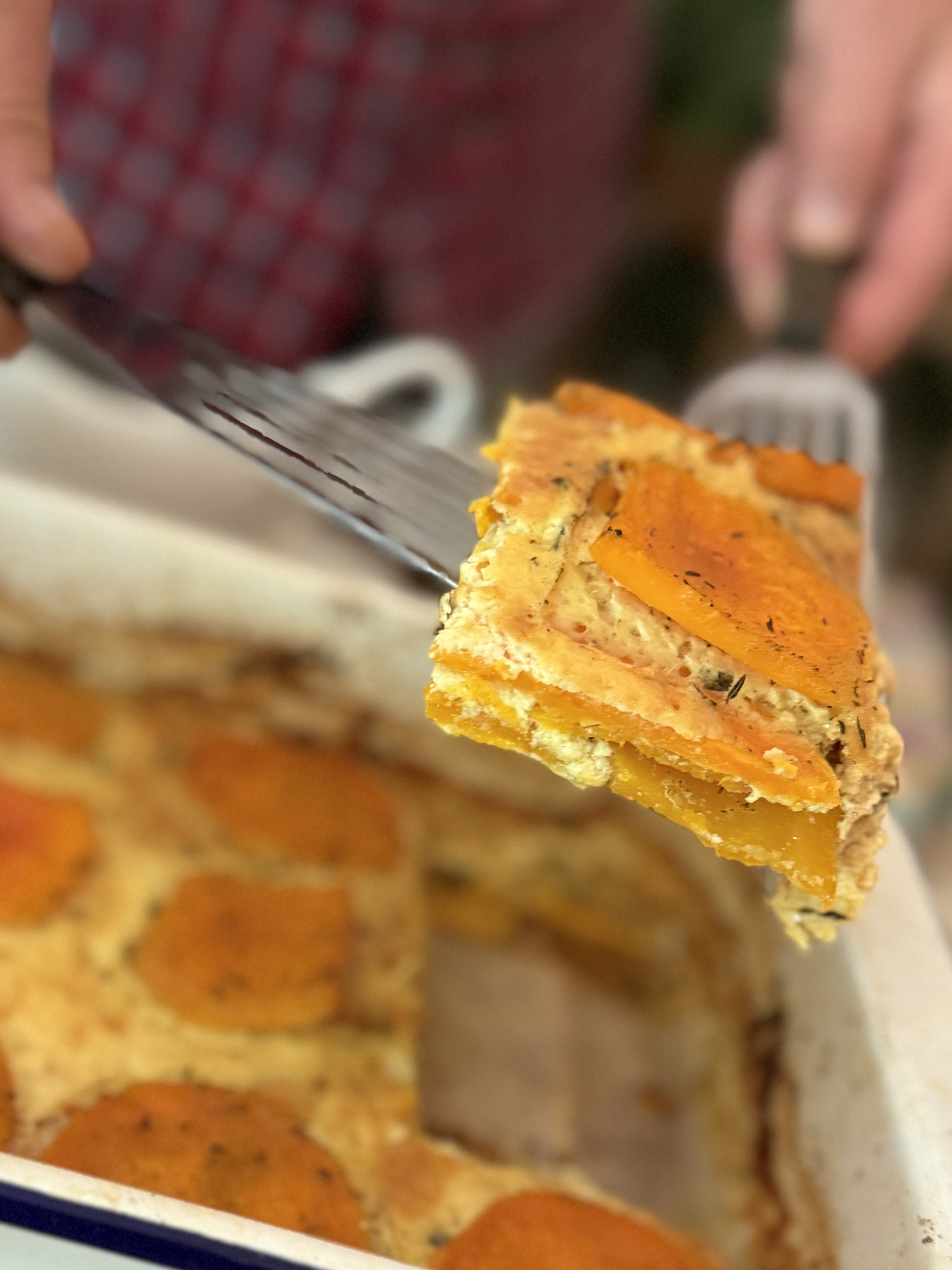
I based this recipe on one found online that didn’t have any specific measurements. So I played it by ear and came up with what I thought was a pretty darn good version of it.

It’s simply layers of sliced vegetables and a mix of cheeses that bakes in the oven. It’s an easy to prepare dish that can be made the day before and then kept in the fridge overnight until you’re ready to bake.

The veggie layers…

Sweet potatoes, peeled and thinly sliced
1 medium butternut squash, peeled and thinly sliced
3 tablespoons olive oil
1 teaspoon dried thyme
1 teaspoon dried rosemary
salt and pepper

The amount of sweet potato versus butternut squash is up to you. But you need a total of about 3 pounds of sliced and peeled veggies. If you have a mandolin for slicing, use it. But I went with a sharp knife and got some pretty thin slices that way.

Once you’ve sliced the veggies, place them in the pan you’ll be baking with. Add the olive oil, thyme, rosemary, and salt and pepper, and toss everything to mix really well. Set it aside.

The cheese…

12 oz. ricotta cheese
8 oz. shredded mozzarella
4 oz. grated Parmigiano Reggiano
1 egg
1 tablespoon chopped fresh sage (or 1 teaspoon dried)
salt and pepper

In a bowl, mix all the ingredients well, until it’s soft and creamy. Set it aside.

Walnuts…

1/2 cup walnuts, chopped and toasted

This is optional. It will be sprinkled on the lasagna at the end of cooking.

Cranberry glaze…

1/2 cup cranberry sauce
2 tablespoons maple syrup
1 tablespoon balsamic vinegar

This glaze is a bit tart, and is just what you need with the richness of all that cheese. Whisk these ingredients in a bowl until they’re smooth and set it aside.

Preheat the oven to 375°.

Remove the veggies from the baking pan, setting them aside in a bowl, so you can start the layering process back in the pan. Line the bottom with a layer of veggies, followed by a thin layer of the cheese. Then it’s another layer of veggies, and another of cheese, etc.

Depending on how thick your slices are, and how heavy your veggie layers are, you’ll get 3 or 4 layers of veggies, with cheese in between. You want the veggies to be on the top layer, no matter how many layers you go, so keep that in mind.

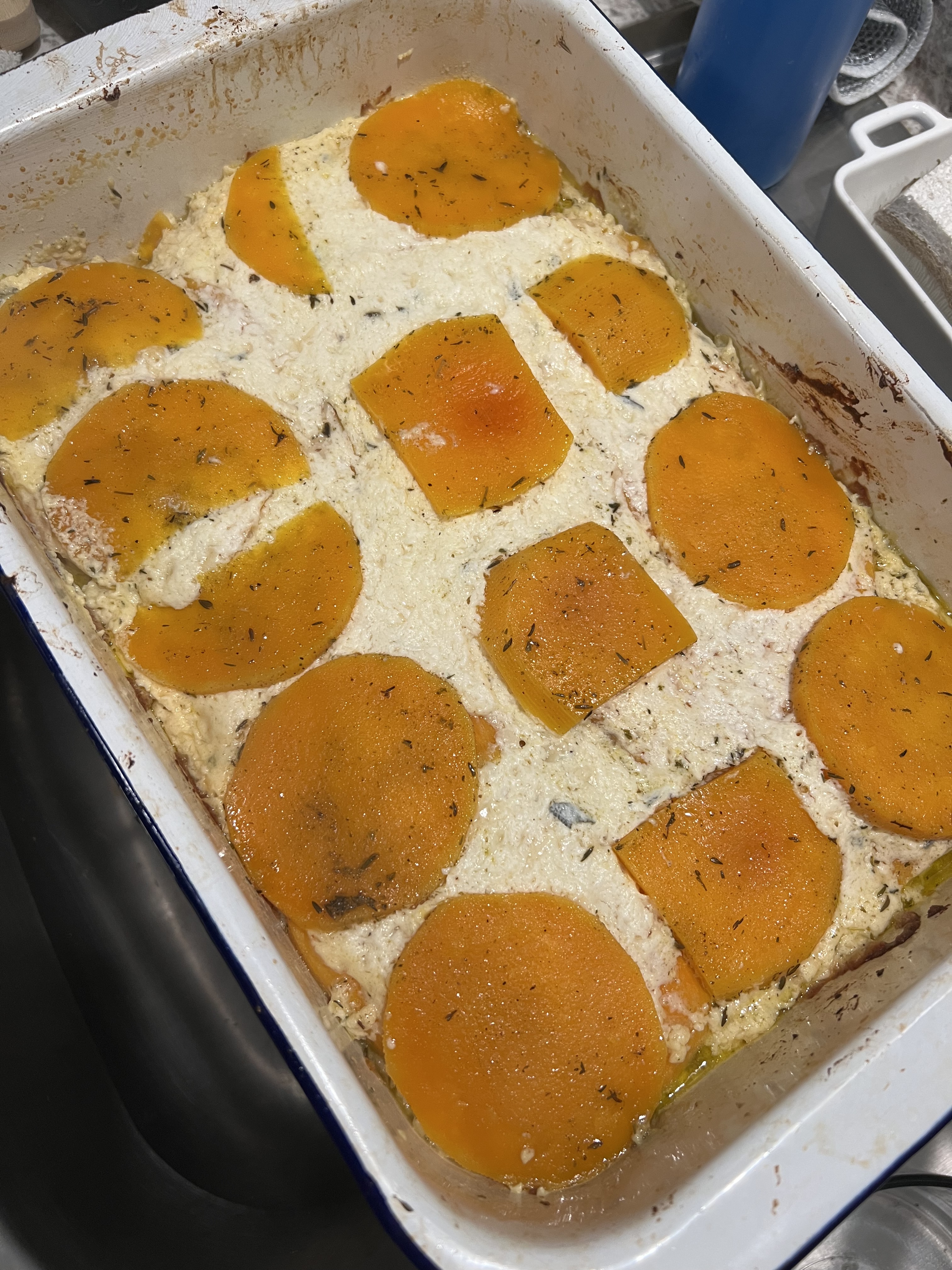
Wrap foil over the baking pan and bake for 45 minutes.

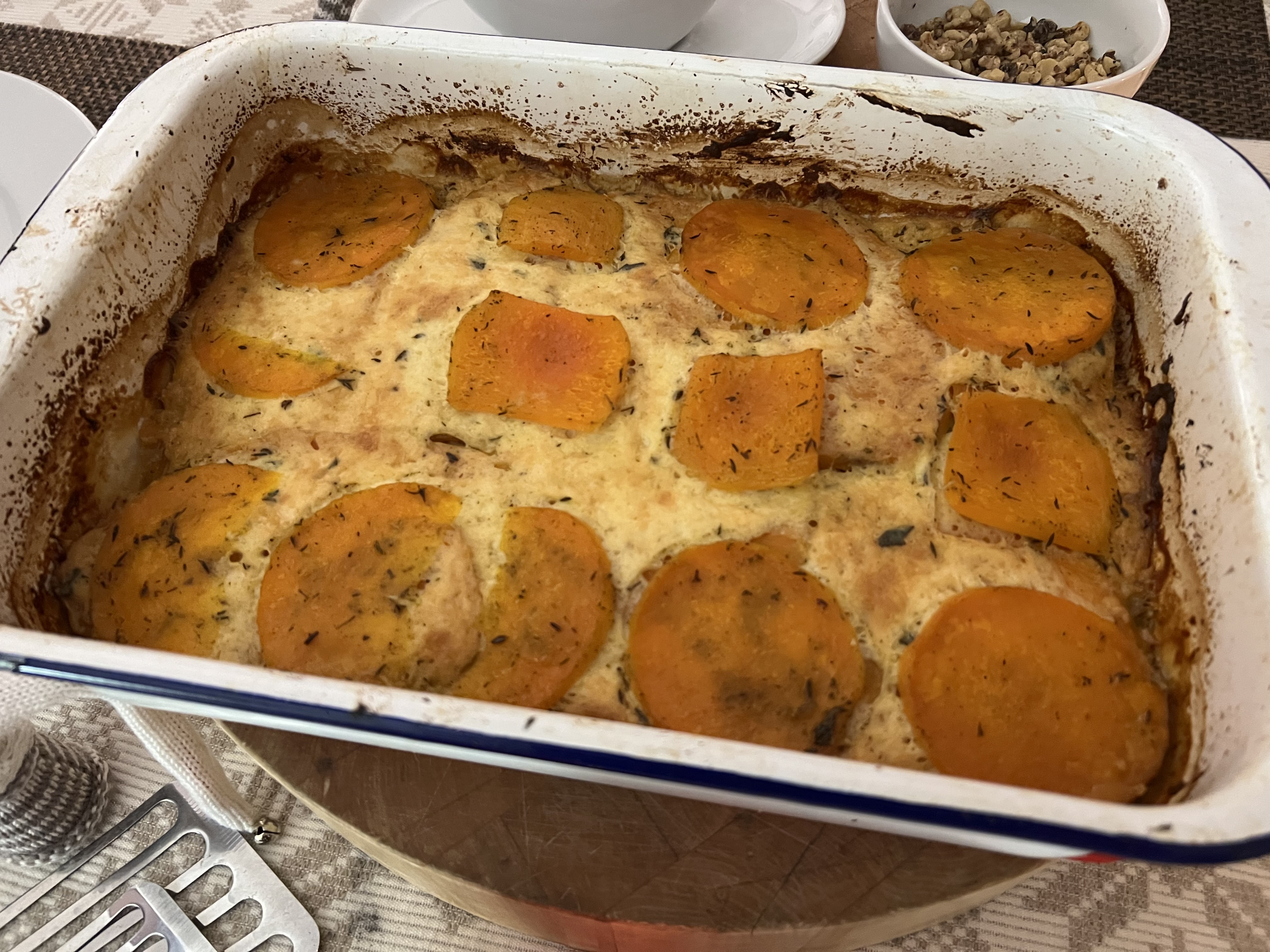
Foil removed and going back into the oven. (As you can see, this time I ran out of veggies for the top layer! All good!)

After 45 minutes, remove the baking pan from the oven, and remove the foil. Sprinkle the optional walnuts on at this point, and return the pan (without the foil) back to the oven for another 15 minutes.

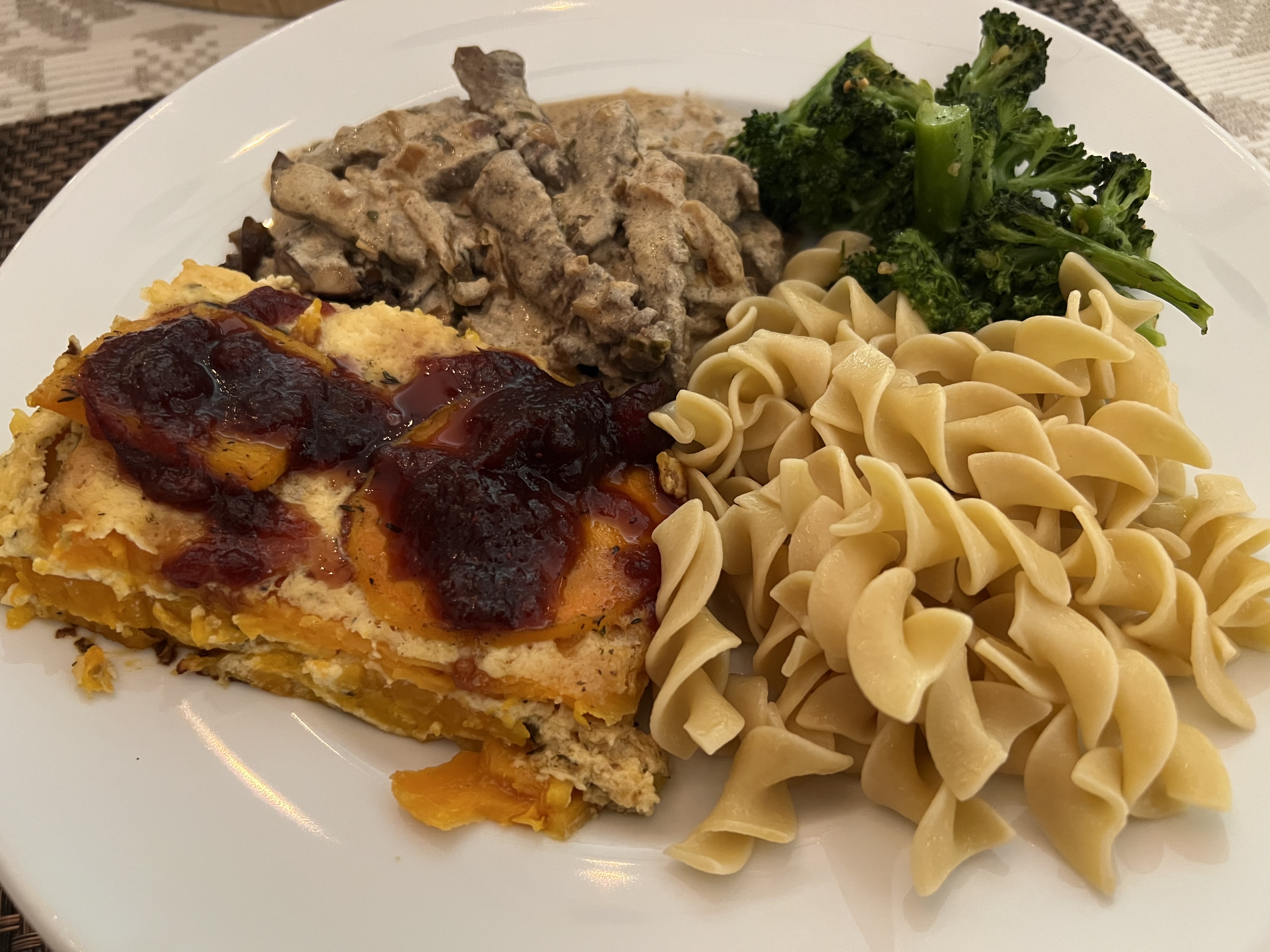
Once the cooking is done, allow the baking pan to rest for about 10 minutes before slicing. Pour some of the cranberry glaze on top when serving.

Part of our Christmas dinner, along with beef stroganoff, broccoli and egg noodles.
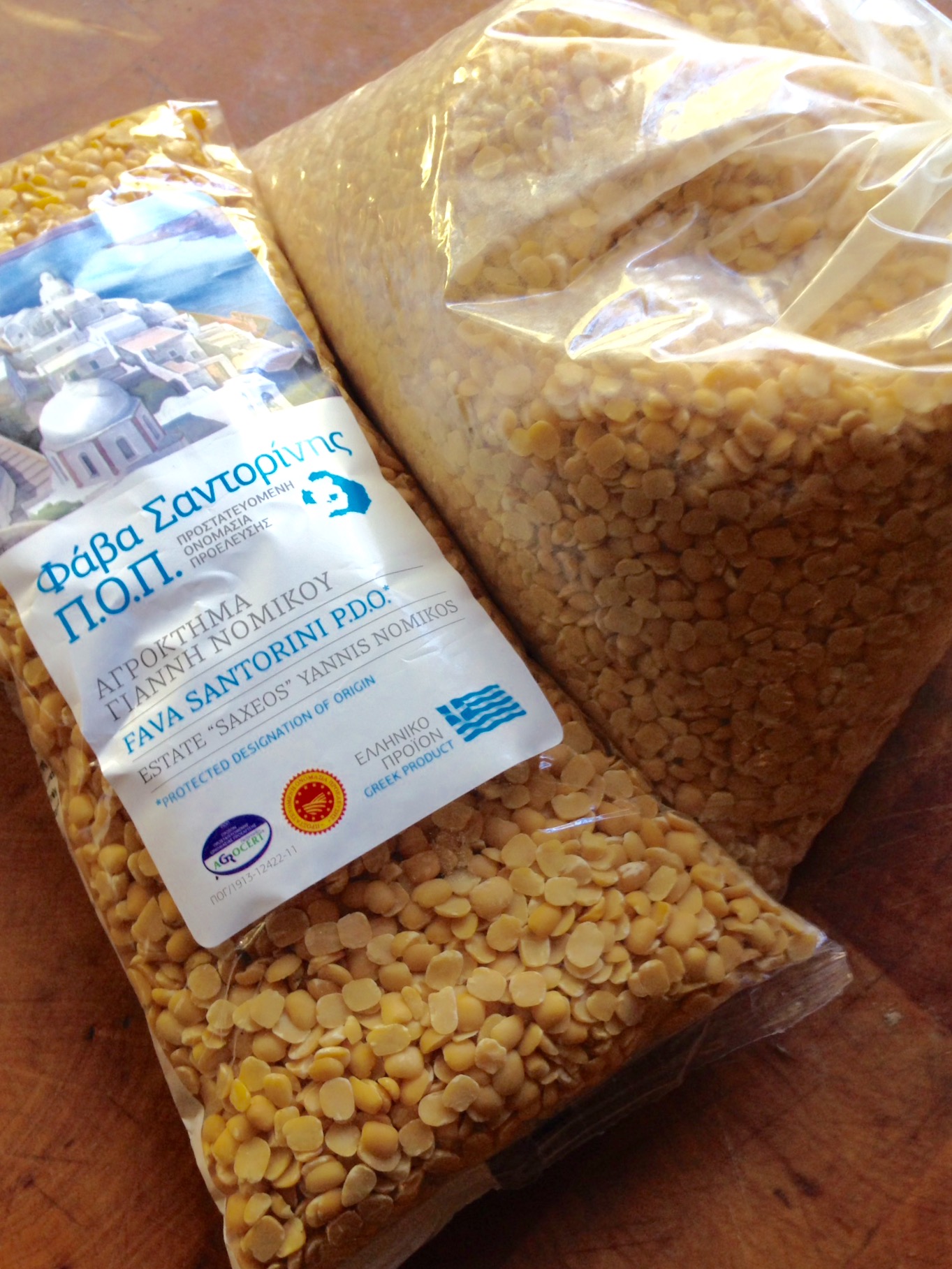
They call it fava, but it’s not the bean we usually associate with that name. Originally, broad beans were used in this dish, but quickly it changed to a type of yellow shelled lentil that is much smaller and flavorful than its American counterpart, the yellow split pea, no doubt due in part to the dry, volcanic Santorini soil it grows in. The lentil is smaller and the art of turning this simple gem into a sublime porridge is worth learning.

The fava at Dimitris Amoudi Taverna

The fava at Dimitris Amoudi Taverna

As common in Santorini as pasta is in Italy, grains of fava have been found in archaeological sites in the ancient city of Akrotiri (on the southern side of Santorini) dating as far back as 3500 years ago. Every taverna on the island offers their own version of fava, and though the differences are subtle, they can be significant.
Most recipes start with the dried lentils, which are washed thoroughly. They are added to a pot of fresh water and then boiled until the water reduces and the lentils slowly absorb the liquid and soften into a porridge. Often chopped onion is added to the pot of water in the very beginning, so that it completely dissolves and flavors the fava. Some recipes call for a subtle mixture of local dried herbs, similar to oregano and thyme, to be wrapped in cheesecloth and added to the pot to infuse flavor.
Like making a great Italian tomato sauce, cooking fava is a labor of love. It requires low heat and constant stirring to make it perfectly smooth. Often it is pureed in a blender at the end.
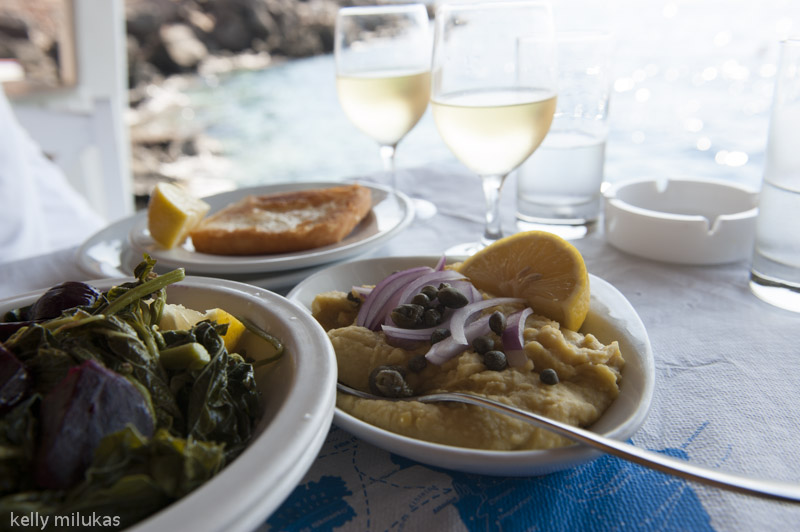
When the fava is ready to serve, the toppings can vary. Thin slices of red onion and a liberal drizzle of Greek olive oil are common. Sometimes it’s topped with locally harvested and brined caper berries or caper berry leaves, or a few kalamata olives.

Proud of his fava

Proud of his fava

On one trip to Santorini, our most memorable fava dish was a simple, rustic version with onion, capers, olive oil and a side of lemon at Dimitris in Amoudi, and a light-as-a-cloud creamy fava topped with caper berry leaves and olive oil at Roka in Oia.
Finding real Santorini fava can be difficult and expensive on line, but it is possible. You can easily find dried yellow split peas in local US supermarkets, but it’s not quite the same.
Whether you use the real fava from Santorini, or yellow split peas, you’ll find it’s a great side dish to replace the usual potatoes or rice. My personal touch–no surprise here–bacon!
 image
1/2 cup olive oil
4 strips bacon, finely chopped
1/2 onion, finely chopped
4 cups water
2 cups chicken stock (I use homemade)
2 cups fava or yellow split peas, rinsed in a colander
salt and pepper
In a large saucepan over medium heat, heat the olive oil and the bacon until the fat renders and the bacon is crispy. Add the onions and cook until they’re translucent. Add the water, the chicken stock and the fava. Stir well. Season with salt and pepper.
Bring the pot to a boil, then reduce to medium. Using a large spoon, scoop off any foam that appears.
Stir often, and cook until the fava absorbs the liquid and becomes a creamy porridge. Lower the heat as you cook to prevent burning. You may need to add water while cooking if you see that it’s getting too dry.
The fava will be done when it’s creamy and smooth. (Optional: zap it in a blender to make it really creamy.) Serve with finely chopped onions, a sprinkling of capers, and a drizzle of good quality olive oil.

National Pizza Week ended yesterday, but who needs a special week to eat pizza? Any day is a great day for pizza.
Despite the large Italian community we have here in southern New England, there’s no exceptional pizza to speak of. I suppose you could say “them’s fightin’ words!” but if it’s here, I haven’t found it yet. (Fellini Pizza is about the best in Providence.)

So where is the excellent pizza? New York City, of course. OK…maybe I’m prejudiced because I’m a Brooklyn boy, and worked in a variety of pizzerias in my younger days, but there’s no doubt in my mind that if you want the best pizza–or bagel, for that matter–you’ve got to go to the Big Apple. (Even “Frank Pepe’s” in New Haven, CT is a mere stop on the way to the real deal.)

Pizza in the Big Apple can be confusing, as there are many different varieties to choose from. Brick oven pizzas abound, but there are pizza lovers who won’t settle for anything less than an old-fashioned pizza baked in a coal-fired oven. The extremely high heat of a coal-fired oven cooks the pizza in just a minute, and imparts a crusty, charred flavor you can’t get any other way. There are only about a dozen coal-fired pizzerias left in New York City, and many of them have been around for a hundred years or more, so it’s definitely a matter of making a special trip to enjoy this style of pizza. (Providence now has its own coal-fired pizza, butp it just can’t compare.)

There’s plenty of good, basic pizza in New York City, too: the traditional thin, round Neopolitan pie, and the thicker, square Sicilian pie, baked in that Blodgett pizza oven we all knew in our early pizza-making days.

Many years ago, when I heard through the pizza lovers’ grapevine that a “new” pizza was out there, one that was gaining a cult following, I needed to know about it. And more importantly, I needed to taste it!

It’s called Pizza Montanara, and there’s still only a few pizzerias in New York City that serve it. The one I go to without fail is PizzArte, on West 55th, and I have to say it’s the ultimate pizza.

Pizza Montanara, sitting next to me in the car, just waiting to be devoured.

What makes Pizza Montanara so spectacular, quite simply, is that the dough is fried in oil for 30 seconds, flipped and fried another 30 seconds, before they put the sauce and cheese on it, and then they cook it in a wood burning oven. It is not greasy. The frying process puffs the dough up and creates a beautiful pillow-like softness that I’ve never experienced in a pizza before. Imagine a pizza cloud and you’ve got Pizza Montanara.

Where to get Pizza Montanara.

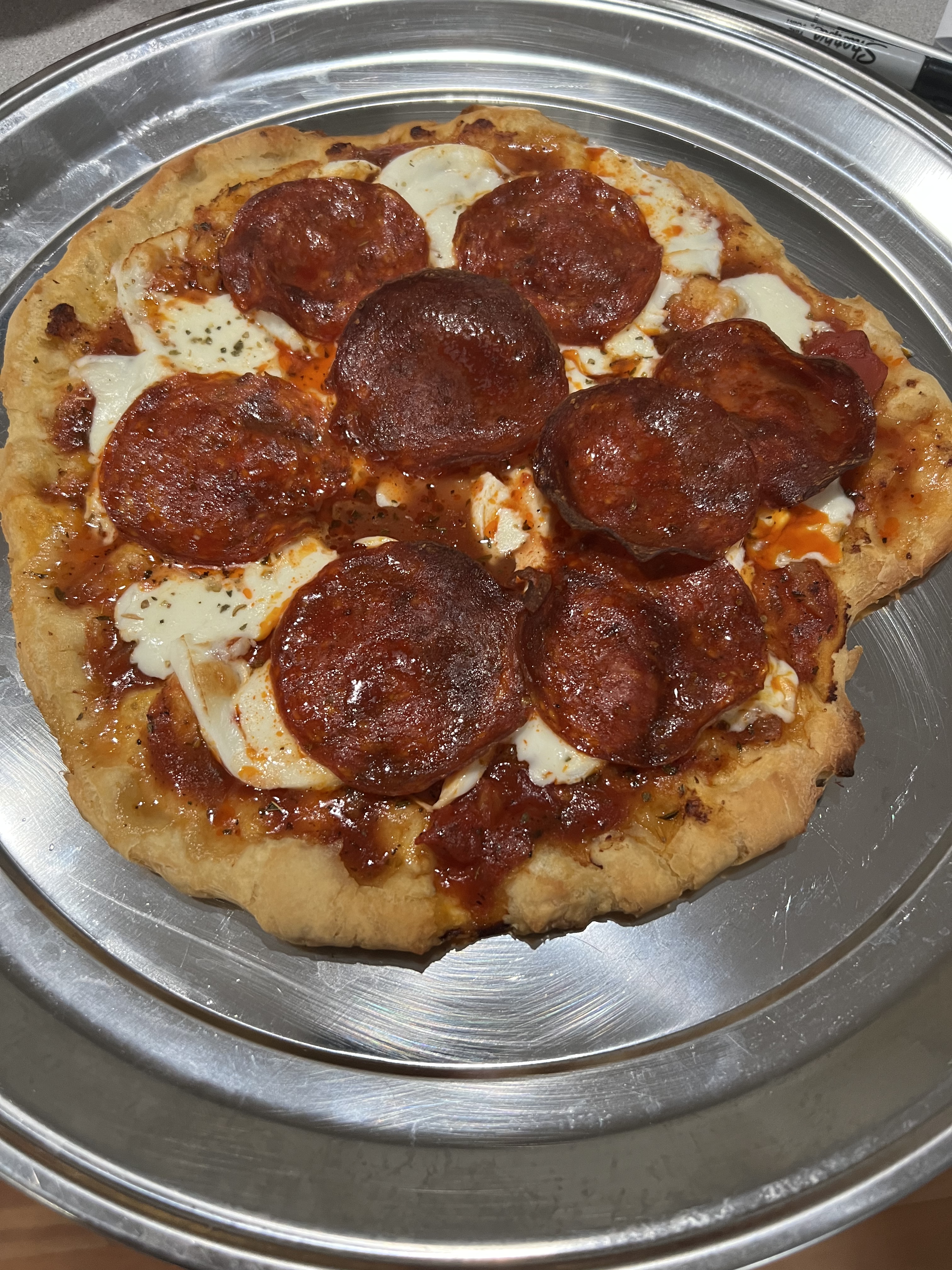
I’ve made Pizza Montanara at home, with limited success. I poured a few inches of olive oil in a large cast iron skillet, stretched my dough into a small pie, and gently floated it into the pan. Using a spatula and tongs, I was able to flip the fried dough over after about 30 seconds, then removed it from the pan after another 30 seconds. It was golden and puffy. I quickly sauced and cheesed it and in the oven it went. But it’s a messy process that doesn’t always come out just right. I need more practice!
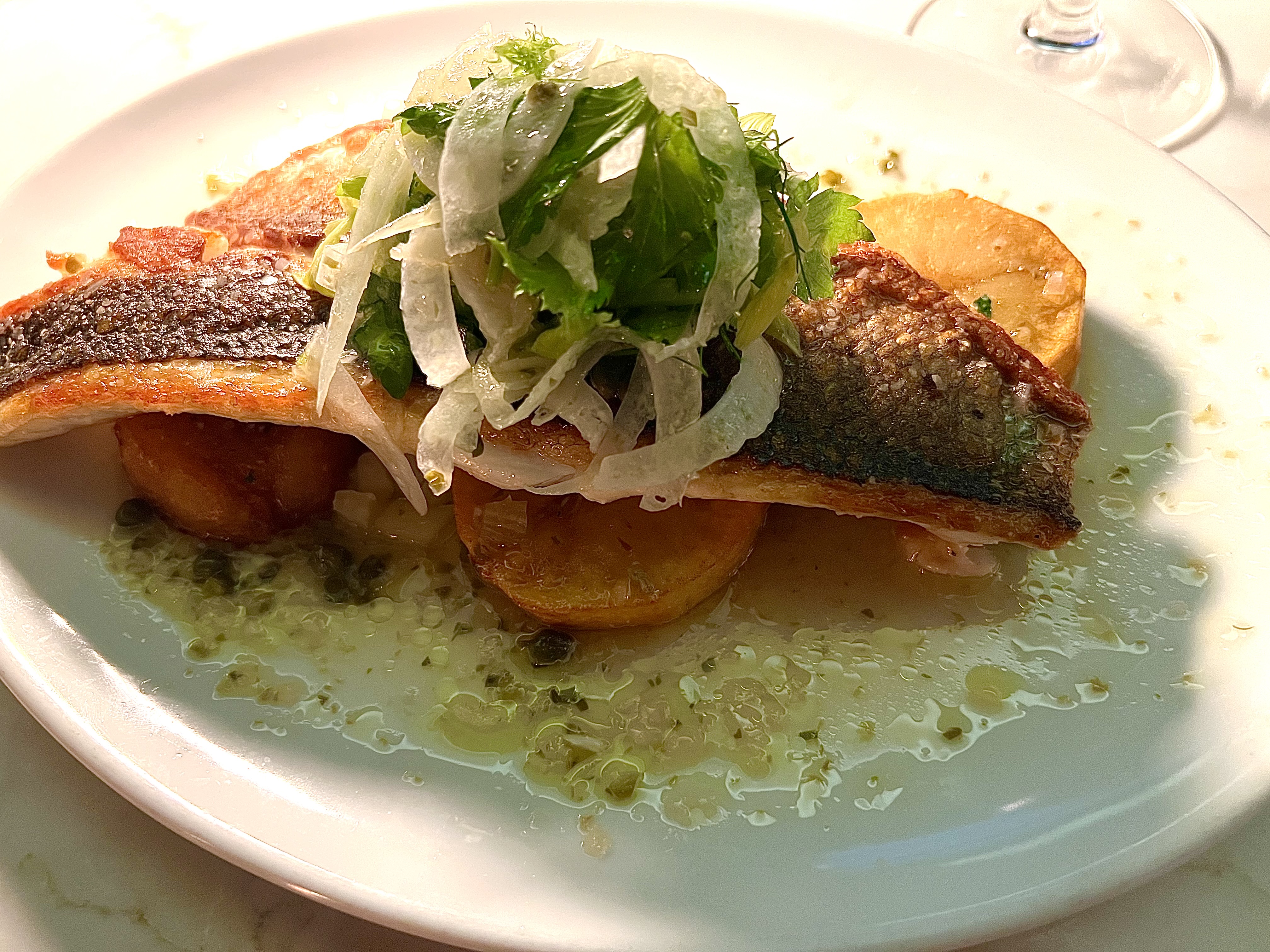
Frying the pizza dough. I use olive oil for better flavor, but I have to watch the temperature, because the smoking point is low (about 375 for extra virgin olive oil) and burnt oil is not what anybody wants!
A homemade Pizza Montanara, with buffalo mozzarella and pepperoni.

A four-cheese Montanara, with mozzarella, sharp Provolone, Parmiggiano Reggiano, and ricotta…and lots of garlic!

Every time I post a photo of Pizza Montanara on Facebook or Instagram, my friends don’t believe that this could possibly be a life-changing pizza experience. It is. After a trip to Manhattan, we’ll devour 3 pizzas on the ride home. Nothing makes New York traffic easier to bear than a Pizza Montanara in the seat next to you!

Pizza Arte also makes one helluva gluten-free pizza.

Back in September, when my daughter started her freshman year at Northwestern University in Chicago, she and her mother flew out there, and I decided to take a road trip, putting the bigger, bulkier things in my car.

I stopped in Cleveland along the way, and had some fun food adventures.
Funny thing is, I loaded the photos into this blog’s library, but I never made a post out of it.
Better late than never!

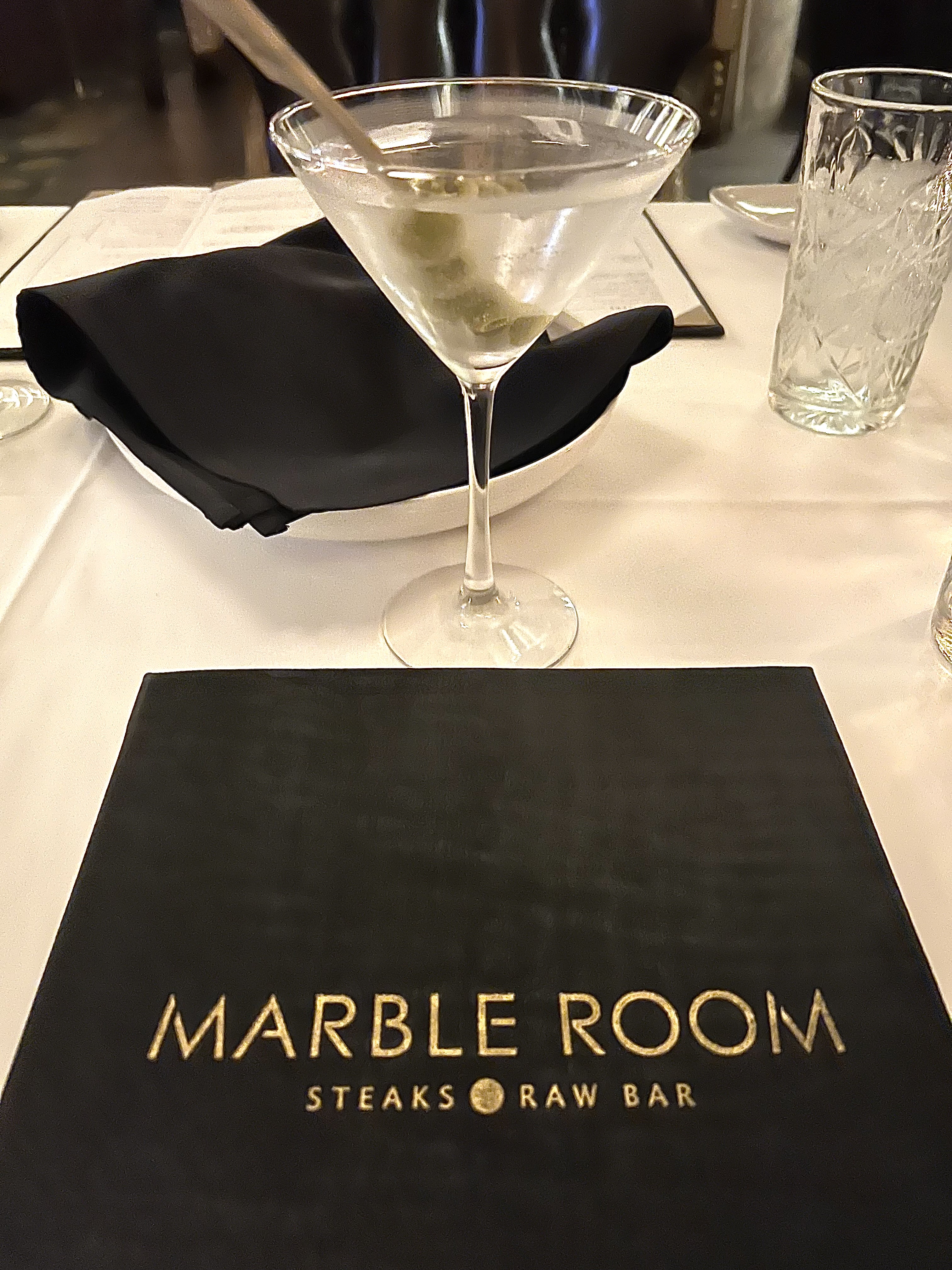
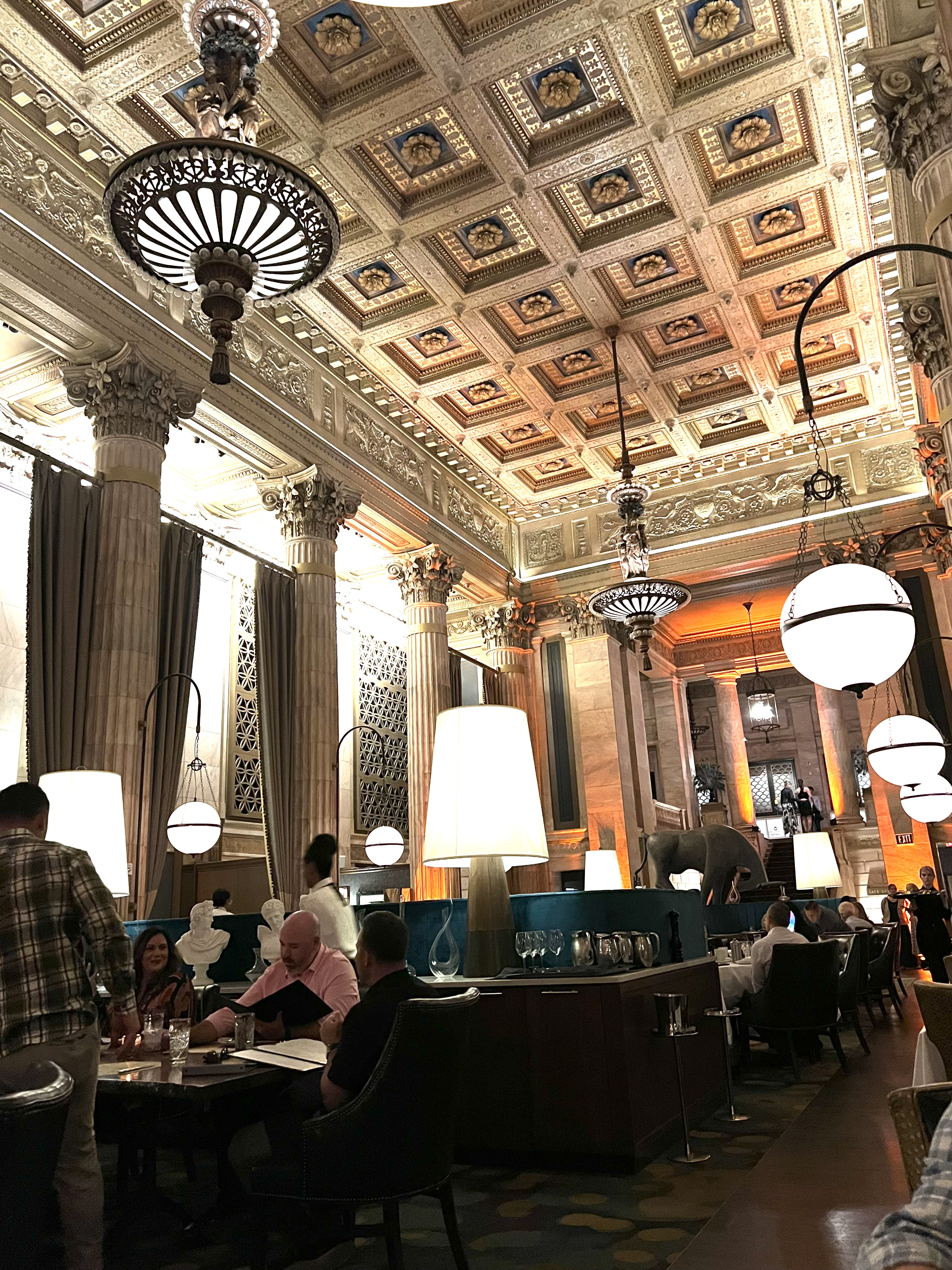
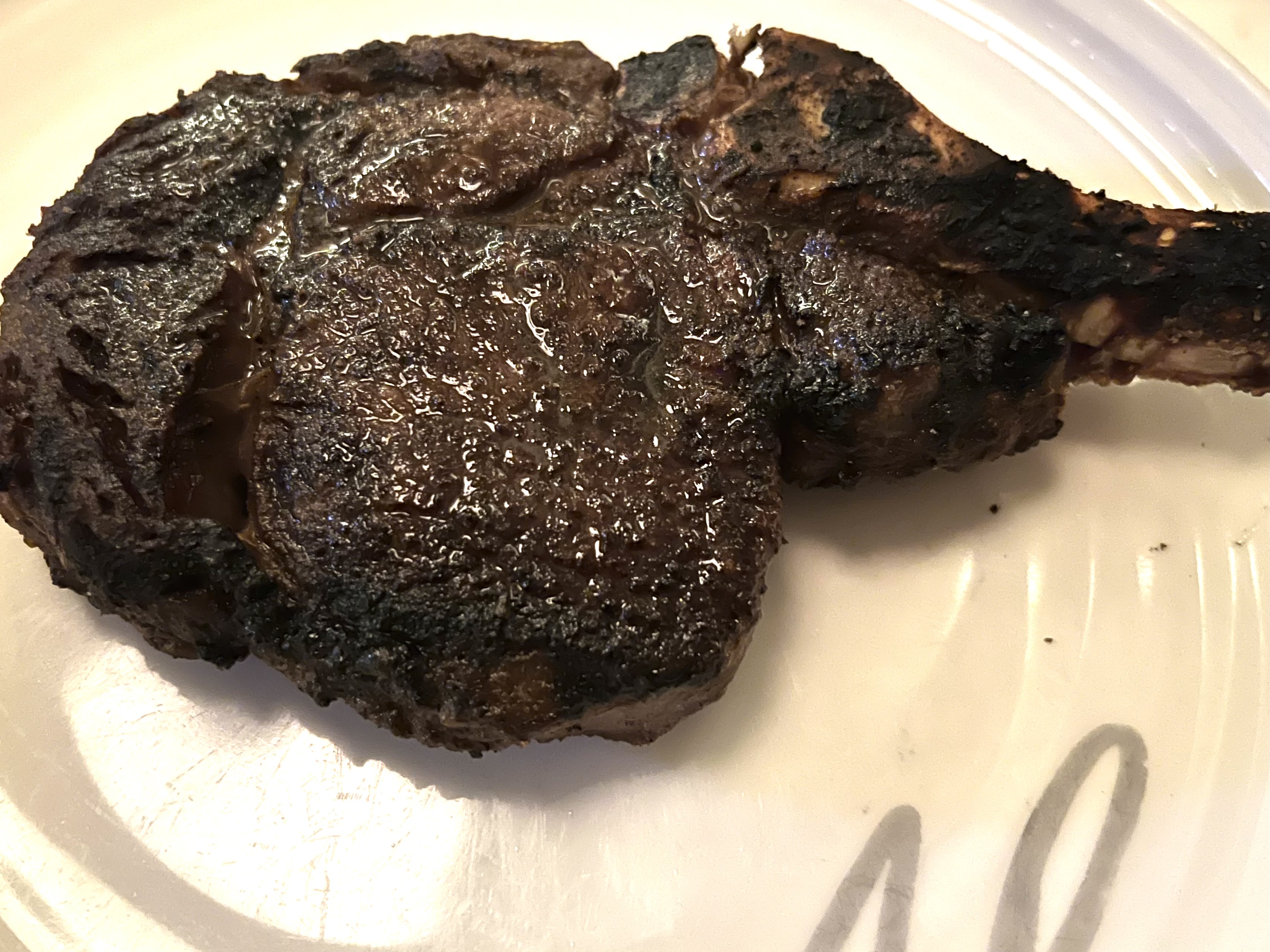
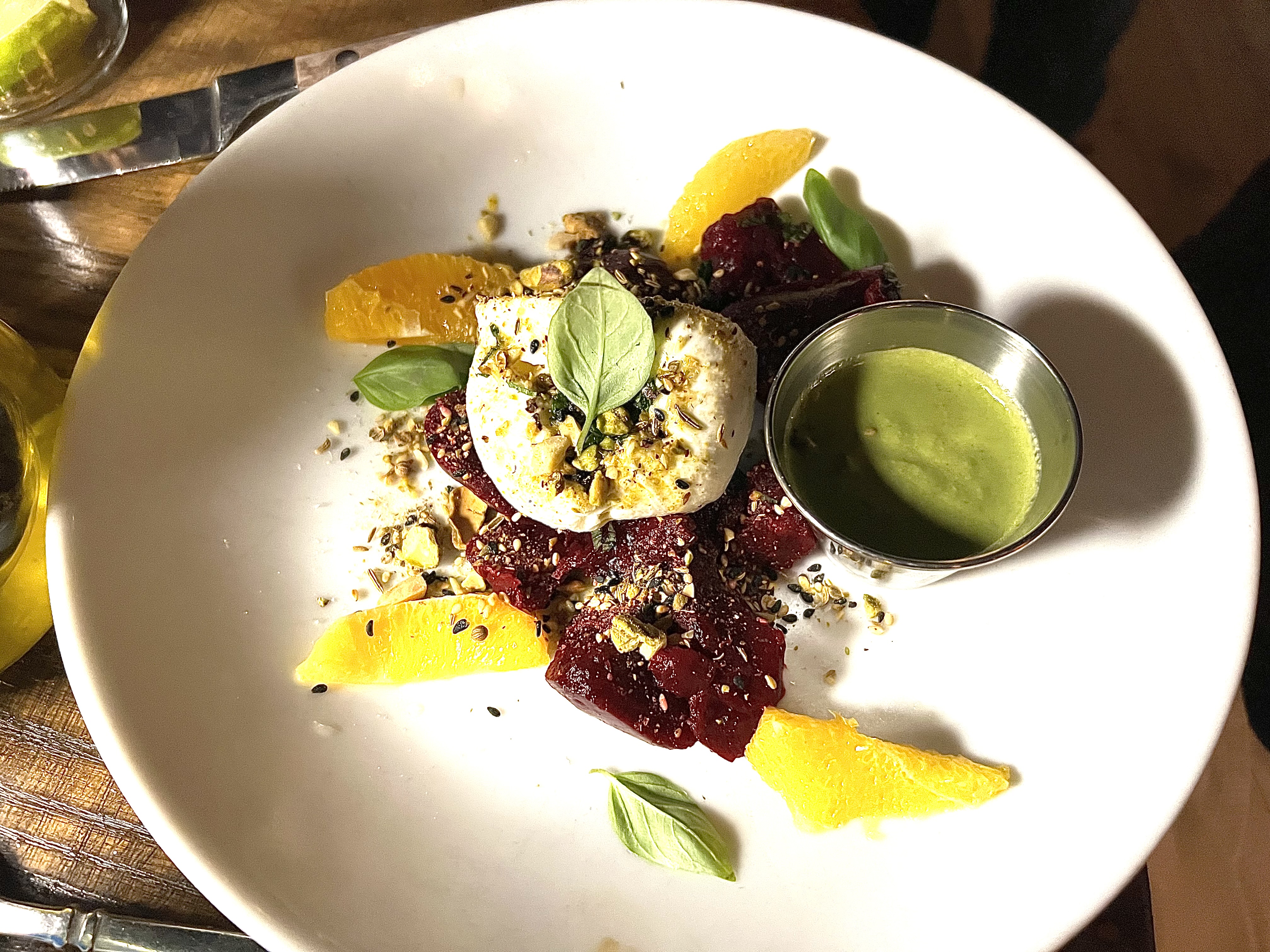
It starts with the Marble Room, an incredible steak restaurant in the heart of Cleveland. Once the home to the National City Bank, this beautiful old bank lobby has been converted into a breathtaking restaurant. Clearly, the classiest joint in this city! And the food and service was fantastic.

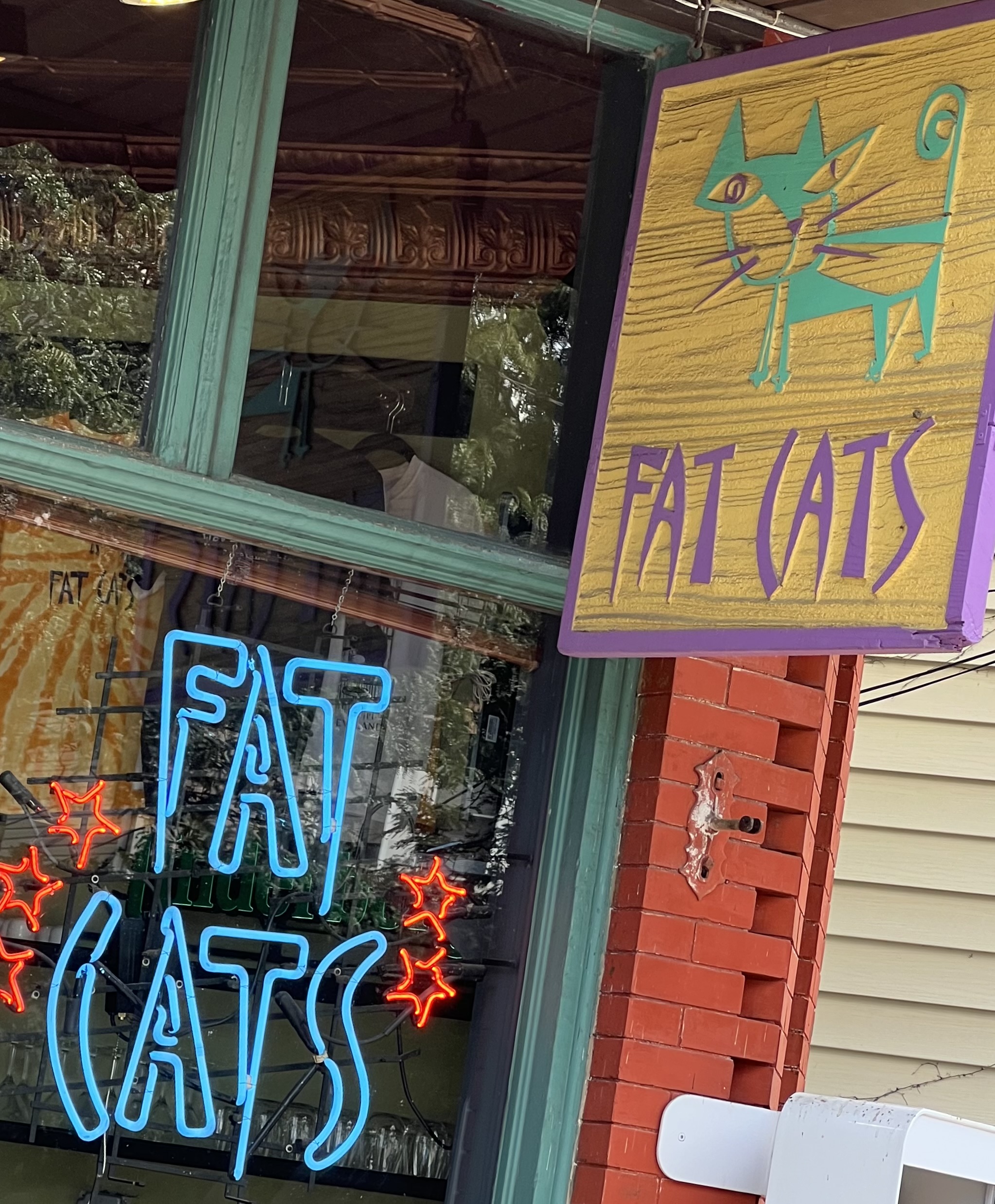
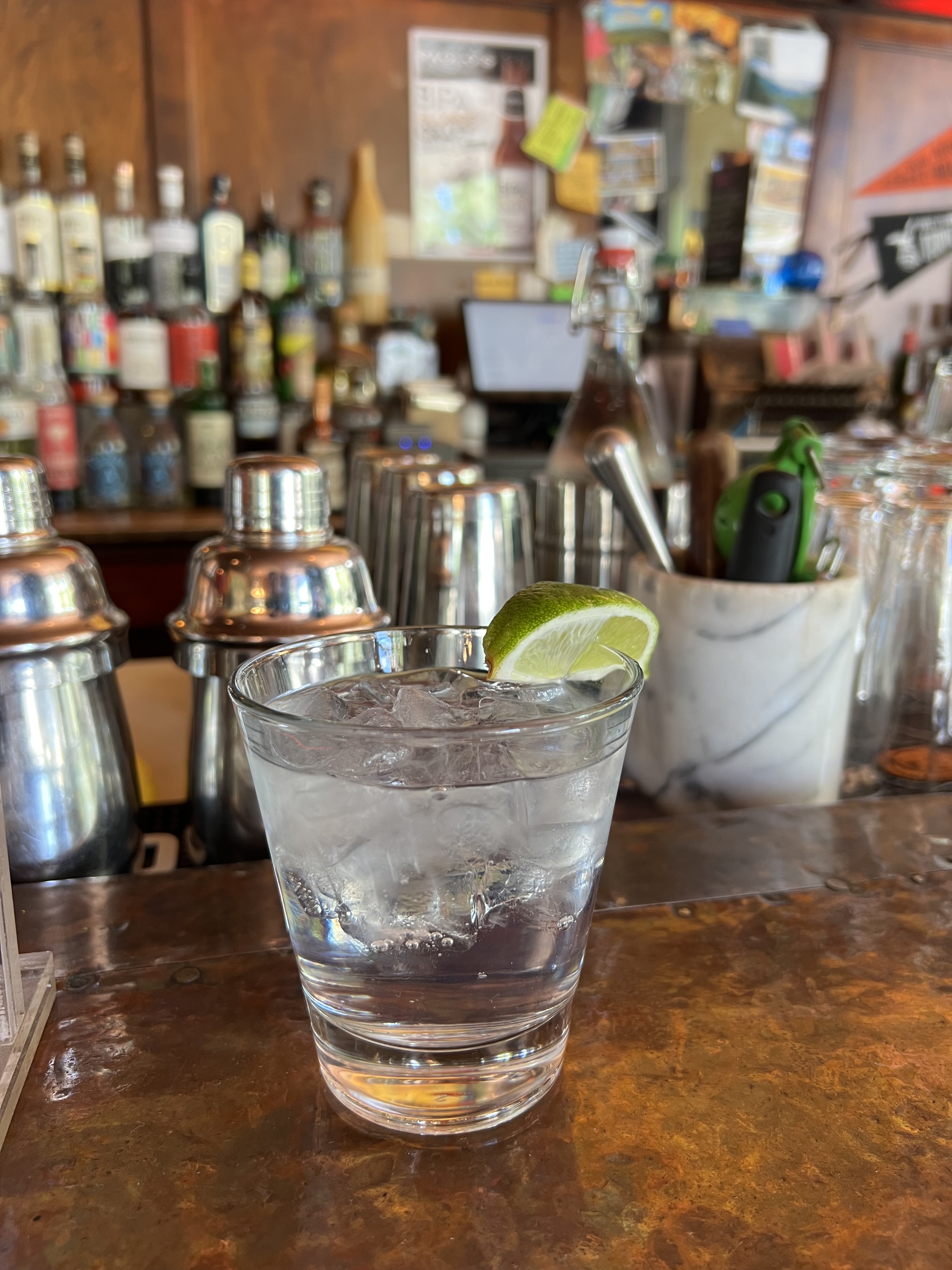
My next day’s dining experience was not a letdown, despite the fact that I targeted a restaurant that was featured on Food Network’s “Diners, Drive-ins, and Dives.” Fat Cats is a neighborhood restaurant that puts out some very creative and delicious dishes, and on my visit, the place was packed.

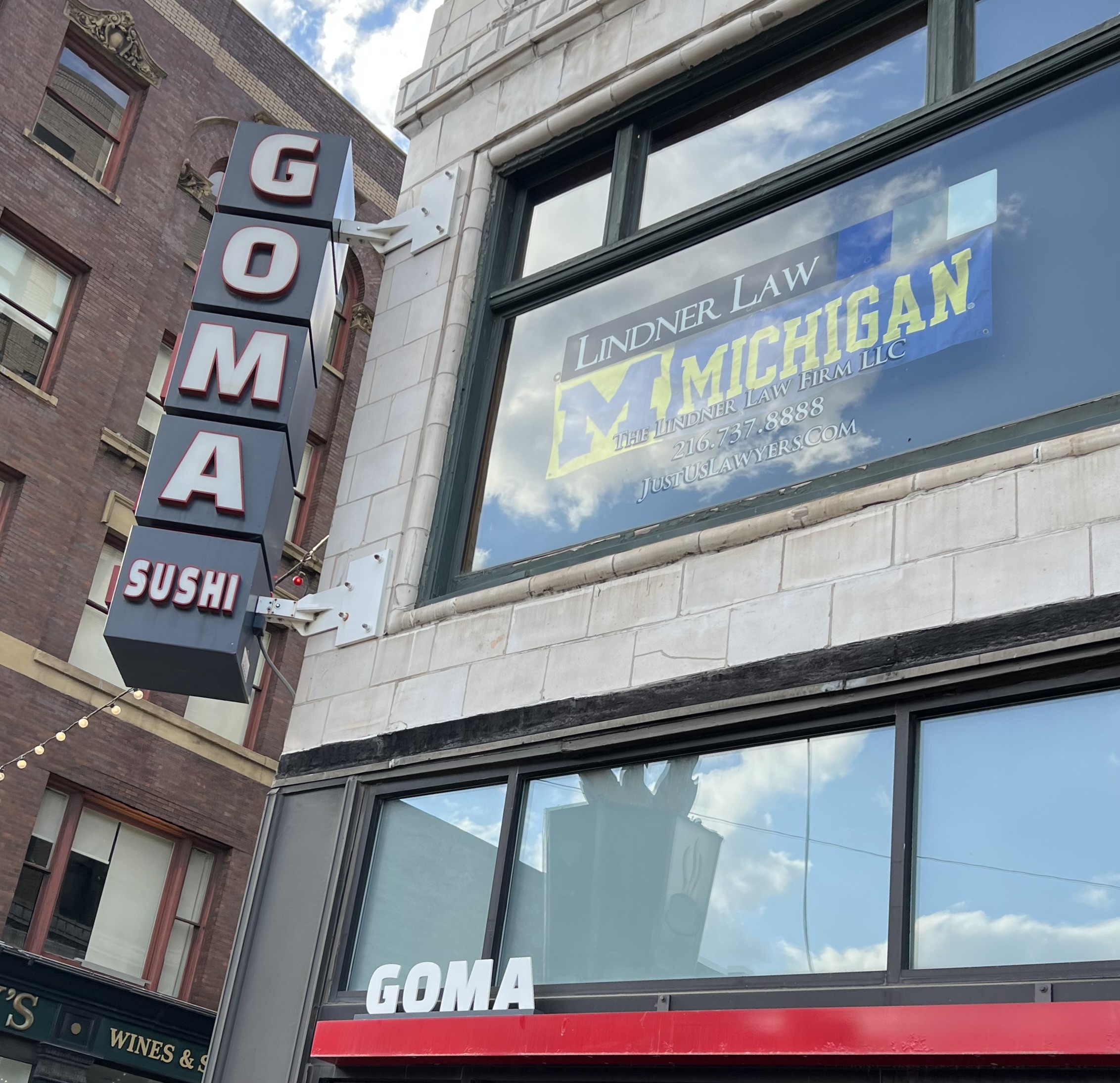
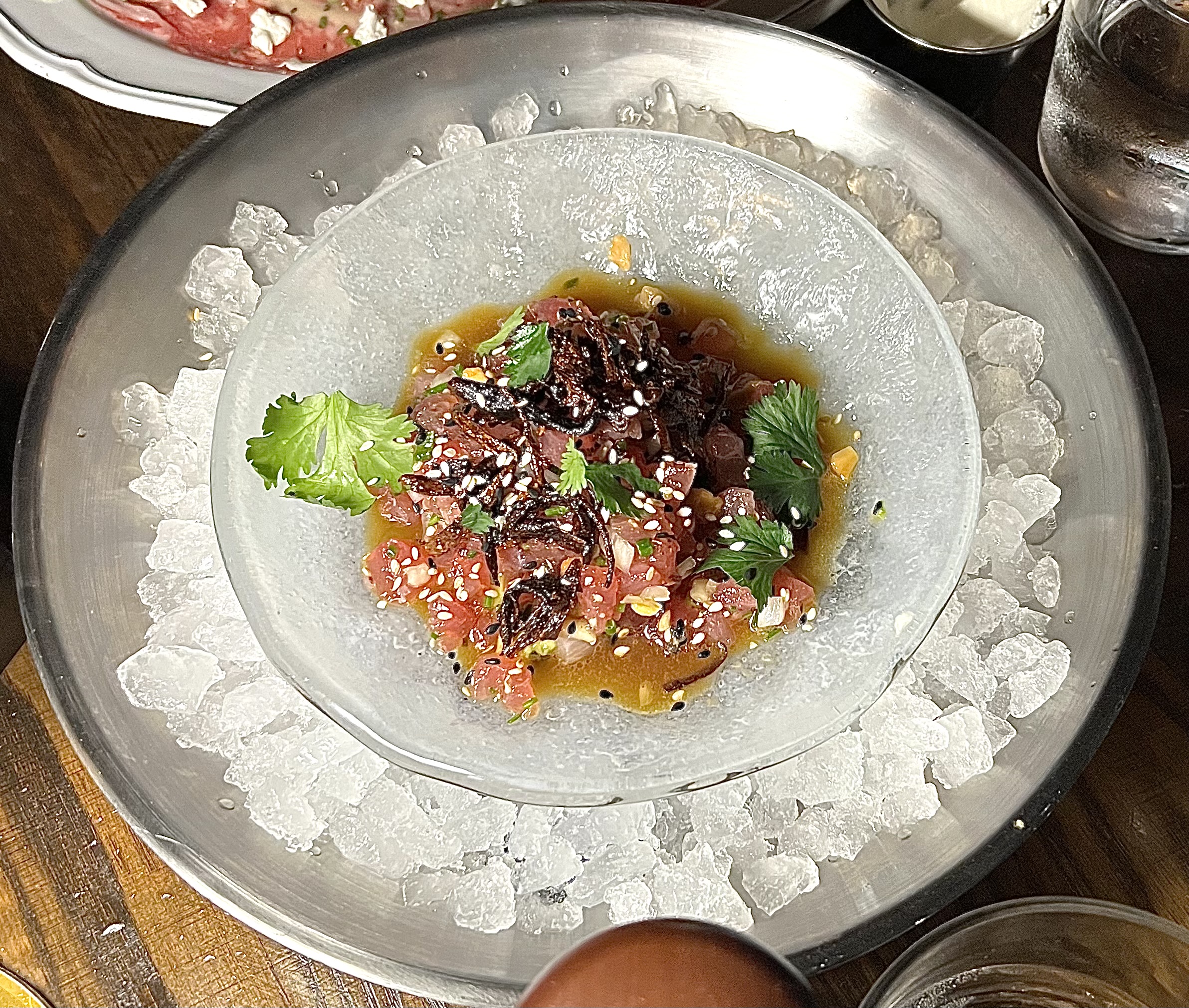
Goma was my stop for sushi, just steps from my hotel and the Rocket Arena.

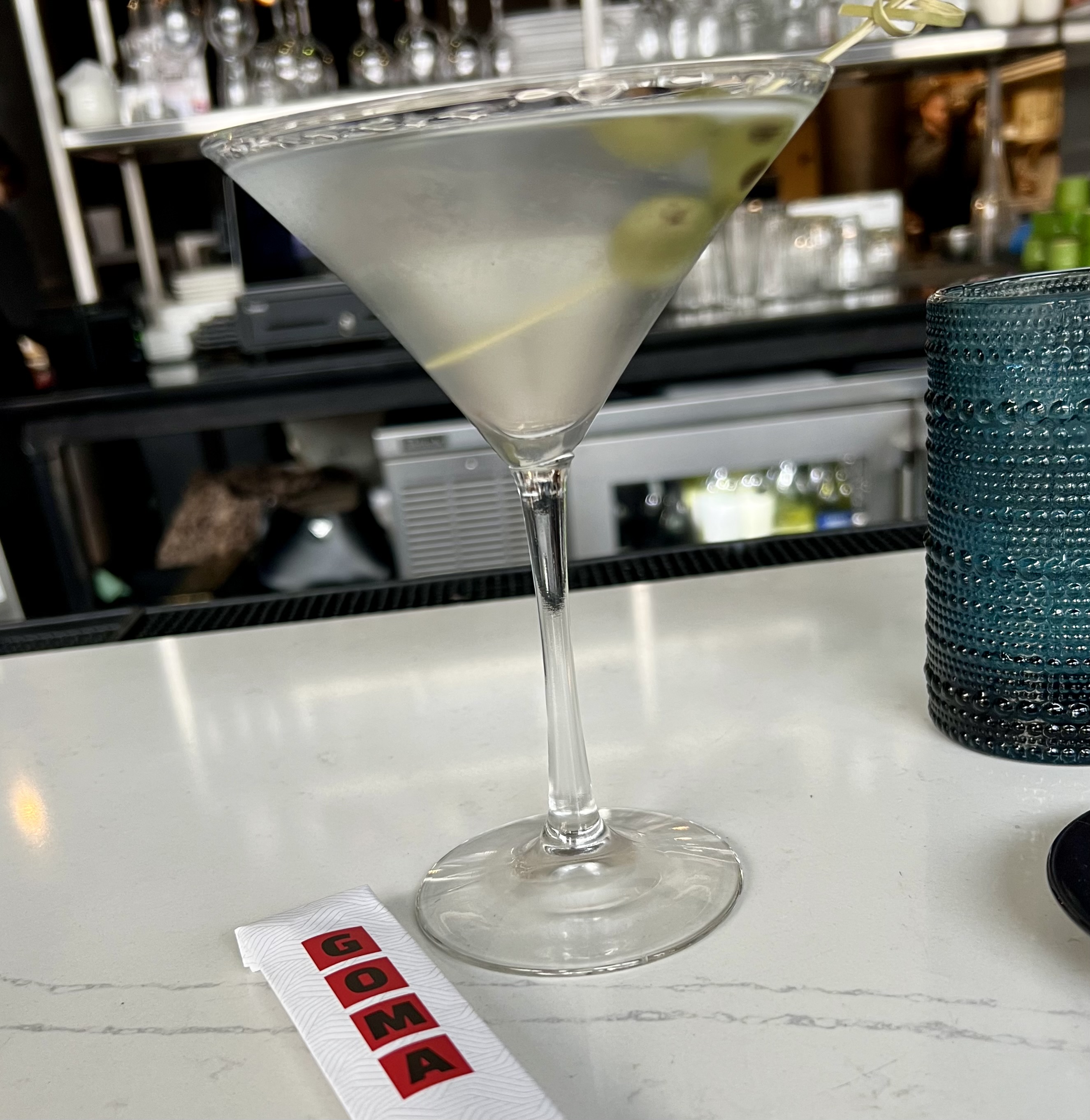
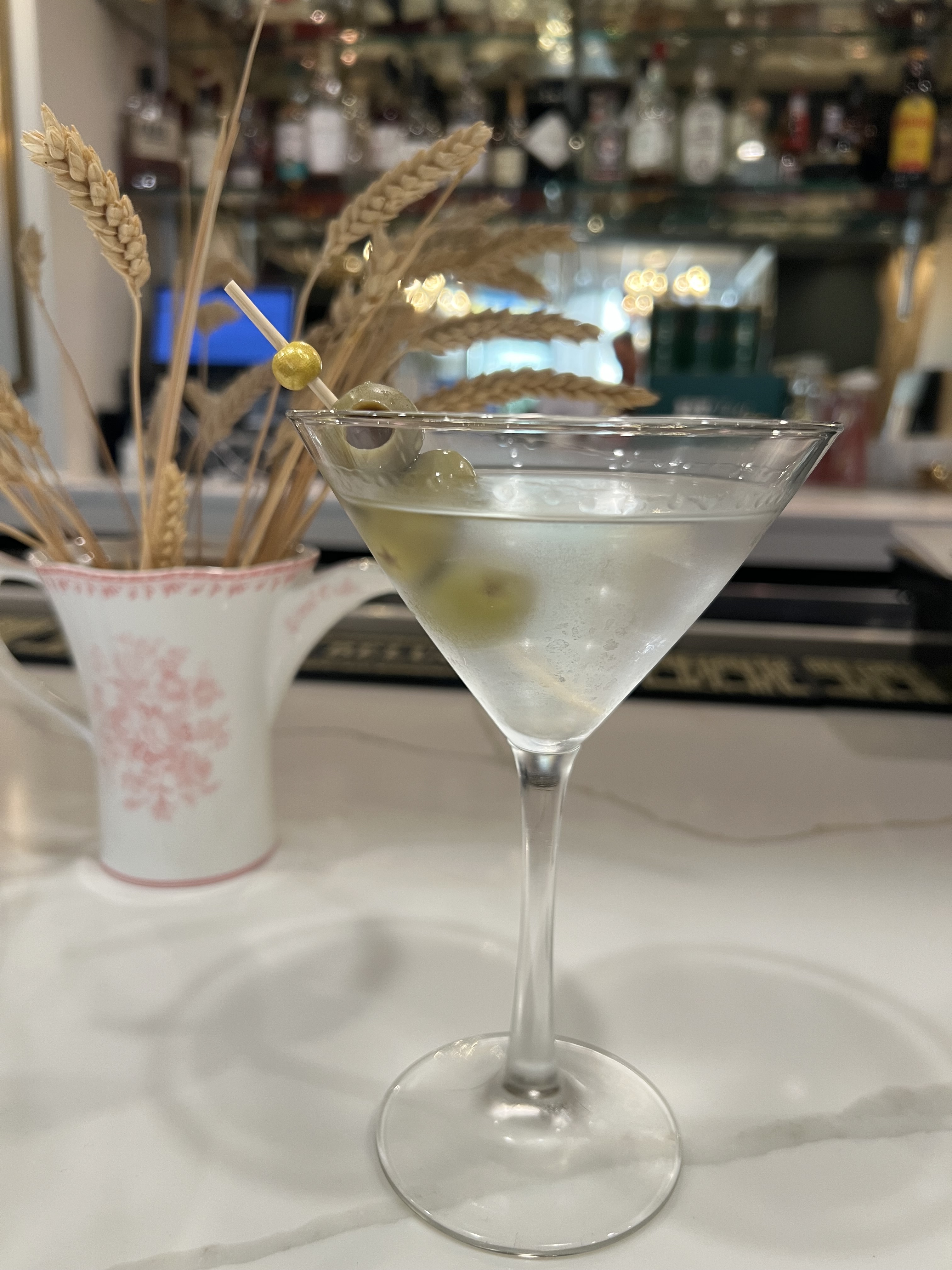
Once in Chicago, we had an incredible meal at the Russian Tea Time Restaurant. It always starts with a vodka martini…

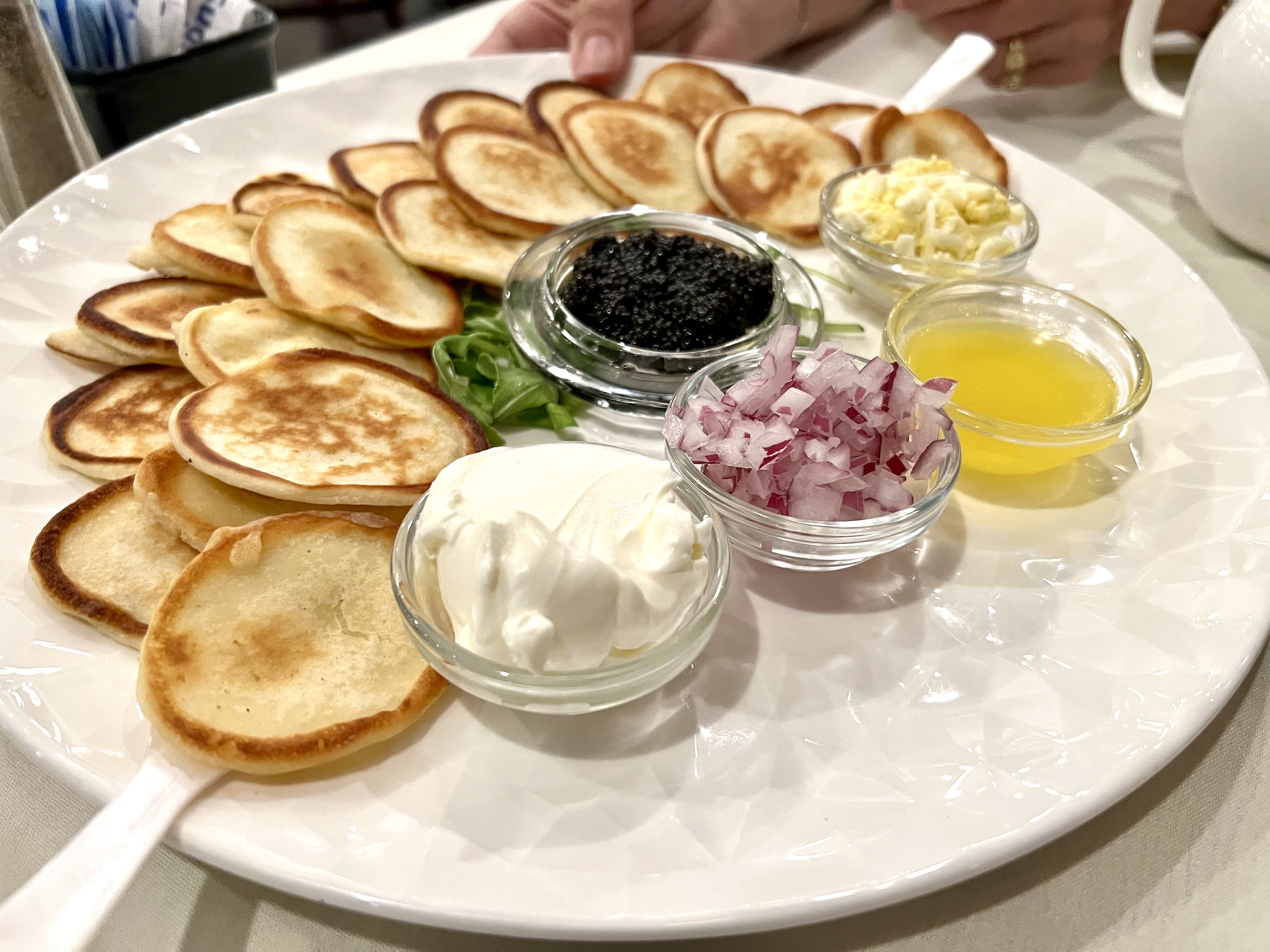
Blinis and caviar.
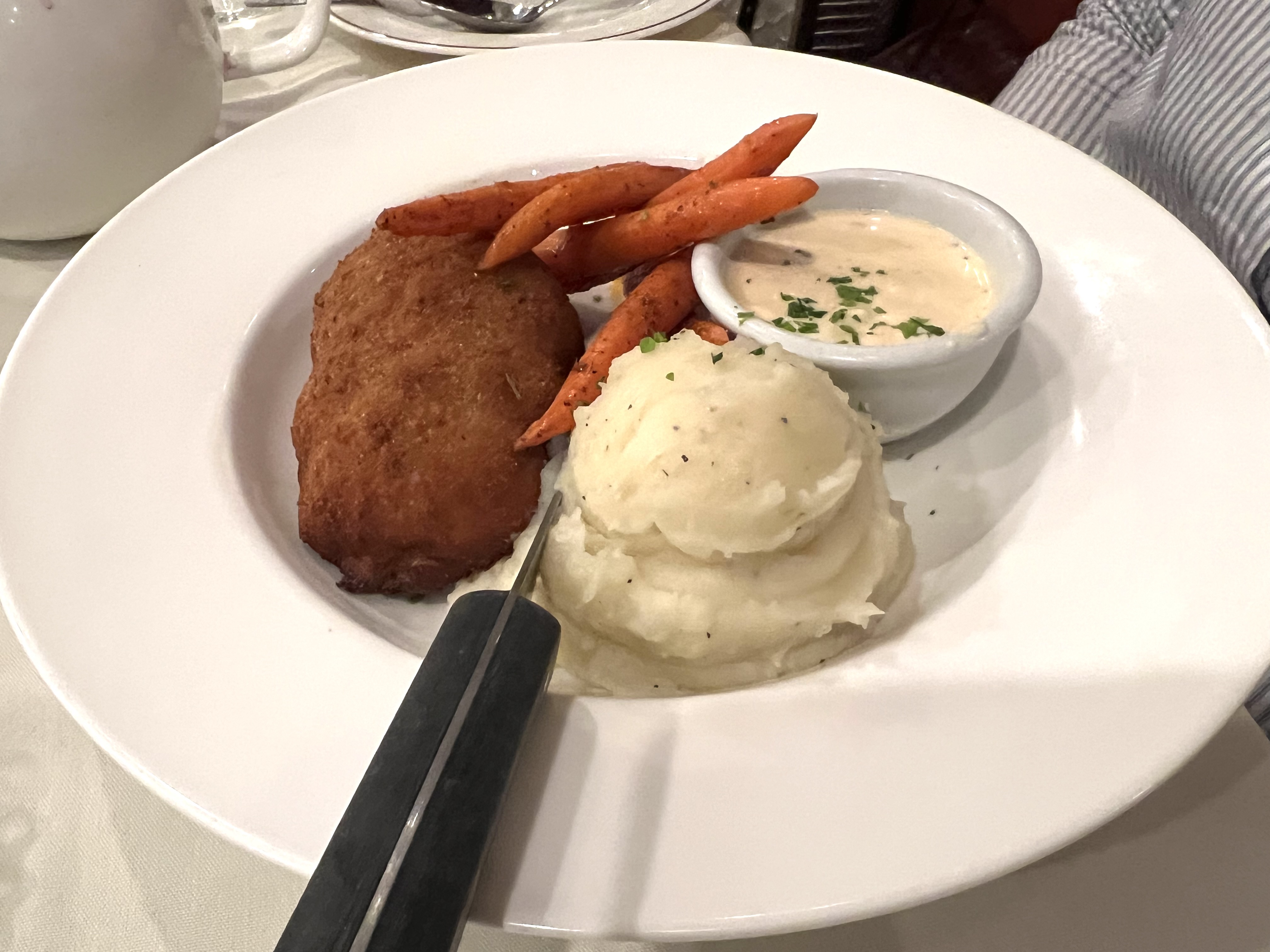
Chicken Kiev
Herring and potatoes
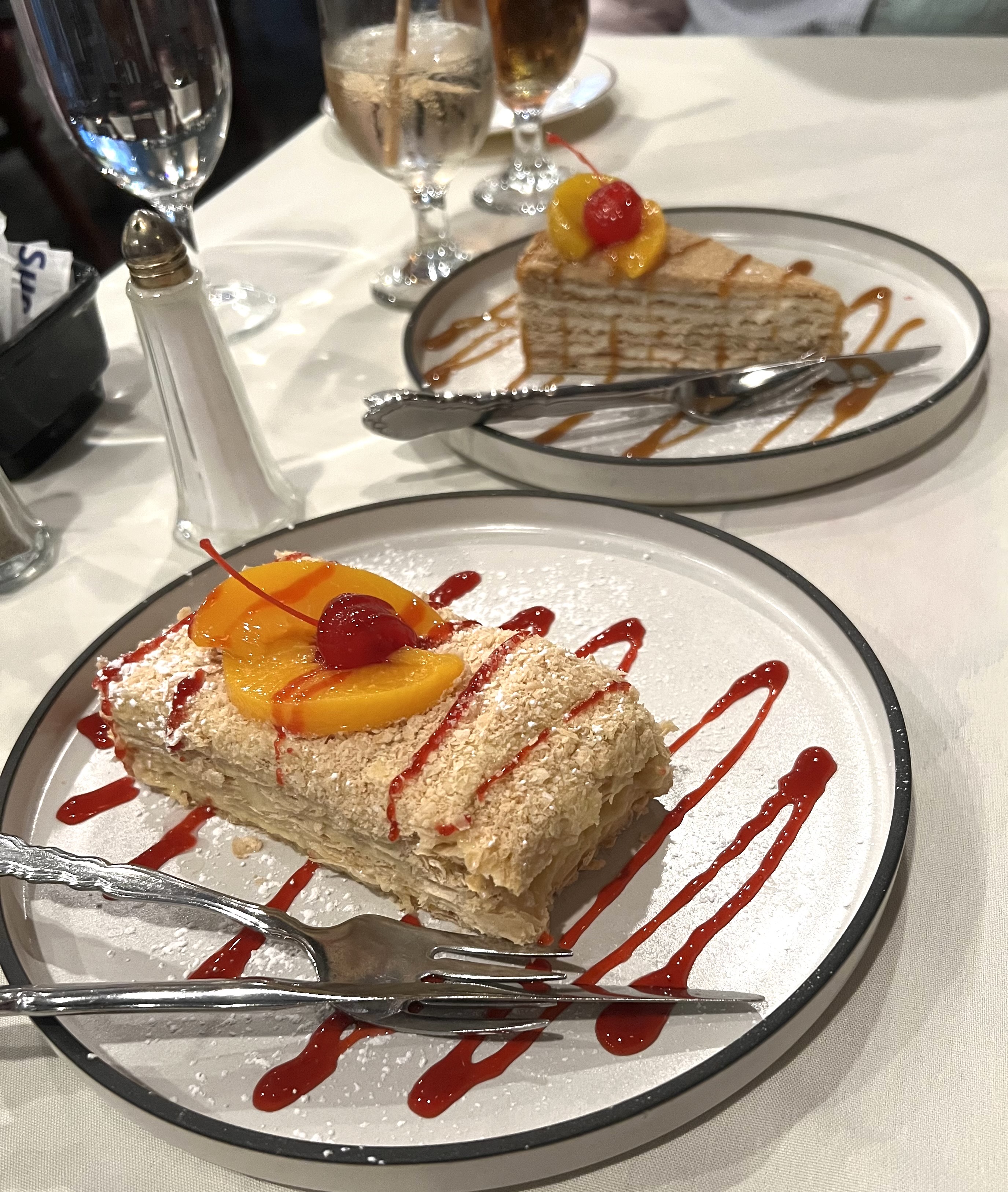
Napoleon for dessert.

Of course, there were other meals in local spots.

My return trip took me through Columbus, Ohio and Wilmington, Delaware.

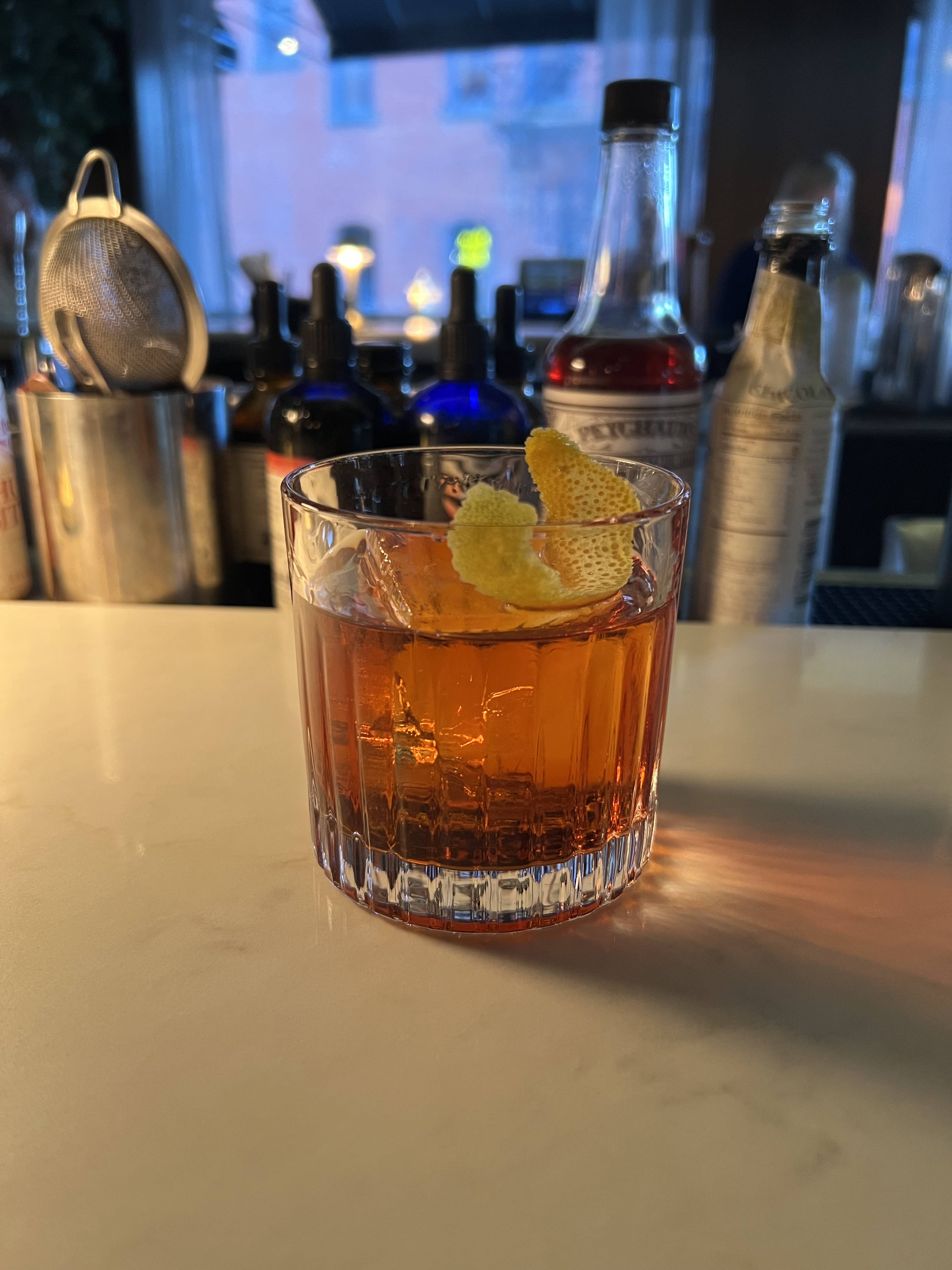
My Columbus stop was quick, but I had a great Italian dinner at Martini Modern Italian. I think I was so tired and hungry, the only shot I got was of my Negroni!

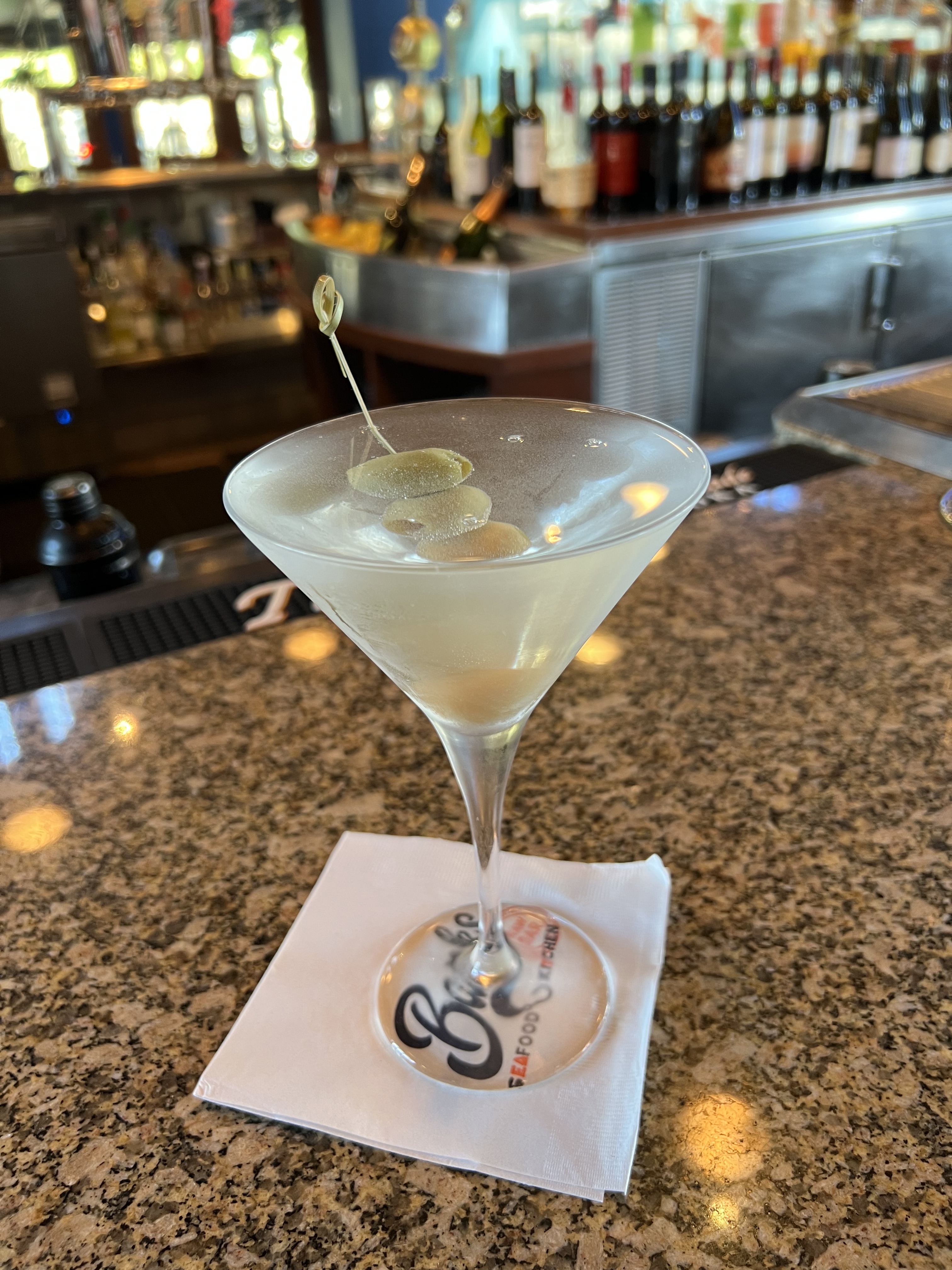
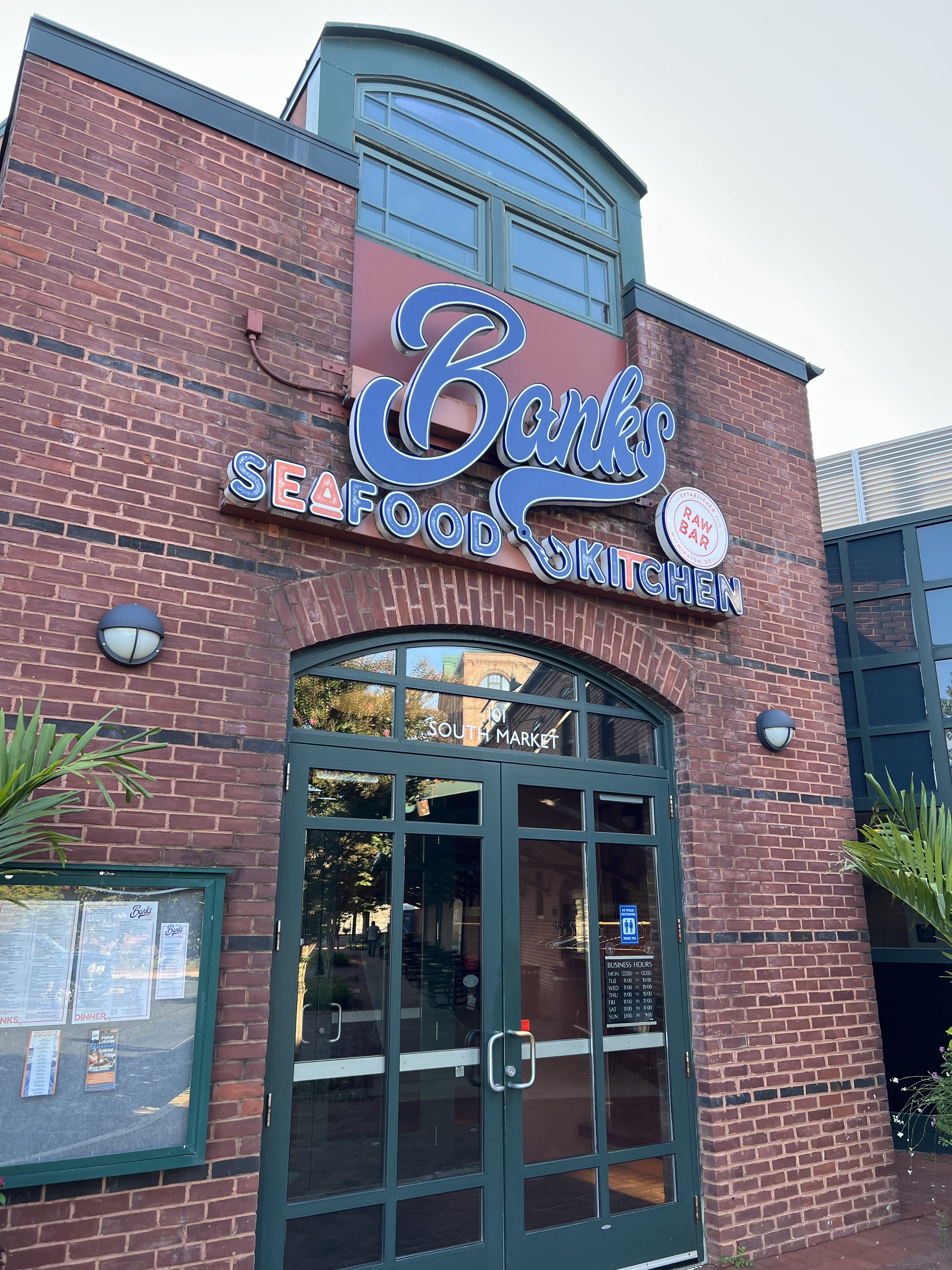
Banks Seafood Kitchen and Raw Bar on the river in Wilmington, Delaware, looks and acts like a chain restaurant, but they made great cocktails and served up some very fresh seafood. No complaints!

Always fun to take a drive and see what kind of food adventures I can find!

MY BEEF STROGANOFF

Posted: January 14, 2026 in Uncategorized
Tags: , , , ,

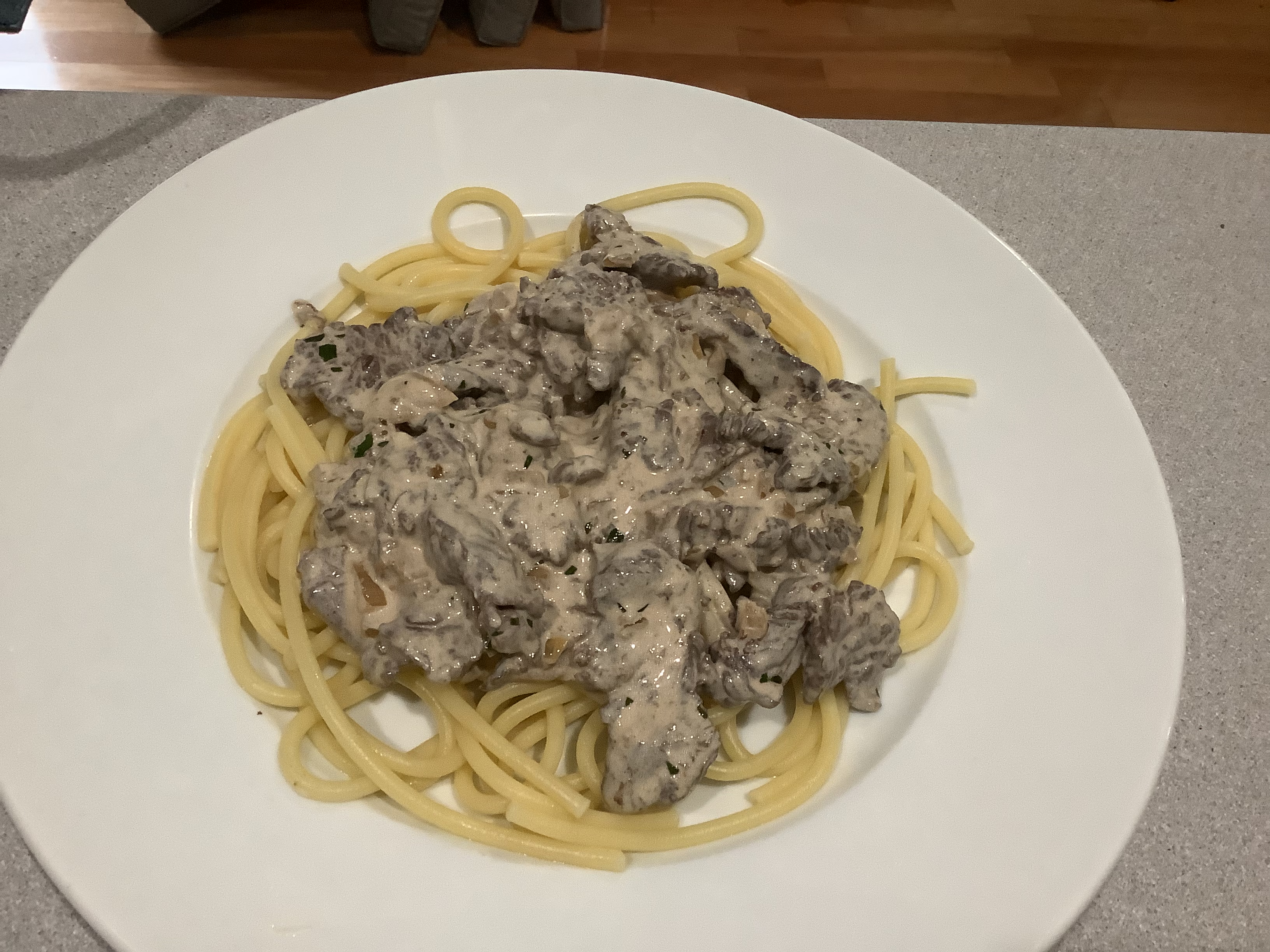
Beef Stroganoff is a classic dish that I remember from my childhood. It’s easy to make and really satisfying, and you can add or remove ingredients as you wish to make it your own.


This is a recipe that is easily changed to accommodate your personal tastes, so feel free to do so. For example, the classic recipe uses sliced white mushrooms. I had some dried porcini in my stash–much more intense in favor–but I like that, so I used them. Classic stroganoff uses egg noodles. I went with bucatini pasta. And the beef is usually a cut like flank steak, but I like using beef flap. Just be sure to slice the meat thinly and against the grain to keep it really tender.

This recipe makes a lot, so feel free to cut the ingredients in half for a smaller batch.

And if your family doesn’t like mushrooms, substitute some good beef broth to get extra flavor.


2 lbs. beef flap, trimmed and cut into thin strips
1 stick (4 oz.) unsalted butter
1 oz. dried porcini mushrooms
1 onion, finely chopped
2 tablespoons chopped fresh tarragon
2 cups sour cream, at room temperature
salt and pepper


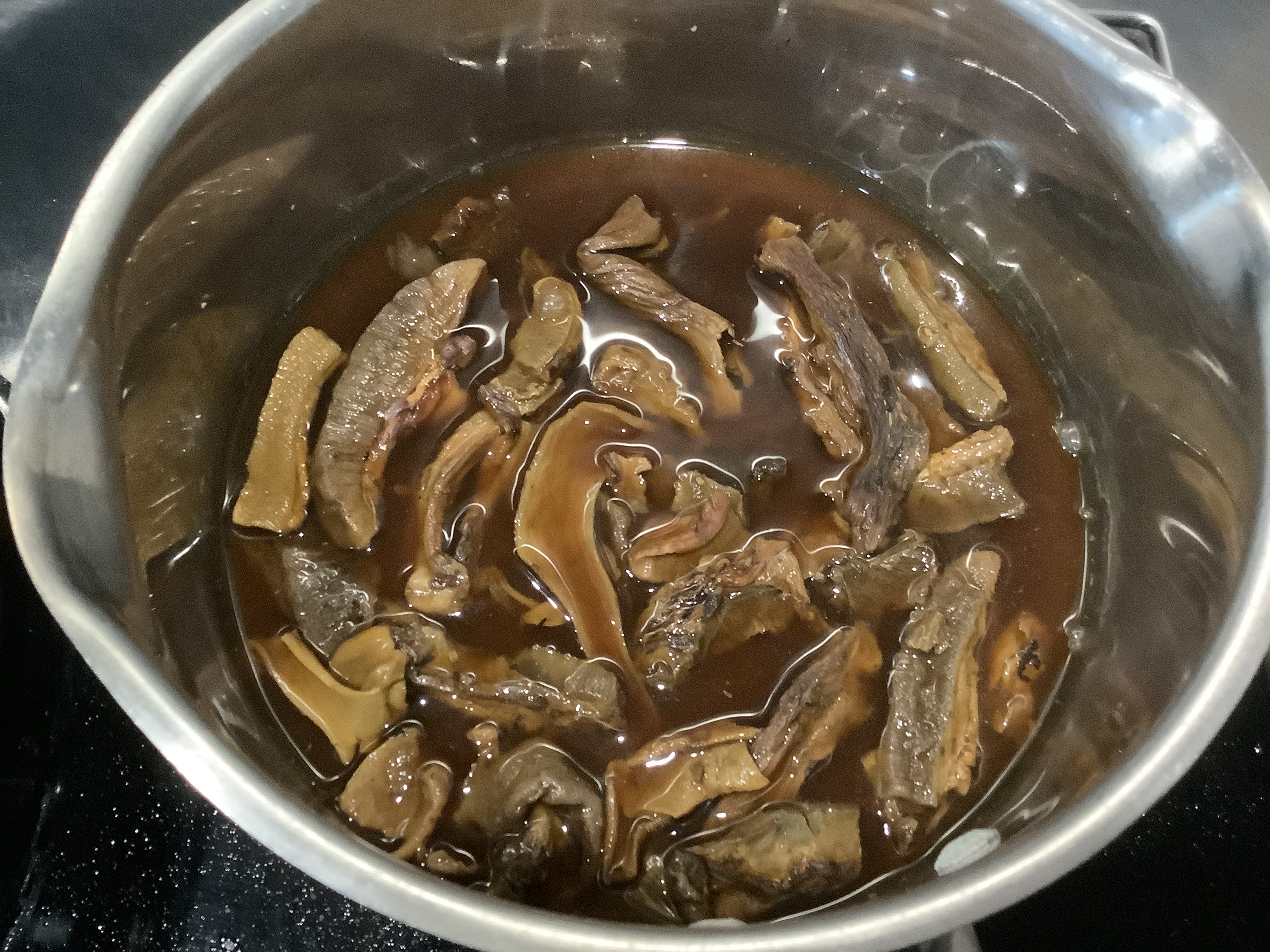
Place the dried porcini in a sauce pan with about 1 1/2 cups of water. Set it on high heat and let it boil until the liquid has reduced to about 1/2 a cup. Set it aside. When it has cooled a bit, strain off the liquid into a glass and chop up the mushrooms on a cutting board.


Melt a couple of tablespoons of the butter in a large pan, and start browning the beef in small batches, placing the cooked beef in a bowl on the side while you add more beef to the pan. Don’t overcrowd the pan or the beef will steam and not brown. It may take a few batches to get all the beef cooked.


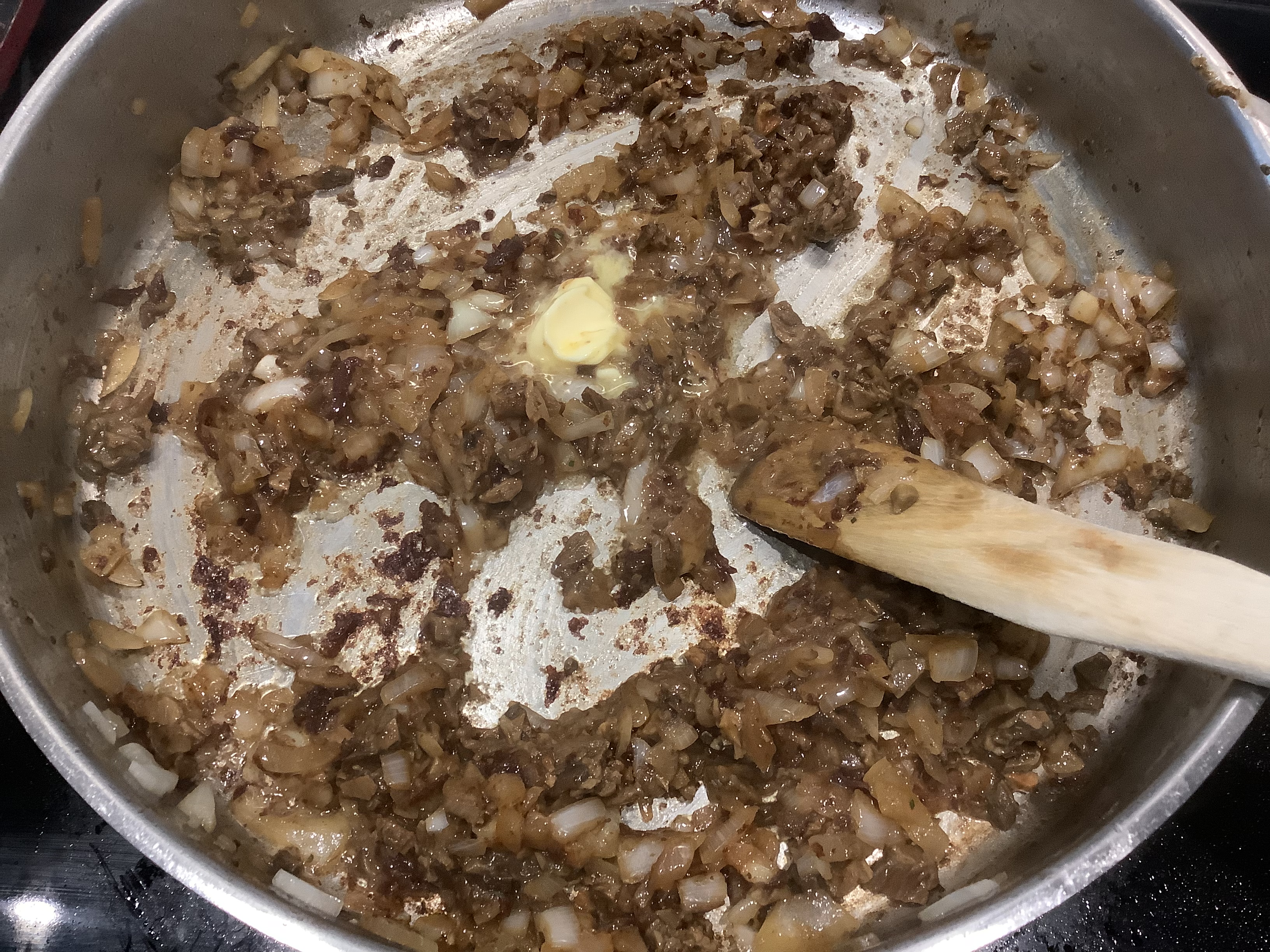
Once the beef is done, in the same pan, toss in the chopped onions with a little more of the butter and sauté until they’re translucent. You can add some of the mushroom liquid to the pan now, to deglaze it and remove some of the yummy bits stuck to the bottom.


Add what’s left of the butter to the pan, then add the mushrooms and the tarragon. Season well with salt and pepper and add the rest of the mushroom liquid, being careful not to pour out any grit that may have settled to the bottom of the glass. Cook until it has thickened a bit.


You can stop preparations at this point until you’re ready to serve your guests.

Place the pasta in a pot of salted boiling water and cook until al dente.

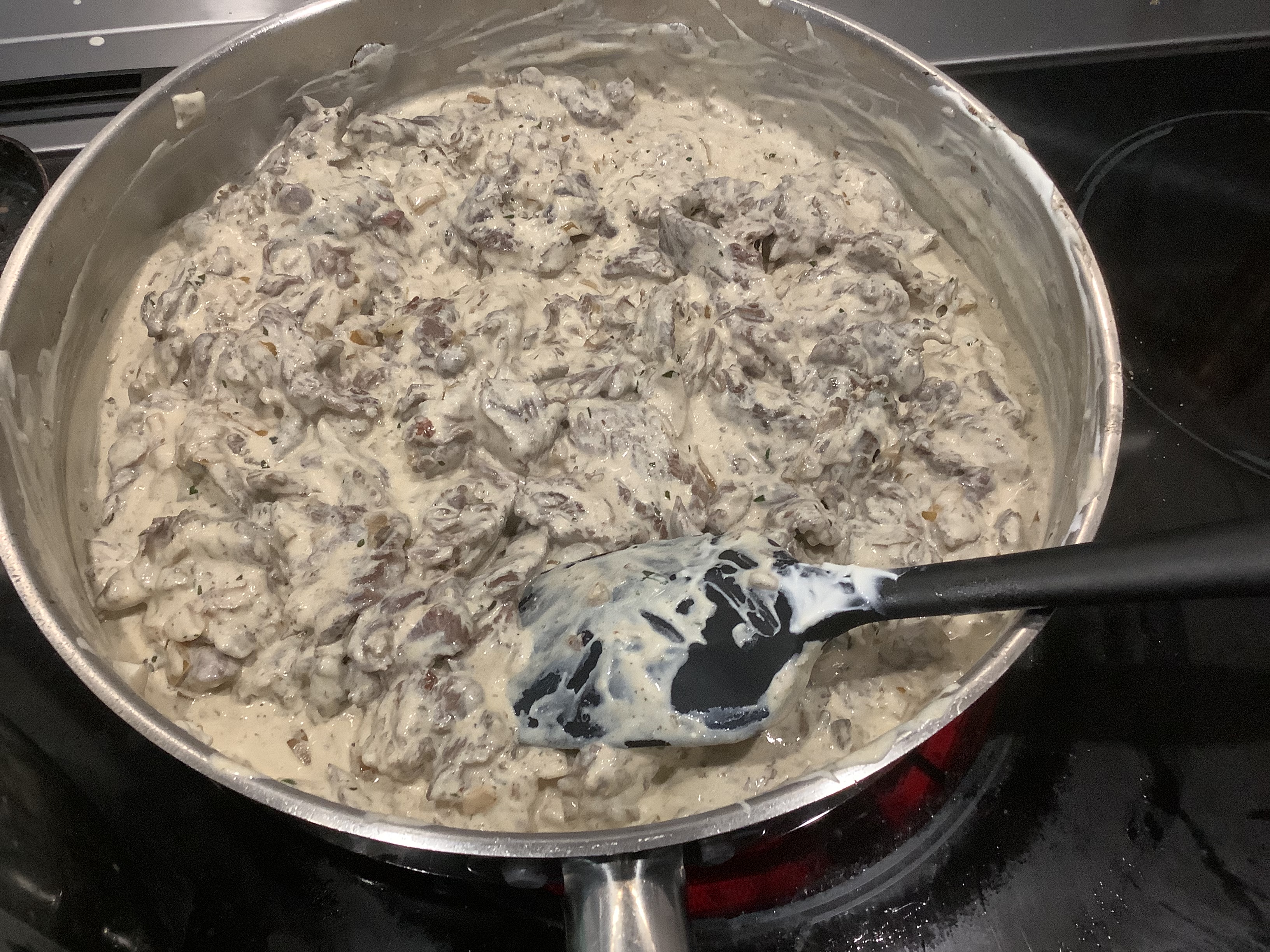
When the pasta is almost done, return the pan with the mushroom mixture to medium heat, and add the sour cream to it, mixing well. Add the beef and any juices that are in the bowl with it, mixing well.


Drain the pasta and serve the beef stroganoff immediately, seasoning with a finishing salt, like Maldon.


A LITTLE SPICE IS NICE CHICKEN

Posted: January 11, 2026 in Uncategorized

I’m always goofing around with different spice blends, especially with chicken, because I probably cook it more than any other meat. Very often, I’ll just change up the blend depending on my mood, or what I first see when I open up the spice cabinet.

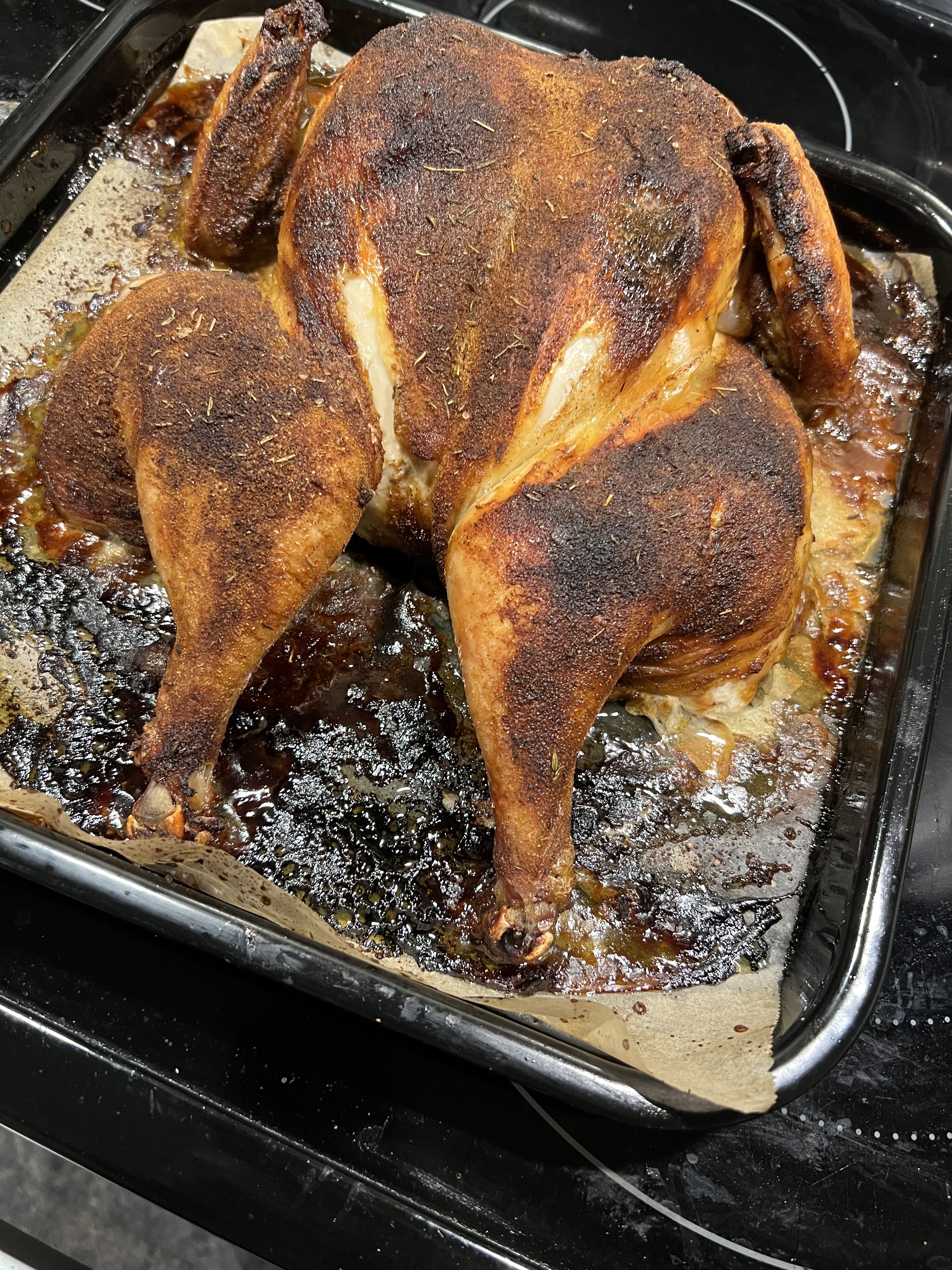
This was one of those days. But it came out great!

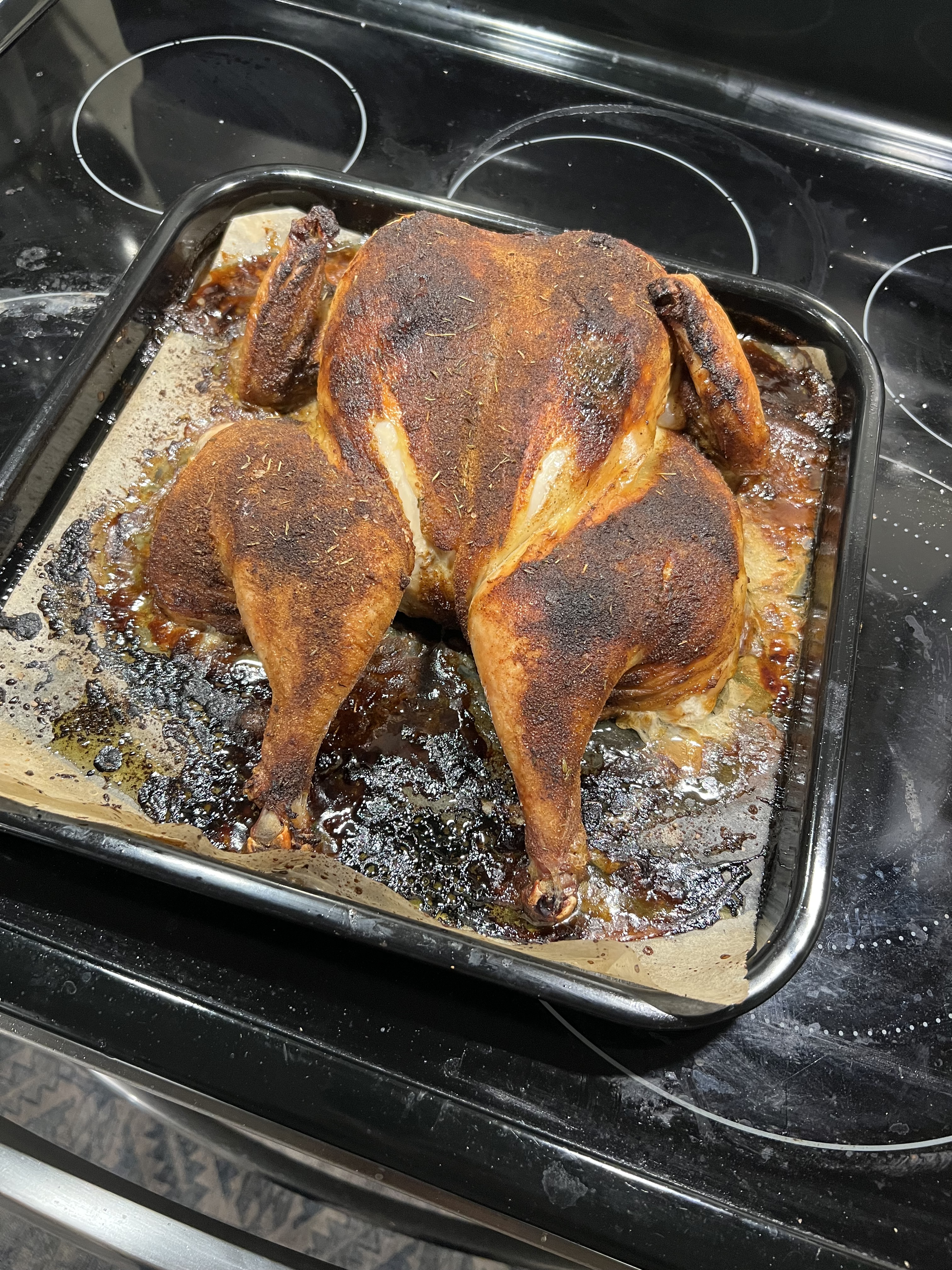
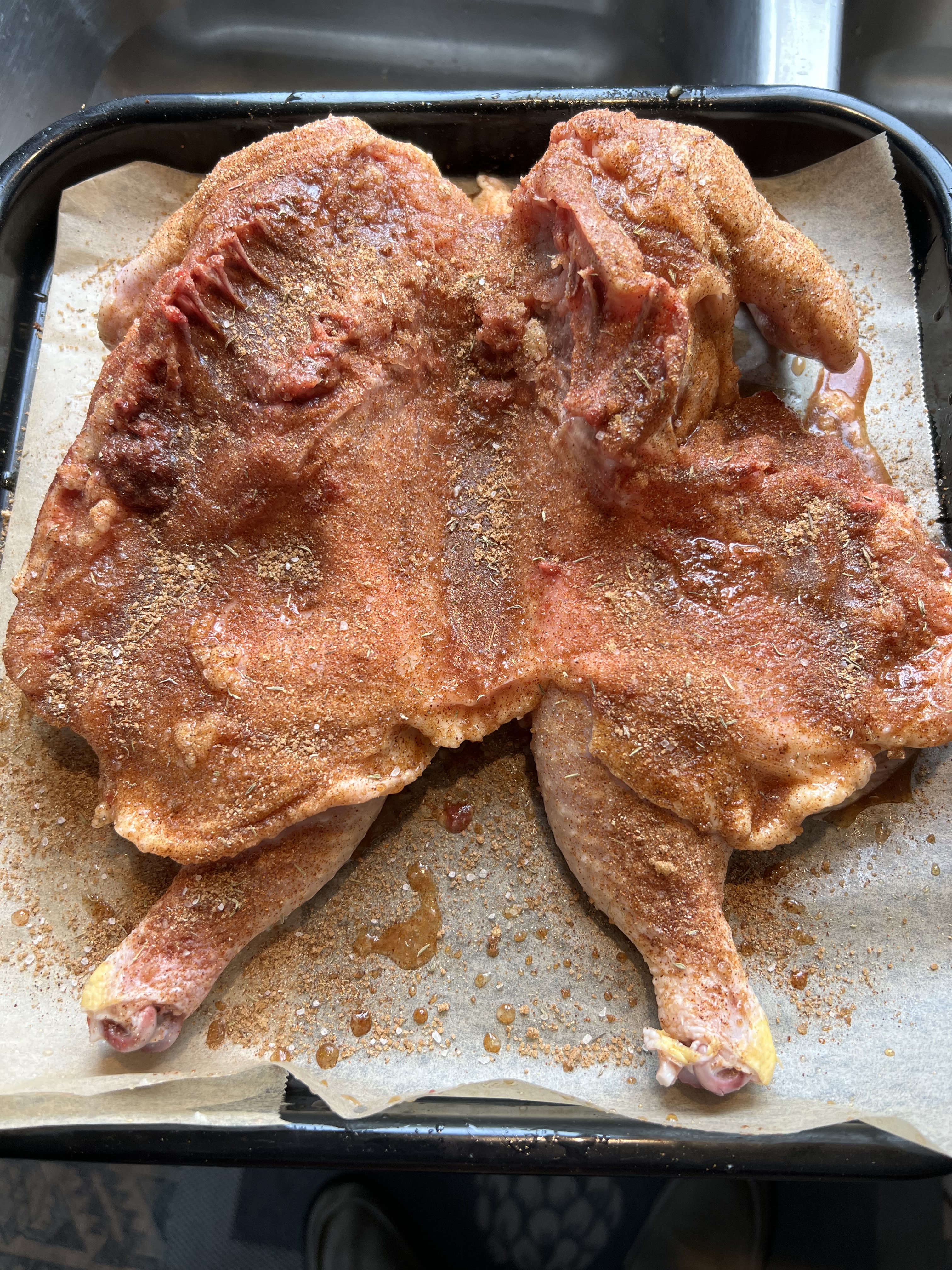
This time, I used a whole bird, and I spatchcocked it before seasoning and cooking. Spatchcocking is the process of cutting down both sides of the backbone of the chicken, so you can lay it flat in the pan. This way, the bird cooks more evenly. (Always save the backbone for future chicken stock.)

In many cases, before I season a piece of meat, I rub it with oil to help the seasonings stick. This time, I tried something a little unusual: I rubbed it all over with maple syrup! Then I seasoned both sides of the bird well.

Season both sides of the bird, after rubbing it with maple syrup.

1/4 cup brown sugar.
1/4 cup sweet paprika
1 tablespoon Kosher salt
1 tablespoon granulated onion
1 tablespoon granulated garlic
2 teaspoons black pepper
1 teaspoon thyme
1 teaspoon ground ginger
1 teaspoon cayenne pepper
1 teaspoon mustard powder
Maple syrup

Combine all the ingredients, except the maple syrup, in a bowl.

Spatchcock the chicken. Spread it out flat in a pan.

Rub the chicken all over with the maple syrup.

Rub all sides of the chicken with the spices and put it back in the fridge until one hour before cooking.

One hour before cooking, remove the chicken from the fridge and season again, if you think it needs it. Preheat the oven to 325° and bake until it reaches an internal temperature of 165°.

A little char is good! Cooking at a higher temperature may cause the sugars to burn.

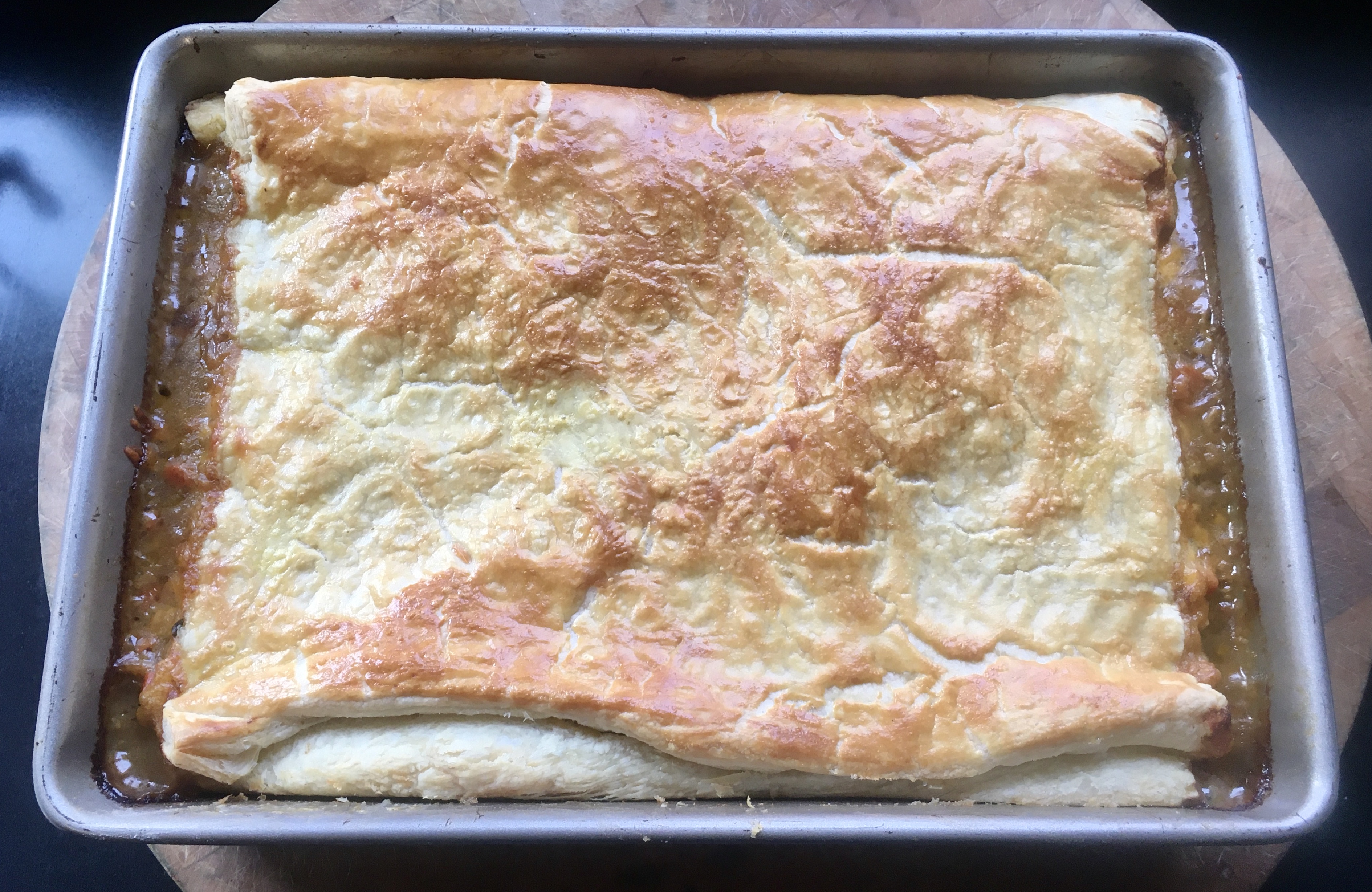
I was craving my recipe for a venison stew with puff pastry but I didn’t have any more venison in the fridge (I get it from a friend that hunts), and I didn’t want to drive 30 miles to the nearest Whole Foods, my only source for all-butter puff pastry dough.

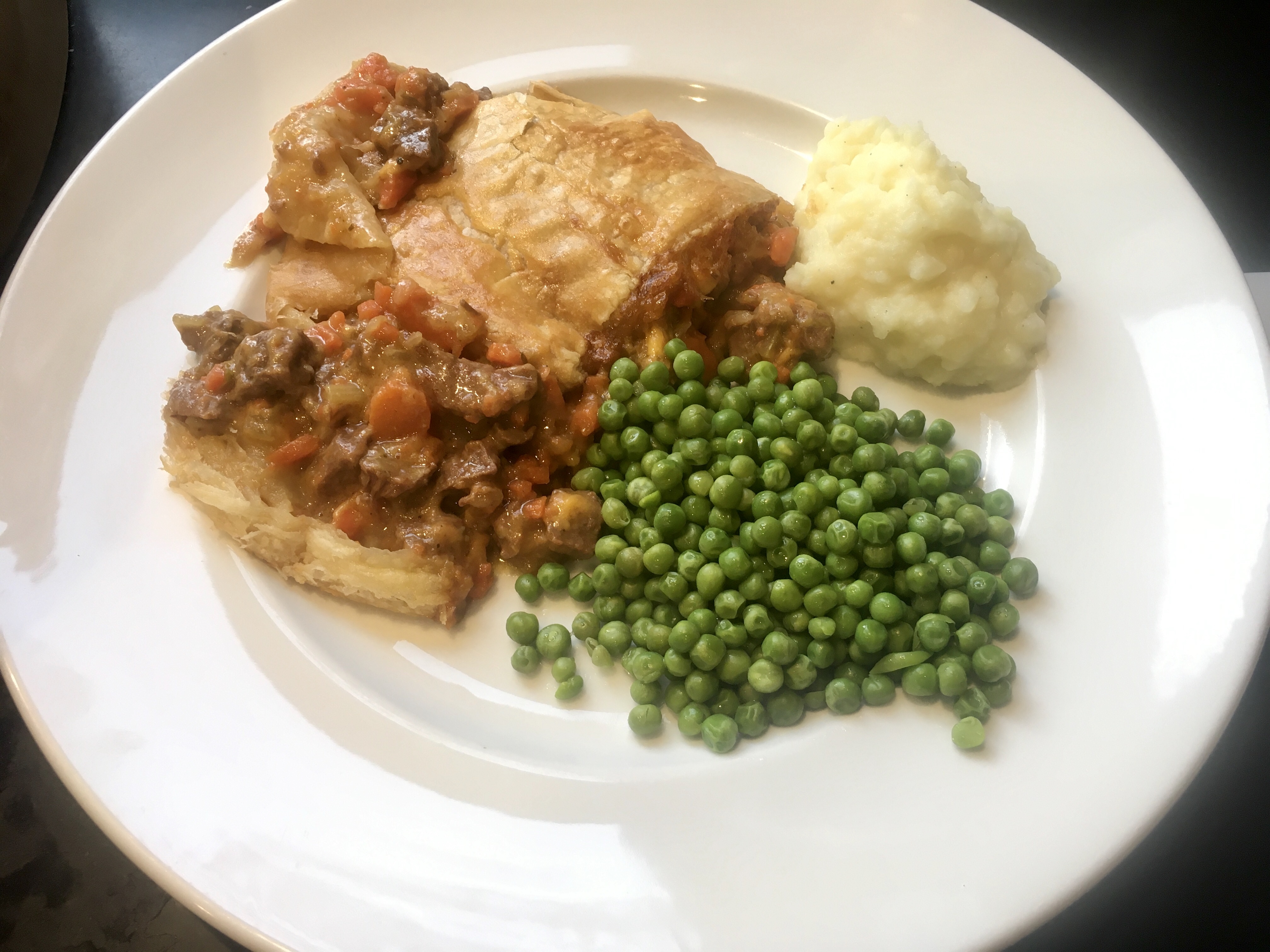
So I decided to use beef, and stay local, by buying good ol’ Pepperidge Farms puff pastry (made with shortening) from my nearby supermarket. The final dish was pretty darn good after all!

My original venison stew dish was pretty intense, using dark beer and adding mushrooms to the mix. The venison was wild, not farmed, with a gamier flavor. This recipe turned down the intensity a bit, but the flavors were all there: I used a combination of a lighter beer and homemade chicken stock. I used beef London broil instead of venison. And I left out the mushrooms, adding more carrots, onions, and celery.

olive oil
3 lbs. beef, cubed into 3/4″ pieces (I like London Broil)
3 yellow onions
3 cloves garlic, finely chopped or through a press
6 carrots, sliced thin
6 celery stalks, sliced thin
salt and pepper
2 tablespoons fresh thyme leaves
16 oz. chicken stock (preferably homemade)
3 tablespoons unsalted butter
3 tablespoons flour
1 bottle beer (I had a Pilsner Urquell sitting around)
12 oz. grated cheddar cheese
2 tablespoons unsalted butter
1 box (17.3 oz.) frozen puff pastry sheets, thawed for 40 minutes
1 raw egg, scrambled

Pre-heat the oven to 375 degrees.

Heat a frying pan with 2 tablespoons of the olive oil and add the onions. Sauté them until they’re translucent, and then add the garlic. Stir it around for 10 seconds.

Add the carrots and celery, a teaspoon each of salt and pepper, and the fresh thyme. Stir, cover the pan with a lid to help wilt the veggies, and cook for a few minutes.

Heat the chicken stock in a separate saucepan to boiling, then turn the heat off.

Meanwhile, add the butter to another frying pan and melt it. Add the flour to the butter, and whisk it all together until you’ve got a light roux. While whisking, slowly add the chicken stock to the pan with the butter and flour, and let it thicken. Keep stirring to avoid lumps. Set it aside.

Remove the lid from the veggie pan and pour the veggies into a large baking pan (I like a lasagna pan). Using the same frying pan you cooked the veggies in, add 2 more tablespoon of olive oil and brown the beef cubes. You may need to do this in several batches if the pan isn’t big enough. (You don’t want to steam the beef. You want to brown it.)

Scoop the beef cubes out of the frying pan, placing them in the baking pan with the veggies, leaving the oil and drippings behind, then add another batch of beef to the frying pan. Only once all the beef is browned, do you pour the entire contents of that pan into the baking pan with the veggies. Mix everything well.

Add the bottle of beer to the baking pan and mix well.

Add the thickened chicken stock to the baking pan and mix well.

Before cooking.

After 90 minutes of cooking.

Cover the baking pan with foil or a lid and place it in the oven. Cook for 90 minutes.

After 90 minutes, remove the foil from the pan, give it all a stir, and place the foil back on the pan, returning to the oven for 60 minutes more.

After 60 more minutes of cooking. Still a bit watery, so I need to reduce it.

After 60 minutes, remove the foil from the pan and stir again. It should be thick, like a stew. At this point, if your stew is still watery, pour it into a large pan on the stovetop and heat to reduce it. If it looks good, pour it into the pan anyway so you can clean and dry the baking pan for the next steps.

Add the cheddar cheese to the stew once it looks nice and thick, and mix well. Turn the heat off the stovetop.

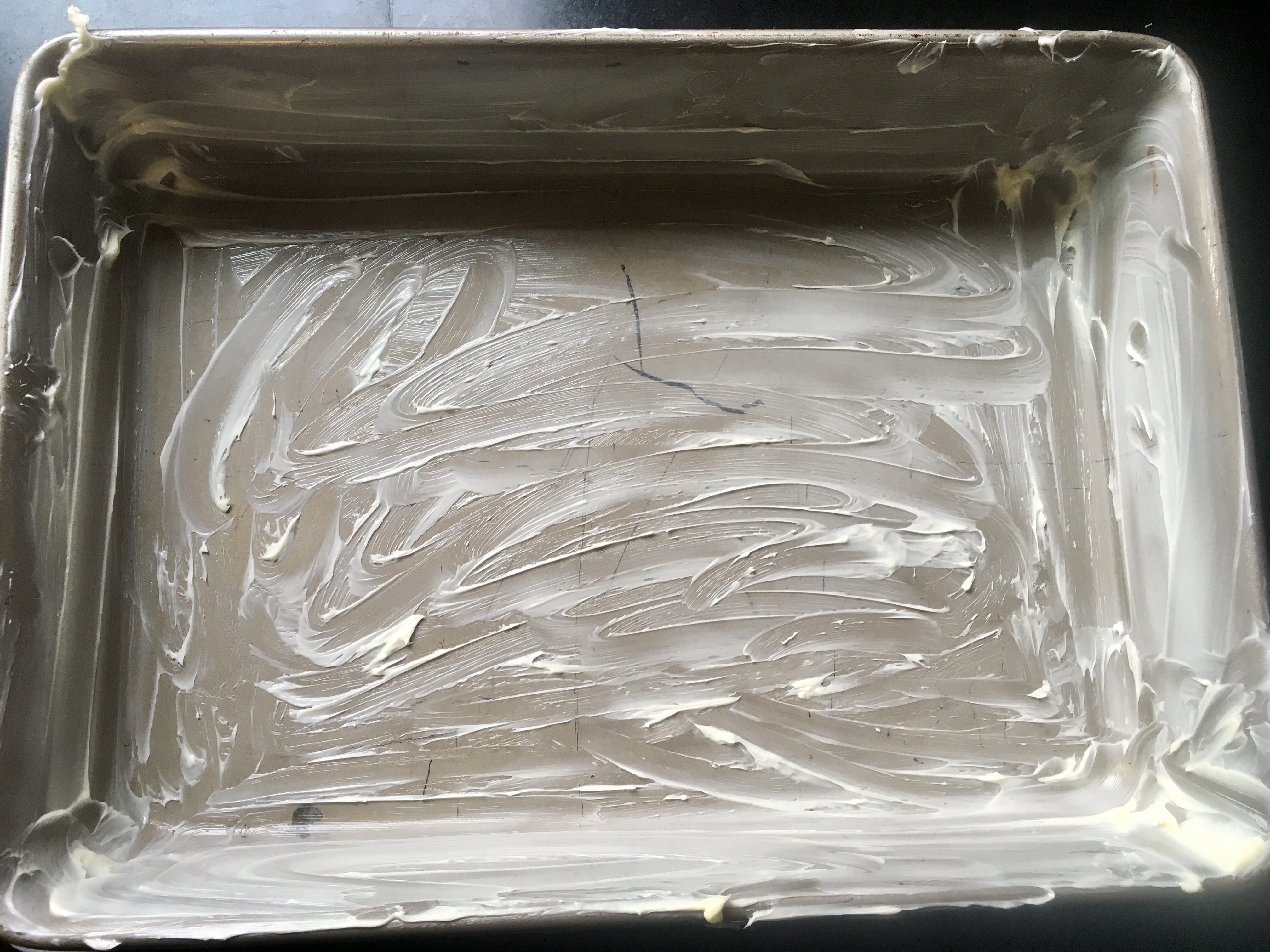
Wash and dry the baking pan you used, and then butter the inside of it well.

Take the thawed puff pastry sheets and gently roll them with a rolling pin until they’re about 1/8″ thick. Then use 1 sheet to line the bottom and sides of the baking pan, saving the second sheet for the top.

Before rolling…

…and after.

Pour the stew from the pan on the stovetop into the baking pan with the puff pastry sheet lining the bottom and sides.

Then gently lay the second puff pastry sheet over the top of the stew, tucking it in if necessary.

Take the scrambled egg and brush the puff pastry with the egg wash.

Bake in the 375-degree of oven for about 45 minutes, or until the puff pastry is golden brown.

I like to serve peas on the side with this dish, rather than putting them in the stew, to keep them turning into mush.

Mashed potatoes optional!