Archive for the ‘Drinks’ Category

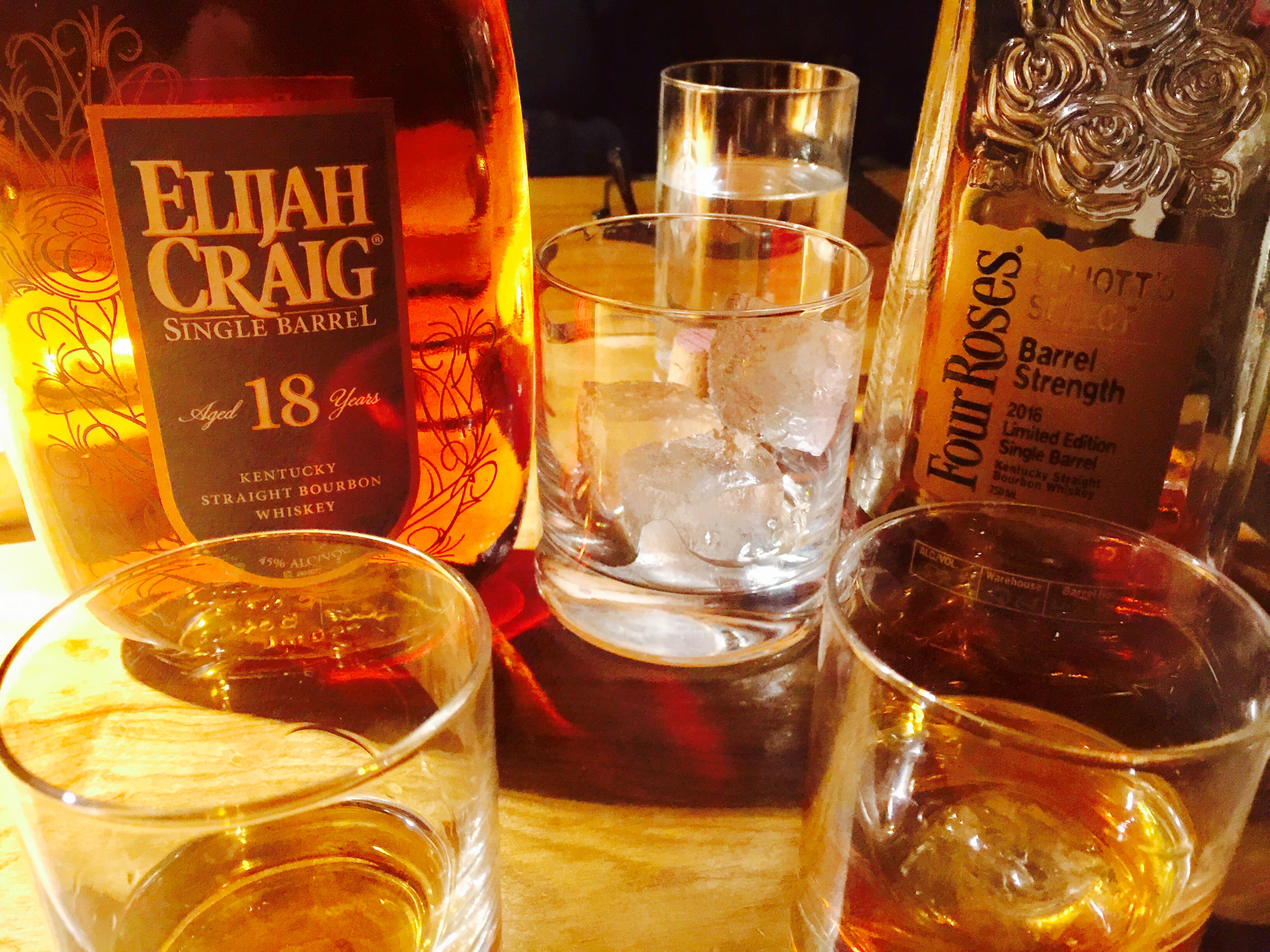
As a kid, I used to read the side of a cereal box as I ate my breakfast. Nowadays, I tend to read the back label from my booze bottle as I take a sip.
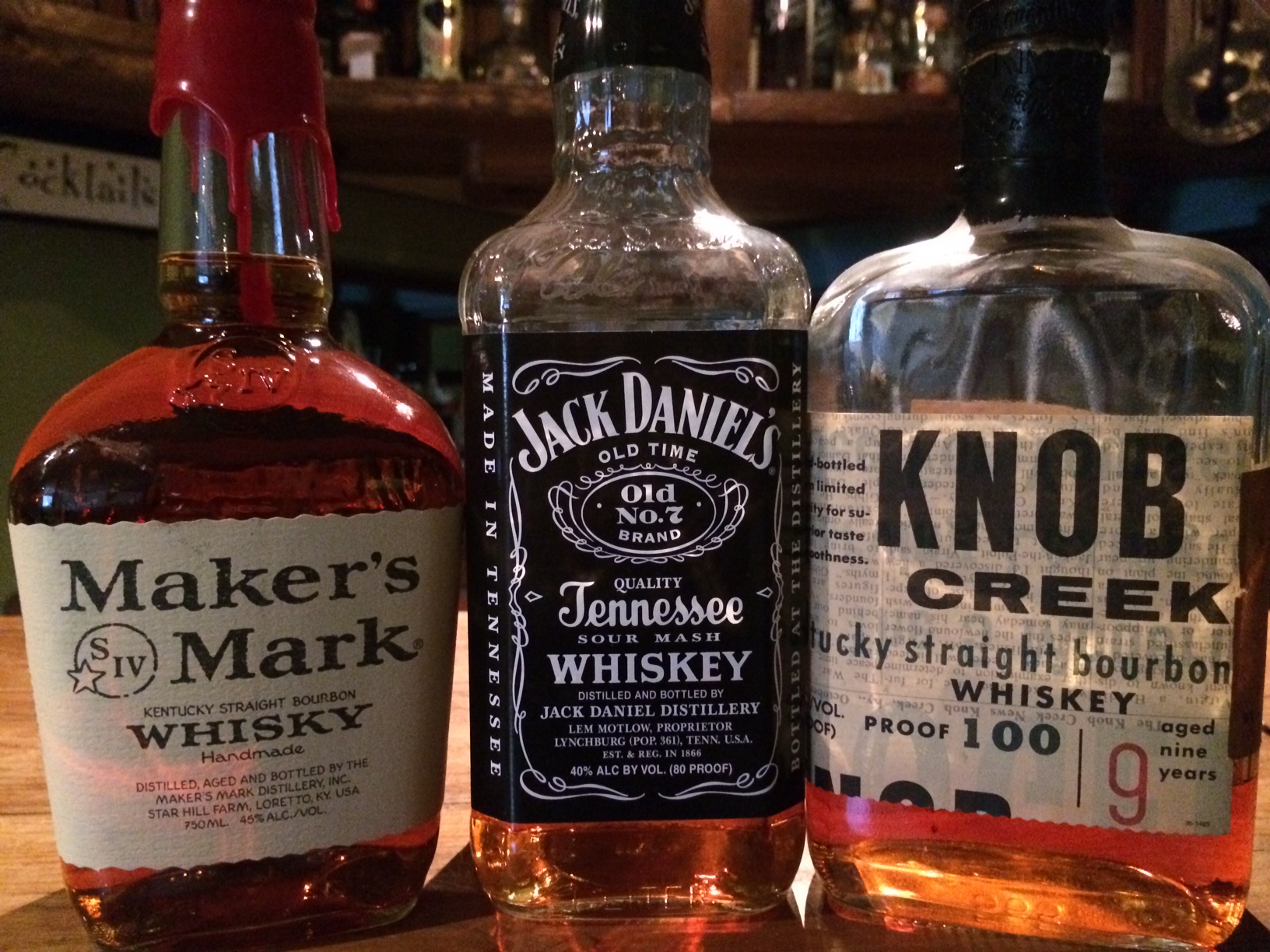
There seems to be a lot of confusion about the spelling of whiskey and/or whisky, but the use of the letter “e” (or the lack thereof) is not random. Here’s the best explanation I’ve found…
whiskeywhisky
The spelling whisky (plural whiskies) is generally used for those distilled in Scotland , Wales , Canada , and Japan. Whiskey (with an e; plural whiskeys) is used for the spirits distilled in Ireland and in the United States. The BATF (Bureau of Alcohol, Tobacco and Firearms) in 1968 specified “whisky” as the official U.S. spelling, but allowed labeling as “whiskey” in deference to tradition.  Most U.S. producers still use the “whiskey” spelling, though as you can see, Maker’s Mark chooses not to.
International law reserves the term “Scotch whisky” to those whiskies produced in Scotland. Scottish law specifies that the whisky must be aged for a minimum of three years, in oak casks. Whiskies produced in other countries in the Scotch style must use another name. Similar conventions exist for “Irish whiskey,” “Canadian whisky,” and “Bourbon whiskey.” In North America, as well as in Continental Europe, the abbreviated term “Scotch” is usually used for “Scotch Whisky.” In England, Scotland, and Wales, the term “whisky” almost always refers to “Scotch Whisky”, and the term “Scotch” is rarely used by itself.
And while we’re on the topic, what is bourbon?
Bourbon is a type of whiskey.
Today, ‘bourbon’ has a specific legal meaning that has little to do with its geographic origins. That definition, now federal law, has existed in its present form only since about the end of the 19th century. According to federal law, bourbon must be at least 51% corn, distilled at less than 160 proof, and aged for at least two years in new, charred oak barrels. (There are some other requirements, but those are the main ones.) Bourbon also must be made within the United States. In other words, a foreign product that meets all the other requirements still cannot be sold in the U.S. as bourbon.
Contrary to popular belief, there has never been a legal requirement that bourbon be made in Kentucky, which is why most Kentucky producers call their product “Kentucky Bourbon.” 
Still confused? My advice is to sit back with your favorite glass of whisky, whiskey or bourbon…and just enjoy. Cheers!

This is my version of a holiday drink I was introduced to by my mother-in-law from the Upper Peninsula of Michigan. I knew I was marrying into the right family after one sip!

Whiskey slush


9 cups water
2 cups sugar
4 “Constant Comment” tea bags
12 oz frozen OJ concentrate
12 oz frozen lemonade concentrate
2 cups whiskey (I use Crown Royal)
7Up or Sprite

Boil the water and sugar, making sure the sugar dissolves. Turn off the heat and steep the tea bags in the liquid for 10 minutes. Discard the tea bags.
Add the OJ, lemonade and whiskey. Mix well, then pour it into a freezeable container with a lid. Freeze.
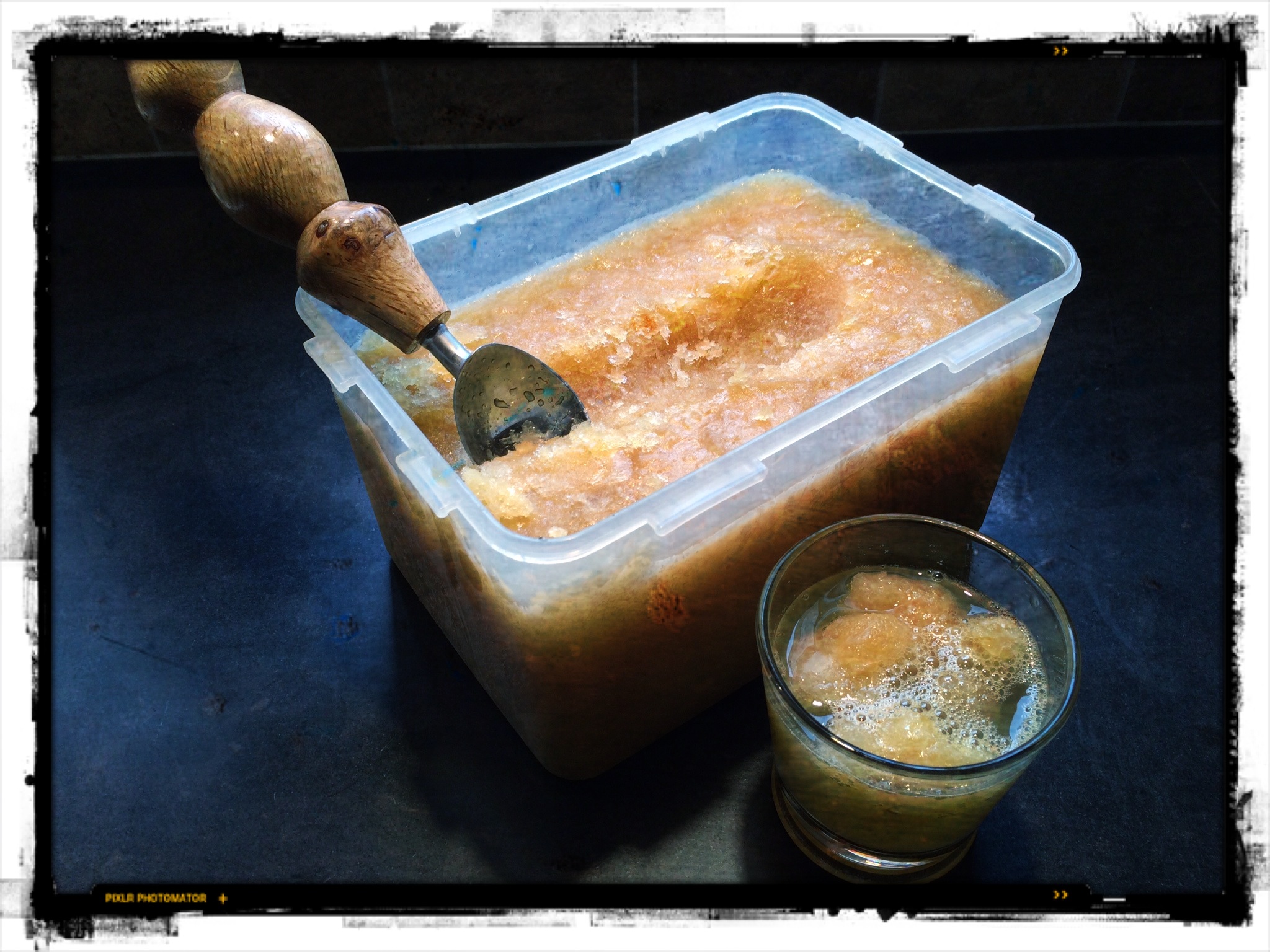
To serve: Scoop the slush out of the container (it doesn’t freeze solid) and mix in a tall glass with 7 Up.

Let’s face it: there’s no such thing as healthy eggnog. This recipe kicks ass but is also a heart attack in a glass.

My buddy, Rick Sammarco, a wicked talented bartender, credits his father, Al, for this eggnog. The original recipe calls for a lot more of everything. I’ve cut it down to a “more reasonable” size. It’s been so long since I bought ice cream, that I didn’t even know that the standard half-gallon size was replaced by a 1.5 quart size!

A word about salmonella: most cases are caused by raw chicken, not raw eggs. Still, many people worry about it. You are adding a lot of booze to the mix. Some recipes tell you to make your eggnog weeks in advance to “sterilize” the drink. I’m not sure that works. Look…if you’re really worried about it, maybe this drink isn’t for you. I use a raw egg in my Caesar salad dressing and in other recipes, so I’m willing to risk it here.

eggnog


1.5 quarts vanilla ice cream (I use Breyer’s)
1 pint half and half
15 whole eggs (raw)
½ teaspoon vanilla extract
1/4 teaspoon cinnamon
1/4 teaspoon nutmeg
At least 3/8 cup of each:
spiced rum (I use Capt. Morgan)
whiskey (I use Crown Royal)
brandy (I use E&J)


Let the ice cream soften 1 day in the fridge. Mix ice cream, eggs, vanilla, half and half in a blender.

Add the spices and liquor. Blend until it’s frothy.

Taste, and add more cinnamon and nutmeg if you like.

After it’s fully blended, let it sit in fridge 12-24 hours for flavors to blend. Even longer is better.


It takes a few weeks for this limoncello recipe to be ready, so I usually start up a batch around Thanksgiving to have it ready for Christmas. But even if you start now, you’ll be able to enjoy it around the holidays!

Many years ago, my wife and I visited the Amalfi coast, and we spent several nights on the beautiful island of Capri. On our last night, we dined at the legendary Grand Hotel Quisisana, and our incredible meal ended with a glass of the most delicious limoncello I had ever had.

I asked the waiter if it was possible to get the recipe of the limoncello, and he made a big deal about the recipe being a “secret.” Though disappointed, I understood, and I left Capri thinking that I would never taste that limoncello again.

Two weeks later, now back at home, I was reading the latest issue of Conde Nast Traveler, and there in black and white, was the Quisisana limoncello recipe! WTF?

After making many batches of this limoncello, I started experimenting with other citrus, and the most successful by far was with grapefruit. Now I make a batch of each every year. Note: the recipe calls for 100-proof vodka. Most vodka is 80-proof, so you’ll need to go to a liquor store with a better selection to find it.

Sampling vintage limoncello and grapefruit-cello, aged 2 years or more

Sampling vintage limoncello and grapefruit-cello, aged 2 years or more

Four ingredients, easy to make. The toughest part is waiting for it to mellow a bit.


4 lbs. lemons, zest only
2 750-ml bottles 100 proof vodka (I prefer Absolut)
5 1/2 cups sugar
6 cups filtered water

Peel the zest off all the lemons, making sure you don’t get any of the white pith that could make the limoncello bitter. Place all the zest in the bottom of a glass jar with a lid that can hold all the vodka.

Pour the vodka on top of the lemon zest pieces, seal the container, and keep at room temperature for a week, swirling the jar around gently once a day.

On the sixth day, combine the sugar and water in a pot over medium-high heat, and stir until all the sugar completely dissolves. Remove from the heat, cover, and let it thoroughly cool to room temperature (overnight is best.)

On day seven, strain the lemon zest, pouring the infused vodka into a clean glass jar. Discard the lemon zest.

Pour the sugar/water mixture into the vodka and mix well.

At this point, you can pour the finished product into individual bottles, but let it mellow for about a month before drinking.

I keep my limoncello refrigerated.

It’s the peak of the summer season along the coast of the great state of Maine. My friend, Lee, recently bought a second home in Kennebunk, and it was all the excuse I needed to head up there and check out the town I visited with my parents during my childhood. My trip was less about the Lithuanian Franciscan monastery my parents would make a point to visit, and more about hitting every bar and restaurant we could in a 24-hour period.

image

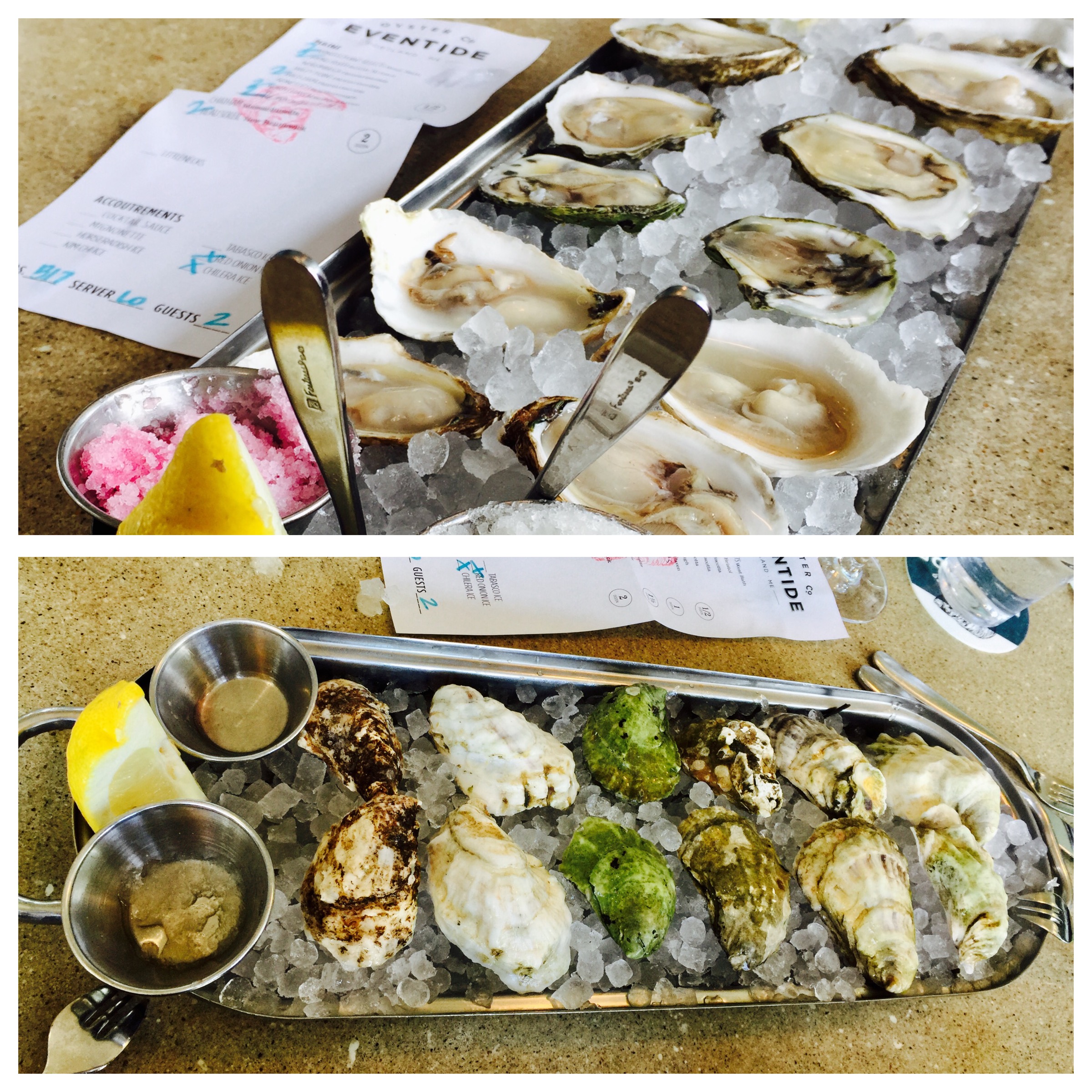
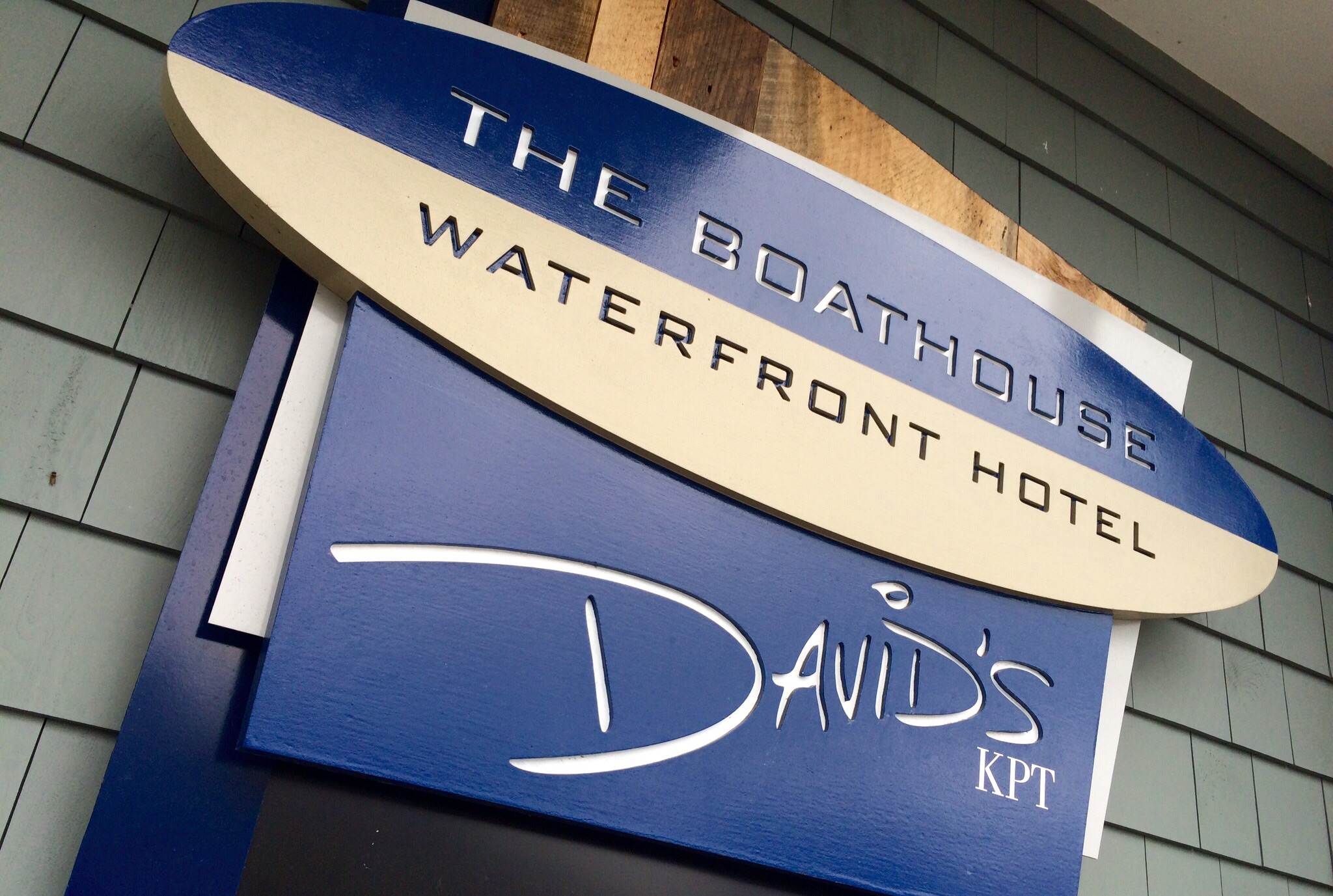
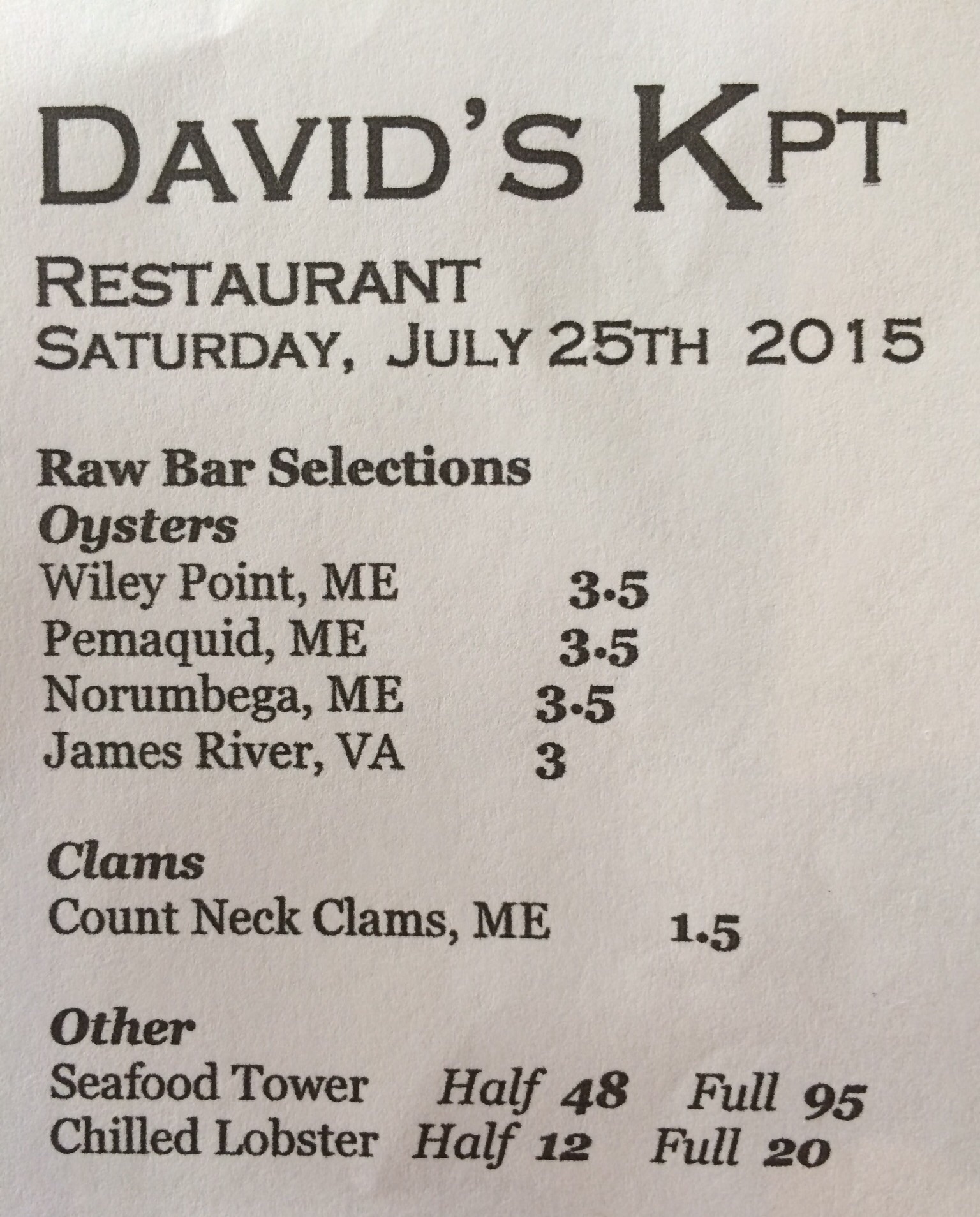
I arrived at lunch time and we went straight to David’s KPT, one of several restaurants owned by chef David Turin, who owns others in nearby Portland. I ate at the original David’s in Portland a few years ago and was not impressed, so it took a little coaxing to get me to come here. David’s KPT menu is simple, basic seafood, and for a restaurant on the water with great views, that’s about all you need. Nothing particularly creative here, just the basics, like fresh oysters but a rather bland lobster salad. Its key location also makes it a tourist trap and they jack the prices up, so some oysters go for $3.50 each! I don’t even pay that in New York City.

image

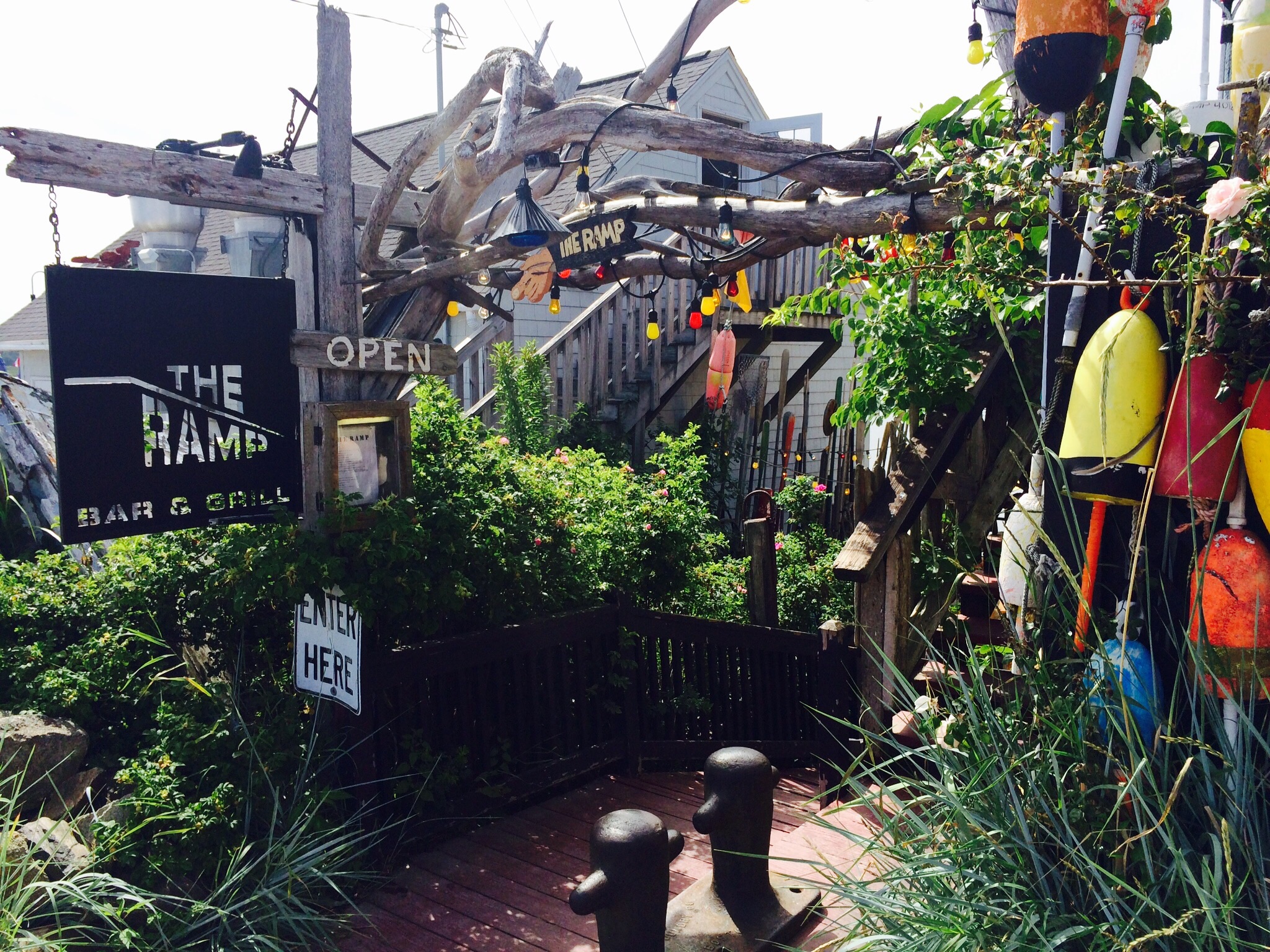
After lunch, we took a ride along the beautiful rugged Maine coast, passing the Bush family compound and the line of cars parked on the road with people taking snaps of the house for their scrapbooks. We stopped In Cape Porpoise, still a part of Kennebunkport, at a funky joint called The Ramp.

image

On the water, The Ramp is crowded and noisy, with old posters and souvenirs on the walls and ceiling, ranging from a NYC World Trade Center subway station sign to a “Vote for Marcos” campaign poster from the Philippines. We had to put our names on a list just to sit at the bar. But that was OK…we had a cocktail while waiting. By the time we finished our drinks and were ready to leave, our turn came up at the bar, so we handed our space off to the next person in line and moved on.

Our lovely server at The Ramp. Notice photos of former Presidents behind her.

Our lovely server at The Ramp. Notice photos of former Presidents behind her.

Back on the road, we drove into town, found a rare parking space on the street, and walked over to Tia’s Topside,with their signature giant lobster claws in the front yard.

imageimage

The menu was no great shakes, and it was clear the dude working the bar already had his fill of tourists for the season. No eye contact, just a “What do you guys want to drink?” That was a thumbs down in our book.

Walking back to the car, we popped into Ports of Italy for a pop. Looking at the plates of the people next to me at the bar, it seemed like we stumbled into a local version of the Olive Garden. The website makes everything we saw look much better. But we passed on the food. Generic drinks.

Clearly, the amount of drinks we had, and were still going to have, was going to be an issue, and Lee being the driver, was behaving to avoid any trouble with the law. Police are everywhere in Kennebunk, and they are notorious for pulling you over for even the slightest infraction. So we headed back to the condo to park the car and wait for the taxi we hired for the night to take us to dinner and beyond.

image

The culinary focus of the trip (I made reservations two months earlier) was Earth at Hidden Pond, a Ken Oringer restaurant in the center of a luxury resort just a short drive out of the center of town, hidden in the woods, surrounded by ridiculously expensive cabins.

Outdoor seating, great atmosphere at night when they light the torches and the fires.

Outdoor seating, great atmosphere at night when they light the torches and the fires.

Oringer is a crazy-talented chef, a Food Network “Iron Chef America” winner with a half-dozen respected restaurants to his name: Toro in Boston (personal favorite) and NYC, Clio in Boston, Coppa (excellent!) in Boston, and Uni in Boston. I was very glad to see that Earth lived up to my expectations.

The well-stocked bar at Earth.

The well-stocked bar at Earth.

Our evening got off to a slow start. It was a Saturday night, yet the main bartenders were nowhere to be found. (We heard that one was out due to a leg injury.) The woman that served us was great to talk to, but she clearly did not have a grasp on the crafting of the more complicated cocktails that Earth was known for. Our first drinks were good, but she literally had to read the recipes off a card to make them. And when I asked for Antica Formula in my Manhattan, she didn’t know what that was.

Enter Josh, a young, energetic bar assistant, who saw this as an opportunity to show off his mixology skills. He jumped right in and offered us a cocktails he created, and we welcomed his refreshing enthusiasm. I can’t even remember the ingredients list he had for each cocktail, but we thoroughly enjoyed them, and he custom-crafted them if we didn’t like a particular ingredient.

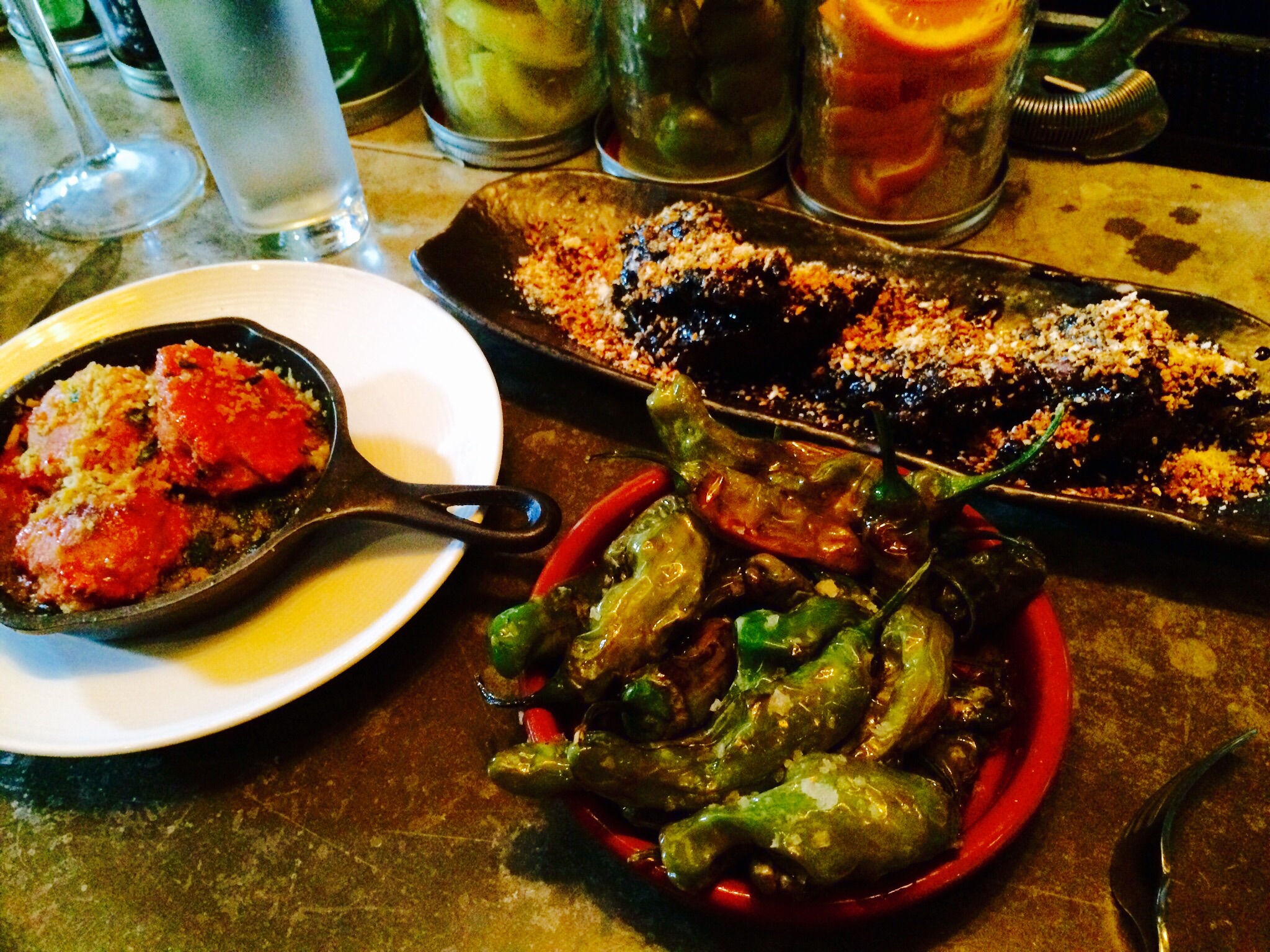
Small plates: meatballs, chicken wings with sesame and squid ink, shishito peppers.

Snacks: meatballs, chicken wings with sesame and squid ink, shishito peppers.

We started with a few apps, or snacks as they called them. The meatballs were good, average meatballs. The shishito peppers, roasted and salted, are a Ken Oringer signature dish, also served at his Toro restaurants. Usually 1 out of 10 are hot, but we had more than a few spicy bites on our plate. The chicken wings with squid ink were incredible: sweet, salty, briny. Probably the best wings I’ve ever had, and I’m dying to figure out how I can make them at home. I had a chance to talk to executive chef Justin Walker, and after he explained the process in detail, it was obvious it wouldn’t be easy!

A luxurious plate of seared foie gras followed. Couldn’t have been more perfect.

But after the foie, we had a dilemma: We made plans to have the taxi pick us up from the restaurant at 8:30, giving us 2 1/2 hours to eat dinner. It was after 8 already, and we had to focus on leaving, despite the fact that we didn’t have an entree yet. Our bartender suggested perhaps a dessert, and we decided to order a second plate of chicken wings to end our meal!

I was bummed that we didn’t give ourselves enough time to have a complete dinner. I suppose that meant we were having a good time and not just shoving food down our pie holes. It’s also my excuse to come back to Earth to “do things right” the next time!

image

Our last stop was back in town at Old Vines, a wine bar that also serves great food. Though we were seated quickly at the bar and got our first drinks, it seemed like forever before we could get the attention of our female bartender who was far more interested in the other females at the bar than us two old guys. Hey, I understand that, but we wanted to order some food. It was only when the owner showed up that we were asked what we’d like to eat and by then we were told the kitchen may be closed. Fortunately, we ordered two cold dishes, so they were easy to prepare: beef carpaccio and a burata salad. Both were excellent.

A cab ride home, and it was time to pass out.

FullSizeRender (12)

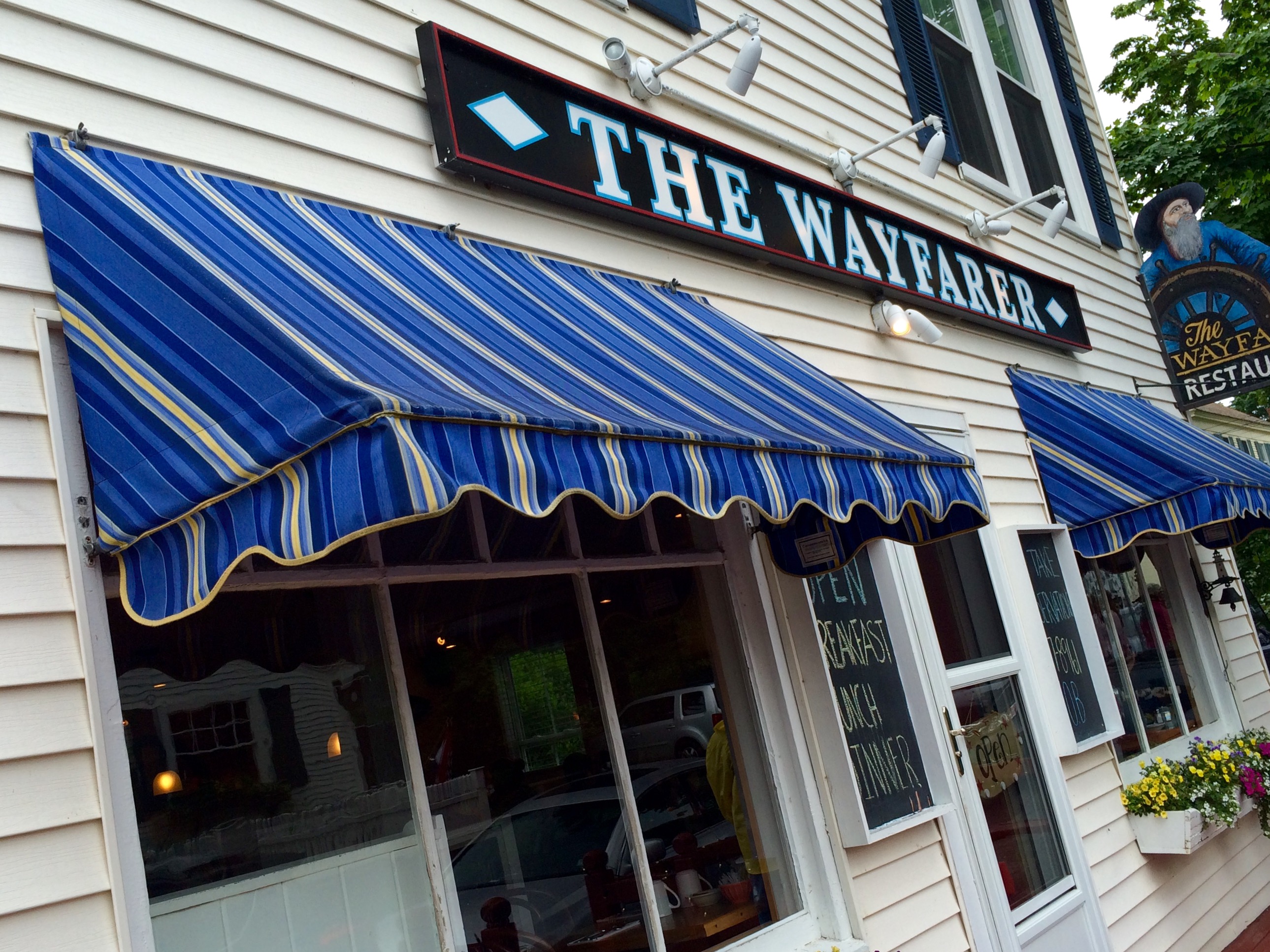
The next morning, breakfast was back in Cape Porpoise at The Wayfarer, a local favorite for years. Always crowded, we managed to find a couple of seats at the bar. Crowded because the menu offers breakfast favorites with their own twist: a scramble of the day, housemade sausage, and interesting takes on standards, like lobster and pork belly eggs Benedict.

FullSizeRender (6)

The creativity of this dish was excellent, the execution not so much. Hey, I love pork fat, but the pork belly wasn’t cooked enough so it was rubbery and the lobster meat was cold–should’ve been warmed through before putting it on top of the eggs.

That’s OK…lots of good coffee and smiling faces were a welcome sight the morning after a big night of drinking!

The ride back to Rhode Island was a bit rough with a hangover. Next time, it’ll be 48 hours in Kennebunkport and I’ll make sure I get some rest!


Greek food is some of the most delicious I’ve ever eaten. It rivals Italian and French cuisine, yet has nowhere near the fan base. It’s the same with Greek spirits. The island of Santorini offers many wonderful choices, and it would be a sin not to taste them all!

santorini3

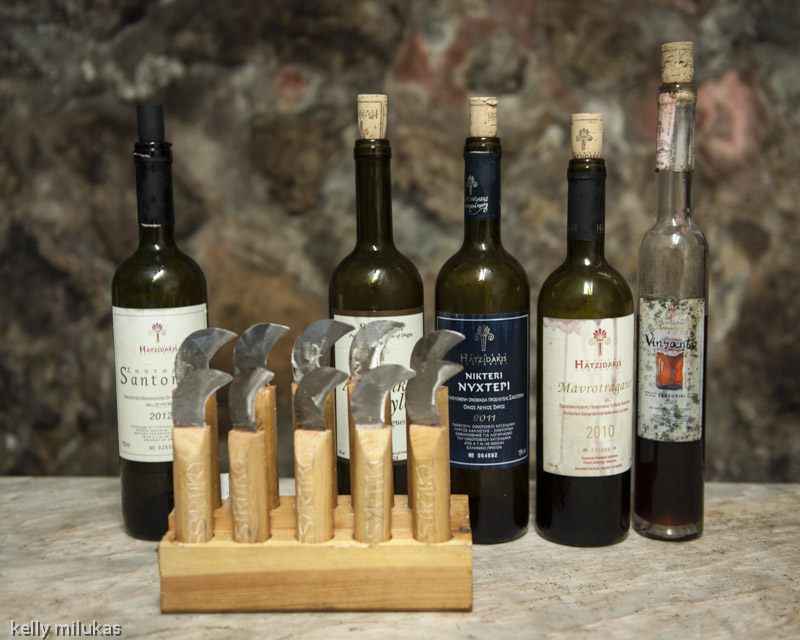
Santorini is magical. It’s why we keep coming back. But just as wonderful as the white buildings stacked on the cliffsides of this island are the people, and the native food and drink they offer. One such place is the Hatzidakis winery in the town of Pirgos.

hatz al

They don’t have a fancy tasting room. They don’t do tours. They don’t have an amazing view of the water or the island. They don’t even hold regular visiting hours. They simply have the best wine on the island.

hatz tools

And that’s exactly why we go. Haridimos “George” Hatzidakis is all about his grapes. Ask anyone on Santorini what the best wine is, and you will get “Hatzidakis” as the answer every time.

hatz kelly

Sure, there are huge wineries with tasting rooms that overlook the water. That’s where the tour buses take the cattle that arrive in Fira on cruise ships. And that’s the last place we want to be.

Hatzidakis wine is about the soil, the grapes, the climate. It’s also about the passion of the handful of people who work hard to make it.

hatz grapes

It’s hard to find Hatzidakis in the United states (unless you look in my wine cellar, because we bring home as much as we can!!) Much of it is scooped up and exported to France…and much to our happy surprise, we’ve had a bottle of the Hatzidakis Assyrtyko in Paris at Le Baratin.

hatz cave

For the most part, you’ll have to go to Santorini to experience the magic of this incredible wine. And that’s not a bad thing. Because the wine is much like the people of Santorini: beautiful and worth every bit of time it takes to get there.

Aside from wine in Santorini, our most recent visit a few years ago introduced us to a local drink called Raki. Kind of like grappa on steroids, it’s the national drink of Turkey, popular here as well, and often served as a digestif before dinner. It’s a drink that can definitely get you in trouble.

image


Also new (to us) in Santorini was Red Donkey, a locally brewed beer. It was a welcome treat on those very hot and dry summer days. Unfiltered and delicious.

image


As for local foods, nothing is better than a salad featuring the sharp tang of Santorini tomatoes. Much like the grapes of this island, the tomatoes grow in volcanic soil. Rain is scarce, and so the tomatoes, like the grapes, stay small but intense, bursting with flavor.

image


image

Capers and caper berries, stuffed into empty plastic water bottles, are sold on the side of the road by local farmers.

image

Perhaps the most unlikely food item we bring home from Santorini is what they call “fava,” but it’s not the bean we usually associate with that name. Originally, broad beans were used in this dish, but quickly it changed to a type of yellow shelled lentil that is much smaller and flavorful than its American counterpart. The lentil is smaller and the art of turning this simple gem into a sublime porridge is worth learning.

As common in Santorini as pasta is in Italy, grains of fava have been found in archaeological sites in the ancient city of Akrotiri (on the southern side of Santorini) dating as far back as 3500 years ago. Every taverna on the island offers their own version of fava, and though the differences are subtle, they can be significant.

Proud of his fava.

Proud of his fava.


Most recipes start with the dried lentils, which are washed thoroughly. They are added to a pot of fresh water and then boiled until the water reduces and the lentils slowly absorb the liquid and soften into a porridge. Often chopped onion is added to the pot of water in the very beginning, so that it completely dissolves and flavors the fava. Some recipes call for a subtle mixture of local dried herbs, similar to oregano and thyme, to be wrapped in cheesecloth and added to the pot to infuse flavor.

Like making a great Italian tomato sauce, cooking fava is a labor love. It requires low heat and constant stirring to make it perfectly smooth. Often it is pureed in a blender at the end.

When the fava is ready to serve, the toppings can vary. Thin slices of red onion and a liberal drizzle of Greek olive oil are common. Sometimes it is topped with locally harvested and brined caper berries or caper berry leaves, or a few kalamata olives.

On our last trip to Santorini, our most memorable fava dishes were a simple and rustic, with onion, capers, olive oil and a side of lemon. One of our favorite restaurants, Dimitris in Amoudi, serves it this way.

The fava at Dimitri's, on the water in Ammoudi.

The fava at Dimitri’s, on the water in Ammoudi.

We bought our fava from several people, including this beautiful ageless woman, who remembered us from our previous visit. image

We’re hoping still be here on this magical island when we visit in a couple of weeks!

image

My raspberry plants are producing a ton of fruit, and my mint plants are taking over the yard! It’s time to make Mojitos!

Very often, I’ll use raspberries alone, but Mojitos are even better when you combine the raspberries with blueberries. Frozen fruit works well, too. Make them by the pitcher and you’ll do it any other way again!

The ingredients

The ingredients


Make ahead of time…
1 1/2 cups fresh squeezed lime juice
1 1/3 cups turbinado sugar (Sugar in the Raw)

Mix both ingredients together and let stand at room temp. Shake until dissolved. The mixture can be covered and refrigerated for several weeks and ready to use any time. Shake well before using.

mojito pitcher

For the Mojitos…
1 cup sugar/lime mixture
1 cup mint leaves, packed
1/2 pint blueberries (fresh or frozen)
1/2 pint raspberries (fresh or frozen)
3 or 4 cups white rum, preferably Don Q Cristal rum
3 or 4 cups club soda

Combine the mint leaves and 1/2 cup of the sugar/lime mixture in bottom of a pitcher. Muddle the mint up very well to release mint oils. Add the blueberries and continue to muddle.

Add the remaining sugar/lime mixture, rum and raspberries. Mix well. Just before serving, add the club soda and ice. Stir. Pour into glasses.

Or…for drinks one at a time, fill a tall glass with ice. Fill it one-third to halfway with club soda. Top with the Mojito mix. Garnish with a mint leaf.


Cheers!

Cheers!

It’s Negroni week! And an aged Negroni is even better.

Used to be that only the big distilleries were able to age their finest spirits in charred oak barrels. But now, there’s a movement goin’ on…and hand-crafted oak barrels are available to aficionados at home.

Companies like Redhead Barrels (http://www.redheadoakbarrels.com) are offering oak barrels for aging that range in size from 1 liter to 20 liters. And that’s where this enthusiast comes in: with a 1-liter barrel, I’m able to age my favorite spirit–vodka, rum, whiskey, bourbon, anything–in just a few weeks, elevating the flavors to levels previously unknown.

wood

My  1-liter barrel arrived with the spigot and bung separately. Curing the barrel is necessary before using it. You do this by rinsing the barrel out a few times to remove any loose pieces of wood chips or splinters that may still be inside. Hand-turn the spigot into the barrel until it fits snugly and place the barrel in the sink on the included stand. Fill the barrel with very hot water…and watch. Some barrels are totally watertight and will not leak. Others may take literally a few days of repeated fillings with hot water before it thoroughly seeps into the wood, expanding it to seal the barrel.

Once there are no leaks, it’s ready to go. Empty the water out of the barrel and fill it with your favorite spirit. Because there is more wood surface area to less liquid (as compared to the large barrels companies like Jack Daniels use), your alcohol will age faster…in weeks instead of years. Once you’ve aged it as much as you want, you simply pour it into a bottle to stop the aging process. Rinse the barrel out thoroughly, and you are ready to age yet another spirit.

I chose to age a cocktail that I first savored at the Greenhouse Tavern in Cleveland, Ohio, the brainchild of talented chef Jonathon Sawyer. The call it a Negroski, their take on a Negroni. It features equal parts Campari, Cocchi sweet vermouth, and OYO stone fruit vodka. They make large batches of it and keep it in a barrel until they serve it. So enamoured my wife and I were with this drink, that I begged the bartender to give me the recipe.

Doing the math, equal parts of each ingredient meant 1 1/3 cups of each to make a quart…which fit perfectly in my 1-liter barrel. Once I corked the top with the bung, it was time to let it age.

A slight daily rotation of the barrel gently rocks the liquid inside, exposing it to the barrel’s charred wood interior, giving it more flavor. And at the end of   a week, I was ready for my first tasting: the wood had a subtle influence, rounding out the flavors. I wanted a little more, so I waited another week.: even better, but not quite there. It took a total of three weeks before the drink reached its flavorful peak.

I poured some of the drink into a cocktail shaker with ice, stirred briskly with a spoon, and strained it into a martini glass, garnishing with a twist of blood orange peel. Delicious!

cask

Just recently, I purchased a 3-liter barrel. After all, 3 times the booze means 3 times the fun!

The 142nd running of the Kentucky Derby revs up this Saturday at 6:34PM Eastern, and unfortunately, I’ll be working! –Working a beer festival, but nonetheless working.

The Mint Julep is such a perfect, classic and historic bourbon drink, it seems silly to wait until Derby day to have one. Of course, as any aficionado of spirits will tell you, there are as many right ways as wrong ways of making one.

The first step in my Mint Julep is making the simple syrup. I use the standard ratio of 1 cup of clean, filtered water to 1 cup of sugar, but I use an organic product like Woodstock Farms Organic Pure Cane Sugar. Place the sugar and water in a saucepan and heat until just boiling. I’ve found that it needs to reach this stage for the unbleached sugar to really dissolve. As soon as it starts to boil, remove the saucepan from the heat, and throw in a handful of freshly picked mint leaves. (I have mint growing all over my yard.) Stir to make sure the mint gets in there, and then leave the saucepan to cool to room temperature. Once it’s at room temp, strain out the mint leaves and pour the simple syrup into a bottle with a tight sealing lid, placing it in the refrigerator to cool. It will keep for about a week.

The next step is the tough part: the battle of the bourbons! The recent explosion of choices on the bourbon market has made it all but impossible for the average imbiber to know which bourbon is best for their tastes. My suggestion for this is to go to a trusted bartender and explain that you’re new to the bourbon world, and could you have the tiniest of tastes and sniffs of what he’s got at his bar. Chances are, you’ll get a sampling of some of the better known brands: Maker’s Mark, Woodford Reserve, perhaps Buffalo Trace or Bulleit, Basil Hayden, and the standard Jim Beam. This is a very good start. If you have deeper pockets, go to the manager of a trusted higher end liquor store and explain that you’ve had all the rest, now what does he think is the best? And of course, hinting to the wife and friends that “I’m trying new bourbons” around your birthday, Father’s Day, or the holidays inevitably gets you a few bottles as well! My personal favorites include Blanton’s, the now ridiculously overpriced Pappy Van Winkle, and a very reasonably priced ($32) Eagle Rare 10-year-old, my vote for best-bang-for-your-bourbon-buck.

A key ingredient for a perfect Mint Julep is crushed ice from clean, filtered water. Don’t even think of using tap water for any quality cocktail much less this one. Why ruin an expensive bottle of bourbon by going cheap on the ice? My home uses well water (no chlorine or flouride) and then my fridge filters the water before making ice, so I put the ice in a canvas ice bag and bash it to the perfect crushed size. (A thick Ziploc bag covered with a kitchen towel will work as well.) If you’ve got nasty city tap water and no filters installed, just buy a bag of good quality ice for this special occasion.

And a Mint Julep needs a metal–not glass– Julep cup. Made of pewter or aluminum, it frosts on the outside as you stir your drink, keeping your beverage ice-cold on even the hottest of days. You simply need to have one to make the perfect Mint Julep.


FullSizeRender

3 oz. bourbon (my go-to these days is Eagle Rare 10-year-old)
1 oz. mint-infused simple syrup
crushed ice
Julep cup
Fresh mint for garnish

Crush the ice and pack it into the Julep cup, letting it dome slightly over the top. Don’t worry…the alcohol will melt it.

I like to add a jigger of bourbon (1.5 oz.), then the shot of the mint-infused simple syrup (1 oz.), then another jigger of bourbon on top. Using a long spoon, stir the drink well. A beautiful layer of frost will form on the outside of the cup. Add more ice to replenish the dome and garnish with a sprig of mint.

FullSizeRender

What a week! Cinco de Mayo and Derby Day within a couple of days of each other! Let’s start it off with my favorite margarita recipe…

image

ALGARITA:

3 oz. Patron silver tequila
1 oz. Cointreau orange liqueur
4 oz. pineapple juice
1/2 a fresh lime, squeezed

Add ice to a tall glass and add Patron, Cointreau, pineapple juice and a good squeeze of lime juice from 1/2 a lime. Pour into a margarita glass (salt rim optional) and garnish with a lime wedge.

One tequila, two tequila, three tequila, FLOOR!