Archive for the ‘garden’ Category

When asparagus is in season, it’s time to gorge. I’ve got it growing in my yard, and the patch gets bigger and happier every year with minimal maintenance…definitely one of those veggies every lazy gardener should grow.

I love it raw, chopped into salads, pickled, oven-roasted, and in pasta dishes. This is a great side dish with any main course slab of meat.

image

1 lb. fresh asparagus spears
1 tablespoon butter
2 tablespoons olive oil
3/4 cup grated Parmigiano Reggiano cheese
salt and pepper


The easy way to trim asparagus spears is to grab the thicker end between two fingers and bend it. It will snap at the point where the tough part ends and the softer, edible part begins. Toss the bottoms into your compost pile.

Heat the butter and oil in a pan and then add the asparagus spears. Cook over medium heat for about 5 minutes, until al dente. You don’t want them mushy.

While the asparagus is still in the pan, sprinkle the Parmigiano Reggiano on top, letting it melt a bit. Season with salt and pepper.

I ate this batch right out of the pan!


CHIVE TALKIN’

Posted: May 26, 2015 in Food, garden, pizza, Uncategorized
Tags: , , , , ,

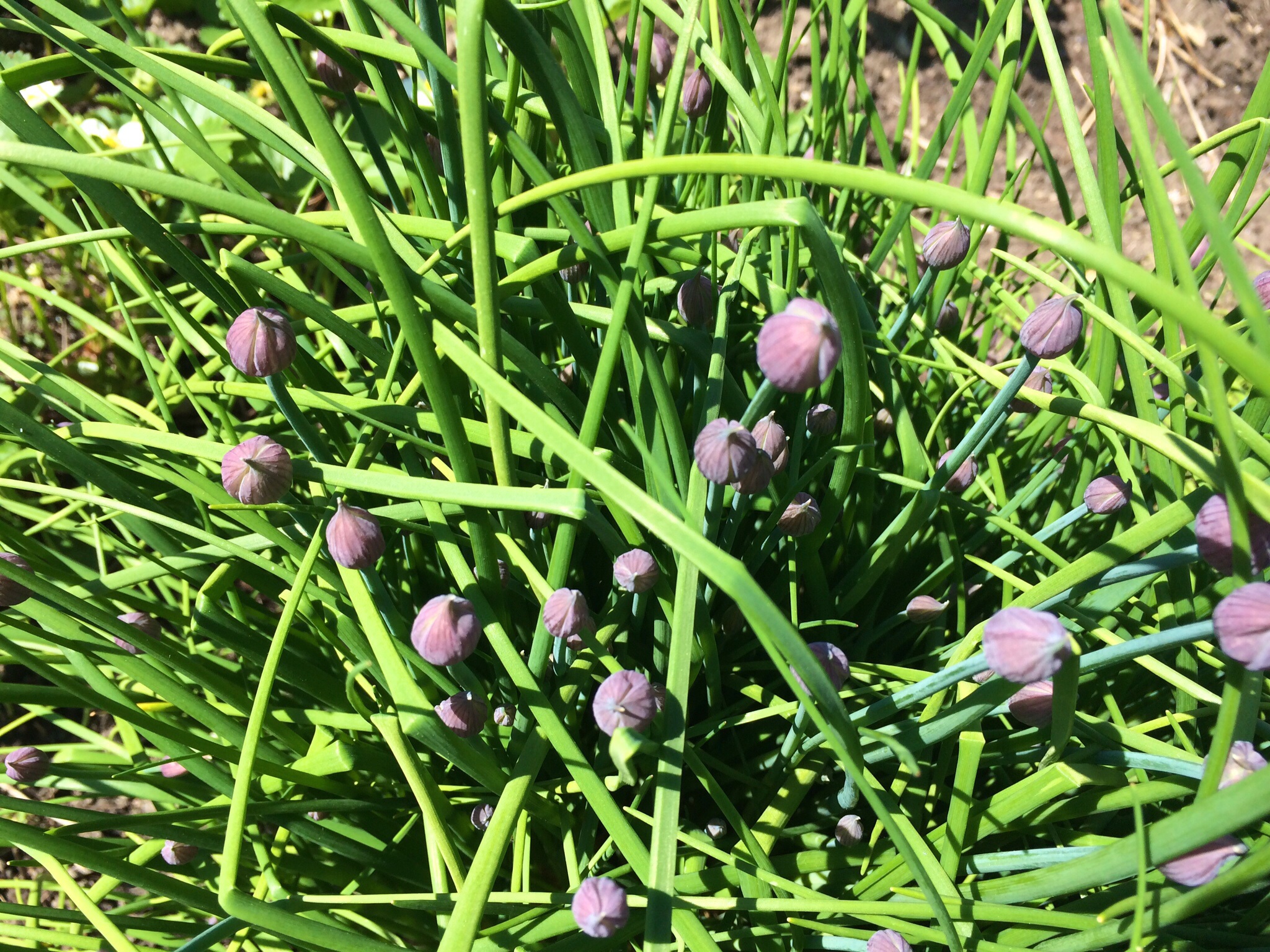
This is the time of year when the chives in my herb garden are busting out with blossoms. Before they pop, I head out every few days and snip the larger ones off the chive plants, wrap them in freezer bags and freeze them.

image

I use those blossoms over the course of the year on my signature marinated beef and chive blossom pizza. I just take a packet of chive blossoms out of the freezer, and sauté them in olive oil and salt and pepper, then sprinkle them on the pizza before baking.

My signature marinated beef tenderloin and chive blossom pizza.

My signature marinated beef tenderloin and chive blossom pizza.

Pick 'em and freeze 'em in May!

Pick ’em and freeze ’em in May!

Chive blossoms not only add great flavor, but they look cool on the plate, too.  I’ll add them as a side to almost any meat dish, or chop them after sauteing and sprinkle them in rice or quinoa.


I don’t let the crazy New England winter weather get me down! Spring is just a couple of weeks away! And that’s why I’d like to take you on a tour of my gardens. I hope you enjoy them!

My sitting area, where I can view several of my gardens, all from one comfortable seat!

My sitting area, where I can view several of my gardens, all from one comfortable seat!


The peonies and coneflowers will be up in no time!

The peonies and cone flowers will be up in no time!

I hear snow makes a great insulator. If that's the case, I've got an insulation bonanza!

I hear snow makes a great insulator. If that’s the case, I’ve got an insulation bonanza!


No garden is complete without compost bins busily cranking out that brown gold!

No garden is complete without compost bins busily cranking out that brown gold!


Asparagus, anyone?

Asparagus, anyone?

My guardian owl watches over the veggies and keeps the annoying critters out!

My guardian owl watches over the veggies and keeps the annoying critters out!


Thanks so much for touring my garden! It’s a lot of work, but it’s so gratifying!

A few years ago, at Le Saint-Amour, a great restaurant in Quebec City, the dish I ordered had these small strange-looking root vegetables sitting next to my roasted duck entrée. They resembled tiny twisted parsnips…or caterpillars! I needed to know what these things were, and so I asked my French waiter, who came back with a piece of paper that had the word “crosne” written on it. He said: “I don’t know how they say it in English.”
Back at the hotel room, I went right to the laptop and started a search on-line and discovered that crosnes (pronounced crones) are also known as Chinese artichokes, and although they are somewhat common in European gardens, they are really difficult to find in the states.
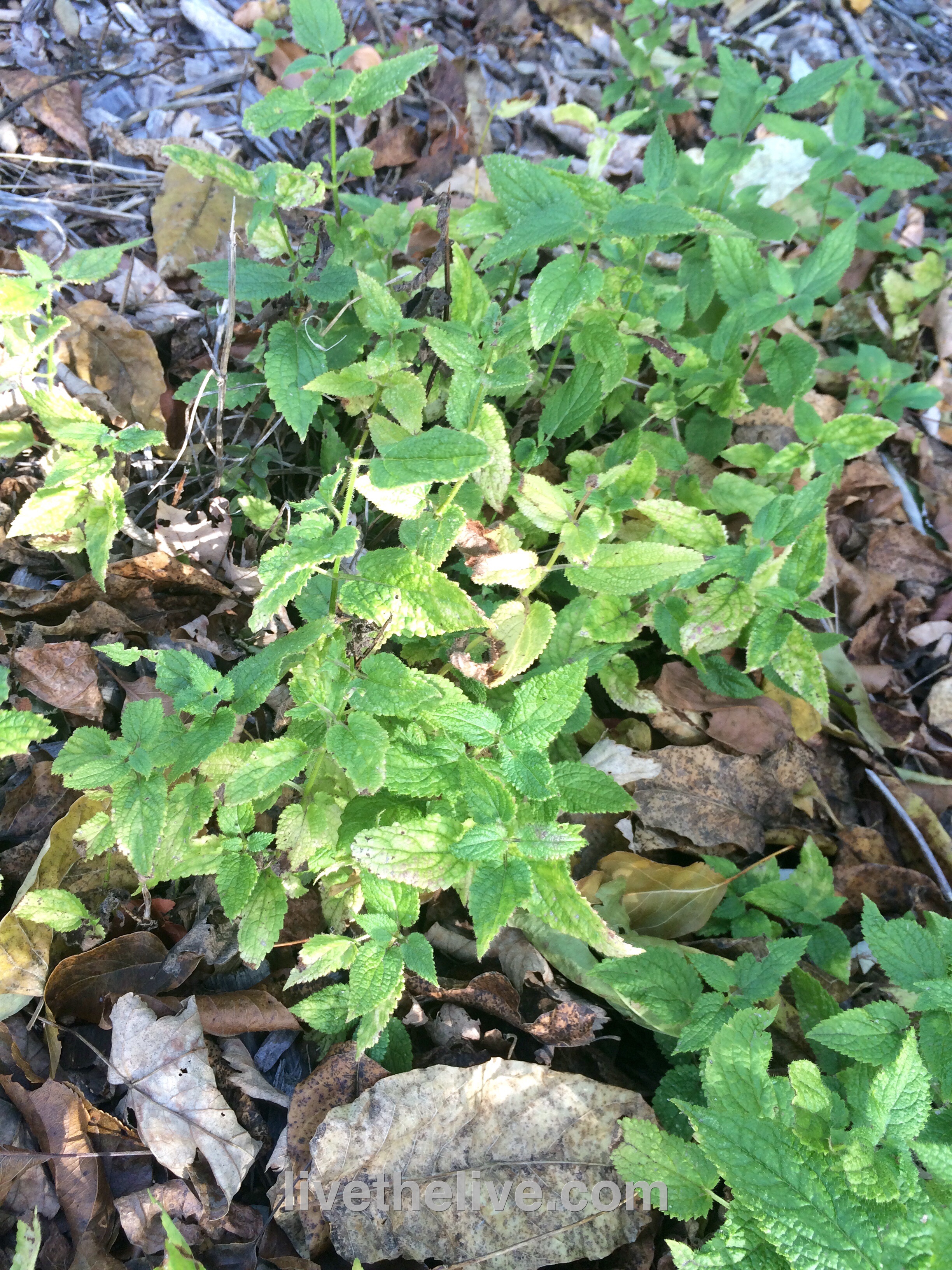
The leaves look like mint, but don't have a fragrance.

The leaves look like mint, but don’t have a fragrance.

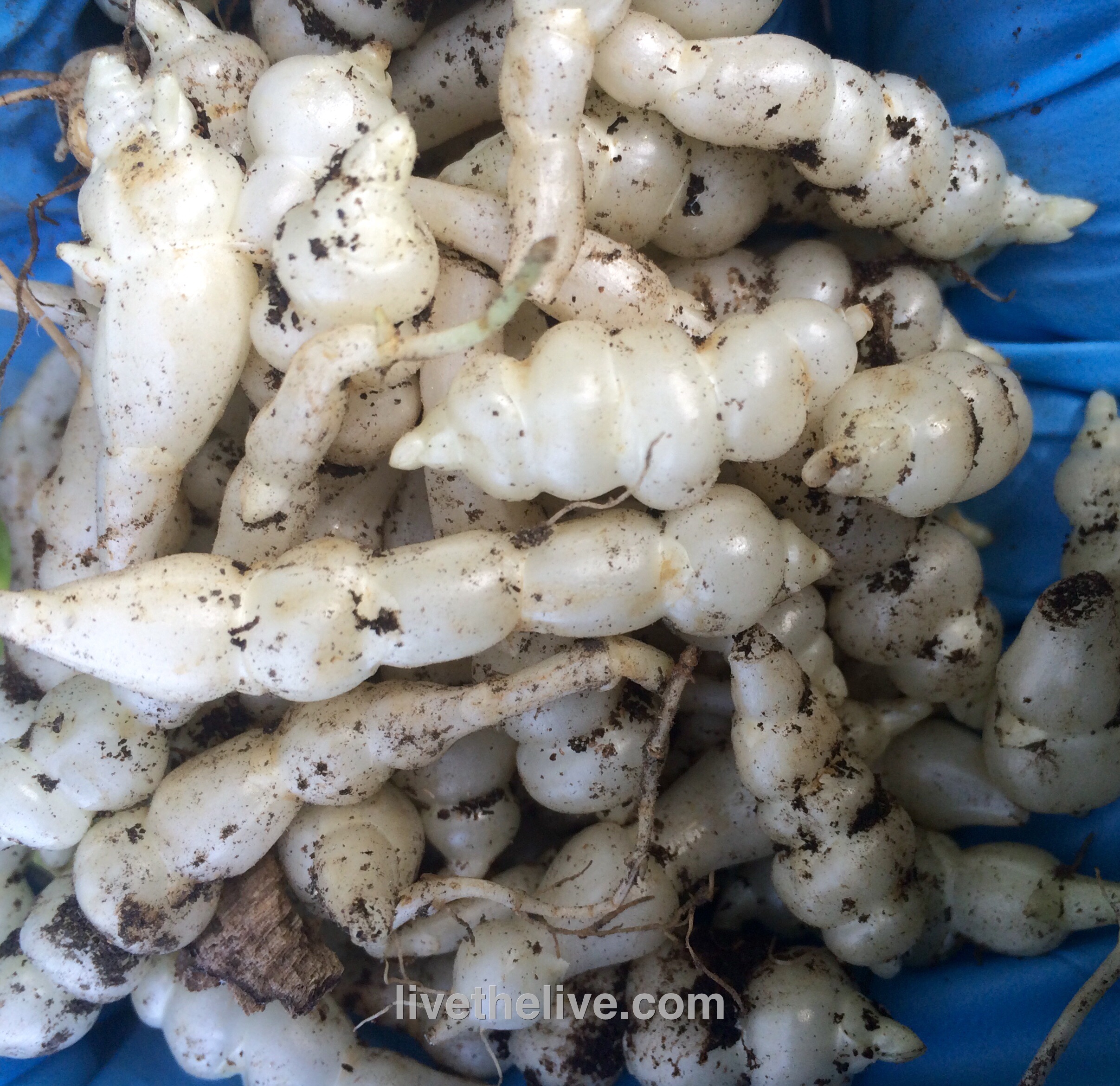
The plant is a relative of mint (though the leaves have no aroma), a perennial, is easy to grow, spreads on its own, and has those small, convoluted and delicious root clumps (known as tubers to gardeners.) So what’s not to like? Well, apparently, it’s not the gardeners that don’t want to deal with them…it’s the cooks! The tubers are very small and therefore need a little extra effort to make sure they are washed clean before cooking. They don’t need to be peeled (now that would be a pain in the ass) but to many chefs, even the washing is too much of a hassle.
image
Now it seems that more chefs are discovering crosnes, and they just can’t get a hold of them.
As a Master Gardener, I found all of this pretty interesting so I searched for sources of buying crosnes plants for my own garden. It took a while (most growers were in Europe or Great Britain), but I finally found a source in Oregon that sold the plants and I bought a few for my home garden.
image

A relative of the mint plant, crosnes are pretty hardy and are tough to remove once well established, so they need to be planted in an area where you don’t mind if they take over. The tubers are ready to harvest around October, and as long as I leave some in the ground over the winter, the crosnes will be back again the next year. Seems pretty low-maintenance for such a delicious little treat!

image

As for preparation, a light saute in olive oil and butter (or lard), salt and pepper is all they need, until cooked but crisp. They also go well with a deep, rich demi glace reduction like I had with my duck at Le Saint-Amour.

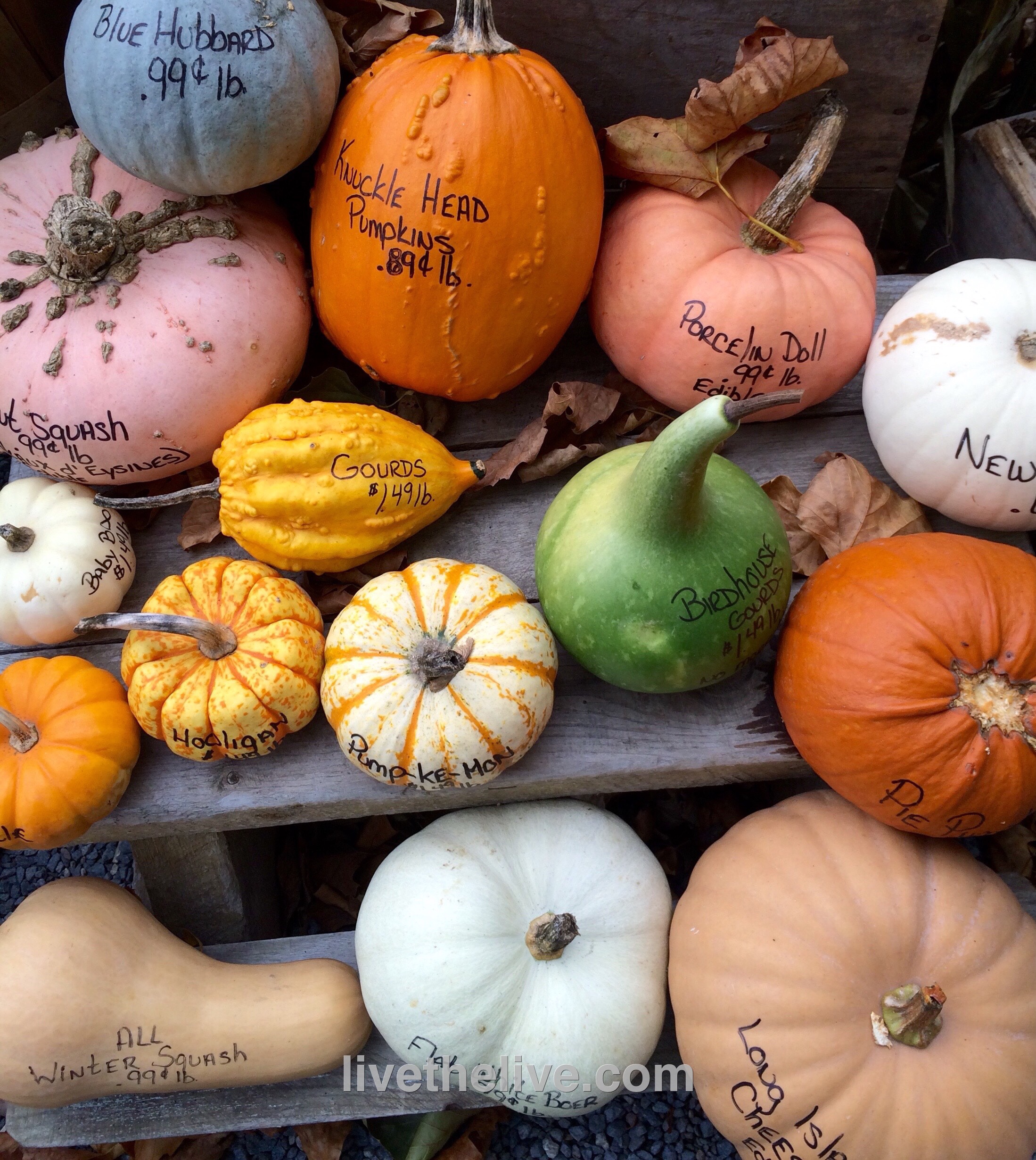
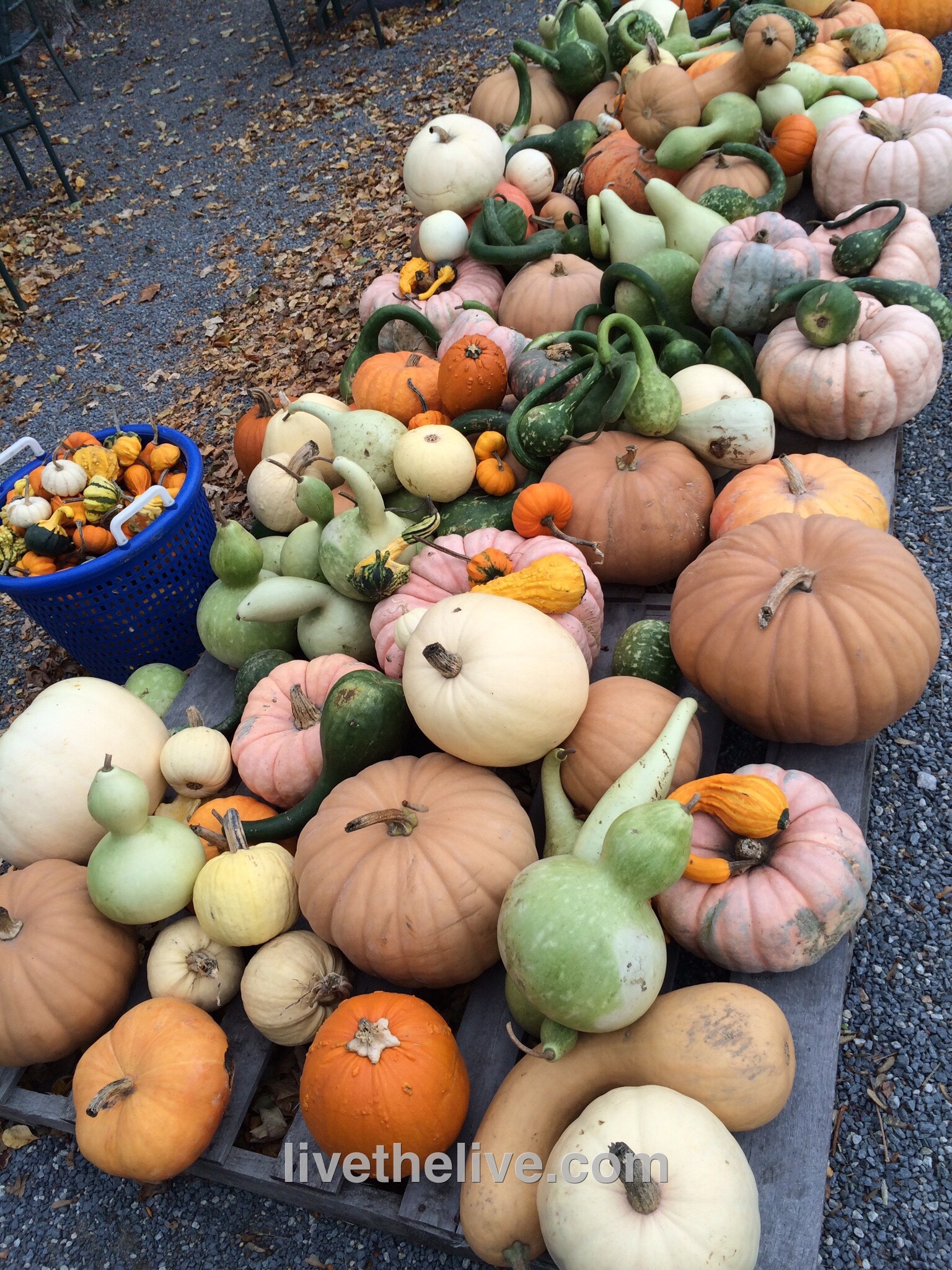
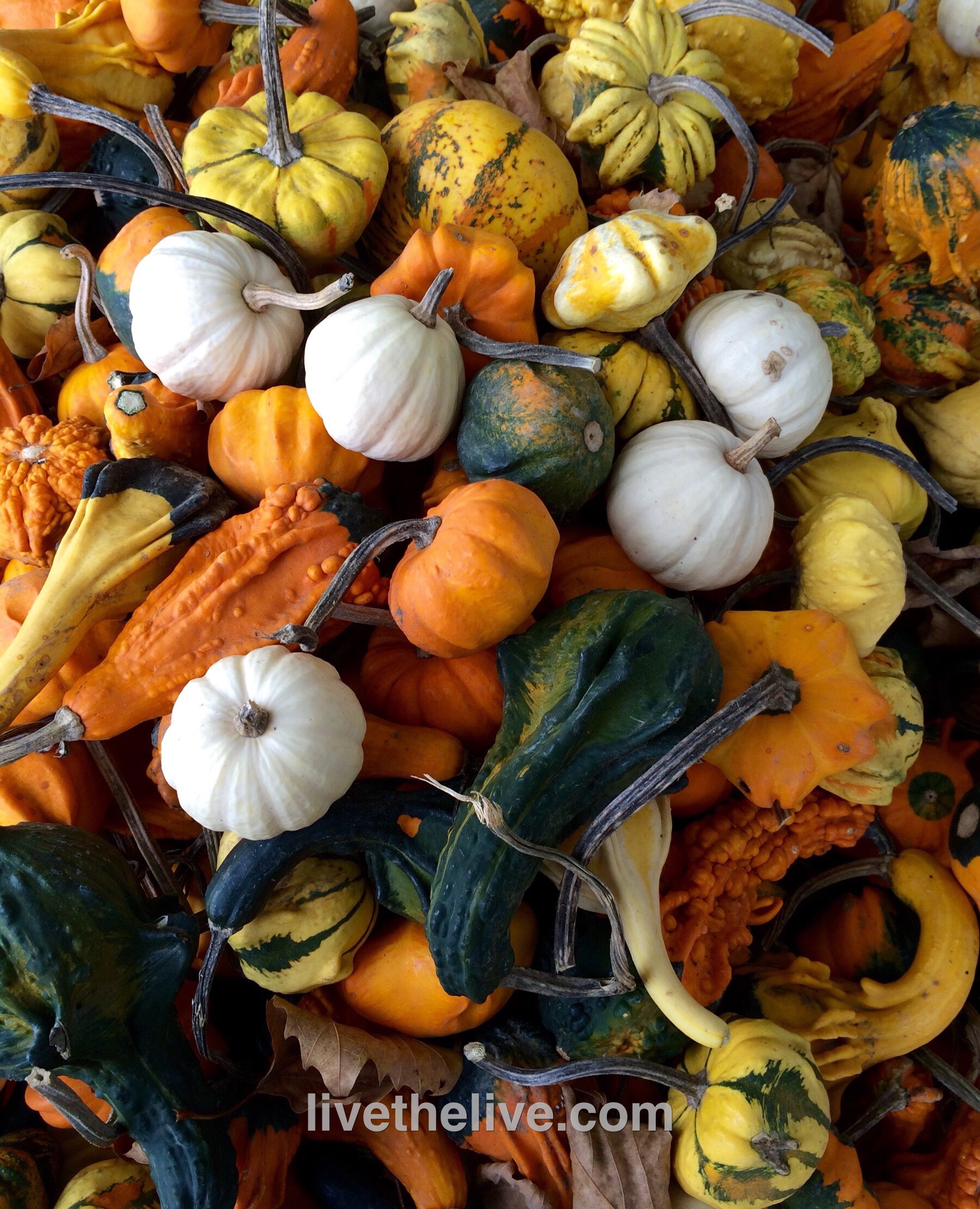
Walker’s farm stand, in Little Compton, Rhode Island, is open for just one more week! The fall colors are just spectacular!

image


image


image


image


image


image


I came up with this crunchy tasty appetizer a few years ago, when I needed a tasty bite for one of our famous summer parties. I wanted something fresh that highlighted the veggies of the season, so when I spotted these baby bell peppers in the supermarket, I came up with this tasty, crunchy appetizer.

image


Ingredients:


Baby bell peppers

6 ears fresh corn, removed from the cob…or organic frozen corn

1/2 Vidalia onion, peeled, quartered, grilled, chopped

1 cup mayonnaise

1 teaspoon hot pepper sauce (I use Frank’s Red Hot)

6 oz feta cheese, or  Queso Fresco, crumbled

Juice of 1 lime

Pinch of white pepper

1 tablespoon fresh parsley, finely chopped


image


Cut corn from ears, and saute very briefly in a little olive oil. Place in a bowl and let cool.

Peel and quarter the Vidalia onion, and throw it on a hot grill with a little olive oil to get some nice grill marks on it, leaving the onion still crispy, not soft. If indoors, throw the quartered onion in a hot pan with a little olive oil, and cook until you get some brown marks on it. Remove, let cool, then place in a food processor and pulse until the onion is chopped into small bits, just smaller than the corn kernels. Add onions to corn.

In a separate small bowl, combine mayonnaise and Frank’s Red Hot. Pour in crumbled cheese and mix well. Pour into corn and onion bowl and mix well.

Add lime juice, white pepper and parsley to the bowl and mix well again.

Cut the baby bell peppers in half lengthwise, and remove the seeds and membrane. Stuff the peppers with the corn mixture and garnish with cilantro or parsley.


If preparing ahead of time, refrigerate until ready to eat, but allow some time for them to warm up to room temp a bit.


If you think cucumbers are boring, this drink will change your mind. Garden-fresh cukes are always best.

This drink requires a little prep. If you have a juicer, use that instead of pureeing in a food processor. Just peel the cukes and juice.


image

Ingredients:

4 fresh cucumbers, peeled and seeded

Small ice cubes

1 cup loosely packed fresh mint leaves

2 teaspoons granulated organic cane sugar

3 tablespoons fresh lime juice

1/2 cup top shelf vodka, like Chopin

1 oz (2 tablespoons) Cointreau


Peel and seed cucumbers. Coarsely chop them and then purée in a food processor until smooth. Strain through a fine sieve, pressing solids to extract as much liquid as possible. Set cucumber juice aside.

To a large glass pitcher, add mint leaves, sugar and lime juice. Muddle ingredients so that mint leaves release their oils. Add 3/4 cup (at least) of the cucumber juice. Add the vodka and Cointreau. Muddle again briefly.

Fill tall drinking glasses with ice cubes. Strain cocktail into glasses. Garnish with cucumber spear or mint.

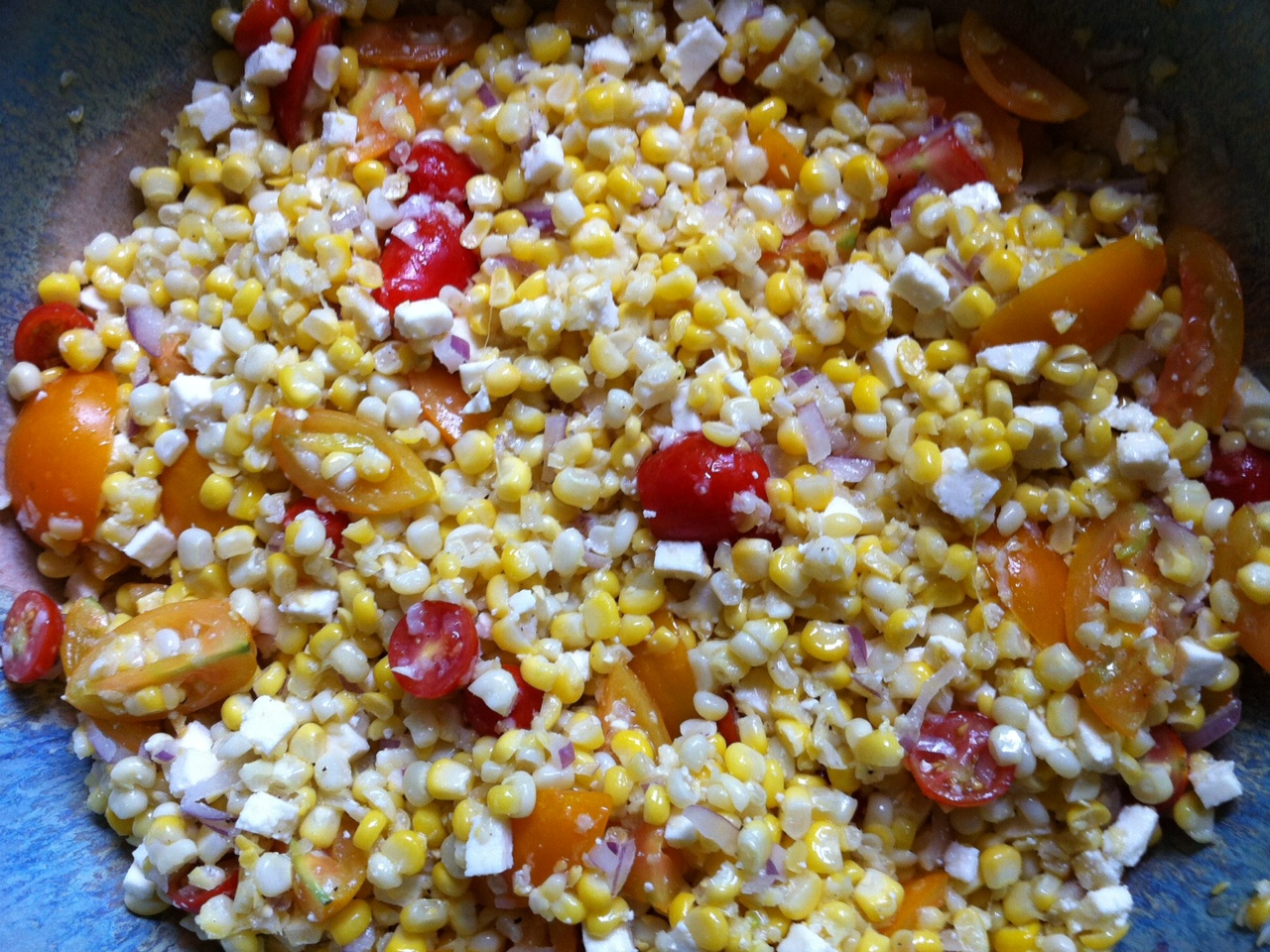
Corn and tomatoes…when they’re in season, you just can’t beat the combination! This is a very simple salsa that takes advantage of their natural sweetness and is easy to make.

salsa


Ingredients:


1 lb frozen organic corn or equivalent fresh

2 ripe tomatoes, seeded and chopped

1/4 small red onion, finely chopped

6 oz mild crumbled cheese, like feta, cotija, or queso fresco

1 teaspoon Fleur de Sel

A pinch of black pepper

2 teaspoons white vinegar

2 tablespoons extra virgin olive oil


If using fresh corn, remove it from the ears, then pan saute  in a little olive oil, but leave it nice and crisp. If you can roast the ears of corn over some coals, even better. Let it cool.

Mix corn with all the other ingredients in a bowl. Cover and refrigerate.

By now, I’m sure you’ve seen those videos where the person takes corn still in the husk, pops it in the microwave, and then slips out a perfect ear of corn without any silk minutes later. If you haven’t, here’s one of them…

There are 2 problems with this method: 1) It takes forever to do a dozen ears…and 2) It ruins the damn corn!

corn1

Here in New England, people lose their minds over fresh corn. They rush to farm stands first thing in the morning, and knock each other over to grab the largest, freshest ears they can find. Much to the chagrin of farmers, they peel the stalk off the top of a dozen ears before they find the one they want to keep. It’s an embarrassing scene usually reserved for morons fighting over sale items at Wal*Mart.

So why, then, if you’re that passionate about fresh corn, do you stick it in a microwave and nuke the living hell out of it? Fresh corn needs a minimalist approach. It should be eaten practically raw…not bombarded with gamma rays and dehydrated in to shriveled kernels.

I love my corn right off the cob…and I still stick to the tried-and-true method of putting it in a pot of water and boiling it for a very short time. Do I get a few strands of silk? Sure. That’s part of the deal. Real corn has silk…just like real fish has bones. Get over it.

My wife and daughter like their corn off the cob. In that case, I shuck the corn, stand the ear up in a bowl while it’s still raw, and slice down with a knife to remove the kernels. I then lightly saute the corn in a pan with unsalted organic butter and a pinch of Fleur de Sel. Those pieces that have several rows of kernels, across and down, are the favorites.

corn2


One other way I’ve cooked corn is the “cooler corn” method, which is great when you have a large crowd to feed. Get your favorite cooler and make sure it’s clean inside. Shuck your corn and place the ears in the cooler. Boil a large pot of water on the stove and then pour the hot water over the corn. Close the cooler lid tightly and let it sit for about 30 minutes. You will have perfect corn every time.

Lastly, although it’s probably tough to find these days, go for organic non-GMO corn when possible. If your local farmer doesn’t grow it, give him a rash of crap!


It’s interesting that an Eastern European country that is as far north as Newfoundland has one of the most refreshing cold summer soups of any country in Europe. It’s a cold beet soup called Šaltibarščiai (pronounced shul-tih barsh-chay) and it’s classic Lithuanian cooking at its best.

No summer was complete without my Mom’s Šaltibarščiai on the table, and my Dad always insisted on eating it with boiled potatoes on the side. Now residing in an assisted living facility, my Mom has not had this soup in many years, so I made her a batch when she came to visit recently.

There are many different variations of this soup. For example, many Lithuanians today use keffir instead of buttermilk. My Mom insists this is a Russian influence and therefore not a good thing. I just think buttermilk tastes better.

securedownload


Ingredients:

1 quart buttermilk

4 hard-boiled eggs, peeled and chopped

3 cucumbers, peeled, seeded and chopped

8 beets, cooked, peeled and chopped

1 tablespoon finely chopped fresh dill

1 scallion, finely chopped, greens only

salt

a pile of boiled potatoes (optional)


Pour the buttermilk into a large bowl. If it’s very thick, you can dilute it a bit with fresh water.

Peel and chop the eggs and toss them in the bowl. Peel, seed and chop the cukes…then into the bowl.

I love Love Beets, hermetically sealed cooked and peeled beets, ready to use, available in most supermarkets. (In the old days, my Mom would simply use canned beets.) I open a couple of packs of Love Beets, pouring the beet juice into the bowl. I chop the beets and add them as well.

Grab some dill and chop it finely. Add it to the bowl. Finely chop the greens of one or two scallions and sprinkle some salt on them. Rub the salt into the scallions, mashing them a bit, softening them. Then add the to the bowl.

Stir everything together, put a lid on the bowl, and let it chill in the fridge for a few hours.

Remove from fridge, stir, and season with more salt if needed. Serve with boiled potatoes, if you like.