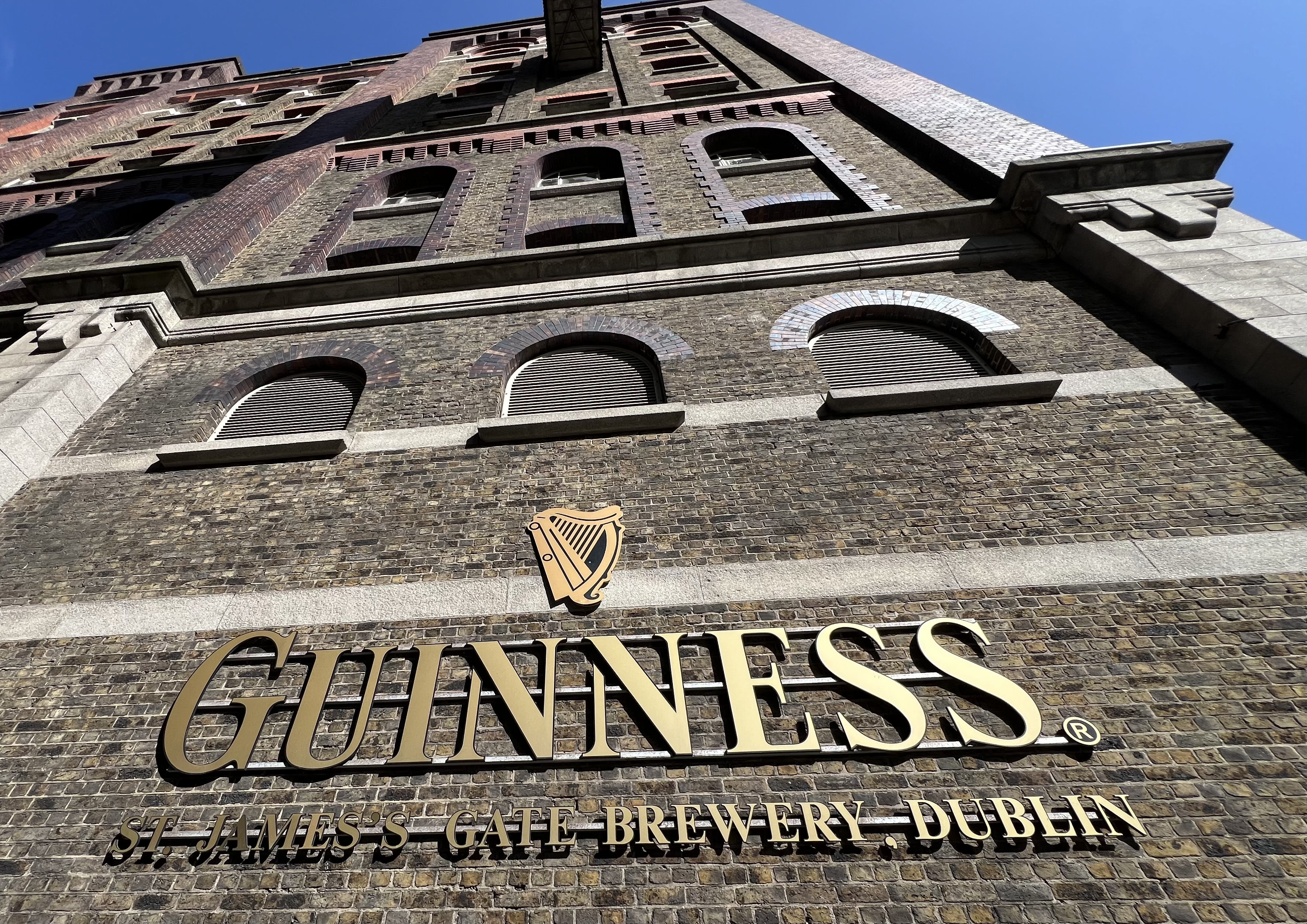
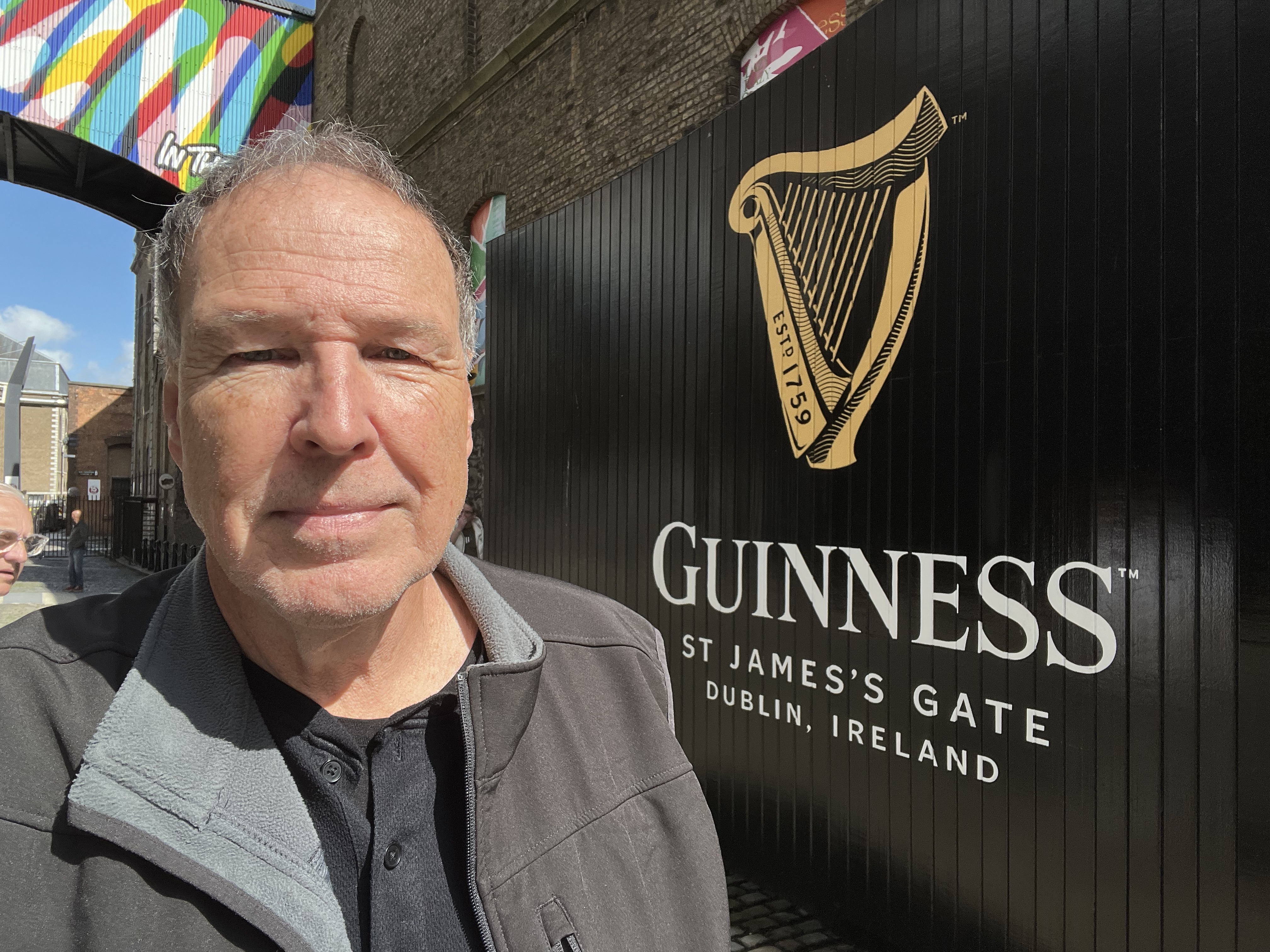
To give you a good idea of just how many people walk through the doors of the Guinness Storehouse at St. James Gate, in Dublin, Ireland, every year, the tour was listed in 2023 by World Travel Awards as the world’s leading tourist attraction.
It’s located on the grounds of the original Guinness Brewery, brewing in that location for over 250 years. Arthur Guinness himself signed and sealed a deal with the city in 1759 to lease the property for 9000 years!
If you’re looking for a simple brewery tour, this isn’t it! It’s more like a multi-media 5-story Disney walk-through than a brewery tour.
If you go to the website, you can see all the tour extras that they offer, all with an extra admission price, and you can customize the trip to your liking.
Some folks were disappointed to find that it wasn’t a simple brewery tour, but when you think about it, how could you possibly get that many people through the door any other way?
I thought it was a fun experience, topping it all off with a taste of a fresh pint of Guinness on the 7th floor at their newly expanded Gravity Bar.
The Gravity Bar is worth the visit even if you don’t want a drink, because it features the best 360° views of Dublin.
We say “It’s 5 o’clock somewhere.” Guinness has us beat with a tasting every morning at 10!
Though it may sound Japanese, the word “saganaki” refers to a small frying pan used in Greek cooking. The most famous of these dishes, simply called saganaki, is a fried cheese, often flamed at the end with a little ouzo.
Shrimp saganaki is one of my favorite Greek dishes, and it usually involves cooking shrimp in a tomato-based sauce with plenty of feta cheese sprinkled in. It’s simple yet fantastic if the ingredients are fresh. Doesn’t hurt to be sitting in a taverna on the beautiful island of Santorini while eating it, either!
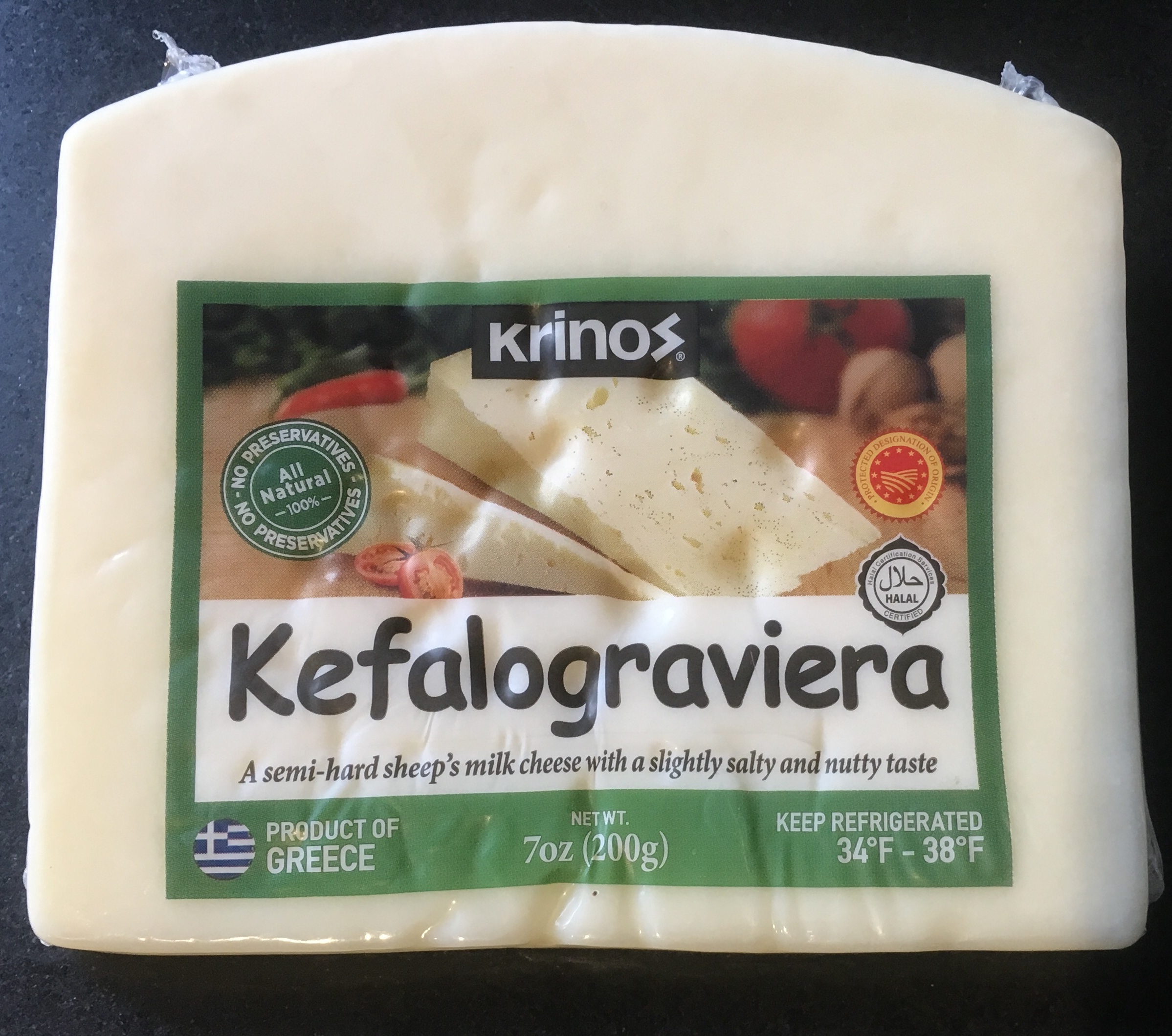
You can find Graviera cheese in most supermarkets.
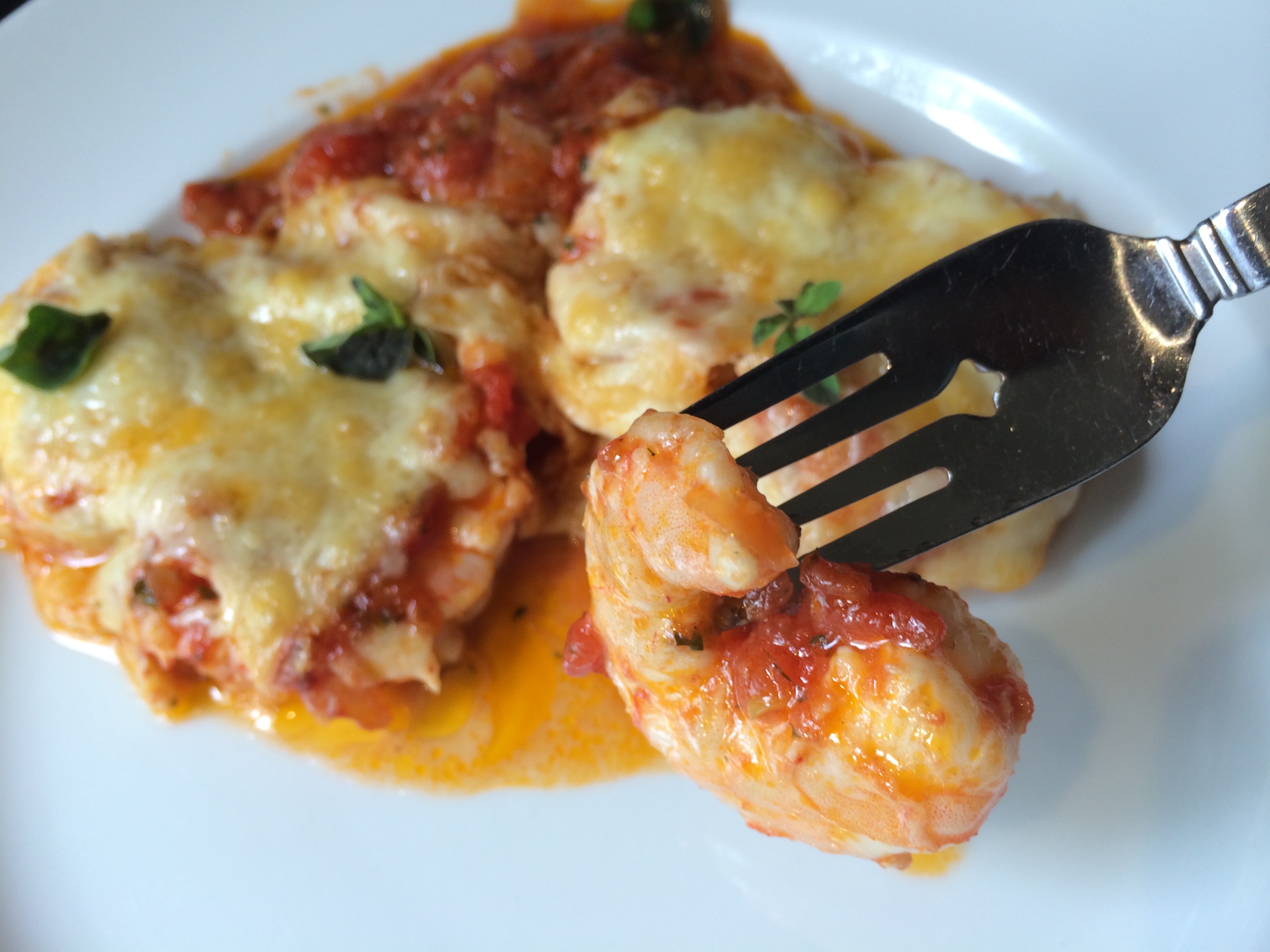
I found a slab of Graviera cheese at a local supermarket, and decided to recreate shrimp saganaki using that instead of feta. It was pretty darn amazing.
I like using peeled and deveined 24–30 shrimp, because larger shrimp don’t always cook through. These smaller shrimp will be bite-sized and delicious.
Melty, gooey, delicious!
200g package (7 oz.) grated Graviera cheese
1 can (28 oz.) whole tomatoes
1 lb. (about 24) shrimp, thawed, peeled and deveined
1 medium onion, chopped
juice of 1/2 lemon
1/4 cup olive oil
2 cloves garlic, through a press
pinch red pepper flakes
1 1/2 tablespoons fresh dill, finely chopped
1 tablespoon fresh oregano, finely chopped
1 1/2 tablespoons Ouzo
salt and pepper
Peel and devein the shrimp (or you can buy them that way already.) Place them in a bowl. Squeeze the juice of 1/2 of a lemon on to the shrimp and toss. Set them aside.
In a large pan, sauté the onions in the olive oil until translucent. Add the garlic and cook for a few seconds more.
Crush or puree the tomatoes and add them to the pan. Add the red pepper flakes, dill and oregano, and salt and pepper. Add the Ouzo.
Let this sauce cook down for a bit until all the flavors have blended together.
Pour a layer of the sauce on the bottom of a metal broiler-proof pan. Lay the raw shrimp in a single layer into the sauce. Cover the shrimp with the rest of the sauce and sprinkle the grated Graviera on top.
Place the pan in a pre-heated 350-degree oven and bake until the cheese is golden brown and bubbly and the shrimp have cooked through. I like to finish it under the broiler for a few minutes to get the cheese brown and melty.
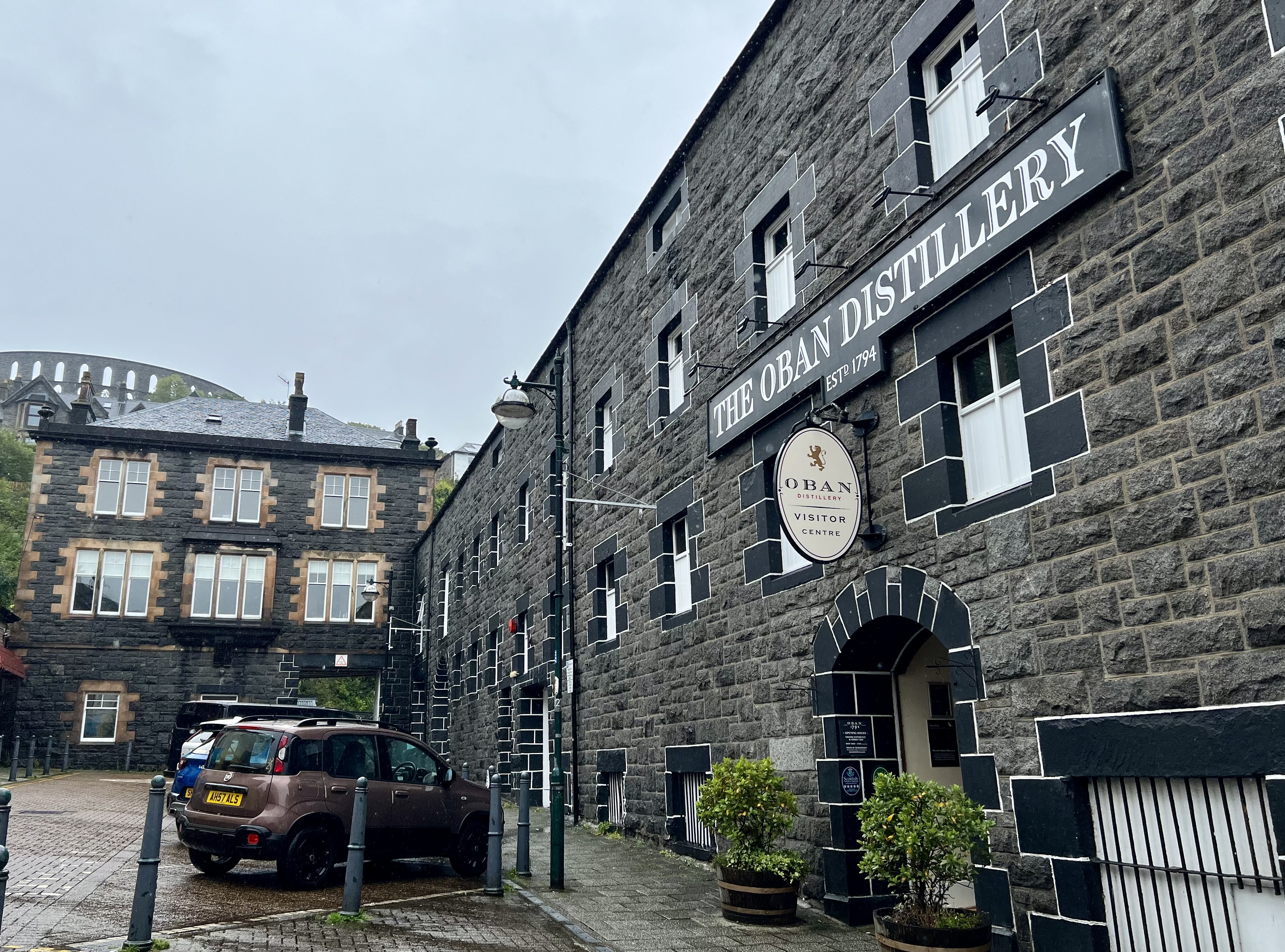
One of the highlights of my recent trip to Scotland was to visit the Oban Whisky distillery. Oban is a lovely seaside town, about a 2-hour’s drive from Glasgow on a sunny day.
Oban
Unfortunately, for me, it was pouring buckets of rain, so my drive took a little over three hours. Nonetheless, the tour was worth it.
Oban Whisky is owned by the giant alcoholic beverage company, Diageo, but they claim that the company really leaves them alone to do their magic. And so they do, seven days a week, 365 days a year, cranking out as much whiskey as this little old distillery possibly can.
The bar at the Oban distillery. A nice place to sit and sip while you wait for the tour to start.
There has been no expansion since they started in 1794, other than moving the bottling process over to another location. (The distillery predates the town, which was established in 1811.)
The tour begins with a taste!
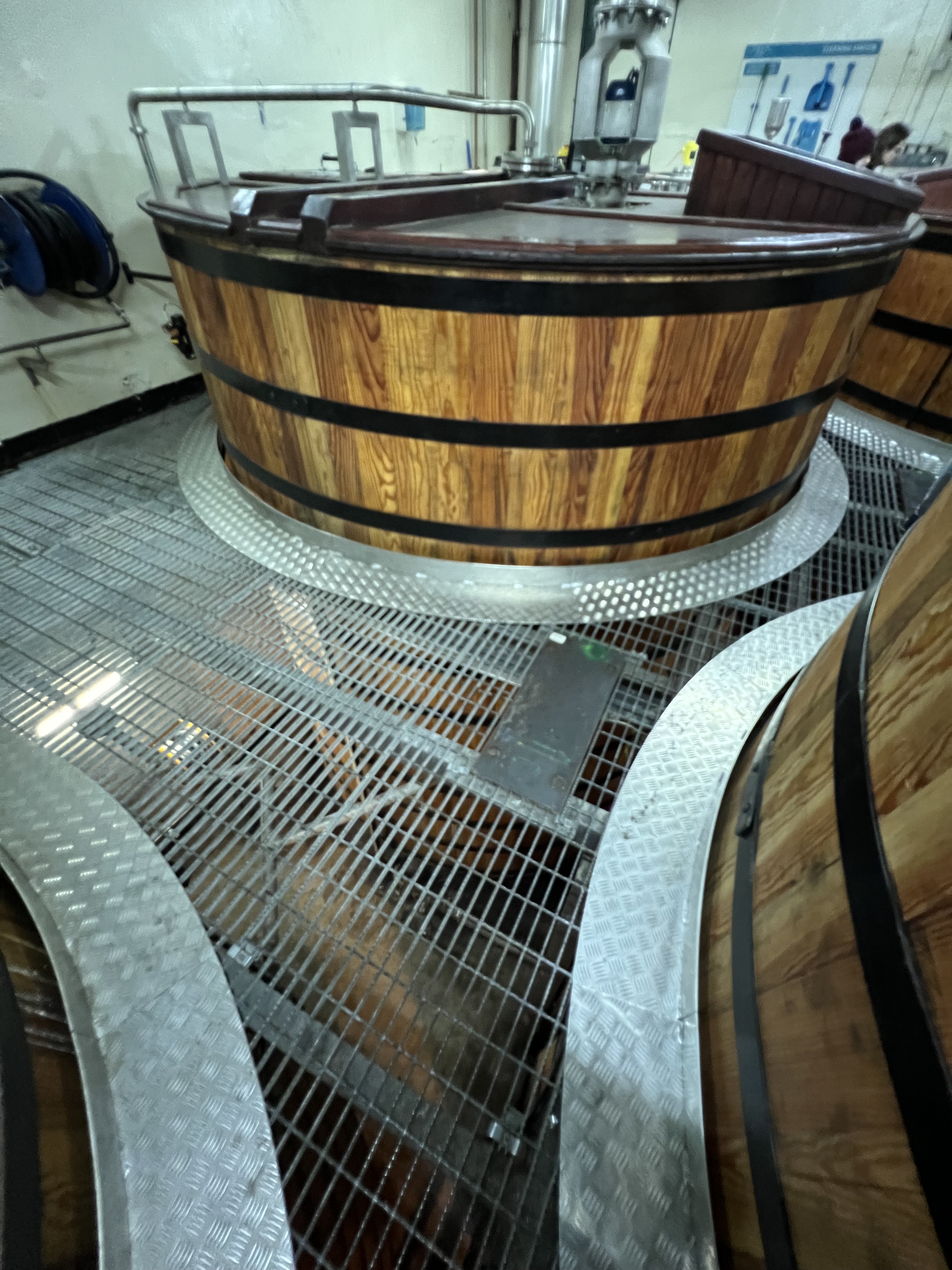
One of the smallest distilleries in Scotland, only seven employees make Oban Whisky, which is a mind-blowing thought! All of the whisky comes from only two copper stills. The relatively small wooden holding tanks are all they have to make all of their whisky, including their very popular Oban 14, which is available in most of the United States.
All of the whisky made at Oban is single malt. That means it’s made at a single distillery using only water, yeast and malted barley.
The process begins with the barley.
Our tour guide told us that the taxes in Scotland are ridiculously high on booze, about 75%! So it’s a better deal for them to sell their whisky overseas to make a larger profit, and Americans love their whisky!
Custom-made wooden holding tanks.
Oban uses peat more for flavoring than it does for heating, and so their whiskys are far less smoky than other Scottish brands. (They use biodiesel to heat their mash.) And they’re big on recycling: the spent barley goes to feed local cattle.
Two precious stills. They make all the whisky at Oban.
Most whisky distillers in Scotland have a relationship with American bourbon distilleries, because they reuse American bourbon barrels to start the aging process on their whisky. It’s pretty much the standard process throughout all of Scotland.
The good stuff…before it gets barreled.
That’s why being owned by a company like Diageo, which owns Bulliet bourbon, can give Oban a never-ending supply of bourbon casks. (Bourbon must always be aged in a brand new oak cask, so once the barrel is used, the Americans no longer have any use for it. The Scottish take it and reuse that barrel several times before passing it on to somebody else.) The Scots will also use rum casks, sherry casks from Spain, whatever it takes to add flavors and nuances to their whiskey over the many years of aging.
.
In Ireland, it’s not called Irish whisky unless it ages for at least three years in a barrel in Ireland. To outdo them, Scottish law says the whisky must age 3 years and one day in a barrel in Scotland to be called whisky!
Either way, the end results at Oban distillery were enjoyed by all. Slàinte!
By the way, if you’re wondering why I spelled the word “whisky” without the “e,” you need to read my blog that explains it all. Check it out here:
I always thought that spaghetti squash was a sort of “gimmick” vegetable. But once I roasted it, I realized just how delicious it could be. Squash is a great lower-carb gluten-free substitute for pasta. But feel free to use spaghetti in this recipe if you like!
Cooking spaghetti squash is easy. I wash them, cut them in half, and remove the seeds and membrane with a spoon. I flip them onto their backs, skin side down, and drizzle some extra virgin olive oil on them. A little sea salt and pepper, and then I flip them back down, skin side up, on a sheet pan lined with non-stick aluminum foil. Into a pre-heated 350 degree oven for 30–40 minutes. When they’re soft to the touch, I remove the sheet pan from the oven, flip them back over again, and let them cool to room temperature. Then I simply scrape out the flesh with a fork, and it comes out in strands, like spaghetti.
While the squash roasts in the oven, I make the meatballs. After years of serious meatball research, I found that the secret to a tender meatball is adding more bread to the meat than you think you should.
Mix all the ingredients in a large bowl and form them into meatballs. (I like to use an ice cream scoop to make the job easier.)
Place the meatballs on a baking sheet that’s been rubbed with some olive oil. (I usually line the pan with non-stick aluminum foil as well.) Cook the meatballs for about 30 minutes at 350 degrees, until they’ve browned nicely.
Meatballs happily cooking low and slow in the rich tomato sauce.
In a large pot, sauté the onions in a little olive oil until translucent. Add the pureed tomatoes and cook at medium heat until the foam disappears.
Add all the herbs and spices and mix well. Continue cooking on medium heat, lowering to a simmer if the sauce seems to be boiling too hard.
Add the meatballs to the sauce when they’ve finished cooking. (I like to include all the fat and juices that came out of the meatballs while cooking.) Make sure all the meatballs are covered with the sauce. Place a lid on the pot, and simmer on low for at least an hour.
Scrape the spaghetti squash and place a mound of it in the center of the serving dish. Top it with the meatballs and sauce. Grate some Parmigiano-Reggiano cheese over the top, or do what I did this time, and cut a slab of mozzarella into small cubes and toss that on top. A little sprinkle of oregano and olive oil for good measure on top.
Substitutions: If you’re not in the mood for spaghetti squash, it’s safe to say your favorite pasta will work quite well.
This dish is easily made gluten-free simply by using GF breadcrumbs in the meatballs. I like to buy frozen gluten-free bread, like Udi’s, and toast the slices. Then I break them up and toss them in a food processor. In a minute, I have really tasty breadcrumbs that are as good as regular bread.
And if you’re going with pasta, then a GF pasta, like Garofalo, is a delicious gluten-free substitute.
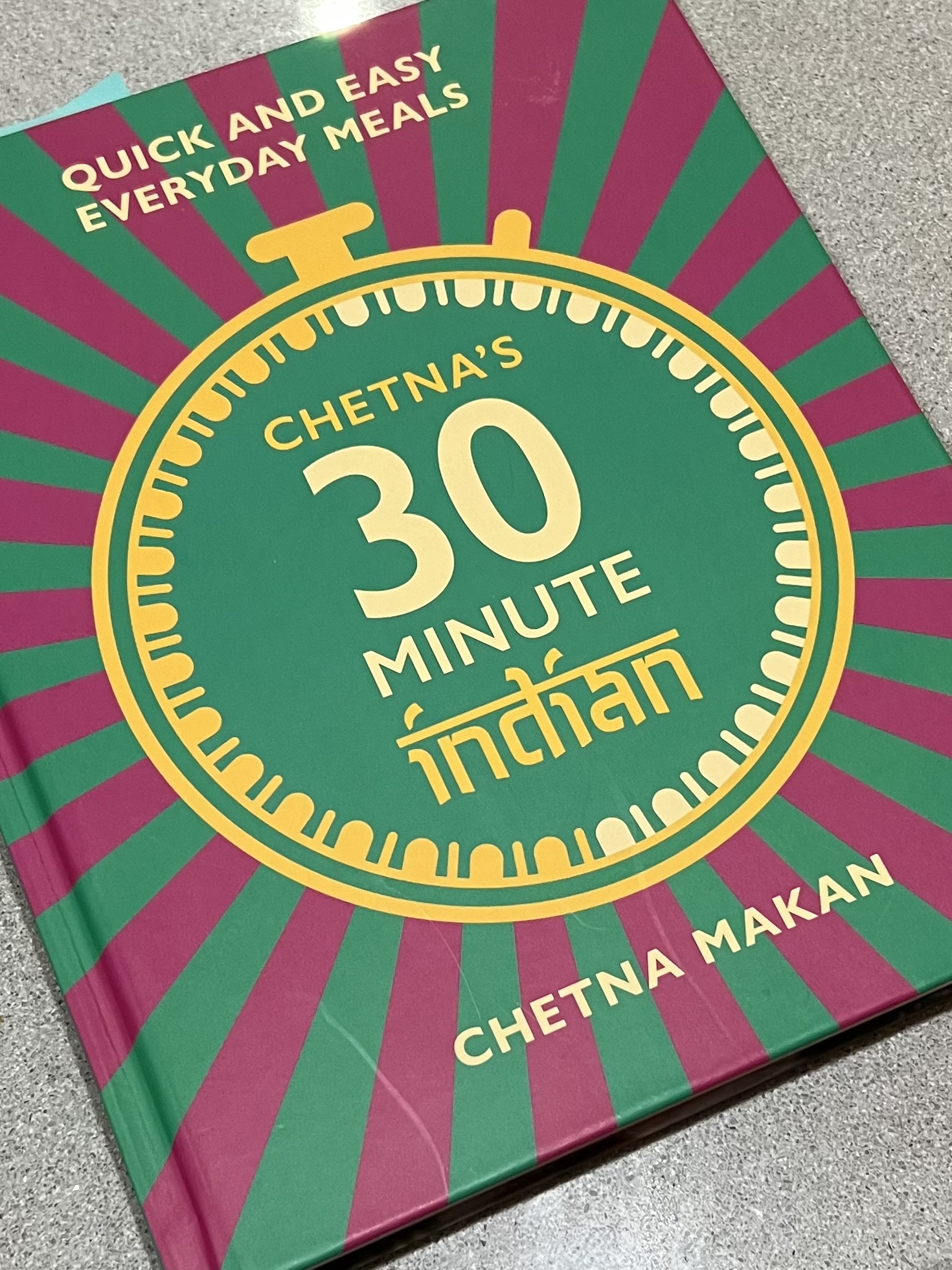
A few months ago, I received chef Chetna Makan’s book, “Chetna’s 30 Minute Indian,” as a gift. The first recipe I tried was butter chicken, of course, because it’s so delicious. It was a big hit with my daughter and friends, and we’re looking at other recipes to try in the future.
Recently, we had dinner at a relatively new Indian restaurant in our area, Saffron, in Fairhaven, Massachusetts. Excellent food and service. We had a great meal. But what peaked our curiosity was their butter chicken wings. Wings! I thought that was genius.
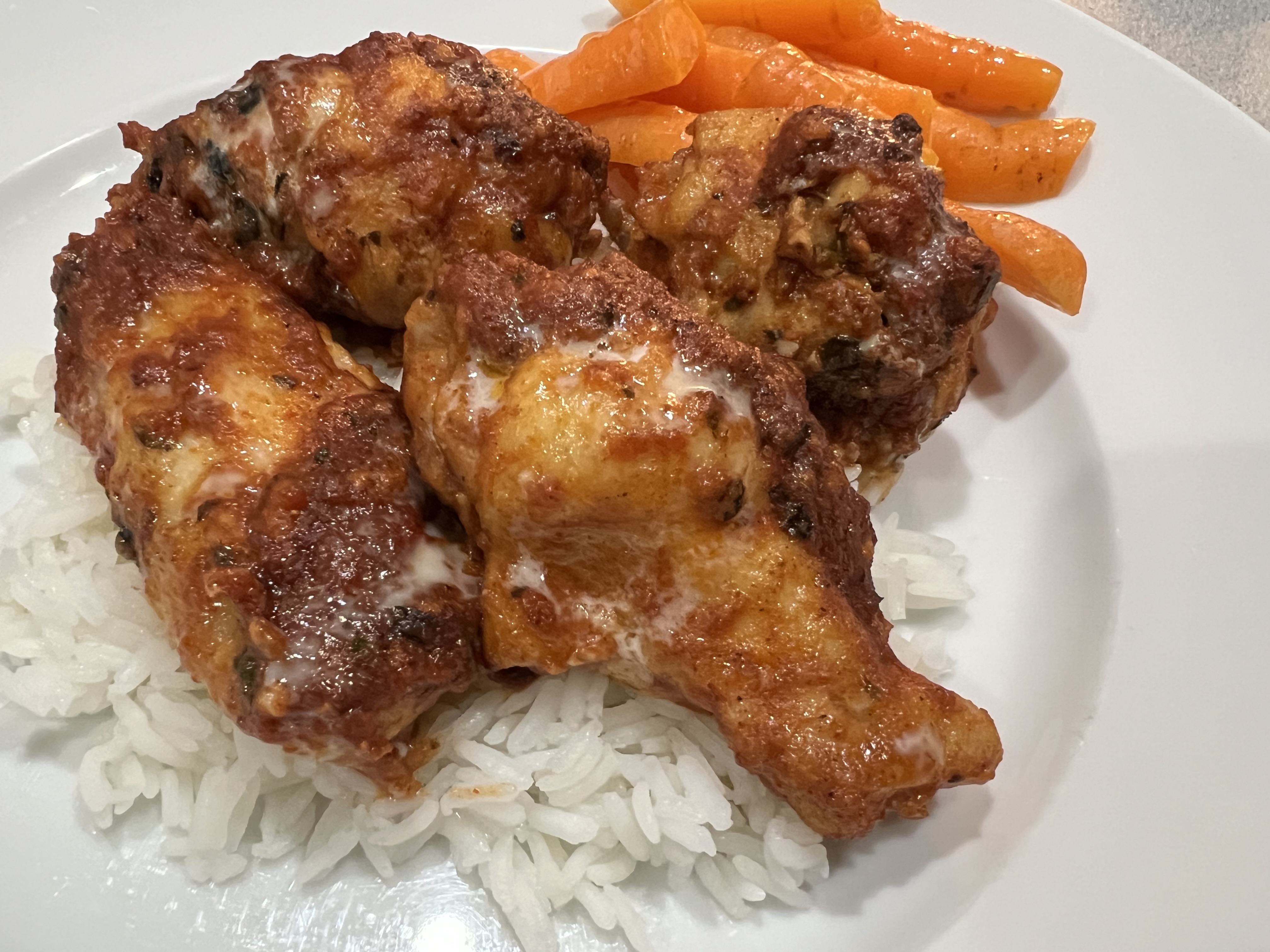
So I took their idea, and using Chetna’s recipe, I gave it a shot. They came out fantastic!
Measurements in my recipe differ from the cookbook due to the large amount of chicken wings I used (5 lbs.), but the actual ingredients are the same. I also needed to change the way it was cooked, because the wings were large and had bones, where the original butter chicken recipe used boneless, skinless chicken thighs cut into smaller pieces.
5 lbs. large chicken wings 5.3 oz. container (150g) plain yogurt 5 tablespoons mustard oil 1 tablespoon Kosher salt 1 tablespoon Kashmiri chili powder 2″ piece of ginger, peeled and grated 4 garlic cloves, grated
I prepared the chicken wings by chopping off the tips. (But I do save them in a plastic freezer bag for future chicken stock.) Then I chop the wings at the joint to make two pieces from each wing. I set them aside.
The tips will be used later in for chicken stock.
In a large container that will hold all the wings, I combine the yogurt, mustard oil, salt, chili powder, grated ginger, and garlic. Mix it well. Add the chicken wings and make sure they are really well coated with the marinade. You can let it sit for ups to 3 hours at room temperature, or longer in the fridge.
Mix well.
A tip for fresh ginger: This is something I learned from a local farmer that raises her own ginger. I keep it in the freezer in a plastic freezer bag. When it’s time to grate, I simply take the frozen ginger and grate it, skin and all. The skin completely disintegrates and you don’t have to peel it. Then just put the unused ginger back in the bag and back in the freezer.
After marinating, spread the chicken wings onto a large sheet pan in a pre-heated 350 oven, and bake for 20 minutes.
While that’s baking…
2 tablespoons oil 100g salted butter 8 cloves 8 cardamom pods 2 cinnamon sticks (3″) 2 bay leaves 16 oz. passata, or pureed canned tomatoes 1 teaspoon Kosher salt 2 teaspoons chili powder 2 teaspoons garam masala 2 tablespoons Kasoori methi (fenugreek leaves)
Add the oil and butter to a pan over medium-low heat. Add the cloves, cardamom, cinnamon sticks, and bay leaves to the pan, and warm the spices for a few minutes.
Add the passata, salt, chili powder, garam masala and Kasoori methi to the pan, mixing well. Cover the pan with a lid and let it cook for about 10 minutes on medium-low heat. Don’t let it burn.
After 10 minutes, remove the lid from the pan and let it cook a few minutes more to reduce just a bit. Take the pan off the heat and let it cool to room temperature. Using a slotted spoon, remove the cloves, cardamom, cinnamon and bay leaves.
You don’t want to crunch on these!
Pour the contents of the pan into a large bowl, big enough to hold all the chicken wings.
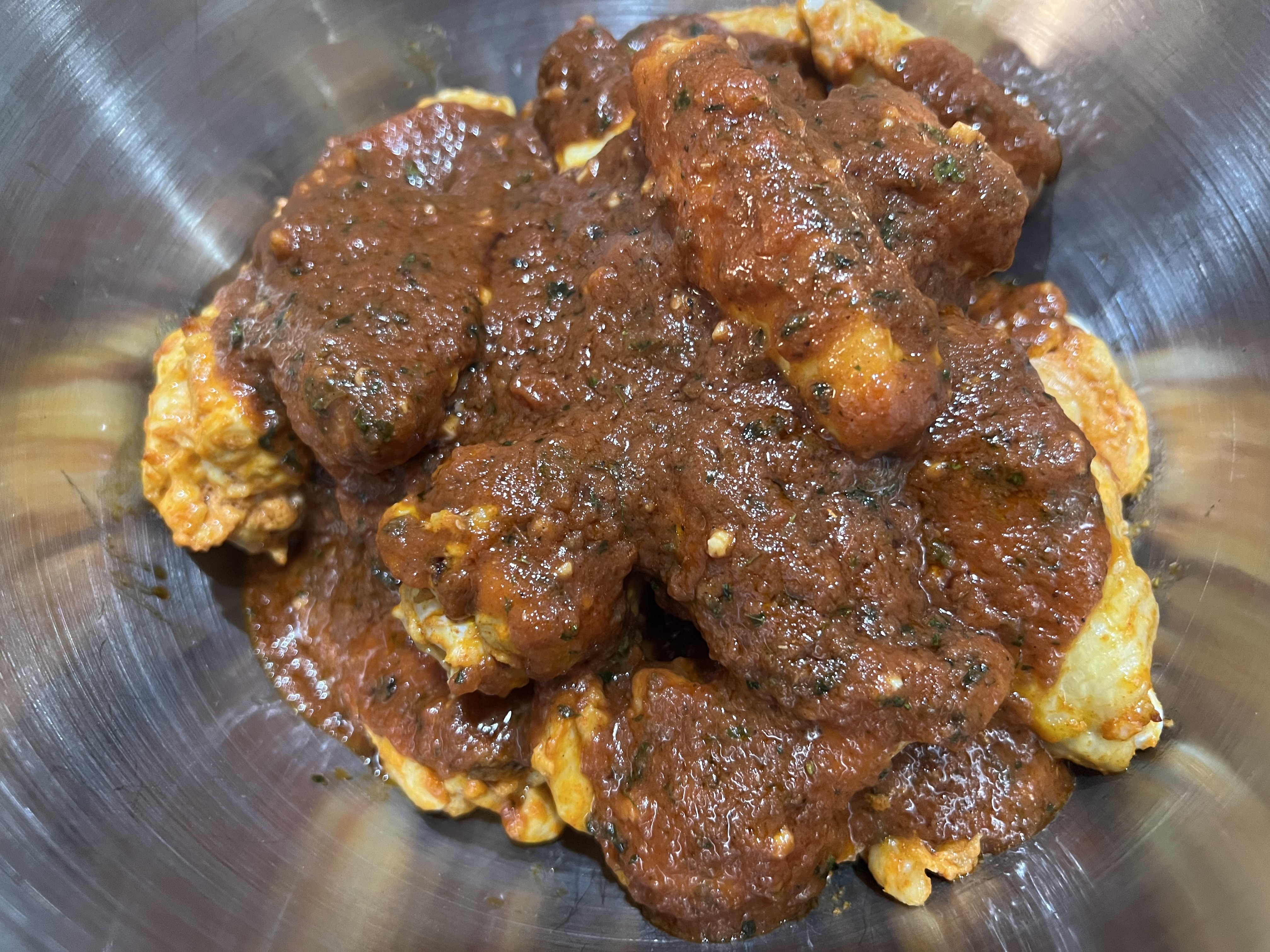
After the wings have cooked 20 minutes, pour off any of the fat in the sheet pan and place the wings in the bowl with the pan sauce. Mix gently, but really well to make sure the wings are really covered with sauce.
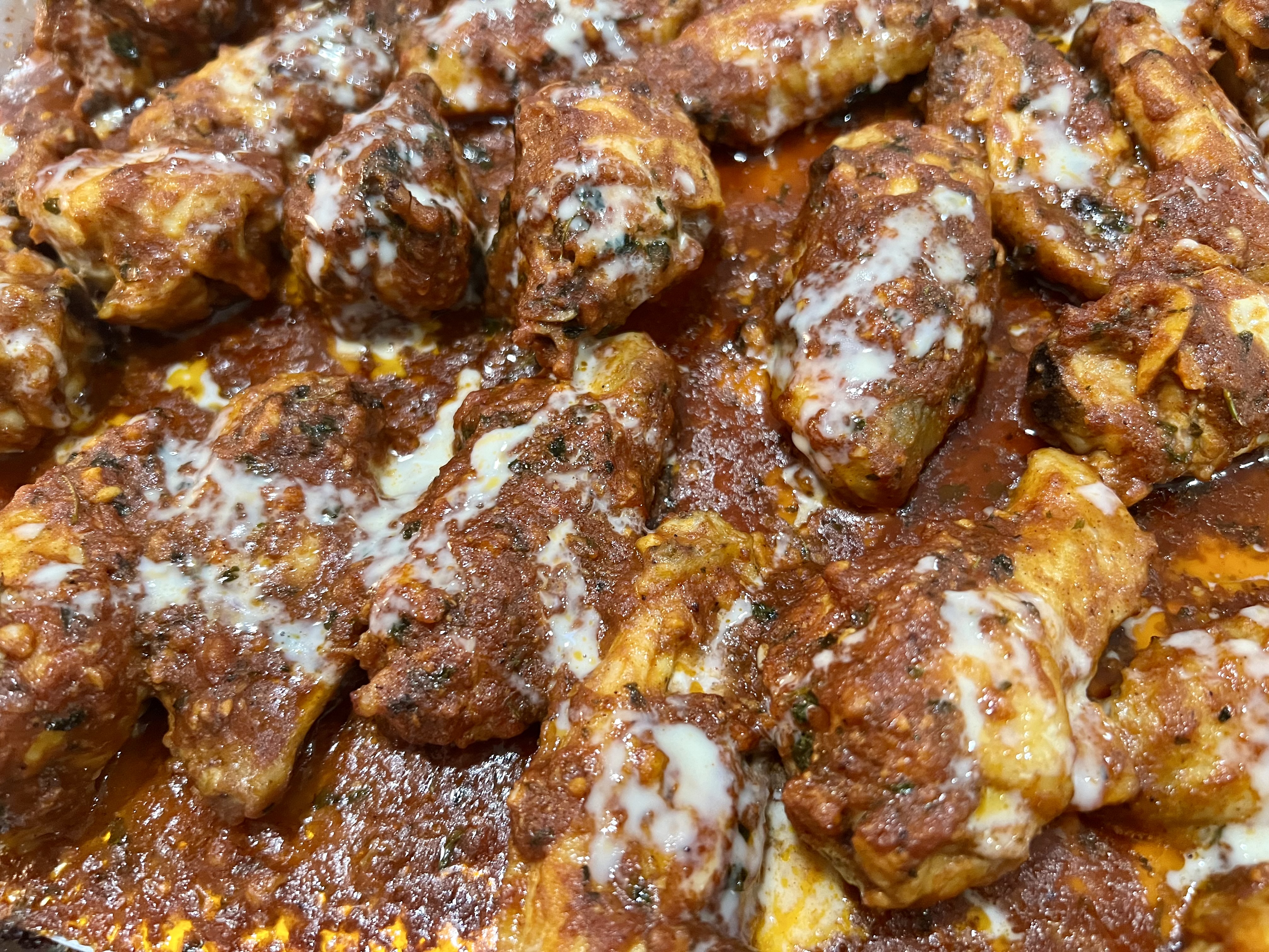
Place the wings back on the sheet pan (pour all leftover sauce on top)and bake at 350 for another 15 minutes, until the chicken coating starts to caramelize and get sticky.
Mix the cream and honey together in a small bowl. When the wings come out of the oven, let them cool for a few minutes, then drizzle the cream and honey all over.
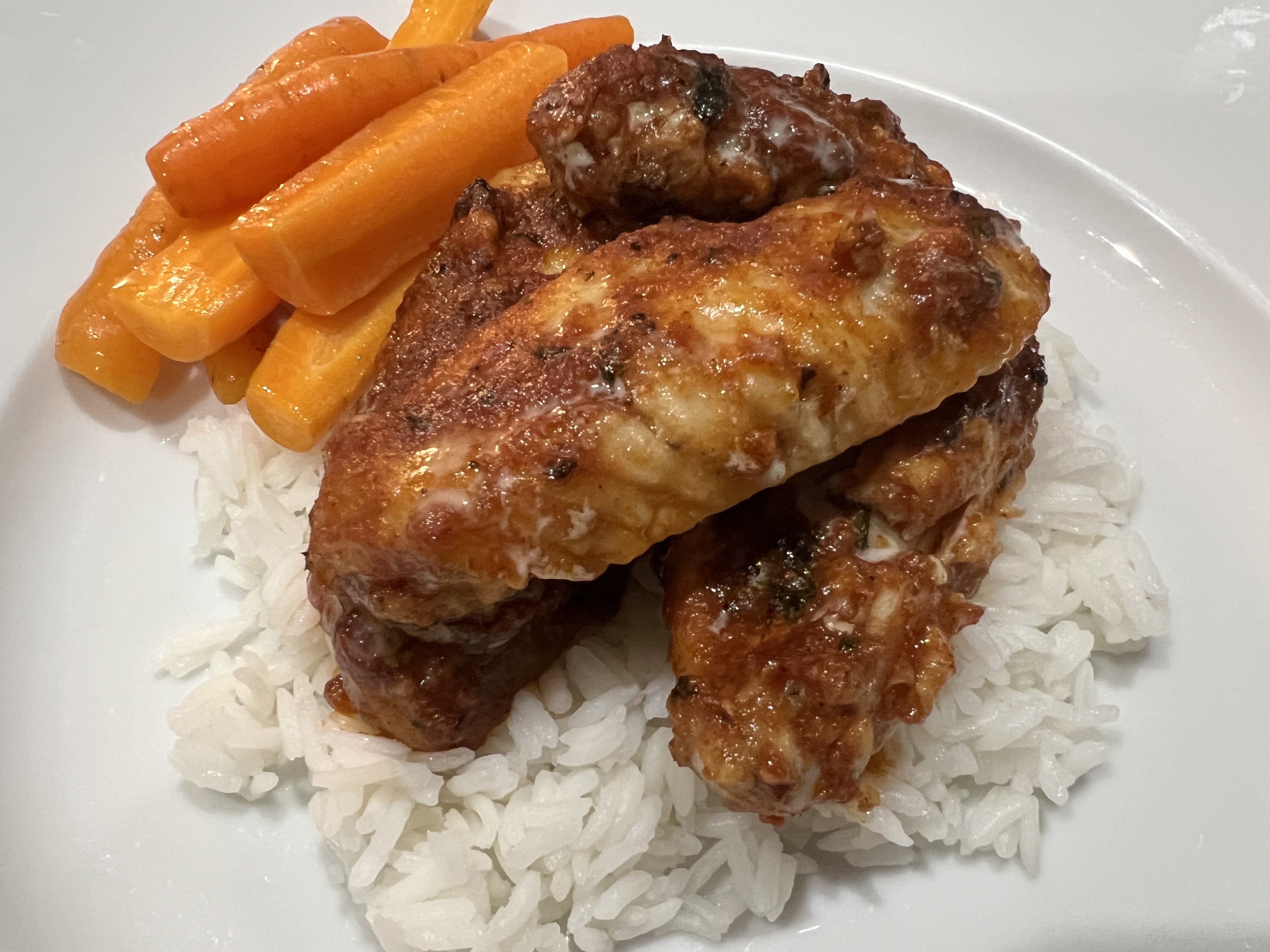
I served the wings over plain jasmine rice, and some sautéed carrots from my garden.
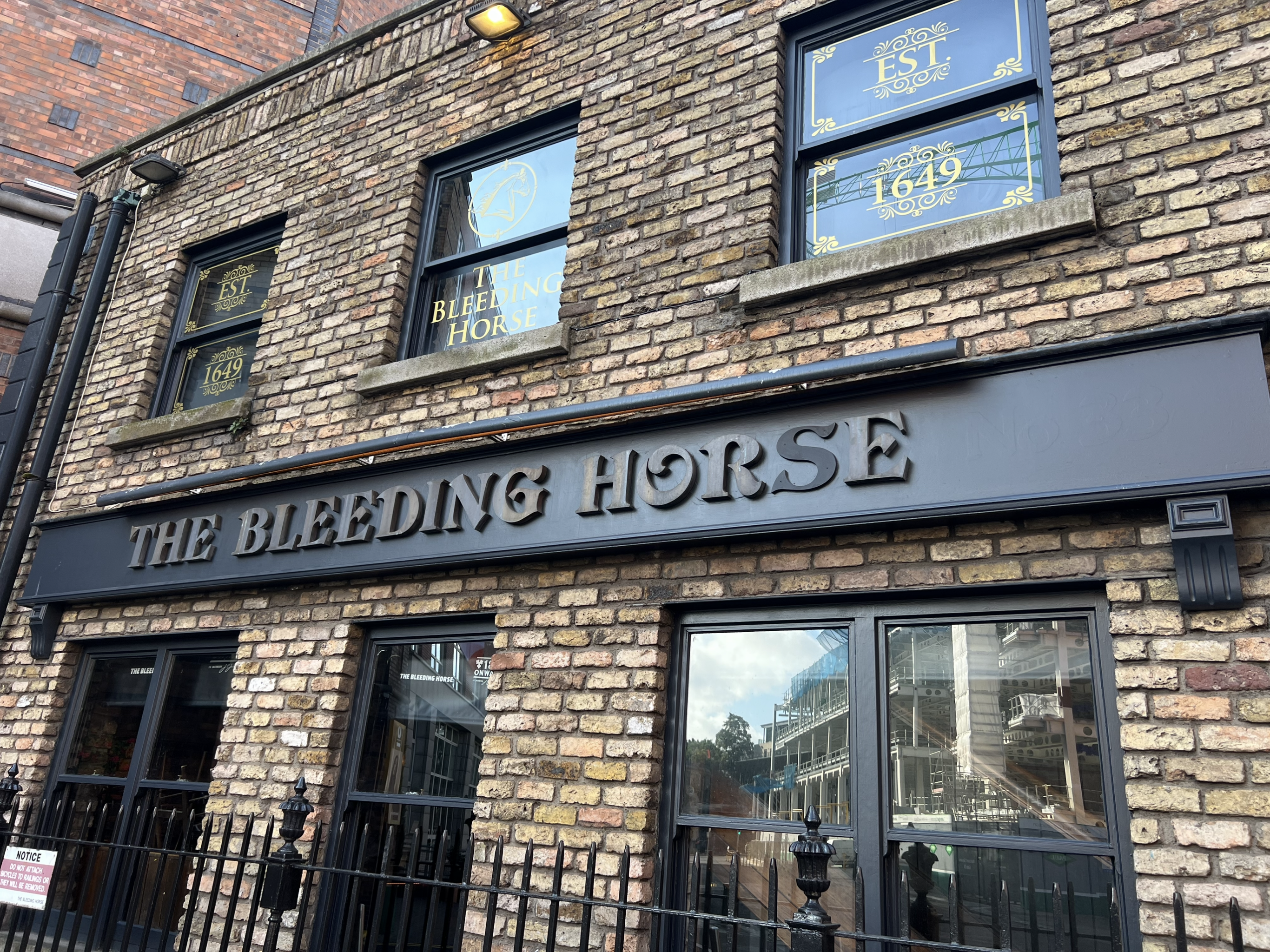
I’m not a big beer guy, so my travels to Scotland and Ireland did not include a lot of pub visits. Despite being told by my driver that the pub next to my hotel was an excellent “puller,” (at least I think that’s what he called it), my thing is cocktails.
The pub next door to my hotel in Dublin. It was packed every night.
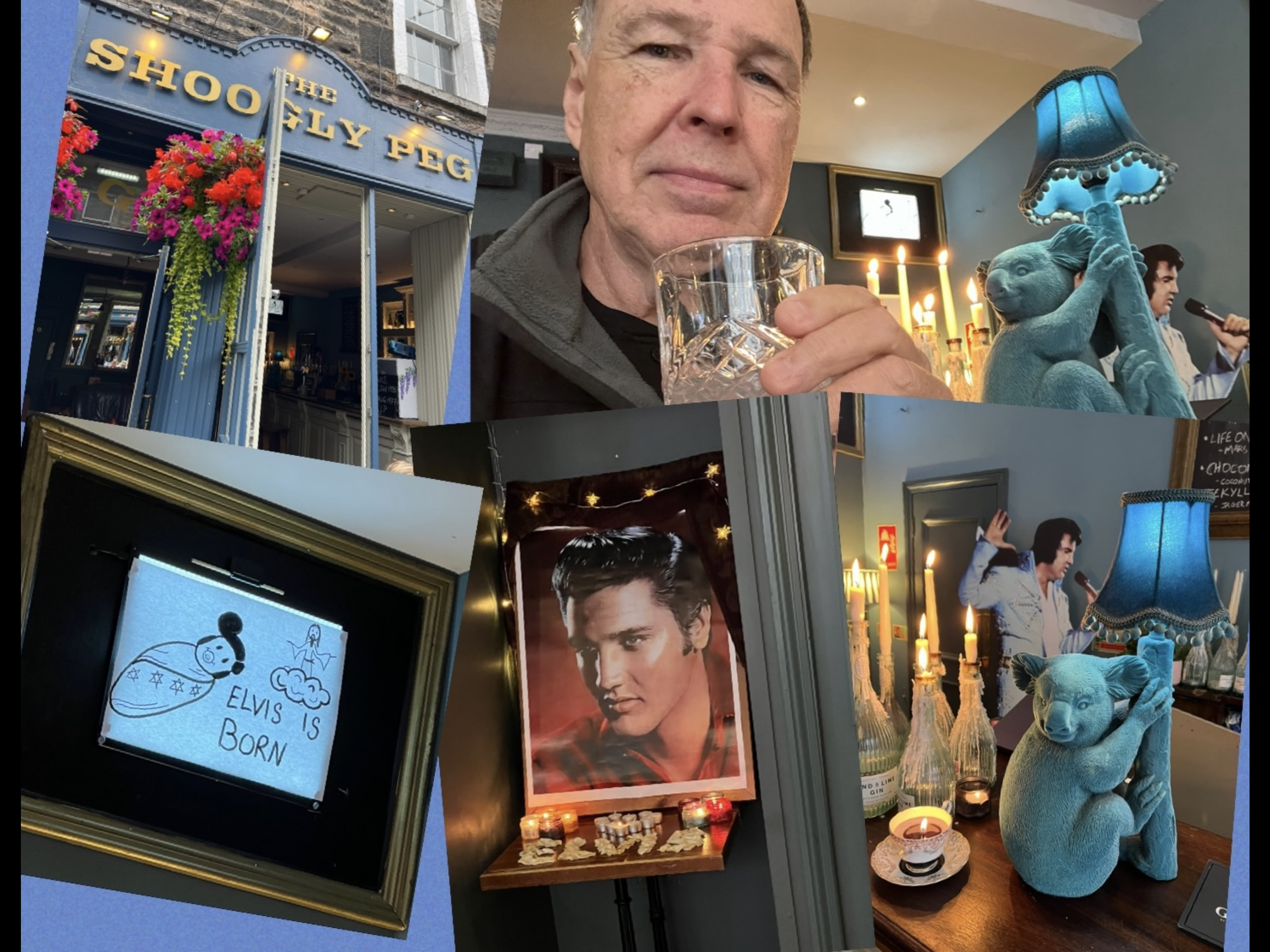
Elvis died in the month of August, and this local pub in Edinburgh, Scotland, The Shoogly Peg, had a shrine dedicated to him! I had to have a beverage as a tribute.
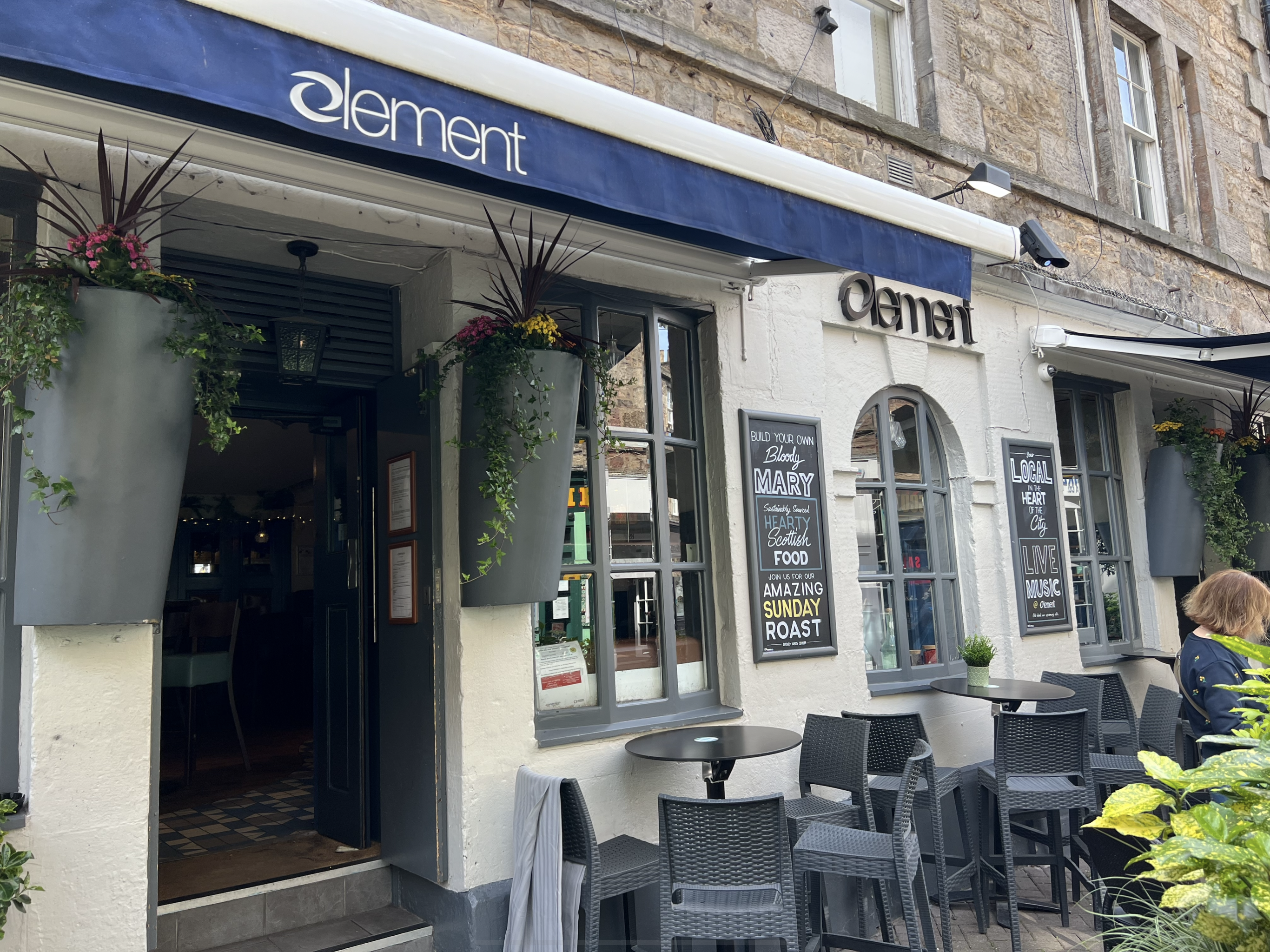
Sure, a pub can make a gin and tonic for you, and a gastropub, like Element in Edinburgh, can add a nice plate of food, but I’m always looking for a special place to sit and sip.
Element in Edinburgh, Scotland. Not just a fun pub, but really good food.
I sat at the bar at Element, and enjoyed a couple of gin and tonics.
Not many pubs let you eat at the bar, but it was jammin’ at Element, and I enjoyed a nice steak frite.
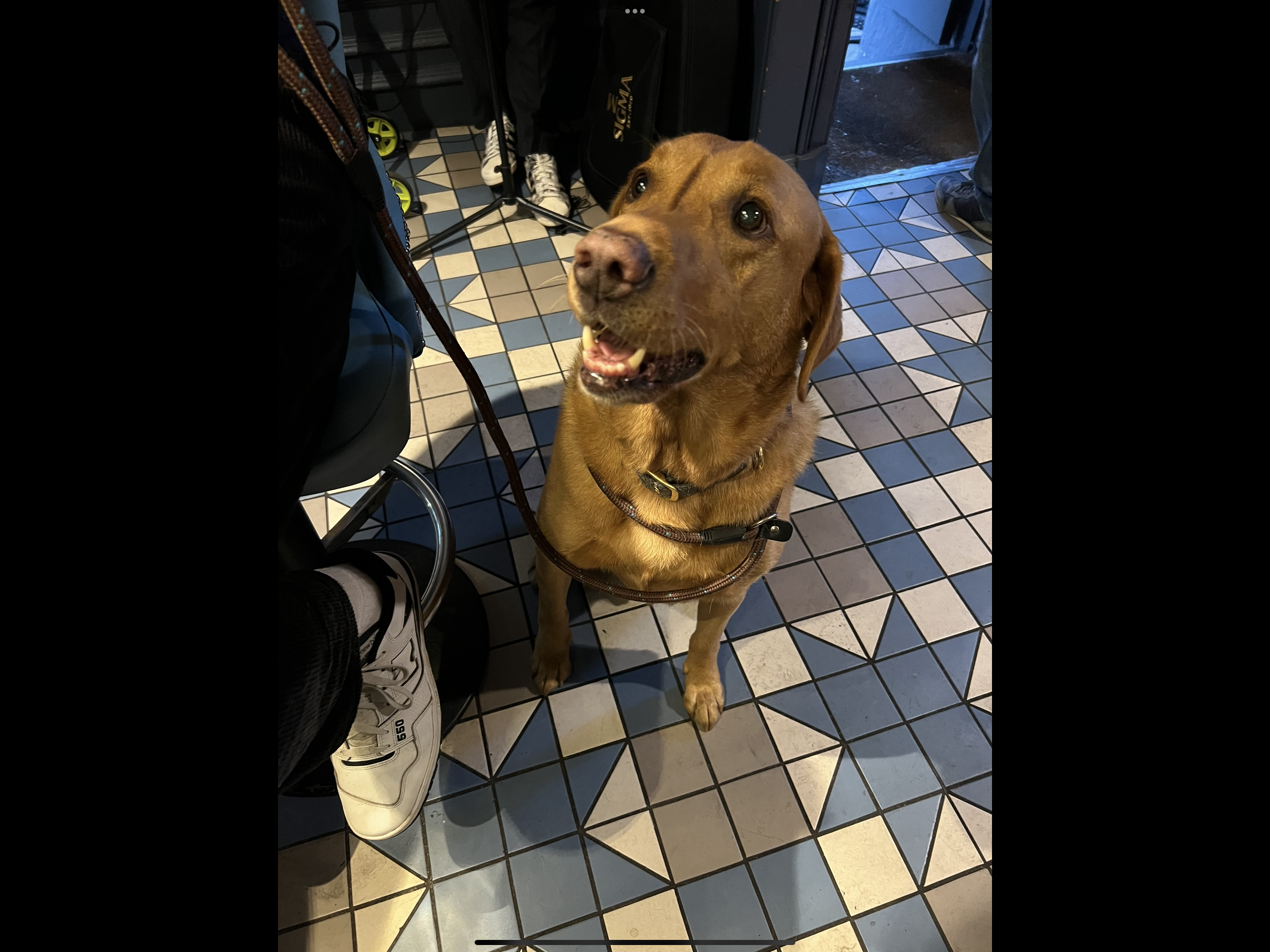
And sometimes you make new friends at Element as well. This is Charlie.
I’ve found that the best cocktail bars are located inside the best hotels. And even though I can’t afford to actually stay at the hotel, I can pop in for a drink. I had one very fancy dinner while in Edinburgh, at Dean Banks at the Pompadour, at the Caledonian Hotel.
An excellent meal, but I started the night at the Caledonian’s Caley Bar.
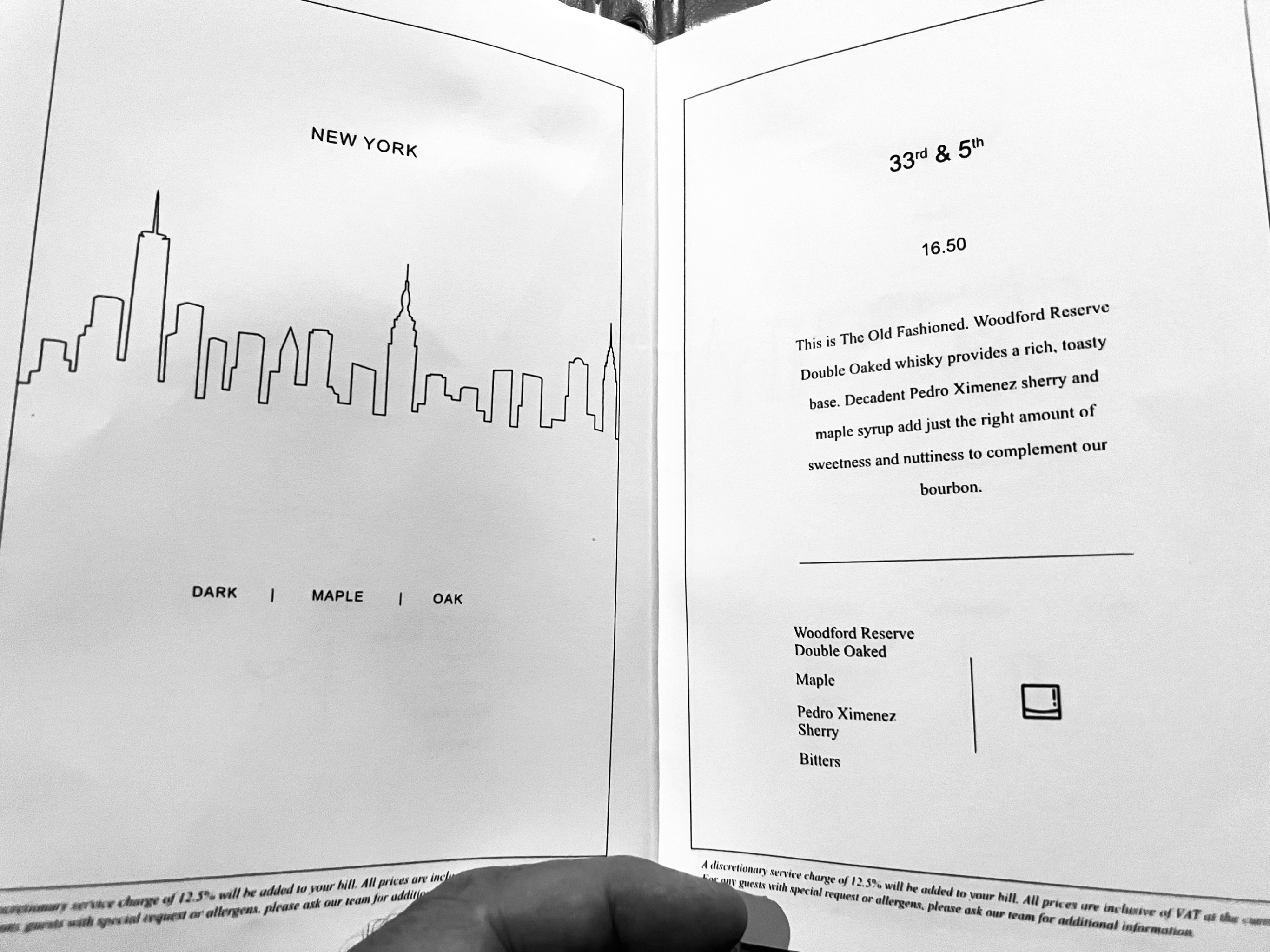
Being a native New Yorker, I figured I’d try the cocktail named after my hometown.
Most excellent!
So nice to have a well-made cocktail before the big dinner.
My first stop when I reached Dublin, Ireland, was to pay tribute to my rock and roll hero, Phil Lynott, the lead singer and bassist of Thin Lizzy, one of my all-time favorite bands. A statue of Phil stands next to Bruxelles pub. But just a little further down that street was the classic hotel, The Westbury.
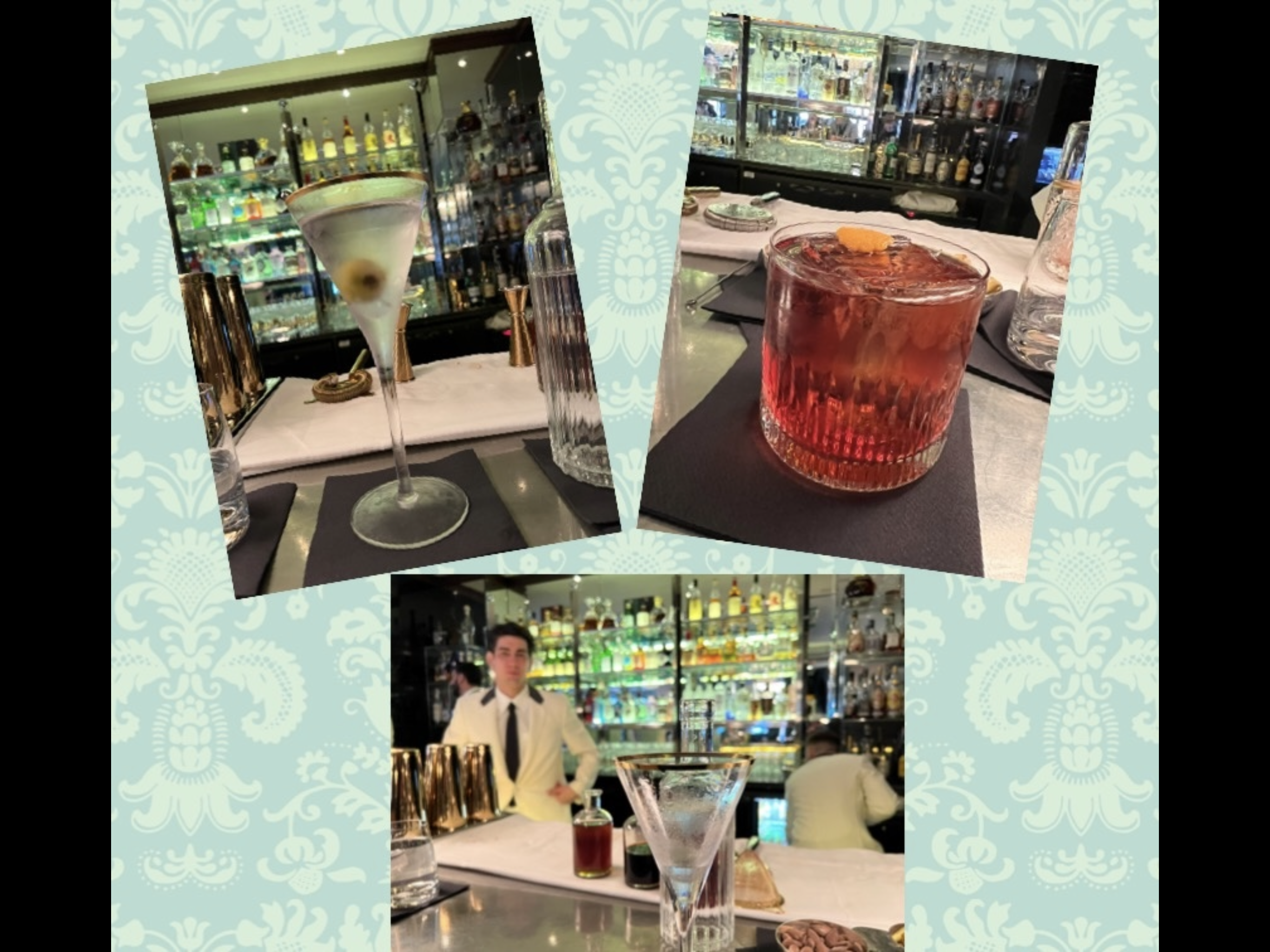
The Sidecar bar at The Westbury in Dublin.
Having had so many gin and tonics in Scotland, I was craving a good old vodka martini at the Sidecar. Unlike the United States, however, the limit of booze per serving in Scotland and Ireland is about 2 ounces. So they were trying to get me to add things to it, to make it look bigger. I like my vodka unmessed with, because I like the taste of it. Why ruin high quality vodka with nasty salty liquid from an olive jar? A dirty martini is not for me. So they shook it a lot to dilute it, poured it into a tall, thin glass, and dropped a huge olive into it. It was exactly what I was looking for!
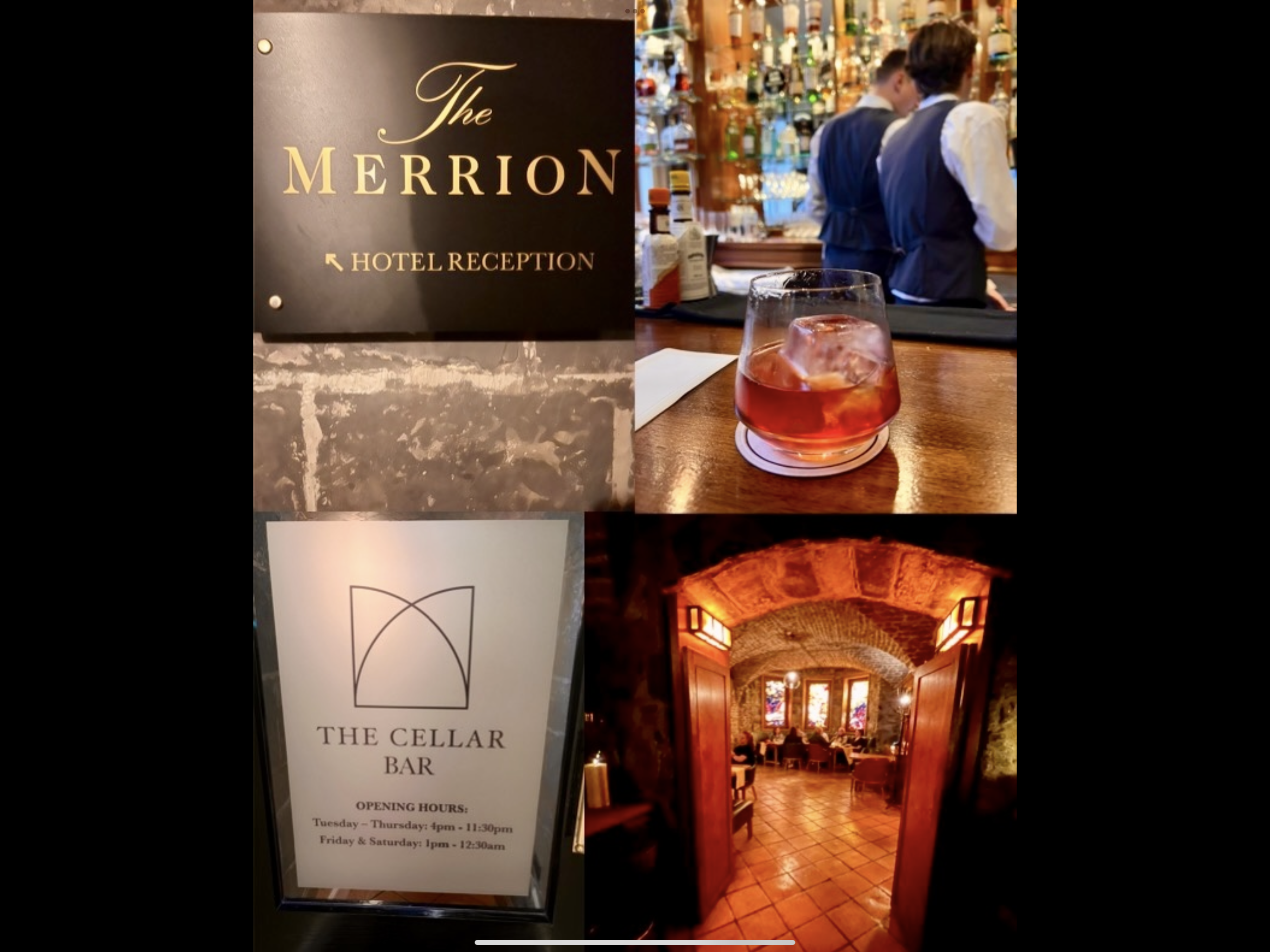
The Merrion Hotel, another beauty, had a couple of bars that were worthy of a visit. The ground floor bar, the No. 23 bar, had that typical classy hotel bar vibe. But The Cellar, downstairs, was an amazing creature unto itself, with a huge cavern-like space. It was absolutely packed with partying people, and a space I will definitely visit again if I’m ever lucky enough to go back to Dublin.
A closer look of The Cellar.
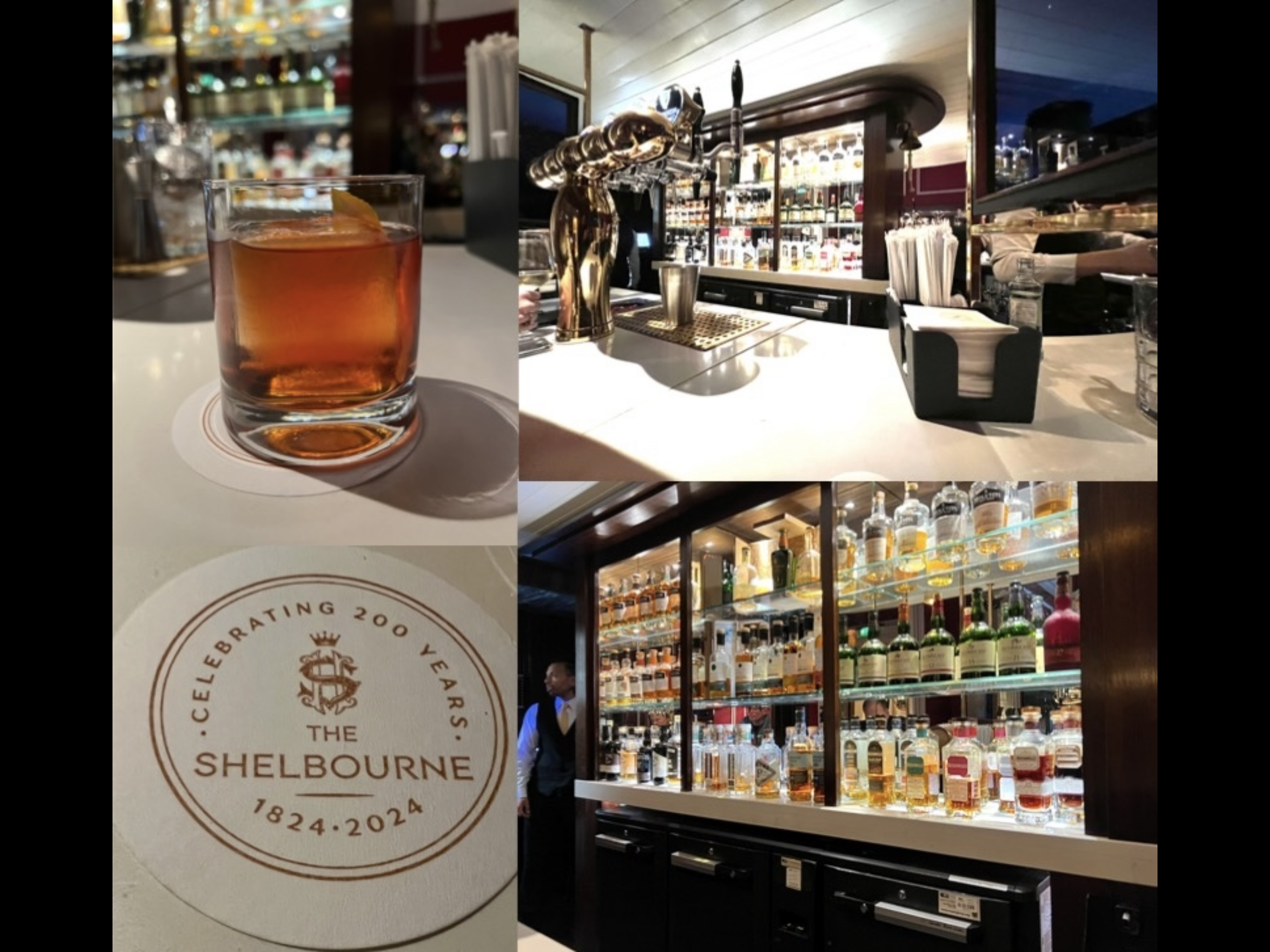
I managed to fit in one other historic hotel on my cocktail journey, and that was The Shelbourne, celebrating its 200th year. I enjoyed a beverage on the Horseshoe bar, one of five bars in the hotel.
All in all, a pretty successful journey to many classy and classic (found mostly in hotels) cocktail bars. Recovery is now in order!
Since I like to check out rock n roll memorabilia, and I am a tourist from America, after all, I check out Hard Rock Cafes wherever I go. The one in Edinburgh, Scotland was small and not that impressive. (There was one in Glasgow that suddenly shut down earlier this year.)
But the one in Dublin, Ireland, was in the middle of all the action in the Temple Bar district.
Dublin was my 21st Hard Rock Cafe!
I’ve visited: New York, Boston (no longer there), Washington, DC, Philadelphia, Chicago, Orlando, Scottsdale, Phoenix, Maui, Bangkok, London, Athens, Cayman Islands, St Thomas (no longer there), Rome, Paris, Las Vegas, New Orleans, and Reykjavik. (As far as I remember!)
Doune was used in the filming of “Outlander,” but for me, all that mattered was this was the castle in “Monty Python and the Holy Grail.” A bucket list destination!





























 Live the Live ™