Archive for the ‘Italian’ Category
PASTA WITH ASPARAGUS AND SAUSAGE
Posted: April 19, 2026 in asparagus, Carnivore!, cheese, Food, Italian, pork, Recipes, sausageTags: asparagus, dinner, food, pasta, recipe, recipes, sausage

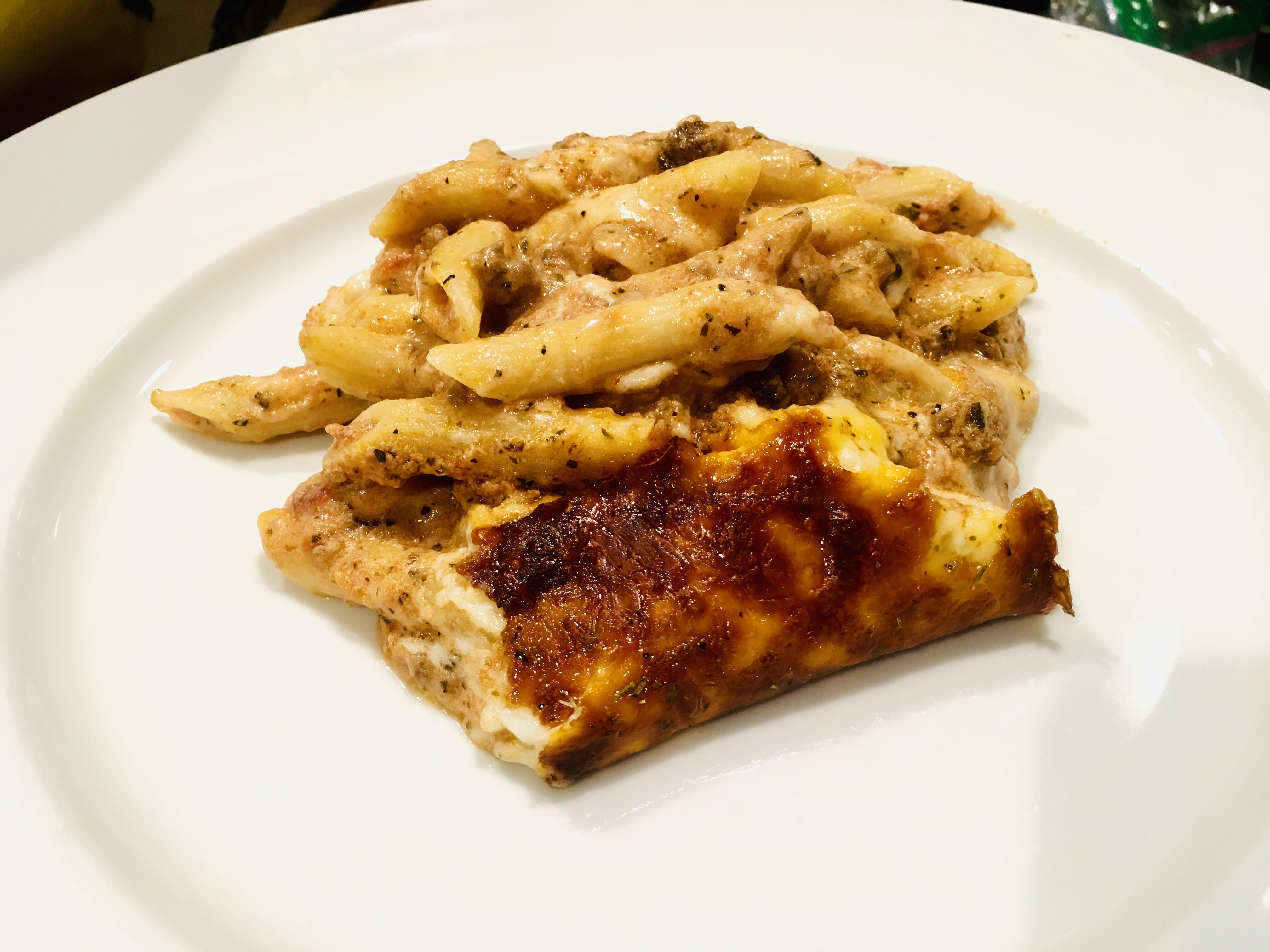
4 mild Italian sausages, sliced into pieces 1/2″ thick
THE BEST OF TWO CLASSIC PASTA DISHES
Posted: December 21, 2025 in carbonara, fleur de sel, Food, guanciale, Italian, pork, pork jowl, pork jowls, RecipesTags: alfredo, carbonara, chicken, food, guanciale, Italian, pasta, recipes
Spaghetti alla Carbonara and Fettuccine Alfredo are my daughter’s two favorite pasta dishes. When she couldn’t decide which one she wanted for dinner one night, I decided that she’d get both! (Yes, I spoil her rotten!)
The addition of chicken and peas made for a more balanced plate. This is now one of my go-to dishes when guests arrive, since many parts can be prepared ahead of time.
Start with the chicken…
The breading for the chicken is bread that I’ve toasted, crumbled and put into a food processor to make breadcrumbs. I get a lot more flavor this way than using store-bought breadcrumbs from a can. I add flour to it to lighten it up.
For a gluten-free version, I buy Udi’s gluten-free bread, toast it, and put it in the food processor to make delicious GF breadcrumbs. Then I add it in the same proportions as listed in this recipe with GF flour.
1/2 lb. chicken breasts, cut into 1″ pieces
1 egg, scrambled
1/2 cup breadcrumbs
1/2 cup all-purpose flour
3 teaspoons dried parsley
2 teaspoons dried oregano
1 teaspoon dried basil
1/2 teaspoon granulated garlic
1/2 teaspoon granulated onion
1 1/2 teaspoons salt
1/4 teaspoon pepper
olive oil, for frying
Scramble the egg in a bowl. Cut the chicken into pieces, and add them to the egg, making sure they get evenly coated. Set aside.
In another bowl, combine the bread crumbs, flour, parsley, oregano, basil, garlic, onion, salt and pepper. Set aside.
Fill a pan with about an inch of olive oil. Heat to medium-high, for frying.
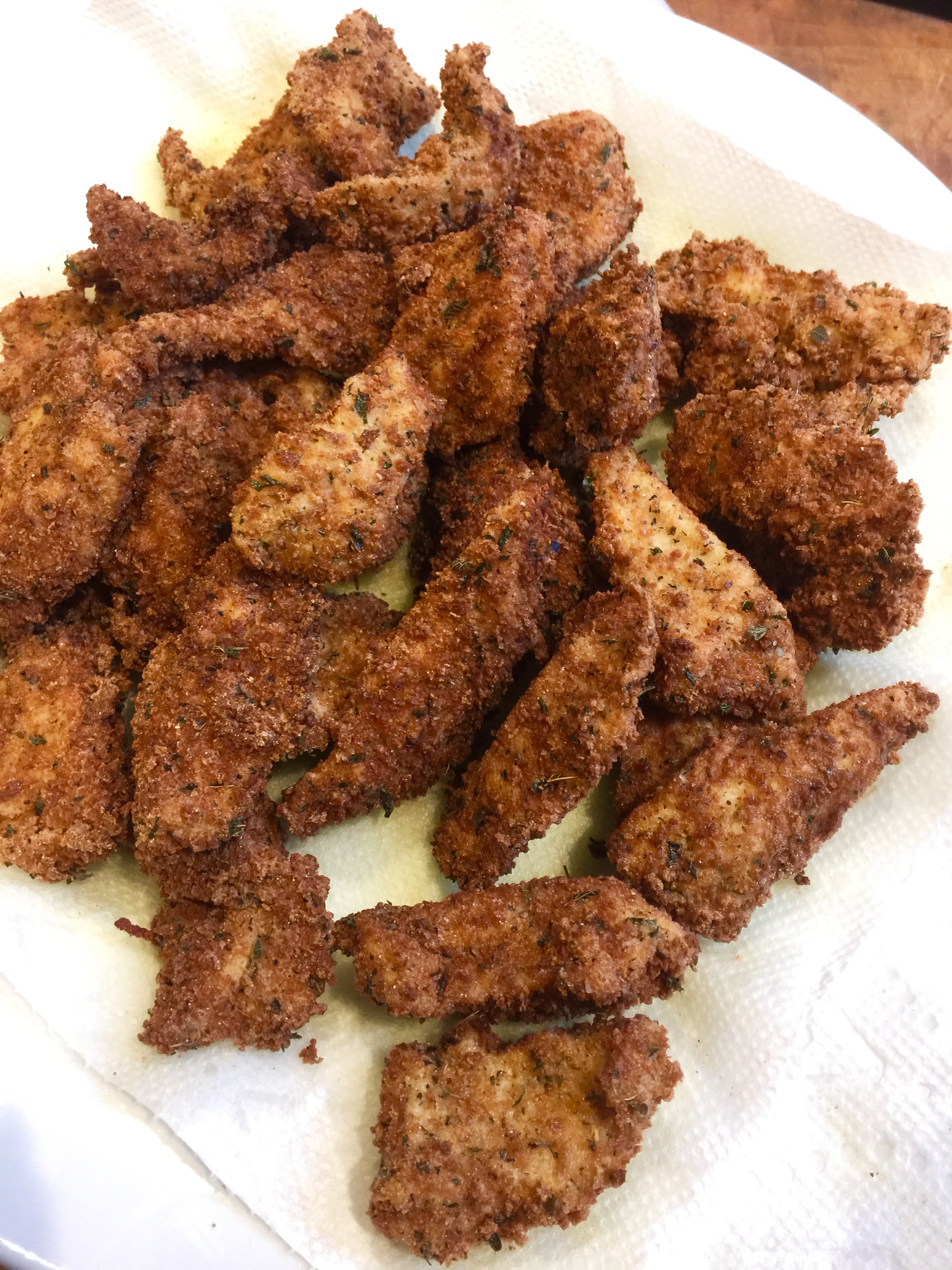
In batches not to overcrowd the pan, take the chicken pieces out of the egg and toss them in the bread crumb mixture, shaking off the excess. Place them carefully in the hot oil and fry on both sides until golden. Since they’re small pieces, they should cook all the way through easily. Drain on a plate covered with paper towels. Do this with all the chicken and set it aside. Try not to eat it all before you make the rest of the dish! (This chicken can also be eaten as is–these are my daughter’s favorite nuggets–or used with tomato sauce and mozzarella cheese to make a delicious chicken parmigiana.)
The carbonara factor…
Many recipes for Spaghetti alla Carbonara use pancetta or bacon. But the original recipe calls for guanciale: cured (but not smoked) pig jowls, or cheeks. It’s easy enough to find in a good Italian food store, but I cure my own. I buy raw heritage Berkshire pork jowls from a farm that raises the pigs humanely, and cure the jowls for about 3 weeks in a combination of salt, pepper and fresh thyme leaves. Then I rinse them, pat them dry, and cut them into portion-sized pieces, wrapping them individually and freezing until I need them. It’s a lot of work, but to me, totally worth it.
3 oz. guanciale
If the guanciale is frozen, let it thaw just a little, then cut it into the smallest cubes you can manage. Place it in a pan and cook them until they’ve browned and crisped beautifully. Keep an eye on the pan, as guanciale can burn easily. Use the fried meat bits for this recipe and save the fat for flavoring a future dish! Set it aside.
The Alfredo sauce…
Despite what you get in crappy restaurants like Olive Garden, Alfredo sauce should not be runny or soupy. It should cling to the pasta and be rich in flavor. My Alfredo sauce is based on a recipe from the legendary Italian cookbook author, Marcella Hazan.
1 cup heavy cream
3 tablespoons butter
Fleur de Sel or sea salt
1 lb. pasta, fresh or dried
2/3 cup freshly grated Parmigiano Reggiano cheese
freshly ground black pepper
Put 2/3 of the cream and all the butter in a large saucepan that will later accommodate all the pasta. Simmer over medium heat for less than a minute, until the butter and cream have thickened a bit. Turn off the heat.
Drop the pasta in a bowl of boiling salted water. (Use gluten-free pasta, if you like.) If the pasta is fresh, it will take just seconds. If it’s dry, it will take a few minutes. (Gluten-free pasta takes a little longer.) Either way, you want to cook the pasta even firmer than al dente, because it will finish cooking in the pan with the butter and cream. Drain the pasta immediately when it reaches that firm stage, and transfer it to the pan with the butter and cream, tossing the pasta gently for a few seconds to coat.
Turn the heat under the saucepan with the pasta on low, and add the rest of the cream, all the Parmigiano Reggiano, and a bit of pepper (no salt because there’s plenty in the guanciale and cheese.) Toss briefly until the sauce has thickened and the pasta is well-coated.
At this point, you don’t want the pasta to get too dry, so you add…
1 cup of frozen peas
…tossing gently to warm them through. Also add the cooked guanciale at this time.
Plate the pasta in a bowl or dish and serve the chicken alongside.
FETTUCCINE ALFREDO: THE ORIGINAL MAC AND CHEESE
Posted: December 14, 2025 in Food, Italian, pasta, RecipesTags: alfredo, fettuccine, food, Italian, pasta, recipes
My first foray into serious cooking started when I bought “The Classic Italian Cookbook,” by Marcella Hazan.
Like many great recipes, Fettuccine Alfredo is not complicated…but very few restaurants that offer it, actually get it right. Most of the Alfredo sauces I’ve had were watery, floury, and salty and had nothing in common with the real thing.
Funny, when I posted this recipe last year, someone wrote to me to say it was an “abomination.” I have no idea who they were, and if they had any knowledge or experience in the world of Italian cuisine, but since Marcella Hazan was a legend in this field and had written six major cookbooks on the subject, I still lean toward her recipe. Besides, it’s really good!
1 cup heavy cream
3 tablespoons butter
Fleur de Sel or sea salt
1 lb. Fettuccine, fresh or dried
2/3 cup freshly grated Parmesan cheese
Freshly ground pepper
A very tiny grating of nutmeg
Put 2/3 cup of the cream and all the butter in a large saucepan that will later accommodate all the pasta. Simmer it over medium heat for less than a minute, until the butter and cream have thickened. Turn off the heat.
Drop the fettuccine in a big pot of boiling salted water. If the pasta is fresh, it will take just seconds. If it’s dry, it will take a few minutes. Cook the fettuccine firmer than usual, because it will finish cooking in the pan with the butter and cream. Drain the pasta, and transfer it to the pan containing the butter and cream.
Turn the heat under the pan on low, and toss the fettuccine, coating with the sauce. Add the rest of the cream, all the grated cheese, 1/2 teaspoon salt, the pepper and the nutmeg. Toss briefly until the sauce has thickened and the fettuccine is well coated. Taste and correct for salt.
Serve immediately!
GUANCIALE: A CRUCIAL CARBONARA INGREDIENT
Posted: August 20, 2025 in carbonara, curing, guanciale, Italian, pork jowl, UncategorizedTags: curing, food, guanciale, Italian, pork, pork jowls
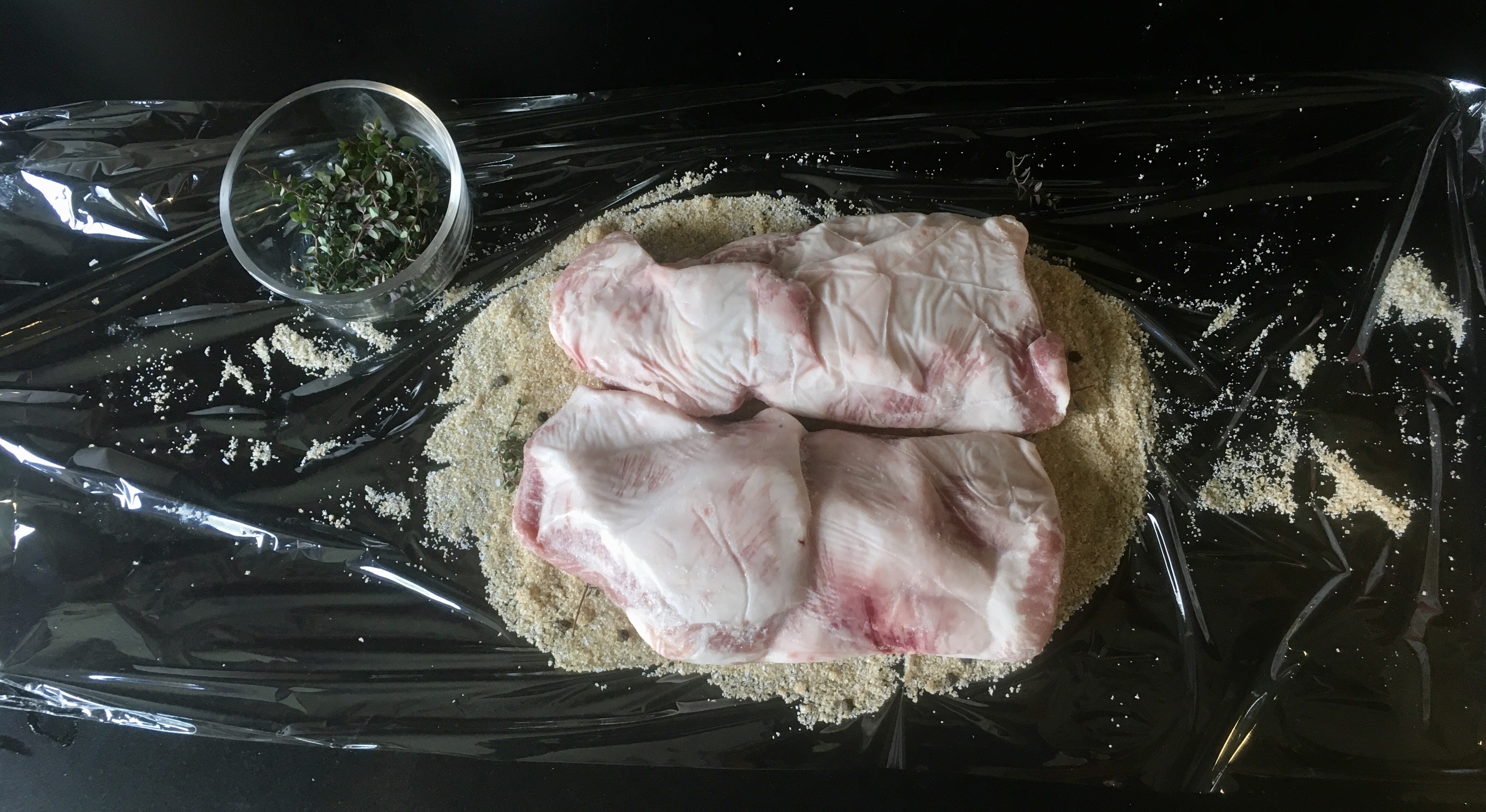
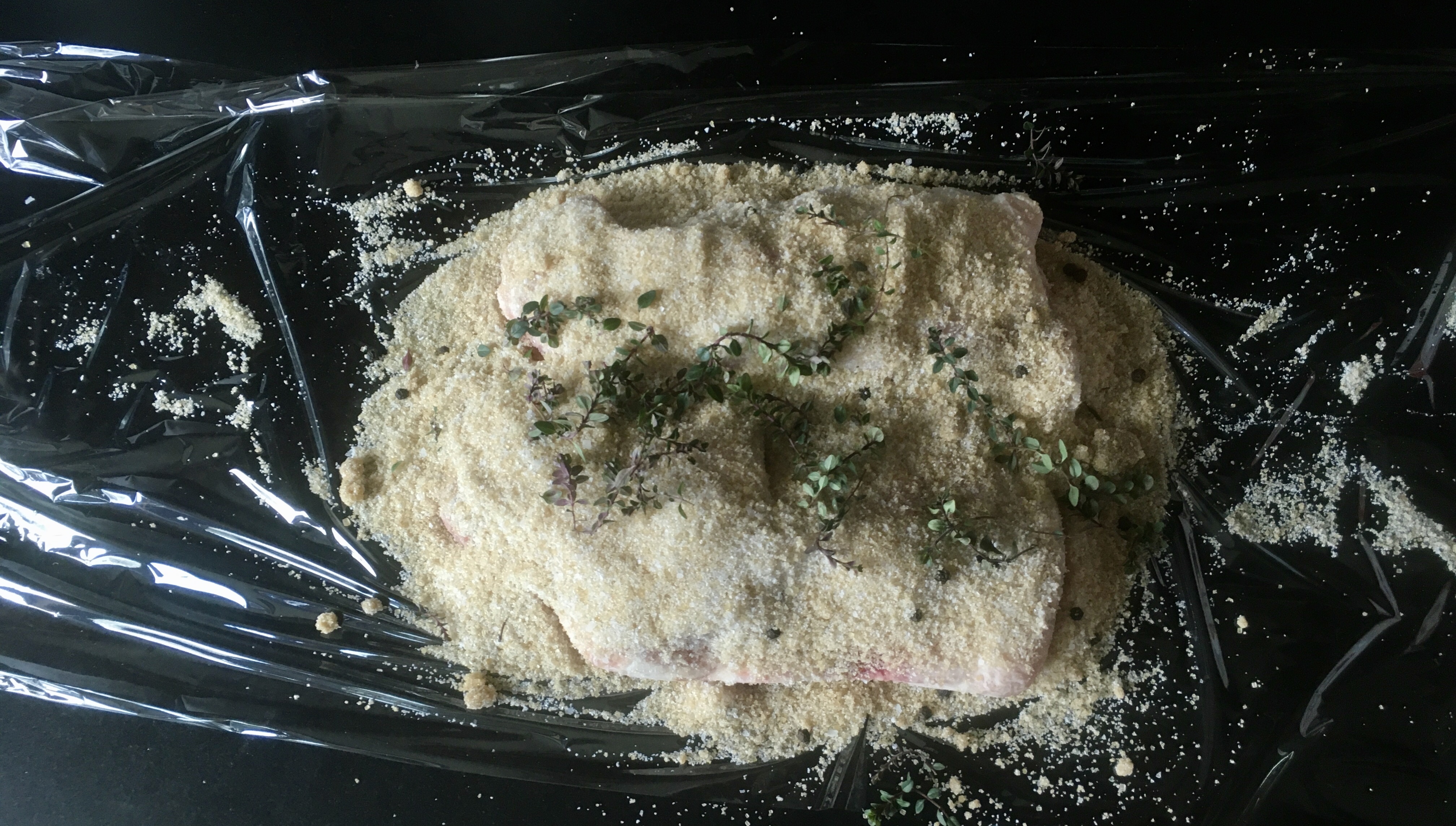
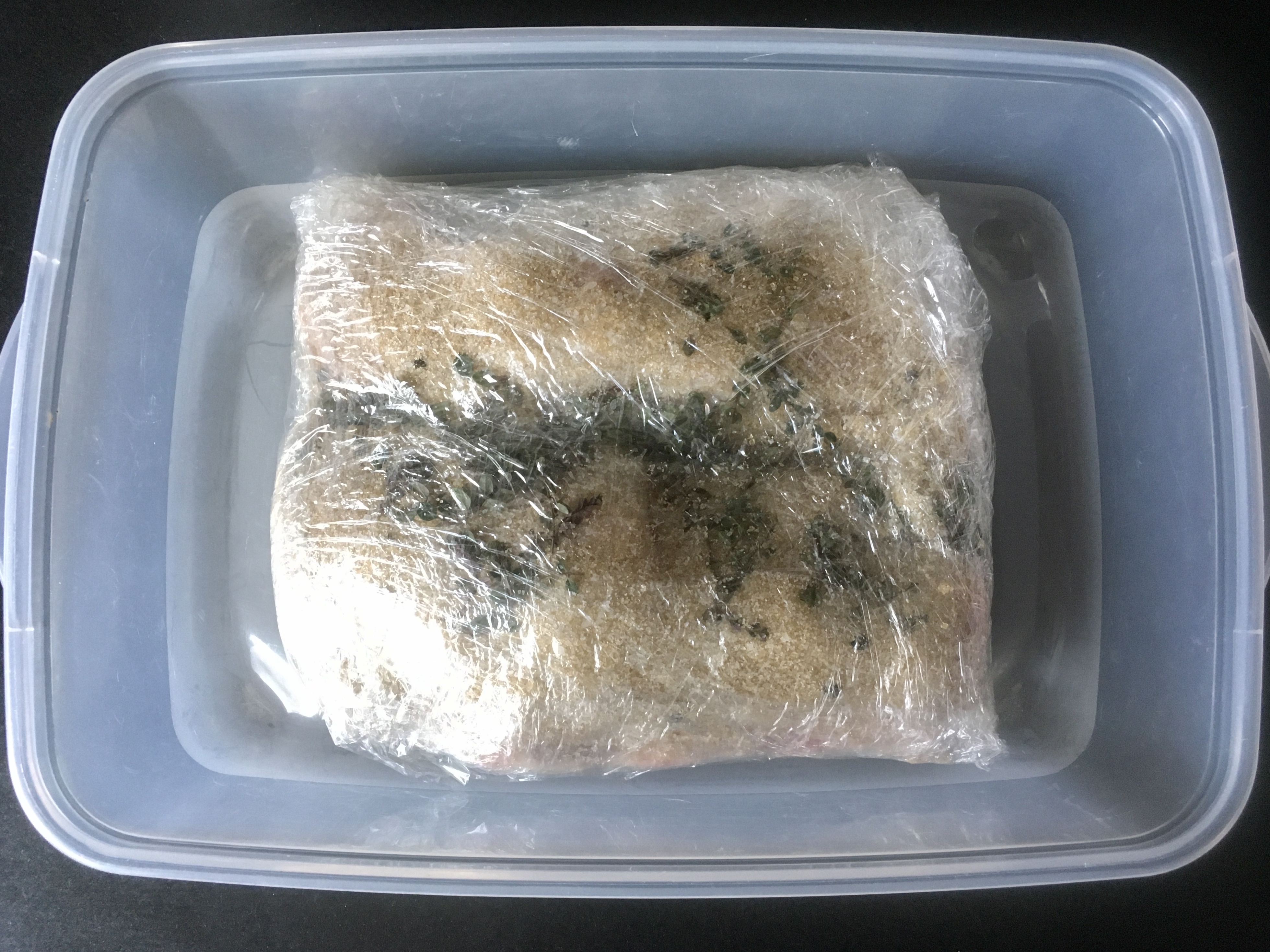
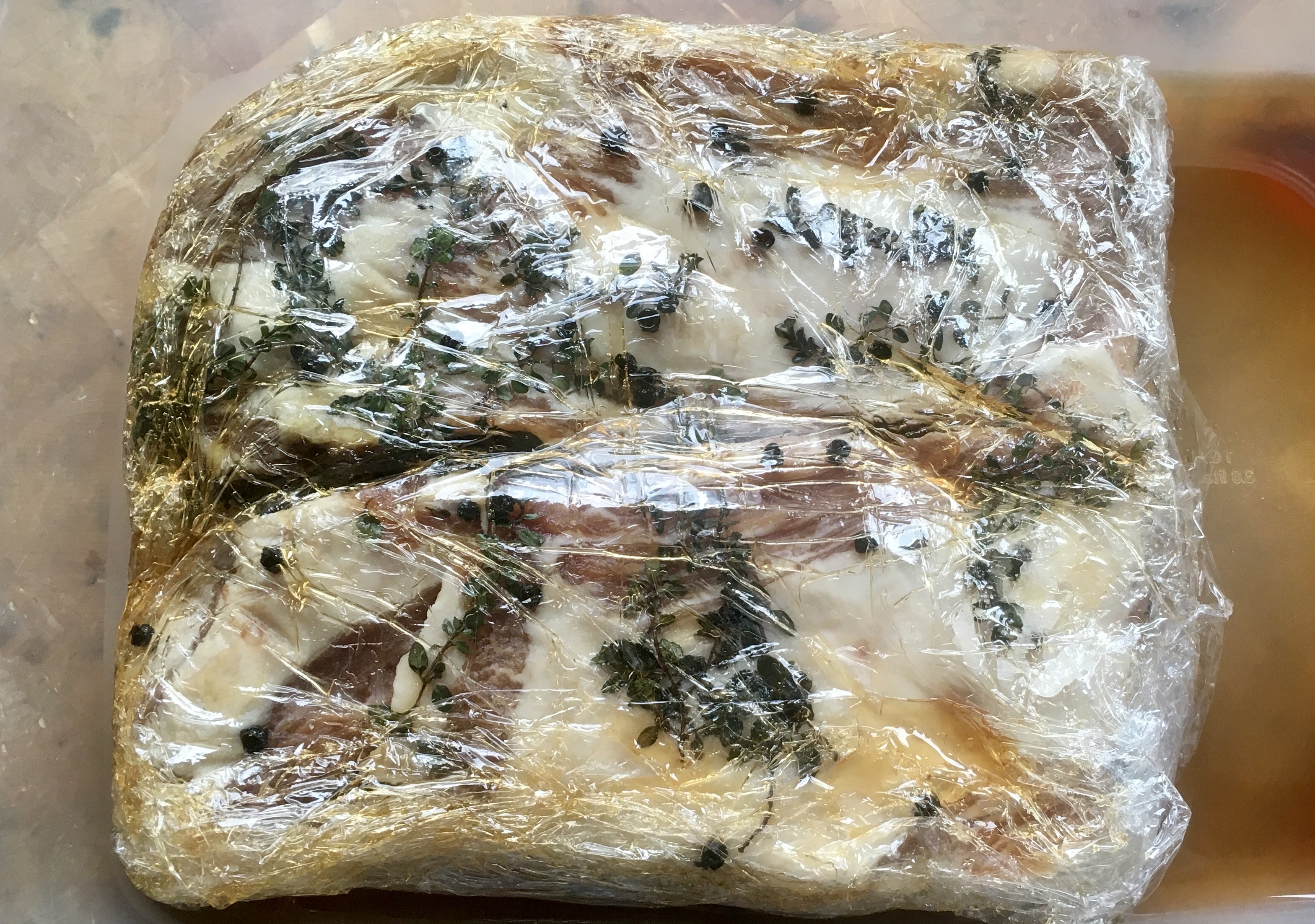
2 lbs. raw pork jowls
1/2 cup basic dry cure mix (recipe below)
1/2 cup brown sugar
1 teaspoon whole black peppercorns
a handful of fresh thyme sprigs

Cured, rinsed and patted dry. Cut the guanciale into smaller pieces before freezing. A little goes a long way!
1 1/2 cups Diamond Crystal Kosher Salt*
1/2 cup organic turbinado sugar
5 teaspoons pink curing salt
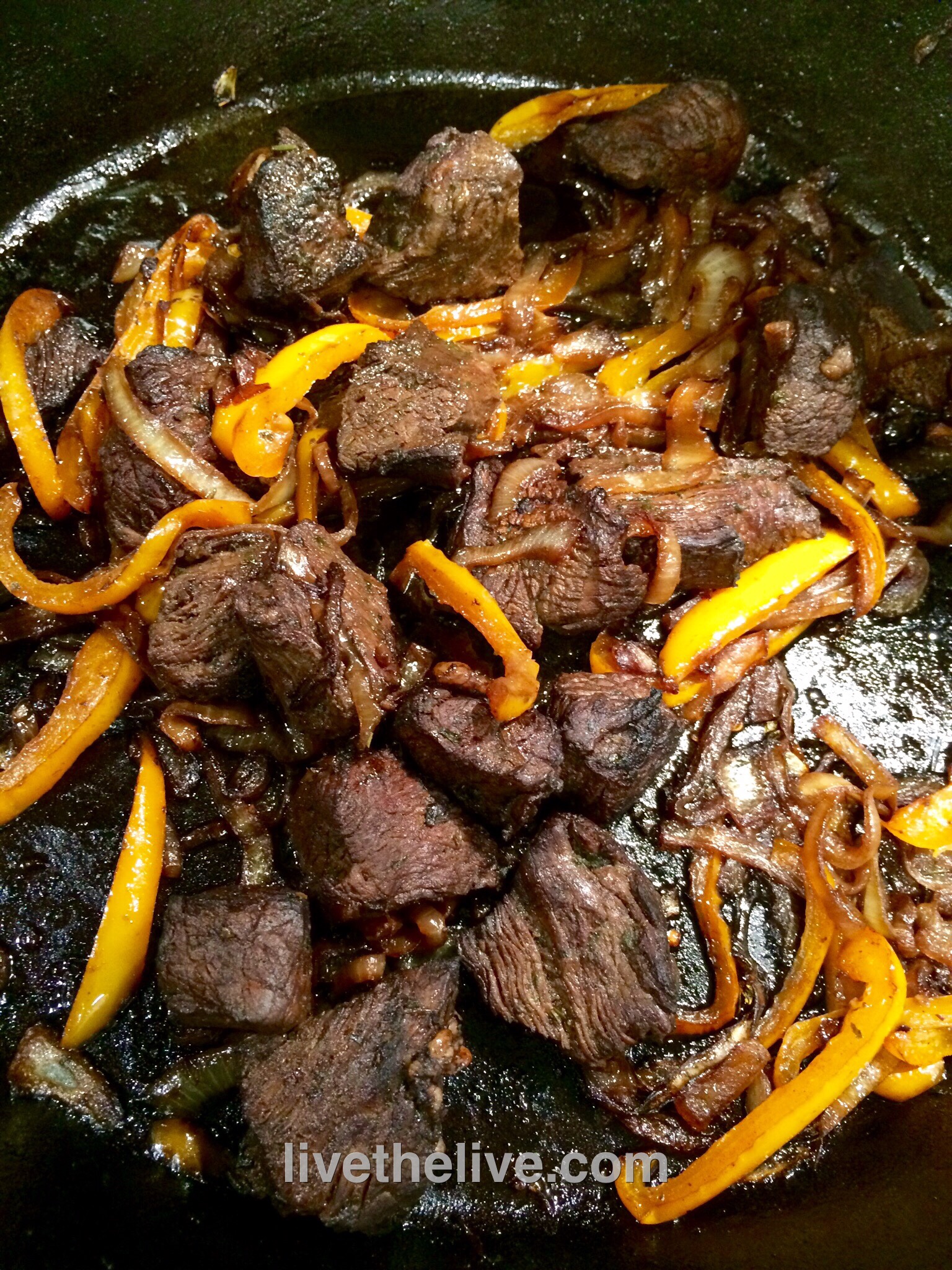
MARINATED BEEF TIPS WITH PEPPERS AND ONIONS
Posted: June 4, 2025 in beef, Carnivore!, Food, Italian, marinade, RecipesTags: beef, food, onions, peppers, recipes, sirloin
An easy way to marinate beef is to simply throw the meat in a bag and dump some Italian dressing into it. As simple as that sounds, it flavors the meat really nicely. But I’ve got a problem with anything that comes from a jar and was made in a factory, especially when it’s so easy to make my own Italian seasoning.
I recently bought some sirloin beef tips and after trimming the fat and silver skin (they always leave it on the meat), I cut it up into 1 inch cubes. I put the pieces in a glass container–a plastic bag would be fine–and then made my marinade. Combine the first set of ingredients to make the marinade.
1/4 cup decent quality balsamic vinegar–not the expensive stuff
1/4 cup avocado oil
1 teaspoon dried oregano
1 teaspoon dried parsley
1 teaspoon granulated garlic
1 teaspoon granulated onion
1 teaspoon salt
1/2 teaspoon pepper
2 lbs. sirloin beef tips, trimmed and cut into 1″ cubes
avocado oil
3 onions, sliced into rings
2 sweet bell peppers, sliced into thin strips
splash of white wine
Combine the marinade ingredients and pour them into the bag or container with the meat. Mix it around so that every bit of the meat gets coated with the marinade. Seal the container and place in the fridge overnight.
Next day, remove it from the fridge and let it come to room temperature before cooking.
Heat a large cast-iron skillet until hot. You may not need to add oil, since the meat has marinated in it. Using tongs to shake off any marinade, place the beef tips in the skillet, and brown on all sides, constantly flipping them. Cook the meat until it is done: medium to medium rare. (Of course, a hardwood fire is great for cooking these, too.)
Remove the meat from the pan and put it in a bowl to the side. In the hot pan, toss in the sliced onions and peppers. Cook until the onions and peppers are caramelized, and splash a little white wine to de-glaze the pan if you like. (The alcohol cooks off.) If there’s any left over marinade in the bag or container, you can pour it into the pan at this time.
Return the beef to the pan, being sure to include all the juices that may have settled into the bottom of the bowl. Mix through until it’s all thoroughly heated and serve immediately.
PASTA WITH ASPARAGUS AND SAUSAGE
Posted: May 14, 2025 in asparagus, Carnivore!, cheese, Food, Italian, pork, Recipes, sausageTags: asparagus, food, pasta, recipes, sausage
4 mild Italian sausages, sliced into pieces 1/2″ thick
1 lb. penne pasta
1/2 onion, finely chopped
1 cup chopped fresh trumpet mushrooms (white button mushrooms work, too), optional
2 cups fresh asparagus, sliced into 1-inch pieces
1 clove garlic, passed through a garlic press
1 cup homemade chicken broth
6 fresh sage leaves, finely chopped
1/2 cup freshly grated Parmigiano Reggiano cheese
extra virgin olive oil
salt and pepper
RAGU BOLOGNESE
Posted: March 6, 2025 in Food, Italian, pork, pork jowl, pork jowls, RecipesTags: Bolognese, food, guanciale, Italian, pasta, pork, ragu, recipes, veal
Fettucini alla Bolognese has been my daughter’s favorite Italian dish for years. The recipe isn’t difficult, but like many great dishes, it depends on the best quality ingredients you can get your hands on.
I like to use a combination of ground beef, ground veal and ground pork in my Bolognese recipe. But I don’t sweat it too much if I don’t have all three, substituting a little more of one or the other, depending on what’s in my freezer at the time. (2–1, beef to pork, is a good ratio.)
I use humanely raised grass-fed ground veal that I get down the road from a local dairy farm: Sweet & Salty Farm in Little Compton, RI. I use ground Berkshire pork, full of “good fat.” And I use grass-fed beef from local farms. Guanciale, a cured pork product that comes from the cheek (jowl) of the pig, is something that I prepare myself. I buy the Berkshire pork jowls raw and cure them at home. (That’s another blog!) If you can’t get your hands on guanciale, a nice slab of bacon or pancetta will do the trick.
The rest of the ingredients are organic, when available.
This recipe probably feeds a dozen people. I make a lot at once because it takes time to put it together and let it cook on the stove, and it freezes really well. I place leftovers in tightly sealed single-portion containers in the freezer and then re-heat them when my daughter gets the craving, adding it to freshly cooked pasta.
How much pasta you make with this dish depends on how many people you’re going to serve.
5 tablespoons extra virgin olive oil
3 tablespoons butter
1/2 cup finely chopped guanciale or bacon or pancetta
1 lb. ground veal, 1 lb. ground pork, 1 lb. beef (or any combination to make 3 lbs.)
1 large onion, finely chopped
2 carrots, finely chopped
3 stalks celery, finely chopped
2 cloves of garlic, squeezed through a garlic press or thinly sliced
1 small can (6 oz.) tomato paste
6 cups ground tomatoes
2 cups whole milk
2 cups white wine (I use an un-oaked French chardonnay)
salt and pepper
pasta, cooked (regular or gluten-free )
Freshly grated Parmigiano Reggiano
Place the olive oil and butter in a large sauce pan with a heavy bottom over high heat. Once the butter has melted, add the guanciale, letting the fat render out. When it’s almost brown, add the veal, pork, and beef, stirring constantly. Make sure the meat is broken down into small pieces and completely browned.
Add the finely chopped onion, carrots, celery and garlic, stirring well. Sweat the veggies for a few minutes, letting them get nice and soft. (Here’s a tip: rather than wasting time chopping all the veggies finely by hand, toss large pieces into a food processor–the onion, carrot, celery and garlic cloves all at the same time–and pulse until they’re finely chopped.)
Add the tomato paste, the ground tomatoes, milk and wine, stirring well. Allowing the sauce ito come to a boil will activate the tomato paste’s thickening power. Let it boil for a minute, then reduce the heat to medium-low, and let it simmer for at least a couple of hours, stirring occasionally.

Add the ingredients one step at a time until the sauce comes together: 1) guanciale, 2) meat, 3) veggies), 4) tomatoes.
You don’t want the sauce to be runny, and you definitely want to give it enough time on the stove top for the flavors to blend and for the alcohol in the wine to evaporate.
Carefully give the sauce a taste, and season it with salt and pepper.
Traditionally, ragu Bolognese is served by placing a part of the cooked pasta in a pan, and adding just enough sauce to have it cling to, not drip from, the pasta. It’s not soup!
Top it with freshly grated Parmigiano Reggiano cheese.