Posts Tagged ‘gardening’

This is a story about my Mom’s dad, my grandfather. Born in Lithuania, he came here during WWII. He was a short man, barely 5’5″ tall, but he was the strongest man I ever knew. As a kid, I watched him crush walnuts, and even hazelnuts, in his bare hands. He would go out into the water at Rockaway Beach, and the waves would hit him head-on, but never knock him down. He had little or no formal education, but he could fix or build anything, from concrete driveways to dog houses. And no matter what chore he took on, he wore a white shirt and tie with a vest while he did it. He never became a US citizen because he had a hard time with the English language, but he maintained his legal alien status, and spoke enough English to work in the kitchens of several high-end restaurants in Queens, NY.

My maternal grandfather, Vaclovas Lukosevicius. A helluva name and a helluva guy. Now I know where I got my receding hairline!

I smoked my first cigarette with him when I was 12, and we had a good talk about it after my face returned to a lighter shade of blue-green. We would walk to his favorite bar on Jamaica Avenue in Richmond Hill, the Triangle Hofbrau (it’s still there) and they let me sit at the bar, snacking on pretzels with a 7-Up while he enjoyed a beer. My Mom was an only child, so I was the only grandson, and nobody made me feel more special than he did.

One of my grandfather’s passions was horseradish…homegrown, homemade horseradish.

It’s been 50 years since I watched my grandfather dig the long, dirty, gnarled horseradish roots out of his garden with a sharp spade, lunging at the ground with all of his strength to cut through the thick fibers of the plant.

After harvesting a large piece, he would wash the dirt from it and then peel it, leaving behind a beautifully smooth white root.

He had a large bowl set under a grater, and he would hand grate the horseradish root with incredible speed. But no matter how fast he went, the potent vapors released by the root would make their way to his eyes, and he was forced to stop several times to wipe the tears away with his old handkerchief and regain his composure before returning to grate the root again.

Onions were child’s play compared to horseradish, and I understood why he did all the preparation just outside of the kitchen door of his Queens, NY home.

Once grated, he would add some water, vinegar, and salt, and his prepared horseradish was complete. He’d store it in tightly sealed glass jars in the fridge, and when it was time to sample the goods, he would carefully open a jar, poke his knife in, and spread the prepared horseradish over beef, beets, twice-smoked bacon, or anything else he desired.
I’d watch his face slowly turn red, small beads of perspiration developing on his forehead, and he’d turn and smile at me and tell me in Lithuanian: “Labai skanu!” (Very tasty!)

At the age of 10, I couldn’t figure out what he saw in horseradish, but it didn’t take long before I was hooked myself, as it was a staple at every family dinner table.

Opting for the stuff that came in a jar in the supermarket, I never made my own prepared horseradish until almost 50 years later.

I’ve had a huge horseradish plant growing in my garden for years, and I just never got around to doing anything with it. But one night, as I was preparing my cocktail sauce recipe and I realized that I was out of prepared horseradish, it became clear that the time of reckoning had arrived. It was time, in the finest tradition of my grandfather, to make my own prepared horseradish.

Freshly harvested horseradish roots

I went out to the yard with a sharp shovel and lunged at the horseradish plant, splitting a few roots off of the main crown. I pulled them out of the ground, detached the long leaves, and headed back to the kitchen.
Today’s kitchen technology gave me a distinct advantage over my grandfather, and after washing and peeling the root, I chopped it into smaller pieces and tossed them into a food processor. No hand grating necessary!
The processor pulverized the root in no time, and I added water, vinegar and salt as my grandfather did, being very careful not to stick my face too close to the opening of the processor where the vapors were their most powerful.
A small taste on my tongue just about had my eyeballs shoot out of my head, and I muttered silently to myself: “Labai skanu!”

My grandfather would be proud.

Horseradish is a member of the Brassicaceae family, which includes mustard, cabbage, wasabi, and broccoli. The horseradish root itself hardly has any aroma. But when you crush it, enzymes from the broken plant cells produce mustard oil, which irritates the mucous membranes of the sinuses and eyes. To keep the horseradish from losing its pungency and freshness, vinegar must be added immediately.

Prepared Horseradish

6 oz. fresh horseradish root, peeled
6 tablespoons water
3 tablespoons white vinegar
3 pinches of salt

Chop the horseradish root into small pieces and add water, vinegar and salt. Process until proper consistency is reached.
Careful! Use proper ventilation or the vapors will blow your eyeballs and sinuses out!

It’s hard to believe the weather we’ve had here in Rhode Island. Though we’ve had some cool temperatures at night, daytime highs have stayed in the 70’s for the last few weeks. Vegetables as well as flowers have thrived.

With cooler, windier and rainier weather now here, I thought I should go out to the garden and take some photos of what’s blooming before it all finally goes away for the season.

Globe amaranth, or gomphrena.


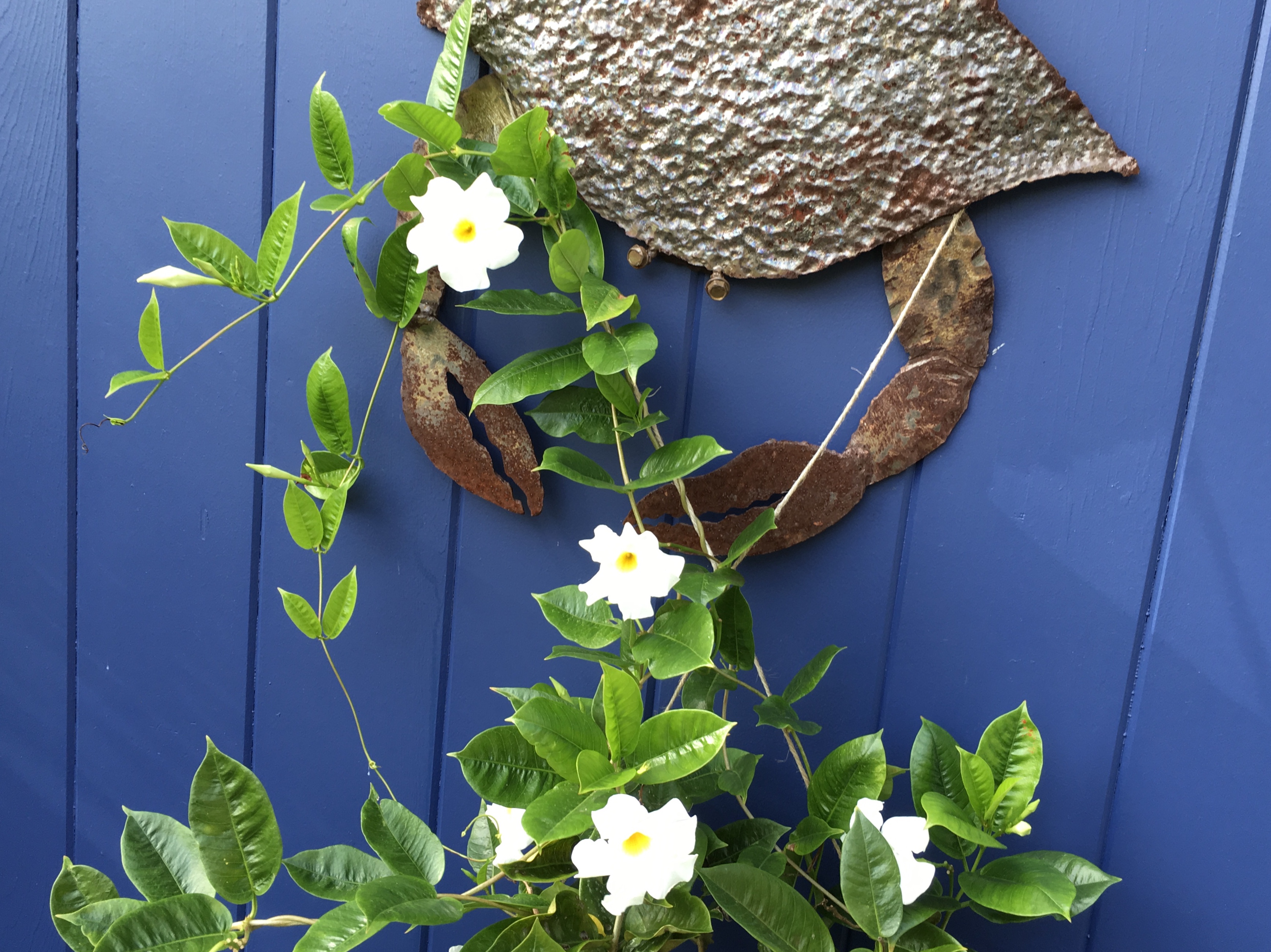
Mandevilla has a southern exposure in front of my wife’s art studio, but it will go in soon and join the other houseplants for the winter.


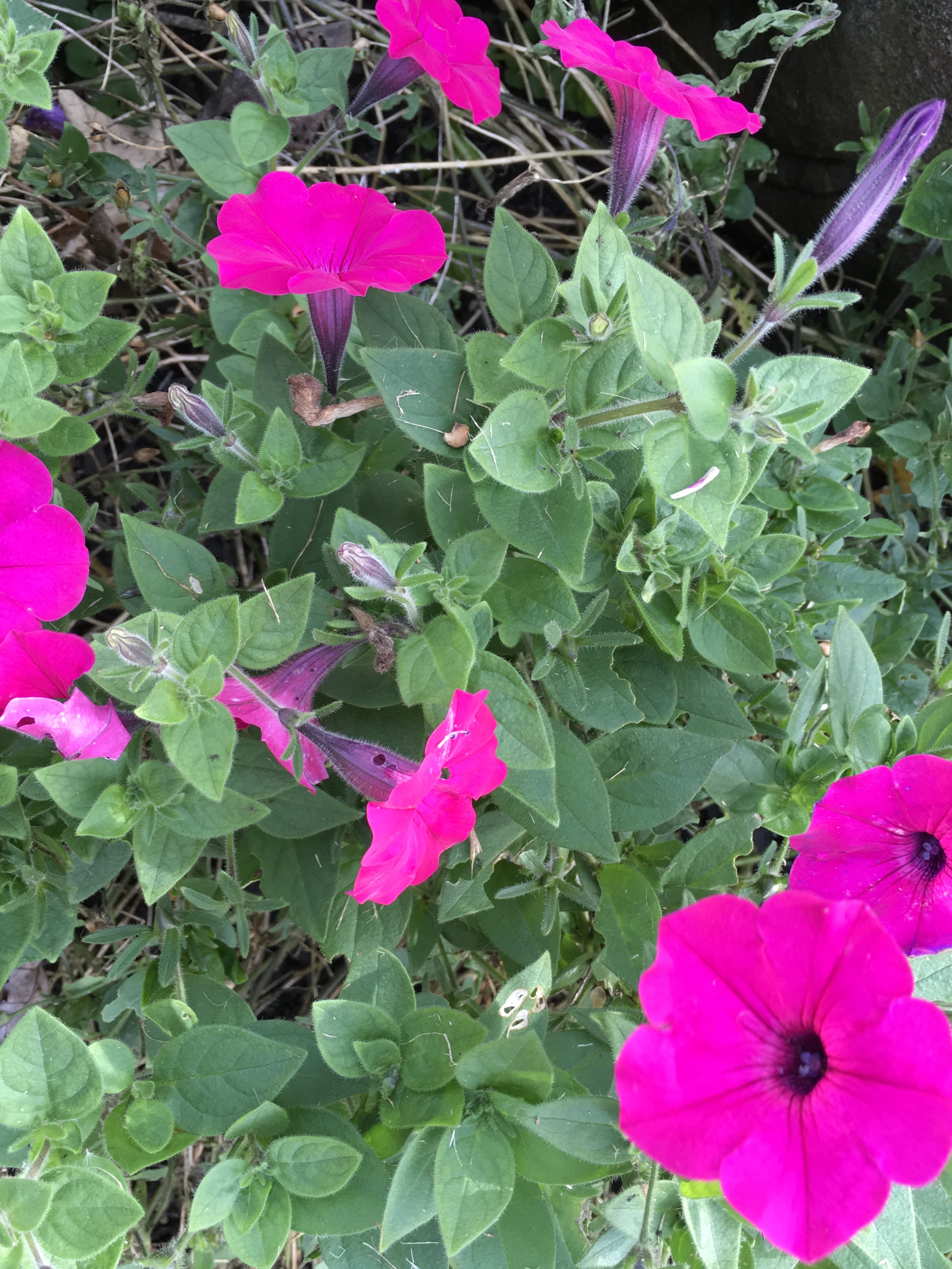
Petunias, sown from seed in early spring.


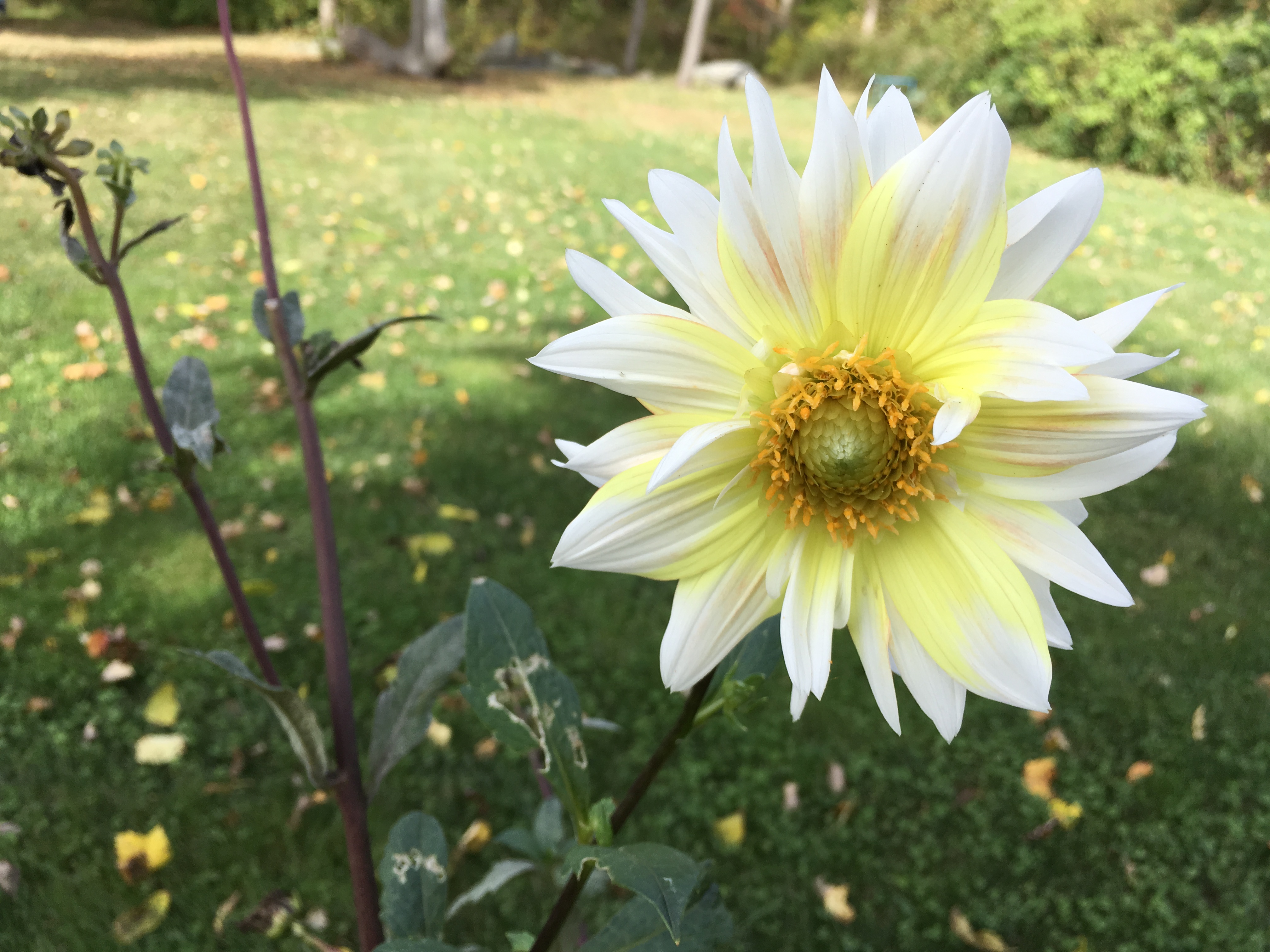
One of many dahlias, which will be dug up soon. I store the tubers in the garage for the winter, then start them in pots in the spring before planting in the garden.


Impatiens never lasted this long! A perfect spot, hidden from the sun and wind.


Nasturtiums. Though they’re annuals, these peppery-tasting edibles do re-sow themselves.


A lone rose.


Gazania loves the warm sun.


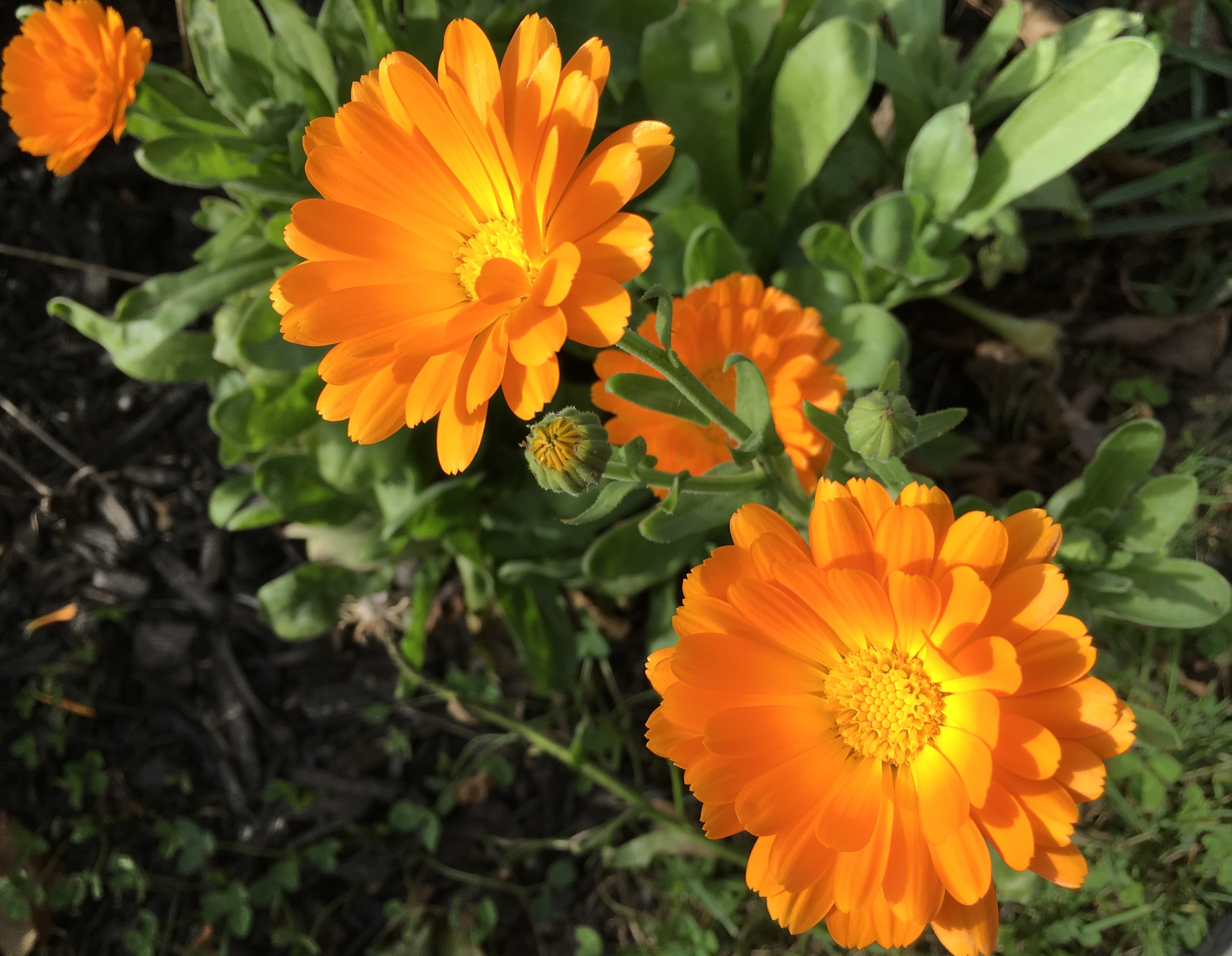
Calendula self-sows every year. Another edible.


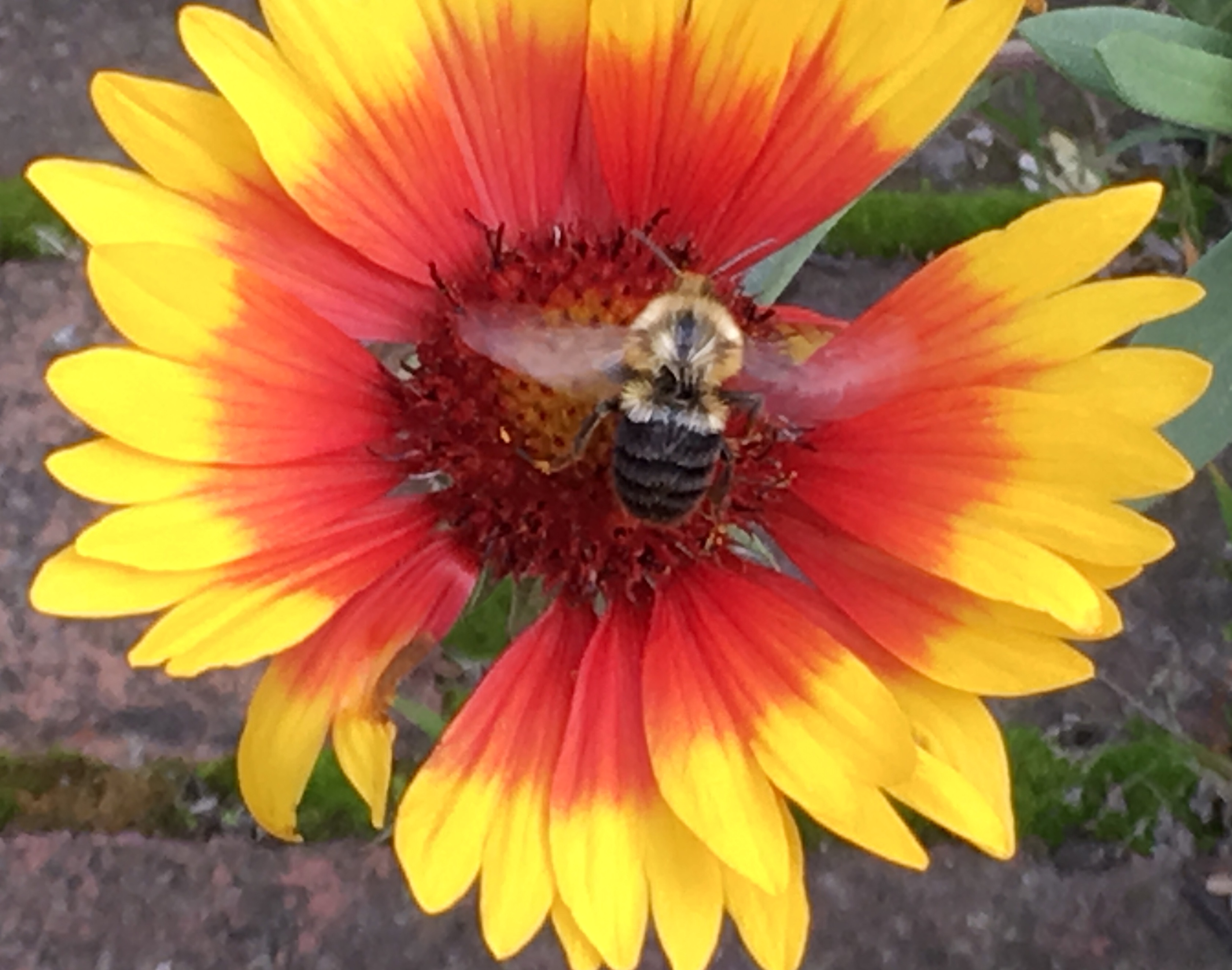
Galliarda, with a friend.


Rudbeckia. It comes back every year.


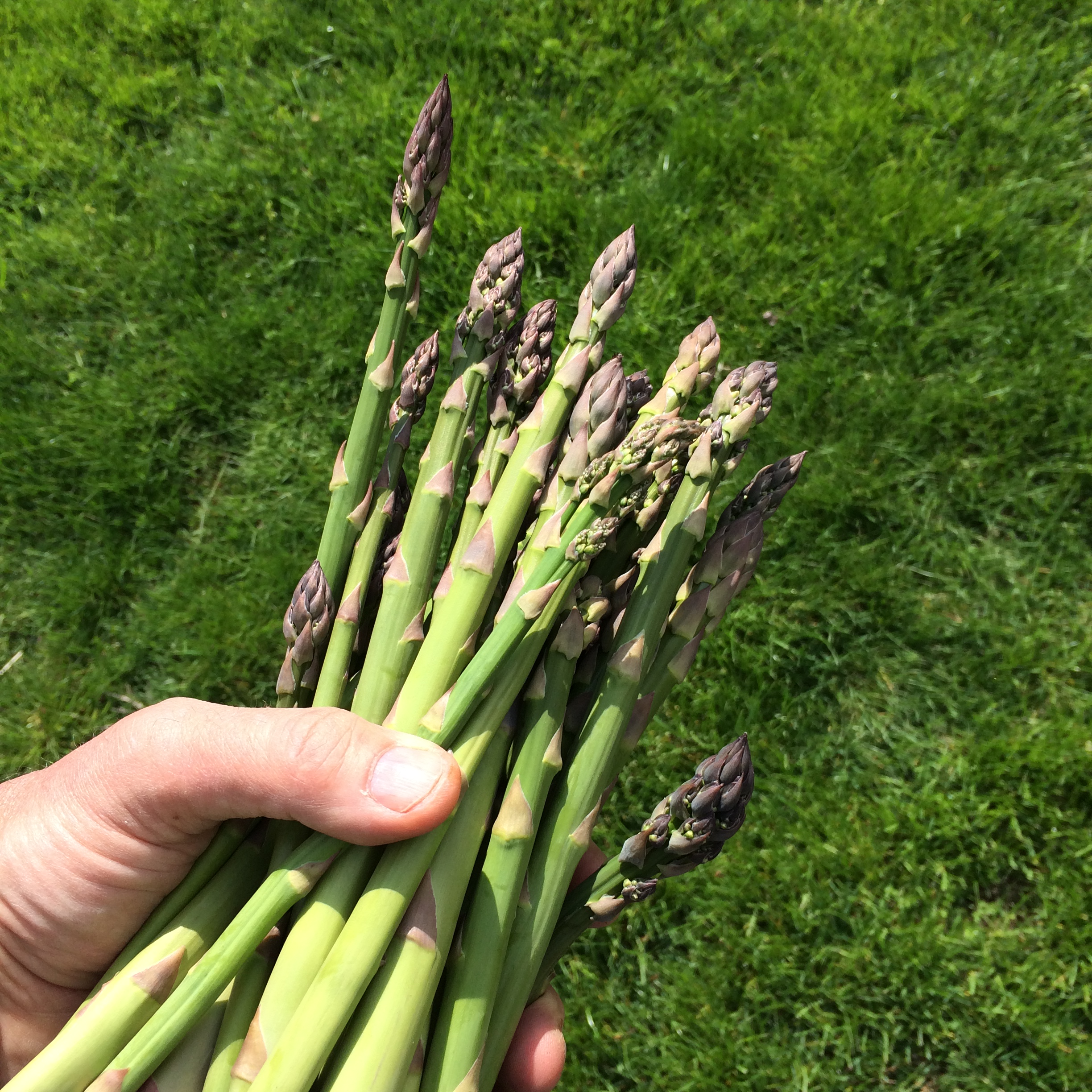
The home garden is already showing signs of activity. Overwintered kale and arugula plants are springing back to life, enough for a quick salad. Cool weather seeds that I’ve sown early: peas, turnips, radishes, broccoli raab, and others are sprouting. But nothing says the gardening season is here like my patch of homegrown asparagus taking off!

asparagus2013

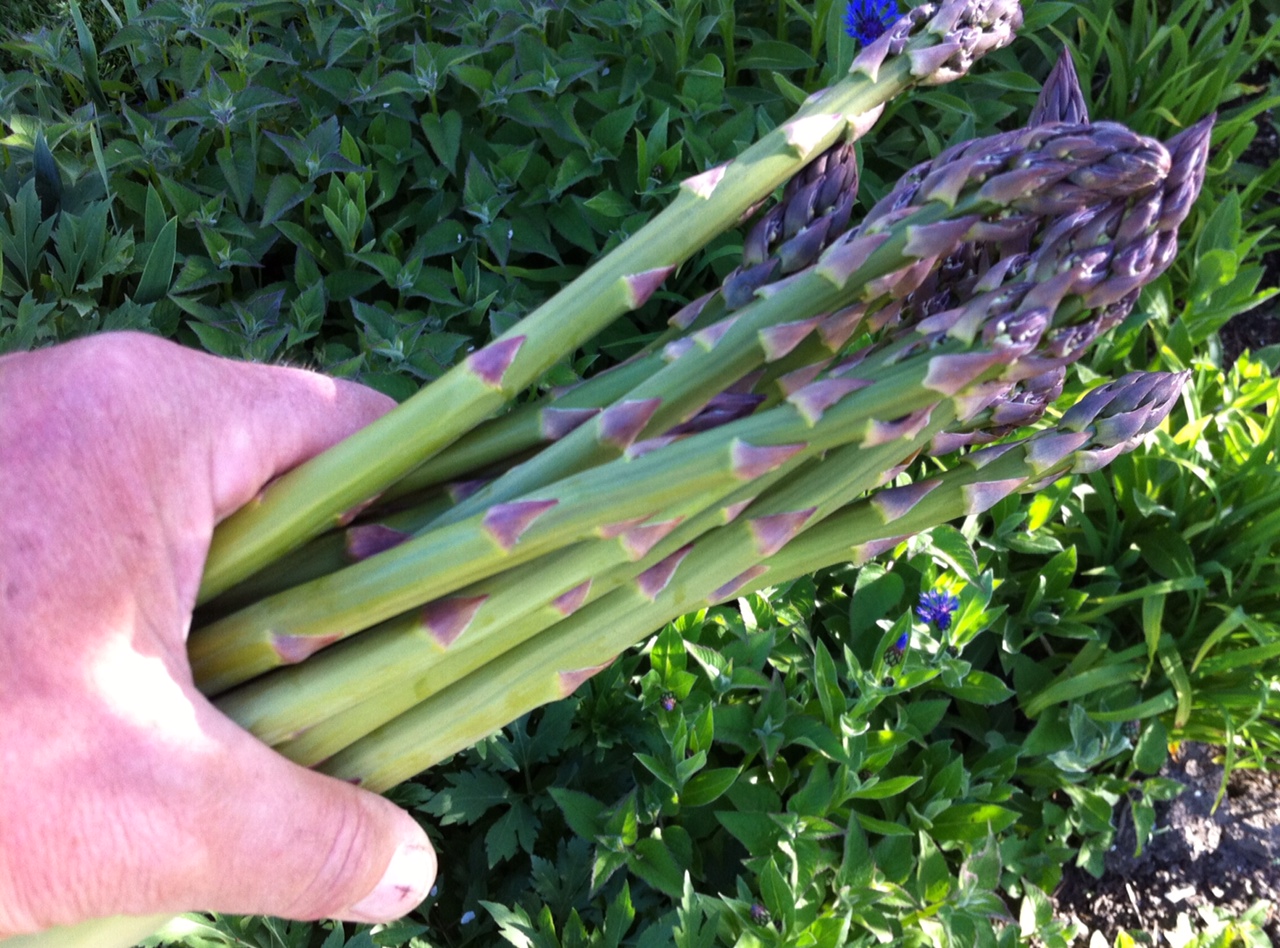
Asparagus is really easy to grow. You just need the space, and the plants practically do the rest. Space them about a foot apart, and before you know it, you will have a vast network of tasty stalks sprouting through the soil every spring. They are so much better than anything you can buy in a supermarket.
In the start of the growing season, the stalks don’t even make it into the house. I cut them and just eat them straight out of the garden. Eventually, they make the move to the kitchen, where I love to simply place them on a baking sheet and drizzle a little olive oil over them. Salt and pepper…and then in a 400-degree oven until they’ve caramelized.

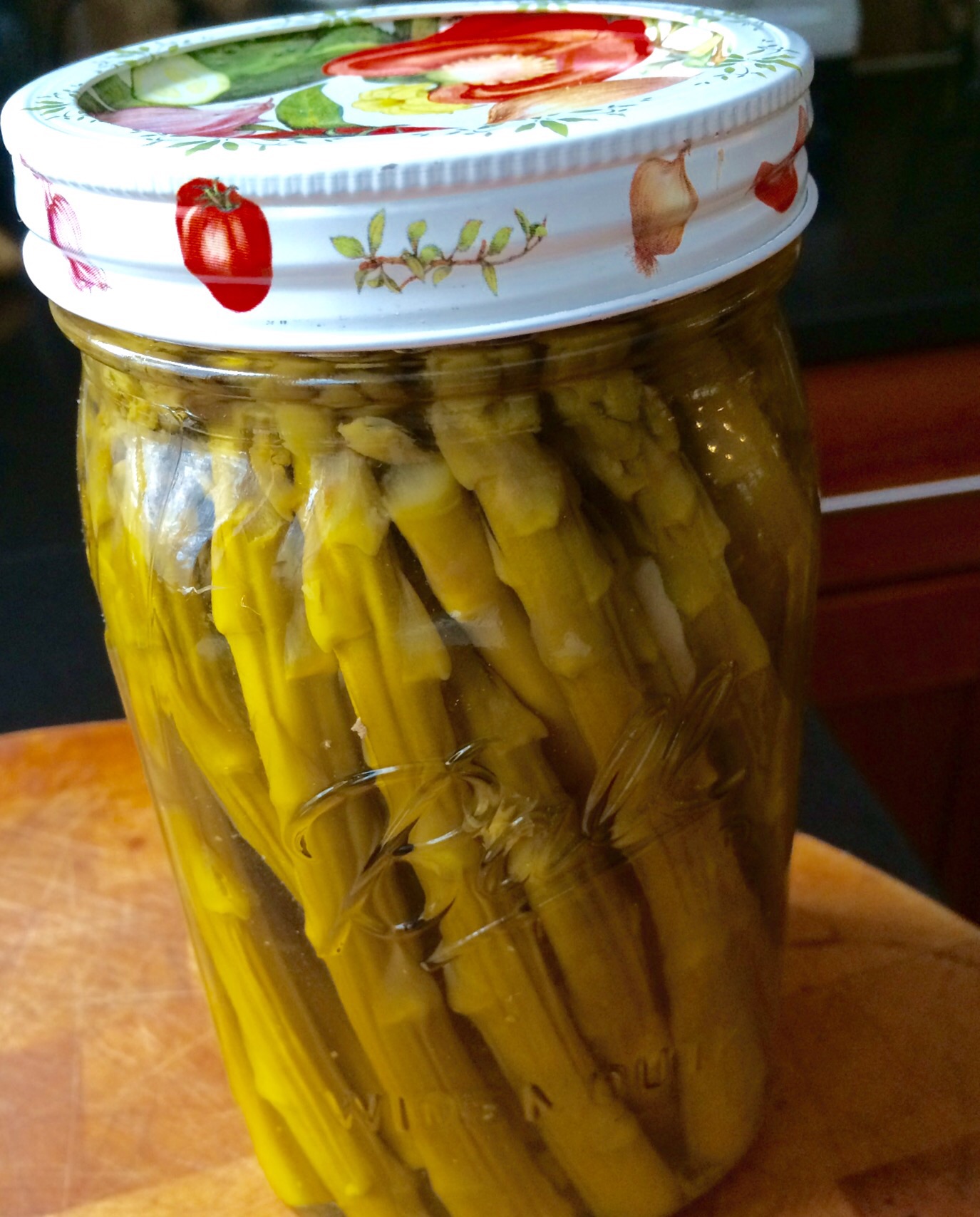
Midway through the season, I have so much asparagus that I just don’t know what to do with them all. My friends don’t want anymore and I can’t bear to throw them into the compost pile. So I pickle them…a really easy process that ensures I’ve got delicious asparagus year-round.

E26853F4-0B7D-487D-B343-BDA38537D4B6
PICKLED ASPARAGUS
Several bunches of asparagus spears
2 cups white vinegar
1 cup cider vinegar
1 1/2 cups sugar
3 cups water
20 peppercorns
Garlic cloves, peeled
Salt (1 teaspoon per quart-sized Mason jar. Use less for smaller jars.)
Bring the vinegar, water, sugar and peppercorns to a boil.
Trim the bottom of the asparagus spears so that spears are just slightly shorter than the height of the quart-sized Mason jar you will use. Or cut into pieces that will fit smaller jars.
Pack the jars as tightly as you can with asparagus spears. (They will shrink when processed.) Add the garlic clove and 1 teaspoon of salt to every quart-sized Mason jar…less for smaller jars.
Fill jars with the vinegar mixture and seal.
Process the jars for 10 minutes. Let them cool before placing in refrigerator.

WHY DOES YOUR PEE SMELL WHEN YOU EAT ASPARAGUS?

Asparagus contains a sulfur compound called mercaptan. It is also found in onions, garlic, rotten eggs, and in the secretions of skunks. The signature smell occurs when this substance is broken down in your digestive system. Not all people have the gene for the enzyme that breaks down mercaptan, so some of you can eat all the asparagus you want without stinking up the place. One study published in the British Journal of Clinical Pharmacology found that only 46 percent of British people tested produced the odor while 100 percent of French people tested did. (It has to do with your DNA.)

If you’re looking for a fast-growing vine to cover an arbor or other structure, nothing grows faster than hops…that’s right, like the hops in your beer! Hops farms in Germany grow the vines vertically, extending lines up to 30 feet in the air.

Once you’ve bought a few hops plants, they will reward you with interesting healthy vines that will spread quickly. And soon, you’ll also be able to split large plants and transplant them to other areas of your yard.

Early in the season, and the vines are already 2 feet up!

Early in the season, and the vines are already 2 feet up!

The vines are strong, the leaves are beautiful, and the hops flowers smell great and are different from anything else you may have in your garden. And if you brew your own beer, how cool is it to have one of your ingredients growing in your yard?

A bed of hostas below, the hops grow up this "umbrella" every year.

A bed of hostas below, the hops grow up this “umbrella” every year.

Hops are hardy perennials that will come back bigger and stronger every year. In the fall, the leaves die off and leave a wooden skeleton behind that looks great in the winter and also supplies birds with nesting material the following spring.

You can find hops plants on Amazon.

The home garden is already showing signs of activity. Overwintered kale and arugula plants are springing back to life, enough for a quick salad. Cool weather seeds that I’ve sown early: peas, turnips, radishes, broccoli raab, and others are sprouting. But nothing says the gardening season is here like my patch of homegrown asparagus taking off!

asparagus2013

Granted, a few shoots breaking through the soil doesn’t qualify as “taking off,” but it’s an exciting time of the year in the home garden.
Asparagus is really easy to grow. You just need the space, and the plants practically do the rest. Space them about a foot apart, and before you know it, you will have a vast network of tasty stalks sprouting through the soil every spring. They are so much better than anything you can buy in a supermarket.
In the start of the growing season, the stalks don’t even make it into the house. I cut them and just eat them straight out of the garden. Eventually, they make the move to the kitchen, where I love to simply place them on a baking sheet and drizzle a little olive oil over them, salt and pepper…and then in a 400-degree oven until they’ve caramelized.

Midway through the season, I have so much asparagus that I just don’t know what to do with them all. My friends don’t want anymore and I can’t bear to throw them into the compost pile. So I pickle them…a really easy process that ensures I’ve got delicious asparagus year-round.

asparagus

Several bunches of asparagus spears
2 cups white vinegar
1 cup cider vinegar
1 1/2 cups sugar
3 cups water
20 peppercorns
Garlic cloves, peeled
Salt (1 teaspoon per quart-sized Mason jar. Use less for smaller jars.)
Bring vinegar, water, sugar and peppercorns to a boil.
Trim the bottom of the asparagus spears so that they are just slightly shorter than the height of the quart-sized Mason jar you will use. Or cut them into pieces that will fit a smaller jar.
Pack the jars as tightly as you can with asparagus spears. (They will shrink when processed.) Add a garlic clove and 1 teaspoon of salt to every quart-sized Mason jar…less for smaller jars.
Fill the jars with the vinegar mixture and seal.
Process the jars for 10 minutes. Let them cool before placing them in refrigerator.
image

THE AGE OLD QUESTION: WHY DOES YOUR PEE SMELL WHEN YOU EAT ASPARAGUS?

Asparagus contains a sulfur compound called mercaptan. It is also found in onions, garlic, rotten eggs, and in the secretions of skunks. The signature smell occurs when this substance is broken down in your digestive system. Not all people have the gene for the enzyme that breaks down mercaptan, so some can eat all the asparagus they want without stinking up the place. One study published in the British Journal of Clinical Pharmacology found that only 46 percent of British people tested produced the odor while 100 percent of French people tested did. (It has to do with your DNA.)

If you’re looking for a fast-growing vine to cover an arbor or other structure, nothing grows faster than hops…that’s right, like the hops in your beer! Hops farms in Germany grow the vines vertically, extending lines up to 30 feet in the air.

Once you’ve bought a few hops plants, they will reward you with interesting healthy vines that will spread quickly. And soon, you’ll also be able to split large plants and transplant them to other areas of your yard.

Early in the season, and the vines are already 2 feet up!

Early in the season, and the vines are already 2 feet up!

The vines are strong, the leaves are beautiful, and the hops flowers smell great and are different from anything else you may have in your garden. And if you brew your own beer, how cool is it to have one of your ingredients growing in your yard?

A bed of hostas below, the hops grow up this "umbrella" every year.

A bed of hostas below, the hops grow up this “umbrella” every year.

Hops are hardy perennials that will come back bigger and stronger every year. In the fall, the leaves die off and leave a wooden skeleton behind that looks great in the winter and also supplies birds with nesting material the following spring.

You can find hops plants on Amazon.

Here in New England, it’s time to seriously think about what to plant in your garden. I’ve already sowed peas, arugula, radishes, broccoli raab, and turnips back on St. Patrick’s Day. They can be sown in the garden now, as soon as the soil is workable. Simply, that means you take a handful of soil and squeeze it. If it stays in a hard, wet clump, it’s too wet and not ready. If it crumbles apart, get gardening!
That doesn’t give you a green light to plant all your veggies, however. Many need to wait until temperatures get much warmer.
I’m currently taking courses at the University of Rhode Island to get my certification as a URI Master Gardener. Gardening can be as simple or as complicated as you choose to make it, and if you’re starting out, the task of deciding where to put your garden may not seem like an easy one. It varies with every home, every yard. But there are some basic things to keep in mind, and all of it is common sense. Do you have any common sense? Good. Then you should be fine…

Greenhouse greens

Greenhouse greens

You want your garden to have all the benefits possible for the best chance of success. Just remember this easy acronym: LSSDA. OK, it’s not that easy, but I couldn’t figure out how to spell anything with those letters.
Location: You need to decide if your garden is going to be something you want to see every time you look out your window, or view from your deck as you smoke your cigar at the end of a satisfying gardening day…or something that is more practical than beautiful, and therefore something that you might want to have on a side of the house where it doesn’t block an already enjoyable view.
Sun: Where you put your garden must depend on the sun. You may think you have the perfect place for a garden bed, but if it doesn’t get a full day’s sun, you can pretty much forget about growing those amazing tomatoes you drool over when you go to the local farm stand. You can always shade your garden if there’s too much sun…it’s highly unlikely you’re going to set up a bank of klieg lights if you don’t have enough.
Size: In the beginning, this may be tougher than it seems. If you’ve got an old-fashioned garden envisioned in your mind, with long rows of veggies 2 or 3 feet away from each other, you’re going to need a huge space, which means huge work. If you go with the method that I suggest: small (8-foot by 4-foot) raised beds with intensive planting, not only are you going to need a lot less space, you’ll find that you’re requiring a lot less work to get the same results. I use the Square Foot Gardening method originated by Mel Bartholomew many years ago, and I’ve never had a reason to change. I get the most food in the least amount of space. (www.squarefootgardening.com)
Distance: This means the distance from all those tools and your water source. Sure, you may be pretty damn excited about your garden in the beginning, and you’ll happily drag water 400 feet to your remote garden location…until about June. Then you’ll start making every freaking excuse under the planet to avoid watering or working in your garden…and that kind of defeats the idea. Unless you have some motorized means of hauling all of your tools and buckets out there, try to locate your garden near a garage or shed and a water source so you spend more time in your garden and less time going back and forth to your garden.

Access: Make sure you pick a place that you can easily get to. If your garden requires that you go through an archway or similar structure, you may not be able to fit certain tools, bags of peat moss, wheelbarrows, or even your own fat ass at certain times.

These are the basics to setting up properly. I have 6 raised beds that measure 8-by-4 feet, giving me a total of only 192 square feet, and yet I grow more veggies in that space that my family of 3 can possibly eat. The idea is to get more vegetables per square foot of gardening space, not per plant. When you plant things closer and more intensely, you will get better results with less work and cost. And if you can time it so that you have new plants ready to take the place of those that have been harvested, you’ve got more harvests in even the shortest of seasons. But that’s a discussion for another time.

That’s how the saying goes here in New England. I’ve sown my peas in my garden as soon as the soil can be worked in the spring for years with great success. In addition to peas, you can sow arugula, broccoli raab, radishes and onions. Sprouting the peas indoors before sowing by placing them on a moist paper towel for a days or two can speed the process, but I usually just sow them directly.

peas

I also start some seedlings early indoors, including tomatoes. These will go under grow lights for several weeks until the weather outside is warm enough for them to be transferred to my unheated greenhouse.

seedlings


Gooseberries grow on a bush that can get anywhere from 3 to 10 feet tall, the branches having sharp spines on them, making picking the berries a bit of a challenge. Berry colors are usually green, though there are red and even purple varieties. They feature a skin on the outside much like a grape, and flesh with seeds on the inside. But they’re not super sweet…just sweet and tart enough.

Gooseberries are used mostly in desserts, but in some countries, like Portugal, people mix gooseberry juice with soda, water or even milk to make a popular beverage.


I’ve always enjoyed gooseberries simply straight off the vine. My Mom had several gooseberry bushes in her yard, and the early ripening fruits were a special treat in my childhood.
 
Moving to Rhode Island 20 years ago, I had hoped that I could grow my own gooseberry bushes someday. But unfortunately, a disease called white pine blister rust made that impossible. The way white pine blister rust survives is by traveling back and forth from 2 host species. One of them, obviously, is the white pine. The other is…well, the family of plants that gooseberries belong to: Ribes. (Currants belong to this family of plants as well.) So, the logic was that if you don’t plant a gooseberry near a white pine, the rust has nowhere to go and never gets past its first of 5 stages. You literally could not plant a gooseberry within a few miles of the nearest white pine, which for Rhode Island meant nowhere! And although most states got rid of this ban back in the 1960’s, Rhode Island kept it on the books for many more years. (Part of the problem is that many gardening catalogs and websites have not updated this information and still refuse to ship gooseberry plants to Rhode Island.)
 
But recently, the ban was lifted! I visited my pal Rick at Peckham’s Nursery in Little Compton, RI and I saw gooseberry bushes sitting there, just waiting to be bought. I scooped 2 up immediately and planted them in my yard. Rick explained that the ban on gooseberries had been lifted, in part because the disease was no longer a threat, and also because new varieties of gooseberries have been developed that are immune to white pine blister rust.
 
So the next time you see a local farmstand with a basket of funny-striped grapes, look again. It may just be a basket of gooseberries…a treat that we can now all enjoy again.

The home garden is already showing signs of activity. Overwintered kale and arugula plants are springing back to life, enough for a quick salad. Cool weather seeds that I’ve sown early: peas, turnips, radishes, broccoli raab, and others are sprouting. But nothing says the gardening season is here like my patch of homegrown asparagus taking off!

asparagus2013

Granted, a few shoots breaking through the soil doesn’t qualify as “taking off,” but it’s an exciting time of the year in the home garden.
Asparagus is really easy to grow. You just need the space, and the plants practically do the rest. Space them about a foot apart, and before you know it, you will have a vast network of tasty stalks sprouting through the soil every spring. They are so much better than anything you can buy in a supermarket.
In the start of the growing season, the stalks don’t even make it into the house. I cut them and just eat them straight out of the garden. Eventually, they make the move to the kitchen, where I love to simply place them on a baking sheet and drizzle a little olive oil over them. Salt and pepper…and then in a 400-degree oven until they’ve caramelized.
Midway through the season, I have so much asparagus that I just don’t know what to do with them all. My friends don’t want anymore and I can’t bear to throw them into the compost pile. So I pickle them…a really easy process that ensures I’ve got delicious asparagus year-round.

PICKLED ASPARAGUS
Ingredients:
Several bunches of asparagus spears
2 cups white vinegar
1 cup cider vinegar
1 1/2 cups sugar
3 cups water
20 peppercorns
Garlic cloves, peeled
Salt (1 teaspoon per quart-sized Mason jar. Use less for smaller jars.)
Bring vinegar, water, sugar and peppercorns to a boil.
Trim bottom of asparagus spears so that spears are just slightly shorter than the height of the quart-sized Mason jar you will use. Or cut into pieces that will fit smaller jars.
Pack jars as tightly as you can with asparagus spears. (They will shrink when processed.) Add garlic clove and 1 teaspoon of salt to every quart-sized Mason jar…less for smaller jars.
Fill jars with vinegar mixture and seal.
Process jars for 10 minutes. Let cool before placing in refrigerator.
 WHY DOES YOUR PEE SMELL WHEN YOU EAT ASPARAGUS?Asparagus contains a sulfur compound called mercaptan. It is also found in onions, garlic, rotten eggs, and in the secretions of skunks. The signature smell occurs when this substance is broken down in your digestive system. Not all people have the gene for the enzyme that breaks down mercaptan, so some of you can eat all the asparagus you want without stinking up the place. One study published in the British Journal of Clinical Pharmacology found that only 46 percent of British people tested produced the odor while 100 percent of French people tested did. (It has to do with your DNA.)