Archive for the ‘Santorini’ Category
SIMPLE, MAGICAL SANTORINI FAVA
Posted: January 21, 2026 in bacon, Food, Recipes, Santorini, travelTags: food, recipes, Greece, Santorini, fava, split pea, porridge
1/2 cup olive oil
GREEK-STYLE SHRIMP
Posted: September 8, 2024 in Food, Recipes, restaurants, san marzano, Santorini, seafood, shrimp, travel, UncategorizedTags: food, Greece, recipes, saganaki, Santorini, seafood, shrimp
Though it may sound Japanese, the word “saganaki” refers to a small frying pan used in Greek cooking. The most famous of these dishes, simply called saganaki, is a fried cheese, often flamed at the end with a little ouzo.
Shrimp saganaki is one of my favorite Greek dishes, and it usually involves cooking shrimp in a tomato-based sauce with plenty of feta cheese sprinkled in. It’s simple yet fantastic if the ingredients are fresh. Doesn’t hurt to be sitting in a taverna on the beautiful island of Santorini while eating it, either!
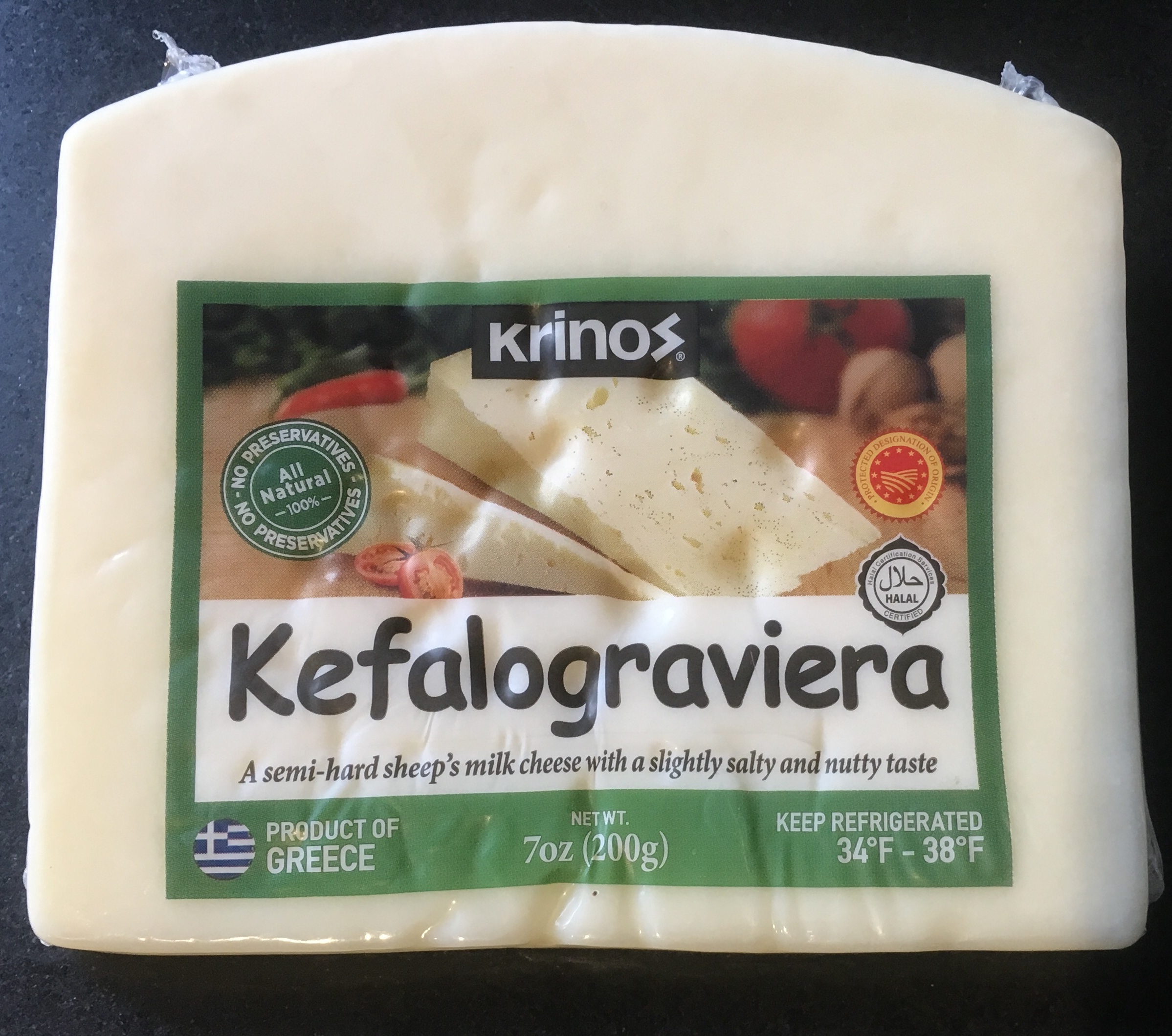
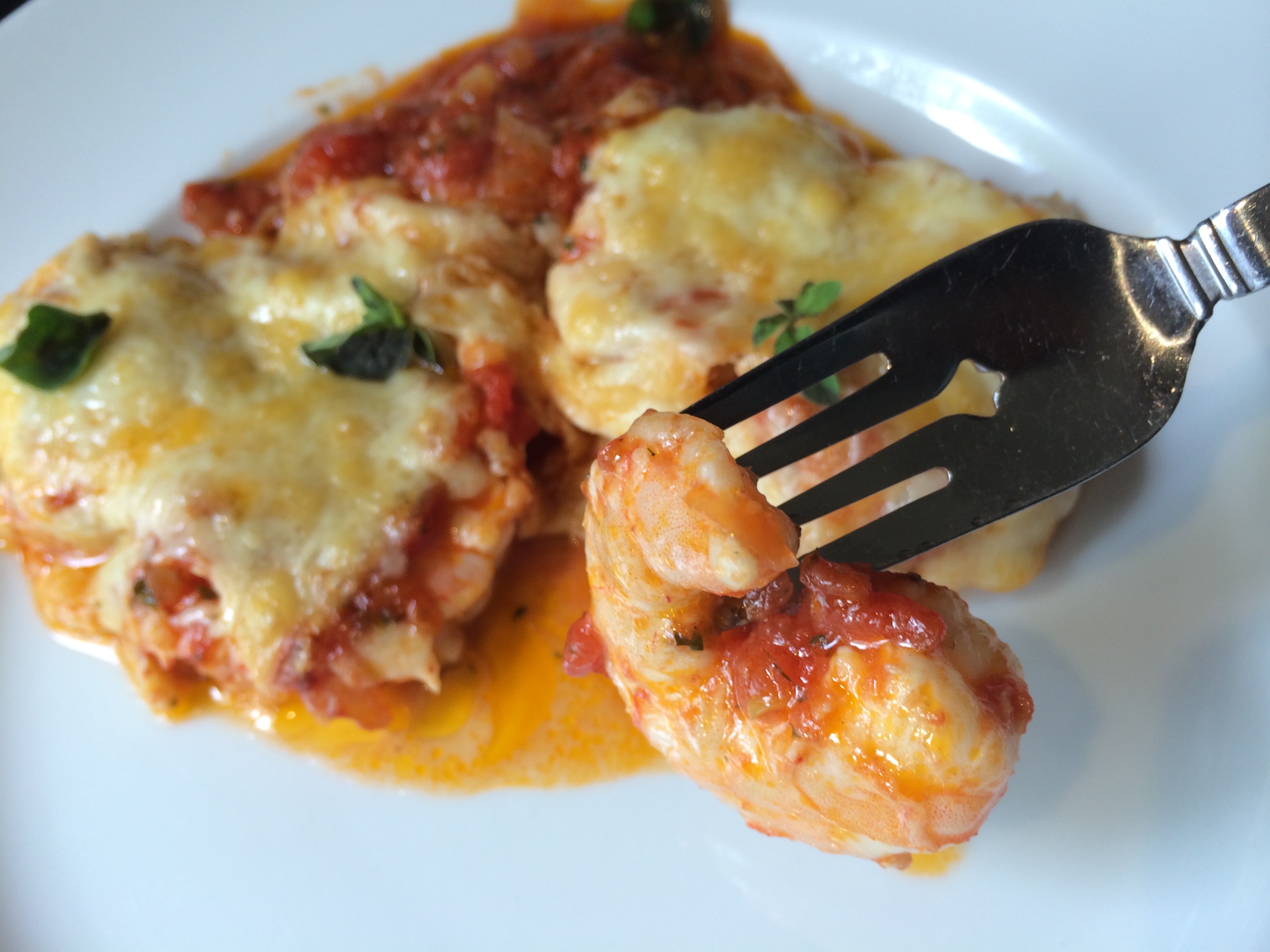
I found a slab of Graviera cheese at a local supermarket, and decided to recreate shrimp saganaki using that instead of feta. It was pretty darn amazing.
I like using peeled and deveined 24–30 shrimp, because larger shrimp don’t always cook through. These smaller shrimp will be bite-sized and delicious.
200g package (7 oz.) grated Graviera cheese
1 can (28 oz.) whole tomatoes
1 lb. (about 24) shrimp, thawed, peeled and deveined
1 medium onion, chopped
juice of 1/2 lemon
1/4 cup olive oil
2 cloves garlic, through a press
pinch red pepper flakes
1 1/2 tablespoons fresh dill, finely chopped
1 tablespoon fresh oregano, finely chopped
1 1/2 tablespoons Ouzo
salt and pepper
Peel and devein the shrimp (or you can buy them that way already.) Place them in a bowl. Squeeze the juice of 1/2 of a lemon on to the shrimp and toss. Set them aside.
In a large pan, sauté the onions in the olive oil until translucent. Add the garlic and cook for a few seconds more.
Crush or puree the tomatoes and add them to the pan. Add the red pepper flakes, dill and oregano, and salt and pepper. Add the Ouzo.
Let this sauce cook down for a bit until all the flavors have blended together.
Pour a layer of the sauce on the bottom of a metal broiler-proof pan. Lay the raw shrimp in a single layer into the sauce. Cover the shrimp with the rest of the sauce and sprinkle the grated Graviera on top.
Place the pan in a pre-heated 350-degree oven and bake until the cheese is golden brown and bubbly and the shrimp have cooked through. I like to finish it under the broiler for a few minutes to get the cheese brown and melty.
GREEK-STYLE SHRIMP
Posted: August 9, 2022 in Food, Recipes, restaurants, san marzano, Santorini, seafood, shrimp, travel, UncategorizedTags: food, Greece, recipes, saganaki, Santorini, seafood, shrimp
Though it may sound Japanese, the word “saganaki” refers to a small frying pan used in Greek cooking. The most famous of these dishes, simply called saganaki, is a fried cheese, often flamed at the end with a little ouzo.
Shrimp saganaki is one of my favorite Greek dishes, and it usually involves cooking shrimp in a tomato-based sauce with plenty of feta cheese sprinkled in. It’s simple yet fantastic if the ingredients are fresh. Doesn’t hurt to be sitting in a taverna on the beautiful island of Santorini while eating it, either!
I found a slab of Graviera cheese at a local supermarket, and decided to recreate shrimp saganaki using that instead of feta. It was pretty darn amazing.
I like using peeled and deveined 24–30 shrimp, because larger shrimp don’t always cook through. These smaller shrimp will be bite-sized and delicious.
200g package (7 oz.) grated Graviera cheese
1 can (28 oz.) whole tomatoes
1 lb. (about 24) shrimp, thawed, peeled and deveined
1 medium onion, chopped
juice of 1/2 lemon
1/4 cup olive oil
2 cloves garlic, through a press
pinch red pepper flakes
1 1/2 tablespoons fresh dill, finely chopped
1 tablespoon fresh oregano, finely chopped
1 1/2 tablespoons Ouzo
salt and pepper
Peel and devein the shrimp (or you can buy them that way already.) Place them in a bowl. Squeeze the juice of 1/2 of a lemon on to the shrimp and toss. Set them aside.
In a large pan, sauté the onions in the olive oil until translucent. Add the garlic and cook for a few seconds more.
Crush or puree the tomatoes and add them to the pan. Add the red pepper flakes, dill and oregano, and salt and pepper. Add the Ouzo.
Let this sauce cook down for a bit until all the flavors have blended together.
Pour a layer of the sauce on the bottom of a metal broiler-proof pan. Lay the raw shrimp in a single layer into the sauce. Cover the shrimp with the rest of the sauce and sprinkle the grated Graviera on top.
Place the pan in a pre-heated 350-degree oven and bake until the cheese is golden brown and bubbly and the shrimp have cooked through. I like to finish it under the broiler for a few minutes to get the cheese brown and melty.
GREEK-STYLE SHRIMP
Posted: September 12, 2020 in Food, Recipes, restaurants, san marzano, Santorini, seafood, shrimp, travel, UncategorizedTags: food, Greece, recipes, saganaki, Santorini, seafood, shrimp
Though it may sound Japanese, the word “saganaki” refers to a small frying pan used in Greek cooking. The most famous of these dishes, simply called saganaki, is a fried cheese, often flamed at the end with a little ouzo.
Shrimp saganaki is one of my favorite Greek dishes, and it usually involves cooking shrimp in a tomato-based sauce with plenty of feta cheese sprinkled in. It’s simple yet fantastic if the ingredients are fresh. Doesn’t hurt to be sitting in a taverna on the beautiful island of Santorini while eating it, either!
I found a slab of Graviera cheese at a local supermarket, and decided to recreate shrimp saganaki using that instead of feta. It was pretty darn amazing.
I like using peeled and deveined 24–30 shrimp, because larger shrimp don’t always cook through. These smaller shrimp will be bite-sized and delicious.
200g package (7 oz.) grated Graviera cheese
1 can (28 oz.) whole tomatoes
1 lb. (about 24) shrimp, peeled and deveined
1 medium onion, chopped
juice of 1/2 lemon
1/4 cup olive oil
2 cloves garlic, through a press
pinch red pepper flakes
1 1/2 tablespoons fresh dill, finely chopped
1 tablespoon fresh oregano, finely chopped
1 1/2 tablespoons Ouzo
salt and pepper
Peel and devein the shrimp (or you can buy them that way already.) Place them in a bowl. Squeeze the juice of 1/2 of a lemon on to the shrimp and toss. Set them aside.
In a large pan, saute the onions in the olive oil until translucent. Add the garlic and cook for a few seconds more.
Crush or puree the tomatoes and add them to the pan. Add the red pepper flakes, dill and oregano, and salt and pepper. Add the Ouzo.
Let this sauce cook down for a bit until all the flavors have blended together.
Pour a layer of the sauce on the bottom of a metal broiler-proof pan. Lay the raw shrimp in a single layer into the sauce. Cover the shrimp with the rest of the sauce and sprinkle the grated Graviera on top.
Place the pan in a pre-heated 350-degree oven and bake until the cheese is golden brown and bubbly and the shrimp have cooked through. I like to finish it under the broiler for a few minutes to get the cheese brown and melty.
GREEK-STYLE SHRIMP
Posted: January 6, 2019 in Food, Recipes, restaurants, san marzano, Santorini, seafood, shrimp, travel, UncategorizedTags: food, Greece, recipes, saganaki, Santorini, seafood, shrimp
Though it may sound Japanese, the word “saganaki” refers to a small frying pan used in Greek cooking. The most famous of these dishes, simply called saganaki, is a fried cheese, often flamed at the end with a little ouzo.
Shrimp saganaki is one of my favorite Greek dishes, and it usually involves cooking shrimp in a tomato-based sauce with plenty of feta cheese sprinkled in. It’s simple yet fantastic if the ingredients are fresh. Doesn’t hurt to be sitting in a taverna on the beautiful island of Santorini while eating it, either!
I found a slab of Graviera cheese at a local supermarket, and decided to recreate shrimp saganaki using that instead of feta. It was pretty damn amazing.
I like using 24–30 shrimp, because larger shrimp don’t always cook through. These smaller shrimp will be bite-sized and delicious.
200g package (7 oz.) grated Graviera cheese
1 can (28 oz.) whole tomatoes
1 lb. (about 24) shrimp, peeled and deveined
1 medium onion, chopped
juice of 1/2 lemon
1/4 cup olive oil
2 cloves garlic, through a press
pinch red pepper flakes
1 1/2 tablespoons fresh dill, finely chopped
1 tablespoon fresh oregano, finely chopped
1 1/2 tablespoons Ouzo
salt and pepper
Peel and de-vein the shrimp (or you can buy them that way already.) Squeeze the juice of 1/2 of a lemon on to the shrimp and toss. Set aside.
In a large pan, saute the onions in the olive oil until translucent. Add the garlic and cook for a few seconds more.
Crush or puree the tomatoes and add to the pan. Add the red pepper flakes, dill and oregano, and salt and pepper. Add the Ouzo.
Let this sauce cook down for a bit until all the flavors have blended together.
Pour a layer of the sauce on the bottom of a metal broiler-proof pan. Lay the raw shrimp in a single layer into the sauce. Cover the shrimp with the rest of the sauce and sprinkle the grated Graviera on top.
Place the pan in a pre-heated 350-degree oven and bake until the cheese is golden brown and bubbly and the shrimp have cooked through.
FOOD AND DRINK OF SANTORINI, GREECE
Posted: July 14, 2016 in Drinks, Food, Santorini, travel, wineTags: BEER, fava, food, Greece, Hatzidakis, raki, Santorini, travel, wine
Greek food is some of the most delicious I’ve ever eaten. It rivals Italian and French cuisine, yet has nowhere near the fan base. It’s the same with Greek spirits. The island of Santorini offers many wonderful choices, and it would be a sin not to taste them all!
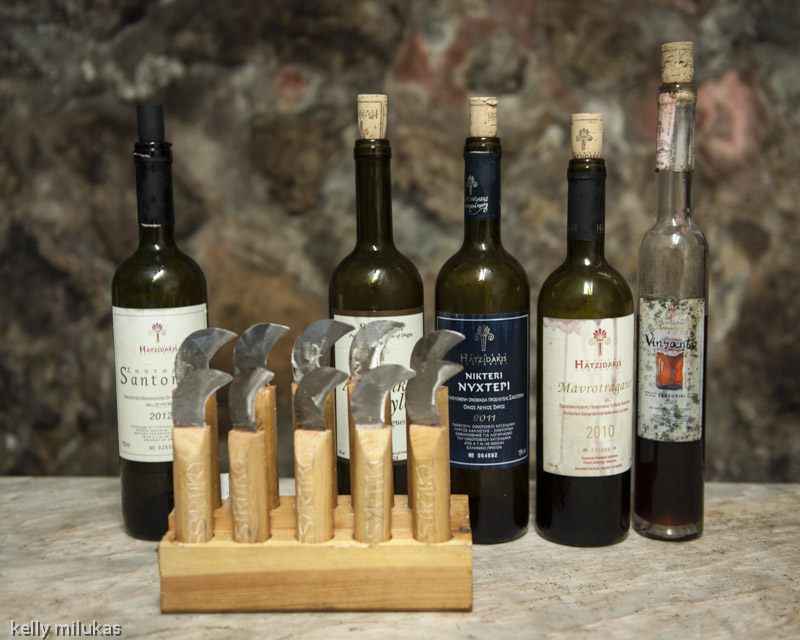
Santorini is magical. It’s why we keep coming back. But just as wonderful as the white buildings stacked on the cliffsides of this island are the people, and the native food and drink they offer. One such place is the Hatzidakis winery in the town of Pirgos.
They don’t have a fancy tasting room. They don’t do tours. They don’t have an amazing view of the water or the island. They don’t even hold regular visiting hours. They simply have the best wine on the island.
And that’s exactly why we go. Haridimos “George” Hatzidakis is all about his grapes. Ask anyone on Santorini what the best wine is, and you will get “Hatzidakis” as the answer every time.
Sure, there are huge wineries with tasting rooms that overlook the water. That’s where the tour buses take the cattle that arrive in Fira on cruise ships. And that’s the last place we want to be.
Hatzidakis wine is about the soil, the grapes, the climate. It’s also about the passion of the handful of people who work hard to make it.
It’s hard to find Hatzidakis in the United states (unless you look in my wine cellar, because we bring home as much as we can!!) Much of it is scooped up and exported to France…and much to our happy surprise, we’ve had a bottle of the Hatzidakis Assyrtyko in Paris at Le Baratin.
For the most part, you’ll have to go to Santorini to experience the magic of this incredible wine. And that’s not a bad thing. Because the wine is much like the people of Santorini: beautiful and worth every bit of time it takes to get there.
Aside from wine in Santorini, our most recent visit a few years ago introduced us to a local drink called Raki. Kind of like grappa on steroids, it’s the national drink of Turkey, popular here as well, and often served as a digestif before dinner. It’s a drink that can definitely get you in trouble.
Also new (to us) in Santorini was Red Donkey, a locally brewed beer. It was a welcome treat on those very hot and dry summer days. Unfiltered and delicious.
As for local foods, nothing is better than a salad featuring the sharp tang of Santorini tomatoes. Much like the grapes of this island, the tomatoes grow in volcanic soil. Rain is scarce, and so the tomatoes, like the grapes, stay small but intense, bursting with flavor.
Capers and caper berries, stuffed into empty plastic water bottles, are sold on the side of the road by local farmers.
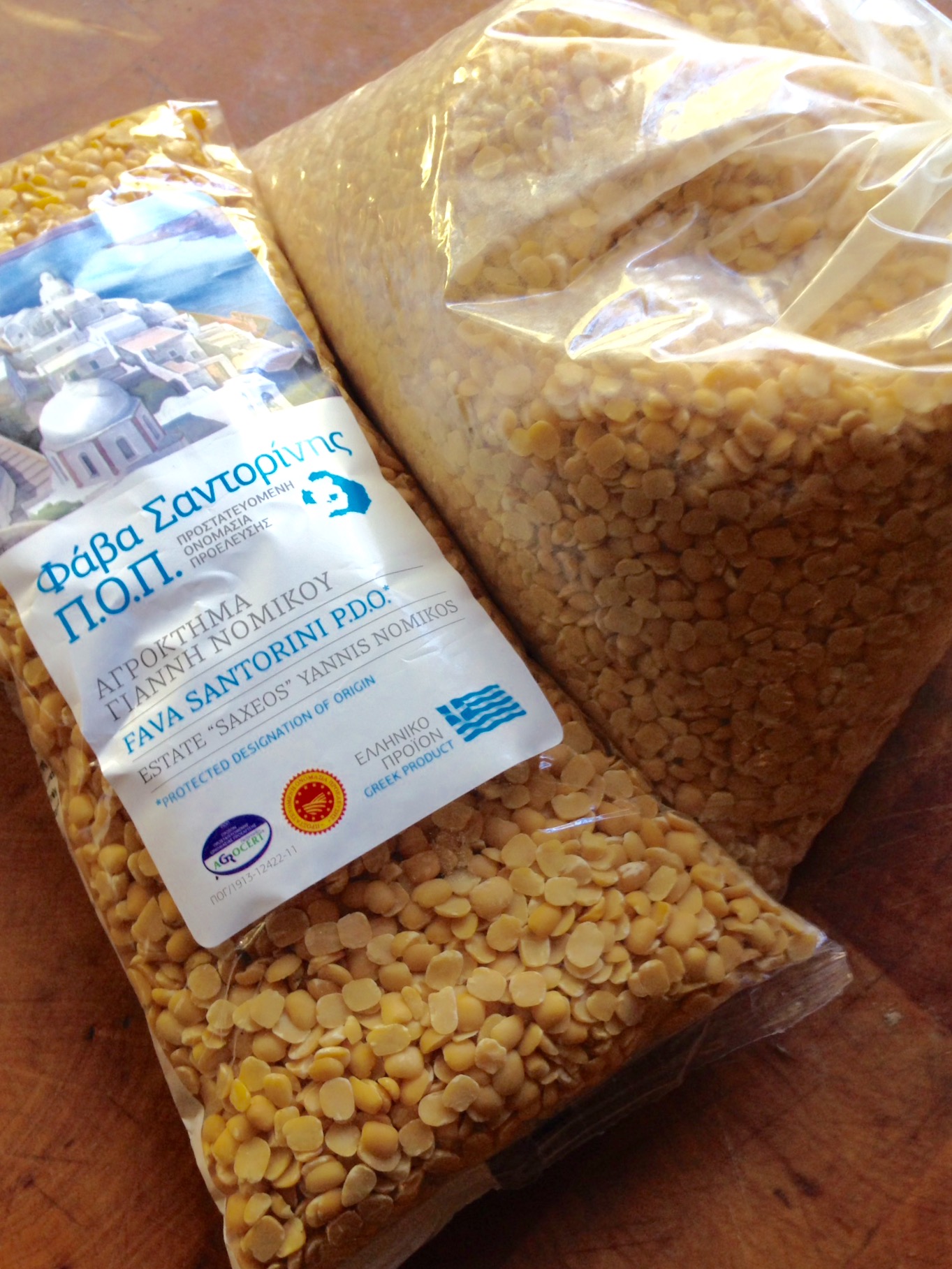
Perhaps the most unlikely food item we bring home from Santorini is what they call “fava,” but it’s not the bean we usually associate with that name. Originally, broad beans were used in this dish, but quickly it changed to a type of yellow shelled lentil that is much smaller and flavorful than its American counterpart. The lentil is smaller and the art of turning this simple gem into a sublime porridge is worth learning.
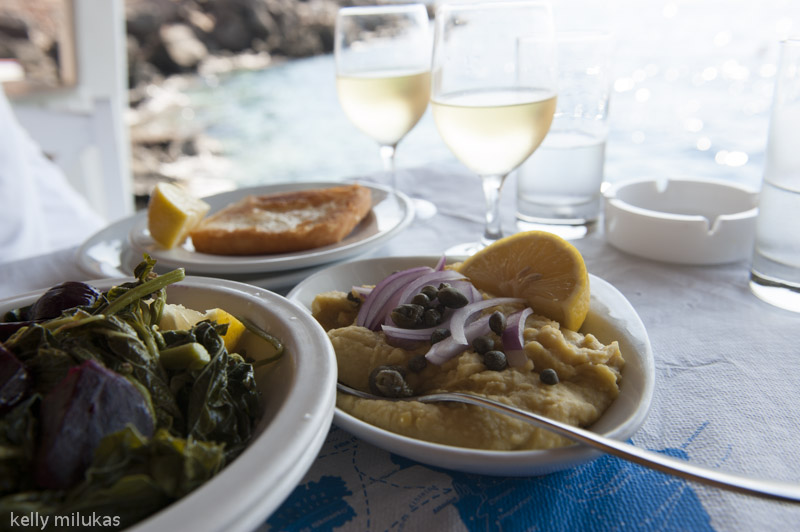
As common in Santorini as pasta is in Italy, grains of fava have been found in archaeological sites in the ancient city of Akrotiri (on the southern side of Santorini) dating as far back as 3500 years ago. Every taverna on the island offers their own version of fava, and though the differences are subtle, they can be significant.
Most recipes start with the dried lentils, which are washed thoroughly. They are added to a pot of fresh water and then boiled until the water reduces and the lentils slowly absorb the liquid and soften into a porridge. Often chopped onion is added to the pot of water in the very beginning, so that it completely dissolves and flavors the fava. Some recipes call for a subtle mixture of local dried herbs, similar to oregano and thyme, to be wrapped in cheesecloth and added to the pot to infuse flavor.
Like making a great Italian tomato sauce, cooking fava is a labor love. It requires low heat and constant stirring to make it perfectly smooth. Often it is pureed in a blender at the end.
When the fava is ready to serve, the toppings can vary. Thin slices of red onion and a liberal drizzle of Greek olive oil are common. Sometimes it is topped with locally harvested and brined caper berries or caper berry leaves, or a few kalamata olives.
On our last trip to Santorini, our most memorable fava dishes were a simple and rustic, with onion, capers, olive oil and a side of lemon. One of our favorite restaurants, Dimitris in Amoudi, serves it this way.
We bought our fava from several people, including this beautiful ageless woman, who remembered us from our previous visit. 
We’re hoping still be here on this magical island when we visit in a couple of weeks!
SIMPLE, MAGICAL SANTORINI FAVA
Posted: October 18, 2015 in bacon, Food, Recipes, Santorini, travelTags: fava, food, Greece, porridge, recipes, Santorini, split pea
1/2 cup olive oil
4 strips bacon, finely chopped
1/2 onion, finely chopped
4 cups water
2 cups chicken stock (I use homemade)
2 cups fava or yellow split peas, rinsed in a colander
salt and pepper
GREEK-STYLE SHRIMP
Posted: June 27, 2015 in Food, restaurants, Santorini, seafood, shrimp, travel, UncategorizedTags: food, Greece, recipes, saganaki, Santorini, seafood, shrimp
Though it may sound Japanese, the word “saganaki” refers to a small frying pan used in Greek cooking. The most famous of these dishes, simply called saganaki, is a fried cheese, often flamed at the end with a little ouzo.
Shrimp saganaki is one of my favorite Greek dishes, and it usually involves cooking shrimp in a tomato-based sauce with plenty of feta cheese sprinkled in. It’s a simple yet fantastic dish if the ingredients are fresh. Doesn’t hurt to be sitting in a taverna on the beautiful island of Santorini while eating it, either!
I had a slab of Graviera cheese from my most recent trip to Santorini, and decided to recreate shrimp saganaki using that instead of feta. It was pretty damn amazing…
300 g grated Graviera cheese
1 can (28 oz) whole tomatoes
1 lb (about 24) shrimp, peeled and deveined
1 medium onion, chopped
juice of 1/2 lemon
1/4 cup olive oil
2 cloves garlic, through a press
pinch red pepper flakes
1 1/2 tablespoons fresh dill, finely chopped
1 tablespoon fresh oregano, finely chopped
1 1/2 tablespoons Ouzo
salt and pepper
Peel and de-vein the shrimp. Squeeze the juice of 1/2 of a lemon on to the shrimp and toss. Set aside.
In a large pan, saute the onions in the olive oil until translucent. Add garlic and cook for a few seconds more.
Crush or puree tomatoes and add to the pan. Add red pepper flakes, dill and oregano, and salt and pepper. Add Ouzo.
Let this sauce cook down for a bit until all the flavors have blended together.
Pour a layer of the sauce on the bottom of a metal broiler-proof pan. Lay the shrimp in a single layer into the sauce. Cover the shrimp with the rest of the sauce and sprinkle the grated Graviera on top.
Place the pan in the broiler and cook until the cheese is brown and bubbly.
FOOD AND DRINK OF SANTORINI, GREECE
Posted: June 24, 2015 in Drinks, Food, Santorini, travel, wineTags: BEER, fava, food, Greece, Hatzidakis, raki, Santorini, travel, wine
Greek cuisine is some of the most delicious food I’ve ever eaten. It rivals Italian and French cuisine, yet has nowhere near the fan base. It’s the same with Greek spirits. The island of Santorini offers many wonderful choices, and it would be a sin not to taste them all!
The island of Santorini is magical. But just as wonderful as the white buildings stacked on the cliffsides of this island are the people, and the native food and drink they offer. One such place is the Hatzidakis winery in the town of Pirgos.
They don’t have a fancy tasting room. They don’t do tours. They don’t have an amazing view of the water or the island. They don’t even hold regular visiting hours. They simply have the best wine on the island.
And that’s exactly why you need to go. Haridimos “George” Hatzidakis is all about his grapes. Ask anyone on Santorini what the best wine is, and you will get “Hatzidakis” as the answer every time.
Sure, there are huge wineries with tasting rooms that overlook the water. That’s where the tour buses take the cattle that arrive in Fira on cruise ships. Why would you want to hang with them?
Hatzidakis wine is about the soil, the grapes, the climate. It’s also about the passion of the handful people who work hard to make it.
You can’t find Hatzidakis in the United states (unless you look in my wine cellar, because we bring home as much as we can!!) Much of it is scooped up and exported to France…and much to our happy surprise, we’ve had a bottle of the Hatzidakis Assyrtyko in Paris at Le Baratin.
But for the most part, you’ll have to go to Santorini to experience the magic of this incredible wine. And that’s not a bad thing. Because the wine is much like the people of Santorini: beautiful and worth every bit of travel hassles to get there.
Aside from wine in Santorini, our most recent visit a few years ago introduced us to a local drink called Raki. Kind of like grappa on steroids, it’s the national drink of Turkey, popular here as well, and often served as a digestif before dinner. It’s a drink that can definitely get you in trouble.
Also new (to us) in Santorini was Red Donkey, a locally brewed beer. It was a welcome treat on those very hot and dry summer days on this beautiful island. Unfiltered and delicious.
As for local foods, nothing is better than a salad featuring the sharp tang of Santorini tomatoes. Much like the grapes of this island, the tomatoes grow in volcanic soil. Rain is scarce, and so the tomatoes, like the grapes, stay small but intense, bursting with flavor.
Capers and caper berries, stuffed into empty plastic water bottles, are sold on the side of the road by local farmers.
Perhaps the most unlikely food item we have to bring home from Santorini is what they call “fava,” but it’s not the bean we usually associate with that name. Originally, broad beans were used in this dish, but quickly it changed to a type of yellow shelled lentil that is much smaller and flavorful than its American counterpart. The lentil is smaller and the art of turning this simple gem into a sublime porridge is worth learning.
As common in Santorini as pasta is in Italy, grains of fava have been found in archaeological sites in the ancient city of Akrotiri (on the southern side of Santorini) dating as far back as 3500 years ago. Every taverna on the island offers their own version of fava, and though the differences are subtle, they can be significant.
Most recipes start with the dried lentils, which are washed thoroughly. They are added to a pot of fresh water and then boiled until the water reduces and the lentils slowly absorb the liquid and soften into a porridge. Often chopped onion is added to the pot of water in the very beginning, so that it completely dissolves and flavors the fava. Some recipes call for a subtle mixture of local dried herbs, similar to oregano and thyme, to be wrapped in cheesecloth and added to the pot to infuse flavor.
Like making a great Italian tomato sauce, cooking fava is a labor love. It requires low heat and constant stirring to make it perfectly smooth. Often it is pureed in a blender at the end.
When the fava is ready to serve, the toppings can vary. Thin slices of red onion and a liberal drizzle of Greek olive oil are common. Sometimes it is topped with locally harvested and brined caper berries or caper berry leaves, or a few kalamata olives.
On our recent trip to Santorini, our most memorable fava dishes were a simple, rustic version with onion, capers, olive oil and a side of lemon at Dimitris in Amoudi, and a light-as-a-cloud creamy fava topped with caper berry leaves and olive oil at Roka in Oia.
We bought our fava from several people, including this beautiful ageless woman, who remembered us from our previous visit.
I have no doubt that she’ll still be here on this magical island on our next visit as well!