Author Archive

TAVERNAS OF SANTORINI

Posted: October 17, 2013 in Food, travel, Uncategorized
Tags: , , ,

There’s a reason why the Greek island of Santorini constantly wins the “most beautiful island” awards in travel magazines. It is stunning. But the awards have also lured cruise ships and all that is wrong with them. To fully appreciate Santorini, and the many wonderful restaurants and tavernas that dot this island, you need to get away from the crowds, and away from Fira in particular, where cruise ships drop off clueless tourists by the thousands.

The best way to get to most of these places is with a rental car, so make it part of your plan to see a few nearby sights and to stop at these eateries along the way…

METAXY MAS

Trip: Explore the central region of Santorini. Go to the ancient city of Thira, high atop a mountain. A fascinating trip through time. Go to the island’s best winery, Hatzitakis in Pyrgos, and taste some of their wines. The place is not fancy, but the wine is amazing. Santos is certainly a more popular and prettier winery, with breathtaking views of the island, but  their wines are just OK. We go to the beaches of Kamari in the late afternoon, when the throngs of tourists have left for the day. The water’s warm, and the beaches are quiet.

What a fun food adventure! Metaxy Mas is a taverna located in Exo Gonia, behind a church, down a steep cobblestone driveway. From the road, you can barely see the small “Metaxy Mas” sign. But you do see a hand-painted sign with an arrow saying “taverna.” You follow it past the church courtyard, past a kids’ playground, and suddenly, it opens up to a view that overlooks Santorini. The restaurant is small, but they’ve got some kind of deal going on with an office building next door that allows them to places a bunch of tables outdoors on the patio.
Wherever you sit, the food, the hassle and the crowds are worth it.
It was our first try at Cretan food and it was wonderful. Do not miss the pan-fried crusted feta cheese….or the asparagus swimming in a cheese sauce that begs to have the plate licked clean…or a fried cheese that rivals the best Saganaki. The pork chops with orange sauce were tender and not overpowered by the tanginess of the citrus.
The dining begins with a shot of a local spirit called Raki, a kind of grappa, that will get your digestive juices going. And it ends with a warm, citrusy liqueur and a bite of homemade cheesecake that simply rounds out an amazing meal.
Get a reservation. don’t expect to walk in and find a table. It’s that good.

Metaxy Mas wine


GIORGAROS TAVERNA

Trip: Visit the incredible ruins at Akrotiri, worth a visit even on the hottest of days, since it’s all indoors. Explore the red beach nearby. Drive to the lighthouse, just to say you’ve been to the very tip of Santorini. And then stop in Faros for a great meal at Giorgaros.

We first stumbled upon Giorgaros Taverna five years ago, while exploring the very end of Santorini, near the lighthouse. The fish was incredibly fresh and the view breathtaking, all run by a hard-working friendly family that took pride in their establishment.
We returned this year, and fortunately, little has changed. Our server, who was a young girl five years ago, has grown up, and once again, she led us to the kitchen, where all the fresh seafood was stored in refrigerated drawers: sea bream, red mullet, lobsters, and several critters we didn’t recognize.
The pan-fried fish was like candy. And our special order of lobster with pasta came with a sauce that was so magnificent, it’s hard to even describe the fantastic flavors that only an intense homemade fish stock can bring. It took extra time to cook, and it was worth every bit of the wait.
Rent a car, get away from the annoying touristy crowds, visit the amazing ruins at Akrotiri, then head toward the lighthouse and eat at Giorgaros. You will not regret it.

Giorgaros

ROKA

Trip: A visit to Santorini is not complete without a visit to Oia, and not just for the sunset when everybody else goes. Oia is the most strikingly beautiful corner of the island, and it’s worth at least a couple of days to explore the shops, the art galleries, to walk down the steps to Amoudi Bay, and to ride a donkey back up, Get your best walking shoes on and be prepared to climb a lot of steps! Whenever we visit Santorini, we always stay at a hotel in Oia…our favorite: Esperas. No reason to stay anywhere else.

To use the cliche, Roka is “where the locals go.” This is not a sunset destination. If you’re lucky enough to get a reservation, and then be told how to get there (it’s a little tricky, but not impossible), you get to eat at one of Oia’s best food restaurants. In our one-week stay, we ate there twice. Sure, the outdoor terrace overlooks the local neighborhood, barking dogs included. But the food more than makes up for the real estate.
You must have the fava: light as a cloud and topped with caper berry leaves and olive oil. Great salads. The Manouri cheese, fried then drizzled with honey and sesame seeds: fantastic. Tomato fritters: a Santorini classic. Marinated anchovies in vinegar and rosemary: the best I’ve had anywhere.
Our server, Dimitri, realized he had a couple of foodies on his hands, so we left our main course one night up to him: the ravioli stuffed with anthotiro cheese and a dried cherry basil sauce was terrific. On our second night, we enjoyed a very rich and comforting lamb hock in a lemon sauce. And don’t miss the panacotta for dessert!
The wine list was not mind-blowing, but there are enough good choices to make your meal enjoyable.

Dimitris


DIMITRIS AMOUDI TAVERNA

Trip: While you’re day-tripping in Oia, have lunch in Amoudi. Or better yet…make reservations for the sunset here.

We discovered Dimitri’s ten years ago, on our first trip, re-visited five years ago, then again this year. It has never disappointed us.
Dimitri is the fisherman. His wife, Joy, a Vancouver native, runs the restaurant 7 days a week for the entire 6 month season. No language issues here. And though we never order our food “American style,” if you have food hang-ups (like you can’t stand the sight of a fish head, ya big wuss), Joy can calm your fears.
The local fava dish is rustic and a classic. Saganaki: the best on the island. A delightful beet salad. Great wilted wild greens called Vlita, a kind of amaranth. The seafood menu totally depends on what they’ve caught, and Joy will escort you into the kitchen where you can see all of the day’s catch on ice to make your selections. Never pass up on the (hardwood charcoal) grilled octopus or the fried black cod if they have it. Red mullet is equally fantastic. Deep-fried shrimp are like candy, but beware: you eat them heads, shells, whiskers and all!
Dimitris also has Hatzitakis wine on their menu, our clear choice for best wine in Santorini. And the all-new local Donkey beers are great, too.
Your table is literally on the water: two more inches and you’d fall into Amoudi Bay. The walk down from Oia along the very long stairway that winds down the side of the cliff: absolutely worth it, despite dodging some donkeys and donkey poop. (But take a taxi back up. Joy will call one for you.)
Make a reservation for sunset! Check out the beautiful, brightly colored fishing boats moored in the bay. Share a bottle of wine…or two.

AlKelly Dimitris

The fava at Dimitris Amoudi Taverna

The fava at Dimitris Amoudi Taverna

KASTRO

Trip: Another place to drink or dine while in Oia…

Located Cliffside in Oia, overlooking Amoudi Bay, this is another excellent location for drinks at sunset (reservations a must!) or a really enjoyable meal. Two dishes really knocked our socks off at Kastro. The first: rolled eggplant, with feta cheese and tomato sauce, using the local eggplant that is so much milder than what we’re used to at home–doesn’t even need to be peeled–with local feta cheese and an intense tomato sauce from Santorini tomatoes grown in volcanic soil.

Kastro eggplant

The second amazing dish was what we labeled “an olive donut:” olives stuffed with cream cheese, then dunked in a batter that was then fried and drizzled with honey. Unbelievably good! We came back to Kastro a second time just for those two dishes.

Olive donuts

The salads at Kastro are fresh, inventive and very large…good to share. And the lamb was the best I had on our visit. (How can you not have lamb when in Greece?)

Cliffside view of Kastro

Cliffside view of Kastro

Many years ago, my wife and I visited the Amalfi coast, and we spent several nights on the beautiful island of Capri. On our last night, we dined at the legendary Grand Hotel Quisisana, and our incredible meal ended with a glass of the most delicious limoncello I had ever had.

I asked the waiter if it was possible to get the recipe of the limoncello, and he made a big deal about the fact that the recipe was a “secret.” Though disappointed, I understood, and I left Capri thinking that I would never taste that limoncello again.

Two weeks later, now back at home, I was reading the latest issue of Conde Nast Traveler, and there in black and white, was the Quisisana limoncello recipe! WTF?

My twist on the recipe: instead of lemons, use grapefruit. I’ve tried other citrus, too, like oranges, but grapefruit-cello is fantastic!

Sampling vintage limoncello and grapefruit-cello,  aged 2 years or more

Sampling vintage limoncello and grapefruit-cello, aged 2 years or more

Four ingredients, easy to make. The toughest part is waiting for it to mellow a bit.

Ingredients:

4 lbs lemons, zest only

2 750-ml bottles 100 proof vodka (I prefer Absolut)

5 1/2 cups sugar

6 cups filtered water

Peel the zest off all the lemons, making sure you don’t get any of the white pith that could make the limoncello bitter. Place all the zest in the bottom of a glass jar with a lid that can hold all the vodka.

Pour the vodka on top of the lemon zest pieces, seal the container, and keep at room temperature for a week, swirling the jar around gently once a day.

On the sixth day, combine the sugar and water in a pot over medium-high heat, and stir until all the sugar completely dissolves. Remove from the heat, cover, and let it thoroughly cool to room temperature (overnight is best.)

On day seven, strain the lemon zest, pouring the infused vodka into a clean glass jar. Discard the lemon zest.

Pour the sugar/water mixture into the vodka and mix well.

At this point, you can pour the finished product into individual bottles, but let it mellow for about a month before drinking.

I keep my limoncello refrigerated.

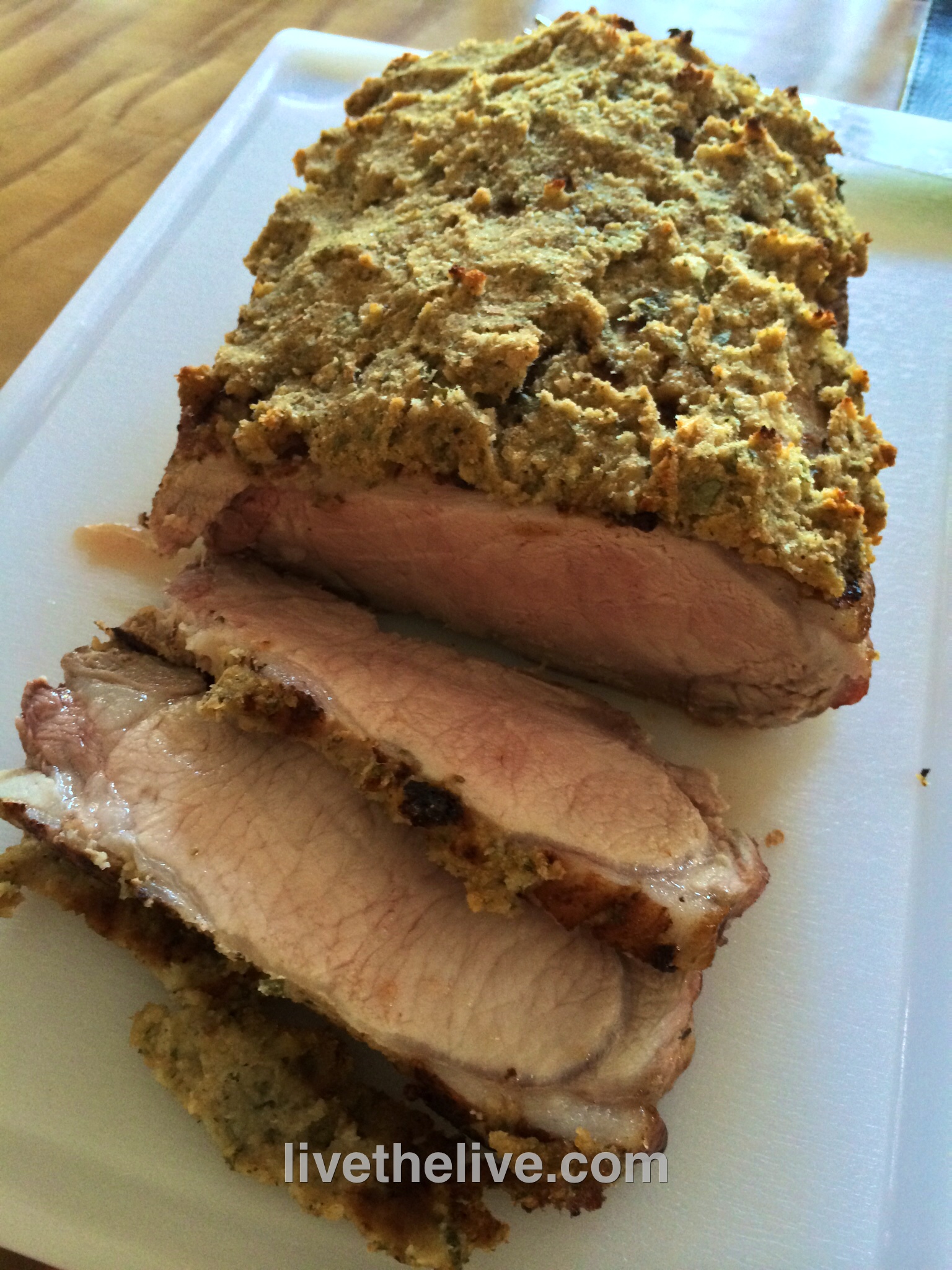
“Cope” chops are the creation of my long-time radio buddy, Marc Coppola, who is heard here in Providence, RI mid-days at our sister station B-101, and on stations throughout the country. Cope and I started in radio at WBAB on Long Island back in the early 80’s. He had the afternoon drive shift, and I was on after him from 7 to midnight. After his show, Cope would remove a hibachi grill out of the trunk of his car, light some charcoal in the radio station parking lot, and he’d grill up the most amazing pork chops I’ve ever had. They were thin, but juicy and beautifully charred, with a wonderful saltiness. He called ’em Cope chops, and we’d eat them by the stack, wrapping the hot bone of the chop with a paper towel, and then just chowing down. It was a great memory, and one that I regularly re-live by grilling Cope chops at home even today.

After three decades, I’m not sure if my Cope chop recipe is the same as the original, but they are damn good and incredibly easy to make.

Ironically, for this recipe, I don’t go all out and spend big money on thick, expensive pork chops. I want them thin, fatty and with the bone in. The secret to the success of these chops is to cook them hot and fast, sealing in the juices.

Cope chops

Ingredients:

Thin-cut pork chops

Dry white wine (I use an unoaked inexpensive chardonnay, like Alice White)

Lawry’s seasoned salt

Place the pork chops in a flat bowl, and pour the chardonnay over the top, making sure you cover the chops with the wine. Let them marinate in the wine for at least an hour, flipping them over halfway through so that all sides get covered by the wine.

Light a hot hardwood charcoal fire.

Pour off the wine from the chops and discard. Place the chops on the hot grill and season the top with the Lawry’s seasoned salt. Once they’ve charred nicely, flip the chops over and season the other side. Grill until the chops are cooked all the way through, but not dry. Serve immediately.

Now’s the time to head to your local farm stand and pick up a bag of gorgeous plum tomatoes, before the season is gone! And this is what you do with them…

These are not sun-dried tomatoes. They’re better, because fresh plum tomatoes are still moist after roasting, with a bit of that magic tomato liquid in every cup! A great, simple platter to offer at parties.

Tomatoes before

Tomatoes before

Ingredients:

12 to 18 halved, seeded plum tomatoes

1/4 cup extra virgin olive oil

2 tablespoons organic cane sugar

Freshly ground pepper

Fleur de Sel or sea salt

Pre-heat oven to 250.

Line a baking sheet with foil and rub it lightly with olive oil.

Arrange halved and seeded tomatoes on it in a single layer, cut side up. Drizzle evenly with 1/4 cup olive oil, sprinkle with 2 tablespoons sugar, and season with pepper to taste.

Bake the tomatoes until they are still juicy but slightly wrinkled, about 3 hours. Transfer to a platter and let cool slightly.

Just before serving, sprinkle tomatoes with Fleur de Sel, and garnish if you like, with chopped parsley leaves, mint leaves, or basil.

Tomatoes after

Tomatoes after

In the past, whenever I reached for the smoker, it was always for a slab of meat: brisket, pork shoulder, ribs. I’m surprised it took me this long to finally smoke some fish. What have I been waiting for?

Brining and smoking fish, in this case a hunk of wild-caught Alaskan salmon, is really not difficult to do at all: you brine the fish in a simple salt, pepper and sugar solution for a few hours, let the hunk of fish dry, then throw it in a smoker for a couple of hours. It’s really that easy. This method is called hot smoking, not the cold smoking you often see described on packages of store-bought salmon. Cold smoking is a process that takes days and requires equipment that most homeowners don’t have, and don’t need.

About the fish: I’m not a fan of traditionally cooked or poached salmon. I like it raw or I like it smoked. I never buy Atlantic salmon or any other farm-raised salmon because of the way they raise them: in large pens out in the ocean, fed food pellets and antibiotics, over-crowded and diseased, polluting the waters around them with waste.

Wild-caught fish are just that: they eat their natural food sources. They are not crowded so they don’t need antibiotics. And you can tell the difference when you look at the beautiful bright orange flesh. Does the good stuff cost more? Of course. Worth every bit.

Though I try to make sure all the small bones have been removed from my fish, I like to keep the skin on the filet, because it helps hold it together in the smoker. I always keep the fish cold in the fridge until it is ready to be brined.

salmon

For the brine:

1 gallon water
1cup Kosher salt
1cup organic raw sugar
1/2 teaspoon freshly ground black pepper

Combine the ingredients in a large pitcher made of glass or plastic and refrigerate until very cold.

When the brine is cold, remove the fish from the fridge and place it skin down in a glass or plastic container that will hold the filet without folding it over. Carefully pour the brine over the fish and make sure the fish is covered completely with the brine. If the fish filet starts to float, place a dish on it to push it down and then put the lid over the container. Place the container back in the fridge and brine for anywhere from 6 to 12 hours. (I always go for less than more. I’d rather have less salty than too salty.)

Once the fish has been brined, remove it from the container and rinse it well under fresh water. Pat it dry with paper towels and place it where it will get air circulating all around it. I use a small rack that stands an inch over a sheet pan. If you leave the fish out at room temp, do it for no more than an hour. Otherwise, it can stay in the fridge for up to 3 hours.

As the fish dries, it will form a shiny coat on the surface called a pellicle. This will actually help the smoke molecules adhere to the fish.

Start up your smoker. I use a digital smoker that runs on electricity, so I pre-heat to 220 degrees. When the fish has dried, I place it in the middle of the smoker and then add hickory chips to the smoker. I smoke the fish for about 2 hours, until the internal temperature of the fish is about 140.

Once it is smoked, I let the fish cool to room temp before I wrap it tightly and place it in the fridge for storage. Eat it within a few days…that should not be a problem!

When I used to go to my favorite barbecue place and asked for a pulled pork sandwich, I didn’t realize just how much work went into making it. But now that I make my own, I have a whole lotta respect for those barbecue guys…

pulled pork

First, I get a hunka pork. The kind of pig I get matters to me, and so I buy a heritage breed, like Berkshire (also known as Kurobuta), from a farm that humanely raises them in an environment that is not only better for the pig, but ultimately better for my family and me as a result.

Going to a supermarket for pork is certainly what most people do, but the names of the cuts of meat can be a bit confusing. Despite its name, pork butt is not from the back-end of the pig. It’s the shoulder. And the pork butt (or pork shoulder) picnic is a lower cut of the same area. These cuts can also go by the following names: Boston shoulder roast, Boston butt, Boston roast, shoulder butt, and shoulder-blade roast. Whatever the name, these are all nicely marbled hunks of pork that usually weigh in anywhere from 6 to 8 lbs, and are easy to find. Bone in or boneless doesn’t matter.

Once I’ve got my slab, I need to season it. I’ve found that a simple rub is the best way to go for the sauce I’m going to use later. Here are the ingredients for the basic rub I use when roasting pork:

BASIC DRY RUB

Ingredients:

1/4 cup kosher salt

1/4 cup black pepper

1/4 cup paprika

¼ cup brown sugar

1 tablespoon granulated garlic

1 tablespoon onion powder

Place all the ingredients in a jar with a lid and shake it up to blend.

Once I’ve made the rub, I generously sprinkle it all over the pork, and rub it in really well. I have a digital smoker at home, which allows me to cook and smoke my pork butt all in one place. I place the pork butt on a rack, put a drip tray underneath it to catch the grease, and set the smoker for 200 degrees. I cook the pork at 200 degrees for about 6 to 8 hours, and then I add hickory chips to the smoker and smoke the butt at 200 degrees for at least another 2 hours. The marbled fat in the pork butt slowly melts over time and the pork becomes incredibly tender and flavorful.

I remove the pork butt from the smoker and let it rest, covered with aluminum foil, for at least 20 minutes before pulling the meat apart with a couple of forks, shredding it into beautiful meaty bits.

While the pork is cooking and smoking, there’s plenty of time to make two other very important parts of this recipe: a vinegar-based barbecue sauce, and the cole slaw.


BARBECUE SAUCE


Ingredients:

1 1/2 cups cider vinegar

1/2 cup ketchup

1 teaspoon salt

1/2 teaspoon cayenne pepper

1/8 teaspoon red pepper flakes

1 tablespoon granulated sugar

1/2 cup water

Combine all the ingredients in a saucepan. Bring to a boil, then simmer and stir until sugar is dissolved. Cool to room temp.


COLE SLAW

My unusual cole slaw recipe uses an interesting ingredient: pickle juice! Just a splash of juice from your favorite jar of pickles is all you need.


Ingredients:

1 package of cole slaw veggies

splash of pickle juice

1/4 cup mayonnaise (more to taste)

teaspoon celery seed (not salt)

salt and pepper

There are no real specific measurements for cole slaw, because I’ve found that some people like it dry, others wet…some peppery, some not. Play around with it and make it your own. I prefer a more mayonnaise-y cole slaw, and usually err on the wet side.

In a bowl, combine all the ingredients. Cover with plastic wrap and chill. When ready to use, re-mix, and taste for seasoning before using.


OK…time to make that sandwich!

I drizzle the barbecue sauce on the pulled pork and mix well…trying not to oversauce the pork! Then I take a nice amount of pork and place it on a freshly baked bun and then add the cole slaw on top. Yes…right on top of the pork! (That’s the way they do it in the Carolinas.)

Whether you go through all this trouble yourself or not, just remember that if you’re at a barbecue joint, someone else did. Whatever you pay for that pulled pork sandwich… it’s a bargain!

Enjoying clams without the clam knife: when you’ve got to feed a crowd, this is a delicious way to do it. Cooking clams on the grill is one of the tastiest ways to enjoy these awesome mollusks. Do it over hardwood charcoal to get that true smokey flavor.

clams on the grill

Ingredients:

A couple of dozen (or more) little neck clams, washed and purged

1 stick (8 oz) of butter

1/4 cup extra virgin olive oil

1/4 cup chopped parsley

1 teaspoon dried oregano

1/2 teaspoon dried basil

1 teaspoon minced garlic

1 teaspoon sea salt

Clams should be stored cold and dry in a fridge until ready to use…not in water, not on ice.

Fill a large bowl with cold water,add sea salt and some corn meal to it, and mix it around. Add the clams to this bowl and let them purge in this liquid for at least an hour. They will suck up the corn meal and spit out sand and grit. After an hour, pour off the water/salt/meal/grit mix, and thoroughly wash the clams.

Start your hardwood charcoal grill and divide it in half: coals on one side, no coals on the other.

While the coals are heating up, grab a disposable aluminum foil tray and place it on a burner on your stove over medium heat. Add the butter, olive oil, parsley, oregano, basil, garlic and salt, and stir to combine. Once the butter has melted and everything has blended, bring the tray over to the charcoal grill and place on the side of the grill without coals. It will stay warm.

Once the coals are hot, just place the clams directly on the grill. (Use tongs, unless you want to remove all of your knuckle hair.) When they start to open, carefully flip them over, trying not to lose any of the precious juices inside the clam. Cook them for as long as you like, from raw, to more thoroughly cooked. As each one reaches its desired doneness, place it in the aluminum tray, making sure it gets swished around in the butter and herb mix.

When all the clams have been cooked and are in the tray, serve with a fresh baguette or even over pasta. A glass of great white wine is a must.

After years of unfailing service, my trusty backpack has decided that its days of journeying are over.

It was all so sudden…

Edges fraying, zippers jammed, stitching coming loose, rubberized grommets dry and brittle, mesh water bottle compartments sagging–their elasticity nothing but a memory–I suppose I simply refused to acknowledge the signs of a life well-traveled coming to an end.

BACKPACK

Over the past five years, my backpack has carried bottles of wine and bags of fava across Santorini…ocean-carved granite stones from Monhegan Island off the coast of Maine…conch shells from the beaches of Anguilla….an unlikely combination of amber and smoked fish off the Baltic coast of Lithuania…jars of pate from gourmet stores in Quebec City…questionable electronics purchased on a street corner in Times Square…crocks of magnificent Maille mustard from Paris…gurgling 5-liter cans of olive oil from Puglia…cryo-vacced sausages from San Sebastian…sacks of Fleur de Sel purchased roadside in Guerande, France…dried fruit and nuts from the Souk in Marrakech…and full-sized, stinky wheels of young Pecorino from an outdoor market in Faro.

My backpack cradled all the things that ensured my safety and comfort on my journeys: passports, wallet, pocket knife, flashlight, a few feet of rope, note pad, business cards for livethelive.com, water, energy bars, Valium and Ambien for those long plane trips, Pepto for those bad food choices, and Immodium for those really bad food choices.
It accompanied me while snorkeling in St John…loading up on pasties and smoked whitefish at the foot of the Mackinac Bridge in Michigan’s Upper Peninsula…swimming with dolphins in Moorea…riding camels along the Morrocan coast in Essouria…slurping oysters by the dozen in Pensacola Beach…flying in a hot air balloon over the vineyards outside of Barcelona…diving off the rocks in Capri…circling the dog track at the New Orleans Jazz Festival…boogie-boarding at Nauset Beach on Cape Cod…touring via helicopter over mountains and glaciers to Milford Sound in New Zealand…and relaxing poolside at the Four Seasons Resort in West Palm Beach.

Always behind me and never a complaint. A fond farewell. Thanks for watching my back, pack.

It’s been 45 years since I watched my grandfather dig the long, dirty, gnarled horseradish roots out of his garden with a sharp spade, lunging at the ground with all of his strength to cut through the thick fibers of the plant.
After harvesting a large piece, he would wash the dirt from it and then peel it, leaving behind a beautifully smooth white root.
He had a large bowl set under a grater, and he would hand grate the horseradish root with incredible speed. But no matter how fast he went, the potent vapors released by the root would make their way to his eyes, and he was forced to stop several times to wipe the tears away with his old handkerchief and regain his composure before returning to grate the root again.
Onions were child’s play compared to horseradish, and I understood why he did all the preparation just outside of the kitchen door of his Queens, NY home.
Once grated, he would add some water, vinegar, and salt, and his prepared horseradish was complete. He’d store it in tightly sealed glass jars in the fridge, and when it was time to sample the goods, he would carefully open a jar, poke his knife in, and spread the prepared horseradish over beef, beets, twice-smoked bacon, or anything else he desired.
I’d watch his face slowly turn red, small beads of perspiration developing on his forehead, and he’d turn and smile at me and tell me: “Labai skanu!” (Very tasty!)

At the age of 10, I couldn’t figure out what he saw in horseradish, but it didn’t take long before I was hooked myself, as it was a staple at any Lithuanian dinner table.

Opting for the stuff that came in a jar in the supermarket, I never made my own prepared horseradish, however, until just last week, a full 45 years later.

I’ve had a huge horseradish plant growing in my garden for years, and I just never got around to doing anything with it. But the other night, as I was preparing my cocktail sauce recipe and I realized that I was out of prepared horseradish, it became clear that the time of reckoning had arrived. It was time, in the finest tradition of my grandfather, to make my own prepared horseradish.

Freshly harvested horseradish roots

Freshly harvested horseradish roots

I went out to the yard with a sharp shovel and lunged at the horseradish plant, splitting a few roots off of the main crown. I pulled them out of the ground, detached the long leaves, and headed back to the kitchen.
Today’s kitchen technology gave me a distinct advantage over my grandfather, and after washing and peeling the root, I chopped it into smaller pieces and tossed them into a food processor. No hand grating necessary!
The processor pulverized the root in no time, and I added water, vinegar and salt as my grandfather did, being very careful not to stick my face too close to the opening of the processor where the vapors were their most powerful.
A small taste on my tongue just about had my eyeballs shoot out of my head, and I muttered silently to myself: “Labai skanu!”

My grandfather would be proud.

Horseradish is a member of the Brassicaceae family, which includes mustard, cabbage, wasabi, and broccoli. The horseradish root itself hardly has any aroma. But when you crush it, enzymes from the broken plant cells produce mustard oil, which irritates the mucous membranes of the sinuses and eyes. To keep the horseradish from losing its pungency and freshness, vinegar must be added immediately.

Prepared Horseradish

Ingredients:

6 oz fresh horseradish root, peeled
6 tablespoons water
3 tablespoons white vinegar
3 pinches of salt

Chop the horseradish root into small pieces and add water, vinegar and salt. Process until proper consistency is reached.
Careful! Use proper ventilation or the vapors will blow your eyeballs and sinuses out!

I love tequila. I love Pimm’s. And I love Dark & Stormies. I’m a lush. This cocktail has an interesting nod to all three.

tequila cup


Ingredients:

3 oz Patron silver tequila
1.5 oz Pimm’s No. 1
1 dash fresh lime juice
Chilled Ginger beer (I use AJ Stephan’s, a local product made with cane sugar, not high-fructose corn syrup)
Ice cubes
Fresh mint
Cucumber slices (optional)

Combine tequila, Pimm’s and lime juice in a highball glass filled with ice.
Place slices of cucumber in the glass, if desired.
Top with Ginger beer and stir gently.
Garnish with mint sprig.