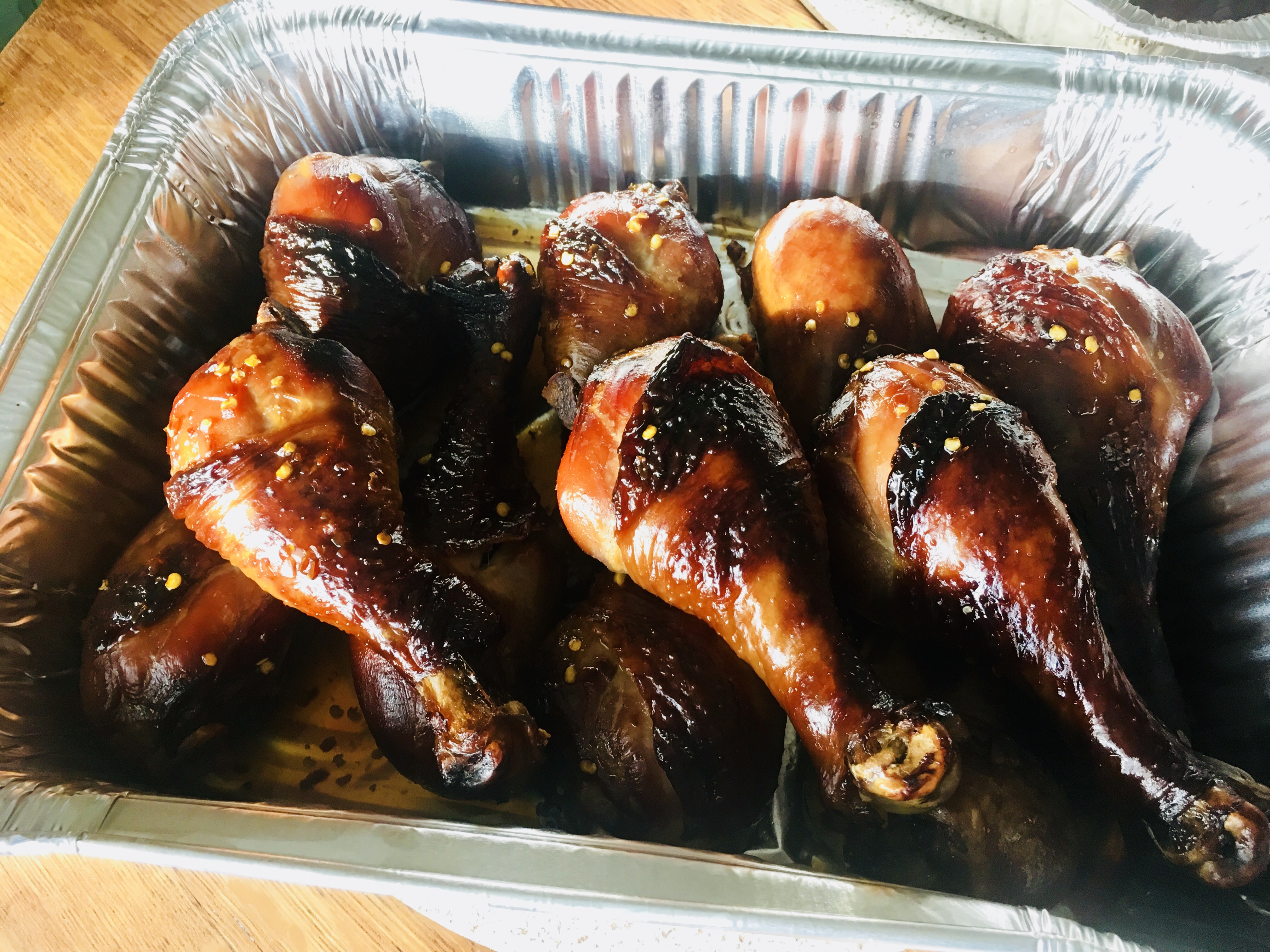
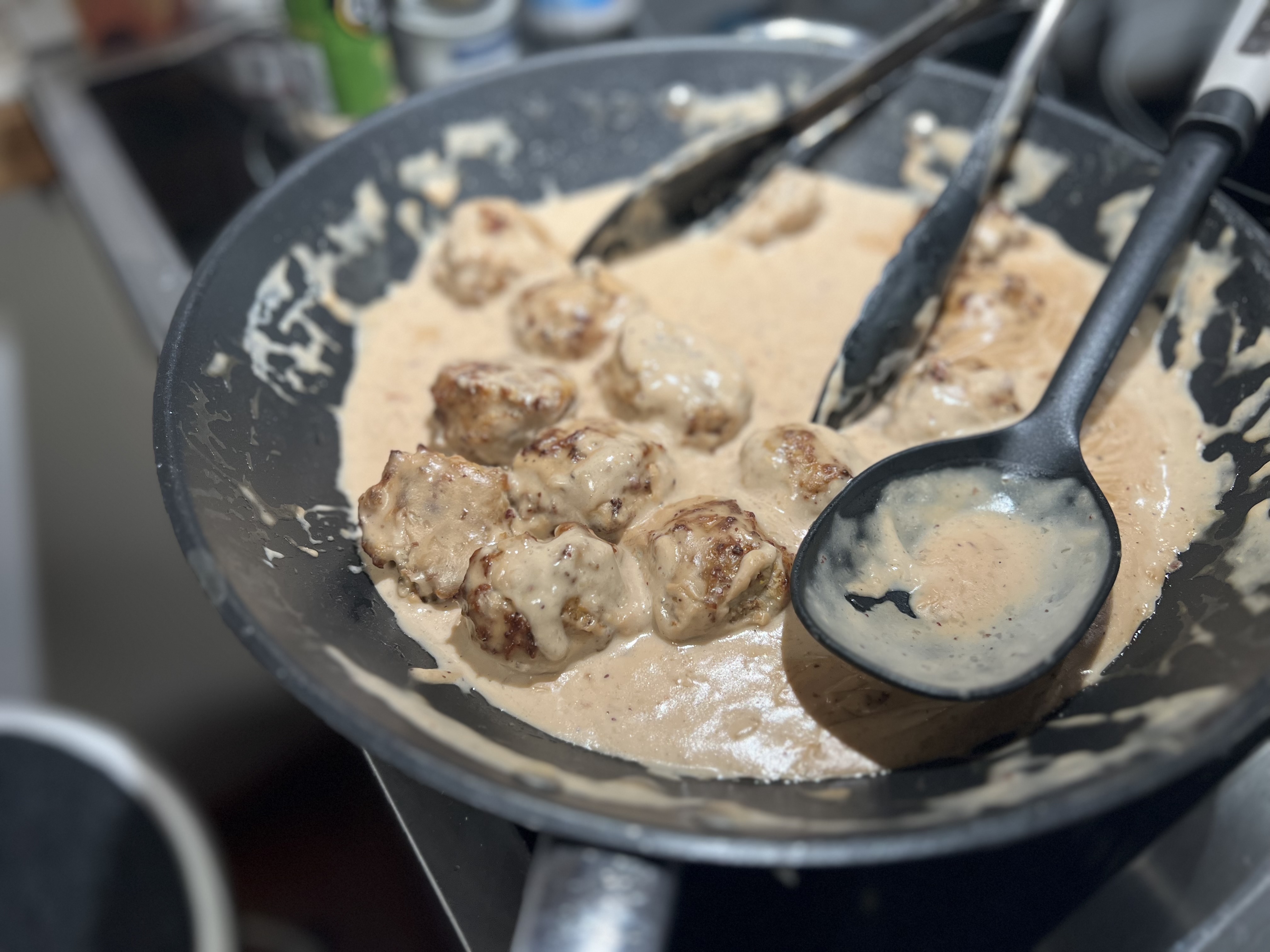
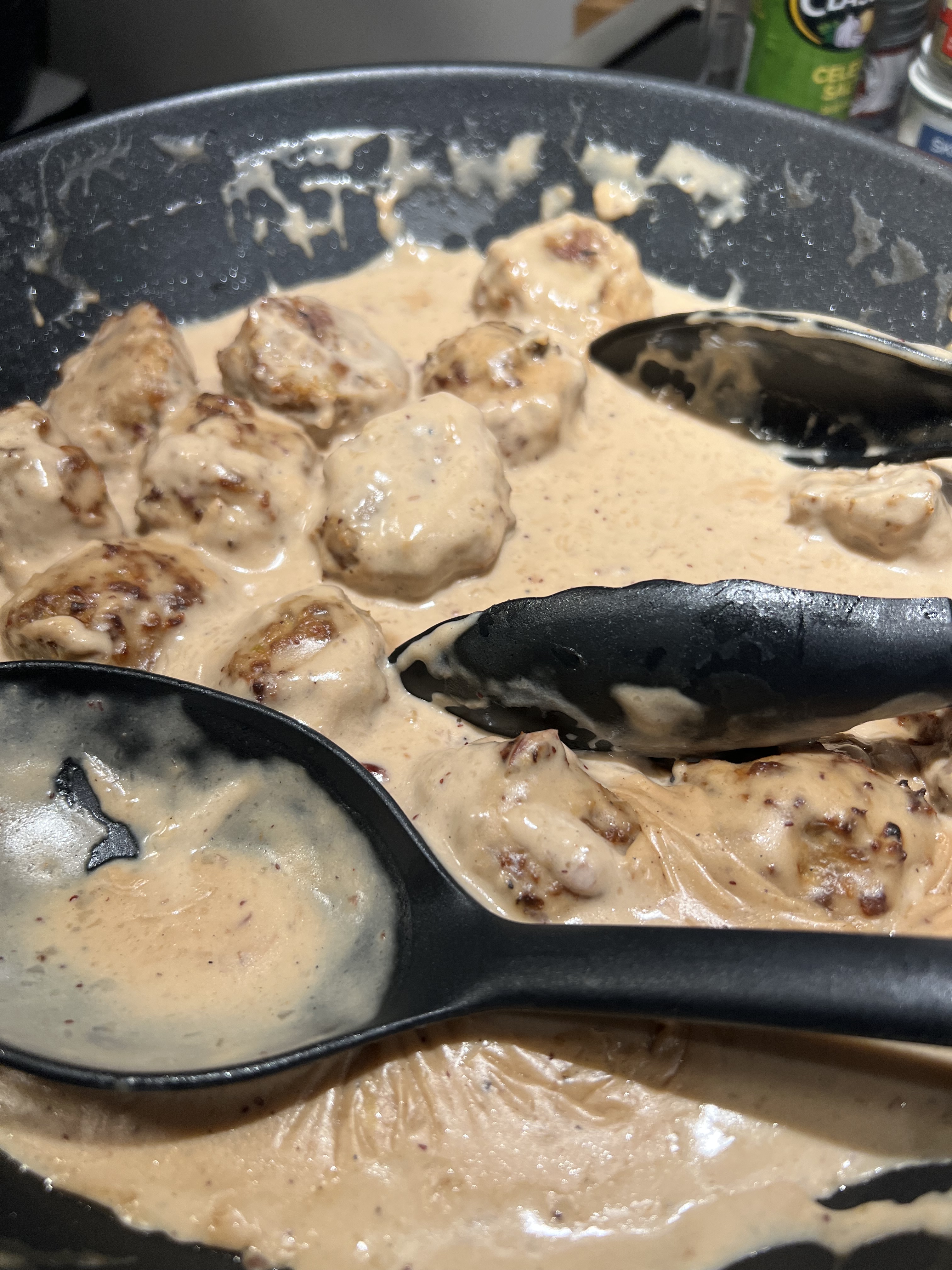
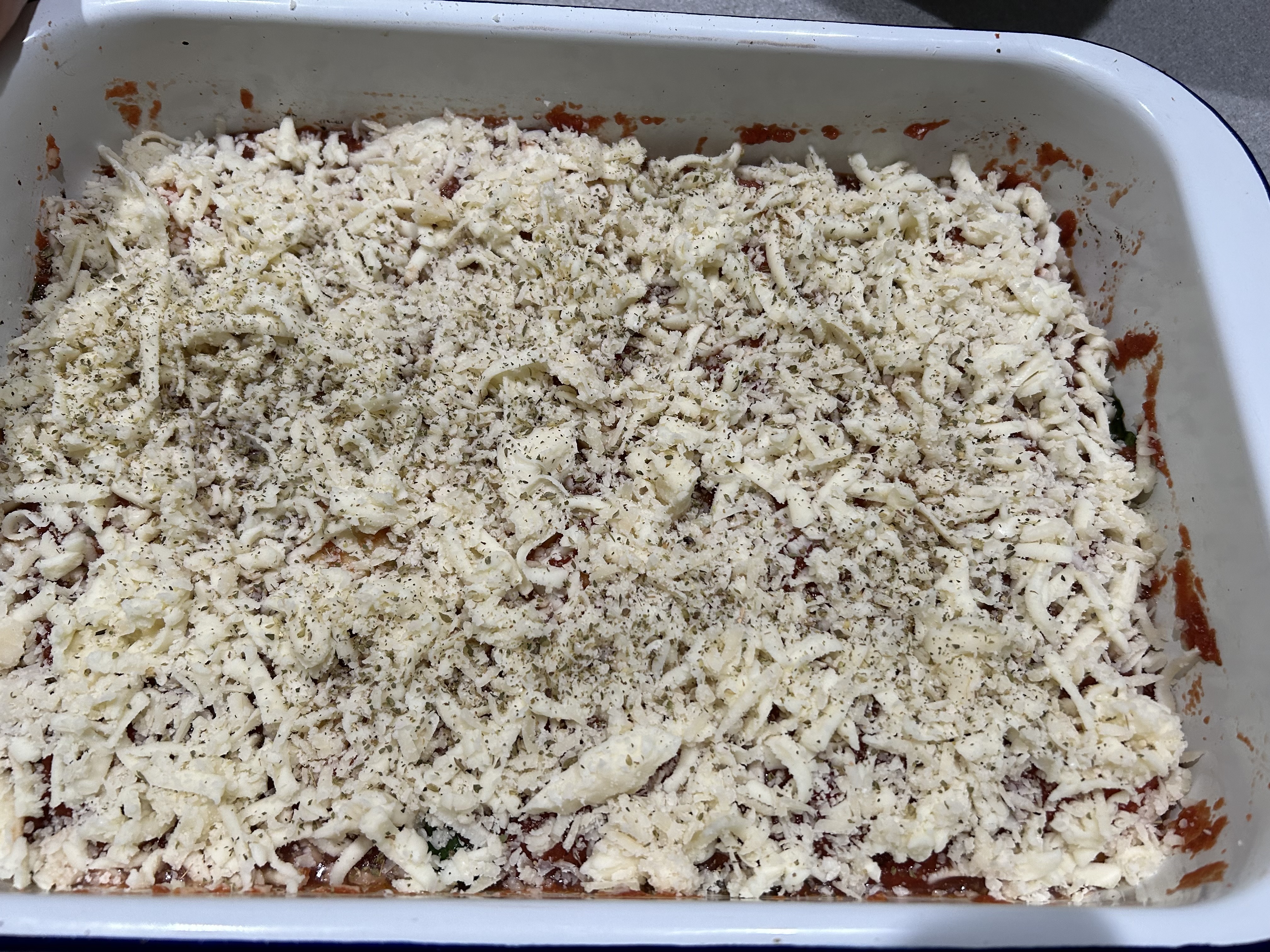
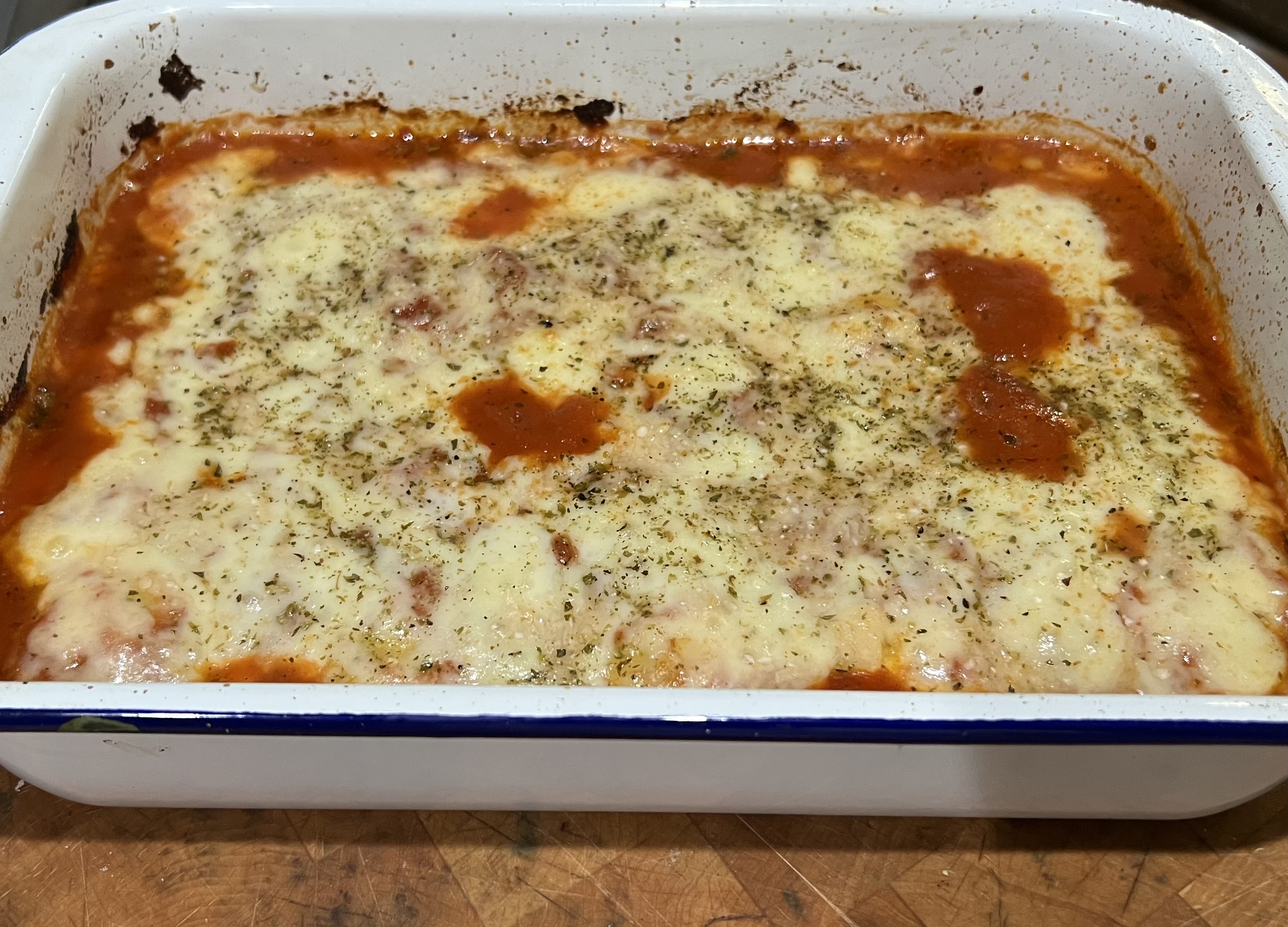
I’ve seen a lot of recipes lately that feature barbecue sauces made with berries. I’m a fan of a sweeter barbecue sauce, so this was right up my alley! The first time I made it, I didn’t have any chicken or beef stock on hand, so I used veal bone broth, which was pretty intense. The flavor of the sauce was delicious, but a lighter stock allows the flavor of the berry flavor to come through better.


Edible art!

12 oz. jar of blackberry preserves
1 cup chicken or beef stock
1/2 cup ketchup
1/4 cup turbinado sugar
juice of 1/2 large lemon (or 1 small lemon)
2 tablespoons apple cider vinegar


Cooking ribs is a low and slow process, so start by cooking the ribs in a smoker at 250 degrees for about 4 hours. I like to use hickory wood when smoking pork. If you don’t have a smoker handy, you can simply place the ribs on a sheet pan in a 250-degree oven and bake for 4 hours.

While the ribs are cooking, combine all the ingredients in a sauce pan. Heat to a boil, then reduce it to a simmer and cook it for about 20 minutes, until slightly thickened.


After the ribs cook for 4 hours, baste them on both sides with the sauce, and wrap them in aluminum foil. Bake them in the foil–still at 250–for another hour.


OVERNIGHT OATS

Posted: December 27, 2024 in breakfast, Food, Recipes
Tags: , , , , , ,

The popularity of overnight oats seems to come and go. Now I’m finding more and more articles about it again. I suppose cooler weather makes us think of oatmeal, but to be honest, I’m not a fan of hot cereals. I wake up at 4AM for work every day, so to have something tasty and healthy already waiting for me, next to my carafe of iced coffee in my fridge, is awesome. This is my favorite way to get my oat fiber, and it’s absolutely delicious and simple to make.

Doing some research, I noticed that many overnight oats recipes contained almond milk, which some people think is a healthy alternative to regular milk. The reality of it is: it’s not…unless you make it yourself. (See how at the bottom of this blog.) Store-bought almond milk has little or no nutritional value–or almonds, for that matter. The same goes for soy milk: non-organic soy is often grown with Monsanto’s Roundup-ready products. And oat milk isn’t any better.

I happened to grow up as a kid that loved, and still loves, dairy, so I go for organic grass-fed milk. (The amount of fat in the milk is up to you. I use whole milk and add some water to it.) The chia seeds in the recipe add anti-oxidants and omega-3’s, but they’re optional if you don’t like their slippery texture. Cinnamon has some health benefits, too, but it’s mainly here for flavor. And I use frozen organic blueberries in this recipe, but any frozen or fresh organic berries (or sliced organic apples!) will work.


IMG_7103


1/2 cup rolled organic oats
1/2 cup organic blueberries, apples or other fruit
3/4 cup organic grass-fed milk (I use 1/2 cup whole milk and 1/4 cup water)
1 teaspoon chia seeds
2 teaspoons maple syrup (because…yum)
1/4 teaspoon cinnamon

Combine the ingredients in a container that seals tightly. Give it a good shake and refrigerate it overnight. Eat it the next morning.


How to make your own almond milk…

Start with raw, organic almonds. Take 1 cup of the almonds and place them in a Mason jar (no lid). Cover the almonds with water and let them soak overnight.

The next day, pour the water off, and place the almonds in a food processor. Add 2 cups fresh water and process the almonds on high for 2 minutes.

Strain the liquid through some cheese cloth, squeezing out as much liquid as you can, and you’ve got real almond milk! (Throw the solids into your compost pile.) Sweeten it, if you like.

It doesn’t keep for a long time, so make small batches, and keep them sealed in the fridge.

If you’re like me and you grill outdoors year ’round, this is for you. But in case of nasty weather, this works indoors as well.

I rarely order beef at a restaurant, because I can usually make a better steak at home. For one thing, I use humanely raised grass-fed beef, something few restaurants offer. And I can cook it for less than a third of the price of a steakhouse. Granted, most steakhouses dry-age their beef, a time-consuming process of taking slabs of beef and keeping them in a fridge for weeks until a certain amount of moisture is sucked out of the meat, intensifying the flavor. I’ve done that at home in my fridge, but it takes a lot of time and effort.

There is one steak that I couldn’t match for the longest time, and that was the Capital Grille’s bone-in Kona crusted dry-aged NY strip. I would have dreams about that steak! It was time to find a way to make something that would satisfy my craving for that amazing steak at home.

Looking at a variety of coffee rub recipes on-line, I started the slow and steady process of combining ingredients in just the right proportions, tasting as I went. What I came up with really accentuated the flavor of the beef I was cooking, better than I had imagined!


img_0100

3 tablespoons brown sugar
1 tablespoon Kosher salt
1 tablespoon ground coffee (use your favorite)
1 teaspoon granulated garlic
1 teaspoon granulated onion
1 teaspoon unsweetened cocoa powder


Combine the ingredients, mixing well, and keep them in a tightly sealed container at room temperature.

The secret ingredients are the brown sugar and the cocoa. The brown sugar gives the steak a caramelized crust when cooking, and the cocoa rounds out the flavors and gives the beef an extra “umph!”

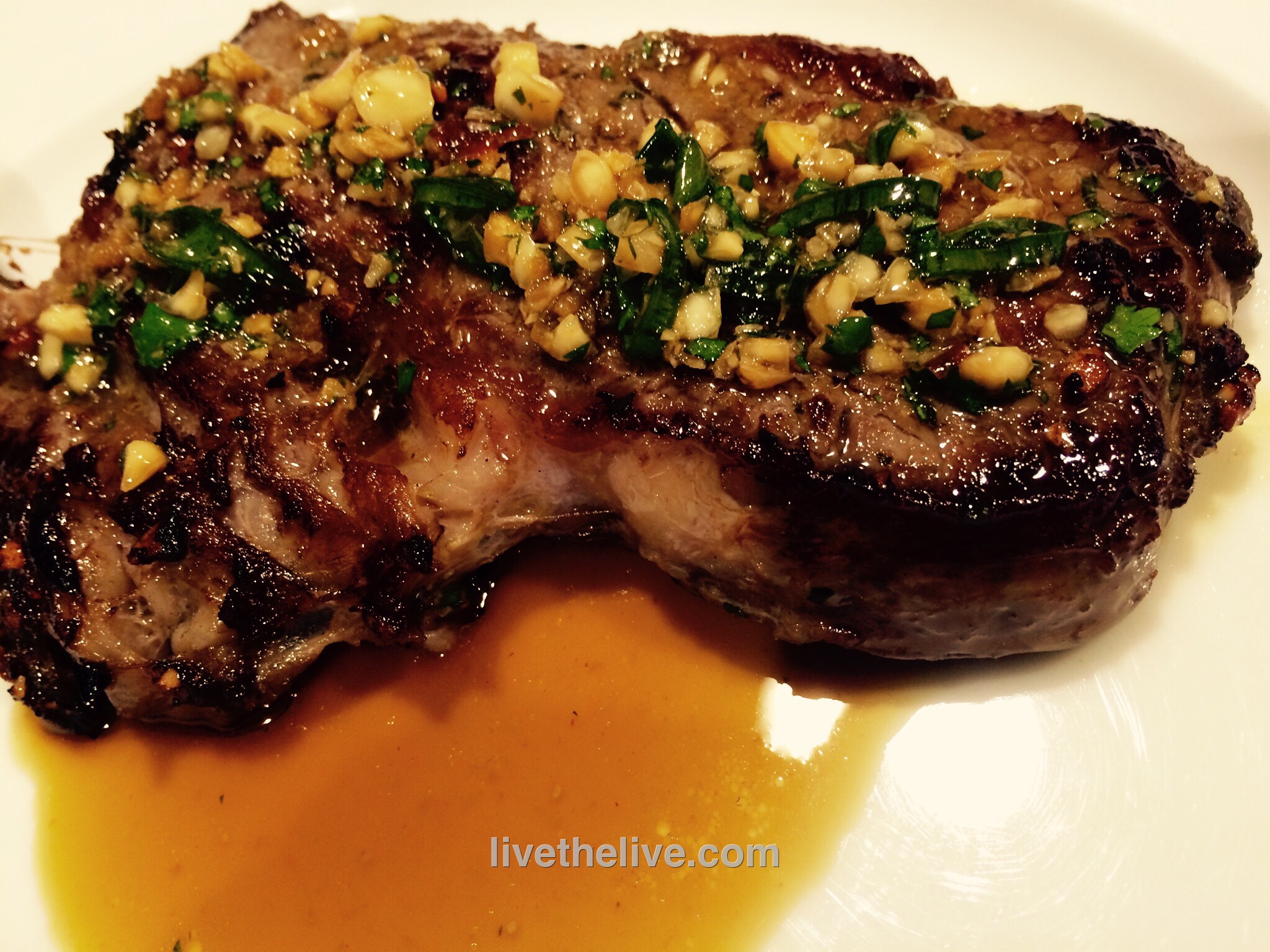
When using, sprinkle the seasoning liberally on both sides of the steak before cooking. When cooking indoors, I like to add bacon fat to a hot cast iron skillet, searing the steak on all sides, and then finishing it in the oven. But let’s face it: nothing beats the grill!


img_0104

SHEET PAN EGGS

Posted: December 22, 2024 in breakfast, Food, Recipes, sausage
Tags: , , ,

When you’ve got 20 people showing up at your house for breakfast the morning after hosting a 165-person party the night before, you want to make it all as easy as possible for yourself. Sheet pan eggs are the answer!

I pre-cook everything but the eggs the day before…I caramelized some onions, cooked sausage patties and cut them into small cubes, and wilted a couple of handfuls of spinach…then kept them in the fridge, ready to use. Grating or crumbling some cheese–cheddar or feta–is also a good idea.


2 dozen eggs, scrambled
12 sausage patties, pre-cooked
2 large handfuls of spinach, wilted in a pan with some olive oil
1 large onion, thinly sliced, and sautéed until caramelized in a little olive oil
cheddar cheese or feta, optional
milk or cream, optional
butter
olive oil


The next morning, I get a large bowl out and scramble 2 dozen eggs. A touch of milk or cream is optional. Then I add all the pre-cooked ingredients, stirring well.

The secret to successful sheet pan eggs is to make sure the pan is greased really well. Using a cube of butter, I cover every inch of the sheet pan thoroughly. Then, I pour a small amount of extra virgin olive oil in the pan, and spread that around with my fingers.

Once the pan is nicely greased, I carefully pour the contents of the bowl into the sheet pan and place in a pre-heated 300-degree oven.

Let the sheet pan eggs bake at this temperature, resisting to hurry the process by cranking the heat up. Higher temperatures will burn the bottom before the top is properly cooked.  Eventually, you’ll see the bottom of the pan solidify while the top is still a bit runny. Be patient! When the top is cooked to your liking, remove it from the oven and let it cool for at least 5 minutes before slicing it into squares.

To serve, either go the sandwich route by toasting some fresh slider buns. Or simply serve a square on a plate, garnishing as you like, a little Tabasco on the side.


I get requests for this recipe every year. It’s absolutely delicious!

Let’s face it: there’s no such thing as healthy eggnog. This recipe is absolutely delicious but is also a heart attack in a glass. I updated this recipe a couple of years ago so that you don’t need to worry about salmonella (because you’re not using raw eggs)…though the alcohol will certainly still get you! (So I guess calling it “safe” is a matter of opinion!)

My buddy, Rick Sammarco, a wicked talented bartender, credits his father, Al, for the eggnog recipe I started from.

Some say that “aging” eggnog that uses raw eggs–literally letting it sit in the fridge for up to 6 weeks–will give the alcohol time to kill the salmonella. But there’s no real scientific evidence to support this. Sure, if you pour a ton of alcohol in the batch, 15% or even more, it might be safe. And I might risk it on myself, but I would never take a chance and serve it to friends or family. The only thing that really kills salmonella is heat, and that’s not something the average homeowner can easily do without actually cooking the eggs.

The solution is to buy pasteurized eggs.

Some supermarkets now carry whole eggs in the shell that have been pasteurized, though they are hard to find. But the Whole Foods near me does carry pasteurized real whole liquid eggs under the Vital Farms name, and they work perfectly with this recipe. The original recipe called for 15 (!) raw eggs. A 16-oz. container of Vital Farms liquid eggs is the same as about 9 eggs. So I need one full 16 oz. container, and then another 10 oz. or so for this recipe.

Now the only thing I need to worry about are too many calories and too much alcohol!

eggnog

1.5 quarts vanilla ice cream (I use Breyer’s)
1 pint half & half
Just over 26 oz. Vital Farms liquid whole eggs (the equivalent of 15 whole raw eggs)
1 teaspoon vanilla extract
1/2 teaspoon cinnamon
1/2 teaspoon nutmeg
1/4 cup pure maple syrup
6 oz.  of each:
spiced rum (I use Captain Morgan)
whiskey (I use Crown Royal)
brandy (I use E&J)

I let the ice cream soften one day in the fridge. I carefully mix the ice cream, half-and-half, eggs, vanilla, cinnamon and nutmeg in a blender.

My blender is pretty big, but I find that it’s full at this point. So I pour everything into a gallon-size glass jar.

To the jar, I add the maple syrup and all the liquor. Then I whisk everything together, making sure I get down to the bottom of the jar.

After it’s fully mixed, I place the lid on the jar, and move the eggnog to the fridge, where I let it sit for at least 12-24 hours for the flavors to blend. Even longer is better.

One final mix and taste to determine whether I want more cinnamon, nutmeg or maple syrup, and it’s good to go!

It goes well with coffee…just maybe not for breakfast!

And by the way, it’s pretty darn tasty with coffee! Just imagine a variation on a White Russian, with eggnog and freshly brewed coffee, and a bit of a drizzle of maple syrup on top!
Cheers!


CAULIFLOWER WITH A BROCCOLI SAUCE

Posted: December 15, 2024 in Uncategorized

If you want a double bang for your veggie buck, this is it. I based this recipe on a similar one from Jamie Oliver. It’s a great side dish with any main course, especially a steak or roasted chicken.

And it’s up to you…if you don’t want to do any chopping, you can easily use frozen veggies.

Bouquet garni is an herb blend easily found in any supermarket spice section.

To make this dish gluten-free, simply use GF flour for the sauce, and a piece of GF bread for the bread crumb topping.


2 tablespoons unsalted butter
2 tablespoons all purpose flour
1 garlic clove, thinly sliced
1/2 teaspoon bouquet garni
2 cups milk
16 oz. broccoli
32 oz. cauliflower
1/2 cup grated cheddar cheese
1 or 2 pieces leftover bread
olive oil
1 tablespoon sliced almonds
salt and pepper

Pre-heat the oven to 350 degrees.

In a saucepan, melt the butter and add the flour, stirring constantly to make a roux. Stir in the garlic and bouquet garni. Slowly add the milk, stirring all the time, until you have a nice béchamel sauce. Set it aside for a moment.

In a large pan, pour in the broccoli. (If you’re using frozen, you don’t have to thaw it.) Pour the béchamel sauce over the broccoli, and simmer it over medium-low heat, covered, for about 20 minutes, until the broccoli is soft and cooked through.


Everything in the pan goes into a blender. Season well with salt and pepper. Whiz it up until you have a broccoli sauce.


Placed all the cauliflower in a large ovenproof casserole dish. (Again, the veggies can be frozen.) Pour the broccoli sauce on top.


Sprinkle the cheddar cheese on top of that.

In a food processor, tear up and toss in the pieces of bread. (Some day-old Italian bread works great. I had a day-old brioche bun.) Sprinkle in some olive oil. Process until crumbly. Throw in the almonds and process for a few seconds again.


Sprinkle the bread crumb/almond mixture over the cheddar and bake for about 45 minutes until golden and cooked through.


FANTASTIC FRIED SHRIMP

Posted: December 13, 2024 in Food, frying, Recipes, seafood, shrimp
Tags: , , , ,

Great fried shrimp is like sea candy…you just can’t get enough. This recipe is easy and really delicious. Never use anything but wild-caught American shrimp!


image


1 lb. wild-caught USA shrimp
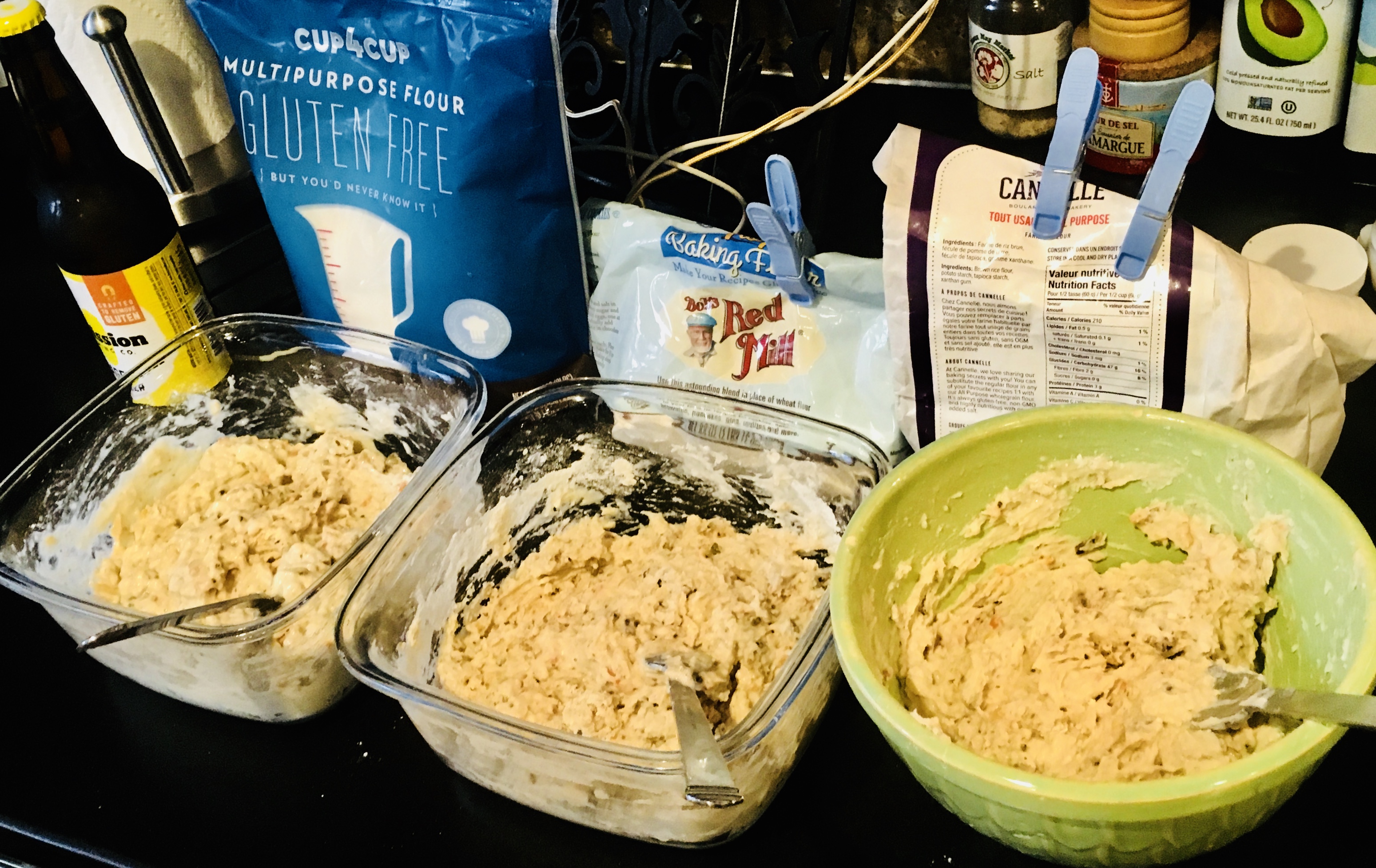
1/2 cup all-purpose flour (I use Cup4Cup GF flour to keep it gluten-free)
1/2 cup yellow corn meal
2 tablespoons Paul Prudhomme Seafood Magic seasoning
1 teaspoon sea salt
1 raw egg, scrambled
avocado oil or pork fat, for frying


image

Combine the flour, corn meal, Prudhomme seasoning (see below) and salt in a bowl. Set aside.

Scramble the egg in another bowl and set aside.

Peel and de-vein the shrimp. Remove the entire shell, or leave the tip of the tail, depending on your preference.

Heat a pan with an inch of the oil. When it reaches 325 degrees, it’s ready for frying.

Dip the shrimp in the egg, and shake off any excess. Then toss the shrimp in the flour mixture, shaking off any excess. Carefully place the shrimp in the pan of oil.

Cook the shrimp for about 45 seconds, flip them over, and cook for another 45 seconds, until they’re golden brown. Don’t crowd the pan and never over-cook shrimp!

Drain on paper towels and serve immediately!


The shrimp are delicious by themselves, but here’s an easy remoulade to make along with them…

1 cup mayo
1/4 cup Gulden’s Spicy Brown mustard
1/4 teaspoon granulated garlic
1 tablespoon dill pickle relish
1/2 teaspoon Frank’s Red Hot
Pinch cayenne pepper
1/2 teaspoon salt
1/4 teaspoon white pepper

Combine the ingredients and keep in the fridge until ready to use.


It’s a bit of a cheat, but I find the Paul Prudhomme Seafood Magic seasoning has great flavor and works really well for this. I also use it on fish: simply pan sauté a filet in butter, and sprinkle on the seasoning. I originally started with the small jar found in most supermarkets, but then quickly graduated to the jumbo size can I found online!


If you want to make your own seafood seasoning, a combination of salt, pepper, garlic powder, onion powder, paprika and cayenne will get you a result that’s pretty close to the Prudhomme seasoning.


This is an easy marinade to make and, depending on what meat you prefer, works for both.


I marinated and roasted both lamb and chicken with this marinade, and both worked great. So if you’re not as big a fan of lamb as I am, no worries.


The key to the success of this dish is to make sure you give the meat a lot of time to suck up the marinade, and to season the meat well.

1/4 cup Dijon mustard
The zest and juice of a lemon
2 tablespoons maple syrup
1 teaspoon garlic salt
1/2 teaspoon Kosher salt
1/4 teaspoon black pepper
Fresh thyme and rosemary, chopped fine

Combine all the ingredients in a bowl and mix well.


Place the lamb and/or chicken in a Ziploc bag and pour in the marinade, squishing it around so that it really covers the meat. Marinate the meat at room temp for at least 3 hours, but overnight in the fridge is best. Make sure to squish the bag around every few hours to make sure all parts get the marinade.

The next day, pre-heat the oven to 350 degrees.


Place the marinated meats on a sheet pan with non-stick foil. Season the meat with salt and pepper.

Pour whatever marinade is left in the bag into a bowl and use it to baste the meats as they cook. (Don’t use any of the marinade without cooking it–it has touched raw meat!) Bake until medium for the lamb, or all the way through for the chicken. At the end of cooking, toss the meat under the broiler for a few minutes to get a nice char.


Grilling is certainly an option for this dish. Lamb can be cooked directly on the grill, all the way through. Chicken will require to be pre-cooked in an oven or cooked over medium heat on the grill to make sure it’s cooked all the way through before that final char.

Years ago, I gave my self an important research project: Create your own version of the perfect espresso martini.

It took painstaking research, which required drinking many espresso martinis in many a bar on my travels.

My favorite version came from a bartender working at Knave, the lobby bar at the at the former Le Parker Meridien Hotel in Manhattan. It featured Coole Swan, an Irish cream liqueur I had never heard of before. The bartender was nice enough to write down the recipe for me, but I guess I had a little too much to drink…because I lost it! So it was up to me to use those brain cells I didn’t fry and come up with my own combination.

For me, the perfect espresso martini needs to celebrate the unique, bold flavor of coffee. I never dilute my morning coffee with such nonsense as hazelnut or caramel flavorings, so there’s none of that here. I save the Bailey’s for mudslides.

I do, however, like a touch of cream in my coffee, and the Coole Swan works perfectly in this recipe to add that element to my martini.

A few years after I thought I came up with my perfect recipe, I discovered a coffee liqueur that blew Kahlua out of the water…50 proof versus 40 proof (and now Kahlua has reduced the alcohol in some countries to 32 proof) with less sweetness and more bold coffee flavor. It comes from Australia, and it’s called Mr. Black.

You won’t find Coole Swan or Mr. Black at your tiny corner liquor store, but if you have a quality store a little further away from home, make the trip.

Brewing your own espresso is another step toward martini perfection, but if you don’t have a machine, you can buy some pre-made espressos in the refrigerated coffee section of many supermarkets. Go for the ones without sugar.


3 oz. freshly brewed espresso
2.5 oz. good quality vodka (I think Stoli Elit is the best out there)
1.5 oz. Mr. Black Cold Brew Coffee Liqueur
1.5 oz. Coole Swan Superior Irish Creme Liqueur
Espresso or coffee beans


Chill your martini glasses. Pour all the ingredients (except the beans) into a large shaker with ice. Shake vigorously. Strain into chilled glasses. Garnish with 3 beans. (Tradition says the three beans represent health, wealth, and happiness.)

This recipe makes 2 martinis.


And by the way, if you pronounce it “expresso,” we can’t be friends.

ANOTHER APPLE PIE RECIPE

Posted: December 6, 2024 in Uncategorized

There are a million apple pie recipes online, and people argue whether they should go with an all-shortening or all-butter crust, or even a crust with a combination of the two. I used to be a half-butter, half-shortening guy, myself. But over they years, I’ve become an all-butter guy, because quite frankly, shortening is nasty. And butter…is butter!

I choose to bake the pie the day before serving it. And I prepare the dough the day before that. That way, it has time to rest in the fridge overnight. When you’re ready to bake, remove the dough from the fridge and work with it as cold as you can. If you thaw it too much, you’ll lose the magic of the little butter chunks scattered through the dough.

For the dough…

2 1/2 cups all-purpose organic flour (I like King Arthur)
1/2 teaspoon salt
1 tablespoon sugar
1 cup butter, chilled and diced into cubes
1/2 cup very cold ice water

You can mix the dough ingredients by hand in a bowl, but I prefer a food processor.

Combine the flour, salt and sugar in the food processor and give it a quick pulse to mix. Drop the cubes of butter into the flour mixture, and then pulse the processor until the dough mixture resembles coarse crumbs, and the butter is reduced to pea-sized bits.

Add 1/4 cup of the water, and run the processor. Keep adding a little water at a time, and as soon as the dough forms a ball and pulls away from the sides of the processor bowl, stop! You don’t want to overwork the dough.

Remove the dough to a floured surface and knead it into a ball. Cut the ball in half, and roll each half into a thick, round pancake about an inch thick. wrap these tightly with plastic wrap and place them in the fridge until you’re ready to bake.

For the pie filling…

3 lbs. Granny Smith apples, peeled and sliced into 1/4″ thick slices
1/2 cup butter
3 tablespoons all-purpose organic flour
1/3 cup apple cider
1/2 cup granulated sugar
1/2 cup light brown sugar
2 teaspoons real vanilla extract
2 teaspoons cinnamon
1/8 teaspoon nutmeg

Preheat the oven to 425.

Remove the dough from the fridge. While it’s warming up, prepare the apples.

Peel and slice the apples into 1/4″ wide pieces. (I like to cut some a little thinner and some a little thicker, so I get different textures of apple when the pie has baked.) Place them in a large bowl.

Melt the butter in a saucepan, and add the flour. Whisk well to make a roux. Add the juice, both sugars, vanilla, cinnamon and nutmeg. Bring it to a low boil, stirring constantly, then remove from the heat.

Pour the contents of the saucepan into the large bowl with the apples, saving about 1/4 cup butter-sugar sauce for later. Mix the sauce with the apples really well, making sure they’re completely coated.

Unwrap one of the dough pieces. On a lightly floured surface, roll it out large enough to fit the bottom and sides of a 9″ pie pan. Let it hang about a 1/2″ over the top edge of the pan, for crimping later.

Carefully transfer the apple mixture into the pie pan, making sure you get every little bit of that butter-sugar sauce in there. The apples will form a large mound. don’t worry…they’ll cook down.

Unwrap the other piece of dough and roll it out so that it fits over the top of the mound of apples. Tuck the excess edges of the upper crust under the overlapping bottom crust, pinching the two halves together, making as tight a seal around the pie as you can. (Don’t cut any of that crust away…use it! It’s delicious!) Cut several slots in the top of the crust to let steam out while the pie cooks.

Take that 1/4 cup of reserved butter-sugar sauce, add a little water to it, and brush it all over the top of the crust, brushing evenly over the entire crust.

Place the pie on a baking sheet and bake it at 425 for about 15 minutes. Then drop the oven temperature to 350 and bake for another 50 minutes, or until the top is golden brown and crisp. If it looks like the edges of your pie are browning too quickly, tent around the edges loosely with foil. Remember, ovens vary!

Let the pie cool completely. I prefer to let it cool overnight, to be served the next day. We like to serve it with good-quality vanilla ice cream.

Of course, apple pie and coffee is an excellent breakfast the next morning!