Posts Tagged ‘breakfast’

What’s a Thanksgiving dinner without Parker House rolls? Parker House rolls are one of my all-time favorite treats. They’re so light and delicious because milk and melted butter are used to make the dough. I’d make and eat them every weekend if it wasn’t for the fact that I’d gain a ton of weight in the process! So…I save them for special occasions. There really is a Parker House. It’s a hotel in Boston where the rolls originated in the 1870’s. Legend has it that a disgruntled hotel baker threw a batch of unfinished rolls in the oven, and when they came out, they had a folded pocketbook shape that made them light on the inside, and crisp and buttery on the outside. A legend was born. There are hundreds of Parker House Roll recipes out there, but this is the one I swear by. It’s a great excuse to get out my old Kitchenaid standing mixer.
1 stick unsalted butter, melted and cooled, plus softened butter for brushing
1 tablespoon active dry yeast 1/4 cup lukewarm water (100 to 110 degrees) 1/4 cup sugar 1 cup whole milk, warmed 2 large eggs, at room temperature 4 cups all-purpose flour, plus more for dusting 2 1/2 teaspoons Kosher salt (I use Diamond Crystal)
Brush a large bowl with butter. In the bowl of a stand mixer fitted with a paddle, combine the yeast with the water and a pinch of sugar. Let it stand until it gets foamy, about 10 minutes. This gets the yeast happy. Add the milk, melted butter, eggs and remaining sugar and mix until it’s all combined. Now switch to the dough hook and add the flour and salt. Knead at low speed until a smooth ball forms, about 2 minutes. Scrape the dough onto a lightly floured board and knead it gently into a ball. Then place the ball in the buttered bowl, covering it with plastic wrap, and placing the bowl in a warm place. Let the dough double in volume. It’ll take about 1 1/2 hours. Pre-heat the oven to 350. Grease a 9-by-13 baking dish with more butter. Turn the dough out onto a lightly floured board again, punching out the air bubbles, and forming it into a ball again. Cut the ball in half, then each half into 8 pieces. You can either leave the pieces in their wedge shape, placing them in the baking dish top side up. Or you can roll the wedges into balls, placing them into the baking dish, spacing them out evenly. Cover the baking dish with plastic wrap and let the dough rise again for about 30 minutes. By then, your oven will be nice and warm. Bake the rolls for 20 to 25minutes, until they’re a beautiful golden color. Serve them warm or at room temperature. If you bake the rolls earlier in the day, you can cover them in plastic wrap, and the re-heat gently before serving.

These pancakes are made from fresh ricotta cheese, whether homemade or store-bought. Light as air…and really delicious! I’ve made a few batches of fresh ricotta cheese in my day, but when my daughter has a craving for pancakes at the last minute, a good-quality store-bought ricotta cheese will do.

1 1/2 cups all-purpose flour (I use Cup4Cup GF flour if I want to make these gluten-free)
1/4 cup yellow cornmeal
2 tablespoons sugar
1/2 teaspoon salt
1/2 teaspoon baking powder
1/2 teaspoon baking soda
2 cups milk
2 large eggs, separated
1/2 cup fresh ricotta

In a large bowl, combine the flour, cornmeal, sugar, salt, baking powder and baking soda. In another large bowl, whisk together the milk, ricotta,  and egg yolks. Fold the wet ingredients into the dry ingredients.

In a large stainless steel bowl, whisk the egg whites until they are stiff, but not dry. Fold gently into the batter.

Spray a non-stick griddle with a little cooking spray and drop about 1/4 cup of batter per pancake. Cook over medium heat for about 2 minutes per side, until golden and fluffy.

pancake

APPLESAUCE

Posted: August 2, 2025 in Uncategorized
Tags: , , , ,

It’s not often that my daughter spends extended time at my house, so when I asked her for a food shopping list, and she said she was craving applesauce, I went out and bought a few pounds of organic apples to make my own. Applesauce is so easy to make, I don’t know why people buy that over-sweetened over-processed stuff in the supermarket.

Apples are a heavily sprayed crop, so I always buy organic. (Sadly, that’s also why I never go to you-pick-’em orchards anymore. For those apples to look as pretty as they do, they’ve been sprayed with a ton of pesticides, which I prefer not to eat. You can’t wipe or even wash them off completely.)

My basic applesauce has only 4 ingredients. And if you don’t want any sweetener at all, it’s 3. Can’t be easier than that. The hardest part is getting the apples ready.

Apples, cinnamon, and water. That’s it.

I happened to have a bunch of organic Fuji apples this time, but use whatever apples you like. My Mom used to combine varieties. It’s up to you.

And if I choose to sweeten my applesauce, I use maple syrup instead of sugar.

2 lbs. organic apples, peeled, cored, and cubed
1/3 cup water
1/2 teaspoon cinnamon
1/4 cup (or more) maple syrup

I clean and peel the apples and chop them up into nice chunks, placing them in a pan with the water.

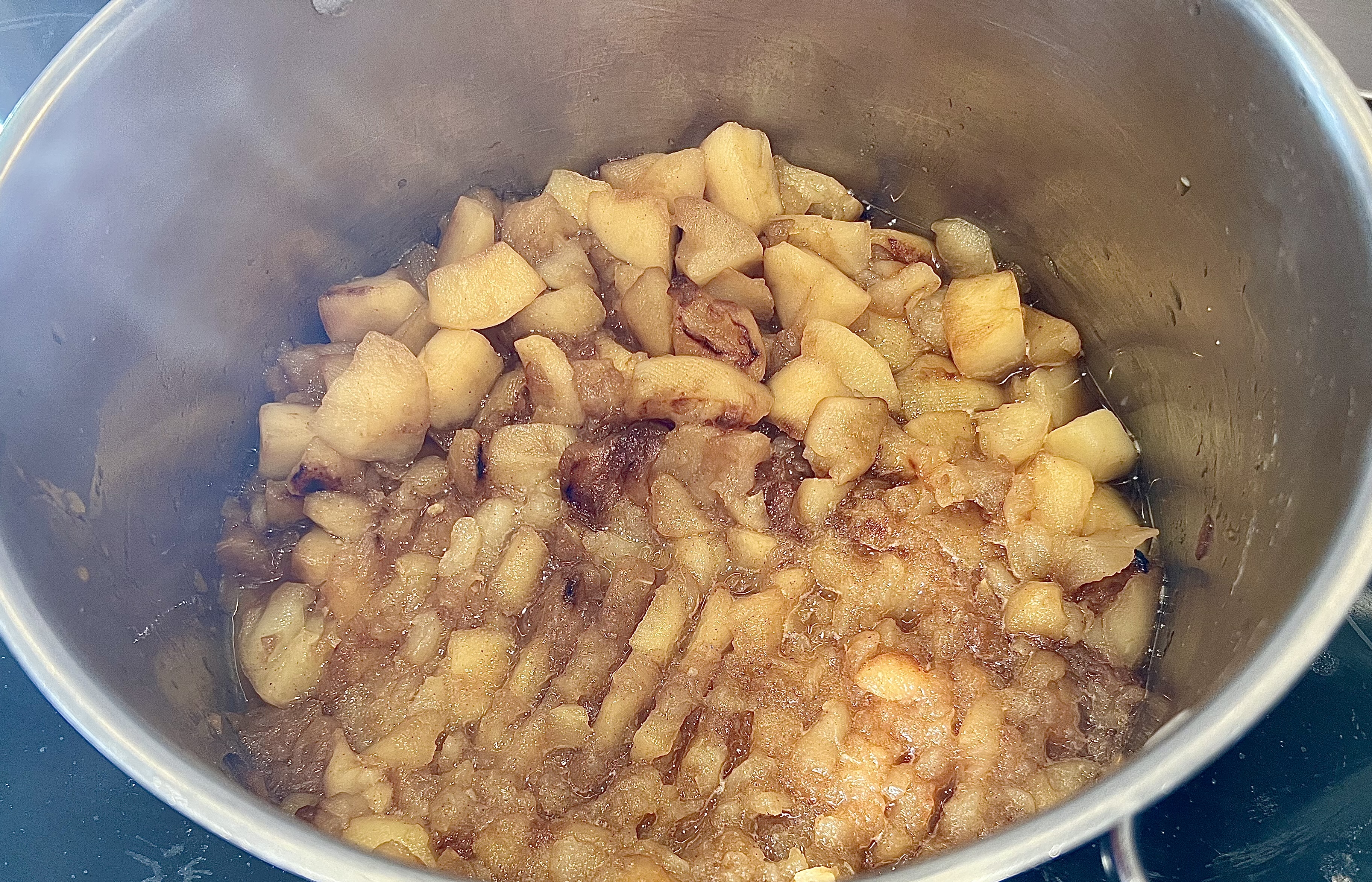
I turn the stovetop on high, and bring the apples and water to a boil. As the apples cook, they will release a lot of their own liquid, and you’ll have “apple soup” for a while before it finally reduces.

I add the cinnamon, and continue cooking the apples until have the consistency I like. (Some people like a more watery applesauce than others.) Depending on the apples, you might have to add water if all of it has evaporated, and the apples aren’t soft enough.

I pull the pot off the stove and mash most of the apples with a potato masher, then put it back on the stove to cook further. I leave some of the chunks whole, because I like a chunky applesauce. I always keep an eye on it, because I don’t want the natural sugars in the apples to burn.

When the apples are cooked to my desired softness, I take the pan off the heat and add the maple syrup.

Is there anything better than pure Vermont maple syrup? I don’t think so!

If it still looks too watery, I bring it back over the heat, but I watch it carefully.

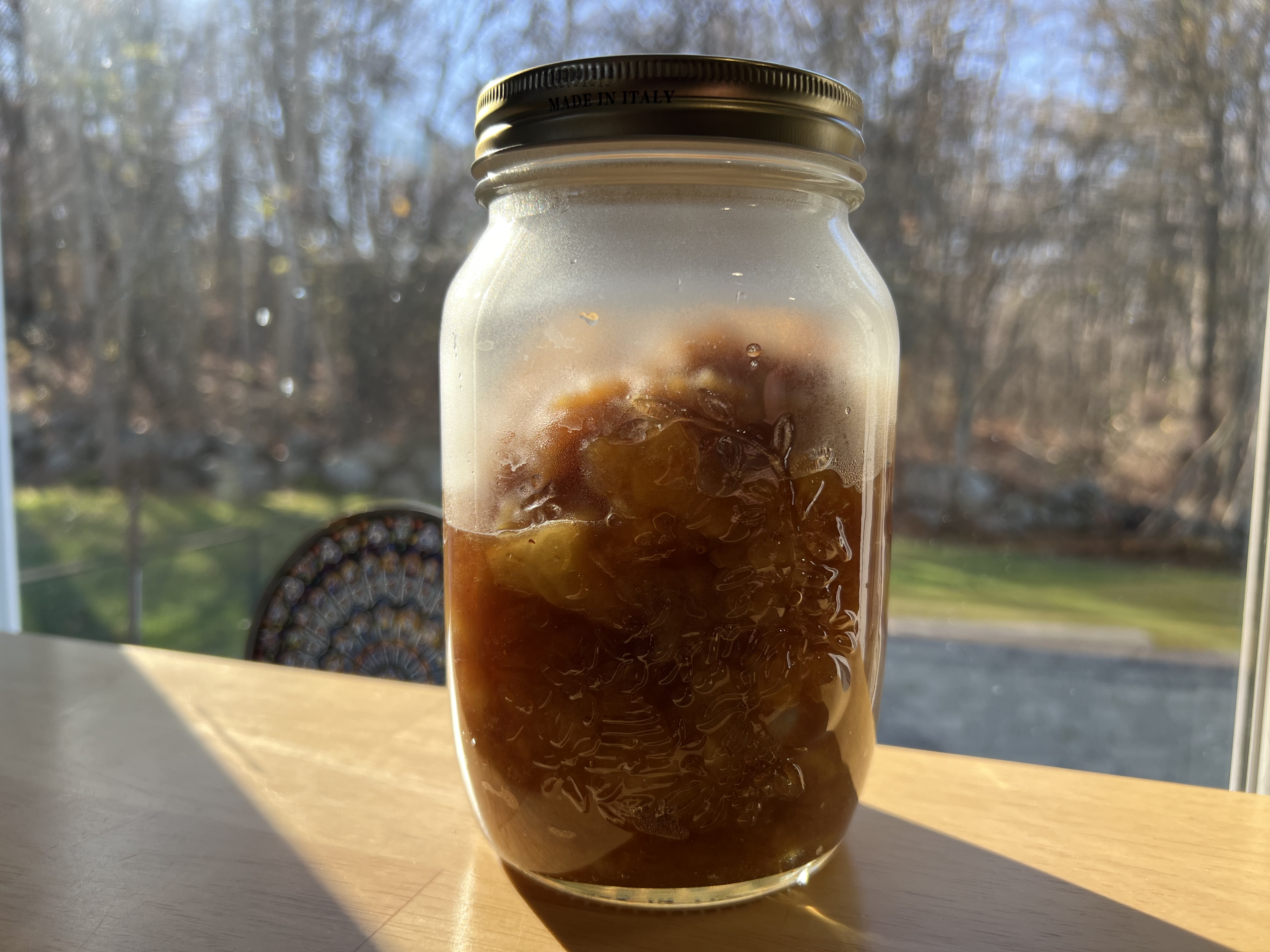
I let the applesauce cool and enjoy! Keep it refrigerated.

OVERNIGHT OATS

Posted: December 27, 2024 in breakfast, Food, Recipes
Tags: , , , , , ,

The popularity of overnight oats seems to come and go. Now I’m finding more and more articles about it again. I suppose cooler weather makes us think of oatmeal, but to be honest, I’m not a fan of hot cereals. I wake up at 4AM for work every day, so to have something tasty and healthy already waiting for me, next to my carafe of iced coffee in my fridge, is awesome. This is my favorite way to get my oat fiber, and it’s absolutely delicious and simple to make.

Doing some research, I noticed that many overnight oats recipes contained almond milk, which some people think is a healthy alternative to regular milk. The reality of it is: it’s not…unless you make it yourself. (See how at the bottom of this blog.) Store-bought almond milk has little or no nutritional value–or almonds, for that matter. The same goes for soy milk: non-organic soy is often grown with Monsanto’s Roundup-ready products. And oat milk isn’t any better.

I happened to grow up as a kid that loved, and still loves, dairy, so I go for organic grass-fed milk. (The amount of fat in the milk is up to you. I use whole milk and add some water to it.) The chia seeds in the recipe add anti-oxidants and omega-3’s, but they’re optional if you don’t like their slippery texture. Cinnamon has some health benefits, too, but it’s mainly here for flavor. And I use frozen organic blueberries in this recipe, but any frozen or fresh organic berries (or sliced organic apples!) will work.


IMG_7103


1/2 cup rolled organic oats
1/2 cup organic blueberries, apples or other fruit
3/4 cup organic grass-fed milk (I use 1/2 cup whole milk and 1/4 cup water)
1 teaspoon chia seeds
2 teaspoons maple syrup (because…yum)
1/4 teaspoon cinnamon

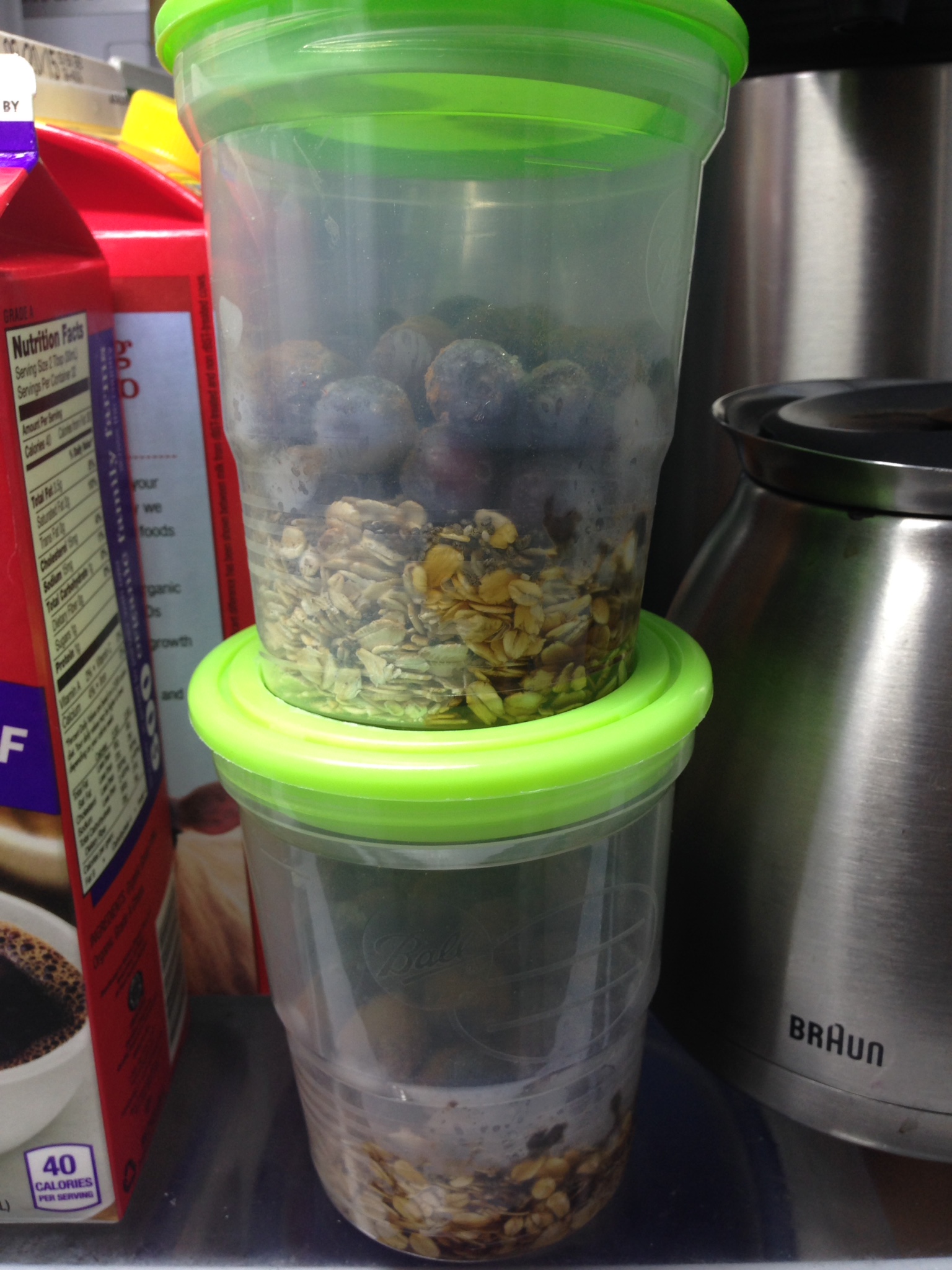
Combine the ingredients in a container that seals tightly. Give it a good shake and refrigerate it overnight. Eat it the next morning.


How to make your own almond milk…

Start with raw, organic almonds. Take 1 cup of the almonds and place them in a Mason jar (no lid). Cover the almonds with water and let them soak overnight.

The next day, pour the water off, and place the almonds in a food processor. Add 2 cups fresh water and process the almonds on high for 2 minutes.

Strain the liquid through some cheese cloth, squeezing out as much liquid as you can, and you’ve got real almond milk! (Throw the solids into your compost pile.) Sweeten it, if you like.

It doesn’t keep for a long time, so make small batches, and keep them sealed in the fridge.

SHEET PAN EGGS

Posted: December 22, 2024 in breakfast, Food, Recipes, sausage
Tags: , , ,

When you’ve got 20 people showing up at your house for breakfast the morning after hosting a 165-person party the night before, you want to make it all as easy as possible for yourself. Sheet pan eggs are the answer!

I pre-cook everything but the eggs the day before…I caramelized some onions, cooked sausage patties and cut them into small cubes, and wilted a couple of handfuls of spinach…then kept them in the fridge, ready to use. Grating or crumbling some cheese–cheddar or feta–is also a good idea.


2 dozen eggs, scrambled
12 sausage patties, pre-cooked
2 large handfuls of spinach, wilted in a pan with some olive oil
1 large onion, thinly sliced, and sautéed until caramelized in a little olive oil
cheddar cheese or feta, optional
milk or cream, optional
butter
olive oil


The next morning, I get a large bowl out and scramble 2 dozen eggs. A touch of milk or cream is optional. Then I add all the pre-cooked ingredients, stirring well.

The secret to successful sheet pan eggs is to make sure the pan is greased really well. Using a cube of butter, I cover every inch of the sheet pan thoroughly. Then, I pour a small amount of extra virgin olive oil in the pan, and spread that around with my fingers.

Once the pan is nicely greased, I carefully pour the contents of the bowl into the sheet pan and place in a pre-heated 300-degree oven.

Let the sheet pan eggs bake at this temperature, resisting to hurry the process by cranking the heat up. Higher temperatures will burn the bottom before the top is properly cooked.  Eventually, you’ll see the bottom of the pan solidify while the top is still a bit runny. Be patient! When the top is cooked to your liking, remove it from the oven and let it cool for at least 5 minutes before slicing it into squares.

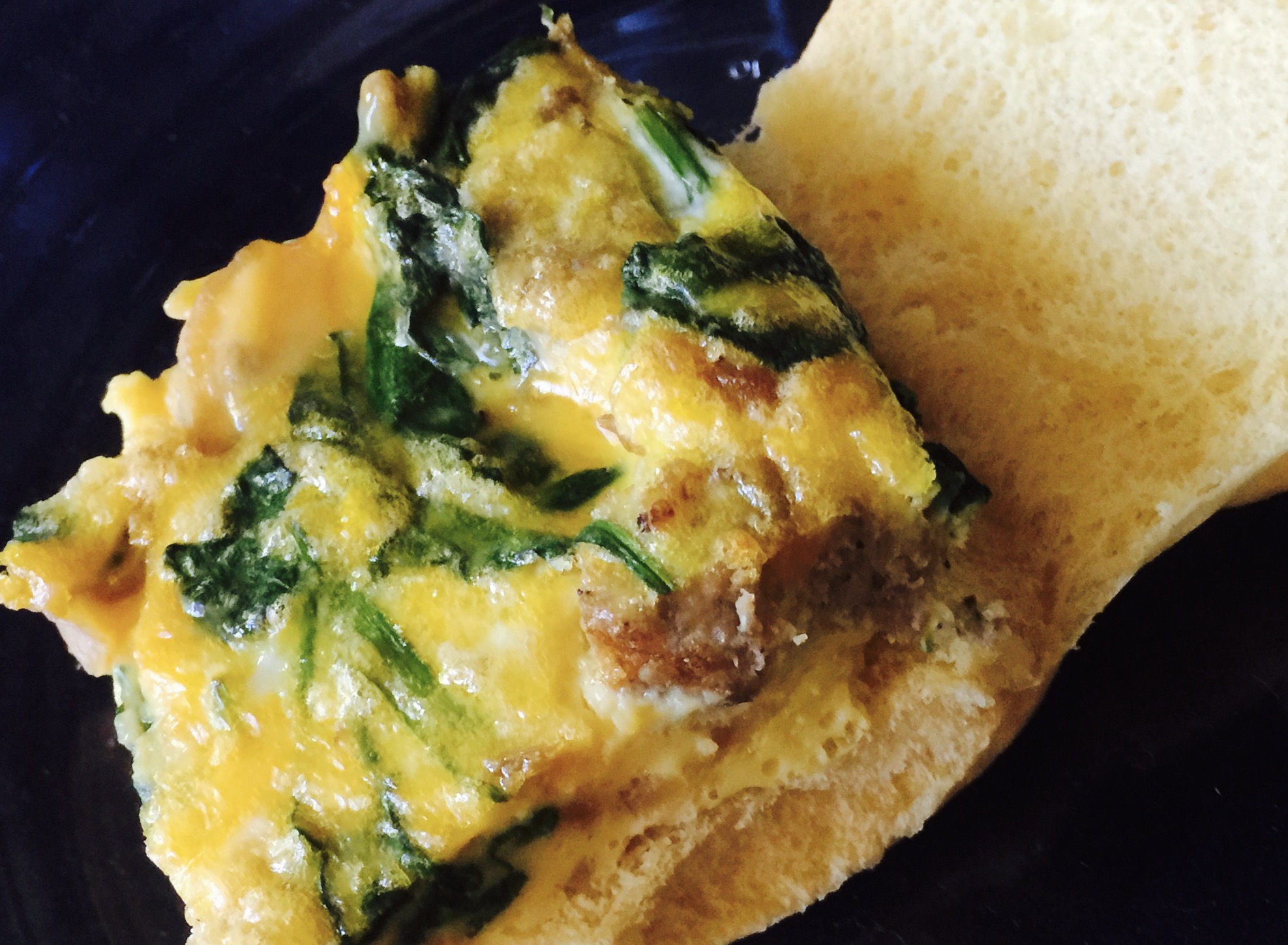
To serve, either go the sandwich route by toasting some fresh slider buns. Or simply serve a square on a plate, garnishing as you like, a little Tabasco on the side.


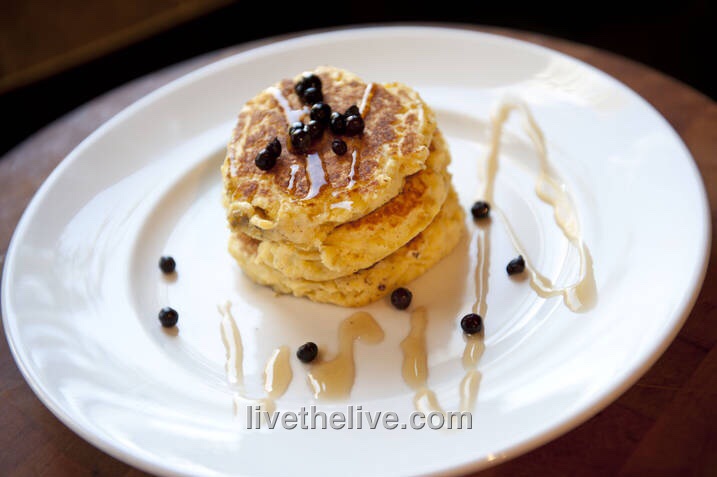
This is not only our family’s favorite pancake recipe, but it’s the one I always make when guests are spending the night. They are absolutely delicious–the pancakes, not the guests–and unlike any other pancakes you’ve had.
If you need to go with a gluten-free diet, no worries: my favorite all-purpose GF flour, “Cup 4 Cup,” worked so well in this recipe, there was no difference in taste or texture. Now this is the only way I make ’em and no one notices the difference!
I use organic lemons, if I can find them, because all the nasty sprays used with non-organics are absorbed by the skin, which is used in this recipe. (They don’t wash off.)
 image
1 cup all-purpose flour (or Cup 4 Cup original multi-purpose flour)
1 1/2 cups stone-ground yellow cornmeal
2 tablespoons organic cane sugar
2 teaspoons baking powder
1/2 teaspoon baking soda
1/2 teaspoon salt
2 cups buttermilk (or 1 1/2 cups milk and the juice of 1 large organic lemon)
zest of 1 organic lemon
1 large egg
3 tablespoons melted unsalted butter, slightly cooled
1–2 teaspoons avocado oil
1 cup fresh or frozen blueberries, preferably wild, rinsed and dried
Whisk the flour, corn meal, sugar, baking powder, baking soda, and salt in a medium bowl to combine.
In a separate bowl, whisk the egg, lemon zest, and melted butter into the buttermilk (or milk and lemon mixture) to combine. (Hint: zest the lemon first, then juice it.)
Make a well in the center of the dry ingredients in the bowl. Pour in the milk mixture and whisk very gently until just combined. Do not over-mix. A few lumps are OK.
Heat a non-stick skillet over medium heat. Add 1 teaspoon of oil and use a brush to coat the skillet bottom evenly. Pour 1/4 cup of the batter into 3 spots on the skillet. Sprinkle 1 tablespoon of the blueberries over each pancake.
Cook the pancakes until large bubbles begin to appear, about 1 1/2 to 2 minutes. Using a thin, wide spatula, flip the pancakes and cook until they’re golden brown on the other side, 1 to 1 1/2 minutes longer.
Chow down immediately!
image

These pancakes, based on a recipe from chef April Bloomfield (The Spotted Pig and The Breslin in NYC), are made from fresh homemade ricotta cheese. Light as air…and really delicious! I’ve made a few batches of fresh ricotta cheese in my day, but when the family has a craving for these pancakes at the last minute, a good-quality store-bought ricotta cheese will do.


1 1/2 cups all-purpose flour (I use Cup4Cup GF flour if I want to make these gluten-free)
1/4 cup yellow cornmeal
2 tablespoons sugar
1/2 teaspoon salt
1/2 teaspoon baking powder
1/2 teaspoon baking soda
2 cups milk
2 large eggs, separated
1/2 cup fresh ricotta


In a large bowl, combine the flour, cornmeal, sugar, salt, baking powder and baking soda. In another large bowl, whisk together the milk, ricotta,  and egg yolks. Fold the wet ingredients into the dry ingredients.

In a large stainless steel bowl, whisk the egg whites until they are stiff, but not dry. Fold gently into the batter.

Spray a non-stick griddle with a little cooking spray and drop about 1/4 cup of batter per pancake. Cook over medium heat for about 2 minutes per side, until golden and fluffy.

pancake

It’s Sunday. It’s time for pancakes!
This is not only our family’s favorite pancake recipe, but it’s the one I always make when guests are spending the night. They are absolutely delicious–the pancakes, not the guests–and unlike any other pancakes you’ve had.
If you need to go with a gluten-free diet, no worries: my favorite all-purpose GF flour, “Cup 4 Cup,” worked so well in this recipe, there was no difference in taste or texture. Now this is the only way I make ’em and no one notices the difference!
I use organic lemons, if I can find them, because all the nasty sprays used with non-organics are absorbed by the skin, which is used in this recipe. (They don’t wash off.)
 image
1 cup all-purpose flour (or Cup 4 Cup original multi-purpose flour)
1 1/2 cups stone-ground yellow cornmeal
2 tablespoons organic cane sugar
2 teaspoons baking powder
1/2 teaspoon baking soda
1/2 teaspoon salt
2 cups buttermilk (or 1 1/2 cups milk and the juice of 1 large organic lemon)
zest of 1 organic lemon
1 large egg
3 tablespoons melted unsalted butter, slightly cooled
1–2 teaspoons avocado oil
1 cup fresh or frozen blueberries, preferably wild, rinsed and dried
Whisk the flour, corn meal, sugar, baking powder, baking soda, and salt in a medium bowl to combine.
In a separate bowl, whisk the egg, lemon zest, and melted butter into the buttermilk (or milk and lemon mixture) to combine. (Hint: zest the lemon first, then juice it.)
Make a well in the center of the dry ingredients in the bowl. Pour in the milk mixture and whisk very gently until just combined. Do not over-mix. A few lumps are OK.
Heat a non-stick skillet over medium heat. Add 1 teaspoon of oil and use a brush to coat the skillet bottom evenly. Pour 1/4 cup of the batter into 3 spots on the skillet. Sprinkle 1 tablespoon of the blueberries over each pancake.
Cook the pancakes until large bubbles begin to appear, about 1 1/2 to 2 minutes. Using a thin, wide spatula, flip the pancakes and cook until they’re golden brown on the other side, 1 to 1 1/2 minutes longer.
Chow down immediately!
image

Sausage is something most home cooks don’t even try because of the amount of work it needs: grinding the meat with that perfect fat-to-lean ratio…keeping everything on ice…buying a sausage stuffing machine and the casings to go with it.

It’s a big hassle, requiring some special equipment and a lot of time. And the clean-up is a pain.

Here’s a ridiculously easy method I discovered that allows me to slap together some very tasty sausage in just minutes. I prefer to use ground pastured Berkshire pork for this, because it’s humanely raised and absolutely full of flavor. But any good quality ground pork will do. I’ve found that most ground pork is already pretty fatty: usually a 70/30 ratio…and that’s perfect for this recipe. (By the way, if you don’t eat pork, I would venture a guess and say that 70/30 beef would work just as well with this recipe.)

If you’re watching calories, like I am, you know that fat is the biggest killer. But you’ll find that a well-cooked sausage patty renders out a lot of fat, and if you go one step further and really give it a squeeze between paper towels after cooking, you’ll find that 1 gram of cooked ground pork = about 2 calories. Compare that to bacon, where the fat doesn’t render out as quickly: 1 gram of bacon = 5 calories. All that porky sausage goodness for fewer calories! It’s not diet food, but hey…


Delicious homemade sausage.


1 lb. ground pork (the best quality you can get)
1 teaspoon salt
1/2 teaspoon pepper
1/4 teaspoon sage
1/4 teaspoon rosemary
1/4 teaspoon thyme
1 egg


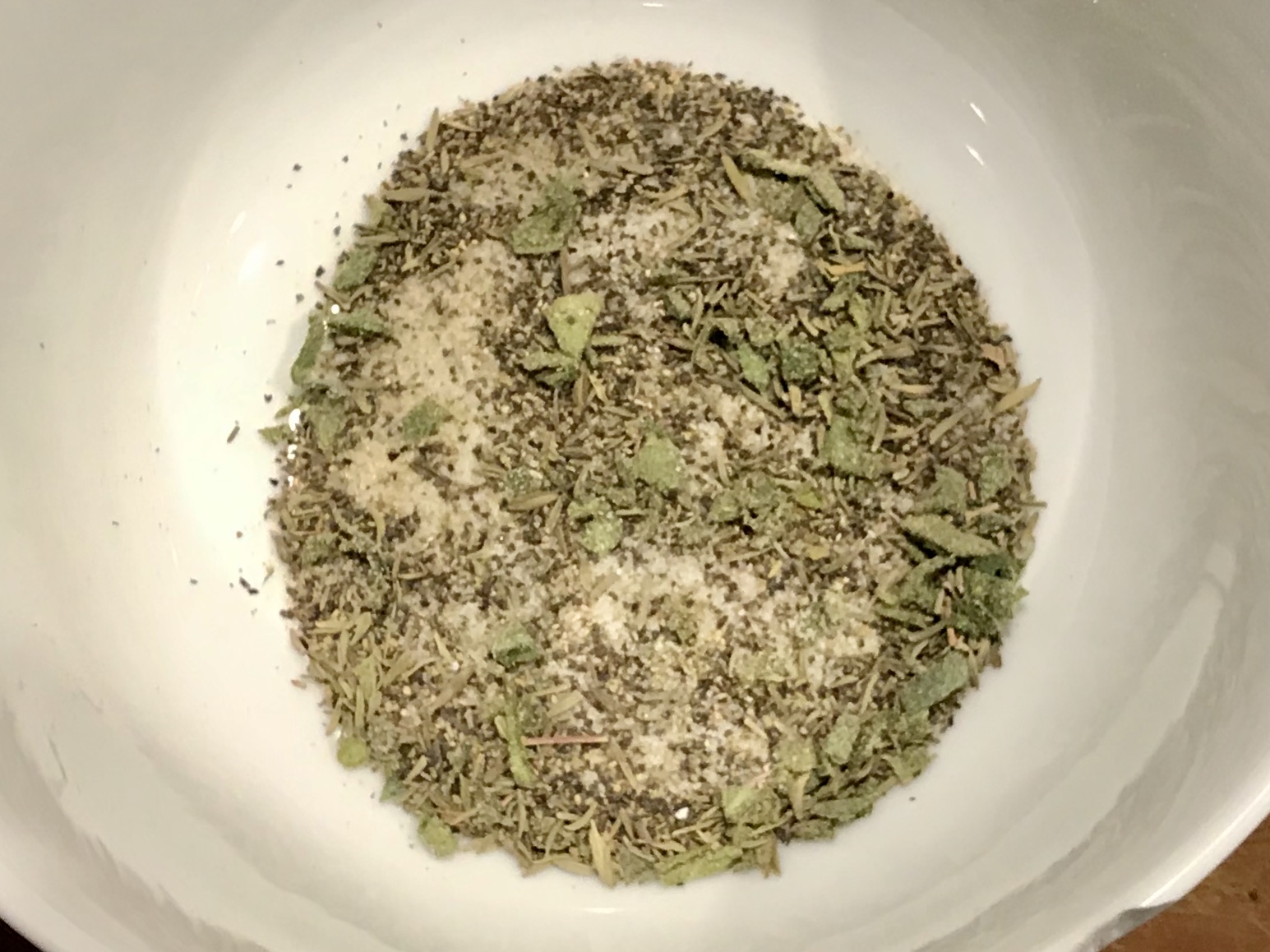
I like to combine the salt, pepper, sage, rosemary and thyme in a bowl first, mixing them together well. That way, when I’m seasoning the pork, it’s all evenly distributed.


All the seasonings mixed together.


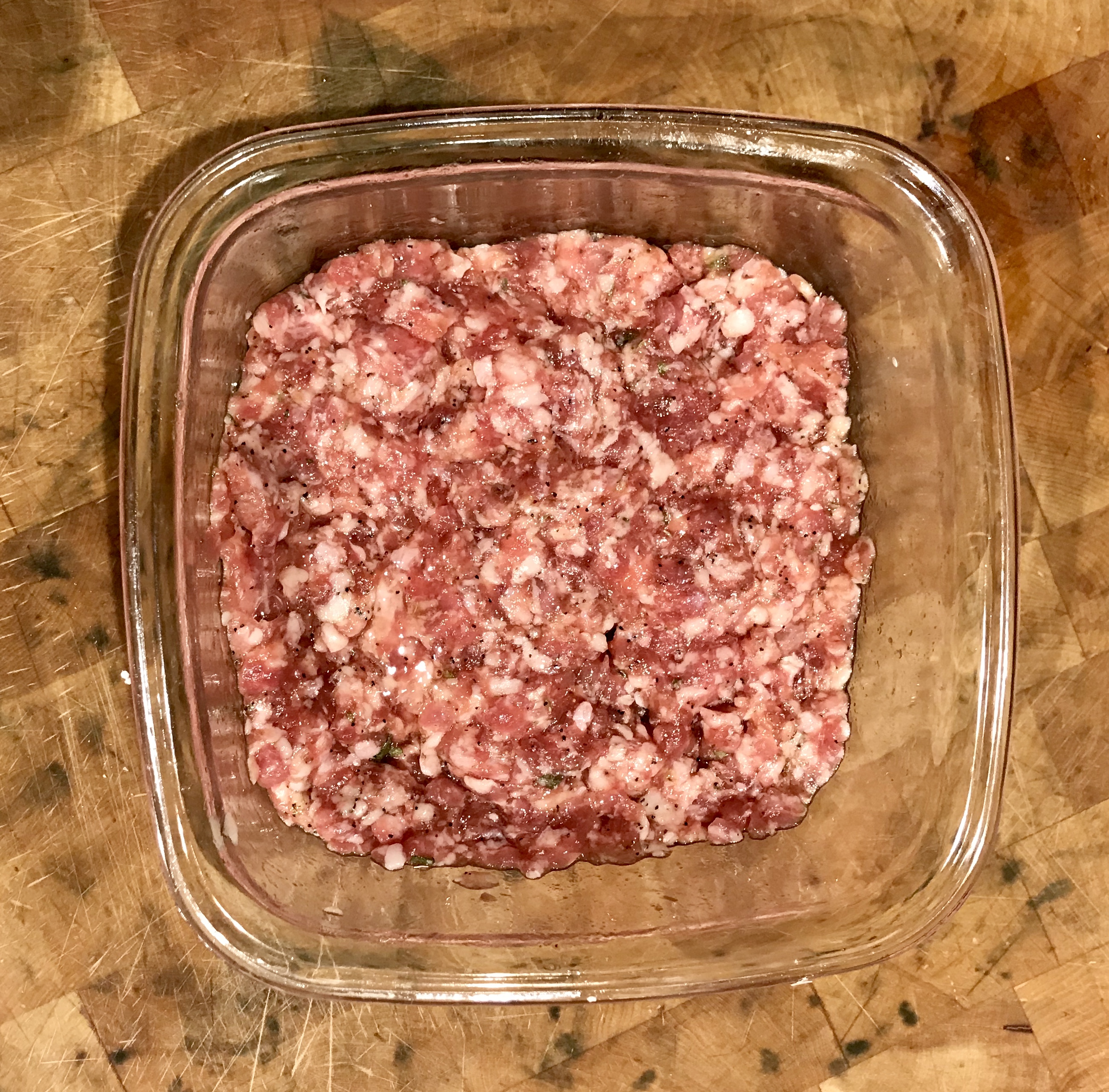
Combine the pork, the seasonings and the egg in a bowl and mix well. Place the bowl in the fridge for at least 15 minutes to let the meat rest. Overnight is even better. (Do it the night before, and you’ve got it all ready to cook the next morning with your eggs!)
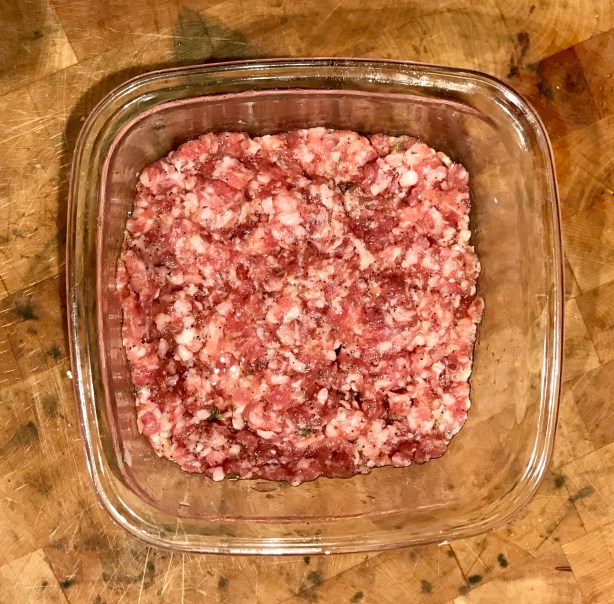
 

The sausage mix has rested overnight. Time to cook!


In the morning, if you’re not sure if you’re going to like the pork the way you’ve seasoned it, simply grab a pinch of the  meat off and fry it in a pan to taste it. If you like what you have, fry away. If not, season the meat a little more before making the patties. These are your sausages, after all!
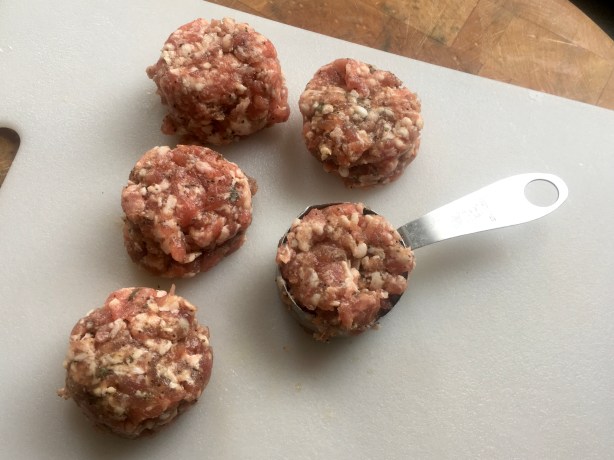
 

A 1/4 cup measure makes it easy to make equally-sized sausage patties.


I like to use a 1/4 cup measure to scoop out sausage patties. Once I’ve got them all made, I heat a pan over medium-high heat. No oil is necessary, because the pork has plenty of fat!


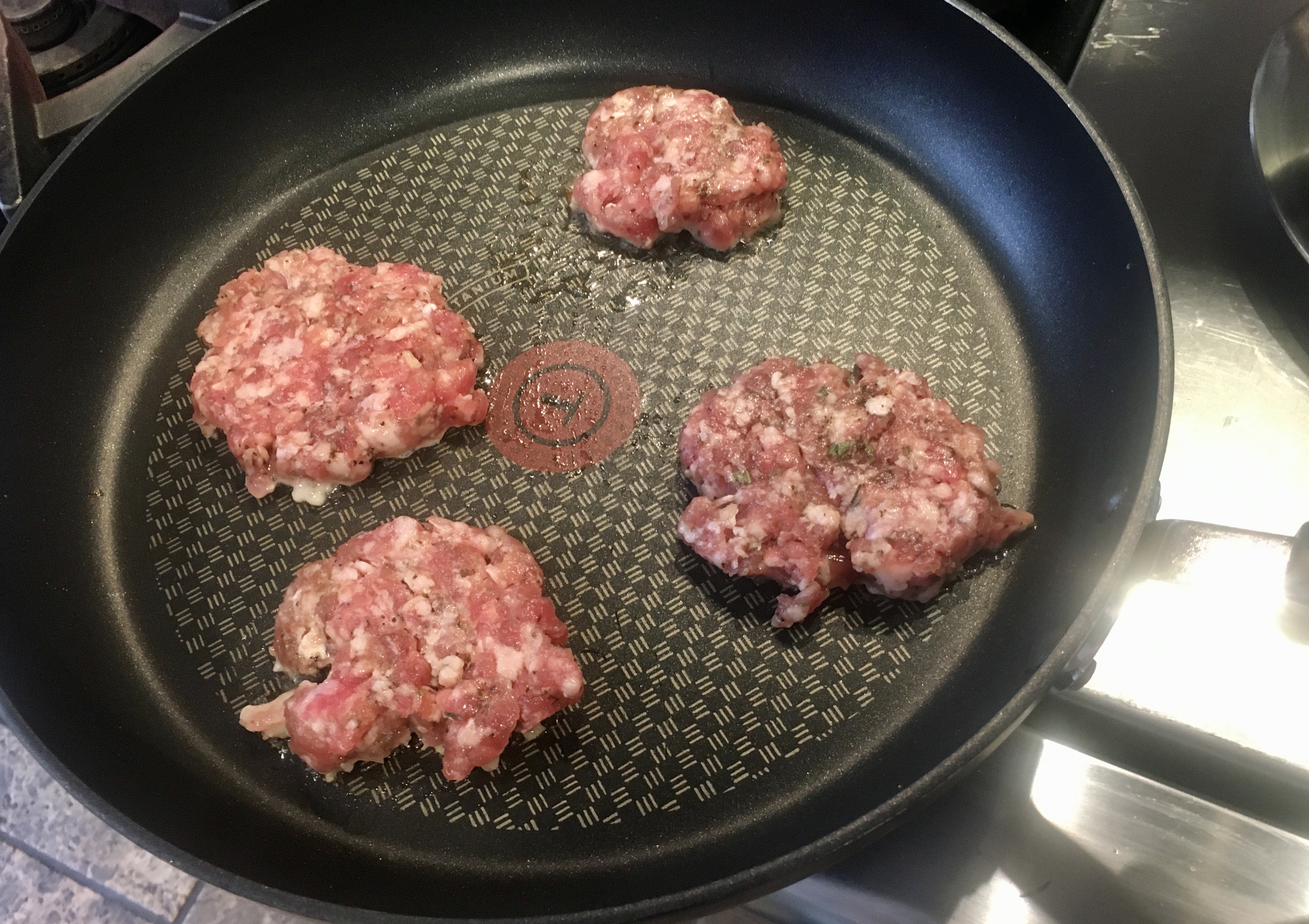
Once the patties are in the hot pan, I squish them down flat.


Once I’ve placed the patties in the hot pan, I squish them down with a spatula, and cook them on one side until it’s nice and crusty. Then I flip them, squish them down again, and continue cooking all until they’re golden brown on both sides. Remember: you’re starting with raw pork, so make sure it’s cooked all the way through.


They look like they’re done!


Delicious, and no casings to worry about. The patties freeze well, whether you freeze them raw or cook them a bit first. If you’re going to freeze them, place them on a sheet pan and pop that in the fridge for about an hour, until the patties are frozen solid. Then place them in a freezer bag or container. That way, the patties won’t stick to each other.
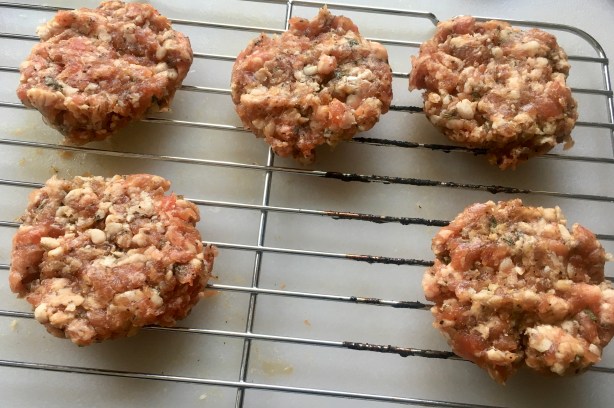
 

Ready for the freezer!


When cooking them straight out of the freezer, I like to drop the frozen patties into a non-stick pan and I add just a touch of water. I put a lid over the pan and let it cook for just a minute, flipping the patties and cooking for a minute more, to thaw them out. Then I remove the lid off the pan, and let the patties cook all the way through. The water will evaporate, and the patties will have enough fat in them to cook without adding any more.

SHEET PAN EGGS

Posted: October 23, 2019 in breakfast, Food, Recipes, sausage
Tags: , , ,

When you’ve got 20 people showing up at your house for breakfast the morning after hosting a 165-person party the night before, you want to make it all as easy as possible for yourself. Sheet pan eggs are the answer!

I pre-cook everything but the eggs the day before…I caramelized some onions, cooked sausage patties and cut them into small cubes, and wilted a couple of handfuls of spinach…then kept them in the fridge, ready to use. Grating or crumbling some cheese–cheddar or feta–is also a good idea.


2 dozen eggs, scrambled
12 sausage patties, pre-cooked
2 large handfuls of spinach, wilted in a pan with some olive oil
1 large onion, thinly sliced, and sautéed until caramelized in a little olive oil
cheddar cheese or feta, optional
milk or cream, optional
butter
olive oil


The next morning, I get a large bowl out and scramble 2 dozen eggs. A touch of milk or cream is optional. Then I add all the pre-cooked ingredients, stirring well.

The secret to successful sheet pan eggs is to make sure the pan is greased really well. Using a cube of butter, I cover every inch of the sheet pan thoroughly. Then, I pour a small amount of extra virgin olive oil in the pan, and spread that around with my fingers.

Once the pan is nicely greased, I carefully pour the contents of the bowl into the sheet pan and place in a pre-heated 300-degree oven.

Let the sheet pan eggs bake at this temperature, resisting to hurry the process by cranking the heat up. Higher temperatures will burn the bottom before the top is properly cooked.  Eventually, you’ll see the bottom of the pan solidify while the top is still a bit runny. Be patient! When the top is cooked to your liking, remove it from the oven and let it cool for at least 5 minutes before slicing it into squares.

To serve, either go the sandwich route by toasting some fresh slider buns. Or simply serve a square on a plate, garnishing as you like, a little Tabasco on the side.