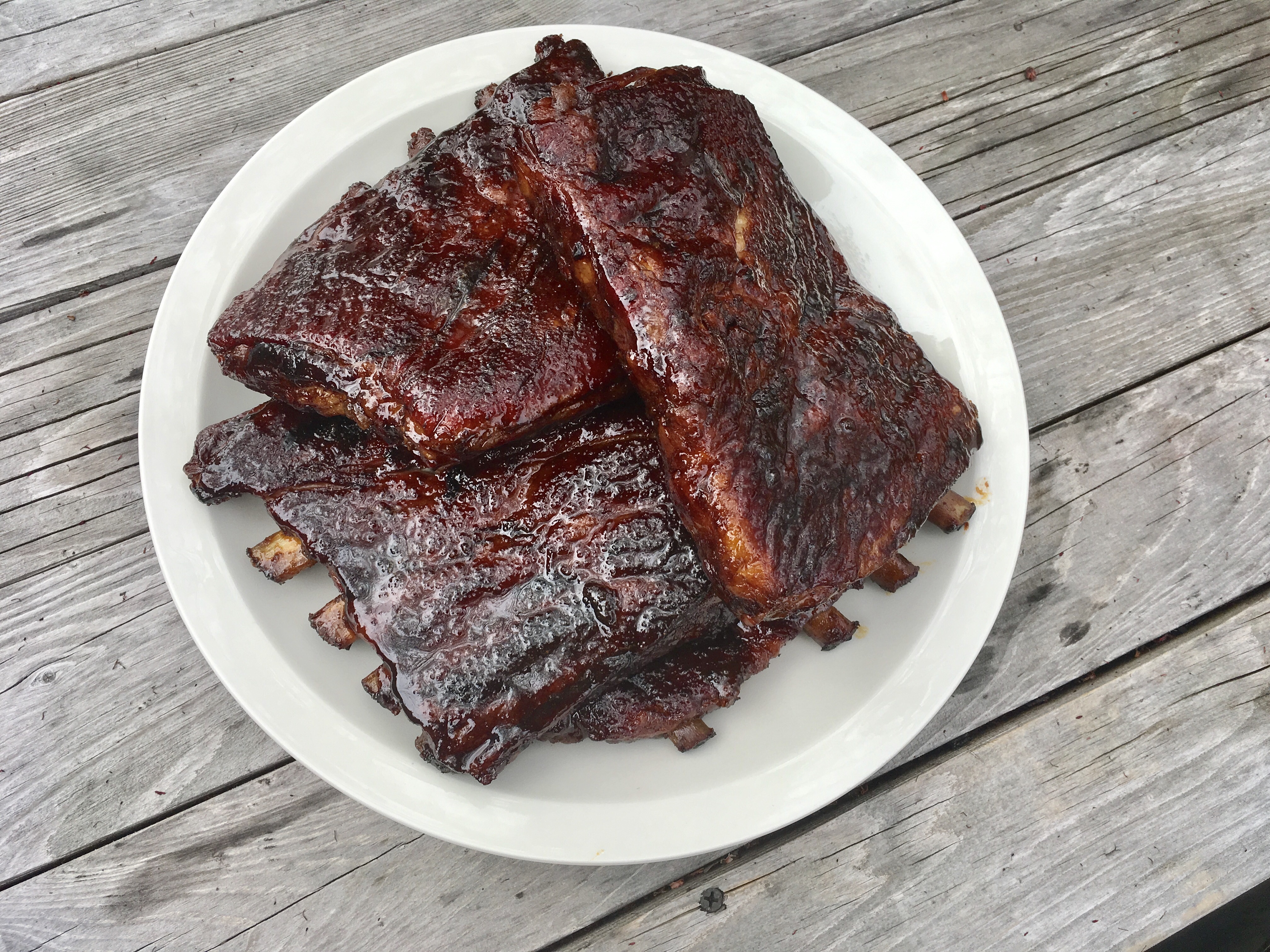
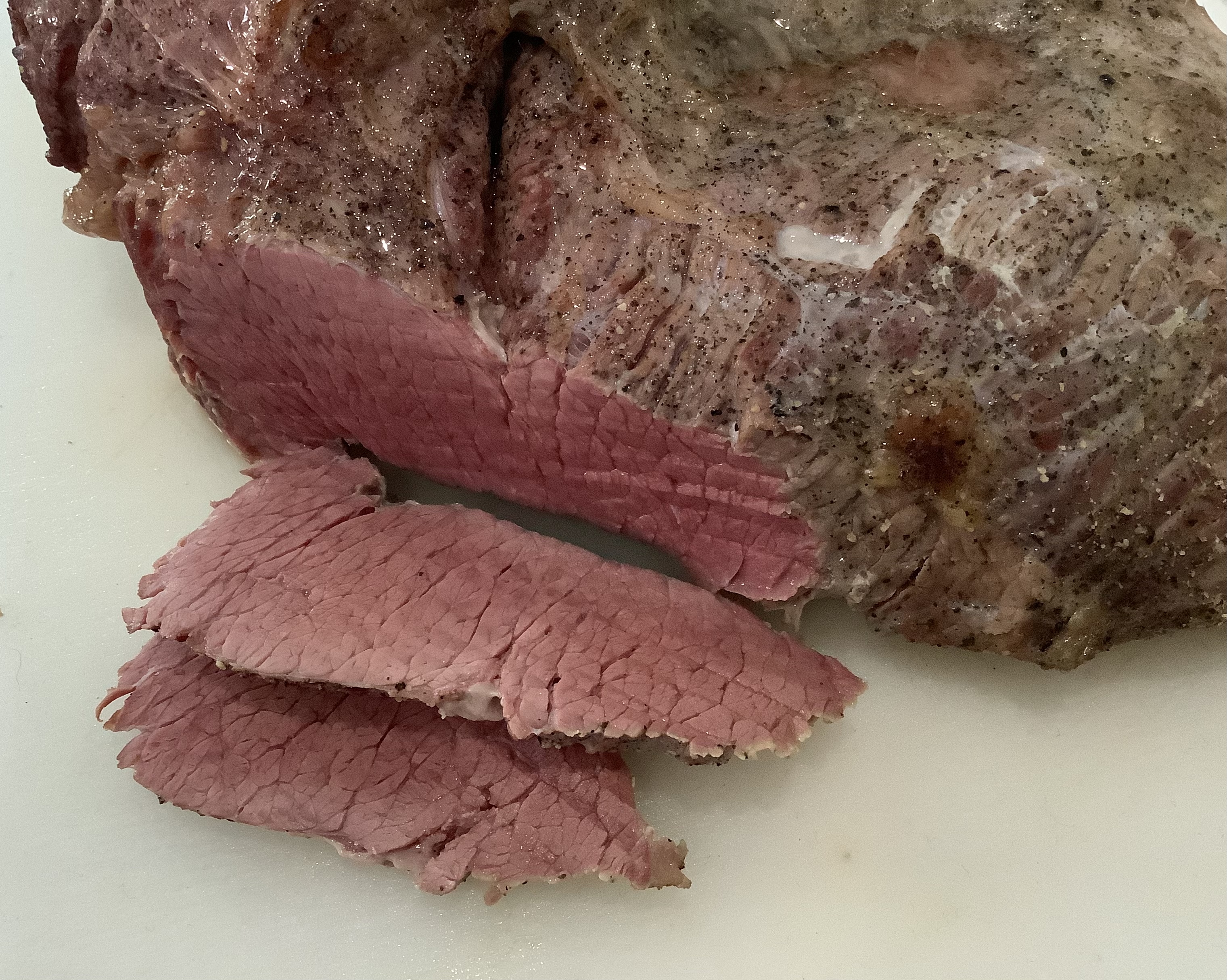
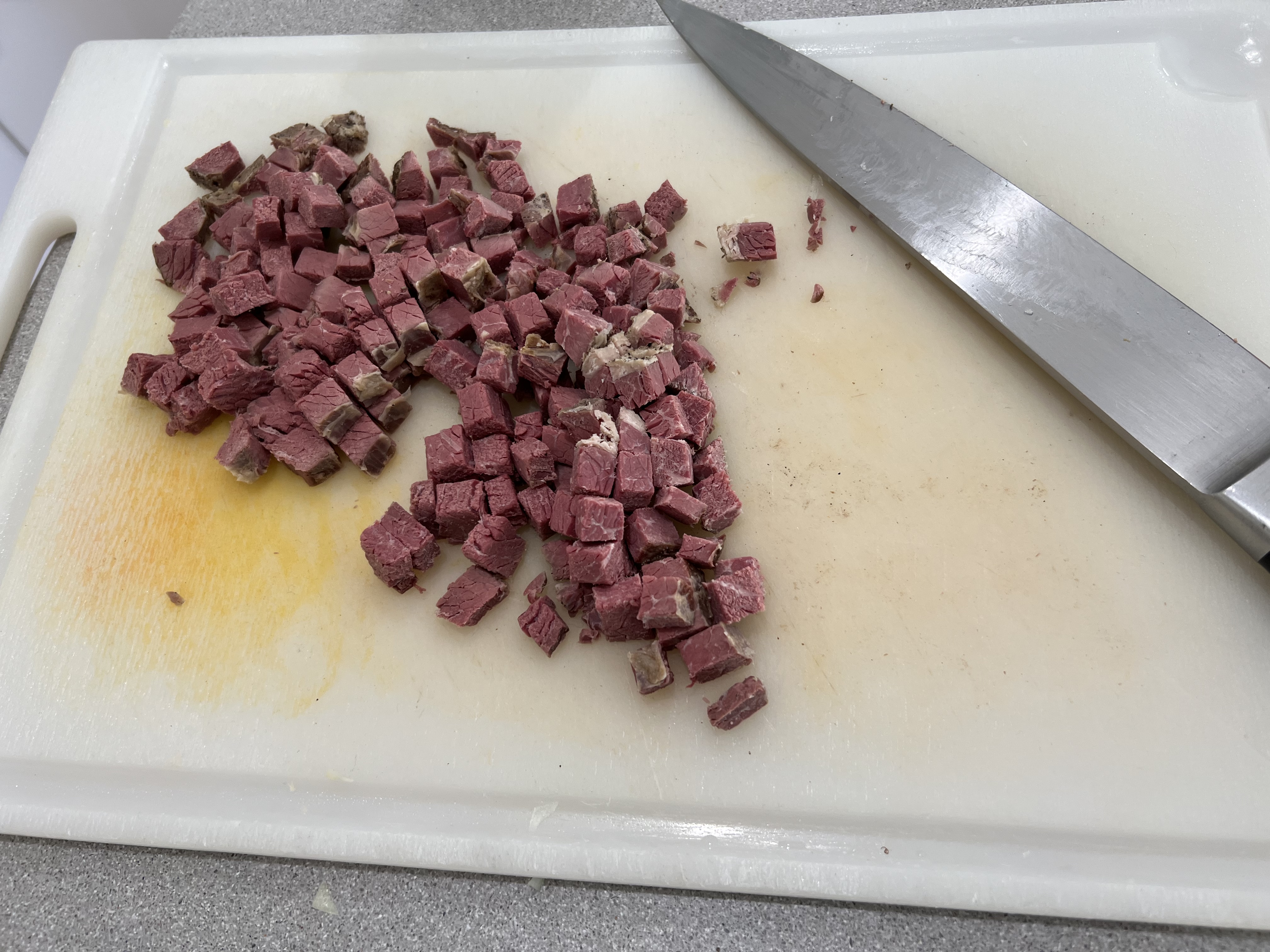
Posts Tagged ‘food’

I’ve always loved Manhattans and Negronis…two different cocktails, yet similar in certain respects. Both use sweet vermouth. Both have a touch of bitterness: Manhattans will often include a few dashes of angostura bitters, where a Negroni gets its bitterness from Campari. So when I visited Food Network chef Geoffrey Zakarian’s The Lambs Club restaurant in NYC many years ago, and tasted my first Boulevardier, I was instantly hooked.

Loosely translated, a boulevardier is a “man about town.”

The cocktail was created by Erskine Gwynne, the publisher of “Boulevardier,” a magazine for expats living in Paris in the 1920s. It’s basically a Negroni with whiskey instead of gin.

My personal preference for whiskey is bourbon, and one of my favorite bourbons to mix with is the very affordable 1792 Small Batch, though Buffalo Trace is another great choice. And for sweet vermouth, nothing beats the grandaddy of them all: Carpano’s Antica Formula.

I was just reading an interview with food blogger and cocktail expert, David Lebovitz, in the Wall Street Journal, and he mentioned the Boulevardier as one of his favorite cocktails. I hadn’t had one in ages, and started digging in my bar inventory. Bourbon is something I always have…but I also found Campari and an unopened small bottle of Antica Formula. I was all set!

Be very careful, especially with the vermouth. If you stray and buy some cheap brand, the drink will resemble nothing even close to what it could truly be!


Eagle Rare is a great choice for bourbon as well, but its prices have skyrocketed recently.

Many recipes go for the classic 1:1:1 ratio, like you’d find in a Negroni. Others boost the bourbon to 1.5 ounces. But I actually prefer a 2:1:1 ratio.

2 oz. bourbon, whiskey, or rye
1 oz. Campari
1 oz. sweet vermouth (Antica Formula preferred)


Add some ice to a cocktail shaker. Add the ingredients and stir. Strain into a rocks glass with a large cube.

Some add a twist of lemon or orange. Others, a maraschino cherry. I like it as is.


Perfection.


1792 Small Batch bourbon: Everyone has their favorite bourbon, and I really enjoy this one, because it mixes well and, at about $40 a bottle, is very affordable. Made by the Buffalo Trace distillery, who can pretty much do no wrong. (Which is why I also recommend Buffalo Trace bourbon itself.)

Campari: A liqueur, invented in 1860 by Gaspare Campari, considered an aperitif. Its alcohol content depends on the country it’s sold in. It’s unique bitter flavor is obtained from the infusion of herbs and fruit in alcohol and water.

Carpano Antica Formula: First invented in 1786 in Turin by Antonio Benedetto Carpano, it has survived in its original recipe thanks to the Fratelli Branca Distillerie. It costs more than the typical 5-buck bottle of vermouth, because it’s simply the best you can get. Buy it once and you’ll never buy another sweet vermouth again.


Butter and cheese. Can anything be better?

It’s especially great when asparagus is in season, growing in my garden, like right now.

This is a great side dish with any main course like a big slab of meat, and has special meaning to me because my cousin first introduced me to asparagus with this recipe when I was just a kid. She passed away many years ago, but I think of her every time I make this simple but delicious dish.

You can use almost any grated “parmesan” cheese, but nothing beats real Parmigiano Reggiano that you freshly grate yourself. Whatever you use, please, just don’t use the junk that comes in a plastic container on the store shelf.


image

1 lb. fresh asparagus spears
1 tablespoon unsalted butter
2 tablespoons extra virgin olive oil
3/4 cup grated Parmigiano Reggiano cheese
sea salt and freshly cracked black pepper


The easy way to trim an asparagus spear is to grab the thicker end between two fingers and bend it. It will snap at the point where the tough part ends and the softer, edible part begins. I toss the bottoms into my compost pile.

I heat the butter and oil together in a pan and then add the asparagus spears, cooking over medium heat for about 5 minutes, until al dente. (You don’t want them mushy.)

While the asparagus is still in the pan, I sprinkle the Parmigiano Reggiano on top, letting it melt a bit. I season with sea salt (I prefer Fleur de Sel) and freshly cracked black pepper.


Who says you have to only cook burgers and steaks on the grill? This is one of my favorite ways to enjoy clams…and without the clam knife! I always use hardwood charcoal.

image

A couple of dozen (or more) little neck clams, washed and purged
1 stick (8 oz.) of unsalted butter
1/4 cup extra virgin olive oil
1/4 cup chopped parsley
1 teaspoon dried oregano
1 teaspoon minced garlic
1/2 teaspoon dried basil
1/2 teaspoon sea salt

image

The clams should be stored in the fridge until ready to use…not in water, not on ice. Place the clams in a bowl and cover them with a wet dish towel.

About an hour before cooking, I like to purge my clams to remove as much grit as possible. I fill a large bowl with cold water, add sea salt and some corn meal to it, and mix it around. Then I add the clams to this bowl and let them sit in this liquid for an hour. They will suck up the corn meal and spit out sand and grit. After an hour, I pour off the water/salt/meal/grit mix, and thoroughly wash the clams. Now they’re ready to grill!

I start my hardwood charcoal grill and divide it in half: coals on one side, no coals on the other.

While the coals are heating up, I grab a disposable aluminum foil tray and place it on a burner on my kitchen stovetop over medium heat. I add the butter, olive oil, parsley, oregano, basil, garlic and salt, and stir it all to combine. Once the butter has melted and everything has blended, I bring the tray over to the charcoal grill and place on the side of the grill without coals. It will stay warm.

Once the coals are hot, just place the clams directly on the grill. (Use tongs, unless you want to remove all of your knuckle hair.) They’re done as soon as they open, but you can cook them as long as you like, from raw to more thoroughly cooked. As each one reaches its desired doneness, place it carefully in the aluminum tray, making sure you don’t lose any of that precious liquid inside the clam shell. Give it a swish in the butter and herb mix.

When all the clams have been cooked and are in the tray, serve them with that herby butter sauce on top of pasta…or simply eat them with a fresh baguette. A glass of great white wine is a must.

image

Really easy and really delicious!

When my daughter hangs out with me, I always ask her what she wants me to cook for her, and there are a few “Dad” recipes that are her favorites. This is one of them, especially when fresh asparagus is available. And as any parent will tell you, if your kid is craving a dish that has vegetables in it, count yourself lucky–and make it!!
Prepping asparagus is easy, and you don’t need a knife to cut off the woody bottoms of the stalks. Simply bend the stalks at the bottom and they will naturally snap off at the right point.
4 mild Italian sausages, sliced into pieces 1/2″ thick
1 lb. penne pasta
1/2 onion, finely chopped
1 cup chopped fresh trumpet mushrooms (white button mushrooms work, too), optional
2 cups fresh asparagus, sliced into 1-inch pieces
1 clove garlic, passed through a garlic press
1 cup homemade chicken broth
6 fresh sage leaves, finely chopped
1/2 cup freshly grated Parmigiano Reggiano cheese
extra virgin olive oil
salt and pepper
Have the pasta water salted and boiling, and add the pasta, cooking until just a bit more undercooked than al dente.
Heat a large pan, and drizzle in some olive oil. Sauté the sausage pieces until browned and cooked through, but not overcooked. Remove the sausages from the pan and place them in a separate bowl. Remove all but 2 tablespoons of the fat left behind in the pan.
Place the pan back on stove and sauté the onion until translucent. Add the garlic, and sauté for 10 seconds. Add the sage, and saute for 10 seconds, stirring. Add the chopped mushrooms and saute for a few minutes, then add the chicken broth, and simmer until almost all the liquid has evaporated. Pour the contents of the pan into the bowl with the sausages.
Return the pan to the stove, add a little more olive oil, and on medium heat, sauté the asparagus pieces. Cook them until they are al dente, not too soft. Once the asparagus has reached this stage, return all the contents of the sausage/mushroom bowl to the pan to heat through. Drain the pasta, and add it to the pan as well, combining all the ingredients. If it looks too dry, add a little pasta water to the pan. Season with salt and pepper.
Make sure you serve this hot, with grated Parmigiano Reggiano on top, and drizzle lightly over the top with extra virgin olive oil.

There’s something about Asian noodle dishes that make them incredibly addictive. They’re great hot or cold, and easy to make at home. I store an arsenal of basic Asian ingredients in my pantry, so slapping this together is no effort at all. And if you don’t have Asian noodles around, chances are you’ve got a box of pasta, which works just as well.

Next time you’ve got a bunch of people coming over, cook a batch a few hours beforehand and let it come to room temperature. It’s great with anything, really. Grab a bag of frozen egg rolls or some potstickers, and you’ve got great munchies for your guests.

Adding boiled and chilled shrimp to these noodles makes it a cool meal. I usually double the sauce recipe when I do that.

If you need to go gluten-free, use GF pasta or rice noodles…and you can find gluten-free hoisin sauce in the Asian food section of many supermarkets.

Asian noodles

4 tablespoons creamy peanut butter
1 tablespoon hoisin sauce
2 teaspoons sesame oil
1 teaspoon Chinese chili garlic sauce (more, if you like it spicy!)
16 oz. package Chinese noodles or pasta

Combine the peanut butter, hoisin sauce, sesame oil, and chili garlic sauce in a bowl. Set it aside. I keep my peanut butter in the fridge once the jar is open, so sometimes it’s a bit thick. So I just zap it in the microwave for about 10 seconds to soften it up.

Boil the noodles or pasta until al dente. Drain it and place it in a large bowl.

Mix the noodles with the sauce.

It’s easy to make this recipe a meal by adding meat and veggies, which is what I did recently.

I took about a pound of chicken breasts, and sliced them thin, into strips, placing them in a bowl. I added a little soy sauce (go gluten-free soy sauce if you need to…La Choy is the brand I use) and a little rice vinegar, and I let the chicken marinate in the fridge for a few hours.

Meanwhile, I chopped up some broccoli and blanched it in boiling water, just to cook it a little. I drained the water and set the broccoli aside.

I chopped some sugar snap peas on the bias, and set them aside. And I had a bag of mung bean sprouts purchased, ready to go.

This time, I used Udan noodles for this dish (by my daughter’s request) and I found a brand that simply needed to be microwaved for 90 seconds before using.

So once we were ready to eat, I put a little avocado oil in a hot pan and seared the chicken that was marinating, getting some nice caramelization on the meat. Toward the end, I threw in the snap peas and broccoli just to heat them up. I tossed it all into a large bowl.

I heated the Udon noodles in the microwave and tossed them in the bowl.

I added the bean sprouts to the bowl, and then a generous supply of the peanut sauce mixture, as above.

I really gave it all a good mix before serving it in bowls, with a garnish of fresh cilantro on top.

Brining, the process of letting a hunk of protein soak in a salt solution for a few hours, is a great way to add flavor and moisture to any cut of meat. I brine these wings for 3 hours before using a sweet and spicy rub. They can be grilled or roasted in the oven.


image

The brine…

1/2 cup Kosher salt
3 tablespoons light brown sugar
1 teaspoon whole black peppercorns
1 whole bay leaf
2 quarts water

Combine all ingredients in a saucepan and heat until the sugar and salt dissolve. Remove it from the heat, and let it cool to room temperature.

The rub…

1/4 cup light brown sugar
1/4 cup granulated sugar
1/4 cup sweet paprika
1 tablespoon Kosher salt
1 tablespoon granulated onion
2 teaspoons black pepper
1 teaspoon dried thyme
1 teaspoon dry mustard
1 teaspoon ground ginger
1 teaspoon cayenne pepper

Combine all the ingredients in a bowl.

Place 3 lbs. of chicken wings in a Ziploc bag and pour the cooled brine into the bag. Place the bag in a bowl to prevent leaks and keep it at room temp for 3 hours. I wouldn’t brine it longer than that, or it will get really salty.


After 3 hours, remove the chicken from the brine and dry the wings with paper towels. Discard the brine.

Place the chicken pieces in a large bowl and sprinkle them with 1/3 cup of the rub, tossing to coat the chicken well. Place the bowl with the chicken in the fridge until you’re ready to cook.


About 30 minutes before cooking, remove the bowl from the fridge and let the chicken come to room temperature.

Pre-heat the oven to 350 or light a grill.

Toss the chicken with some more of the rub, if you like, then place the pieces on a sheet pan lined with non-stick aluminum foil.

Bake at 350 for 30 minutes or until done. Lower the oven temperature if it starts to burn.

If you’re grilling, cook the wings over medium heat, turning them frequently to prevent burning. Cook until the wings are done.


I moved to my current home in the fall of last year. One of the toughest things to say goodbye to in my previous garden was my asparagus patch. Over the years, I had grown loads and loads of delicious asparagus, but sadly, there was no good way to transport that patch to my new place.

I’ve got a much smaller garden space at my current home, a small space that gets full sun, and despite its limited size, asparagus is too important of a crop to leave out. So I bought a bunch of plants this spring, and planted them. And now I have to wait. They say you’re not supposed to harvest asparagus for at least a couple of years to let the new bed establish, but I found that pretty much impossible to do…I have to have at least a bit of a taste.

Hoping to get some spears next season!

In the meantime, I can only look back at my previous success with asparagus…

The home garden is already showing signs of activity. Overwintered dill and arugula seeds are sprouting. And cool weather seeds that I’ve sown early: peas, turnips, radishes, and others are doing the same.

asparagus2013

Asparagus is really easy to grow. You just need the space, and the plants practically do the rest.
Space them about a foot apart, and before you know it, you will have a vast network of tasty stalks sprouting through the soil every spring. They are so much better than anything you can buy in a supermarket.
In the start of the growing season, the stalks don’t even make it into the house. I cut them and just eat them straight out of the garden. Eventually, they make the move to the kitchen, where I love to simply place them on a baking sheet and drizzle a little olive oil over them. Salt and pepper…and then in a 400-degree oven until they’ve caramelized.

Sometimes I toss some tasty chives with blossom buds on top of the asparagus and roast.

In the past, I’ve had I so much asparagus that I just didn’t know what to do with them all. So I started pickling them…a really easy process that ensured I had delicious asparagus well into the summer.

Several bunches of asparagus spears
2 cups white vinegar
1 cup cider vinegar
1 1/2 cups sugar
3 cups water
20 peppercorns
Garlic cloves, peeled
Kosher salt (1 teaspoon per quart-sized Mason jar. Use less for smaller jars.)
Bring the vinegar, water, sugar and peppercorns to a boil. Set the pan aside.
Trim the bottom of the asparagus spears so that the spears are just slightly shorter than the height of the quart-sized Mason jar you will use. Or cut them into pieces that will fit smaller jars.
Pack the jars as tightly as you can with the asparagus spears. (They will shrink when processed.) Add the garlic clove and 1 teaspoon of salt to every quart-sized Mason jar…less for smaller jars.
Fill the jars with the vinegar mixture and seal them tightly.
Process the jars for 10 minutes. Let them cool before placing them in the refrigerator. If you know you’re going to eat all the asparagus in the next week, processing isn’t really necessary.

DOES YOUR PEE SMELL FUNNY WHEN YOU EAT ASPARAGUS?

Asparagus has a sulfur-containing compound identified by scientists as methyl mercaptan. A colorless gas, this compound is also found in blood, feces, garlic, eggs, cheese and even skunk secretions. Another ingredient found in asparagus is asparagine. Present in foods like dairy products, seafood, poultry, fish and nuts, this amino acid is known to have a distinctive smell when heated. To metabolize both methyl mercaptan and asparagine, your body needs to break these compounds down and it’s this breakdown that’s responsible for your urine’s strange smell.

Since both methyl mercaptan and asparagine are associated with the sense of smell, there is debate over which ingredient is actually responsible for the asparagus-urine phenomenon. It could be one, or both.

Many people claim that, regardless of asparagus consumption, their urine does not smell. There are multiple theories about that as well. The first claims that everyone’s urine is in fact affected by asparagus, but only about half of the population have the specific gene that is required to smell the change. On the other hand, the second theory states that only half of the world’s population has the gene that’s required to break down the compounds found in asparagus and, if the body doesn’t break them down, no smell is emitted. In fact, one study published in the British Journal of Clinical Pharmacology found that only 46 percent of British people tested produced the odor while 100 percent of French people tested did. So whatever the reason, asparagus will forever be known as the vegetable that makes your urine smell strange.

Lamb seems to be one of those meats that people either love or hate. Growing up in a home where my Mom served it pretty often, and did a pretty good job of cooking it, I happen to love it, and actually crave it now and again.


I buy much of my meats from Cooks Venture, a company that humanely raises a special breed of chickens, and also sources high quality meats from all over the world.

When I saw a New Zealand boneless lamb shoulder roast on their website, I had to buy it. Though New Zealand lamb can be a bit gamey to many people, I love that flavor, and there is no better quality of lamb than that from the land of the kiwi.
 

I knew I wanted to marinate the roast, and there was no way the marinade would penetrate into the meat if it was rolled and tied like it came in the package. So I decided to cut the string that wrapped the lamb roast, and unroll it, so that every inch of that lamb would make contact with the marinade.
Tied…


Untied and unrolled.


Once I marinated the lamb overnight, I rolled it back up, retied it as best I could, and cooked it in a 350 degree oven until the roast registered 120 degrees on my meat thermometer: medium rare.

I finished the lamb on my outdoor grill over hardwood charcoal to get a little smokiness and char.

The marinade I used can be used for any cut of lamb you might want to cook. (I love the small lamb chops that look like mini t-bones. Their flavor is incredible.)

1/2 cup olive oil
1/2 cup balsamic vinegar
1 tablespoon fresh rosemary, chopped
1 tablespoon fresh thyme leaves, chopped
1 tablespoon Kosher salt
1 tablespoon maple syrup
1 tablespoon Dijon mustard
1 teaspoon black pepper
1 teaspoon dried oregano
3 cloves garlic, sliced thin

Combine all the marinade ingredients in a bowl, mixing well.


Lamb and marinade ready for an overnight in the fridge.


Place the lamb in a Ziploc bag, and pour in the marinade. Seal the bag tightly, squeezing any excess air out of it, and squish it around carefully, so that the marinade makes contact with every part of the lamb.

Place the bag on a pan (to prevent accidents in the fridge) and place it in the fridge overnight. Give it a squish every few hours if you can.

The next day, remove the pan from the fridge and let the lamb come up to room temperature.

Pre-heat the oven to 350 degrees.

Carefully remove the lamb from the bag (I do this over the sink), discarding the marinade.


Marinated, seasoned, re-rolled and re-tied. Ready for the oven.

If you’re using an unrolled lamb roast, like I did, roll it our flat on a cutting board and season it with salt and pepper.

Carefully roll the roast up the way it was originally and tie it with string, as best you can.

Place the roast on a baking sheet and bake it until the meat reads 120 degrees on a meat thermometer…that’s medium-rare.

Out of the oven and onto the grill…


While the roast is in the oven, start a hardwood charcoal fire.

When the roast is out of the oven, place it on the grill and grill it on all sides until it has some nice grill marks and char.


Let the roast rest for at least 15 minutes before slicing. (Cut the strings off before you do.)


When I first told my friends that I grew up in a Lithuanian family, that we only spoke Lithuanian at the dinner table, that I went to Lithuanian Saturday school for 8 years, that I was a Lithuanian boy scout…they looked at me with a bit of disbelief. On the surface, I looked just like any other American-born kid that grew up in the suburbs. But the home life was vastly different.

Few things were stranger to my friends than the food we ate. While all my “American” friends had PB&J’s for lunch, I had a liverwurst sandwich on dark Lithuanian bread. While my friends struggled with broccoli, I was force-fed beets. And while my friends ate macaroni with jarred tomato sauce or Kraft mac & cheese, my Mom served us macaroni with sour cream and butter. (Nobody called it pasta back then.)


img_0048


Few things prove you are a true Lithuanian more than an appetite for herring. (Silke (sil-keh) in Lithuanian.) I loved it at an early age. Didn’t matter if it was in a cream sauce with onions, in a tomato casserole with chopped boletes, or perhaps my favorite: this appetizer my Mom prepared only twice a year when my Dad’s buddies came over to play rounds of bridge all night.

Years later, when I was just out of college and in my first years of radio, I shared an apartment with my college buddy, Don. One evening, I prepared this dish for him when he came home from work. We both had the next day off (smart move, considering the vodka!) and I explained to him my family history behind this strange-looking appetizer. (I don’t think he’d ever had herring before.) Though it looked bizarre, he knew he had to trust me when it came to food, and he popped one of those bites into his mouth. I could see he wasn’t sure whether he liked it or not…a moment of many sensations hitting him all at once…confusion in his eyes…do I spit it out or swallow it?…so I poured him the vodka. He swallowed the food…took a shot of the vodka…and instantly had a moment of clarity. It all came together. It was indeed magical. I’ll never forget that look on his face!

There are a few basic ingredients that make this appetizer work…

First and foremost, you need a bottle of good vodka in the freezer. Despite their lack of love for anything Russian, Lithuanians like their vodka, and Stolichnaya was my Dad’s favorite back in the day. Even now, with hundreds of vodkas to choose from, I still go to the red-labeled Stoli bottle for this dish. (Though it’s now distilled in Latvia.) I find a space in the freezer…jam that bottle in there…and let it get nice and cold.

Obviously, good quality herring is essential. Though I can get them fresh when I’m back home on Long Island, the usual choice is from a jar. For me, there’s no better quality than Acme products out of Brooklyn, NY. (If you saw the episode of “Bizarre Foods America” with Andrew Zimmern where he visited a salmon processing plant in Brooklyn, that was Acme Smoked Fish.) You can find them in many supermarkets. The excellent Blue Hill Bay herring in dill sauce is an Acme product and can be found at Whole Foods.

Next: hard-boiled eggs that have cooled in the fridge. Get out the old egg slicer that’s been sitting in the kitchen drawer for the last decade and use it for this appetizer.

Red onion, sliced thin. How much you use is up to you. But it’s gotta be red and it’s gotta be raw.

And finally, Lithuanian bread. Yes, there is such a thing. It’s easy to find in most Polish or German food stores in the New York area. I also recently discovered an Eastern European food store in Hyannis, on Cape Cod, where I can stock up . I buy a loaf and then keep it in the freezer to enjoy throughout the year. Lithuanian bread is like the lovechild of rye bread and pumpernickel, so either one of those will work in a pinch.


img_0051

To make the appetizer, simply place a small piece of Lithuanian bread, about 1 1/2″ square, on a plate. Place a slice of hard-boiled egg on top of it. On top of that, some red onion. Then finally, a piece of herring.


img_0046


Pop the whole thing in your mouth, and wash it down with a small amount of frozen vodka. No shots–this isn’t a frat house. Besides, you won’t make it to the end of dinner. Then again, you may not care at that point!

I never learned how to play bridge, but I’m sure my Dad would be proud that I remembered this treat.

A COUPLE-A CHUCK ROASTS

Posted: April 27, 2025 in Uncategorized
Tags: , , , ,

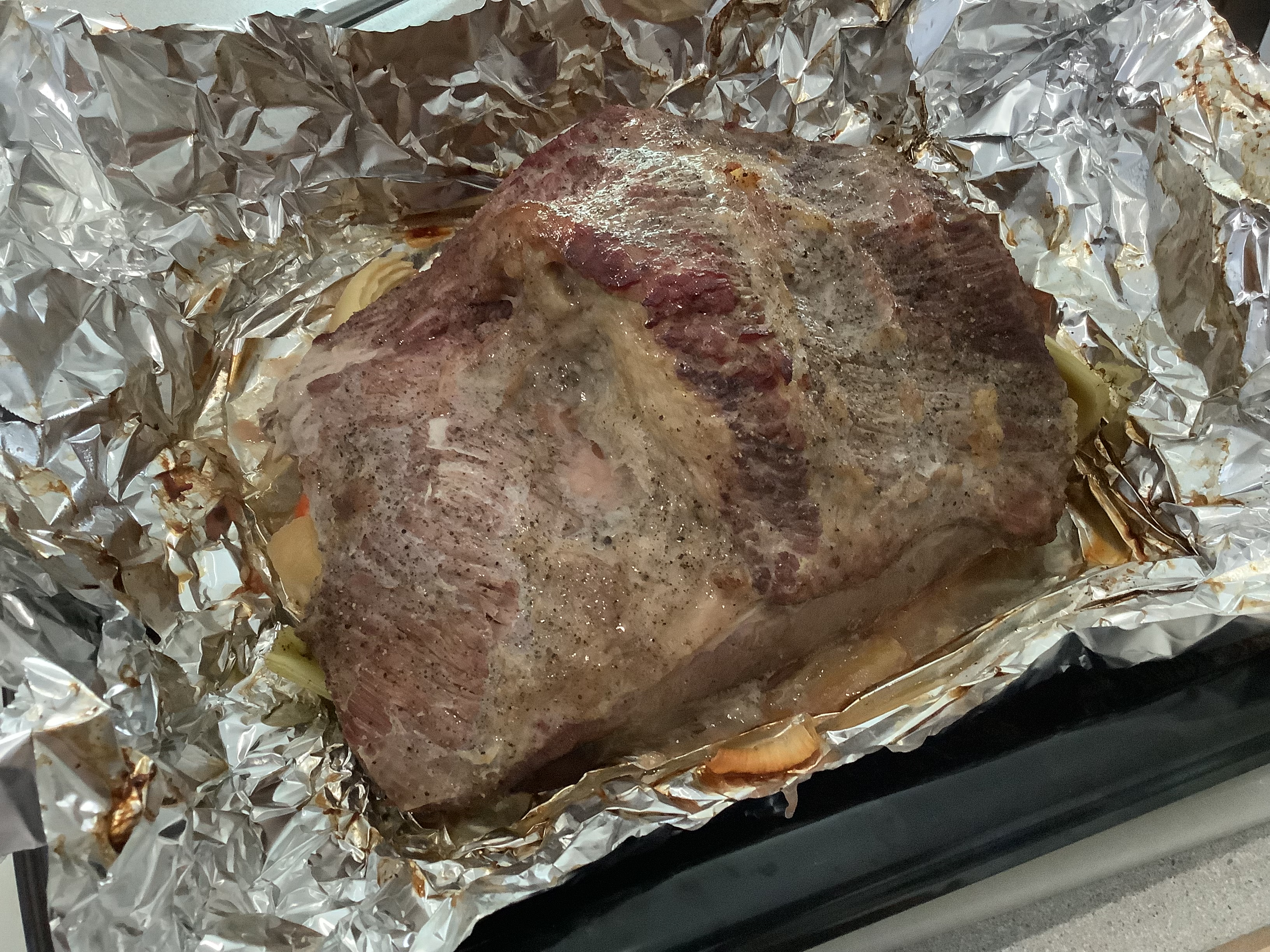
Chuck roast is an inexpensive cut of beef, but it requires a little TLC to make it tender and tasty. I had a couple of grass-fed chuck roasts in the freezer, and decided to try two different ways of seasoning them before cooking them low and slow.

With the first, I used Asian spices…

2 lb. chuck roast, preferably grass-fed
1 tablespoon Chinese five spice
1 tablespoon Kosher salt
1 tablespoon granulated onion
1 tablespoon granulated garlic
1 teaspoon black pepper
2 tablespoons hoisin sauce
1 teaspoon sesame oil

Pre-heat the oven to 250°.

Let the chuck roast come to room temperature before cooking.

Combine the Chinese five spice, salt, onion, garlic and pepper in a bowl.

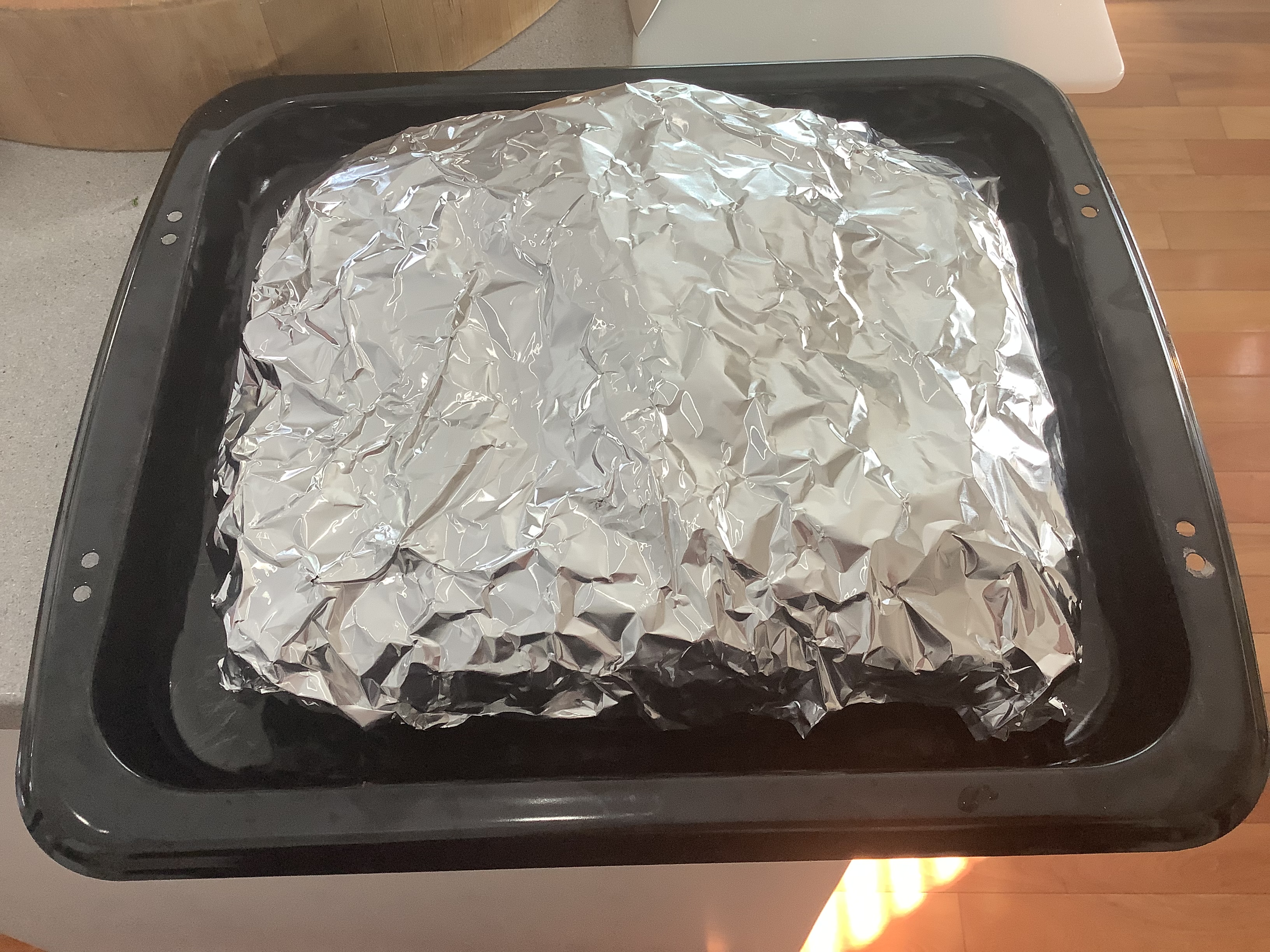
Rub the spice mixture all over the chuck roast, and then wrap the roast in aluminum foil. Place the foil in an oven-proof pan and bake the chuck roast for about 2 hours, until it’s tender. Carefully pour of the fat before the next step.

In a separate bowl, mix the hoisin sauce and sesame oil, and brush it all over the chuck roast. Put the roast back in the oven, uncovered, for about 15 minutes, until a nice glaze forms on the meat.

Let it rest for 15 minutes. Slice the chuck roast on the diagonal for maximum tenderness.

With the second chuck roast, I went with Italian style seasonings, also with tasty results.

2 lb. chuck roast, preferably grass-fed
olive oil
1 tablespoon Kosher salt
1 tablespoon granulated garlic
1 tablespoon granulated onion
1 tablespoon oregano
1 teaspoon black pepper

Pre-heat the oven to 250°.

Rub the chuck roast with olive oil, and then rub the spices all over it, placing it in the foil and wrapping it. Place the foil in an oven-proof pan and bake it for about 2 hours, until tender.

Carefully pour off the fat, and let the meat rest for 15 minutes before slicing on the diagonal.