Archive for the ‘travel’ Category

This is so cool, I had to post it. A couple has been taking care of a legendary hotel in Montana’s Glacier National Park and has been snowed in since October! And we thought we had it bad here in New England!

It’s called the Many Glacier Hotel, and I stayed there with my buddy, Lee, back in 1989. A magnificent hotel, construction started in 1914 and was completed just 1 year later. The Great Northern Railway was building a series of chalets and hotels to establish Glacier National Park as a destination. They called it “the American Alps.”

The breathtaking scenery from any room at the Many Glacier Hotel. (Not my photo.)

The breathtaking scenery from any room at the Many Glacier Hotel.

The frame of the hotel consists of massive tree trunks crisscrossing to create an unbelievable structure. It’s hard to imagine how these things were lifted into place with the simplest of tools. It’s a place I will return to, someday, with my family.

The spectacular interior of the Many Glacier Hotel. (Not my photo.)

The spectacular interior of the Many Glacier Hotel.

We visited Glacier National Park the week before Labor Day, and temperatures were above 90 degrees every day. The main scenic route through the mountains, known as the “Going to the Sun Road,” officially closed on Labor Day, and we couldn’t figure out why, since we were sweating out butts off at the end of August. When we got home from our trip, a massive snowfall hit the area the day after Labor Day, and shut everything down. Those folks in Montana knew what they were doing. I’ve never doubted them since.

The photos posted here are the first I’ve ever posted on livethelive.com that don’t belong to me. I have an album full of photos from my Montana trip, and it’s lost somewhere in storage boxes. So I had to settle for these.

Here’s the article about the couple taking care of the hotel. “All work and no play makes Jack a dull boy!”

https://www.yahoo.com/travel/couple-all-alone-in-a-montana-hotel-for-the-winter-110297189427.html


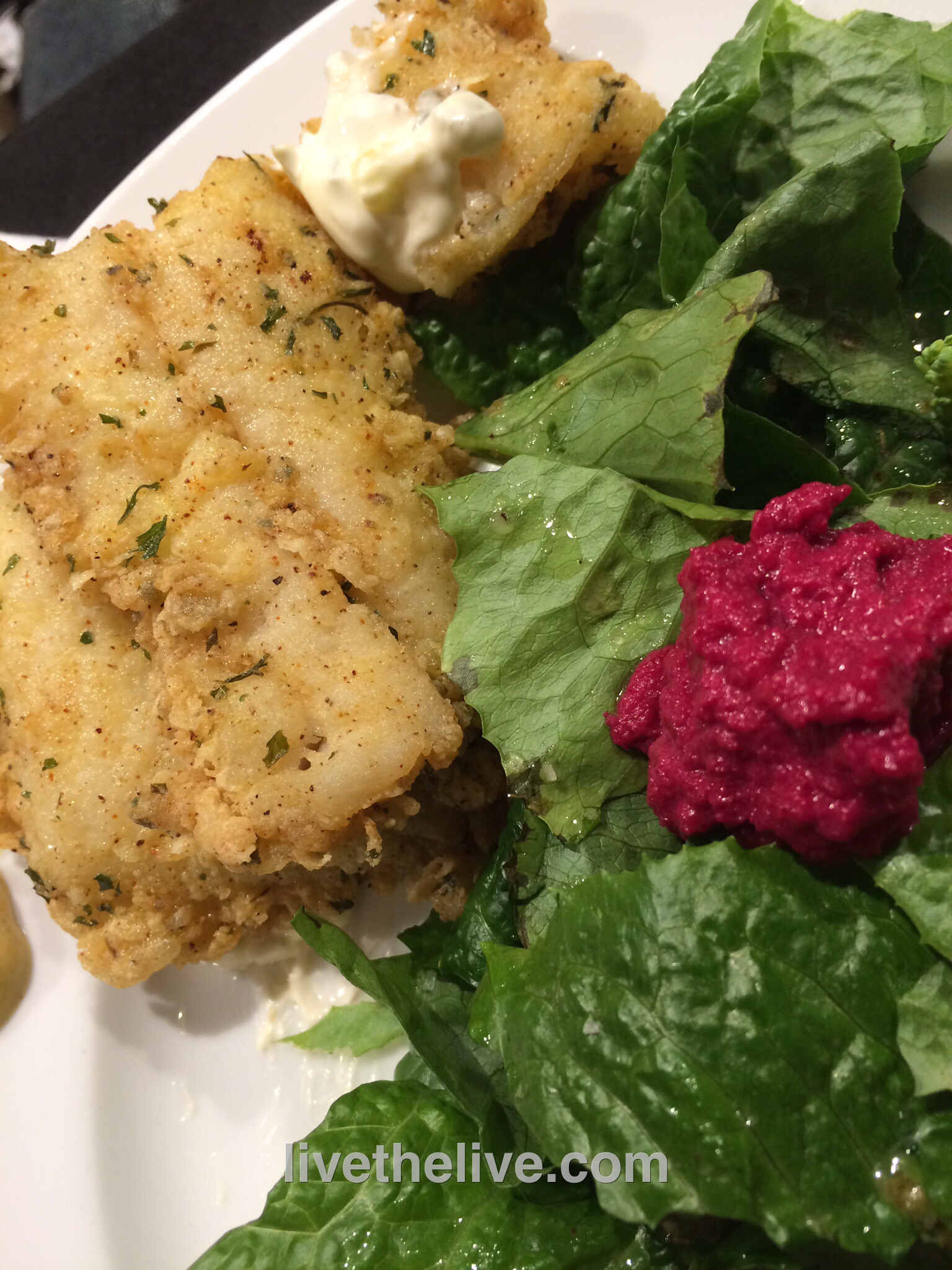
It’s always a challenge when you’re on a diet. I’m going no alcohol and low-carb to lose some weight. (Down 6 lbs. in 5 days so far.) My wife needs to include gluten-free food in her diet, though she can have a few carbs. Fish is a great source of protein, and we love it sauteed in a little butter and olive oil with Paul Prudhomme’s Seafood Magic seasoning on it. But let’s face it, that gets old after a while, and we all know there’s nothing tastier than fried fish.

Rather than using a heavy beer batter like I used to do (damn good and easy to do:http://wp.me/p1c1Nl-en), I came up with a very light gluten-free-flour-based seasoning that gave the fresh-caught local fish we bought incredible flavor and crunch without a carb overload and without gluten. Damn good, and I have to say, you’d never know the difference.

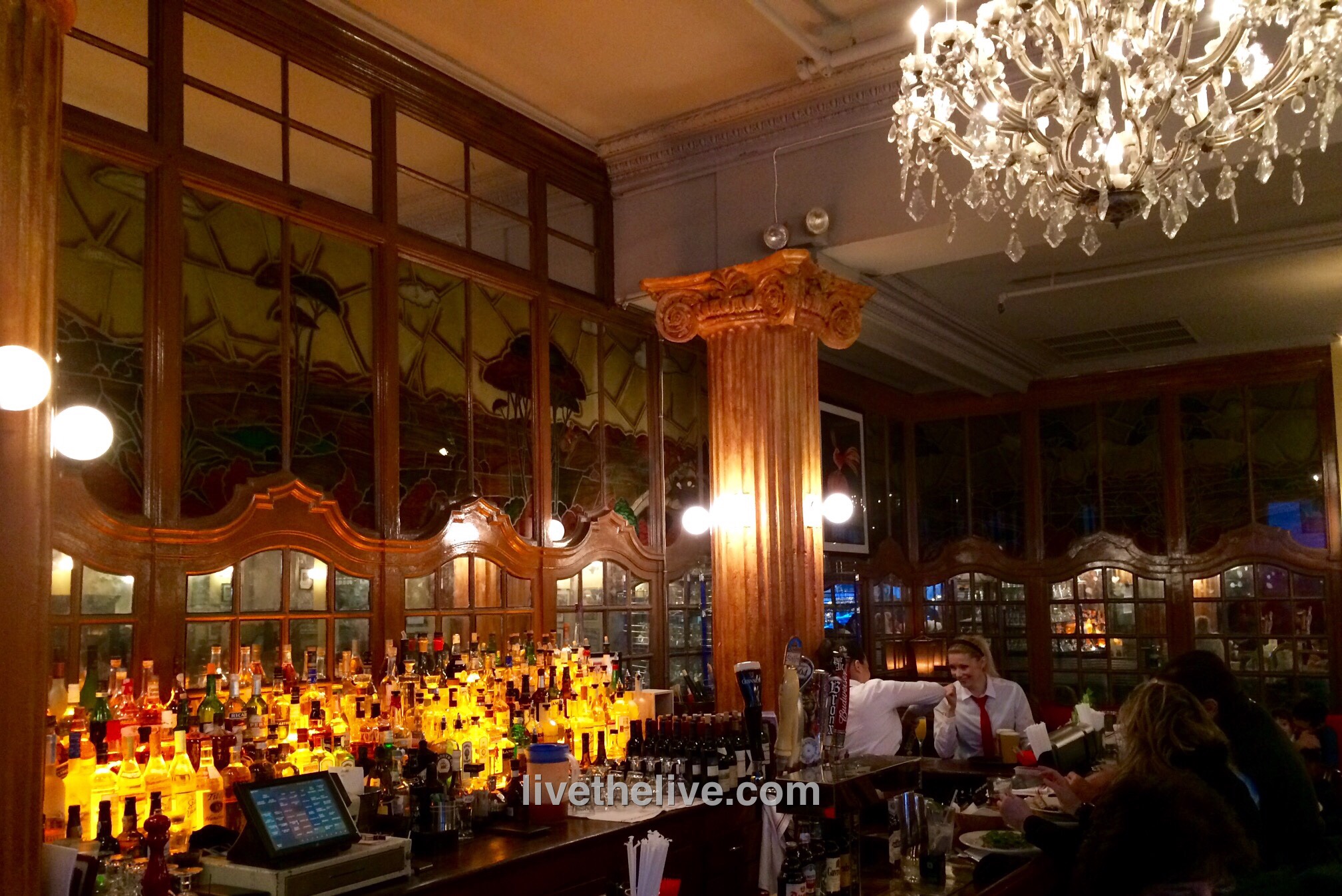
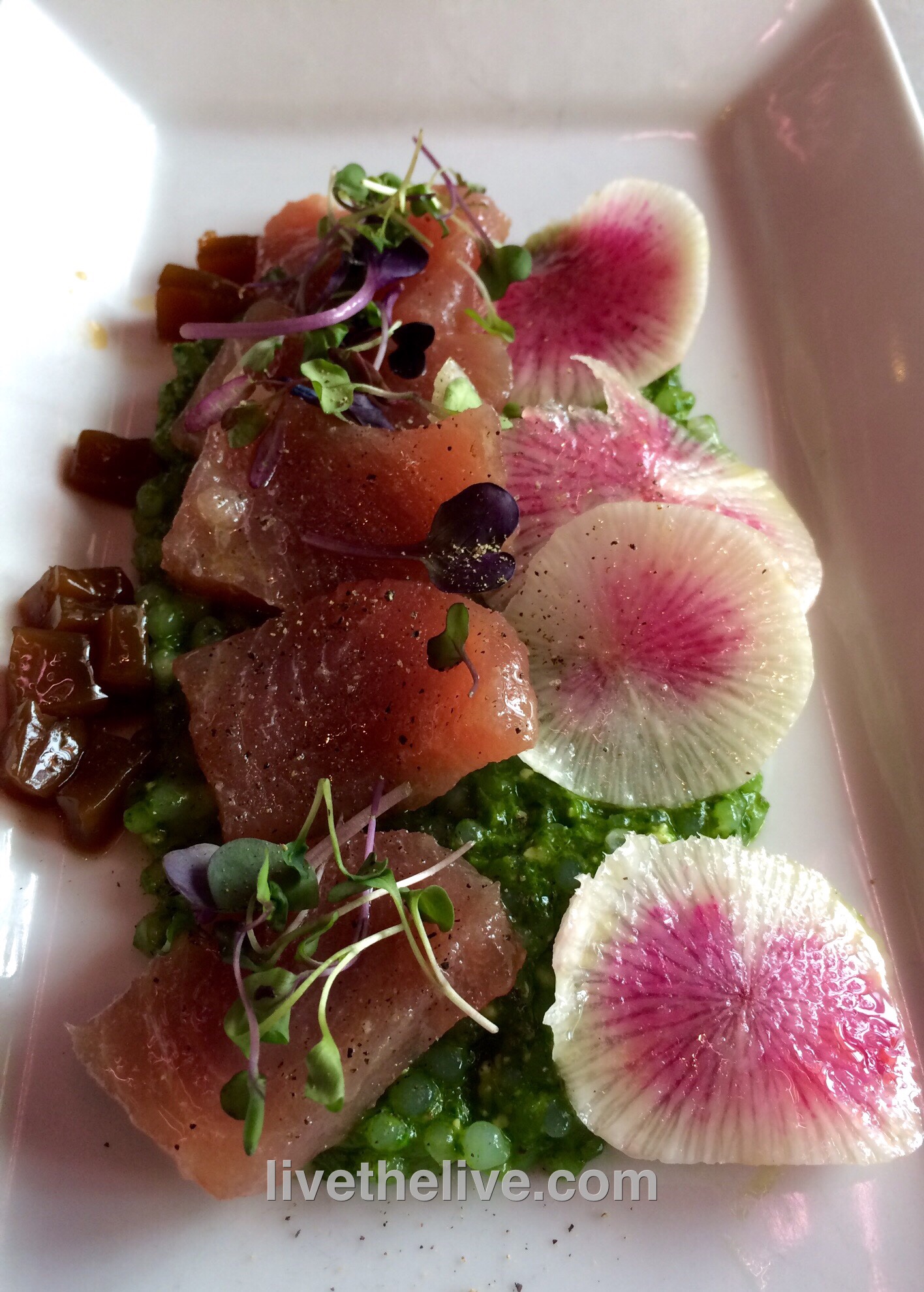
There are many gluten-free flours out there now, and all you need to do is substitute them cup-for-cup in any recipe you have. I’ve tried Bob’s Red Mill (OK), King Arthur (better), and Pamela’s (very good–what I used for this recipe.) I’ve just ordered the latest: Cup 4 Cup, created by chefs that include the famous Thomas Keller, which we tasted at Mario Batali’s Del Posto restaurant in New York City recently. They have about 12 different pasta dishes on their menu, and each one has a gluten-free option using the Cup 4 Cup flour. They were fantastic!

image


1 cup flour (all-purpose or gluten-free)

2 teaspoons salt

1/2 teaspoon pepper

1 tablespoon dried parsley

1 teaspoon oregano

1 teaspoon granulated onion

1/2 teaspoon granulated garlic

1 teaspoon paprika

2 eggs

fresh locally caught fish fillets of your choice (I used fluke and ocean perch)

Organic GMO-free canola oil or avocado oil for frying


In a flat bowl you will use to dredge the fish fillets, combine the flour, salt and pepper, parsley, oregano, granulated onion and garlic, and paprika.

In a separate flat bowl, scramble the 2 eggs.

Pour about 1/2″ of the oil in a pan and heat to medium-high heat.

Dip the fish fillets first in the eggs, coating well. Then dredge in the flour mixture, pressing down on both sides, so the flour mixture really sticks to the fish. Then shake the fillet lightly to remove the excess flour and gently lay the fillet in the hot oil. Fry until golden.

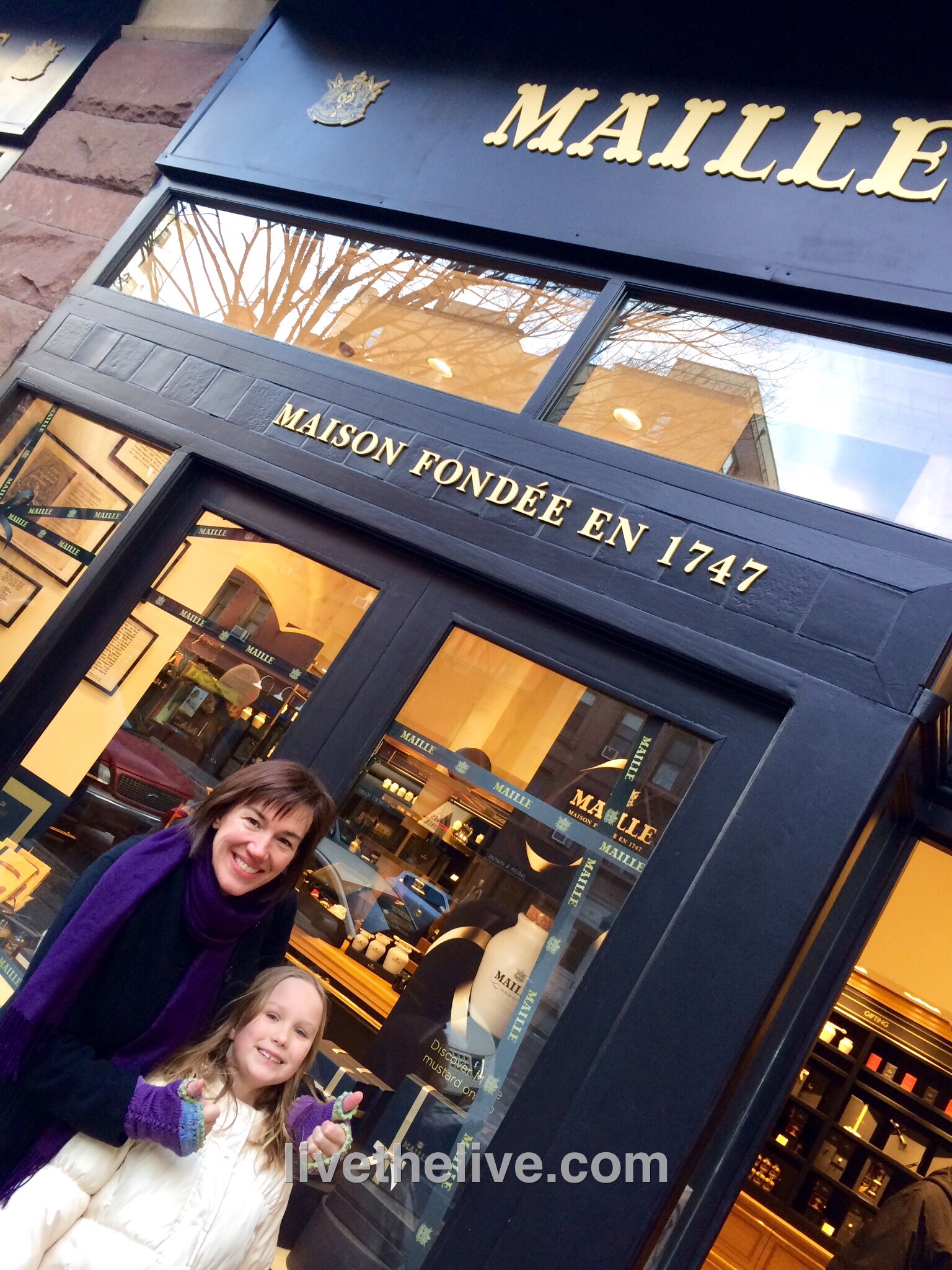
We made a quick and delicious tartare sauce using mayonnaise, dill pickle relish and Maille sauterne mustard.


No trip to Madrid is complete without visiting a couple of food markets. The quality and selection of foods, ready-to-eat on location or packaged to go, is mind-boggling!

Mercado de San Miguel

Mercado de San Miguel

On our recent trip to Madrid, we sampled foods from two food markets: Mercado de San Miguel and Mercado San Anton.

Mercado de San Miguel

Mercado de San Miguel

Praised by many as the best market in the city, Mercado de San Miguel is near the tourist center of Madrid, by the Plaza Mayor, a plaza featuring open-air restaurants, outdoor concerts and loads of street performers looking to make a few bucks. The choice of foods at Mercado de San Miguel is incredible, and you’ll be hard-pressed to find an empty seat.

My not-so-adventurous daughter found happiness in a personal pizza.

My not-so-adventurous daughter found happiness in a personal pizza.

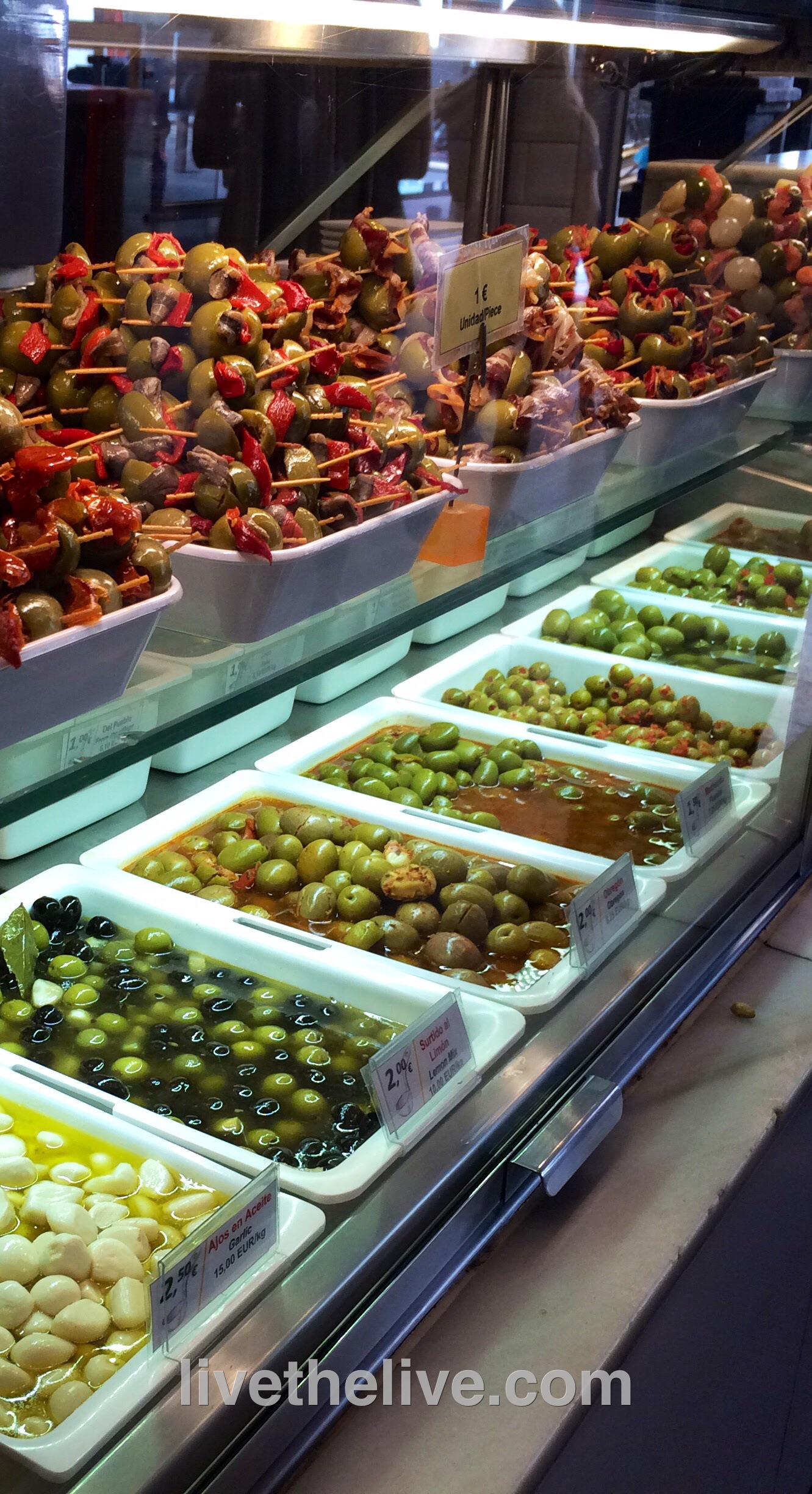
It’s worth the extra effort to elbow your way over to your own private corner of the market to enjoy everything from olives to oysters.

image


image


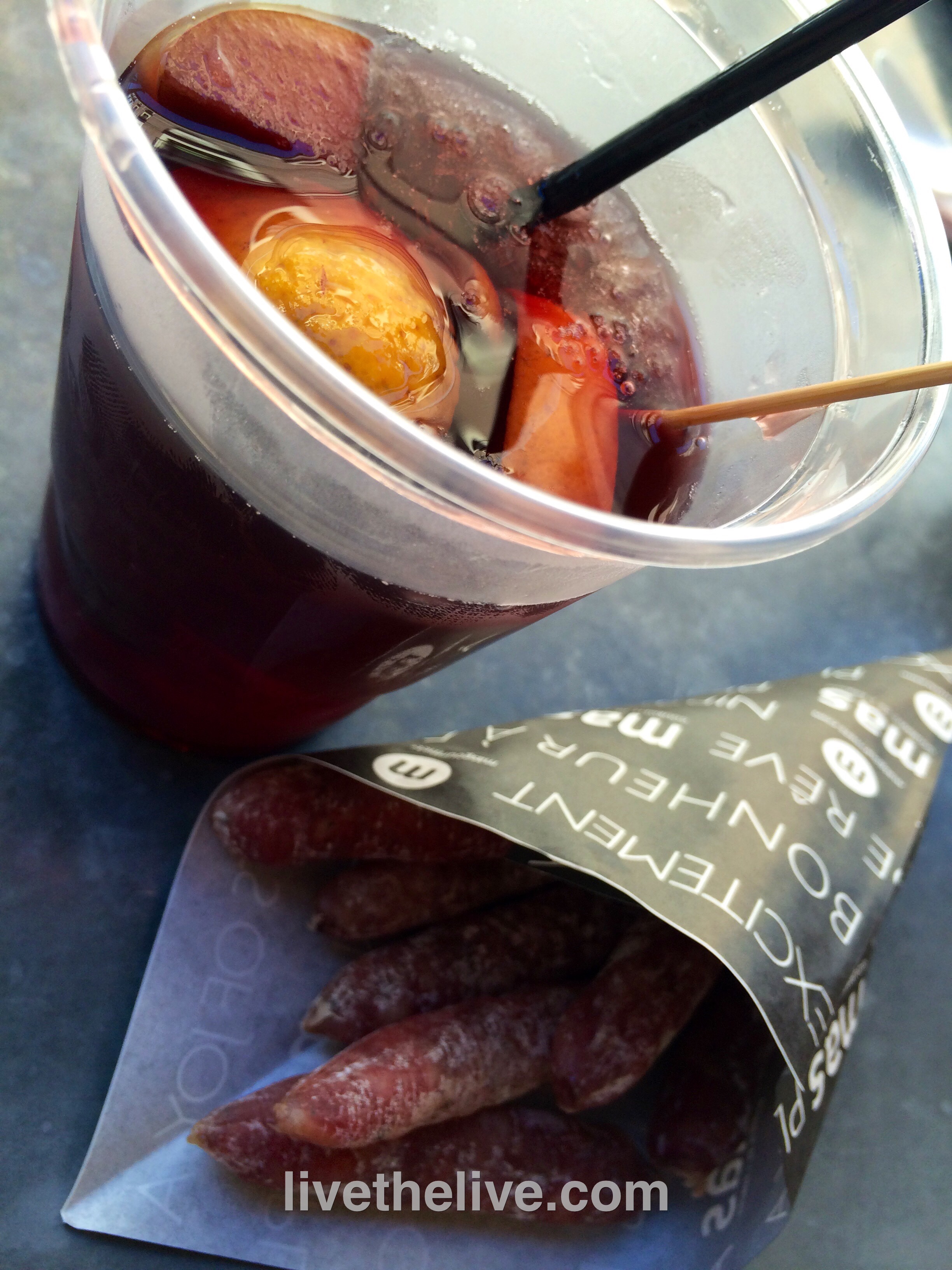
House-made sangria and little salamis served up like french fries.

House-made sangria and little salamis served up like french fries.

Grilled sardines.

Grilled sardines.

Sweet as well as savory bites.

Sweet as well as savory bites.

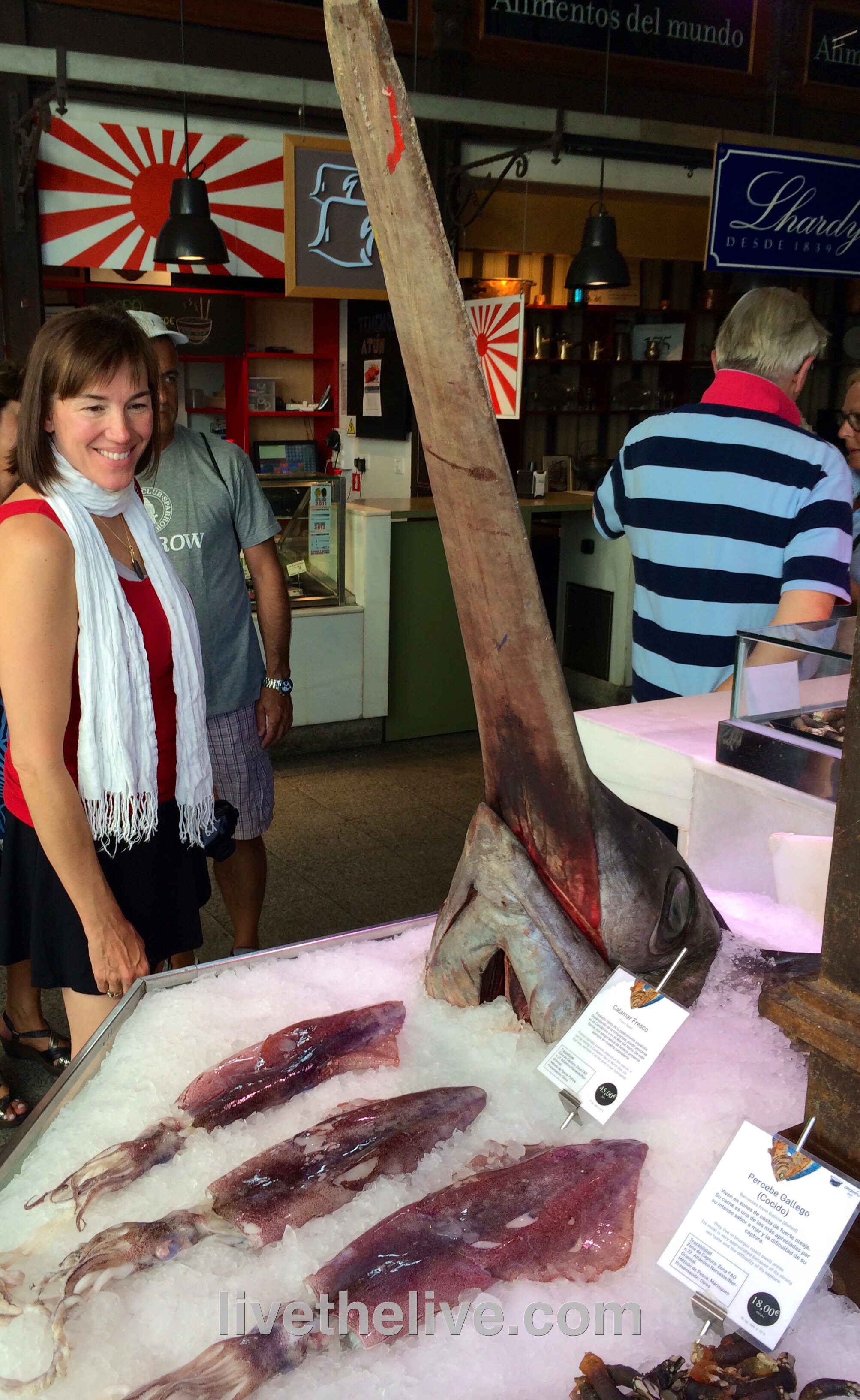
If you’re lucky enough to have a place to cook, you can take home some fantastic seafood…

image


…including swordfish and squid!

image


Though the Mercado de San Miguel clearly has it all, its large size and huge crowds can be a challenge to those not wanting to stand in long lines. The Mercado San Anton across town, meanwhile, is funky, smaller and a more manageable market.

Pork heaven at Mercado San Anton.

Pork heaven at Mercado San Anton.


Mercado San Anton has five floors. Three feature food shops and tapas bars. Grab a bite and a drink right there or take it with you.

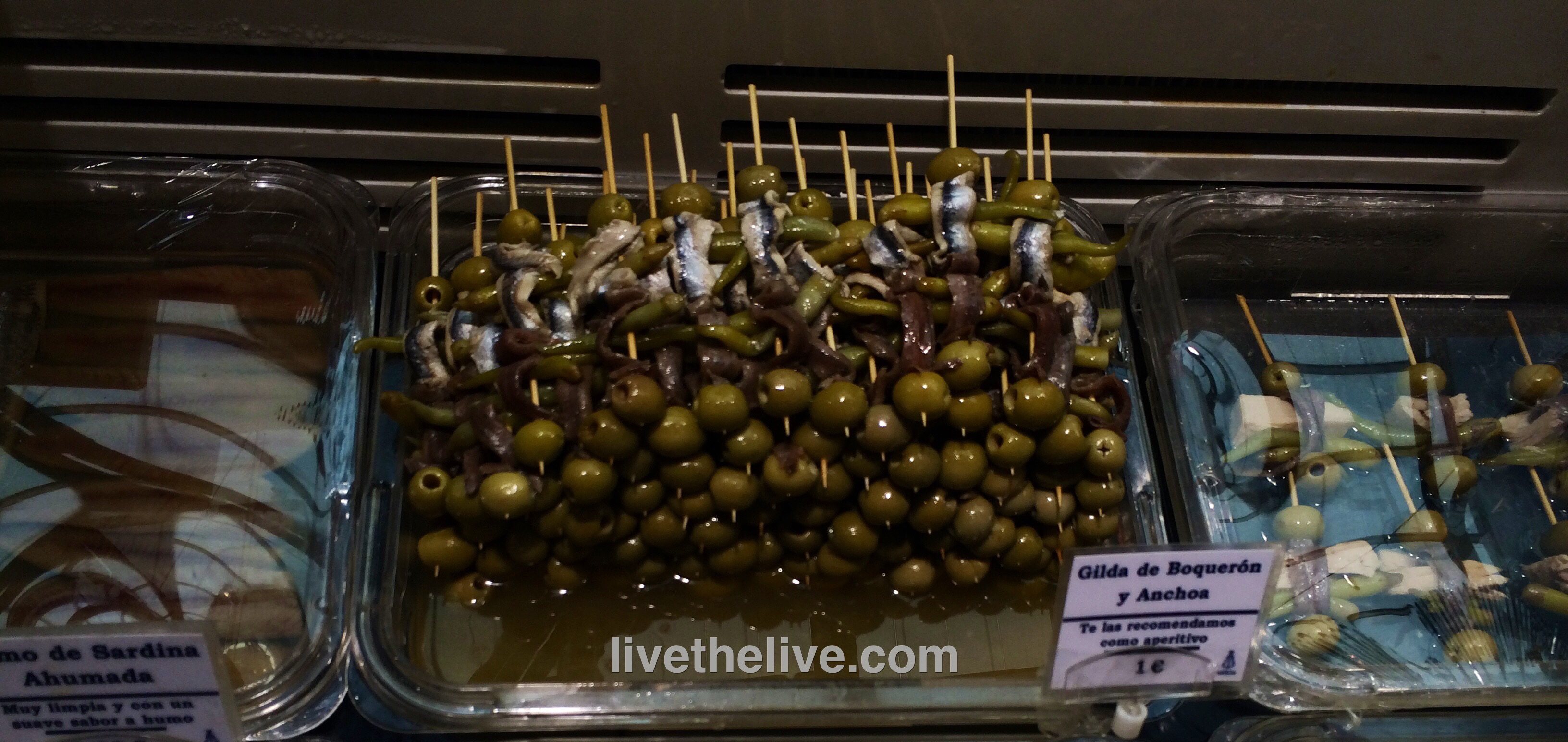
Our favorite tapas when in Spain: a skewer of olives, peppers and anchovies.

Our favorite tapas when in Spain: Gilda de Boqueron y Anchoa (a skewer of olives, peppers and anchovies.)

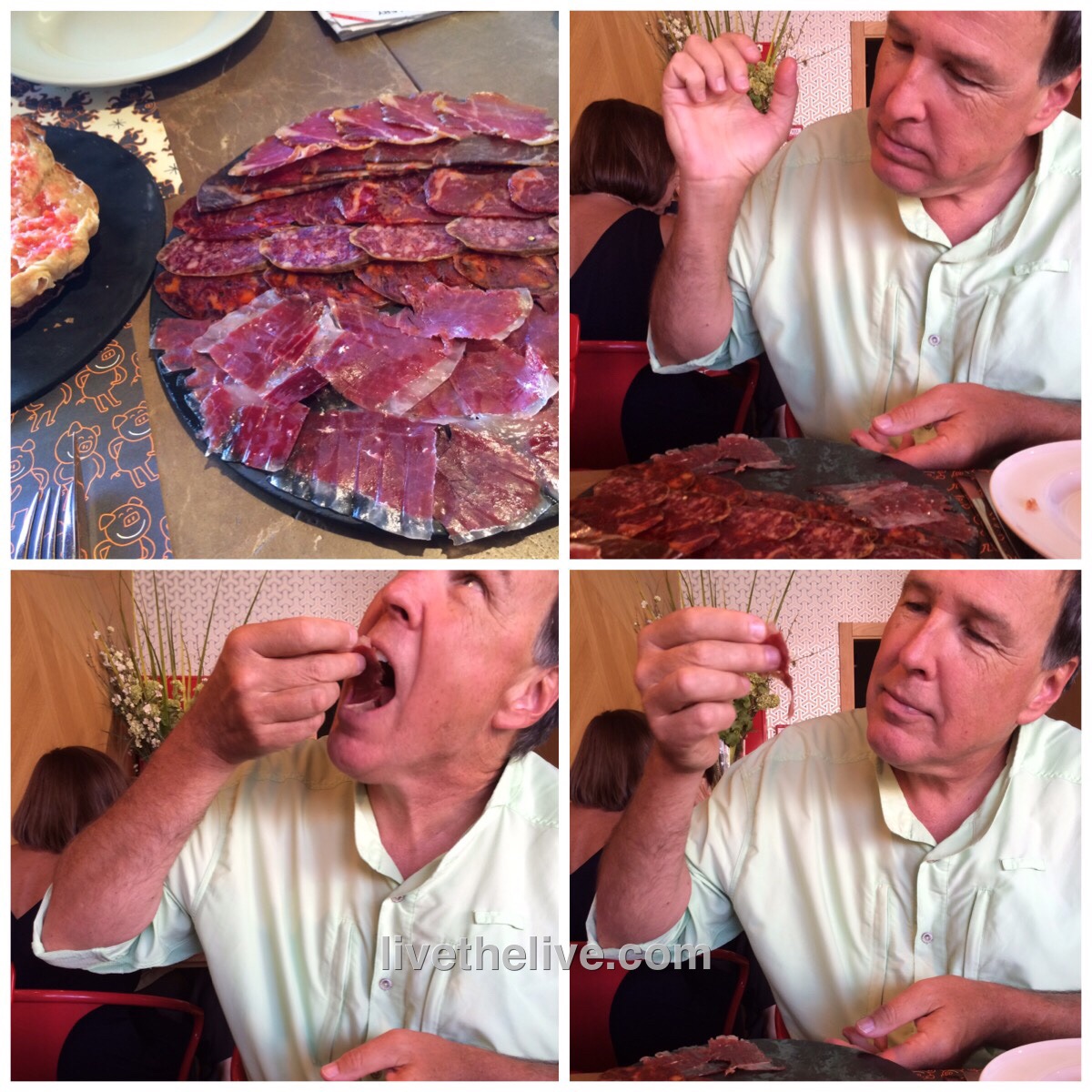
And on the top floor: a great restaurant that you shouldn’t miss: La Cocina de San Anton. If for no other reason, you need to dine here to experience the magnificent plate of Iberico ham and other meats they offer, sliced to order. This is truly a situation where more is more.

Acorn-fed Iberico ham: there's nothing like it!

Acorn-fed Iberico ham: there’s nothing like it!


The window at Cocina de San Anton.

The window at Cocina de San Anton: it’s all about the pig!

We’d go back to the Mercado San Anton in a heartbeat. Located in the colorful Chueca neighborhood full of art galleries, it’s a place where you can easily spend hours and hours over lunch.

Madrid has many fine restaurants. But tapas are a great way for any self-respecting foodie to explore the markets for a real taste of this beautiful city.

image


We’re home in Rhode Island for Christmas this year. Usually, we go to New York and my Lithuanian family celebrates Christmas Eve with loads of herring, smoked eel, smelts, potato pancakes, and a family favorite: porcini mushroom pierogis or grybiniai koldunai. The table is loaded with food, and we feast.

This year, it’s a bit simpler here in Rhode Island: one main dish. For one thing, I don’t know anyone that supplies quality herring or smoked eel around here. And secondly, the one dish I’m making is simply fantastic.

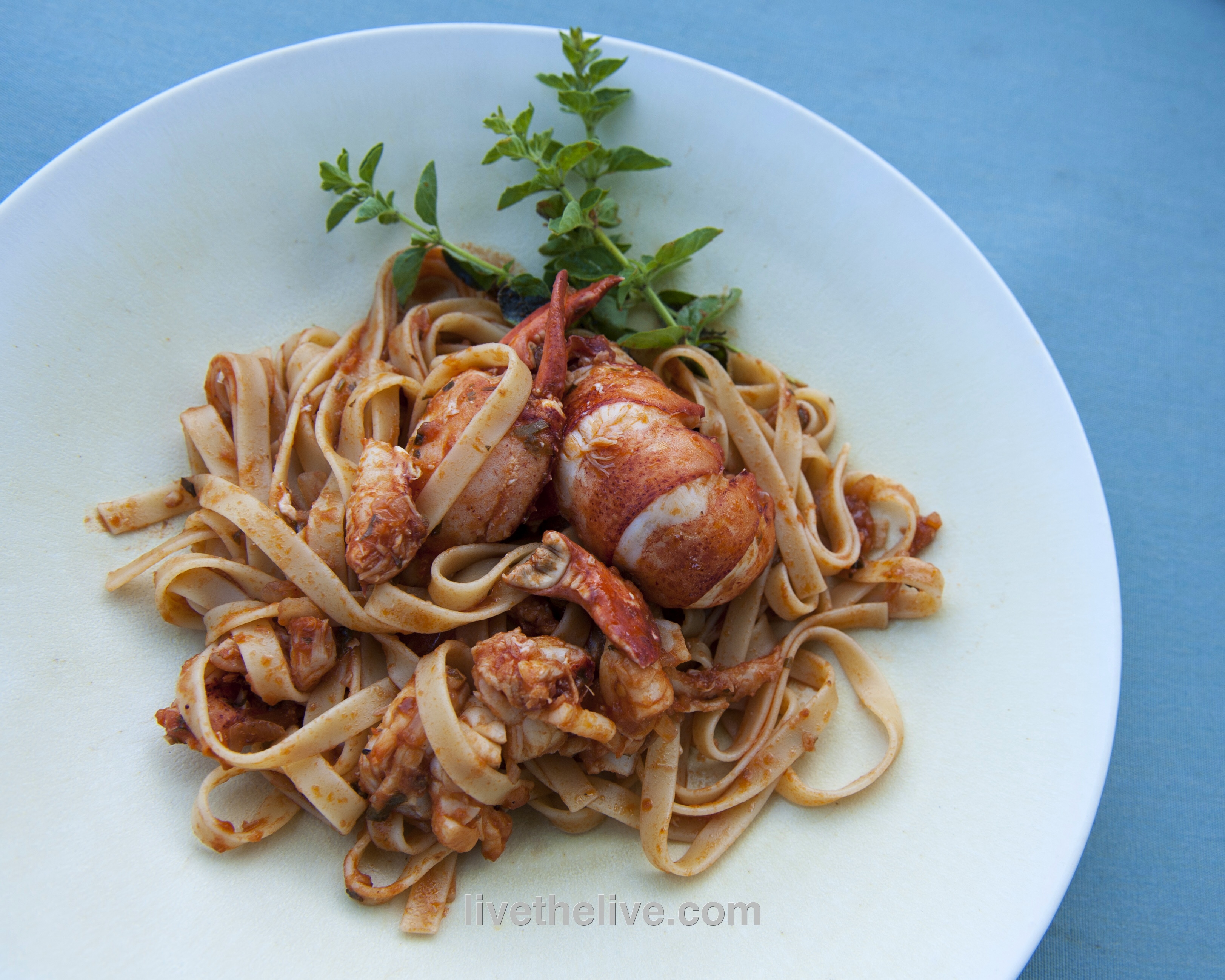
One of the best dishes we’ve ever had on the beautiful island of Santorini, Greece, is lobster with pasta. It sounds so simple, bit it’s one of those dishes that takes time to prepare, because the lobster sauce they make is made to order…time consuming but so spectacular.

Cooked lobster LTL

To try to recreate that lobster sauce we had in Santorini, I start with a kick-ass lobster stock. It’s simple but flavorful:


Stock ingredients:


2 1-1/2 lb. lobsters, slightly under-cooked

12 cups water

1/2 onion, chopped into quarters

3 celery stalks, chopped into quarters

1 carrot, chopped into quarters


Under-cook (steam or boil, whatever your favorite method) the lobsters, less than the usual 8 minutes, or so. Remove the lobster meat from the shells and set aside.

Place the cleaned lobster shells, claws, tails, legs and bodies in a large pot. (You don’t want any of the internal organs or tommaley.) Add the water, onion, celery and carrot. Set heat on high. Crush the lobster shells with potato masher as it cooks. Cook until it is reduced by half.

Strain the stock, discarding the lobster shells and veggies. Bring the stock back to the heat and reduce until all you have left is 1 cup of intense stock.


Pasta with lobster sauce

Lobster sauce ingredients:


1/2 onion, finely chopped

1 garlic clove, finely chopped

pinch of Italian red pepper flakes

teaspoon parsley

extra virgin olive oil

1/2 cup lobster stock

1/4 cup San Marzano tomato sauce (see below)

splash of white wine (I use Alice white Chardonnay)

salt and pepper


 Also:


reserved lobster meat

1/2 lb. cooked pasta


Add some olive oil to a large pan and saute the onions until translucent. Season with salt and pepper. Add the garlic and cook for 10 seconds. Add the red pepper flakes and parsley.

Add 1/4 cup of the lobster stock and let it cook, reducing by half. Add the other 1/4 cup of lobster stock and the tomato sauce. Let it cook for a couple of minutes and add the white wine. Cook for a few minutes more.

Cook the pasta and drain it even before it reaches the al dente stage. Place the pasta in the pan with the sauce, heating and coating thoroughly. Add the reserved lobster pieces and warm them through, tossing in the sauce. Serve immediately.

For the San Marzano tomato sauce: I take a can of San Marzano tomatoes and place it in a food processor or Vita-Mix and blend. Pour into a pan and reduce over medium heat by half, until sauce has thickened.

Mugaritz, San Sebastian, Spain

Mugaritz, San Sebastian, Spain

Mugaritz is one of the top restaurants in the world: ranked #3 or #6, depending on who you ask. And I’m just a guy with a blog. But on a recent trip to San Sebastian, Spain, my family and I had a chance to dine there.

The main kitchen from outside.

The main kitchen from outside.

The dishes that acclaimed chef Andoni Luis Aduriz created were some of the most original we’ve ever enjoyed. There was a flow to our experience…a reason why one dish followed another. It was like a concert, with Aduriz at the helm as director and composer.

Mugaritz has about twenty tables. And one seating. You are there for the night. Well over twenty courses, small bites to be sure, but all intense and rich with flavors and textures that complimented each other.

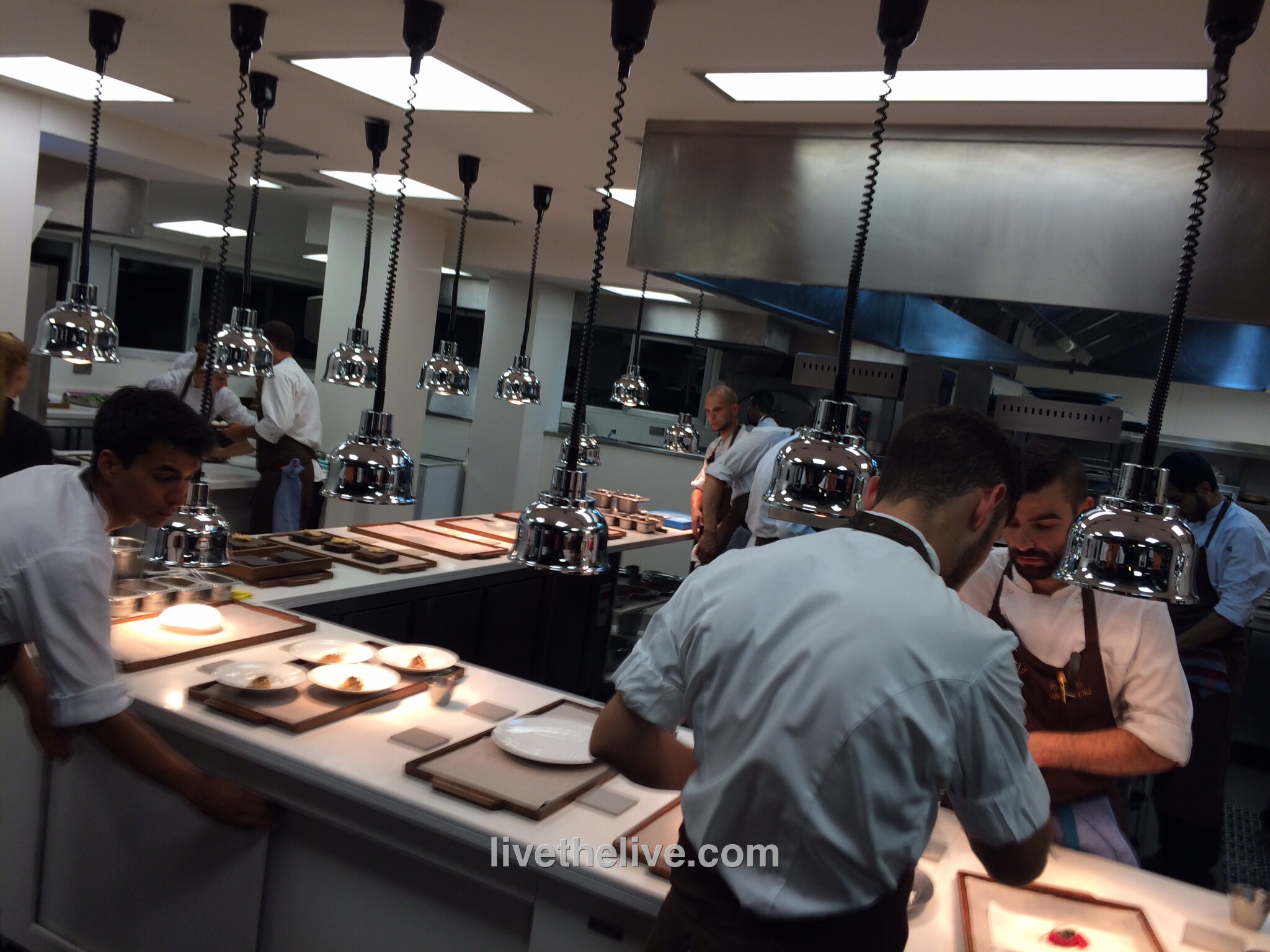
The kitchen at Mugaritz.

The main kitchen at Mugaritz.

Every table got a private tour of the kitchen. And though we didn’t meet chef Aduriz, we did get to talk with his second in command: chef Ramon Perise.

Mugaritz, as Perise explained it, has three kitchens: a lower level for preparation…a middle kitchen on the main floor for cooking all the food, plating it and making it look beautiful…and then an upstairs kitchen, the laboratory, where they come up with their newest creations.

Hangin' with Ramon Perise.

Hangin’ with Ramon Perise.

With our kitchen tour, we saw the chefs setting up rows of small iron bowls on wooden stands: individual mortar and pestles for each person in the dining room. It was going to be a dish that was served to everyone at the same time, no matter where they were in the course of their meal. So when we finished our kitchen tour, we sat down, and the mortar and pestles were brought out.

Inside the iron bowl were some wet and dry ingredients: what looked like corn nuggets, a colorful cube of gelatin and other ingredients. We were instructed to grind up what was in our bowls with our personal pestle. The entire restaurant was filled with a ringing sound, like church bells going off somewhere in the distance. For a few precious minutes, every patron shared this special perfectly choreographed event as we ground up the contents of our bowls. They called it the “linking dish.”

Then, one by one, the grinding stopped. The iron bowls continued to ring for a few seconds until the sounds faded away into silence, replaced by the low murmur of conversation. And we all went back to our meals.

The linking dish.

The linking dish.

Our sommelier, Guillermo Cruz, was a bright, knowledgeable and enthusiastic young man that offered us thrill rides in a glass, including a much-needed digestivo half-way through the meal so that we could continue our dining experience!

A grappa-like Fillaboa digestif from Gallicia that was made from the local Albarino grapes. Helpful in making room for more food!

A grappa-like Fillaboa digestif from Gallicia that was made from the local Albarino grapes. Helpful in making room for more food!

As chef Perise said to us (paraphrasing): “When you leave this place…and weeks afterwards…you’re not going to remember the food. But you’re going to remember the emotions you had and the feelings you had when you were here. And that’s what we’re working for.”

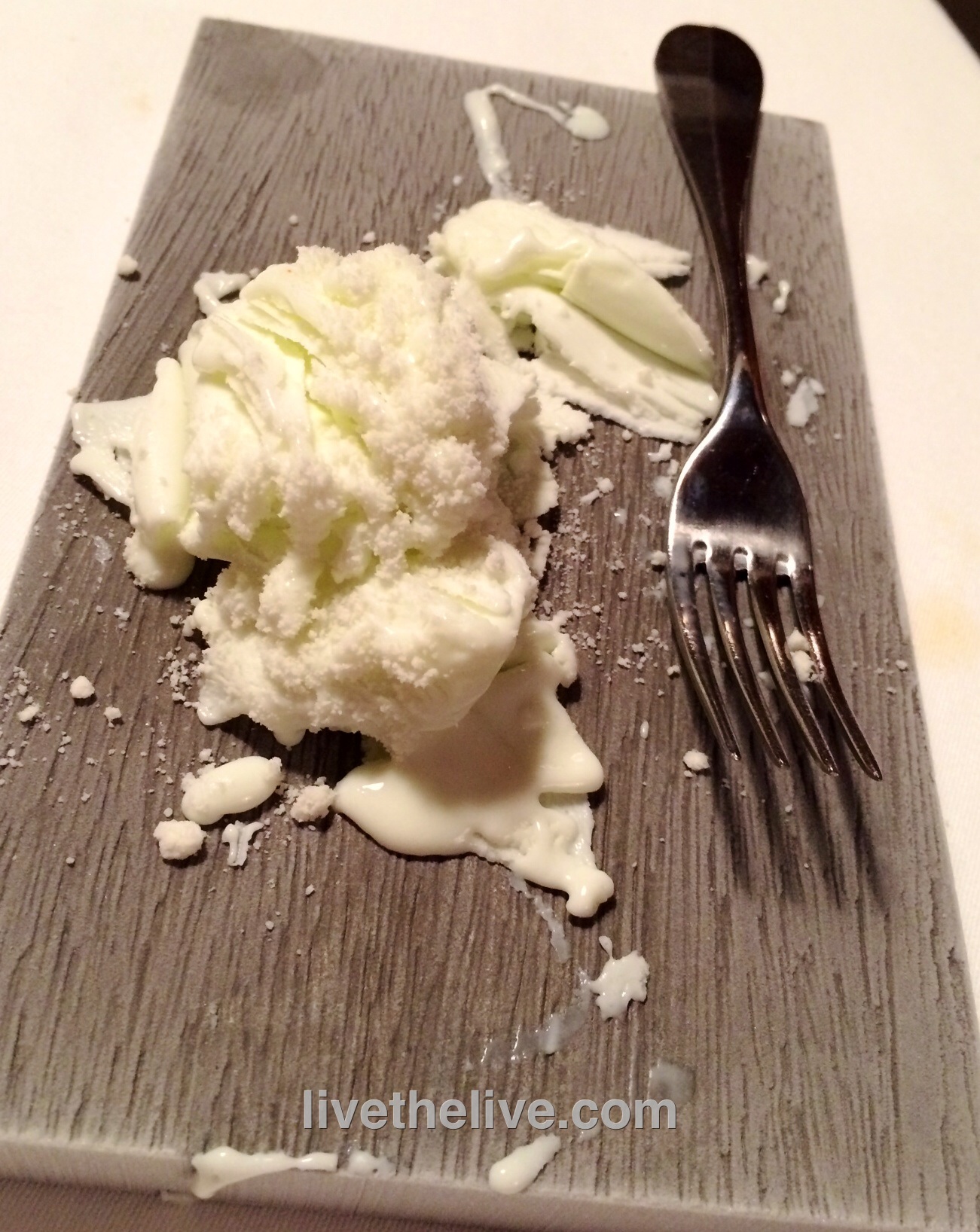
Shaved ice cream with cheese: one of many desserts.

Shaved frozen apple with cheese: one of many desserts.

Could there have been too many dishes? Is there such a thing as too much of a good thing? Is less really more?

These burning questions can only be answered with another visit to Mugaritz. I hope it’s sometime soon!


Many years ago, my wife and I visited the Amalfi coast, and we spent several nights on the beautiful island of Capri. On our last night, we dined at the Grand Hotel Quisisana, and our meal ended with a glass of the most delicious limoncello I’d ever had.

I asked the waiter if it was possible to get the recipe of the limoncello, and he made a big deal about the recipe being a “secret.” Though disappointed, I understood, and I left Capri thinking that I would never taste that limoncello again.

Two weeks later, now back at home, I was reading the latest issue of Conde Nast Traveler, and there in black and white, was the Quisisana limoncello recipe! WTF?

My twist on the recipe: instead of lemons, I use grapefruit. I’ve tried other citrus, too, like oranges, but grapefruit-cello is fantastic!

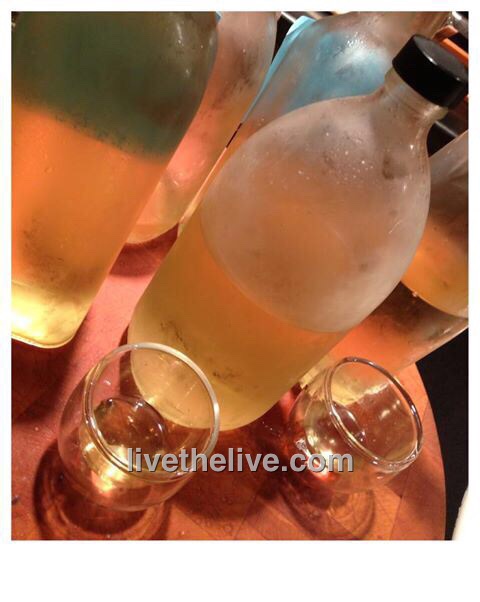
Four ingredients. As Tom Petty said: "The waiting is the hardest part!"

Four ingredients. As Tom Petty said: “The waiting is the hardest part!”


Ingredients:

4 lbs lemons or grapefruit, zest only

2 750-ml bottles 100 proof vodka (I prefer Absolut)
5 1/2 cups sugar

6 cups filtered water


Using a vegetable peeler, gently peel the zest off all the lemons (or grapefruit), making sure you don’t get any of the white pith that could make the limoncello bitter. Place all the zest in the bottom of a glass jar with a lid that can hold all the vodka.

Pour the vodka on top of the zest pieces, seal the container, and keep at room temperature for a week, swirling the jar around gently once a day.

On the sixth day, combine the sugar and water in a pot over medium-high heat, and stir until all the sugar dissolves completely. Remove from the heat, cover, and let it thoroughly cool to room temperature (overnight is best.)

On day seven, strain the zest, pouring the infused vodka into a clean glass jar. Discard the zest.

Pour the sugar/water mixture into the vodka and mix well.

At this point, you can pour the finished product into individual bottles, but let it mellow for about a month before drinking.

I keep my limoncello/grapefruitcello refrigerated.

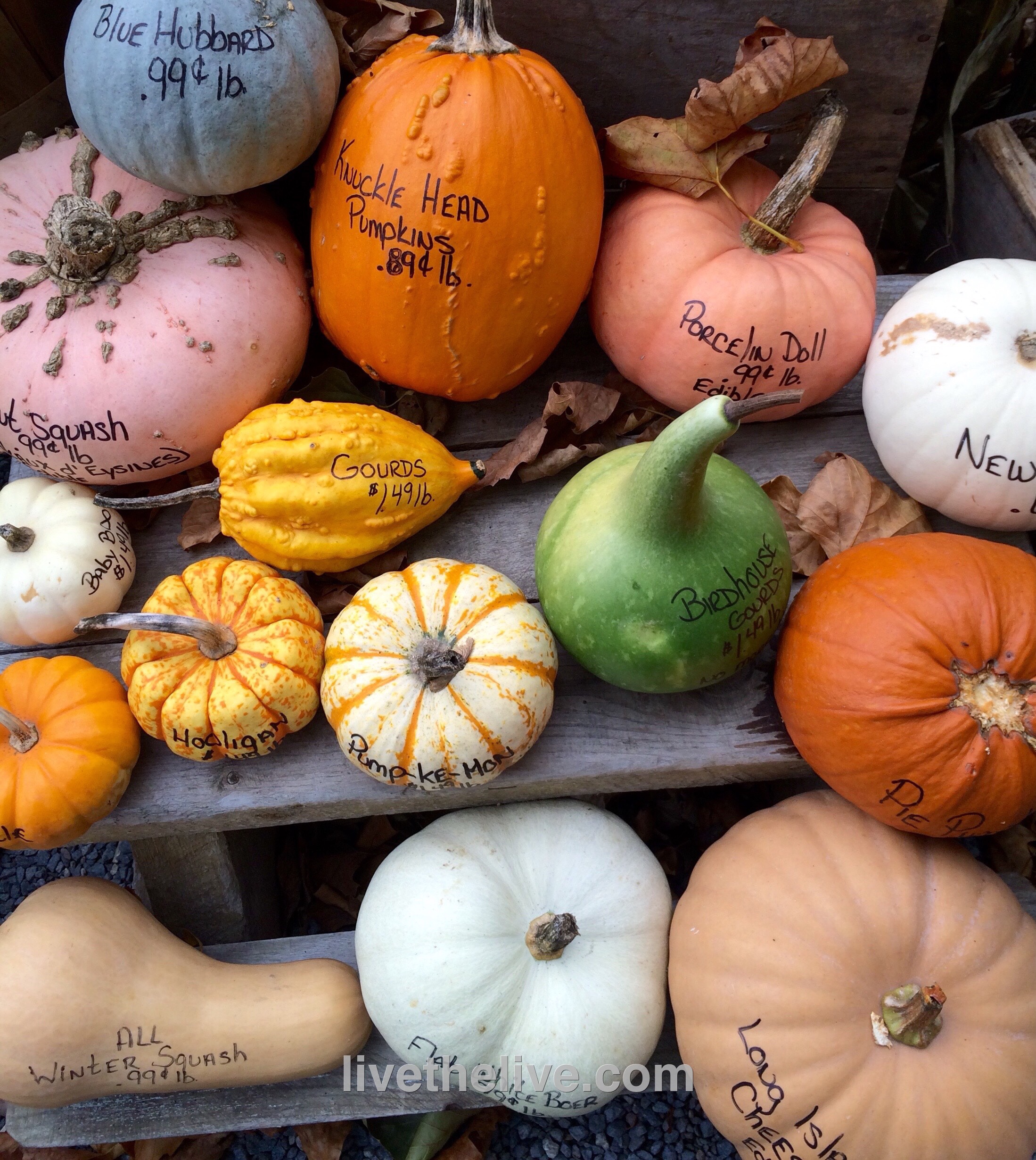
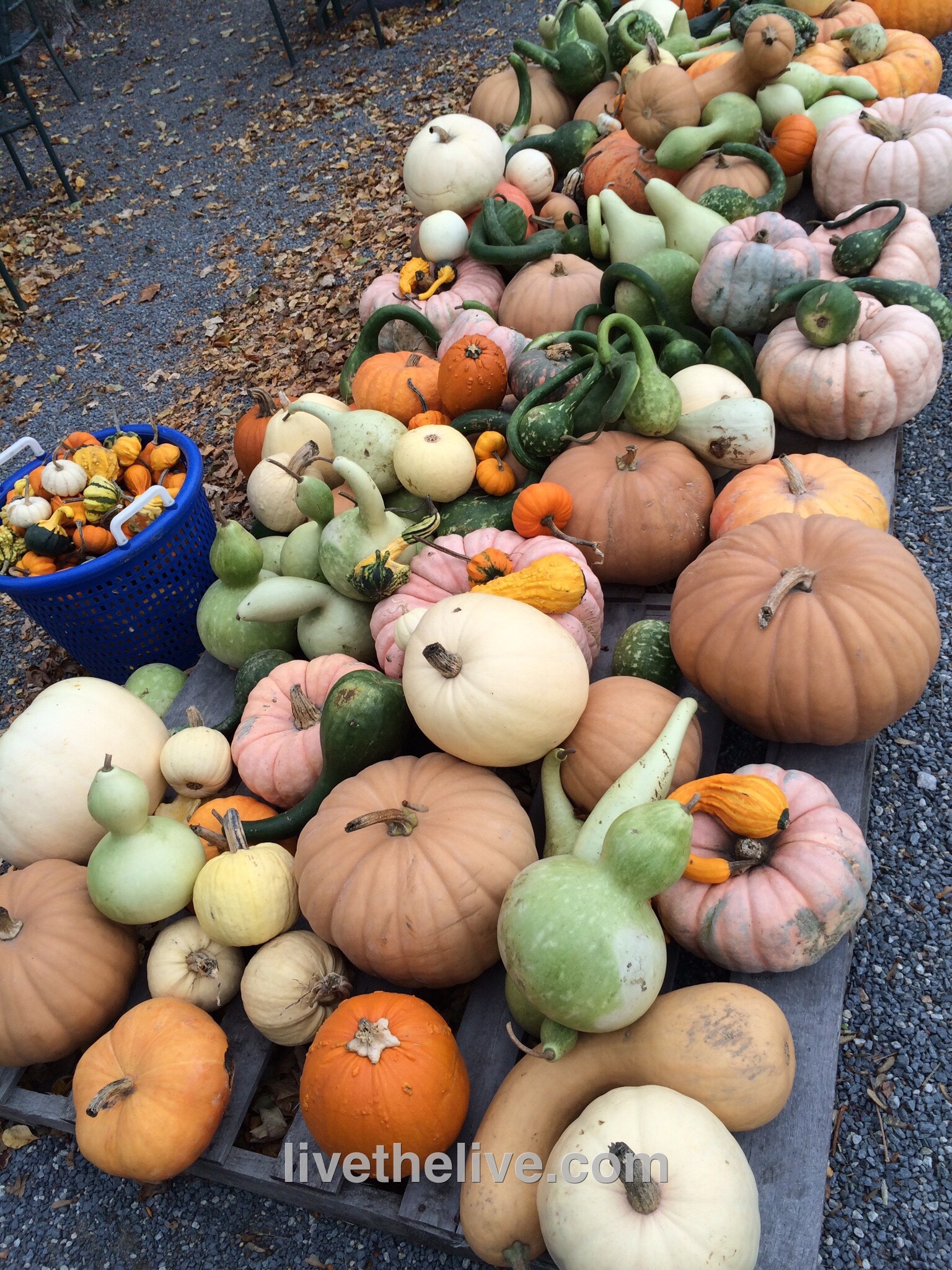
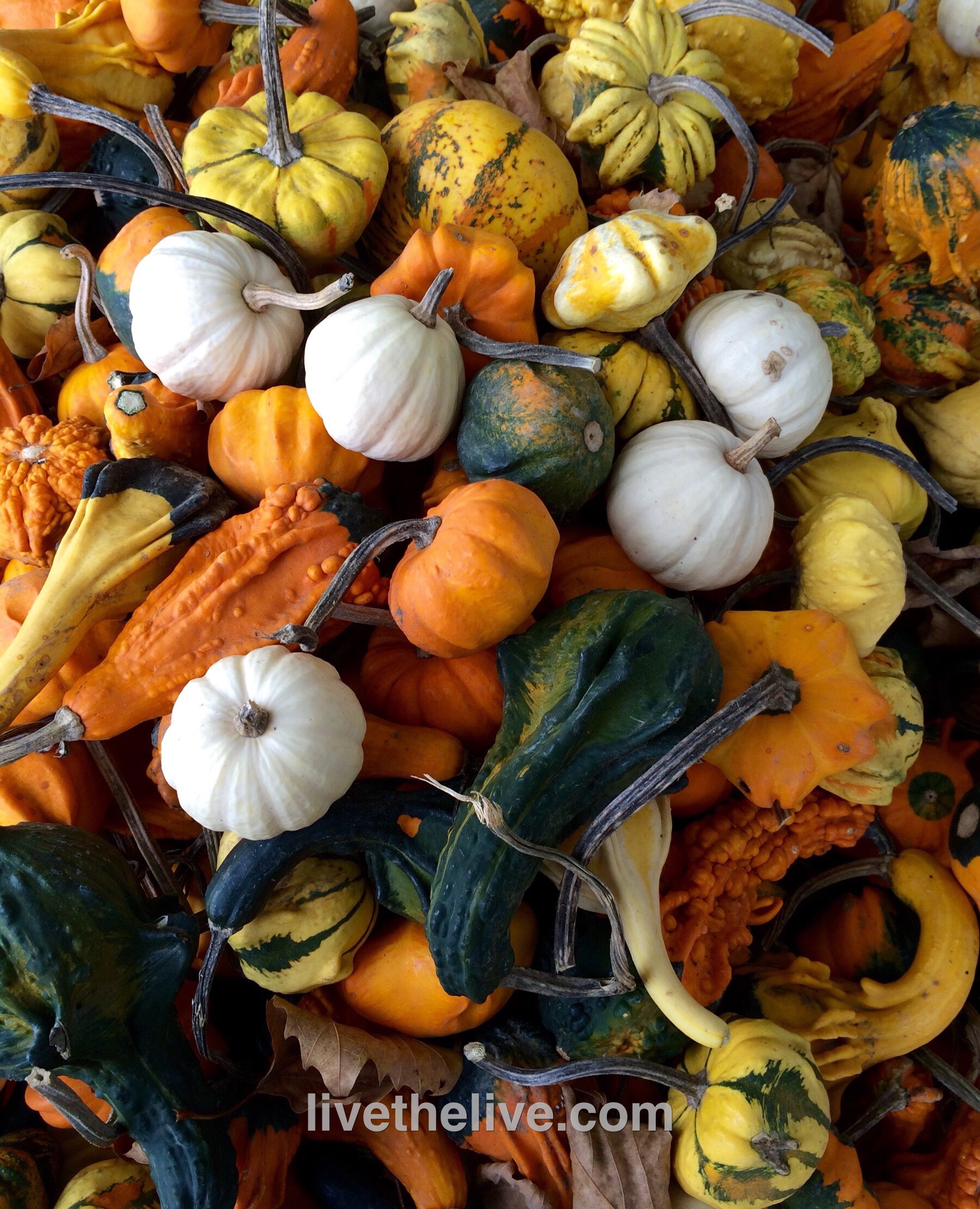
Walker’s farm stand, in Little Compton, Rhode Island, is open for just one more week! The fall colors are just spectacular!

image


image


image


image


image


image


I’ve been rafting with Crab Apple Whitewater in Maine, Massachusetts and Vermont for 25 years, on close to 60 rafting trips: the Deerfield, Miller and West Rivers in Massachusets and Vermont…and the Dead and Kennebec Rivers in Maine. Family run, they are the best in the business. And if you’ve got the guts, you’ve still got a couple of weeks before the 2014 season ends! Contact them at 1-800-553-RAFT or go to http://www.crabapplewhitewater.com.

image

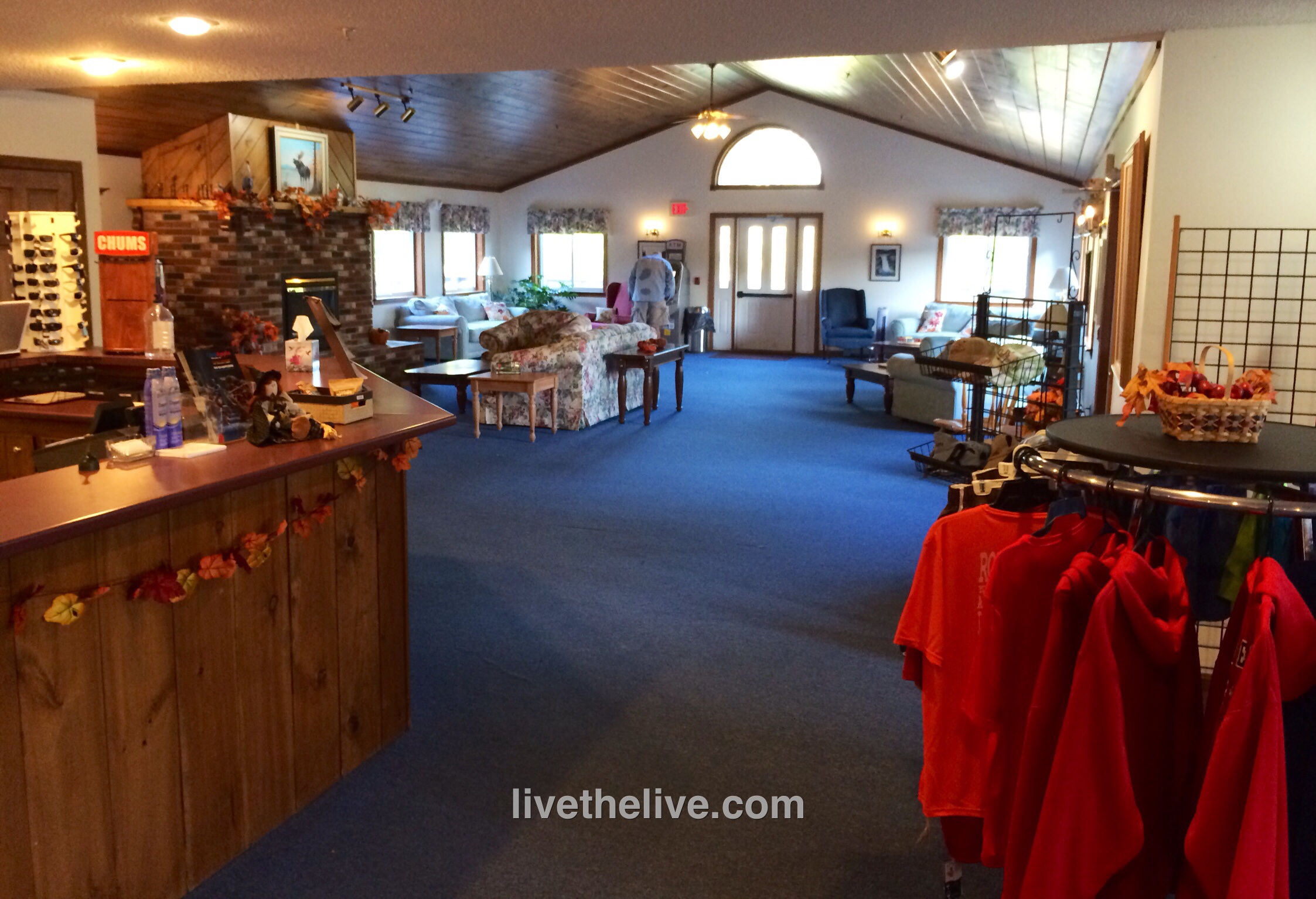
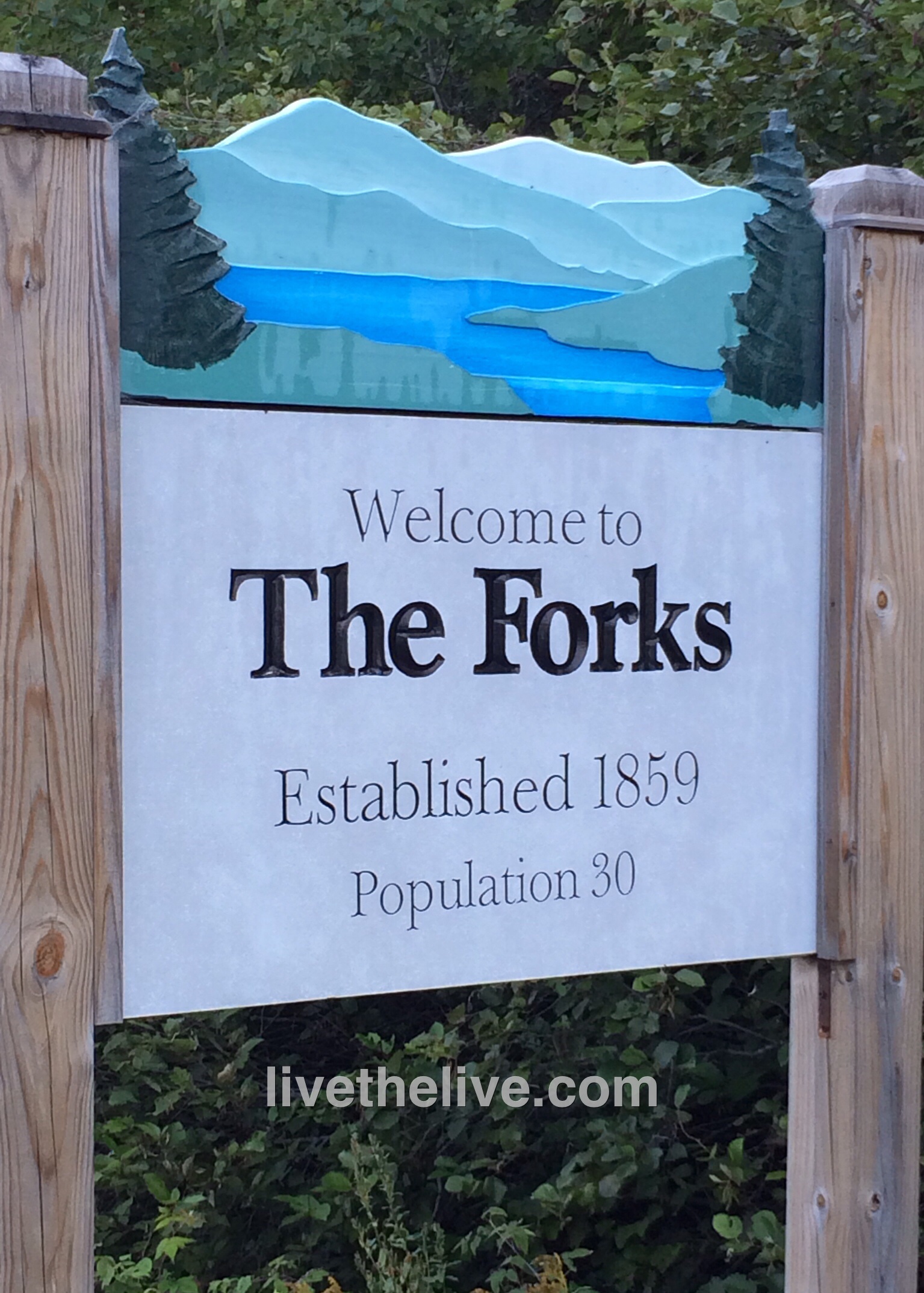
CrabApple’s main building in the Forks: headquarters, offices, gift shop, restaurant and pub. Outdoor hot tub and heated swimming pool are around back.

image


The interior of the main building:

image

CrabApple offers rooms at their Forks location, from rustic to these: the luxury suites with jacuzzis for two inside.


image

The pub is where everyone meets at the end of the day, to discuss important world issues.

image

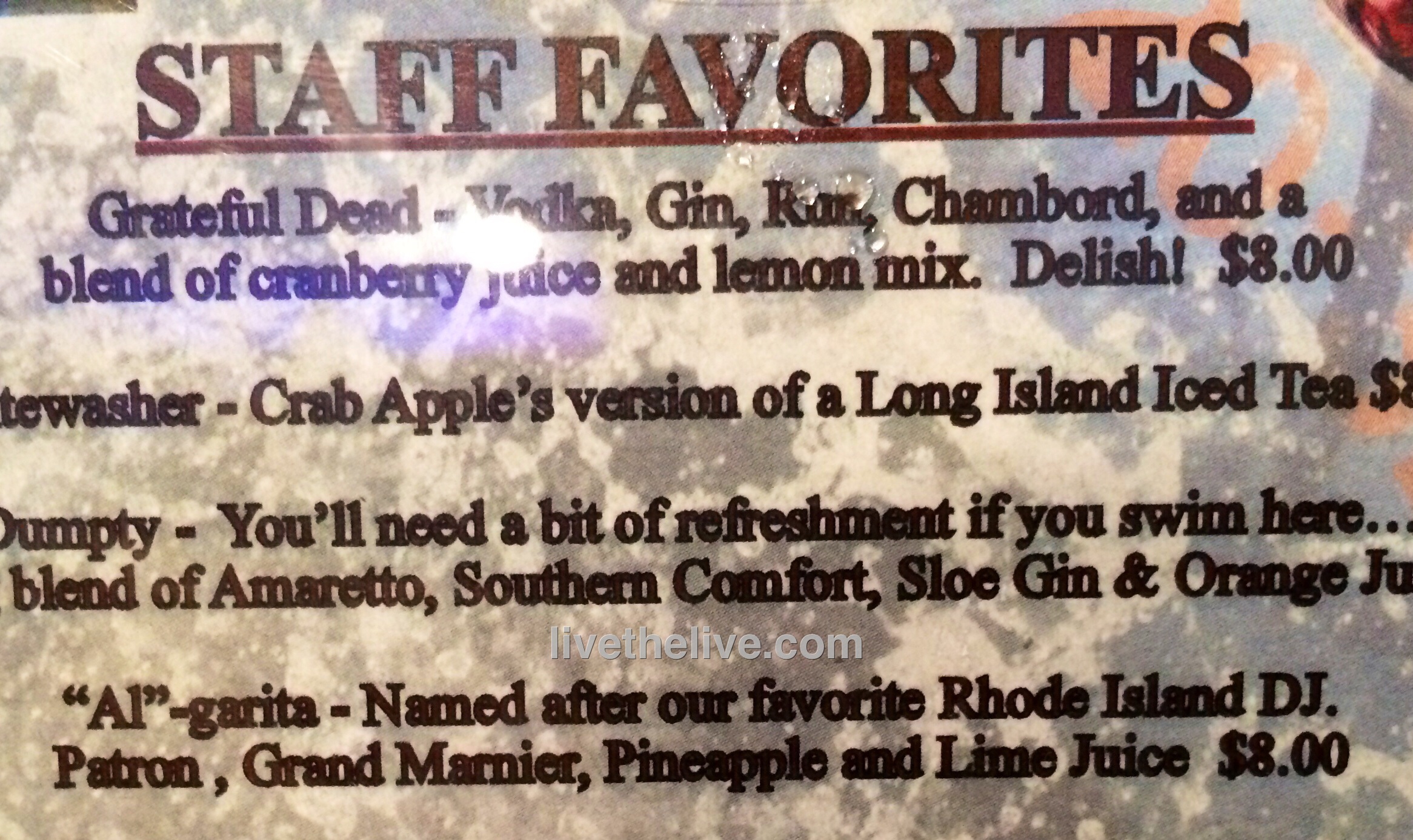
They’re even nice enough to feature one of my own cocktails! (at the bottom)

imageimage


The scenery on the way up…

image

…and a couple of interesting stops along the way…

image


image

All the necessary food groups!

image


image

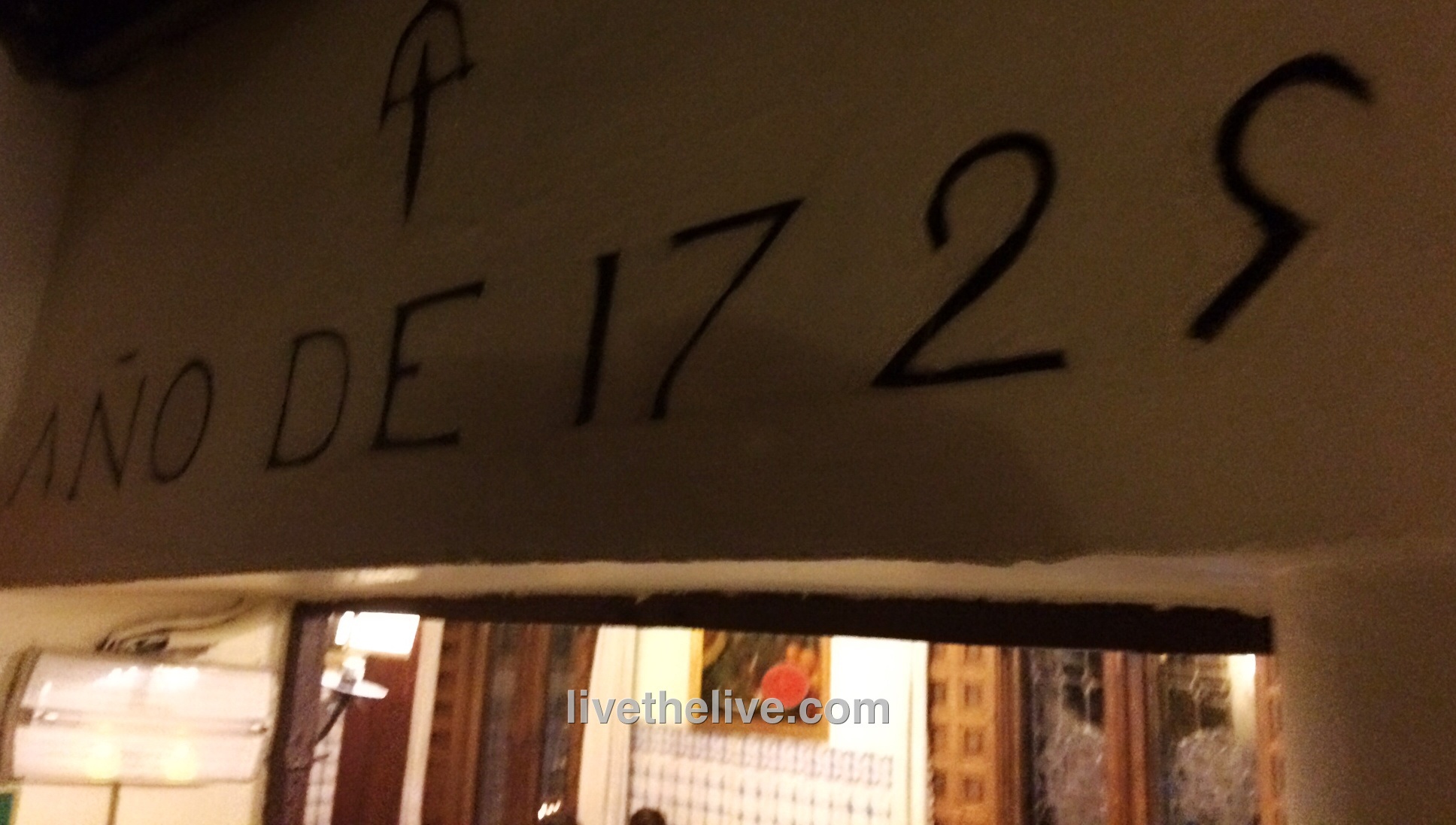
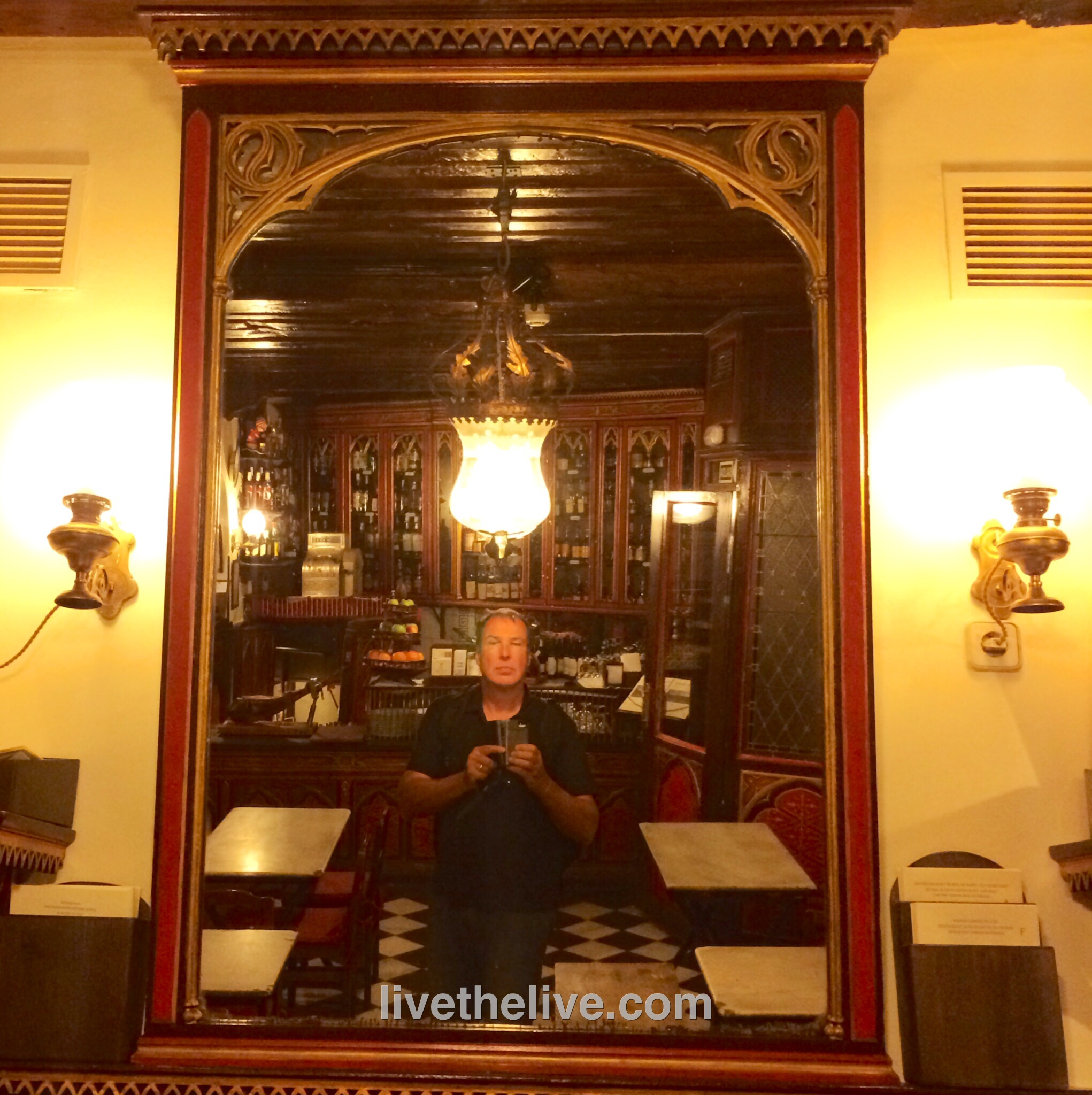
Restaurante Botin, in the great old city of Madrid, Spain, is a must-visit. At first, I thought it might be more of a tourist trap. But this establishment, which holds the Guinness Book of world records for oldest restaurant (it opened in 1725), has some fantastic dishes that you just can’t get anywhere else.

image

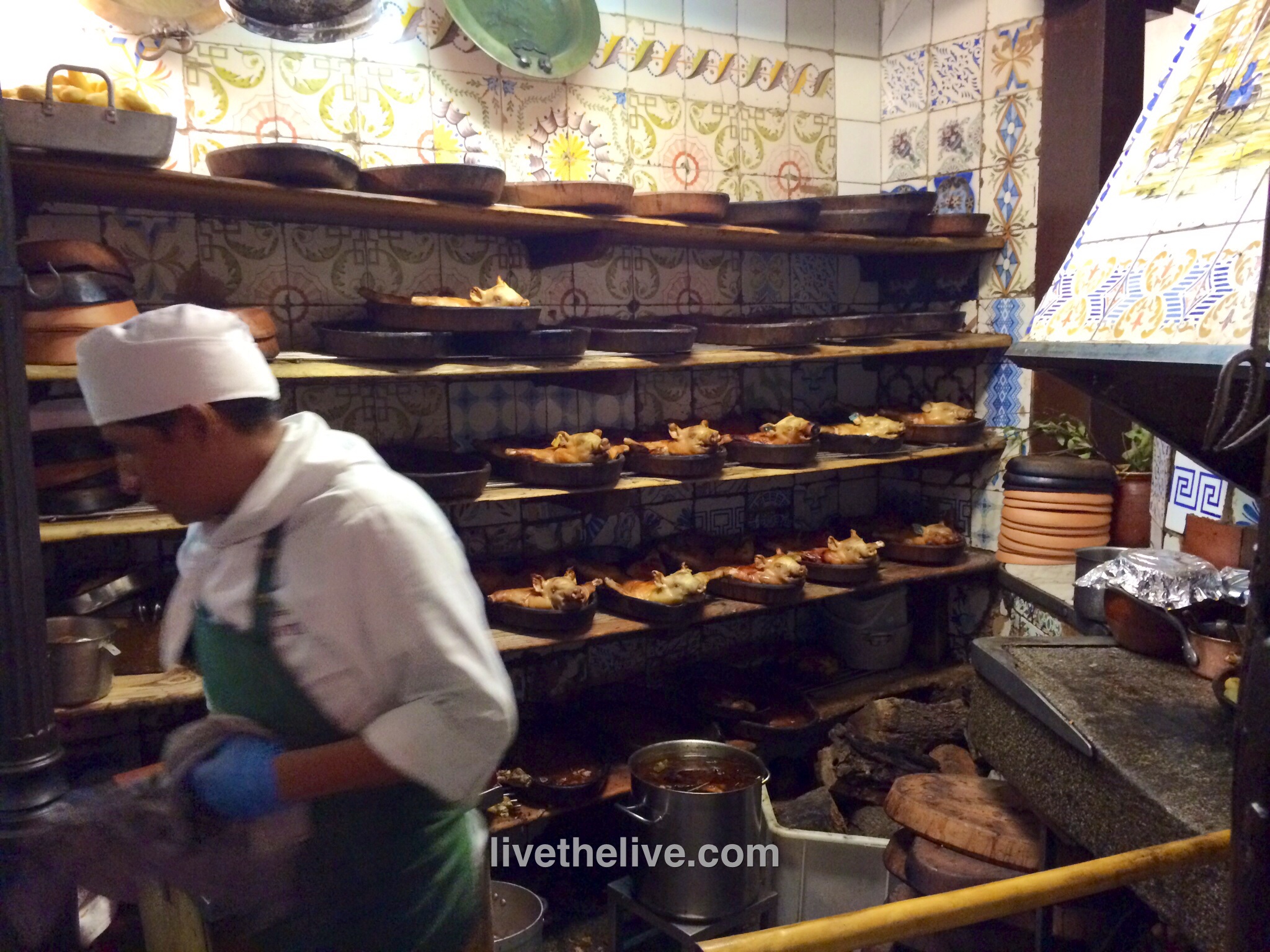
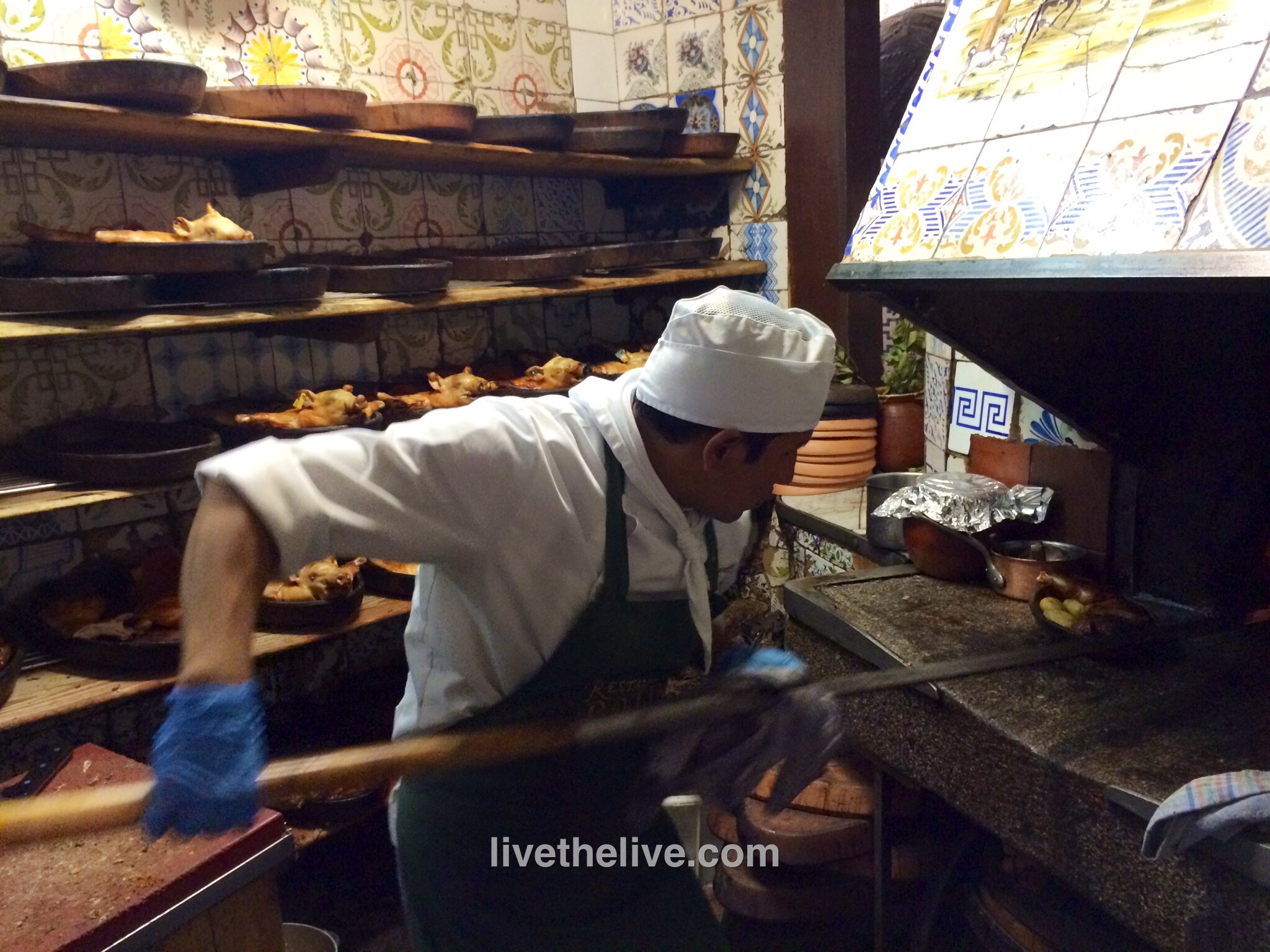
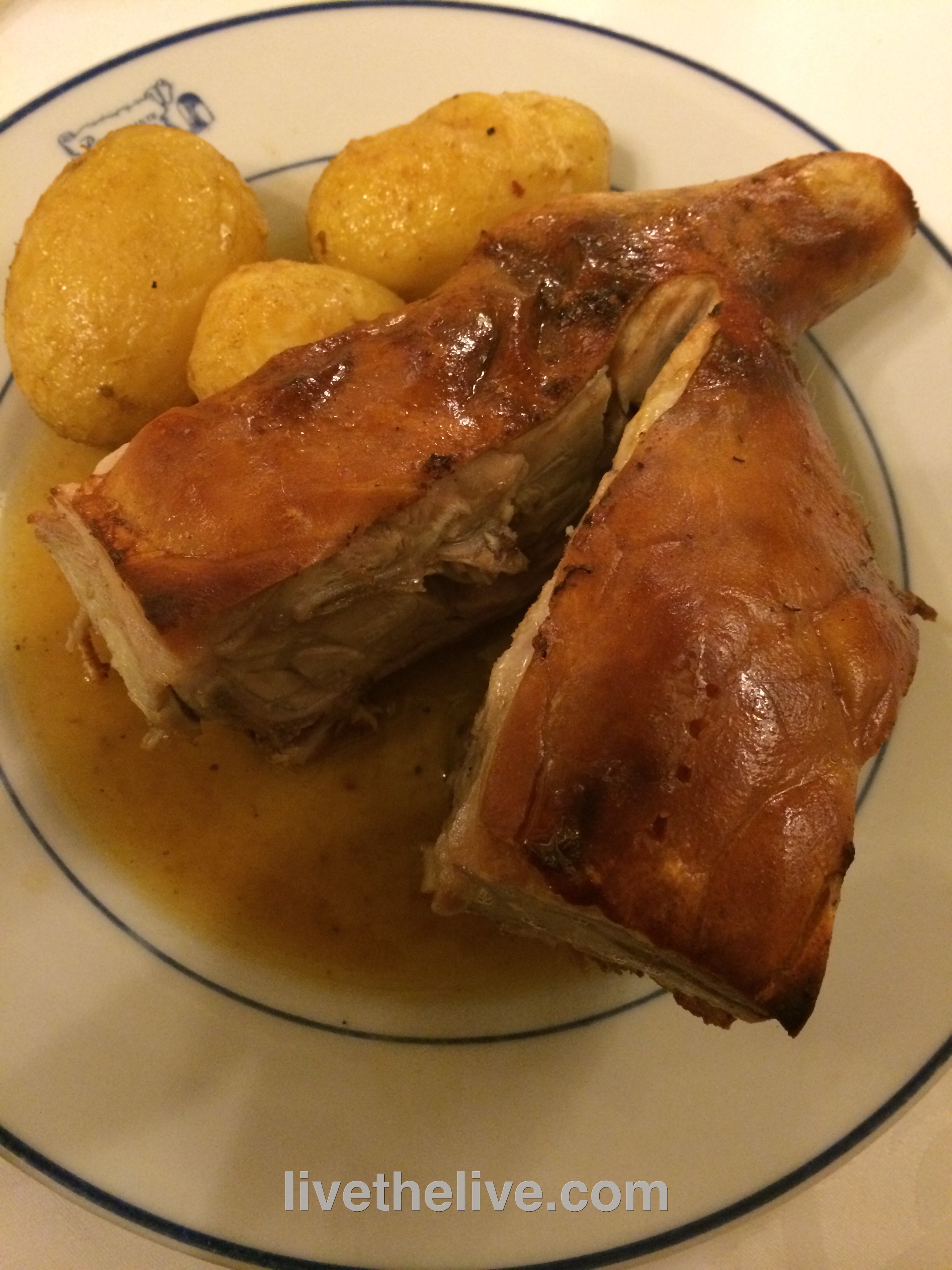
The suckling pig at Botin is world-famous. If you’re a vegetarian, you’ll probably be freaked out to see the row of little pigs on plates, waiting to be placed in the almost-300-year-old wood burning oven. These suckling pigs were only 20-something days old when they became dinner, and the slow-roasted flavor of this pork is like nothing you’ve ever had before. The roasted baby lamb, a gamier lamb than most Americans are used to, thanks to its grass-fed upbringing, was also exquisite.

imageimage

imageCroquettes are big in Spain, as popular with the kids as nuggets are here in the states. And the croquettes at Botin, breaded and fried to a perfect crisp on the outside, with an oozy, creamy cheesy center, are addictive.

The servers, handling three levels of dining rooms, are fast and efficient, but also have time for a sense of humor.

image

Just around the corner from the Plaza de Mayor, the city’s best people-watching location, Botin is my kind of attraction: a food museum where they still create many dishes like they did hundreds of years ago. In fact, the famous artist Goya was a dishwasher here in his youth, back in 1765.

image

Walk around the restaurant, and check out the different rooms that have been renovated over time…and the ones that have been there all these years. It’s a fascinating trip through history.

image