Posts Tagged ‘food’

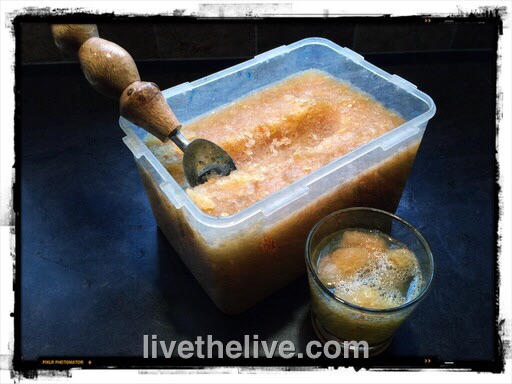
This is my version of a holiday drink I was introduced to by my mother-in-law from the Upper Peninsula of Michigan. I knew I was marrying into the right family after one sip!

image


Ingredients:

9 cups water
2 cups sugar
4 “Constant Comment” tea bags
12 oz frozen OJ concentrate, thawed
12 oz frozen lemonade concentrate, thawed
2 cups whiskey (I use Crown Royal)
7Up or Sprite

Boil water and sugar, making sure sugar dissolves. Turn off heat and steep tea bags in liquid for 10 minutes. Discard tea bags.
Add thawed OJ and lemonade concentrates and the whiskey. Mix well, and pour into a freezeable container with a lid. Freeze overnight.

To serve: Scoop the slush out of the container (it doesn’t freeze solid) and mix in a tall glass with 7 Up.

There’s a lot of sugar in this recipe, but there are many places to use substitutes if you like: Splenda instead of sugar, low-sugar concentrates, and diet soda. Then again, there’s a lot to be said for just pouring the whiskey into a rocks glass and relaxing! Cheers!

For me, deep-fried turkey is just too much damn work: finding a safe spot in the yard to blast the propane-fueled fryer so that you don’t burn your house down, standing outside and freezing your ass off while it fries, and then disposing of gallons of used oil at the end of it all. And making sure the oil is at the right temperature so you don’t get a scorched turkey on the outside and raw turkey on the inside. Sure, they now have indoor turkey fryers, but I’m not crazy about that idea, either.

I get great results by cooking my turkey in my Weber grill. The standard Weber allows you to cook up to a 15 lb. bird–big enough for my purposes–and it comes out crispy, smokey and delicious. If you’re afraid to try this for the first time at Thanksgiving when it really matters, wait a few months and buy a turkey when you have the craving and try it out.

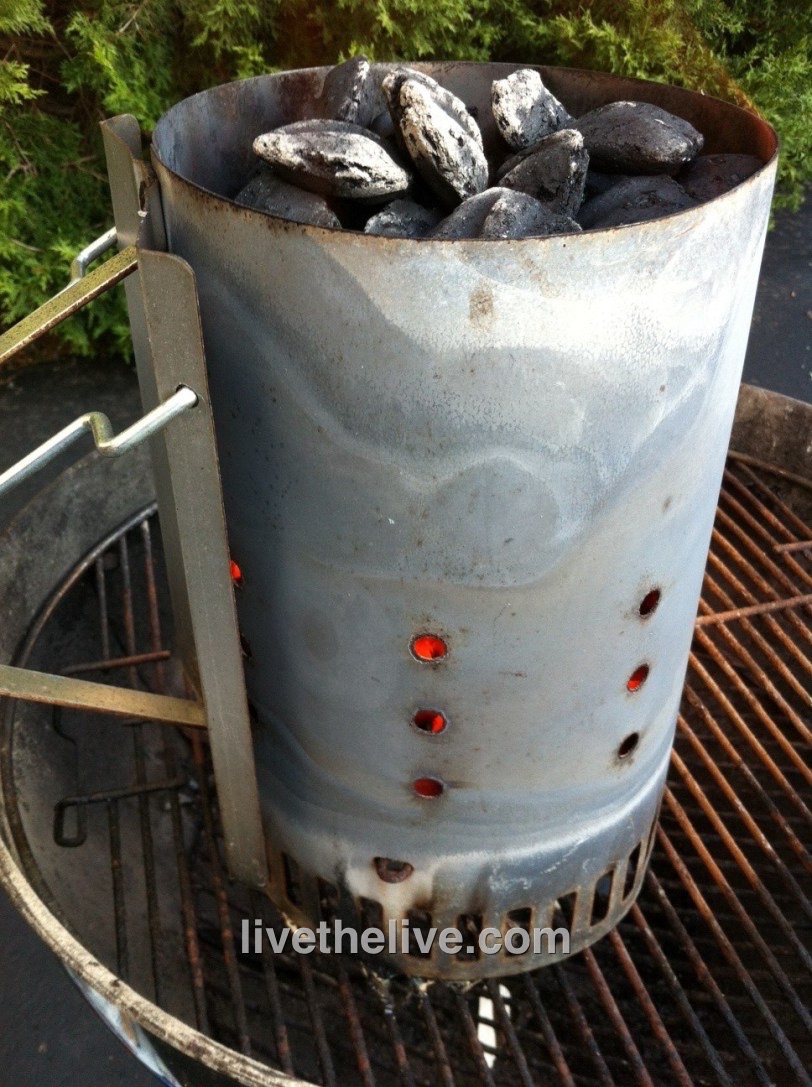
The charcoal chimney with hot coals awaits.

The charcoal chimney with hot coals awaits.

Although I’ve stopped using charcoal briquettes a long time ago, and now strictly use natural hardwood charcoal, this recipe works best with Kingsford. The idea is for the coals to cook slowly and evenly. And never use lighter fluid…always start your fire with a few pieces of crumbled newspaper under a charcoal chimney.


Needed:

Weber grill, with the dome top

Kingsford charcoal briquettes (do not use Match Lite or other pre-soaked briquettes)

Heavy duty aluminum pan (disposable)


Ingredients:

Whole turkey, up to 15 lbs, thawed and brined (see my blog about brining a turkey)

Olive oil (to rub on turkey)

2 yellow onions, chopped

4 stalks of celery, chopped

½ lb (2 sticks) of unsalted butter, melted

1 tablespoon granulated garlic

1 tablespoon onion powder

2 tablespoons salt

1 tablespoon pepper

Spreading the coals away from the center of the grill.

Spreading the coals away from the center of the grill.

If you want stuffing, make it separately and cook it separately. (A great recipe in my next blog.)

Light 8 to 10 lbs of charcoal in the grill…depending on the size of the turkey and how cold it is outside.

Remove the giblets from the turkey. Place the bird in the aluminum pan.

In a small bowl, mix granulated garlic, onion powder, salt and pepper Add any other seasonings you like.

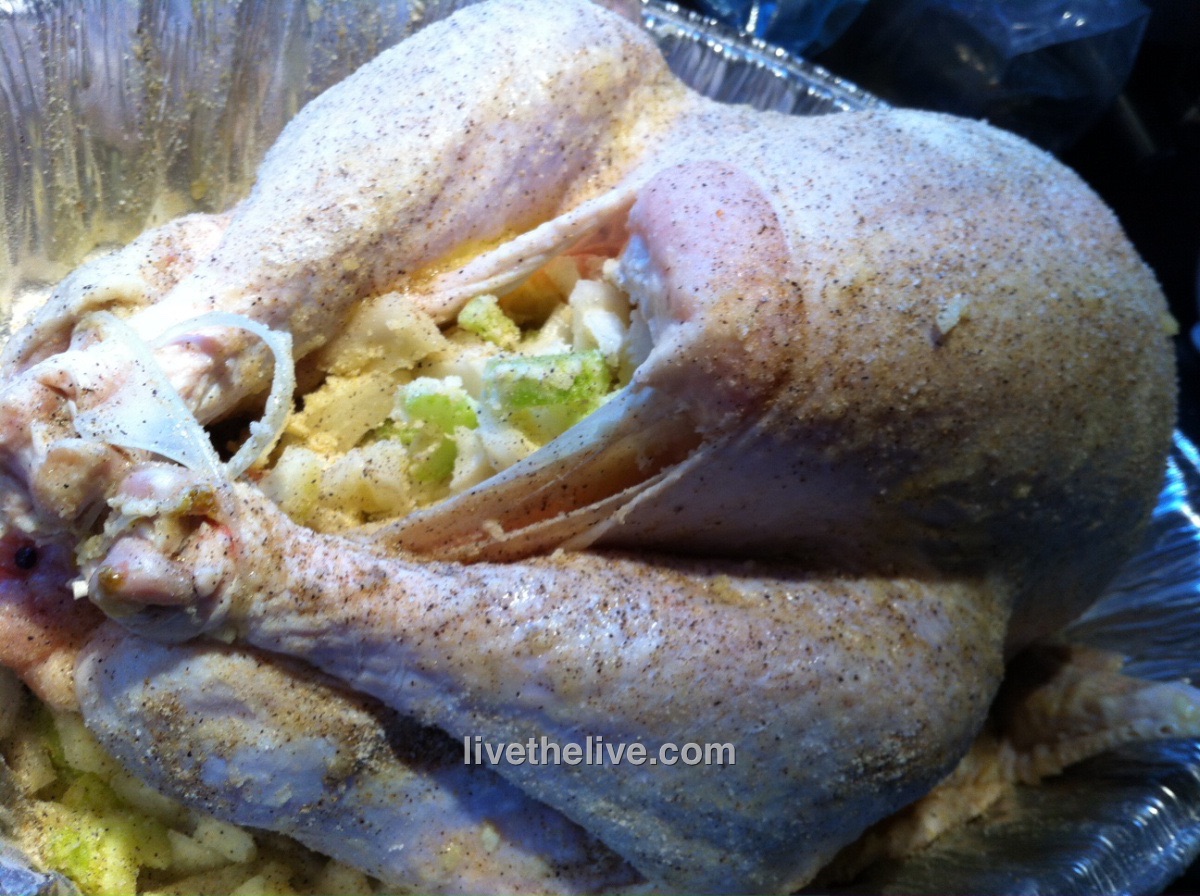
Coarsely chop onions and celery. Place in a another bowl. Mix with the melted butter and 1/3 of the salt/pepper/garlic powder mixture. Place a small handful of this “stuffing” mixture in the neck cavity of the turkey. Place the rest in the body cavity (where the stuffing would usually go.) You can fasten the bird with turkey skewers if you like. This “stuffing” is strictly to flavor the turkey…you don’t eat it!

The rubbed, stuffed and seasoned bird.

The rubbed, stuffed and seasoned bird.

Rub the outside of the entire turkey with the olive oil and sprinkle the rest of the garlic/onion/salt/pepper mixture on the outside of the bird. Make sure you get the bird on the bottom as well.

When the coals in the grill have ashed over, spread them to the outside edges of the Weber equally. Put the cooking grill rack in place. Place the aluminum pan with the turkey in the center of the grill, keeping it away from the direct heat of the coals. If using a meat thermometer, insert the probe into the thickest part of the breast, being careful not to hit the bone. Place the lid on the grill. (You may need to bend your pan a bit.) Open the vents on the bottom of the Weber as well as the lid. Important to get air circulating!

My meat thermometer calls me from as far as 100 feet away! Time for a cocktail!

My meat thermometer calls me from as far as 100 feet away! Time for a cocktail!

No basting is necessary.

Now here’s the tough part: DO NOT OPEN THE GRILL TO CHECK ON THE TURKEY! (If you must look, shine a flashlight into the vent holes on the lid to take a peek at the pop-up timer, if there is one.) The whole point is to keep the heat inside the kettle. You’ll know your turkey is done when no more smoke or heat rises from the grill, and the turkey inside stops making sizzling noises.

Remove the turkey and let it rest at least 15 minutes before carving.

Beautifully grilled, and perfectly cooked in less than 2 hours!
Beautifully grilled, and perfectly cooked in less than 2 hours!

Brining is a simple process of soaking a hunk of protein in a flavored salt solution for a time before cooking, resulting in a much more juicy and flavorful final product.

It’s basic high school science: the brine has a greater concentration of salt and water than the molecules of the protein (in this case, a turkey) that is soaking in it. By simple diffusion, the protein molecules suck up the salty water and keep it. When you cook the meat, some of the water evaporates, but the meat still has far more moisture in it than it would have without the brine soaking, and the result is a moister, more delicious bird.

Some people use giant syringes to inject their turkeys with crazy solutions, but I think that the old way is still the best way when it comes to brining. Get a big pot, fill it with the brine, and soak the bird in it. Done.

Here’s my tried-and-true turkey brining recipe. Once the brining is done, you can cook the turkey whatever way you like best. I use a method where I grill it inside a Weber grill with charcoal. It comes out smokey and absolutely amazing. I’ll have that info in the next blog.

image


Ingredients:

1 gallon of water
2 onions
3 carrots
3 stalks celery
1 cup kosher salt
1 tablespoon black peppercorns
1/2 cup light brown sugar
1 1/2 teaspoons whole allspice
4 bay leaves
1 gallon of ice water
14–15 lb turkey, thawed

Pour first gallon of water in a large pot. Quarter the onions, carrots and celery (no need to peel them) and add to the water. Add salt, black peppercorns, brown sugar, allspice, and bay leaves.

Let the pot come to a boil for a few minutes. Remove from heat and let brine cool down to room temperature.

Remove giblets from turkey and place the bird in a container just big enough to hold it and 2 gallons of liquid.

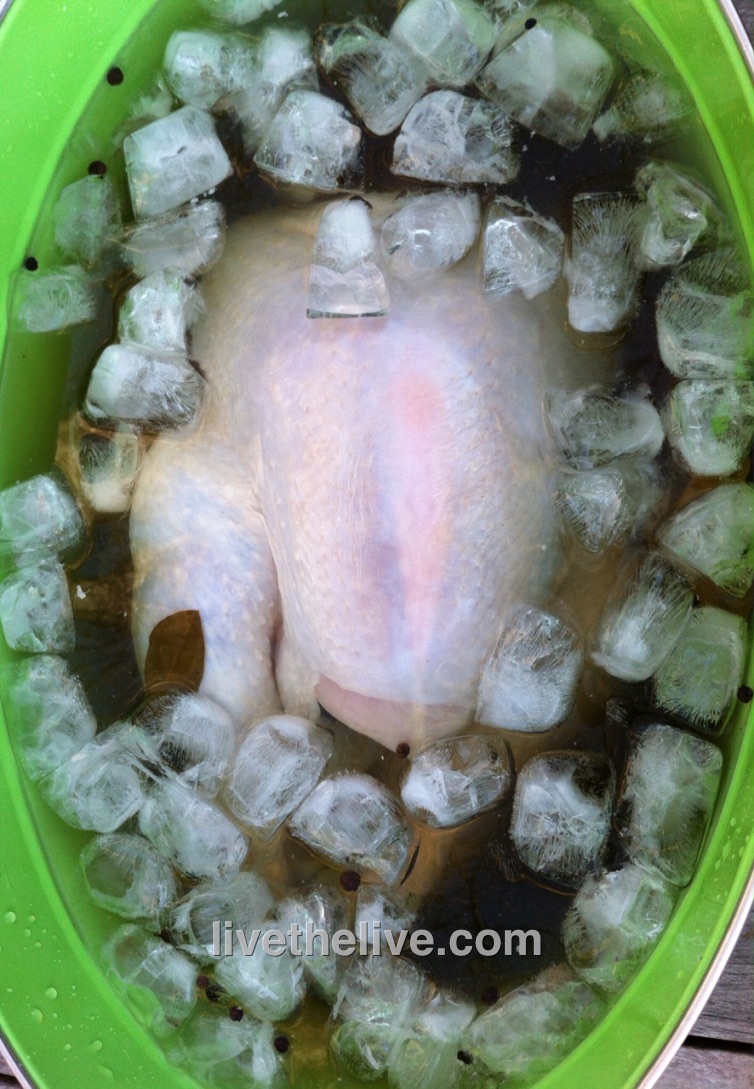
Pour the now-cooled brine over the turkey, then pour in the gallon of ice water.


Make sure the turkey doesn’t float up by placing a plate on top. Put turkey container in fridge for 5 to 8 hours, flipping the turkey over in the container halfway through.

Drain turkey, pat dry with paper towels, and then cook using your favorite recipe.

Next time: cooking your turkey on a Weber grill in a fraction of the time.

Many years ago, my wife and I visited the Amalfi coast, and we spent several nights on the beautiful island of Capri. On our last night, we dined at the Grand Hotel Quisisana, and our meal ended with a glass of the most delicious limoncello I’d ever had.

I asked the waiter if it was possible to get the recipe of the limoncello, and he made a big deal about the recipe being a “secret.” Though disappointed, I understood, and I left Capri thinking that I would never taste that limoncello again.

Two weeks later, now back at home, I was reading the latest issue of Conde Nast Traveler, and there in black and white, was the Quisisana limoncello recipe! WTF?

My twist on the recipe: instead of lemons, I use grapefruit. I’ve tried other citrus, too, like oranges, but grapefruit-cello is fantastic!

Four ingredients. As Tom Petty said: "The waiting is the hardest part!"

Four ingredients. As Tom Petty said: “The waiting is the hardest part!”


Ingredients:

4 lbs lemons or grapefruit, zest only

2 750-ml bottles 100 proof vodka (I prefer Absolut)

5 1/2 cups sugar

6 cups filtered water


Using a vegetable peeler, gently peel the zest off all the lemons (or grapefruit), making sure you don’t get any of the white pith that could make the limoncello bitter. Place all the zest in the bottom of a glass jar with a lid that can hold all the vodka.

Pour the vodka on top of the zest pieces, seal the container, and keep at room temperature for a week, swirling the jar around gently once a day.

On the sixth day, combine the sugar and water in a pot over medium-high heat, and stir until all the sugar dissolves completely. Remove from the heat, cover, and let it thoroughly cool to room temperature (overnight is best.)

On day seven, strain the zest, pouring the infused vodka into a clean glass jar. Discard the zest.

Pour the sugar/water mixture into the vodka and mix well.

At this point, you can pour the finished product into individual bottles, but let it mellow for about a month before drinking.

I keep my limoncello/grapefruitcello refrigerated.

It probably started with good intentions: clip the box tops off your favorite food products, bring them to your kid’s school, and the school can turn them in for cash, 10 cents per box top.

image

But if we’re really going to call them “Box Tops for Education,” then let’s start educating: most box tops are found on boxes of processed foods that are anything but healthy for our kids: sugar-heavy cereals and salt-loaded mac and cheese boxes…products devoid of nutrition like Hamburger Helper, taco dinners, Toaster Strudel, and Pillsbury Grands dinner rolls. Sure, there’s a few Green Giant vegetables in there, but why wouldn’t you buy fresh instead of something that comes with a foil squeeze packet of fake cheese sauce?

image

My daughter brings her box top to school once a month–yes, one box top from a box of Ziploc bags. She tells me she’s embarrassed because the other kids “bring in so many.” I told her she shouldn’t feel bad: it means she’s not eating junk food.

I understand that schools need money. And they’ll take it any way they can get it. And if the big food companies want to promote their products, devoid of nutrition as they may be, using the excuse of helping our educational system–not unlike the lottery–is a good way to do it.

As for me, one box top a month is all they get. And the next time the school needs some money, I’ll write ’em a check.

PRETZEL BREAD

Posted: November 10, 2014 in Food, Recipes, Uncategorized
Tags: , , , ,

Pretzel bread has become a foodie phenomenon in a very short period: not just the bun of choice at your favorite fast-food burger joint or the crust on your pizza, but the go-to bread in any upscale restaurant.

Making pretzel bread at home had one major stumbling block for me: the need for lye,  which has nasty corrosive qualities that I don’t want to deal with in my kitchen. Even special baker’s lye was not an option. So when I found a pretzel bread recipe that used baking soda, a much milder and safer alkaline ingredient that I could simply pour down my drain after using, I knew it was time to bake.


image

Ingredients:

½ cup water

½ cup milk

2 tablespoons butter, softened

3 cups all-purpose flour

2 tablespoons brown sugar

1 tablespoon yeast

2 teaspoons salt

1 egg, separated

Cooking spray

¾ baking soda

Kosher salt for sprinkling

Combine the water, milk and butter in a glass container and microwave about 45 seconds to melt the butter and warm the milk. Set aside.

I a mixing bowl, combine flour, brown sugar, yeast, salt and egg yolk. Slowly add the milk mixture and mix until the dough comes together. If it seems too dry, add small amounts of water. Knead the dough until it is smooth and springy, about 5 minutes.

Place the dough in a bowl sprayed with cooking spray. Flip it over so all sides get oiled, and then wrap the bowl with plastic wrap. Place in a warm place until the dough has doubled in size, about an hour.

Pre-heat oven to 375 degrees.

Turn out risen dough on a floured surface and divide into equal pieces. You can make 15 small slider-sized buns, 8 burger buns, 8 hot dog buns or any other shape you like. Once all the pieces have been rolled, cover them with a clean dish towel and set aside to rest.

While the dough is resting heat about 12 cups of water in a large pot. When it comes to a gentle boil, carefully pour the baking soda into it. It will foam and bubble vigorously.

Add the rested pieces of dough to the simmering water and poach them for about 30 seconds and then flipping them over for another 30 seconds. You may need to do this in batches.

With a slotted spoon or spatula, lift the poached buns onto a Silpat baking sheet (or a baking sheet sprayed with oil, then sprinkled with cornmeal.)  Froth egg white with a fork, then brush each bun with egg white. Using a sharp knife, make a few slits on the top of the buns, about ¼-inch deep. Sprinkle with Kosher salt, then bake for 20 minutes until golden brown.

My Mom loves that nasty, gooey cranberry log that oozes out of the can. It would hit the bowl with a splurt and would wiggle for about an hour. I’m more than happy to avoid that and make this delicious side dish instead.

image


Ingredients:


1 medium-sized butternut squash, washed and peeled with seeds removed

Olive oil

Salt

1 cup fresh cranberries

¼ cup sunflower seeds

¼ cup pumpkin seeds or pepitas

¼ cup sesame seeds

¼ cup maple syrup, more if you like it really sweet

image

Pre-heat the oven to 400 degrees.

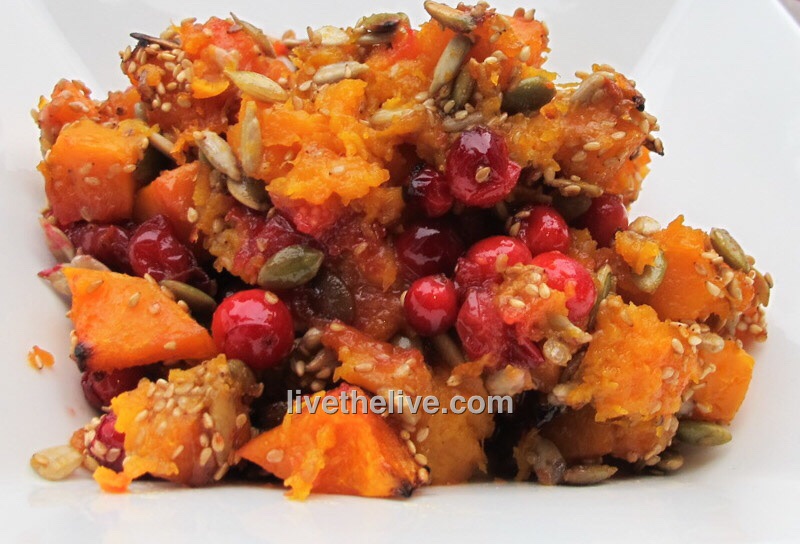
Once you’ve washed, peeled and seeded the butternut squash, cut it into ½” chunks. Sprinkle a little olive oil and salt on them and toss them to coat. Then spread the squash cubes in a single layer on the baking sheet. Bake for about 30 minutes or until golden on the edges.

Remove the squash from the oven and pour the cranberries into the hot tray. Mix gently. Pour the squash/cranberry mix into a smaller, deeper baking pan.

Increase the oven to 425.

In a separate bowl, combine the sunflower seeds, pumpkin seeds and sesame seeds. Sprinkle the seeds evenly over the squash/cranberry mixture. Drizzle the maple syrup over everything and place the baking pan in the oven. Cook for another 20 minutes, until the seeds have roasted.


The Thanksgiving countdown begins!

This is a great side dish for any special occasion. And you can substitute to suit your needs. Goat cheese not your speed? Try Gruyère or smoked gouda. Need it to be gluten-free? Use easy-to-find GF breadcrumbs. Don’t like mushrooms? Okay…I can’t help you there…

image

Ingredients:


1 package large white mushrooms

olive oil

1/2 shallot, finely chopped

1 clove garlic, through a press

1 tablespoon fresh thyme, finely chopped

pinch of red pepper flakes

salt and pepper

fresh goat cheese

bread crumbs

1 tablespoon fresh parsley, finely chopped


Pre-heat oven to 400 degrees.

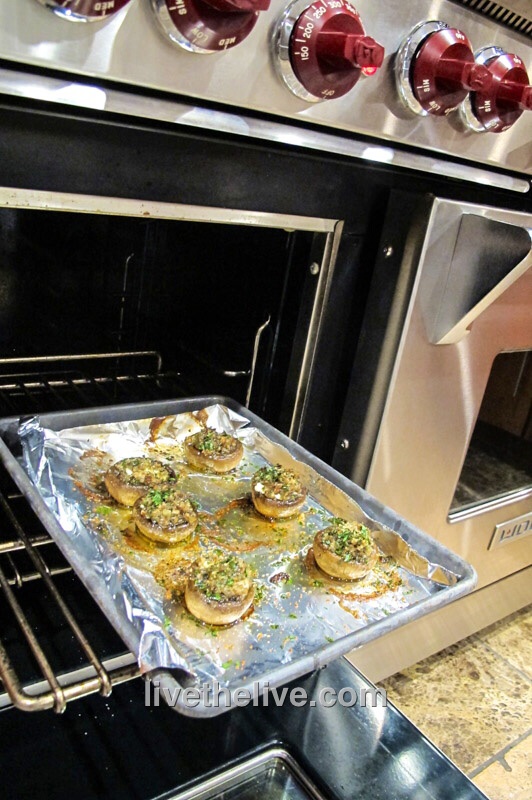
Rinse the mushrooms in cold water to clean. Remove the stems of the mushrooms and set aside. Rub mushroom caps with olive oil and place on a baking sheet, open side, down, in a 400-degree oven for a few minutes.

In a pan, saute shallots and garlic in a little olive oil. Chop the mushroom stems finely and add to the pan. Add thyme and pepper flakes.

Reduce oven temp to 350 degrees after removing the mushroom caps. Flip the mushroom caps over so that they look like little bowls. Break off a small piece of goat cheese and place in each mushroom. Top each with sautéed shallot mixture. Sprinkle breadcrumbs on top and sprinkle parsley over that.

Return baking sheet to the oven, cooking mushrooms until they are lightly golden in color, and the cheese has melted.

image


Mushroom myth: Soaking mushrooms in cold water makes them mushy. Not true! Alton Brown, on an old episode of “Good Eats” on the Food Network, showed that mushrooms do not soak up any water when left to soak for even 30 minutes. So use your mushroom brush…use your kitchen towel…whatever you like. But I prefer to get them really clean with cold water.


A few years ago, at Le Saint-Amour, a great restaurant in Quebec City, the dish I ordered had these small strange-looking root vegetables sitting next to my roasted duck entrée. They resembled tiny twisted parsnips…or caterpillars! I needed to know what these things were, and so I asked my French waiter, who came back with a piece of paper that had the word “crosne” written on it. He said: “I don’t know how they say it in English.”
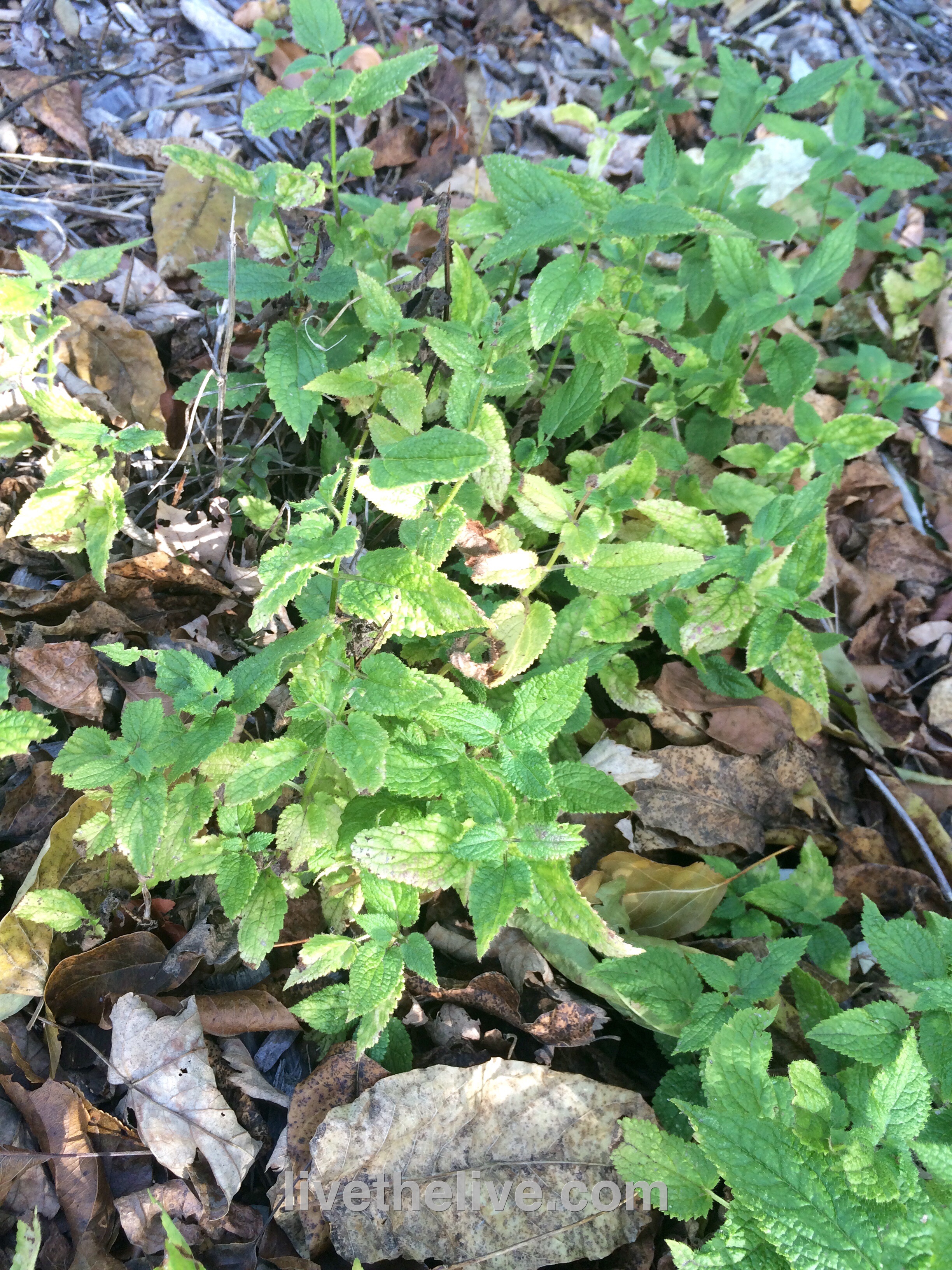
Back at the hotel room, I went right to the laptop and started a search on-line and discovered that crosnes (pronounced crones) are also known as Chinese artichokes, and although they are somewhat common in European gardens, they are really difficult to find in the states.
The leaves look like mint, but don't have a fragrance.

The leaves look like mint, but don’t have a fragrance.

The plant is a relative of mint (though the leaves have no aroma), a perennial, is easy to grow, spreads on its own, and has those small, convoluted and delicious root clumps (known as tubers to gardeners.) So what’s not to like? Well, apparently, it’s not the gardeners that don’t want to deal with them…it’s the cooks! The tubers are very small and therefore need a little extra effort to make sure they are washed clean before cooking. They don’t need to be peeled (now that would be a pain in the ass) but to many chefs, even the washing is too much of a hassle.
image
Now it seems that more chefs are discovering crosnes, and they just can’t get a hold of them.
As a Master Gardener, I found all of this pretty interesting so I searched for sources of buying crosnes plants for my own garden. It took a while (most growers were in Europe or Great Britain), but I finally found a source in Oregon that sold the plants and I bought a few for my home garden.
image

A relative of the mint plant, crosnes are pretty hardy and are tough to remove once well established, so they need to be planted in an area where you don’t mind if they take over. The tubers are ready to harvest around October, and as long as I leave some in the ground over the winter, the crosnes will be back again the next year. Seems pretty low-maintenance for such a delicious little treat!

image

As for preparation, a light saute in olive oil and butter (or lard), salt and pepper is all they need, until cooked but crisp. They also go well with a deep, rich demi glace reduction like I had with my duck at Le Saint-Amour.

What did a girl from Michigan, with family in the Upper Peninsula, have in common with a guy who grew up on Long Island in a mostly Jewish community? Well…smoked whitefish, for one thing!

Growing up in NY, I was introduced to smoked whitefish, herring, and lox at an amazing deli just down the road from my parents’ house. My wife’s family from Michigan, meanwhile, caught the whitefish, herring and salmon and smoked it themselves.

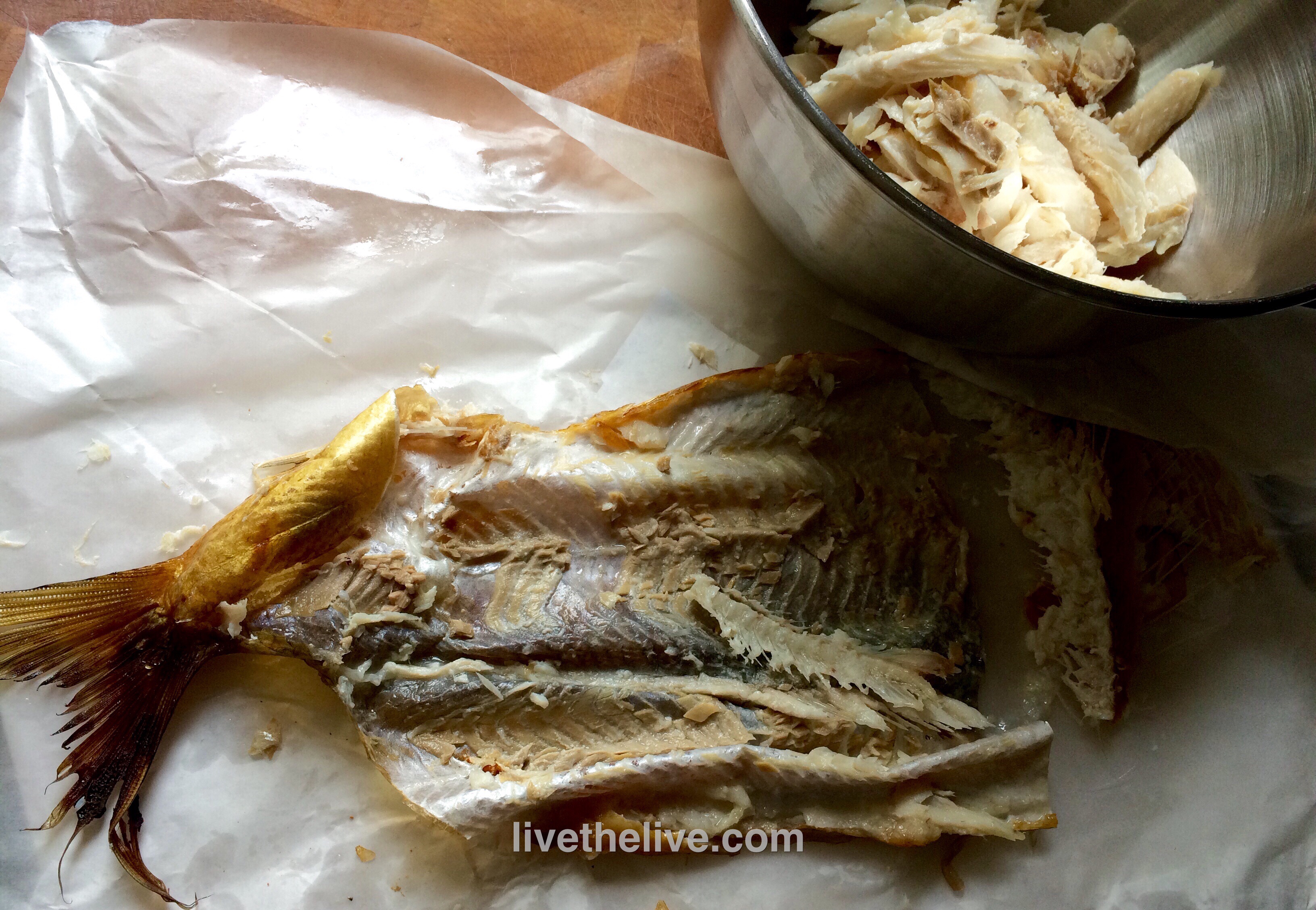
Now we share our mutual love of smoked fish at home in Rhode Island. My Yooper father-in-law showed me how to properly remove the meat cleanly from the smoked whitefish then I took his recipe for smoked whitefish salad and tweaked it.

Remove every bit of meat. Double-check for bones!

Remove every bit of meat. Double-check for bones!

Ingredients:


1/2 whole smoked whitefish, meat removed
1/2 cup mayonnaise
1/4 cup finely chopped Vidalia onion
1 tablespoon capers, finely chopped
1 tablespoon freshly squeezed lemon juice
1 hard-boiled egg, finely chopped
Freshly ground pepper
Pinch of sea salt (I like Fleur de Sel)


Remove the meat from the smoked whitefish carefully, making sure all the small bones have been removed. Doublecheck to make sure you’ve done this really well. Place all the white fish meat in a bowl.

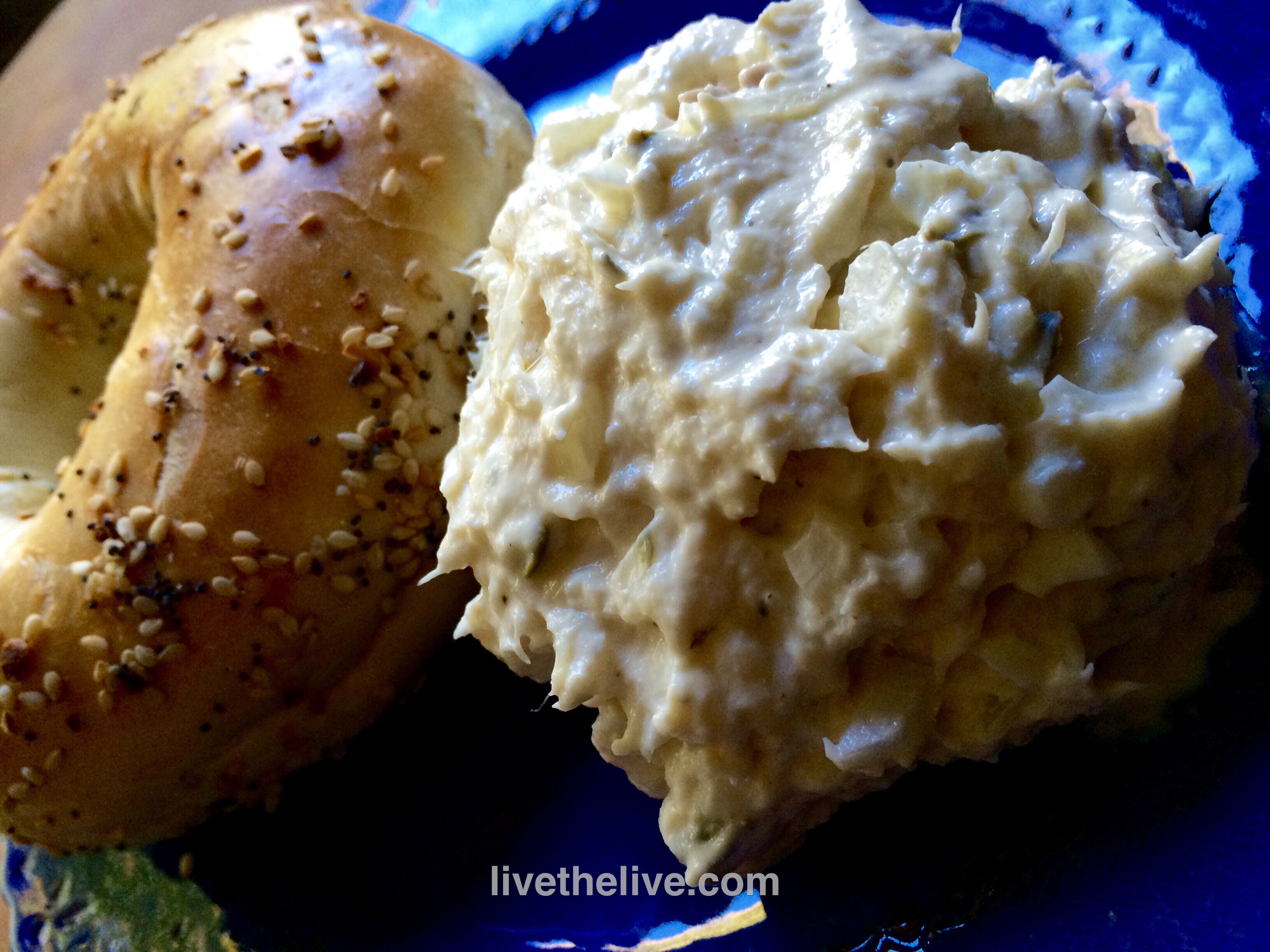
Combine all other ingredients with the fish thoroughly using a fork. Serve with crackers, or my favorite: a toasted everything bagel from New York!
image
Here’s a shot of the real deal straight out of the smoker, at a fish store in Mackinaw City, Michigan, on the way to the in-laws’ house in the Upper Peninsula…
image