Posts Tagged ‘food’

If you’ve got a windowsill, you can grow a variety of sprouts that will add lots of fresh flavor to any salad or stir fry. Once you’ve sprouted the seeds, the clock starts, and they can go badly rather quickly. That’s why the sprouts that you buy in a supermarket can already be half way to stale city before you even bring them home. Growing your own assures fresh sprouts when you want them, and you can’t beat the flavor.


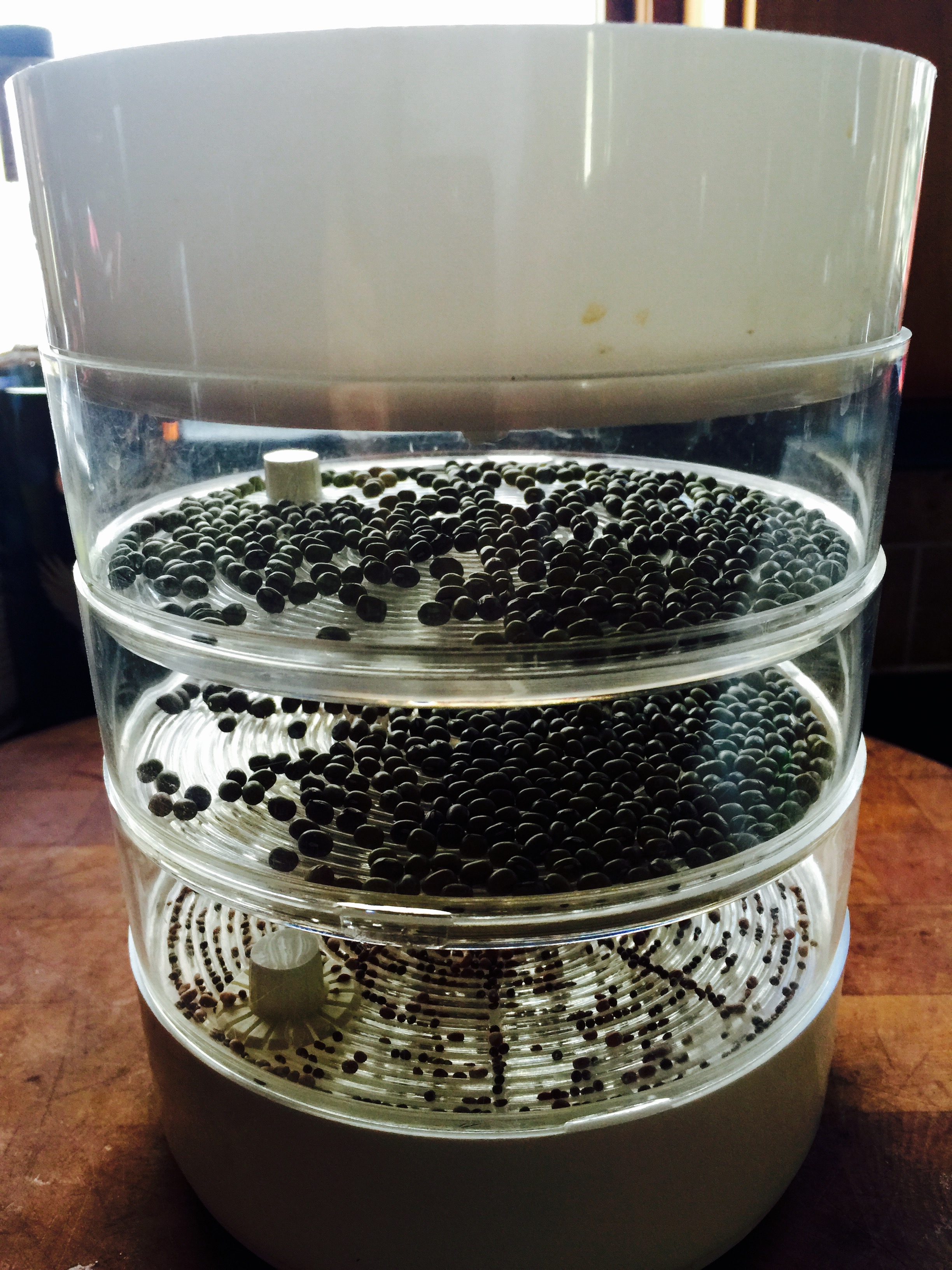
Two trays of mung bean seeds and one tray of a radish mix.

Two trays of mung bean seeds and one tray of a radish mix.


Suppliers of sprouting seeds are easy to find. My two favorites are High Mowing Seeds (www.highmowingseeds.com) and Johnny’s Selected Seeds (www.johnnyseed.com.) They also sell the sprouter, which is a stackable plastic structure that holds several layers of seeds at one time.

Stacked and ready to go.

Stacked and ready to go.


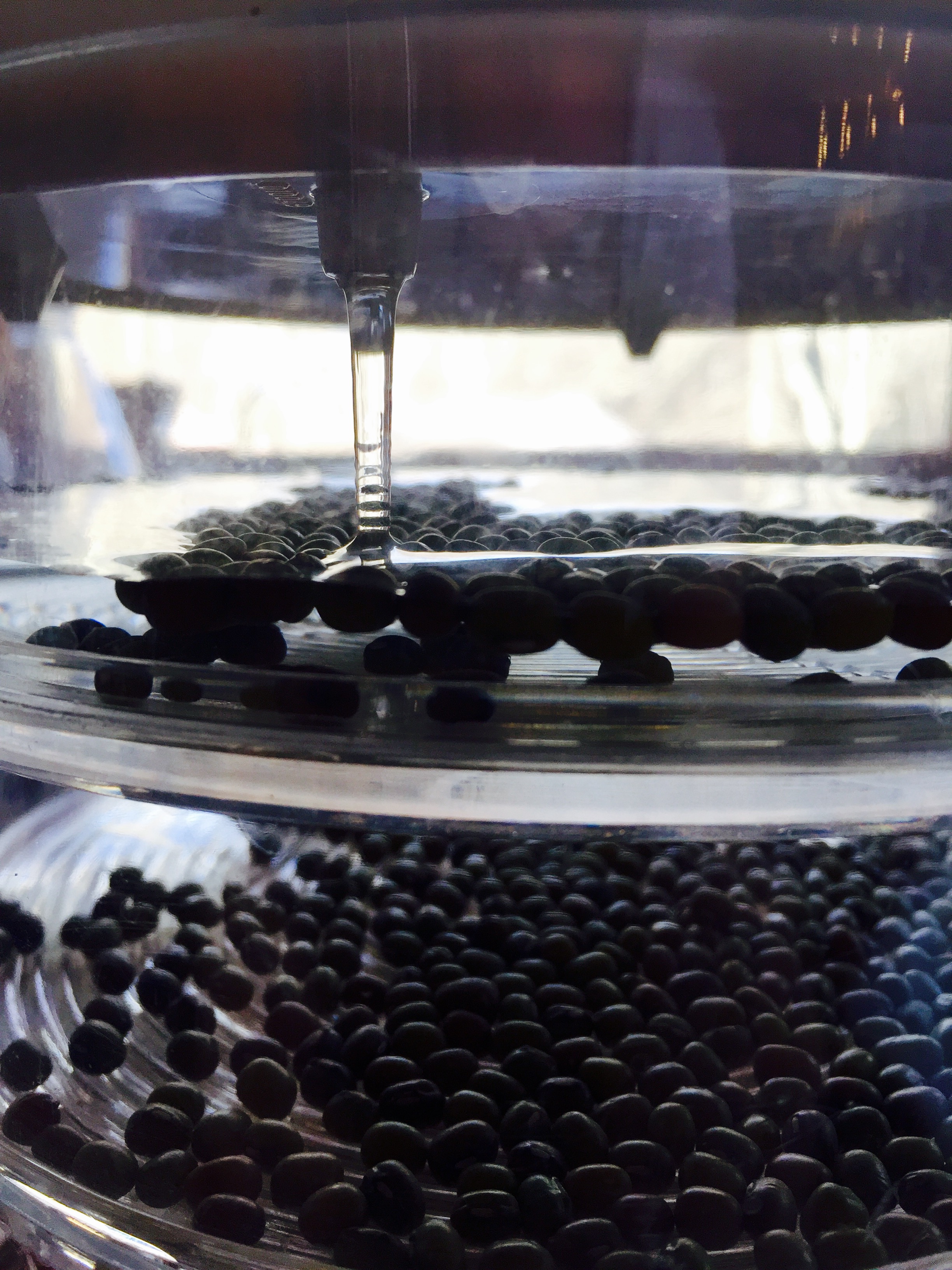
Just pour in the seeds, stack ’em up, and pour water in the top. The water trickles down through the layers, leaving behind just enough moisture to germinated the seeds.

Water trickles down through the different levels.

Water trickles down through the different levels.

Water the seeds a few times a day and in just two days, you’ll see your sprouts come alive. within 4 or 5 days, they’re totally grown, at which time you can bag them and keep them in the fridge, and start a new batch of sprouts.

Mung bean sprouts after just one day.

Sprouts after just one day.


...and after several days.

…and after several days.

If you like micro greens, those are pretty easy to grow indoors as well, though you’ll need a windowsill with good sunlight. (Grow lights work well, too.) You place some potting mix in a shallow tray, press the seeds into the potting mix, and then water them.

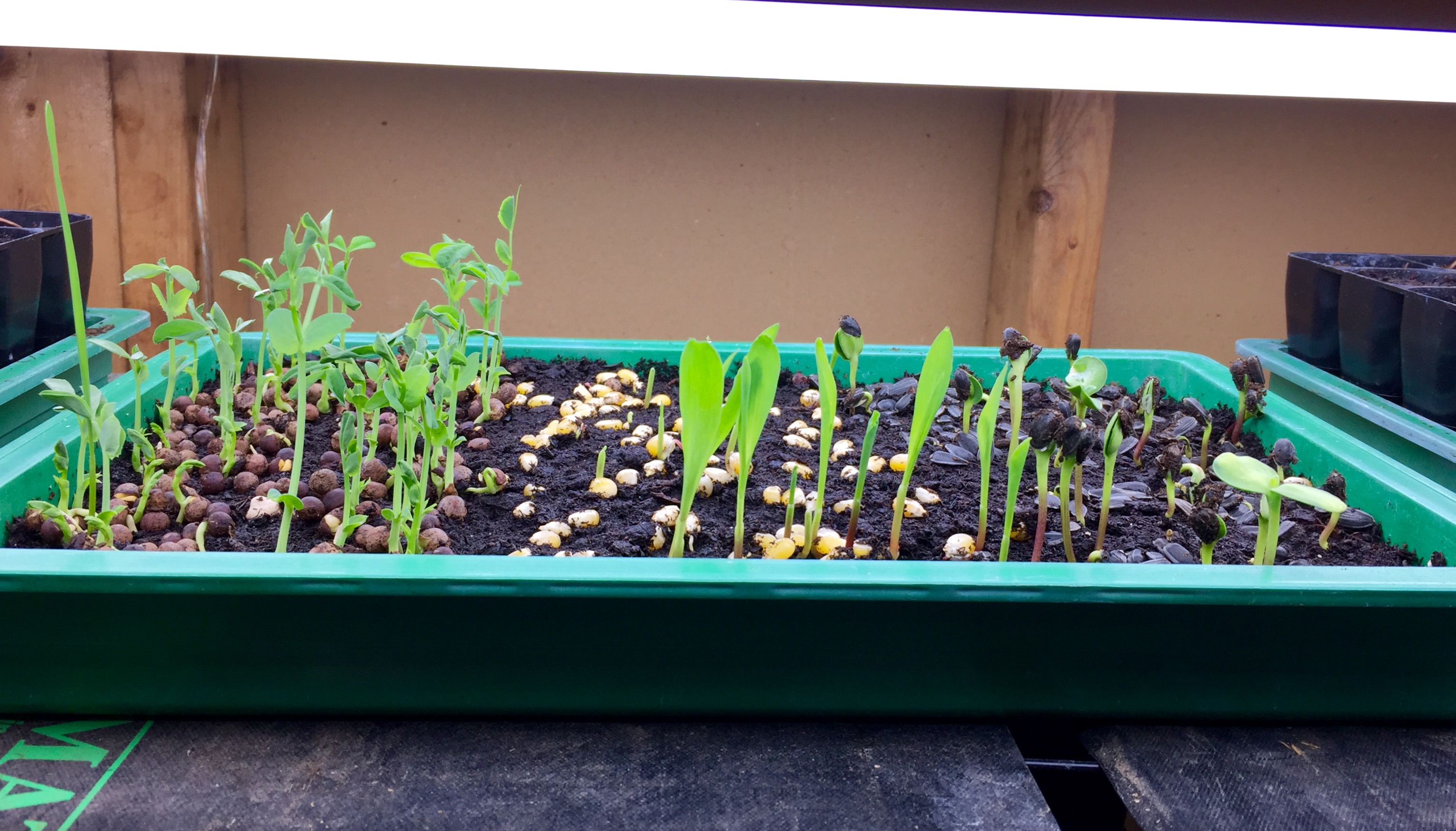
Seeds ready to sprout (from left to right): sunflower, popcorn, peas.

Seeds ready to sprout (from left to right): sunflower, popcorn, peas.


In a few days, the seeds will start to sprout. when they get a few inches tall, simply snip them with a pair of scissors, and toss them into your salad. When all the seeds have sprouted, the soil and the used seeds can all go into your compost pile or garden.

Sprouting under grow lights.

Sprouting under grow lights.


On our trip to Spain in 2014, croquettes were served in just about every restaurant we went to. My daughter fell in love with them, and they became the “chicken nugget” of our trip: the go-to kid food we knew we’d always rely on.

image

Once we got home, I could only find them on-line, not in stores. And since they ship frozen, it required a large purchase.

Luckily, I found a great recipe in Saveur magazine, and decided to try it out. I was a bit clumsy at making them at first–they do need a bit of finesse–but by the end of the batch, I got the hang of it. And to make them gluten-free, I simply substituted GF flour and breadcrumbs for the all-purpose flour and Panko.

image


2 lbs. potatoes, peeled and cut into 1″ cubes
4 tablespoons unsalted butter
1 onion, minced
1/4 to 1/2 cup heavy cream
6 oz. cheddar cheese, grated
6 oz. ham, finely chopped
salt and pepper
1 cup all-purpose flour (or gluten-free flour like Cup4Cup)
2 eggs
2 cups Panko breadcrumbs (or gluten-free breadcrumbs)
avocado oil for frying


image

Peel the potatoes, cut them into 1″ cubes and boil them in salted water until tender. Drain and set them aside.

Melt the butter in the same pot the potatoes were in, then add the onions and saute until translucent. Put the potatoes back in the pot and add 1/4 cup of the heavy cream. Mash the potatoes with a potato masher until smooth. Add more cream, if needed.

Add the cheese and mix until it has melted in. Add the ham and mix again. Season with salt and pepper.

Pour the contents of the pot into a metal bowl and place in the freezer to cool, stirring every 10 minutes until the mashed potato mix is cold, but not frozen.

Line up three bowls: flour (or GF flour) in the first bowl, eggs (scrambled) in the second bowl, Panko (or GF breadcrumbs) in the third.

Remove the mashed potato mix from the freezer, and with floured hands, grab enough to gently roll a small meatball in your hands. (I’ve found that starting with a round shape makes it easier to work with.)

Roll the ball in the flour, then the egg, then drop in the Panko and roll again. With the ball in your hand, gently squeeze into a tubular shape, and then place it on a sheet pan lined with non-stick aluminum foil. Continue with the rest of the potato mixture. (You may need to add another egg or two if you run out.)

Once you’ve rolled all the croquettes, place them back in the freezer for 20 minutes to firm up. (I use a sheet pan lined with non-stick aluminum foil.)

Heat a pan with 2″ of oil to 350 degrees. Remove the croquettes from the freezer, and working in small batches, fry them until golden brown. Place on paper towels, and quickly season lightly with salt while hot, if desired.

image


The croquettes freeze really well, so this batch goes a long way. Once they’ve been fried, let them cool completely to room temp. Place them in Ziploc freezer bags and store in the freezer. When it’s time to cook them, let them thaw for about 15 minutes, then place in a pre-heated 325 degree oven for another 15 minutes.


Despite that corned beef is not an authentic Irish dish, it seems that everyone thinks they should eat it on St. Patrick’s Day. The phrase “corned beef” was actually coined by the British, and although the Irish were known for their corned beef throughout Europe in the 17th century, beef was far too expensive for the Irish themselves to eat and all of it was exported to other countries. Owning a cow in Ireland was a sign of wealth, and the Irish used theirs for dairy products, not beef. The Irish ate pork, and a lot of it, because it was cheap to raise pigs, and they traditionally prepared something like Canadian bacon to celebrate St. Patrick’s Day in Ireland.

In the 1900’s, when the Irish came to America, both beef and salt were more affordable, and the Irish, who lived in poor, tight-knit communities, often next to Jewish communities, bought much of their beef from Kosher butchers. And so many of the Irish learned how to corn their beef using Jewish techniques, but added cabbage and potatoes to the mix.

It takes about 3 weeks to make corned beef, so you can’t make it in a day. But now that you know it’s not Irish anyway, that’s OK! Doing it yourself is not difficult, and you get a better quality product than that nasty slab from the supermarket that’s full of chemicals and preservatives.

Corned beef has nothing to do with corn. ‘Corning’ is a technique for preserving raw meats for long periods by soaking it in salt brine. This method was used in England before the days of commercial refrigeration. Back then, the large salt kernels used in the brine were called “corns.”

Brining is a time-honored way of preserving and it prevents bacteria from growing. Both pastrami and corned beef are made by this method. Both corned beef and pastrami usually start with a brisket of beef. Corned beef is then cooked–usually boiled–and served. Pastrami is made when the brined meat is rubbed with more spices and smoked to add extra flavor. So corned beef and pastrami are the same meat, just treated differently.

Saltpeter is an ingredient that has been used in brining beef for years. It adds the traditional red coloring to the corned beef and pastrami meat. But since saltpeter can also contain carcinogens, I leave it out. The meat may not be the usual bright red color, but the flavor and texture of the meat will not be affected.
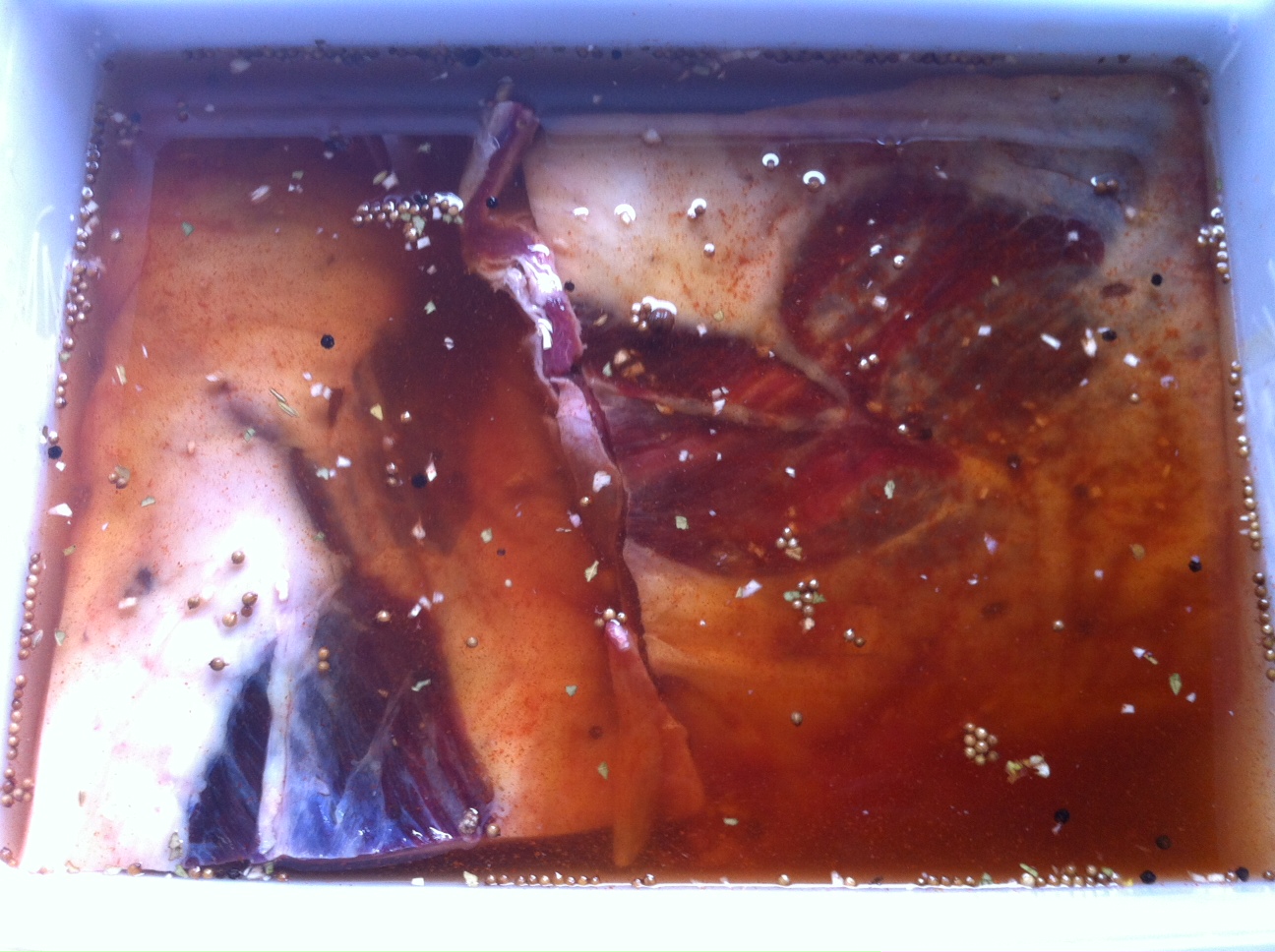
Brining the beef brisket

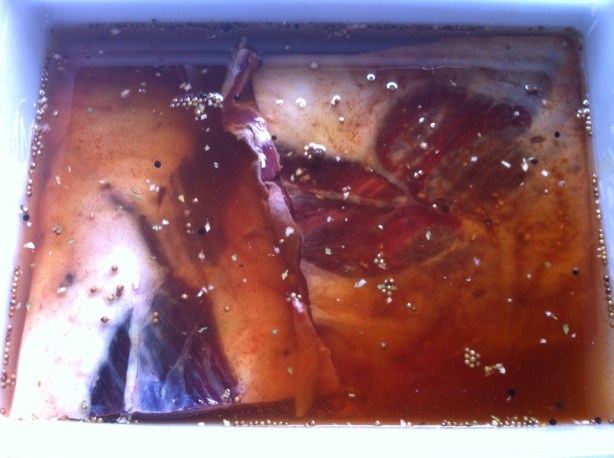
Brining the beef brisket

Step one: corned beef…

beef brisket (about 8-10 pounds)
2 teaspoons paprika
1/4 cup warm water
3 cloves of minced garlic
2 tablespoons sugar
1 tablespoon mixed pickling spices
3/4 cup salt
2 quarts water

Place the brisket in a large container made of non-reactive material, like glass or plastic.

In the 1/4 cup of warm water, dissolve the sugar, minced cloves, paprika and pickling spices.

Dissolve the 3/4 cup of salt in the 2 quarts of water. Pour in the sugar/garlic/paprika/pickling spices mix and stir everything together. Pour the mixture over the meat in the container. Make sure the meat is totally beneath the surface of the liquid. (You may need to weigh it down to do this.) Cover the container.

Refrigerate the container and contents for 3 weeks, turning the meat once or twice per week. At the end of the third week, remove the container from the refrigerator and take out the meat. Soak the meat in several changes of fresh cold water over a period of 24 hours to remove the excess salt.

At this point, if you want corned beef, prepare and cook it using your favorite recipe. But I’m all about the pastrami!

Step two: making Pastrami…
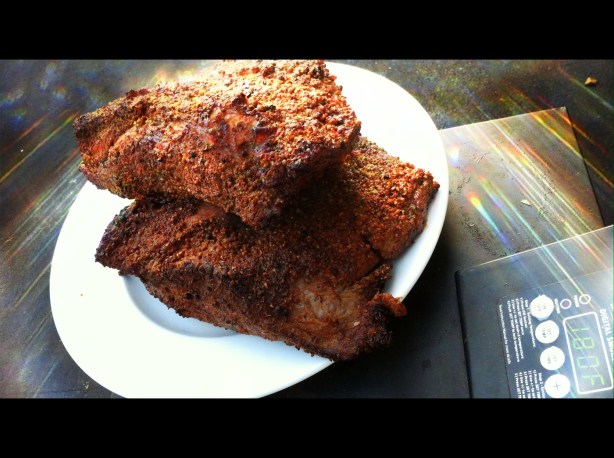
pastrami


Brined and rinsed corned beef brisket from above recipe, patted dry with paper towels
1/4 cup Kosher salt
1/4 cup paprika
3 tablespoons coriander seeds
2 tablespoons black peppercorns
2 tablespoons yellow mustard seeds
1 tablespoon white peppercorns
3 tablespoons brown sugar
1 tablespoon granulated garlic

Combine the coriander seeds, black and white peppercorns and mustard seeds in a spice grinder and grind coarsely. Place in a bowl. Add salt, paprika, brown sugar and granulated garlic. Mix well.

Rub the mix into the brisket well, covering all sides.

Heat your smoker to 225 degrees and smoke for several hours using a less intense wood, like oak. When the internal temperature of the meat has reached 165 degrees, it’s done. It isn’t necessary to smoke pastrami as long as you would a regular brisket because the long brining time makes the meat tender.

It is very important that absolutely everything that comes in contact with the meat is very clean. (This includes your hands.) Also, make very sure that every inch of the meat reaches the 165 degrees before it is removed from the smoker. The corned beef is now pastrami.

I learned most of my Cajun dishes from the cookbooks of one of the masters: chef Paul Prudhomme. Sometimes, I’d use some of his great seasoning ideas in my own dishes. This was one of them. I would cook huge batches of these chicken breasts for my Mardi Gras parties and there would never be any leftovers! Don’t wait for Fat Tuesday to come around again to make these yourself.

Double-dipping in the seasoning mix is a messy step, but it makes them extra crunchy and flavorful.

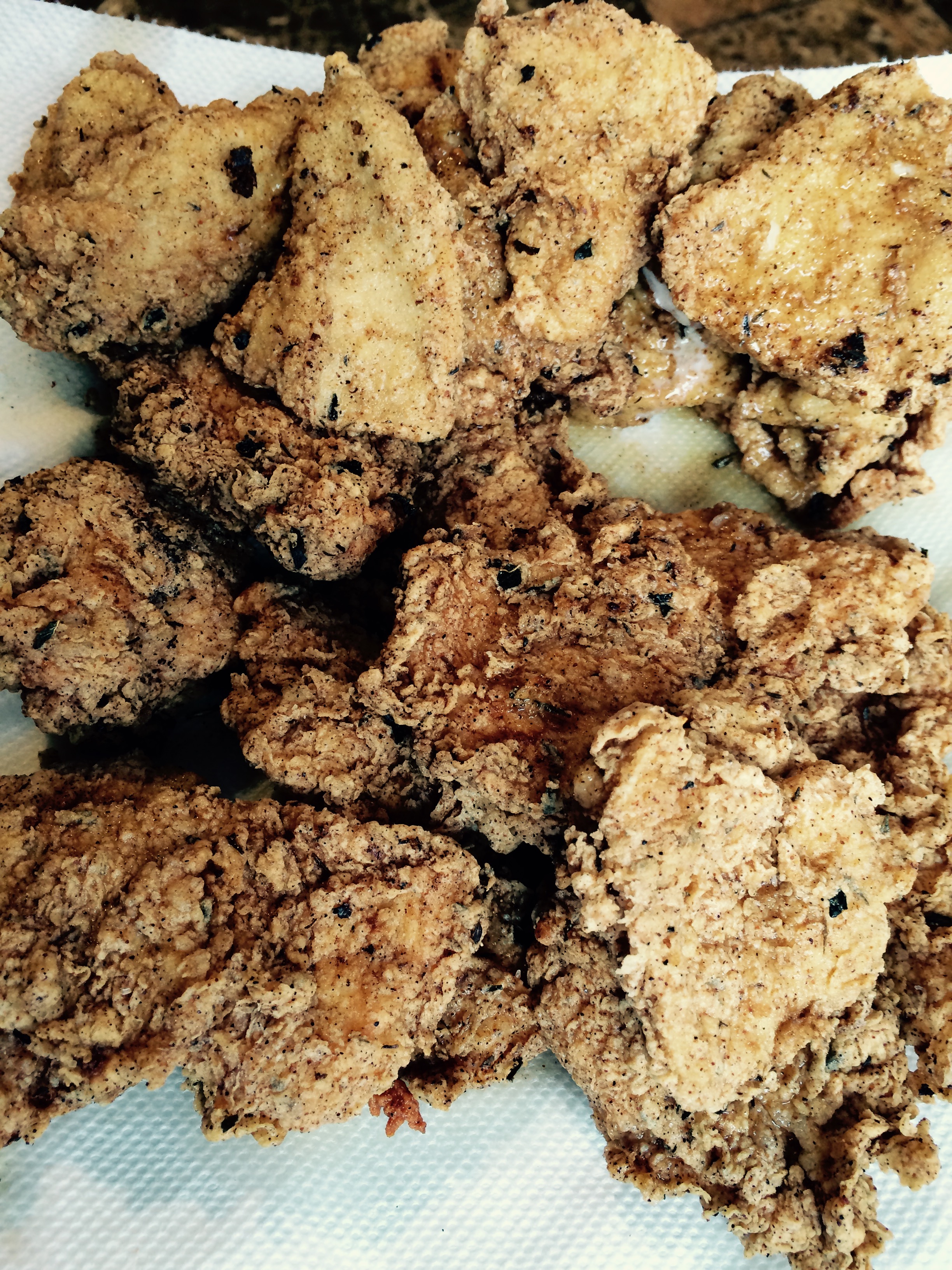
Single-dipped breasts are at the top. The extra crunchy double-dipped are at the bottom.

Single-dipped breasts are at the top. The extra crunchy double-dipped are at the bottom.


1 cup all-purpose flour
1 tablespoon salt
1 1/2 teaspoons sweet paprika
1 teaspoon granulated onion
1 teaspoon granulated garlic
1 teaspoon basil
1/2 teaspoon white pepper
1/2 teaspoon cayenne pepper
1/2 teaspoon black pepper
1/2 teaspoon dried thyme
1/2 teaspoon gumbo file (file powder), optional
2 pounds boneless, skinless chicken tenders or breasts
3 eggs
oil for frying (I like using avocado oil and some pork fat for flavor)


Cut the chicken breasts into manageable pieces. If they’re thick, slice them horizontally to make two thinner breasts. A thick piece of chicken won’t cook all the way through.

Combine the flour, salt, paprika, onion, garlic, basil, white pepper, cayenne, black pepper, thyme and gumbo file in a bowl. Mix well.

In another bowl, crack and scramble the eggs.

Single dip: Dip the chicken in the egg and then the flour mixture. Shake off an excess and place in a pan with oil that has been heated to 350 degrees on a thermometer.  Fry until it’s cooked all the way through. Drain on paper towels.

Double-dip: Dip the chicken pieces in the egg, then the seasoning mix, then the egg, then back in the seasoning mix and place directly in a pan with oil heated to 350 degrees on a thermometer. Fry the chicken until it’s cooked all the way through and golden brown. Drain on paper towels.


If you need to feed a crowd, just double or triple the recipe. I used to make a 10x batch for my Mardi Gras parties!

This recipe is gluten-free if you substitute GF flour for the all-purpose flour.


Most everything’s better when you do it yourself, and smoked whitefish salad is no exception. Sure, I can get whitefish salad at my favorite deli when I go home to New York, and it’s pretty good. But they treat the whitefish like they do tuna: they mash the fish to the point where you can’t recognize what you’re eating. And then they add a ton of mayonnaise as filler.

fish1

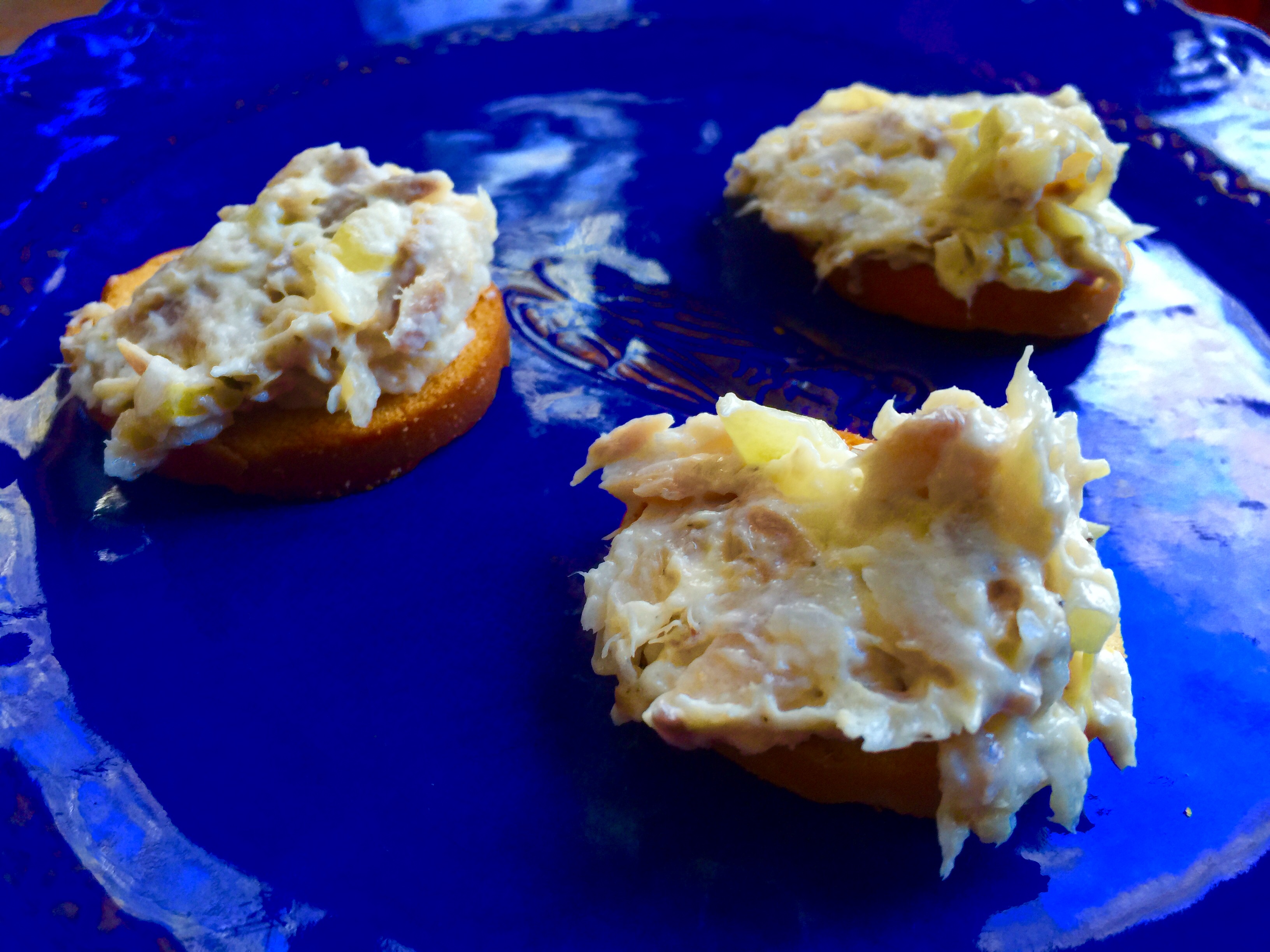
On a recent visit home, I bought a nice whole smoked whitefish from my favorite supermarket on steroids: Fairway (one of my stops in New York for fish, meat, coffee, and cheese.) I took extra care to really go through all the meat a couple of times to make sure there weren’t any sharp bones left in it. And I left the whitefish meat in small pieces, much like I would with crab meat.

fish2

Interestingly, I didn’t learn how to make whitefish salad from my Jewish New York neighbors. I learned it from my father-in-law in the Upper Peninsula of Michigan, where smoked whitefish is a favorite treat, caught right in the waters of the Great Lakes.

Buying whitefish at one of many smoke shacks at the foot of the Mackinac Bridge, which connects the Lower Peninsula to the Upper Peninsula of Michigan.

Buying whitefish at one of many smoke shacks at the foot of the Mackinac Bridge, which connects the Lower Peninsula to the Upper Peninsula of Michigan.

1 whole 1-lb. smoked whitefish meat, carefully de-boned
1/4 cup mayonnaise
2 tablespoons dill pickle relish
2 teaspoons finely minced onion
pinch black pepper
tiny pinch sea salt

Real fish has real bones, so make sure you go through the meat a couple of times. Place the meat in a bowl. Add the rest of the ingredients and mix well, but gently to keep the meat from breaking apart.

Spoon onto crackers and enjoy!

fish3

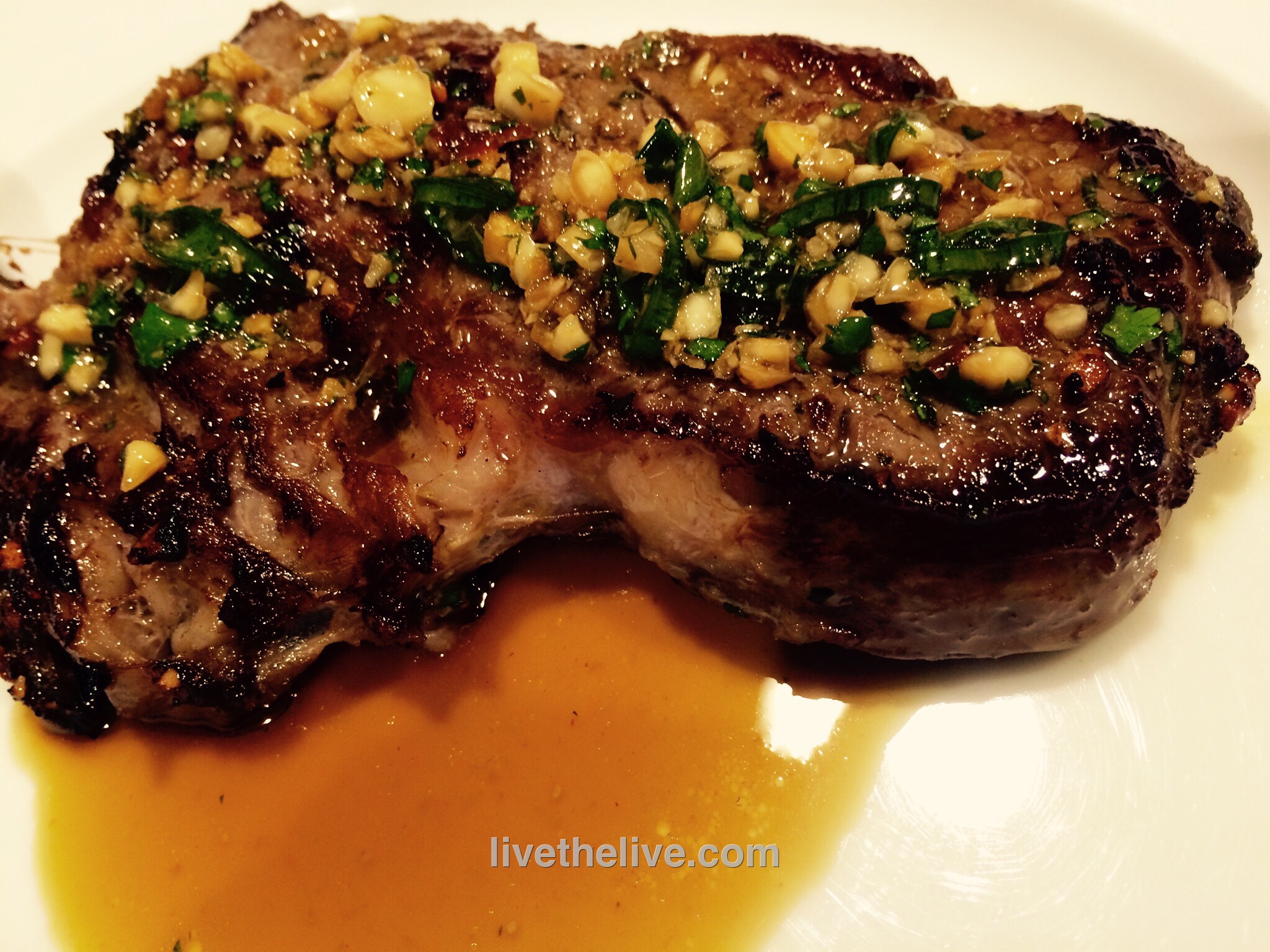
The original recipe called for skirt steak, but I didn’t have any in my freezer. I did have a fat rib eye, though, so once I thawed it, I sliced it lengthwise to get two large, thin steaks which would easily suck up the marinade I was going to make. And the rib eye was nicely marbled, so it stayed juicy and tender.

image


For the marinade:
1/4 cup toasted sesame oil
1/4 cup soy sauce (I use La Choy to keep it gluten-free)
2 tablespoons each finely chopped ginger, garlic, cilantro and unsalted dry roasted peanuts
2 scallions, minced
1 tablespoon each of light brown sugar, lime juice and chile oil


2 lbs. beef rib eye
1/4 cup chicken stock

In a bowl, whisk together the sesame oil, soy sauce, ginger, garlic, cilantro, peanuts, scallions, sugar, lime juice and chile oil. Transfer half to a shallow dish.
Add the steak to the dish and turn to coat. Cover and refrigerate overnight. Refrigerate the remaining marinade.

The next day, light a grill. While it’s warming up, add the chicken stock to the reserved marinade. Heat it in a sauce pan and then let it cool. This will be the dipping sauce for the beef. (I like it at room temp.)
Bring the steak to room temp, season with salt and pepper, and grill over high heat until medium-rare, 5 minutes.

Too cold to light a grill? Heat a cast iron pan, add a few drops of avocado oil, and sear the beef on both sides before placing it in a pre-heated 375-degree oven to finish cooking.


It’s a Leap Year! This weekend, have a sip of the infamous Leap Year Cocktail.

This special drink was created in 1928 by Harry Craddock, who worked at the American Bar in London at that time.

FullSizeRender (2)


2 oz. gin (I use Hendrick’s)
1/2 oz. Grand Marnier
1/2 oz. sweet vermouth (I use Antica Formula)
1/4 oz. fresh lemon juice


Combine all the ingredients with ice in a cocktail shaker and shake vigorously for 30 seconds. Pour into a chilled martini glass and garnish with a twist of lemon.

Cheers!

True: the inspiration behind this dish was a conversation I had with friends, talking about our early childhood days. Someone brought up the name Shari Lewis, and her famous puppet Lamb Chop. Next thing I knew, I was grilling the critter in my yard.

This is a great grilled lamb recipe that works best if you marinate it ahead of time, but it’s not absolutely necessary. Cook it indoors or outside on the grill. I used grapefruit zest and juice in the original recipe, but since I still had a Honeybell orange left in my stash, I used that this time around. Any citrus you like will work.

American lamb is different from lamb raised in New Zealand or Australia. If you like a milder flavor, go with the American lamb. Lamb from New Zealand and Australia is entirely grass-fed, making for a stronger “gamier” flavor but a healthier cut of meat, as all grass-fed meat products are.


L2


6–8 small lamb chops
1/4 cup brown mustard (I like Gulden’s)
Zest of 1 Honeybell orange
1 tablespoon Honeybell juice
1 tablespoon honey
1 teaspoon garlic salt
1/4 teaspoon black pepper
1/4 teaspoon dried thyme


In a bowl, combine the mustard, Honeybell zest and juice, honey, garlic salt, pepper, and thyme. Mix well. At this point, you can marinate the lamb by pouring the mixture in a Ziploc bag and adding the lamb to it. Marinate at least 1 hour at room temperature, or longer in the fridge.

Pre-heat a hardwood charcoal grill…or if cooking indoors, pre-heat the oven to 350, and on the stove top, heat an oven-proof pan (cast iron is best) with a little pork fat or oil.

If you marinated the lamb, remove the meat from the bag and save the marinade to baste with while cooking. Don’t use the marinade uncooked, since it made contact with raw meat.

On the grill: Grill the lamb on all sides first, then start brushing the mixture on them, flipping them, brushing again, and grilling. Keep doing this until you’ve used up all the mixture and the lamb is cooked to proper doneness. Don’t overcook it!

In the pan: Sear the lamb on all sides, then brush all sides with the marinade. Place the lamb in the oven to finish cooking, making sure you don’t overcook it. Let it rest before serving.


image

Tomorrow night I’ll be at the Providence Art Club for their annual Founder’s Day celebration, raising a glass in their honor.

1


A few years ago, I was asked by the Providence Art Club to come up with a cocktail for their first Founders Day celebration. One hundred glasses were raised to honor the founding fathers of the second oldest art club in the United States. (Founded in 1880.) The oldest art club is the Salmagundi Club in NYC, founded in 1871. However, the Providence Art Club holds the distinction of being the oldest art club in the United States that was founded by both men and women. (The Salmagundi Club started as an all-male club.)

 Silhouette cocktail
Silhouettes of art club members long past line the walls of the Providence Art Club, and so, my wife came up with the name of the cocktail: The Silhouette. It’s a twist on the Boulevardier, which is a twist on the classic Negroni.
2 oz. Eagle Rare 10-year bourbon
1 oz. Antica Formula sweet vermouth
1/2 oz. Campari
2 shakes Regan’s orange bitters

In a cocktail shaker with ice, stir the ingredients and then strain into a rocks glass with one large ice cube.

Garnish with an orange twist.

Cheers!


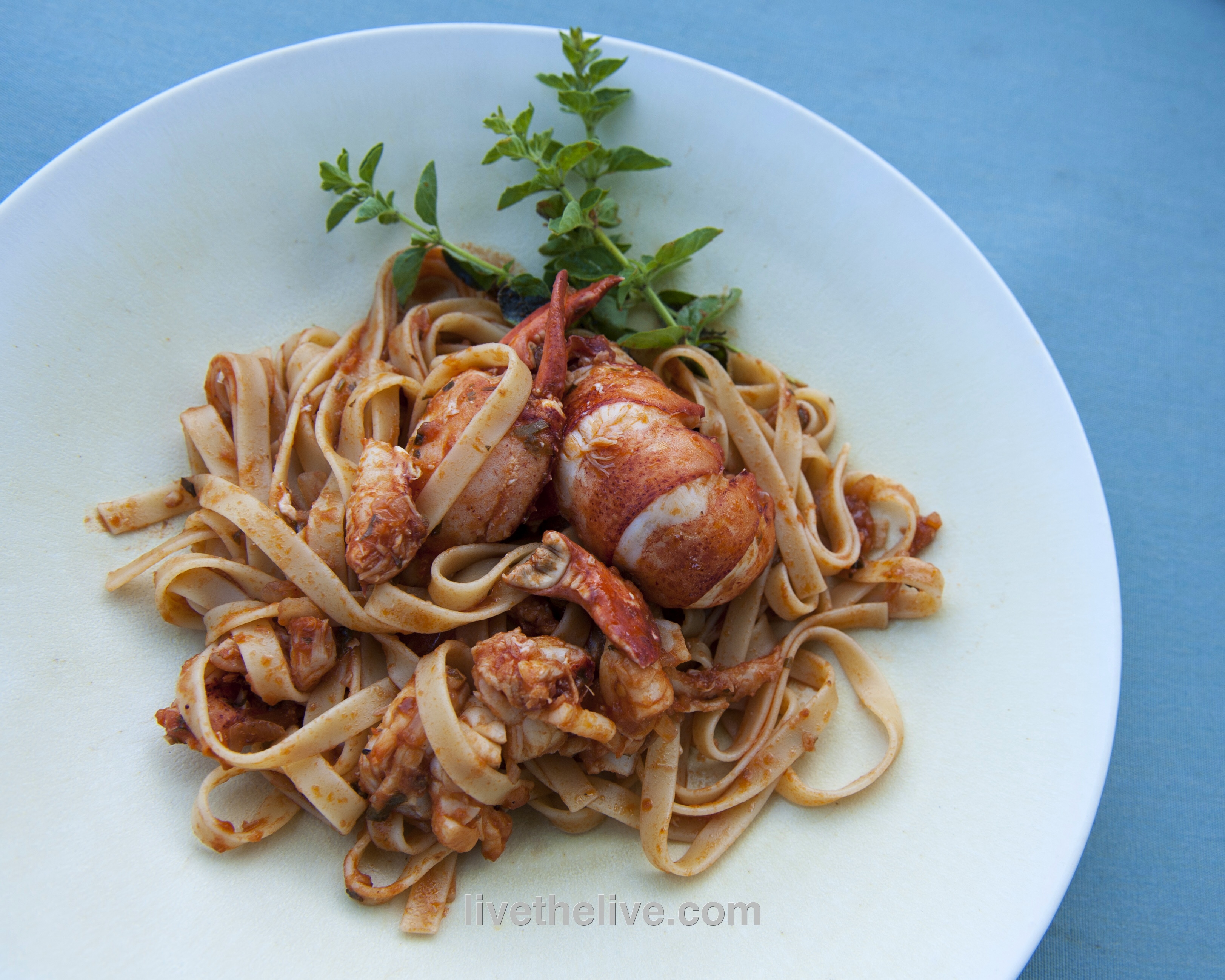
We’re really looking forward to returning to Santorini, Greece this summer. Besides that it’s one of the most magnificent places on earth, it’s where we first feasted on a beautiful lobster and pasta dish that we only dreamed about when we got home…until I got up the nads to give it a try. It’s one of those dishes that takes time to prepare…time consuming but so spectacular.

It’s absolutely important to make a good stock: the base for all the other flavors to follow.

Cooked lobster LTL


For the stock…
2 1-1/2 lb. lobsters, slightly under-cooked
12 cups water
1/2 onion, chopped into quarters
3 celery stalks, chopped into quarters
1 carrot, chopped into quarters


Under-cook (steam or boil, whatever your favorite method) the lobsters, less than the usual 8 minutes. Remove the lobster meat from the shells and set aside.

Place the cleaned lobster shells, claws, tails, legs and bodies in a large pot. (You don’t want any of the internal organs or tommaley.) Crush the shells so they fit in the pot. Add the water, onion, celery and carrot. Set the heat on high. Cook until it is reduced by half.

Strain the stock, discarding the lobster shells and veggies. Bring the stock back to the heat and reduce it until all you have left is 1 cup of intense stock.


Pasta with lobster sauce

For the lobster sauce…
1/2 onion, finely chopped
1 garlic clove, finely chopped
pinch of Italian red pepper flakes
teaspoon parsley
extra virgin olive oil
1/2 cup lobster stock
1/4 cup San Marzano tomato sauce (see below)
splash of white wine (I use Alice White Chardonnay)
salt and pepper


Final ingredients…
reserved lobster meat
1/2 lb. cooked pasta


Add some olive oil to a large pan and saute the onions until translucent. Season with salt and pepper. Add the garlic and cook for 10 seconds. Add the red pepper flakes and parsley.

Add 1/4 cup of the lobster stock and let it cook, reducing by half. Add the other 1/4 cup of lobster stock and the tomato sauce. Let it cook for a couple of minutes and add the white wine. Cook for a few minutes more.

Cook the pasta and drain it even before it reaches the al dente stage. Place the pasta in the pan with the sauce, heating and coating thoroughly. Add the reserved lobster pieces and warm them through, tossing in the sauce. Serve immediately.

For the San Marzano tomato sauce: I take a can of San Marzano tomatoes and place it in a food processor or Vita-Mix and blend. Pour into a pan and reduce over medium heat by half, until sauce has thickened.