Archive for the ‘beef’ Category

My last blog featured Reuben Seup, the lovechild of a Reuben sandwich and French onion soup. Crucial to its success is good pastrami. Sure, you can buy it in a store if you want to settle for a nasty slab full of chemicals and preservatives, but nothing beats making it yourself. Pastrami starts as corned beef, which starts as beef brisket.

It takes about 3 weeks to make corned beef, and a little more time after that to reach pastrami nirvana. But it’s not difficult to do.

Corned beef has nothing to do with corn. ‘Corning’ is a technique for preserving raw meats for long periods by soaking it in salt brine. This method was used before the days of commercial refrigeration. Back then, the large salt kernels used in the brine were called “corns.”

Brining is a time-honored way of preserving and it prevents bacteria from growing. Both pastrami and corned beef are made this way. Both corned beef and pastrami start with a brisket of beef. Corned beef is then cooked–usually boiled–and served. Pastrami is made when the brined meat is rubbed  with more spices and smoked to add extra flavor. So corned beef and pastrami are the same meat, just treated differently.

Saltpeter is an ingredient that has been used in brining beef for years. It adds the traditional red coloring to the corned beef and pastrami meat. But since saltpeter can also contain carcinogens, I leave it out. The meat may not be the usual bright red color, but the flavor and texture of the meat will not be affected.

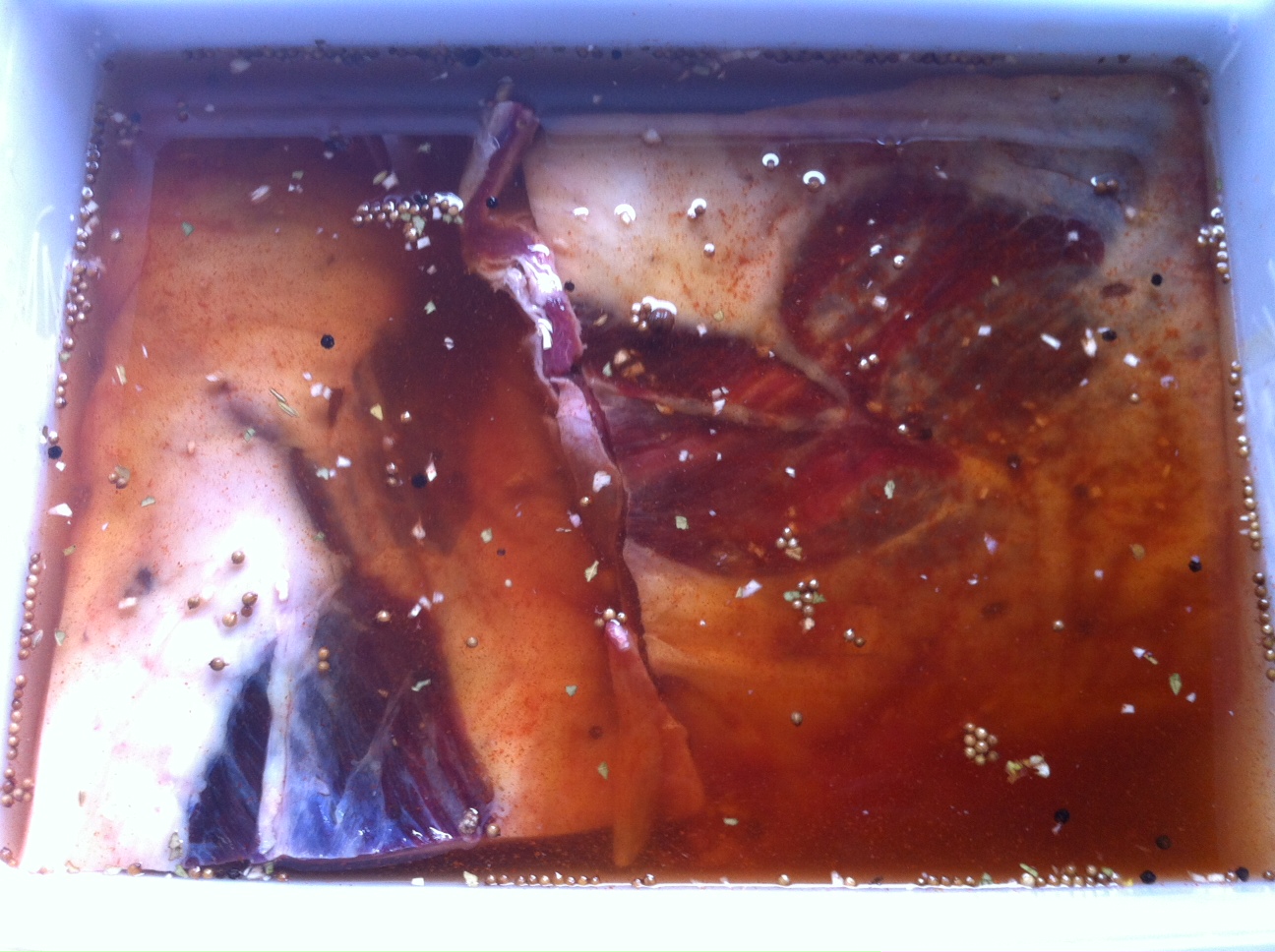
Brining the beef brisket

Brining the beef brisket

Step one: corned beef…

beef brisket (about 8-10 pounds)
1/4 cup warm water
2 tablespoons sugar
3 cloves of minced garlic
2 tsp. paprika
1 tablespoon mixed pickling spices
3/4 cup Kosher salt
2 quarts cool water

Place the brisket in a large container made of non-reactive material, like glass or plastic.

In the 1/4 cup of warm water, combine the sugar, minced cloves, paprika and pickling spices.

Dissolve the 3/4 cup of salt in the 2 quarts of water. Pour in the sugar/garlic/paprika/pickling spices mix and stir everything together. Pour the mixture over the meat in the container. Make sure the meat is totally beneath the surface of the liquid. (You may need to weigh it down to do this.) Cover the container.

Refrigerate the container and contents for 3 weeks, turning the meat once or twice per week. At the end of the third week, remove the container from the refrigerator and take out the meat. Soak the meat in several changes of fresh cold water over a period of 24 hours to remove the excess salt.

At this point, if you want corned beef, prepare and cook it using your favorite recipe. But I’m all about the pastrami!

Step two: making Pastrami…

pastrami


Brined and rinsed corned beef brisket from above recipe, patted dry with paper towels
3 tablespoons coriander seeds
2 tablespoons black peppercorns
2 tablespoons yellow mustard seeds
1 tablespoon white peppercorns
1/4 cup Kosher salt
1/4 cup paprika
3 tablespoons brown sugar
1 tablespoon granulated garlic

Combine the coriander seeds, black and white peppercorns and mustard seeds in a spice grinder and grind coarsely. Place them in a bowl. Add the salt, paprika, brown sugar and granulated garlic. Mix well.

Rub the mix into the brisket well, covering all sides.

Heat the smoker to 225 degrees and smoke for several hours using a less intense wood, like oak. When the internal temperature of the meat has reached 165 degrees, it’s done. It isn’t necessary to smoke pastrami as long as you would a regular brisket because the long brining time makes the meat tender.

It’s very important that absolutely everything that comes in contact with the meat is very clean. (This includes your hands.) Also, make very sure that every inch of the meat reaches the 165 degrees before it is removed from the smoker. The corned beef is now pastrami! Let it rest before slicing.

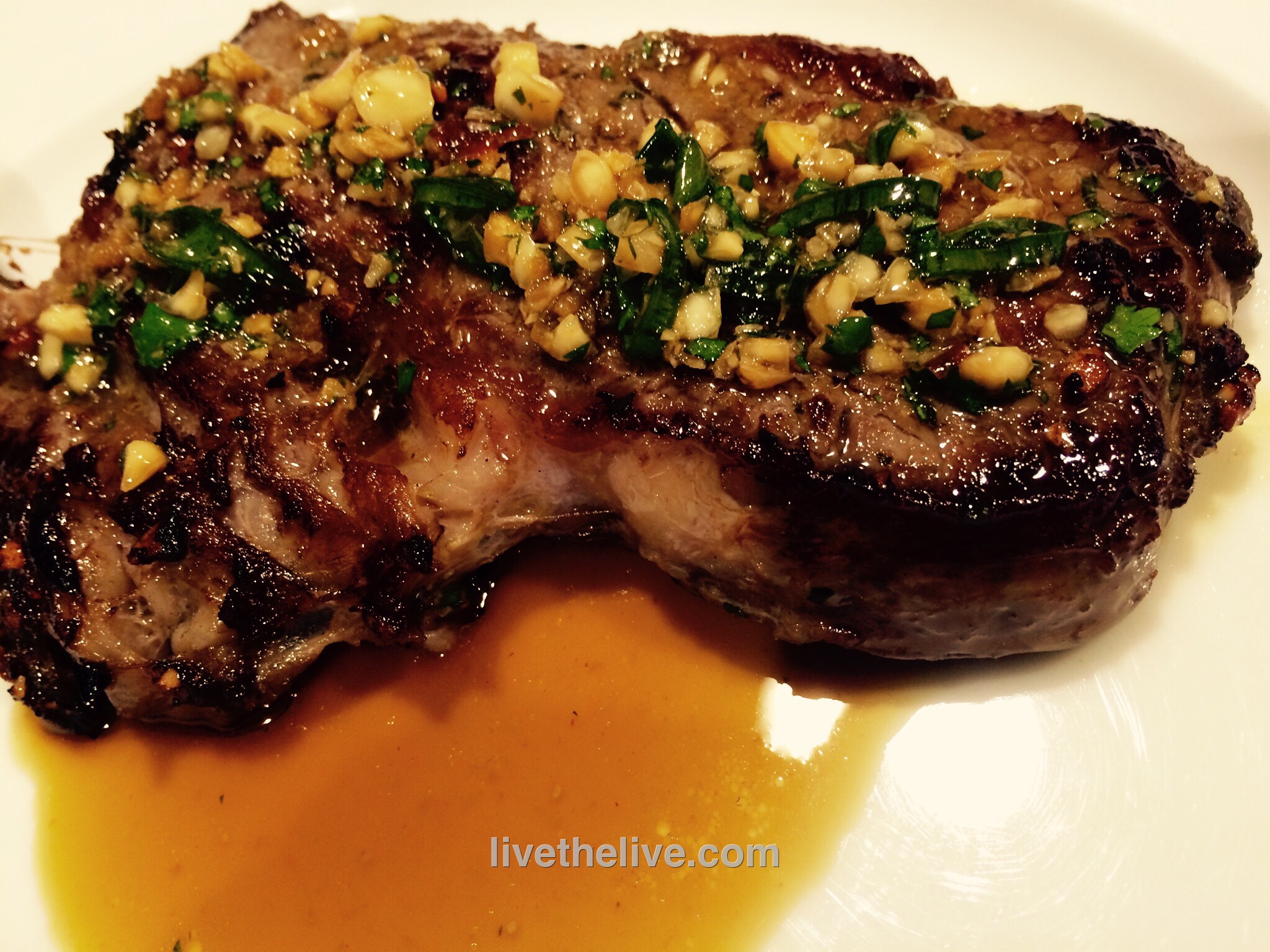
Ideally, a thin cut like a skirt steak works best for this recipe. But I didn’t have any in my freezer. What I did have was a fat ribeye, so once I thawed it, I sliced it lengthwise to get two large, thin steaks which would easily suck up the marinade I was going to make. And the ribeye was nicely marbled, so it stayed juicy and tender.

image


1/4 cup toasted sesame oil
1/4 cup soy sauce
2 tablespoons each finely chopped ginger, garlic, cilantro and unsalted dry roasted peanuts
2 scallions, minced
1 tablespoon each of light brown sugar, lime juice and chile oil
2 lbs. beef ribeye
1/4 cup chicken stock

To make the marinade, whisk together the sesame oil, soy sauce, ginger, garlic, cilantro, peanuts, scallions, sugar, lime juice and chile oil in a bowl. Transfer half of it to a shallow dish.
Add the steak to the dish and turn to coat well with the marinade. Cover and refrigerate overnight. Refrigerate the remaining marinade.
The next day, light a grill. While it’s warming up, add the chicken stock to the reserved marinade. This will be the dipping sauce for the beef. (I like it at room temp.)
Take the steak out of the fridge and bring it to room temperature. Season it with salt and pepper, and grill it over high heat until medium-rare, about 5 minutes.

If it’s too cold to light a grill, heat a cast iron pan, add a few drops of avocado oil, and sear the beef on both sides before placing it in a pre-heated 375-degree oven to finish cooking.


Yesterday was National Cheeseburger Day!

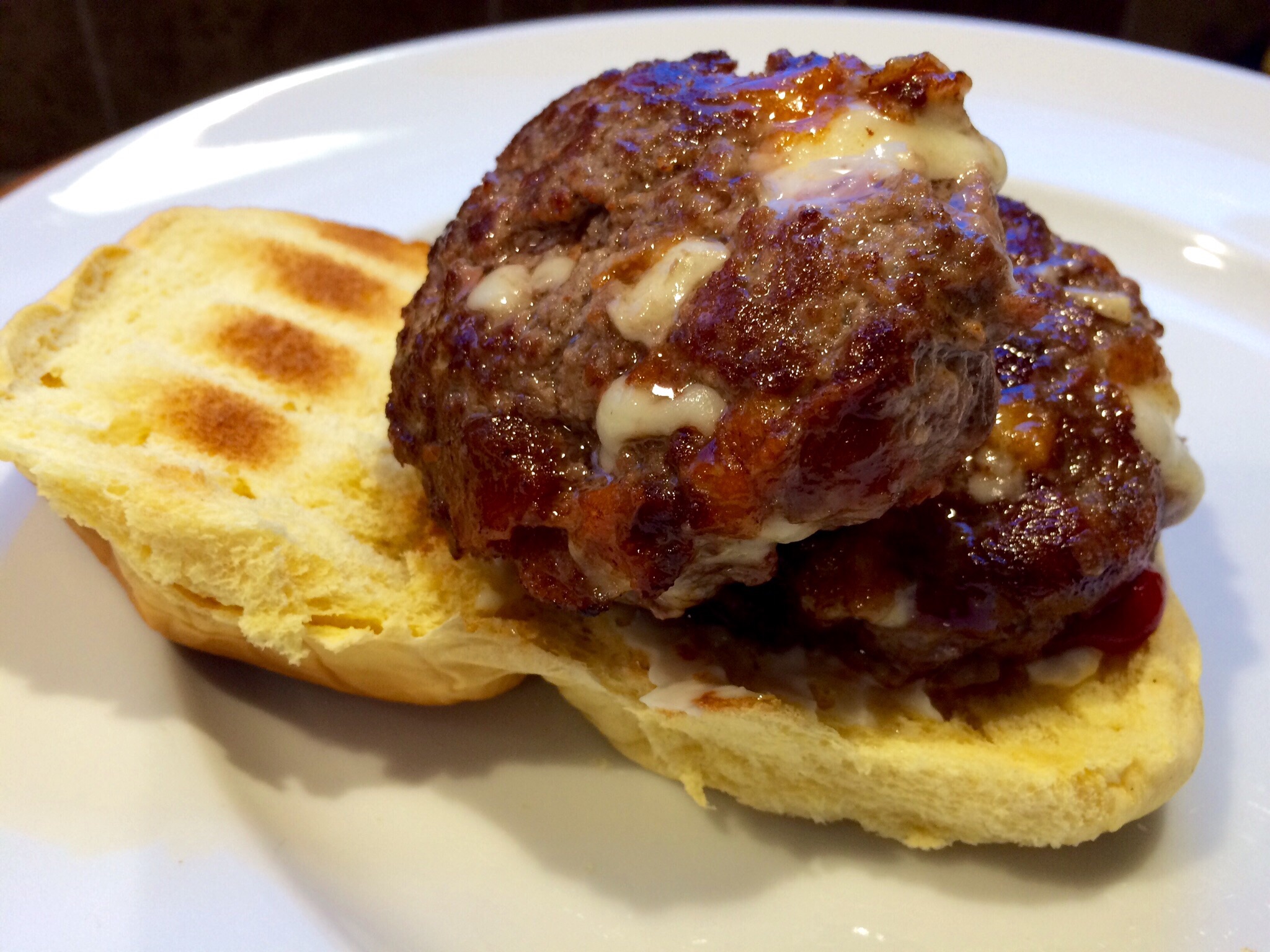
My inside-out burger is not a very complex idea. I just put the stuff that’s usually on the outside, on the inside of my burgers. Why? Why not?

Instead of dealing with a package of bacon and a package of cheese and a stack of burgers, I’ve got all the ingredients conveniently inside the patties. And as the burgers cook, the fat from the bacon and the gooey cheese melt and combine with the burger meat to make a really tasty and moist burger.

I cook these on the grill, but the cast-iron skillet method, described below, works really well,  too.

I make 2 lbs. of burgers at a time, using humanely-raised local grass-fed beef, from my friends at Simmons Organic Farm in Middletown, RI.  Support your local farmers when you can!

image

2 lbs. ground grass-fed beef
1/2 cup sharp cheddar cheese, cut into 1/4″ cubes
1/2 lb. bacon, cooked crisp, cooled and crumbled
garlic salt
avocado oil or pork fat


In a bowl, combine the beef, the cheese and the bacon, mixing well so that all the ingredients are evenly incorporated.

Form the beef into 1/4 lb. patties or larger. Refrigerate them until you’re ready to cook to firm them up.

Heat a cast iron skillet and add a drop of oil or pork fat. Place the burgers in the hot skillet to sear and sprinkle with the garlic salt. When browned, flip the burgers and place the skillet in a 350-degree oven to finish cooking.

image


Like hot dogs and Slim Jims, jerky is one of those “mystery meats” we love but don’t really know how it’s made or what part of the animal it comes from.
Really excellent beef jerky is a rare treat, and once you have it, you will never go back to that rancid, preservative-filled dog meat you find in a bag at the supermarket. And the best part is: it’s easy to make.
Shop around for a really nice slab of London broil or similar cut. You don’t need to buy an expensive piece of grass-fed beef, but the better the meat, the better the jerky. Remove all the gristle and fat that may be on the meat and then slice it against the grain and on a diagonal, into 1/4″ thick slices. Toss all the meat in a Ziploc bag. Once you’ve done that, all you need to do is make the marinade, marinate the beef overnight, and then dry it the next day. Your final product will be a flavorful beef jerky that is so good, you’ll find it very hard to stop eating it…or to share it.
If you use gluten-free soy sauce and teriyaki sauce (La Choy is the brand I use, found in any supermarket), this recipe can be considered gluten-free. Be careful: regular soy sauce, and even some tamari sauces, have wheat in them. Read the label!
image
1 tablespoon salt
1 1/2 tablespoons granulated garlic
1 teaspoon black pepper
1 teaspoon fresh minced peeled ginger
2/3 cup brown sugar
1 cup teriyaki sauce
1 cup soy sauce
8 lbs. raw, lean beef, like London broil, cut into 1/4″ thick diagonal slices, against the grain of the meat
Mix all the ingredients except the meat in a large bowl. Place the meat in a large Ziploc bag, pour the marinade inside, seal, and refrigerate overnight. Squish the bag around once in a while, to make sure all the meat surfaces make contact with the marinade. Keep the bag in a bowl to prevent any accidental spillage in your fridge!
The next day, pour off the marinade and discard it. Using a food dehydrator, dry the meat by laying strips in a single layer. You can also dry them in a 140 degree oven on racks slightly elevated off a baking sheet. Drying could take several hours to half a day, depending on how dry and chewy you like your jerky.
Jerky in the dehydrator.

Jerky in the dehydrator.

This recipe makes a lot of jerky, but it stores really well in the freezer. I put small amounts into individual freezer bags, then place all of them in one large freezer bag. Thaw as needed.

At a recent summer garden dinner for 12 of our friends, I wanted to serve my corn and tomato salsa that I featured here a few weeks ago.

We “smuggled” a few treats from a recent visit to Santorini Greece: capers, caper leaves and sun-dried tomatoes. Adding them to fresh corn and tomatoes gave it that salty bite that. I usually use feta cheese in this recipe, but we served a cheese plate as an appetizer, so I left the feta out. Turns out we like it even better this way…

1 dozen fresh ears of corn, lightly sautéed in olive oil
2 dozen (or more) tiny tomatoes, cut in half
1/2 small red onion, finely chopped
2 tablespoons capers
1 tablespoon caper leaves
2 tablespoons finely chopped sun-dried tomatoes
1/4 teaspoon black pepper
2 tablespoons white vinegar
1 tablespoon extra virgin olive oil (in addition to what you saute the corn with)

Slice the kernels of corn off the ears with a sharp knife. Saute them in a little olive oil, just to remove the raw taste. Don’t over cook them!

Combine the corn with all the other ingredients and place in a bowl in the fridge.

Just before serving, let it come back to cool, not cold, and check for seasoning. The capers and caper leaves are salty, so I’m careful not to over-salt.

An easy way to marinate beef is to simply throw the meat in a bag and dump some Italian dressing into it. As simple as that sounds, it flavors the meat really nicely. But I’ve got a problem with anything that comes from a jar and was made in a factory, especially when it’s so easy to make my own marinade.
I recently bought some sirloin beef tips and after trimming the fat and silver skin (they always leave it on the meat), I cut it up into 1 inch cubes. I put the pieces in a Ziploc bag and then made the marinade…

For the marinade:
1/4 cup decent quality balsamic vinegar–not the expensive stuff
1/4 cup avocado oil
1 teaspoon dried oregano
1 teaspoon dried parsley
1 teaspoon granulated garlic
1 teaspoon granulated onion
1 teaspoon salt
1/2 teaspoon pepper


2 lbs. sirloin beef tips, trimmed and cut into 1″ cubes
avocado oil
3 onions, sliced into rings
2 sweet bell peppers, sliced into thin strips
splash of white wine

Combine the marinade ingredients and pour them into the bag or container with the meat. Mix it around so that every bit of the meat gets coated with the marinade. Seal the container and place in the fridge overnight.
Next day, remove it from the fridge and let it come to room temperature before cooking.

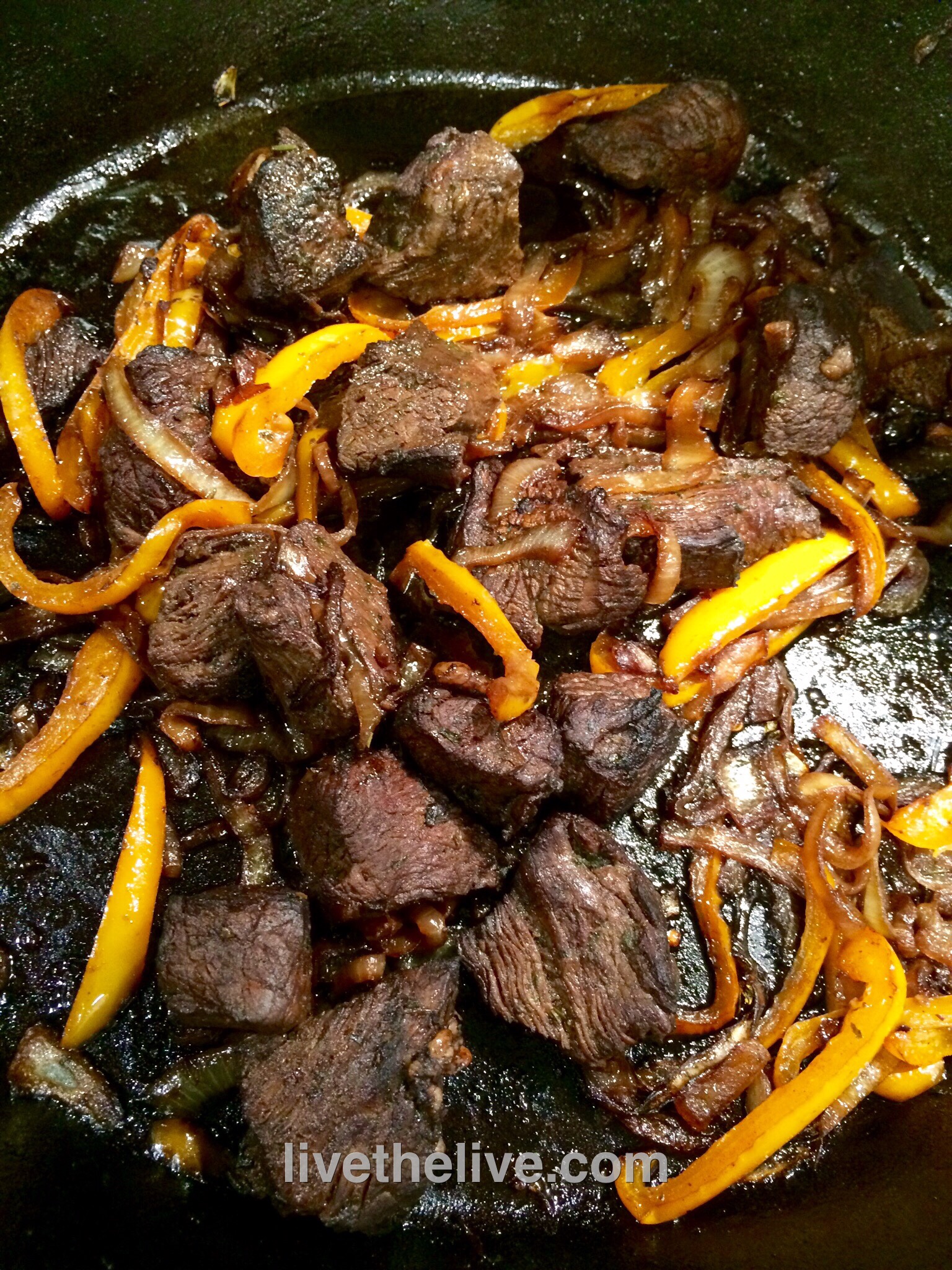
Marinated beef, ready to cook.

Marinated beef, ready to cook.

Heat a large cast-iron skillet until hot. You may not need to add oil, since the meat has marinated in it. Using tongs to shake off any marinade, place the beef tips in the skillet, and brown on all sides, constantly flipping them. Cook the meat until it is done: medium to medium rare. (Of course, a hardwood fire is great for cooking these, too.)
Remove the meat from the pan and place in a bowl to the side. In the hot pan, toss in the sliced onions and peppers. Cook until the onions and peppers are caramelized, and splash a little white wine to de-glaze the pan if you like. (The alcohol cooks off.) If there’s any left over marinade in the bag or container, you can pour it into the pan at this time.

Return the beef to the pan being sure to include all the juices that may have settled into the bottom of the bowl. Mix through until thoroughly heated and serve immediately.

I made a lot more...forgot to take the pic before devouring!


Not a very complex idea. I just put the stuff that’s usually on the outside, on the inside of my burgers. Why? Why not?

Instead of dealing with a package of bacon and a package of cheese and a stack of burgers, I’ve got all the ingredients conveniently inside the patties. And as the burgers cook, the fat from the bacon and the gooey cheese melt and combine with the burger meat to make a really tasty and moist burger.

I cook these on the grill, but the cast-iron skillet method, described below, works really well,  too.

I make 2 lbs. of burgers at a time, using humanely-raised local grass-fed beef, from my friends at Simmons Organic Farm in Middletown, RI.  Support your local farmers when you can!

image

2 lbs. ground grass-fed beef
1/2 cup sharp cheddar cheese, cut into 1/4″ cubes
1/2 lb. bacon, cooked crisp, cooled and crumbled
garlic salt
avocado oil or pork fat


In a bowl, combine the beef, the cheese and the bacon, mixing well so that all the ingredients are evenly incorporated.

Form the beef into 1/4 lb. patties or larger. Refrigerate them until you’re ready to cook to firm them up.

Heat a cast iron skillet and add a drop of oil or pork fat. Place the burgers in the hot skillet to sear and sprinkle with the garlic salt. When browned, flip the burgers and place the skillet in a 350-degree oven to finish cooking.

image


Instead of opening a nasty can of Manwich or other similar product, the classic Sloppy Joe sandwich is easy enough to make from scratch.

My version takes on a Mexican twist (hence the name Sloppy José), using seasoned taco meat and a great barbecue sauce. Putting them together with a sprinkling of Mexican cheese on a bun with lettuce and tomato makes for one sloppy but delicious sandwich!

sloppy jose


For the barbecue sauce…

2 cups ketchup
3/4 cup water
6 tablespoons white vinegar
6 tablespoons apple cider vinegar
6 tablespoons brown sugar
3 tablespoons Worcestershire sauce
1 tablespoon chili powder
2 teaspoons salt
2 teaspoons black pepper
1 1/2 teaspoons cumin


Mix all the ingredients in a saucepan and simmer until the flavors have blended, about 20 minutes. Remove from heat and cool to room temp. If you store it in an airtight container in the fridge, it’ll stay good for a few months.


For the seasoned taco meat…

1 teaspoon granulated garlic
1 teaspoon onion powder
1/4 teaspoon crushed pepper flakes
1 teaspoon dried Mexican oregano
1 teaspoon paprika
2 teaspoons ground cumin
1 teaspoon sea salt
1 teaspoon black pepper
1 Spanish onion, finely chopped
olive oil
2 lbs. grass-fed ground beef


Combine all the spice ingredients in a bowl.

Saute the onions in a bit of olive oil until translucent. Add the beef and saute until cooked, mixing in the spice mixture a little at a time until you’ve used it all.


For the sandwich…

Take some of the taco meat and place it in a small non-stick pan and heat on medium. Squirt in as much of the barbecue sauce as you like, mixing thoroughly. Sprinkle some grated Mexican cheese on top. (I like Cotija, which is like a Mexican feta, but a bag of mixed cheeses works great, too.) Mix thoroughly, letting it all melt together into one warm, gooey mess. Throw it on a bun. Add lettuce, tomato, avocado slices, whatever you like!


Beef flap or flap steak is a cut from the lower sirloin. It’s a long, thin cut that resembles skirt steak or hanger steak, though they come from a different part of the animal.

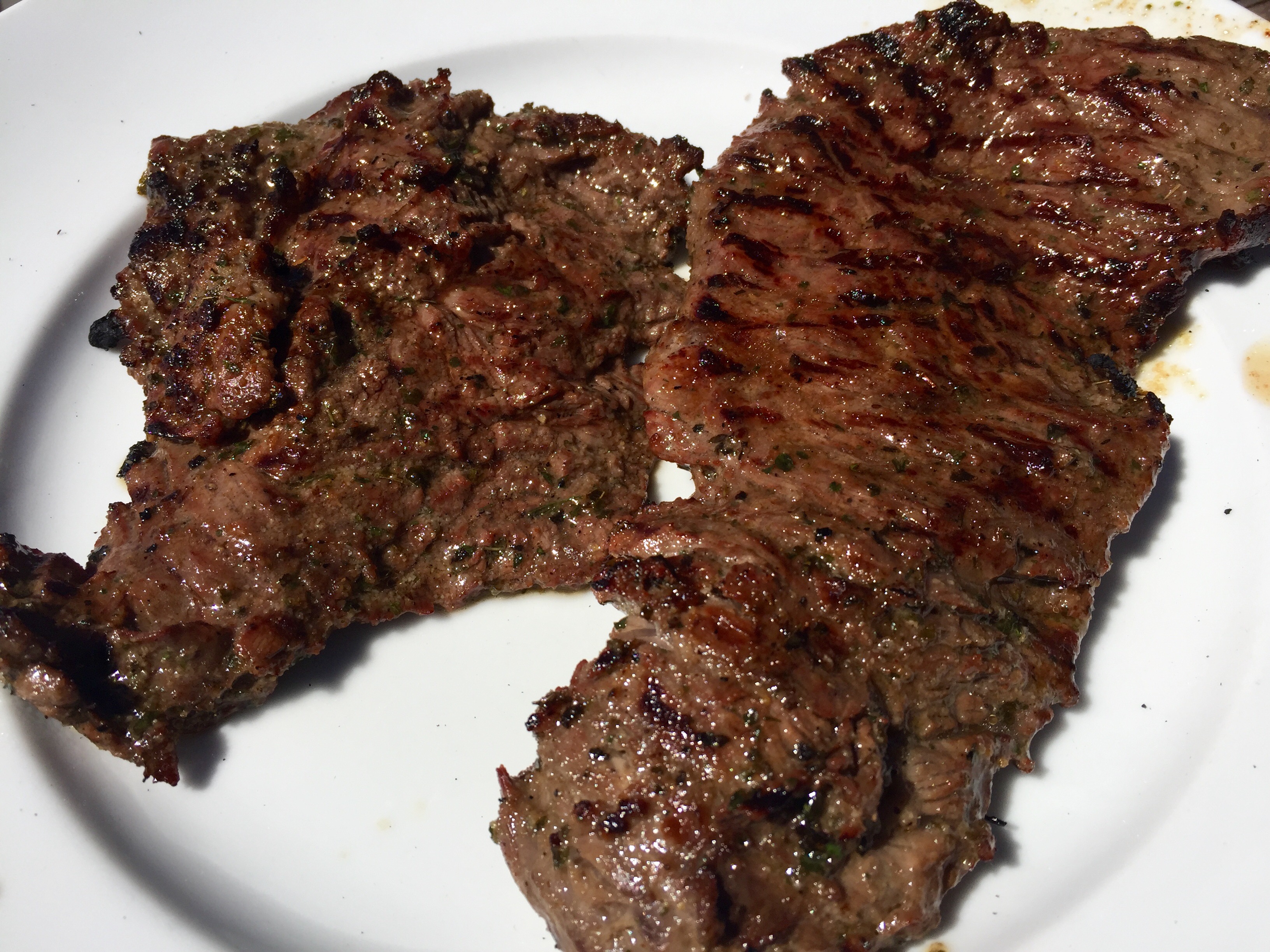
You can stuff and roll a beef flap, as I did in a previous blog, but it’s really hard to beat the flavor of a slab of beef that was simply marinated and thrown on the grill.

Though the beef flap is a relatively thin piece of meat, I carefully butterfly it by slicing it lengthwise with a sharp knife, to get 2 thinner pieces that really absorb the marinade.

grill3


1 lb. (or more!) beef flap steak, sliced lengthwise
2 tablespoons balsamic vinegar (red wine vinegar works just as well)
4 tablespoons extra virgin olive oil
1 teaspoon oregano
1 teaspoon parsley
1/2 teaspoon granulated garlic
1/2 teaspoon granulated onion
salt and pepper

rill2

To make the marinade, combine everything but the beef in a bowl and whisk to mix thoroughly. Place the beef in a large Ziploc bag and add the marinade. Squeeze the bag so that the marinade reaches every part of the beef. Squeeze the air out of the bag, zip it tightly, and place it in a bowl (in case of accidental spillage) in the fridge. Let it marinate overnight, squeezing the bag every few hours to let the marinade do its job. Remove the bag from the fridge about an hour before grilling so the meat comes to room temperature.

Light a hardwood fire. When the coals are really hot, place the steak on the grill and sear each side. Then flip to sear the other side. Flip again to get those fancy diamond marks on the beef. Then flip again.

grill1

The meat has little fat, so it should be nicely seared on the outside, but still medium-rare on the inside. Let it rest before slicing. When slicing, cut the beef on an angle against the grain.

Although the name may not sound entirely appetizing, the beef flap or flap steak is a thin cut of meat that comes from the bottom sirloin butt cut, and it’s delicious when properly cooked. It’s not a skirt steak or a hanger steak, though they are similar.

I bought a beef flap from my friends at Simmons Organic Farm in Middletown, RI , and didn’t really know what I’d do with the cut until I started searching through my fridge for available ingredients. There were 2 beef flaps in the package I bought, one larger, one smaller, so I put the smaller one in a Ziploc bag with an olive oil/balsamic/garlic/onion/salt/pepper marinade, and left it to chill overnight in the fridge (what I did with it is in the next blog) while I worked on the larger, 2-lb. flap.

meat butterfly

Though long and flat, if you have a sharp knife and you work carefully, you can slice the beef lengthwise and, stopping just before you cut it into 2 separate pieces, create a nicely butterflied piece of meat. Smear some tasty ingredients on the meat, then roll it up tightly and cook it.

meat cheese

2-lb. beef flap (I like grass-fed)
1/2 sweet onion, chopped (I like Vidalias)
1 clove garlic, minced
3 strips bacon, finely chopped
4 oz. container of organic spinach and kale (or whatever greens you like)
salt and pepper
8 oz. halloum-style cheese, sliced thin (provolone works, too)

meat roll 2

Take a little of the bacon fat rendered when cooking the bacon strips, and heat it in a saute pan. Add the onions and sauté until translucent. Add the garlic, and sauté for a minute. Add the chopped bacon and stir. Add the spinach and kale, and let it wilt and cook down entirely until it’s soft. Season with salt and pepper. Remove the pan from the heat and let it cool.

Butterfly the beef flap, as described above. Take the cooled mixture from the pan and smear it all along there top of the beef evenly. Add the slices of cheese on top.

Tightly roll the beef into a log shape, carefully keeping the inside ingredients from squeezing out.

I pinned the log together with toothpicks my first time around, and it did okay. But I suggest tying the roll with butchers twine in several places so that the meat stays together and cooks more evenly.

meat roll

Place the log in the fridge, removing it about an hour before cooking to bring it back to room temperature.

Rub the outside of the log with olive oil and season with salt and pepper. Place the log in a hot oven-proof pan and sear on all sides. Then place the pan in a pre-heated 350 degree oven and cook until the interior temperature of the meat is around 120, about 30 minutes.

cooked beef


A temperature of 140 is considered to be medium-rare for beef, but I like to cook it only to 120 and then let it rest, covered with a tent of foil. It will still rise in temperature for a few minutes before it starts to cool down.

Slice carefully with a sharp knife.