A couple of photos of what’s happening in the spring garden…
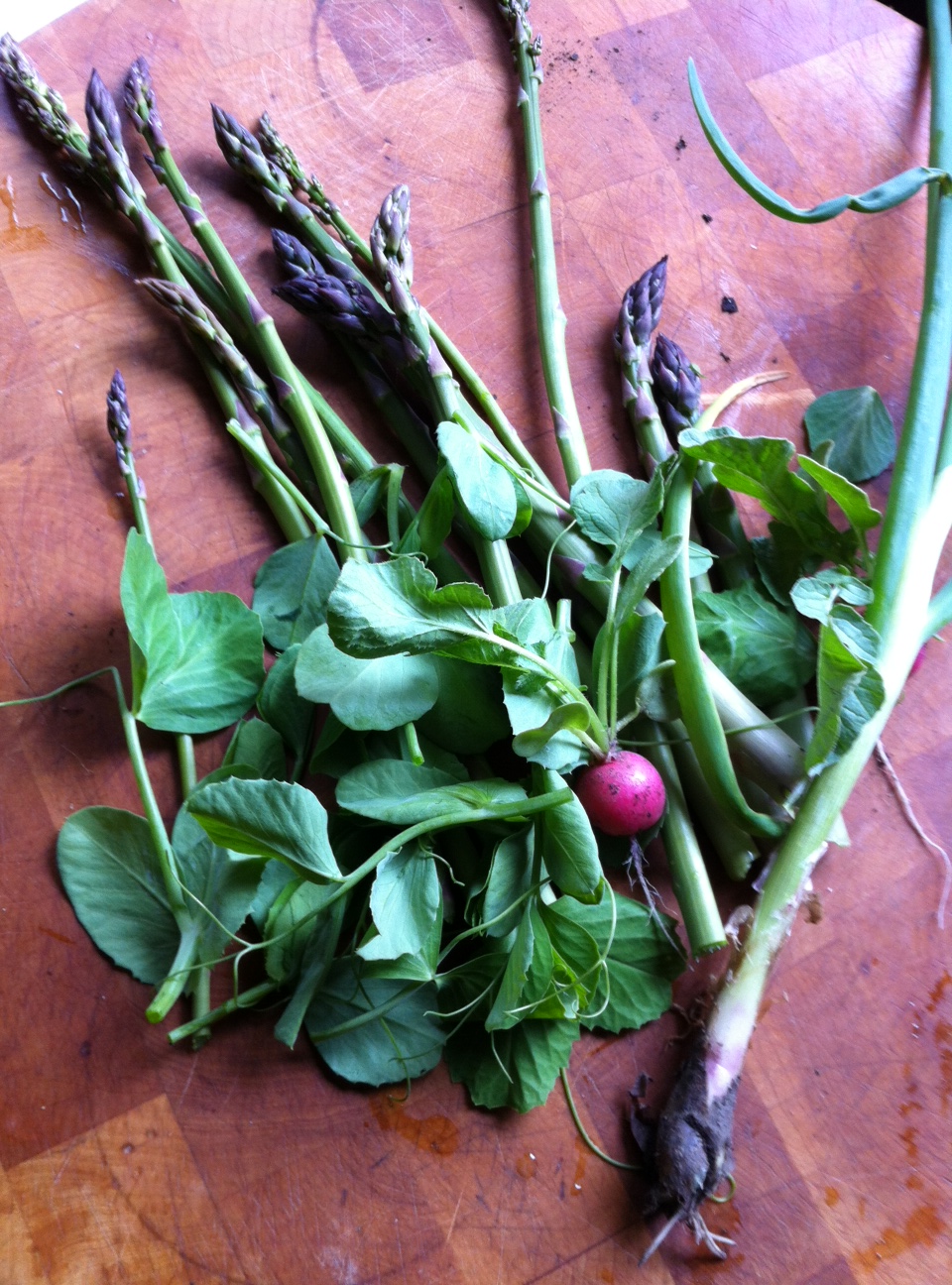
An early spring salad: asparagus, pea tendrils, radishes, scallions.

How do I get to make a fried chive blossom pizza in December? I pick ’em and freeze ’em in May!
A couple of photos of what’s happening in the spring garden…
An early spring salad: asparagus, pea tendrils, radishes, scallions.
How do I get to make a fried chive blossom pizza in December? I pick ’em and freeze ’em in May!
Through years of tireless experimentation, I’ve come up with a barbecue sauce that I feel is the best I’ve ever had. Granted, everybody has their favorites, but this one kicks ass. I prefer a slightly sweet and tangy barbecue sauce, so unless I’m making a classic pulled pork sandwich, I usually avoid vinegar-based sauces. It works well with pork, but especially well with chicken.
What makes this sauce special is the citrus. I originally used lemon juice for this recipe and it was good. Lime juice was better. Adding lime zest: even better than that. I tried orange juice and zest: a little too sweet. Meyer lemon: very good. But the Big Daddy of ’em all: grapefruit. I was craving my barbecue sauce one day and only had a grapefruit in the fridge. I thought: how bad could this be? Turned out to be the perfect foil to the sweetness of the brown sugar and ketchup.
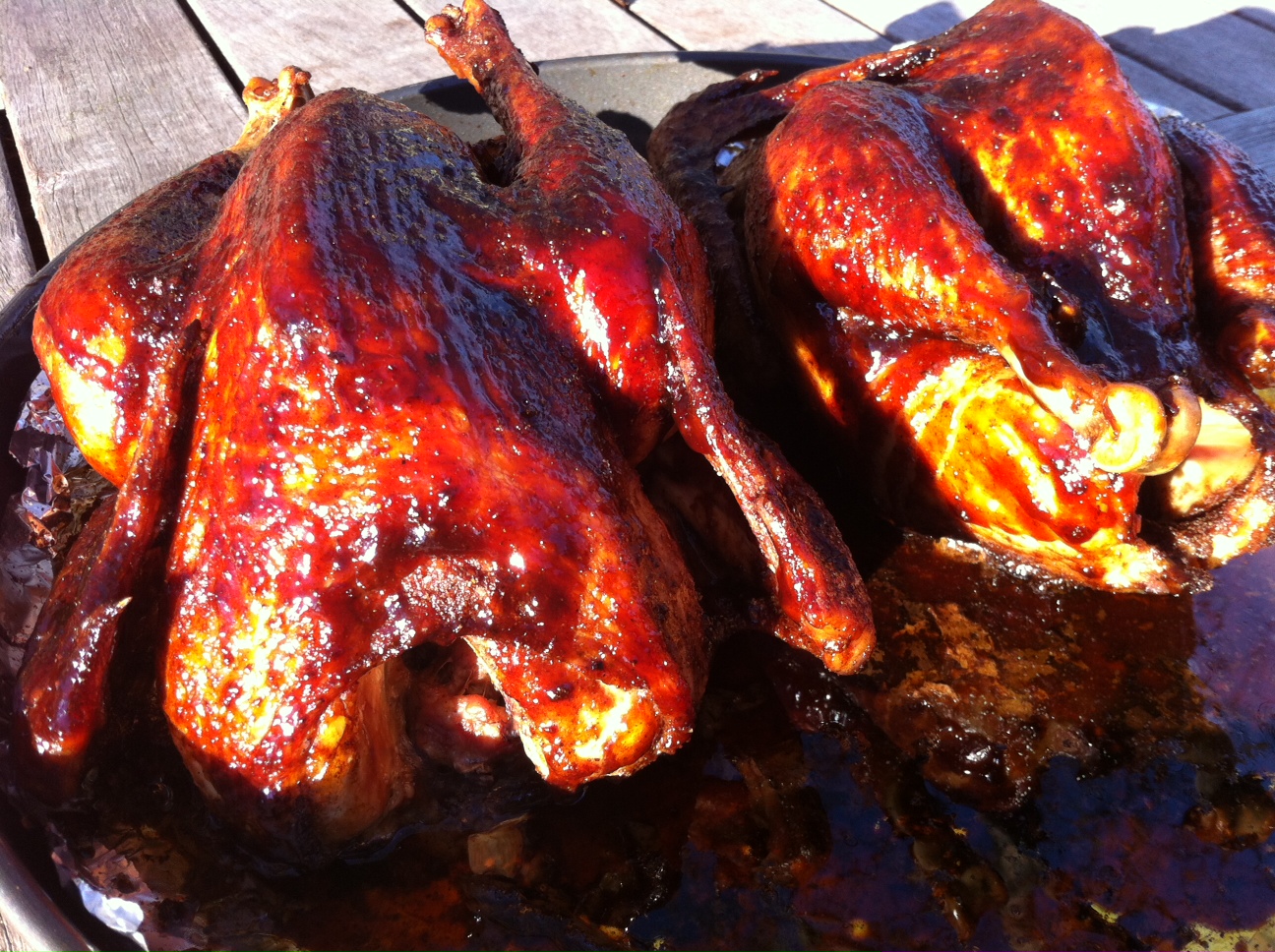
Try this sauce on your next batch of chicken wings or even a whole bird. Cook the bird almost all the way through, brushing the sauce on for the last 20 minutes so that the sugars don’t burn. Then just try to stop eating it!
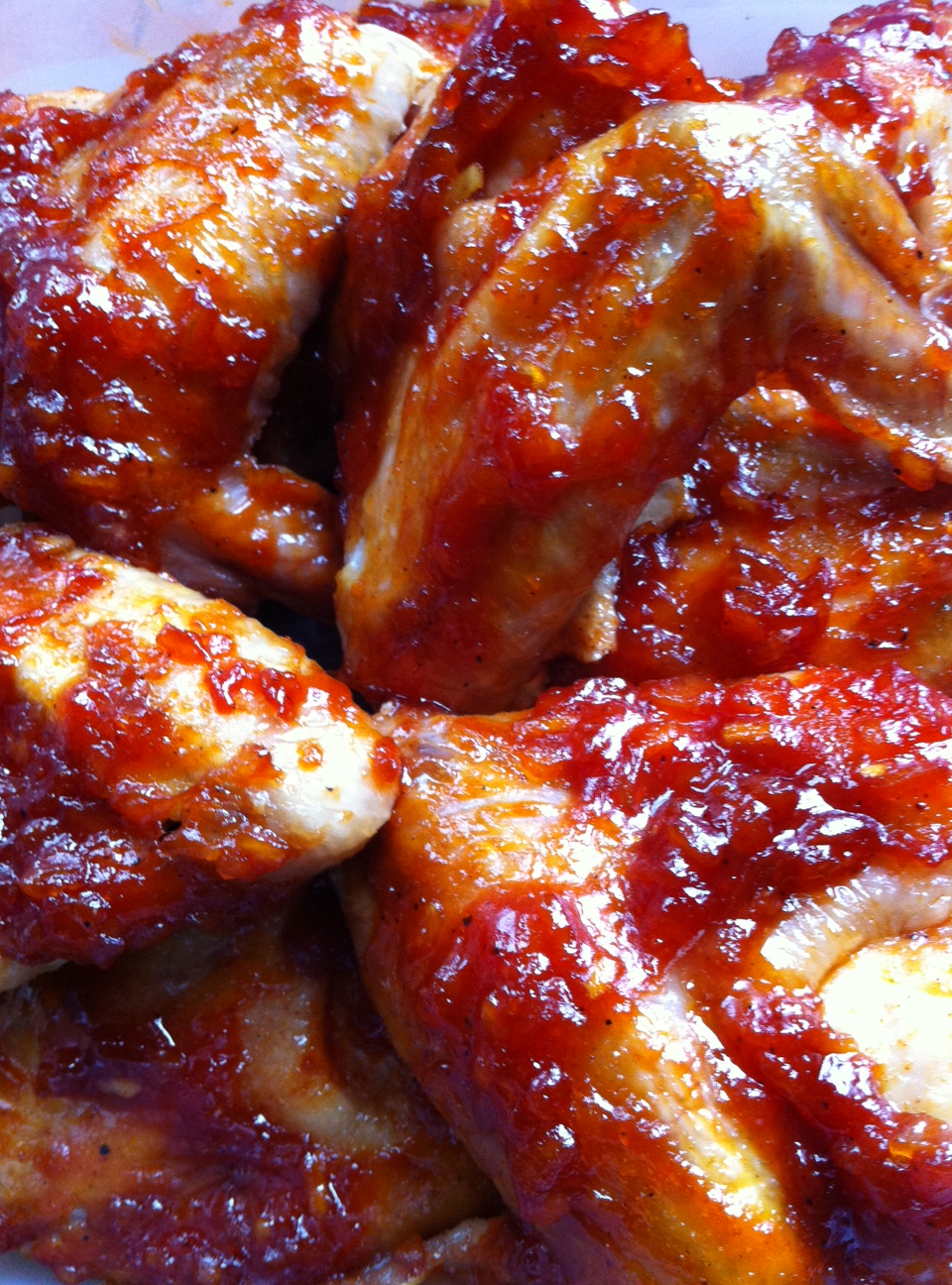
ALZ GRAPEFRUIT BARBECUE SAUCE
Ingredients:
1 cup ketchup
1/2 cup firmly packed brown sugar
Juice and zest of 1 grapefruit
3 tablespoons unsalted butter
1/4 cup dried onion flakes
1 teaspoon cayenne pepper sauce, like Frank’s Red Hot
1 teaspoon Worcestershire sauce
1 teaspoon granulated garlic
1/4 teaspoon black pepper
(no salt)
Combine all ingredients in a sauce pan. Bring to a boil and then simmer for about 30 minutes on low, or until slightly thickened.
There are very few sandwiches more perfect than the BLT, and I would be a fool to try to improve on it. Freshly toasted bread, a slathering of mayo (Hellman’s only, of course), crisp lettuce, juicy sliced tomato, and my own homemade bacon (https://livethelive.com/2012/12/01/makin-bacon/). What could be better?
I recently tried my hand at smoking and slow-roasting a huge slab of grass-fed beef brisket, and it came out beautifully. Rich and smoky, there was far too much of it for a mere mortal like myself to polish it off, even if I ate it for days in a row. So I cut the brisket into more manageable sized slabs, wrapped them and placed them in the freezer.

I took one of those slabs out of the freezer the other day, and noticed that, with the grain of the meat and fat, it resembled bacon. And then it dawned on me: I could slice it like thick-cut bacon, fry it in a pan, and make my own BLT with it: a Brisket, Lettuce and Tomato Sandwich!

The end result was fantastic. Quite different than the infamous BLT, but a winner in its own right.

Alz BLT: Brisket, Lettuce and Tomato
This was my most popular blog post of 2012. Thought I’d re-run it here this week…
Food magazines and cooking shows are pretty obvious places to be inspired by new recipes from common ingredients. But I’ve found inspiration from some strange places, including old TV sitcoms. I had some nice thick pork chops thawed, and I was trying to think of something new to do with them. The classic “pork chops and applesauce” episode of The Brady Bunch was on TV that afternoon. I looked in the pantry, found a small container of my daughter’s applesauce, and came up with this recipe.
The applesauce and honey creates a tasty crust.

Ingredients:
2 nice, thick cut pastured pork chops
1 small tub (4oz) unsweetened apple sauce
1 tablespoon fresh sage, finely chopped
A few sprigs of fresh thyme–leaves only–finely chopped
1 teaspoon honey
1 teaspoon salt
1/2 teaspoon granulated garlic
1/4 teaspoon fresh cracked black pepper
In a small bowl, combine everything but the pork chops.
Smear this applesauce mix all over the pork chops, place in a non-reactive covered container in the fridge, and let it marinate overnight.
The next day, make sure all the gooey applesauce mix gets re-smeared on the chops. You want it nice and thick on the meat.
On the stove, heat an oven-proof pan. Use a little olive oil. Place the chops in the pan gooey side down, then re-smear with any leftover applesauce on what is now the top side. Let the first side sear to a golden brown before flipping the chops over. Once you’ve flipped the chops, place in a pre-heated 350-degree oven. Cook the pork chops until just pink. (It’s no longer necessary to cook pork to death like our parents used to do.)
This is a great dish that was inspired by chef Jamie Oliver and his “Jamie at Home” cookbook. A couple of years ago, when I received a shipment of venison from my father-in-law, an avid hunter that lives in the Upper Peninsula of Michigan, I knew that although I could certainly use beef for this dish, it would be absolutely stellar with venison. And though the original recipe calls for Guinness, I knew that I couldn’t miss with my latest favorite local brew from my buddy Sean Larkin of Revival Brewing Co: his Double Black IPA…
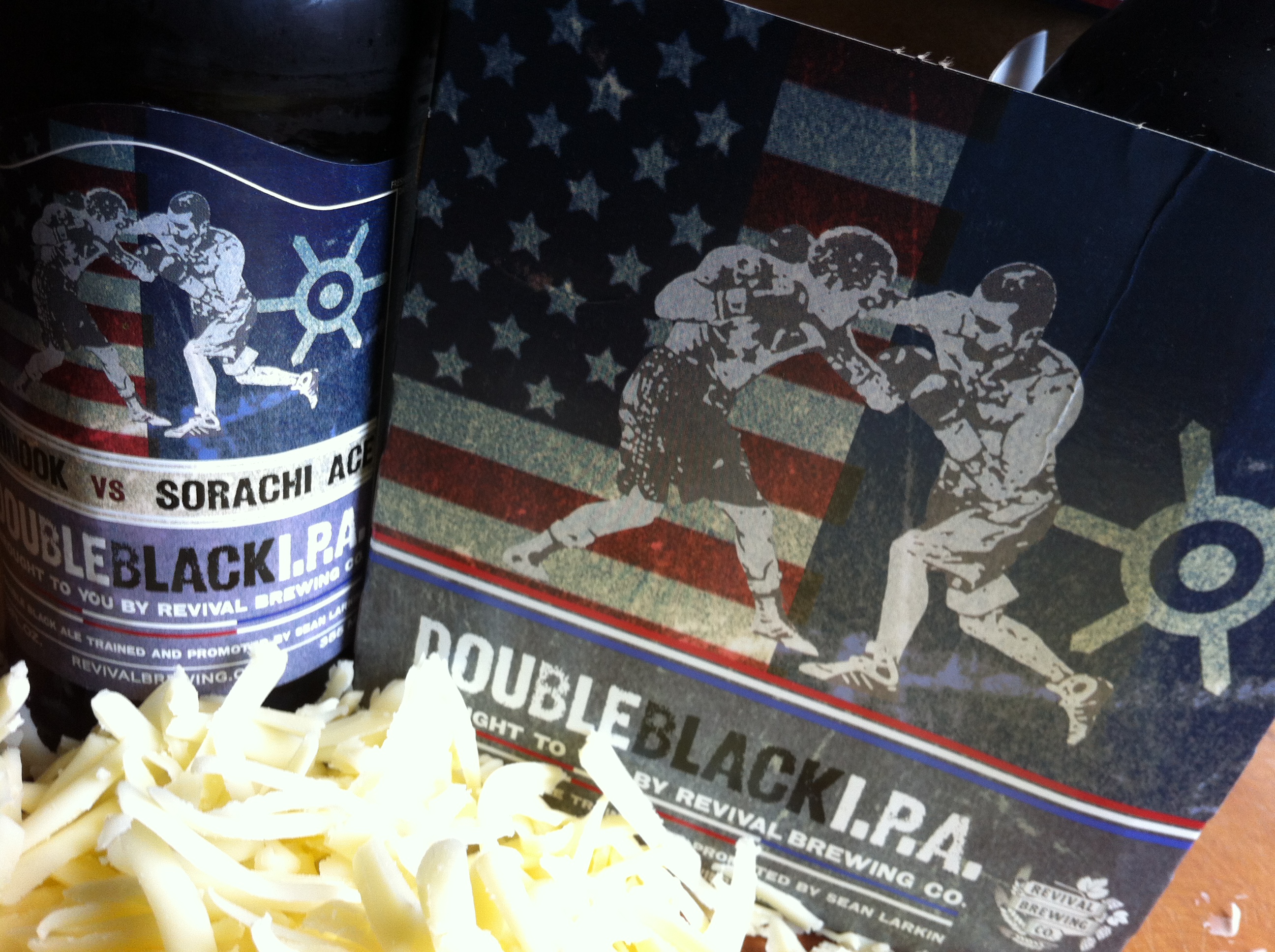
DOUBLE BLACK I.P.A. VENISON STEW WITH PUFF PASTRY
Ingredients:
Olive oil
3 red onions, peeled and chopped
3 cloves of garlic, peeled and chopped
3 Tablespoons butter, plus extra
3 carrots, peeled and chopped
3 celery stalks, trimmed and chopped
10 oz baby bella mushrooms, chopped
3 lbs venison, cut into 3/4″ cubes
A few sprigs of fresh rosemary, leaves picked and chopped
Sea salt and black pepper
2 bottles (24 oz) Revival Brewing Company Double Black IPA, with a swig for the cook
3 Tablespoons flour
12 oz freshly grated cheddar cheese
1 1/2 pounds store-bought puff pastry (all butter is best)
1 large egg, beaten
Preheat the oven to 375.
In a large ovenproof pan, heat a few tablespoons of the olive oil. Add the onions and fry gently for about 10 minutes. Turn the heat up and add the garlic, butter, carrots, celery and mushrooms. Stir well, then add venison, rosemary, a pinch of salt and about a teaspoon of pepper.
Fry on high for about 4 minutes, then add the beer, making sure you take a swig for,luck! Stir in the flour and add just enough water to cover. Bring to a simmer, cover the pan with a lid or foil, and place in the preheated oven for about 1 1/2 hours.
Remove after 1 1/2 hours and stir. Put it back in the oven and cook another hour, until the meat is cooked and the stew is rich, dark and thick. If it’s still liquidy, place the pan on the stove top and reduce until the sauce thickens. (You don’t want a soupy stew or you’ll get soggy puff pastry later on.) Remove the pan from the heat and stir in half the cheese. Season with salt and pepper to taste and set aside to cool.
Depending on whether your puff pastry comes in sheets or a block, you’ll need to use a rolling pin to get it into sheets about 1/8″ thick. Butter a good-sized pie dish or an ovenproof terrine. Line the dish with the sheets of pastry, letting the pastry hang over the sides. Pour in the stew, even it out with a spatula, and add the rest of the grated cheese on top.
Use another 1/8″ thick sheet of pastry (or a couple if they’re not wide enough) to cover the top of the pie dish. Lightly crisscross the top with a knife, then fold over the overhanging pieces of pastry over the lid, making it look nice and rustic. Don’t cut or throw any of the pastry away! Use as much as you can, since everyone will want some.
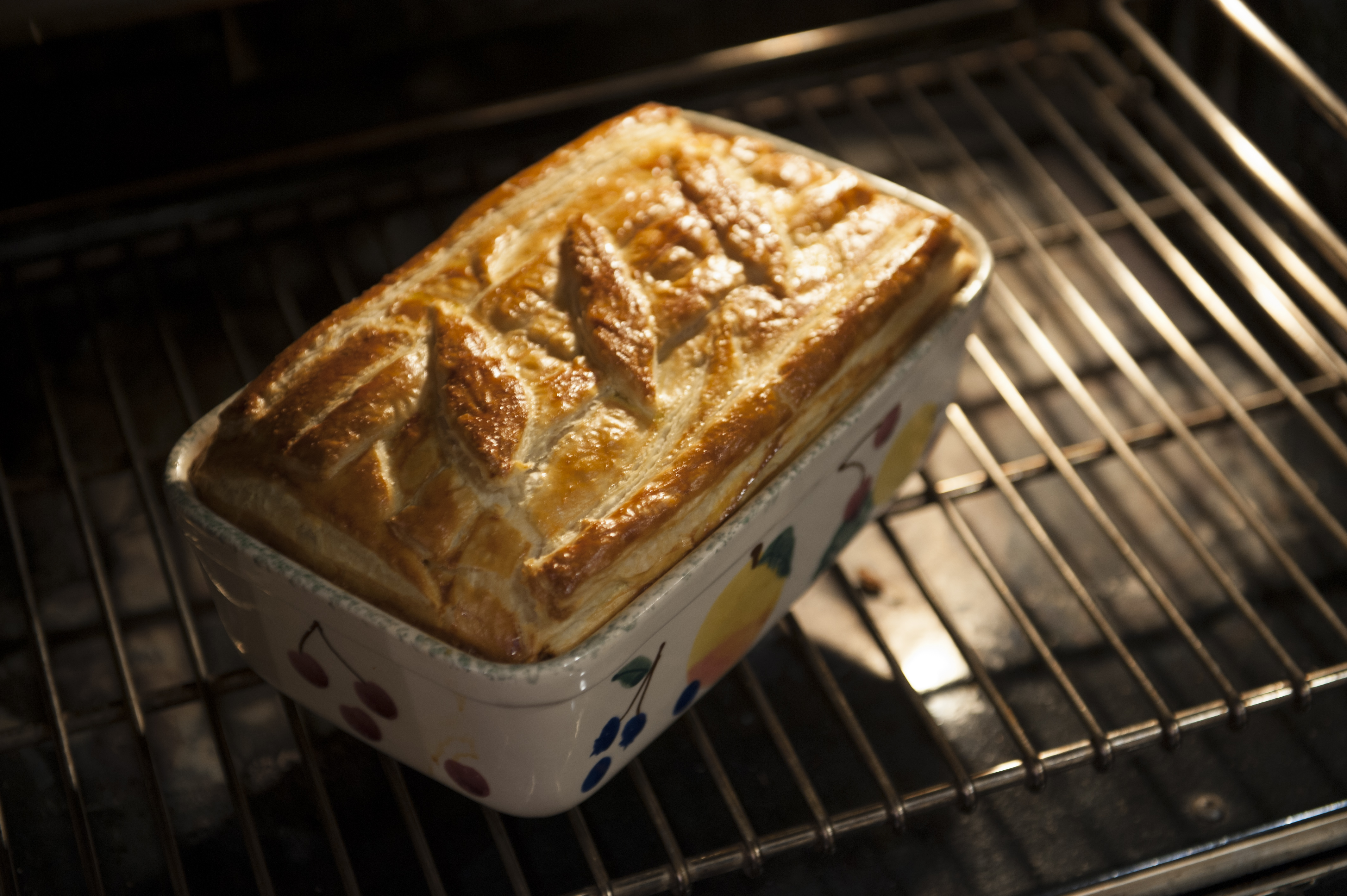
Brush the top with the beaten egg and then bake the pie on the bottom of the oven for about 45 minutes, until the pastry has cooked, and it’s beautifully puffed and golden.
Serve with a side of peas.

Fried food has not had a good reputation. Everyone automatically thinks that it’s bad for you. That fact is, if it’s done right, fried food is delicious and not greasy at all.
When you fry at home, you can do things the right way: start with clean oil, heat it to the right temperature, and then throw it out when it’s done. When you go to a fast-food place, that oil has been sitting there all day (if not all week)…it’s been used hundreds of times…it absorbs the flavors of whatever was fried before your food got dropped in there…and quite frankly, it’s beat up.
What got me started with this whole beer-batter-at-home process was stumbling upon some amazing fresh local cod at my neighborhood seafood store: Bridgeport Seafood in Tiverton, Rhode Island. My buddy, Dave, said that the cod came from just off Sakonnet Point that day. Good enough for me!
Beer Battered Fish
I use vegetable oil and, using a thermometer, heat it to 350 degrees. I always watch the temp of my oil…it can get too hot very quickly…and by the same token, the temp can drop quickly if I throw in a whole bunch of fish into the pot all at once. Using one of those deep fryers made for home use is also a good way of cooking and controlling temperature. I’m careful not to put too much oil in my pot (halfway up is fine) or it could spill over, since oil expands as it gets hotter.
Here’s all you need for great beer batter:
1 1/2 cups all-purpose flour (I use King Arthur)
12 oz bottle of beer (Sam Adams Boston Lager works for me)
1 teaspoon salt
Combine all ingredients in a bowl and beat until smooth. Cover loosely with plastic wrap and place in fridge for 3 hours.
Cut your fish into pieces that aren’t too big and will fit in your pot easily. Thickness of the fish may vary and so may the cooking times of each piece. When the oil reaches 350, simply dip the fish into the batter and let as much batter drip off as you like before you carefully place the fish into the oil. Fry until golden brown.

What good is fried fish without tartare sauce, right? Don’t tell me you’re using the stuff in a jar after frying the fish yourself!
Alz Tartare Sauce
1/2 cup mayo
Dash of Worcestershire sauce
Dash of Frank’s Red Hot cayenne sauce
Grinding of black pepper
1 Tablespoon finely chopped capers
1 teaspoon lemon zest, using micro plane zester
Combine all ingredients in a bowl, cover with plastic and refrigerate for an hour before using.
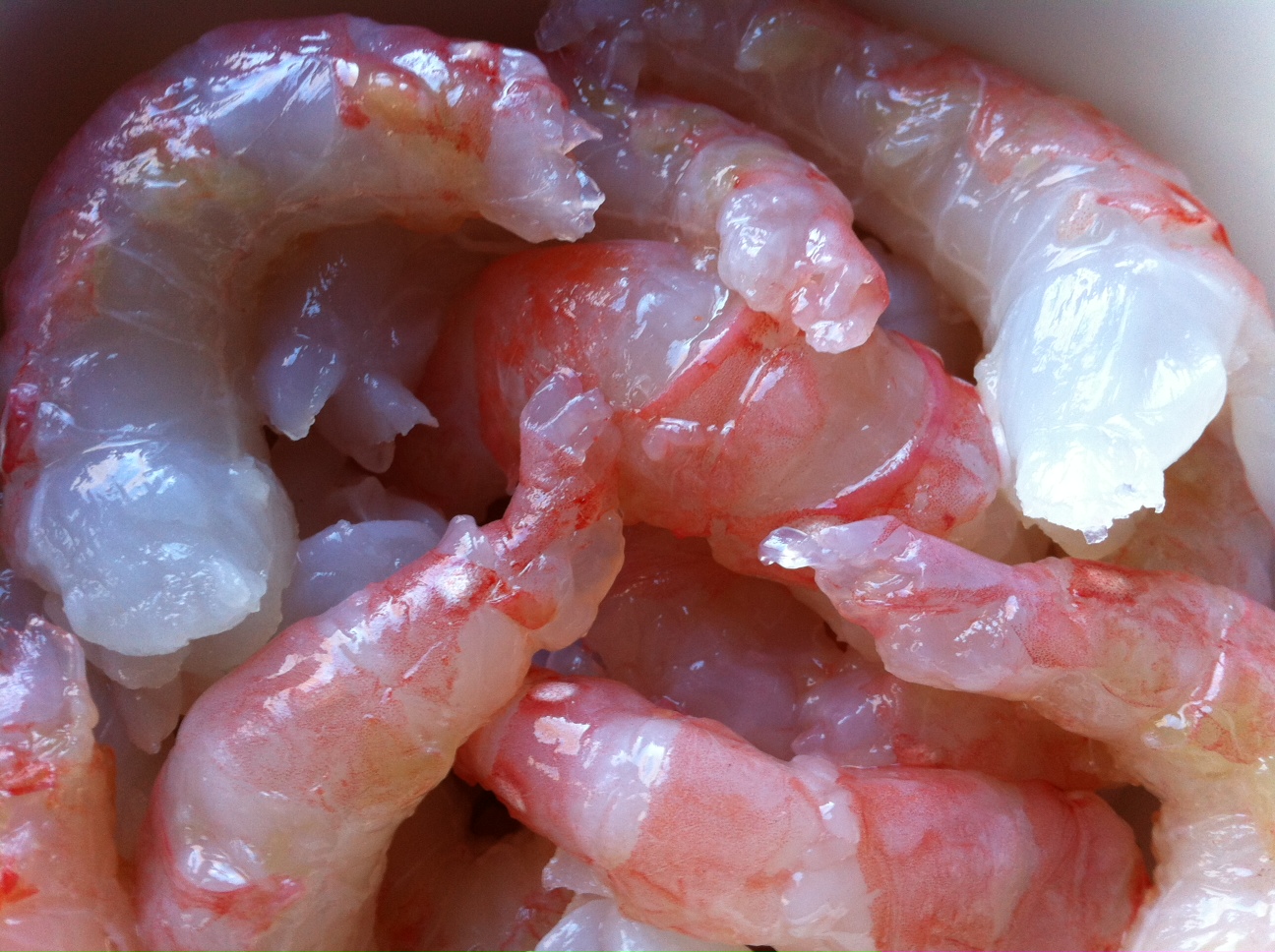
This is not your average shrimp! Found in the Pacific, from Southern California all the way up to Alaska, as well as Japan and Korea, these beauties, identified by the white spots on the sides of their first and fifth abdominal segments, live up to 11 years. And here’s the crazy part: each spot prawn (or spot shrimp) spawns once as a male and one or more time as a female!

Having read so much about them, I ordered a pound and decided that I would get full use of the shrimp by peeling them and making an intensely flavored sauce out of the shells.
Peeling and deveining was easy: the shells slipped right off the shrimp, and they were so beautifully clean, their were no veins to remove!
If you can’t get hold of Wild Pacific spot prawns, shrimp or lobster will certainly do. Just remember to ask your fishmonger for wild caught American shrimp, and not that horrible farmed stuff from Asia. If he doesn’t have it, shop elsewhere.
INGREDIENTS…
1 lb pasta
For the stock:
1 lb. wild Pacific spot prawns, thawed, peeled, and deveined. Save shells and container water, if any.
1 Tablespoon extra virgin olive oil
1/2 carrot
1/2 celery stalk
1/4 onion
1 smashed clove garlic
4 whole peppercorns
2 teaspoons ketchup
1/2 sprig rosemary
1/2 sprig thyme
6 cups water
For the shrimp:
1/4 teaspoon salt
1/4 teaspoon freshly ground black pepper
1/4 teaspoon sugar
4 Tablespoons butter, room temperature
1 Tablespoon extra virgin olive oil
The final touch:
1 Tablespoon extra virgin olive oil
1 shallot, finely chopped
2 garlic cloves, pushed through a garlic press
2 Tablespoons butter, room temperature
1/8 cup fresh chives or scallions, finely chopped
COOKING INSTRUCTIONS…
For the stock:
Peel and devein shrimp. Keep peeled shrimp in the fridge, covered.
In a pot, heat the olive oil and add the carrot, celery, onion, garlic, peppercorns, ketchup, rosemary, thyme and shrimp shells. Saute for a few minutes to get the flavors going. Add container water, if any, and 6 cups water. Bring to a boil and let simmer for 2 hours.
Strain solids out and discard. Place stock in a smaller pot, and continue reducing until about 1 cup of the stock remains.
Boil pasta and remove from water before al dente stage. (It will cook more later.) Strain and set aside.
For the shrimp:
Combine salt, pepper and sugar with the prawns in a bowl and toss to coat them evenly.
In a large saute pan, heat the butter and olive oil on medium-high heat. Add the shrimp and cook until lightly caramelized and almost cooked all the way through. Do not overcook! set aside.
The final touch:
In the same large saute pan, heat 1 Tablespoon of olive oil and add the shallot. Saute for 1 minute, then add the garlic. Saute for 2 more minutes, then add some of the stock, the shrimp, the pasta, and the butter, and mix well. If dry, add more of the stock until the pasta is coated, but not dripping. Salt and pepper to taste. Garnish with the chives.

Serve immediately!
Clam fritters, conch fritters, lobster fritters…I suppose you could fritter anything. But the first time I had them with mussels, I knew that I would never fritter my life away with any other!
It was a fall afternoon in Newport, Rhode Island, at the Newport Yachting Center’s annual Oyster Festival. We’re gorging on freshly shucked oysters and clams, boiled shrimp, and…what have we here? I had never heard of a mussel fritter before, but Wendy, the lovely lady behind the counter, convinced me that her secret recipe would knock my socks off. I took one bite, then another, then another…There was no turning back.
They couldn’t be easier to make, but it is crucial to have the right fritter batter. And that starts with a product called Drum Rock fritter mix. If you live in New England, you can find it in just about any seafood department at Whole Foods. If you live further away, you can check out their website (http://www.drumrockproducts.com/index.php) or try your luck with a local brand of fritter mix.

If you’re using fresh mussels, be sure to clean them well and remove the beards. Steam them in a pot over a small amount of water. As they open, they will release their flavorful juices and you want to save every drop of that broth for the fritters. Here in New England, frozen mussel meats are available in some seafood stores. All you need to do is thaw them, steam them saving the broth, and you’re ready to go.
Mussel Fritters
1 lb Drum Rock fritter mix
2 cups cooked mussel meats
1/2 cup mussel broth (saved from steaming mussels)
1/4 to 1/2 cup good quality beer, such as Sam Adams Boston Lager
Peanut oil for frying

Be sure to let the batter rest. If you’re waiting for guests to arrive, just cover the batter bowl with a moist towel and it will keep for several hours at room temperature.
Steam mussel meats until just cooked. Remove mussel meats, and reserve 1/2 cup of the broth. Pulse mussel meats in a food processor, but leave chunky…or chop by hand.
Put Drum Rock fritter mix in a large bowl. Add mussel meats, mussel broth, and beer. Stir gently until just mixed. Let it sit for 10 to 15 minutes and do not stir again.
Using a thermometer, heat oil to 350 degrees, and using a small spoon or scoop, drop fritters in hot oil, turning gently, cooking 3 to 4 minutes until golden.
Drain on absorbent paper, and season with salt and pepper immediately. Serve right away!

The perfect dipping sauce for these mussel fritters is made from two ingredients: mayonnaise and Ponzu sauce, which is a citrus-based soy sauce. Combine both ingredients in a bowl. How much you use of each is a matter of personal preference. I usually use a ratio of 4 parts mayo to 1 part Ponzu.

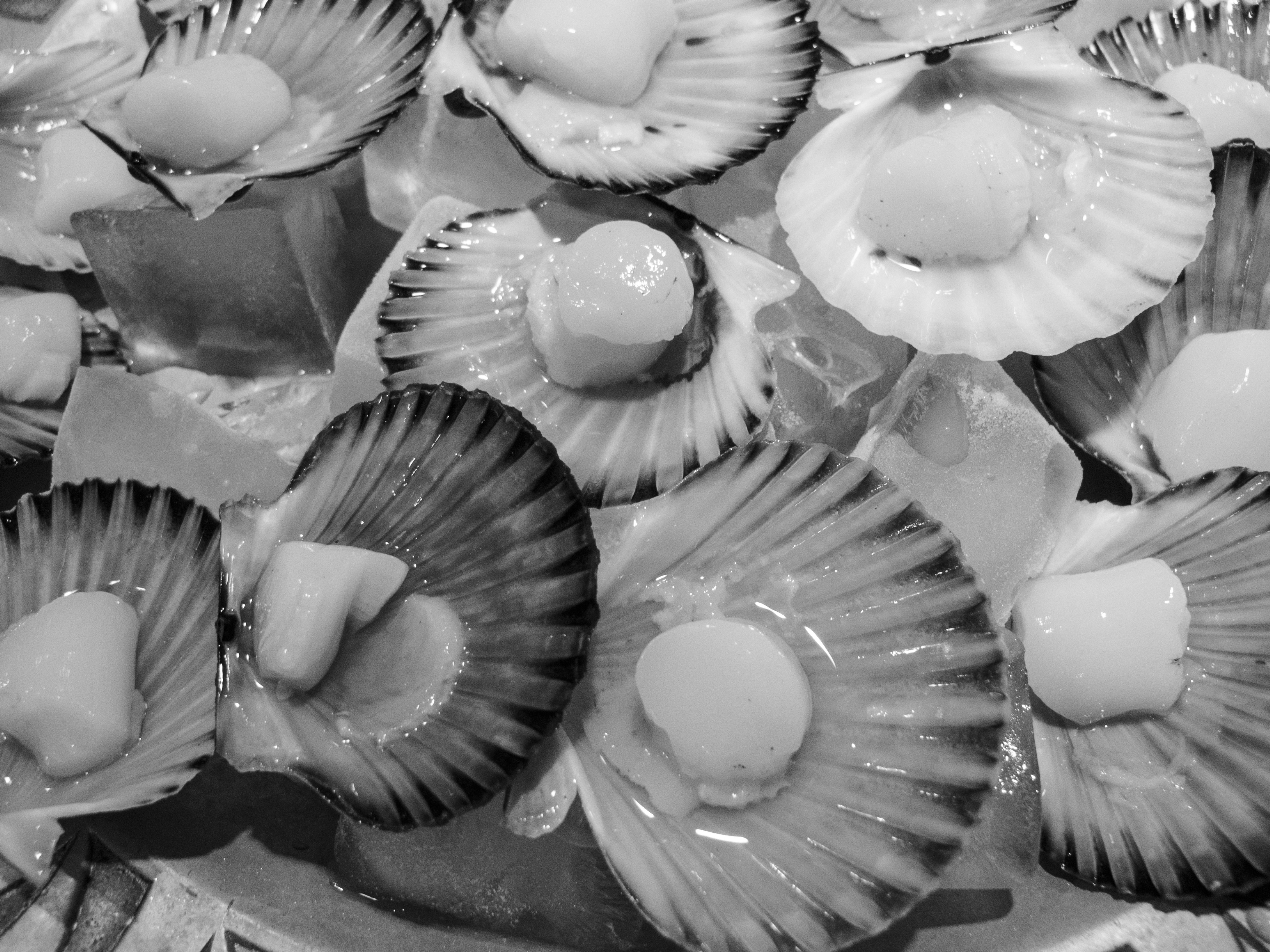
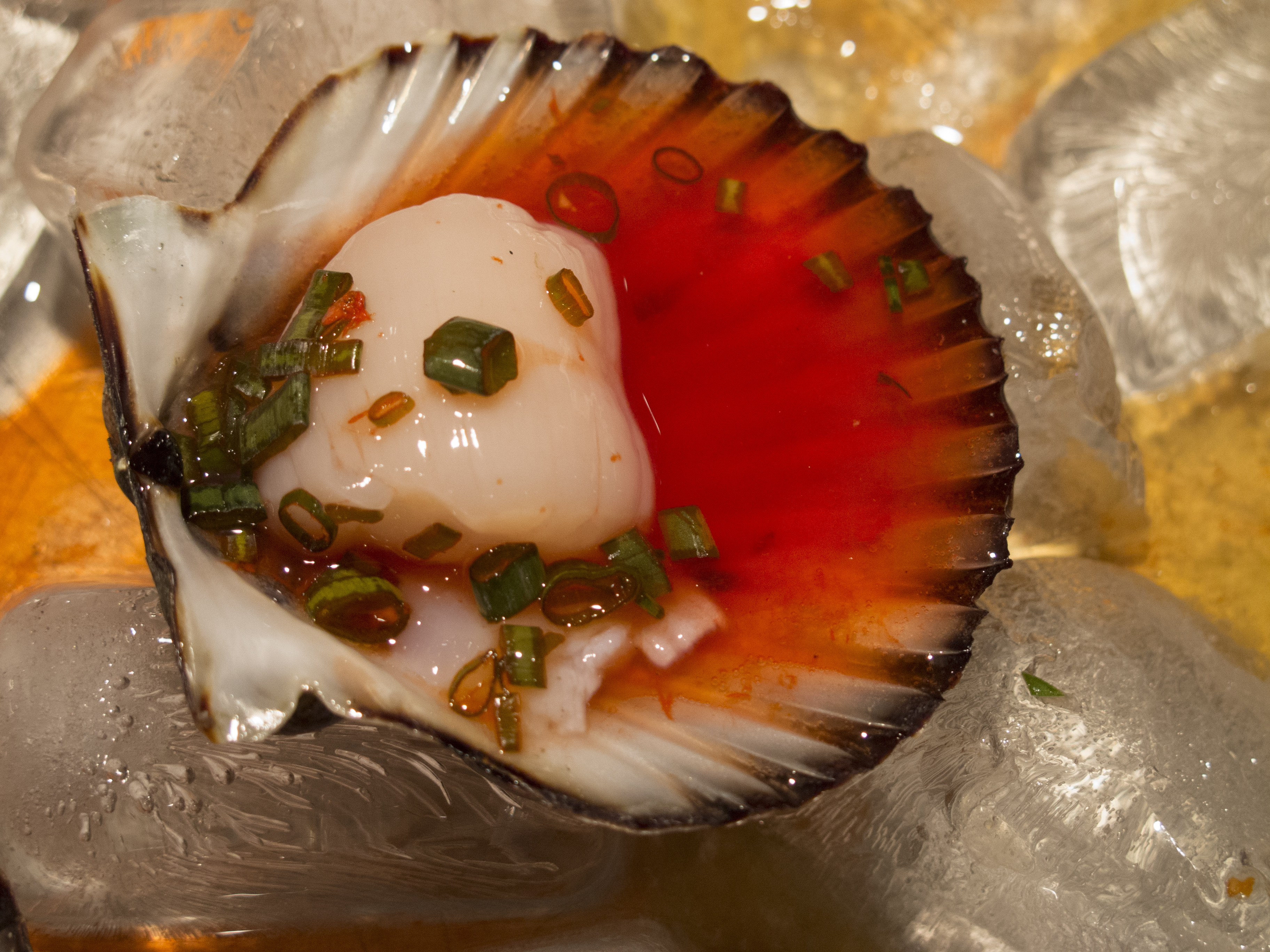
Combine all the ingredients and chill before using.
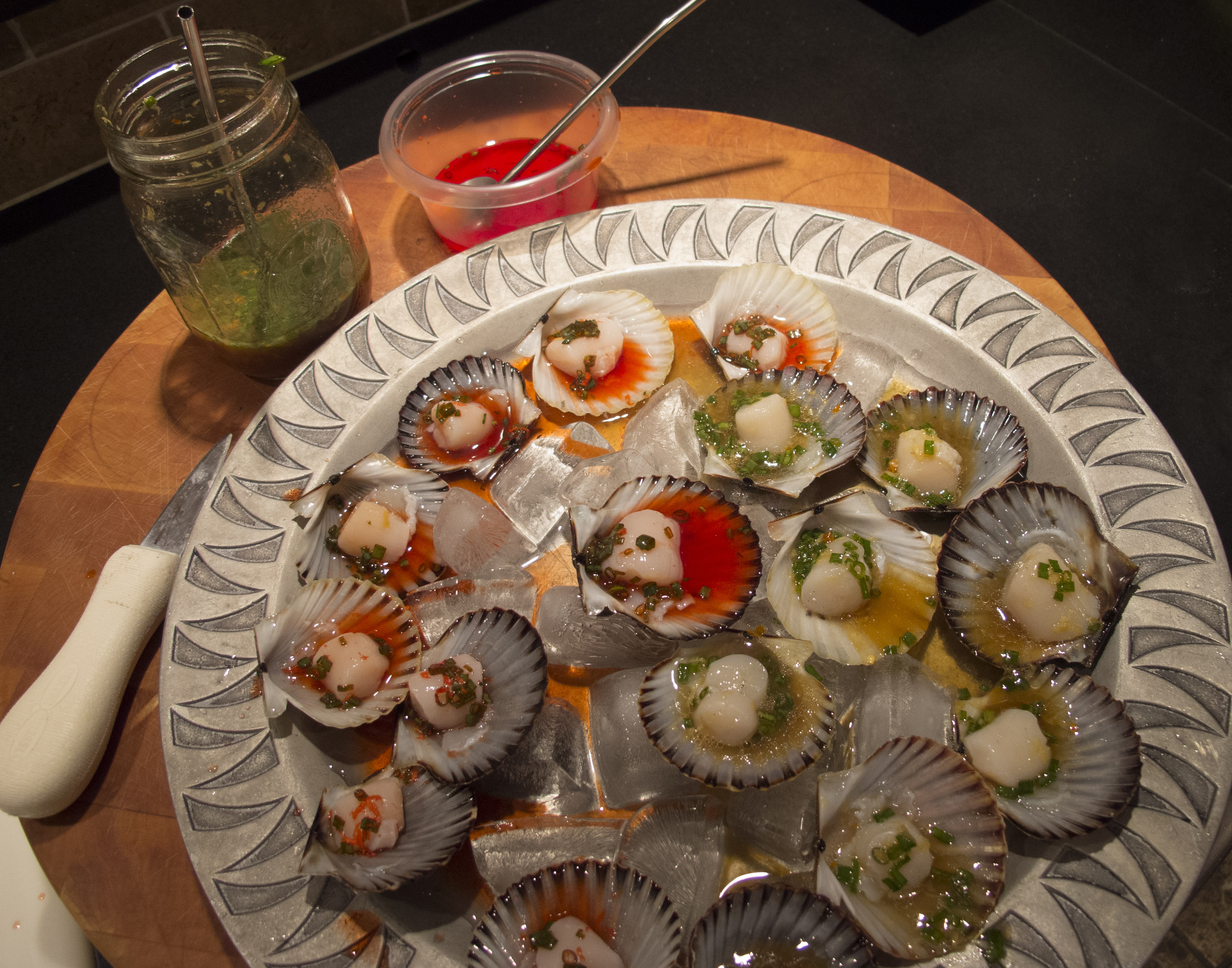
Amazing photos by my wife. Check out her website! http://www.kellymilukas.com
And would eat this if it twitches?? http://youtu.be/b4eCXZUQkNY

