Archive for the ‘Food’ Category

If there’s a dish that my Mom made all the time, but I didn’t appreciate until I got older, this is it. Stuffed cabbage, cabbage rolls, or balandėliai, as we say in Lithuanian, was a staple in our home and one of my Dad’s favorite foods. 

I had seen my Mom make these beauties so often in my childhood, I didn’t even need to check online recipes out for guidance. That doesn’t mean I make them exactly like Mom, but my version came out pretty damn good. I think Mom would be proud.

image


4 strips of bacon, chopped
1 yellow onion, finely chopped
1 teaspoon salt
1/2 teaspoon pepper
1/2 teaspoon granulated garlic
1 lb. ground grass-fed beef
1 lb. ground pastured pork
1/2 cup breadcrumbs
2 eggs
1 large head cabbage
1 pint homemade chicken stock
750 mg diced tomatoes (1 Pomi container)
1 teaspoon thyme
1 teaspoon salt
1/2 teaspoon pepper
1/4 teaspoon granulated garlic
1/4 teaspoon granulated onion

Chop the bacon into small pieces and fry them until crisp. Finely chop the onion, and add it to the bacon in the pan, cooking until the onions are translucent. Add the salt, pepper and garlic. Mix well, and remove from the heat. Let it cool to room temperature.

In a large bowl, combine the beef, pork, breadcrumbs, eggs, and cooled bacon and onion mixture. Place in the fridge to firm up.

Let a large pot of salted water come to a boil. Core the cabbage, leaving the leaves whole, and carefully immerse the head of cabbage into the hot water. Little by little, the outermost leaves of the cabbage will come off the head, and you can remove them with tongs, so you don’t burn yourself with the hot water. Set the leaves aside to cool, and continue doing this until you can no longer remove leaves from the remaining head of cabbage.

Remove the remaining head of cabbage from the hot water, and using your hands or a knife, break it into flat pieces. Line the bottom of a roasting pan with the pieces. These will keep the stuffed cabbage from burning and sticking to the bottom.

Time to roll the stuffed cabbage. Take the meat out of the fridge. Lay a cabbage leaf flat on the counter, and add some of the meat mixture inside. Roll the cabbage around the meat, folding the sides in as you go, much like a burrito. You might need to slice away the thickest part of the leaf stem to make rolling easier. Lay the stuffed cabbage in the roasting pan on top of the leftover cabbage pieces. (Unlike Mom, I don’t use toothpicks to hold the stuffed cabbage rolls together.)

Continue stuffing and rolling the cabbage leaves until you’ve got a pan full of them, shoulder-to-shoulder.

In a blender, combine the chicken stock, diced tomatoes, thyme, salt, pepper, garlic and onion. Pour this mixture over the top of the cabbage rolls in the roasting pan, covering them.


If you have leftover cabbage, you can place another layer of them on top. Otherwise, cover the roasting pan with foil and place in a pre-heated 350 degree oven. Cook for an hour.


After an hour, remove the foil and cook further for another 45–60 minutes.


image


Fettucini alla Bolognese is my daughter’s go-to dish when we visit one of our favorite Italian restaurants,  Il Corso, on W 55th St. in New York. But we only go there once a year, so it was about time that I tried my hand at Bolognese at home. The dish isn’t difficult, but like many great dishes, the better the quality of the ingredients, the better the result.

I use grass-fed ground veal that I get down the road from a local dairy farm: Sweet & Salty Farm in Little Compton, RI. I use ground Berkshire pork, full of “good fat.” And I use guanciale, a cured pork product that comes from the cheek (jowl) of the pig. I buy the Berkshire pork jowls raw and cure them myself. The rest of the ingredients are organic, when available.

FullSizeRender

5 tablespoons extra virgin olive oil
3 tablespoons butter
1 medium onion, finely chopped
1 carrot, finely chopped (1/3 cup)
1 stalk celery, finely chopped (1/3 cup)
1 clove garlic, thinly sliced
1 lb. ground veal
1 lb. ground pork
1/2 cup finely chopped guanciale
1 small can (6 oz.) tomato paste
1 cup ground tomatoes
1 cup milk
1 cup white wine (I use an un-oaked chardonnay like Alice White)
1 lb. pasta, cooked (I use Garofalo gluten-free pasta)


Place the olive oil and butter in a large sauce pan with a heavy bottom over medium heat. Once the butter has melted, add the onion, carrot, celery and garlic. Keeping the heat on medium, sweat the veggies and allow them to get soft but not brown, about 10–15 minutes.

Turn the heat on high and add the guanciale. Stir it around to keep it from sticking. Let the guanciale cook for a minute, then add the veal and the pork, constantly stirring until the meat browns.

Once the meat has browned, add the tomato paste, ground tomatoes, milk and wine. Once it comes to a boil, reduce the heat to a medium-low, and let it simmer for 60–90 minutes, stirring occasionally.

Traditionally, ragu Bolognese is served by placing a portion of cooked pasta in a pan, and adding just enough sauce to have it cling to, not drip from, the pasta. It’s not soup!


ASIAN SLAW

Posted: October 19, 2017 in Food, garden, Recipes, Uncategorized
Tags: , , , ,

I love cole slaw. It’s awesome with any grilled food, but I especially love the classic pulled pork/cole slaw combo. Visiting the local farm stand the other day, the cooler weather crops were in, and there was a beautiful head of cabbage just sitting there, waiting for me to take it home.

The farm stand had this beautiful purple cabbage, but use green if you like!


I wanted to try something different from the basic cole slaw recipe I usually make, and so I took my ingredients in an Asian direction. I think I came up with something that really rocks…and it goes great with a plate of Asian-inspired spare ribs!


Shredded veggies, ready for the dressing.


1 medium-sized head of cabbage, cored and shredded
1 carrot, shredded
1 tablespoon sesame seeds
1 cup mayonnaise
2 tablespoons rice vinegar
2 teaspoons sesame oil
2 tablespoons honey
I like to give the cabbage different textures, so I wash and then quarter the cabbage, removing the center core (which is, by the way, totally edible and was given to me by my Mom as a treat when I was a kid. Hey, it’s a Lithuanian thing.) So I hand slice one-quarter of the cabbage as thinly as I can with a knife. The other three-quarters go in a food processor to slice more thinly. I put the carrot through the machine as well. I put the veggies in a large bowl and add the sesame seeds.

Veggies and dressing mixed.

To make the dressing, in a separate bowl, combine the mayo, rice vinegar, sesame oil and honey, whisking to mix thoroughly.

Rice vinegar is not rice wine vinegar. Make sure you use the good stuff. Here’s one brand I use.

Add the dressing to the veggies, and mix well. Refrigerate for a few hours, mixing every hour to combine as the veggies release their juices and make the slaw more flavorful and “wet.”

OVERNIGHT OATS

Posted: October 12, 2017 in breakfast, Food, Recipes
Tags: , , , , , ,

Overnight oats are something that came and went, it seems. But now I’m finding more and more articles about it again. I suppose cooler weather makes us think of oatmeal. This is my favorite way to eat it.

I wake up at 4AM to go to work every day, so to have something really tasty and healthy already waiting for me, next to my carafe of iced coffee in my fridge, is awesome.

Some people worry about eating raw oats because oats contain phytic acid or phytate. It’s found in grains, nuts, seeds, and beans and binds to essential minerals like calcium, zinc, and iron, preventing your body from being able to absorb them. But soaking oats overnight will remove some of the phytate, and what’s left is not a big deal. So eat up!

Many overnight oats recipes contain almond milk, but unless you make it yourself, store-bought almond milk has little or no nutritional value (or almonds, for that matter.)

And I’m not a fan of soy, especially non-organic soy that’s usually grown with Monsanto’s Roundup-ready products.

So I go for organic grass-fed no-fat milk. The chia seeds add anti-oxidants and omega-3’s. Cinnamon has some health benefits, too, but it’s mainly here for flavor. And I use frozen organic blueberries in this recipe, but any frozen or fresh berries (or sliced apples!) will work.


IMG_7103


1/2 cup rolled oats
1/2 cup organic blueberries or other fruit
3/4 cup organic no-fat milk
1 teaspoon chia seeds
2 teaspoons maple syrup
1/4 teaspoon cinnamon

Combine the ingredients in a container that seals tightly and refrigerate overnight. Eat it cold or warm the next morning.

Great fried shrimp is like sea candy…you just can’t get enough. This recipe is easy and really delicious. Never use anything but wild-caught American shrimp!

image


1 lb. wild-caught USA shrimp
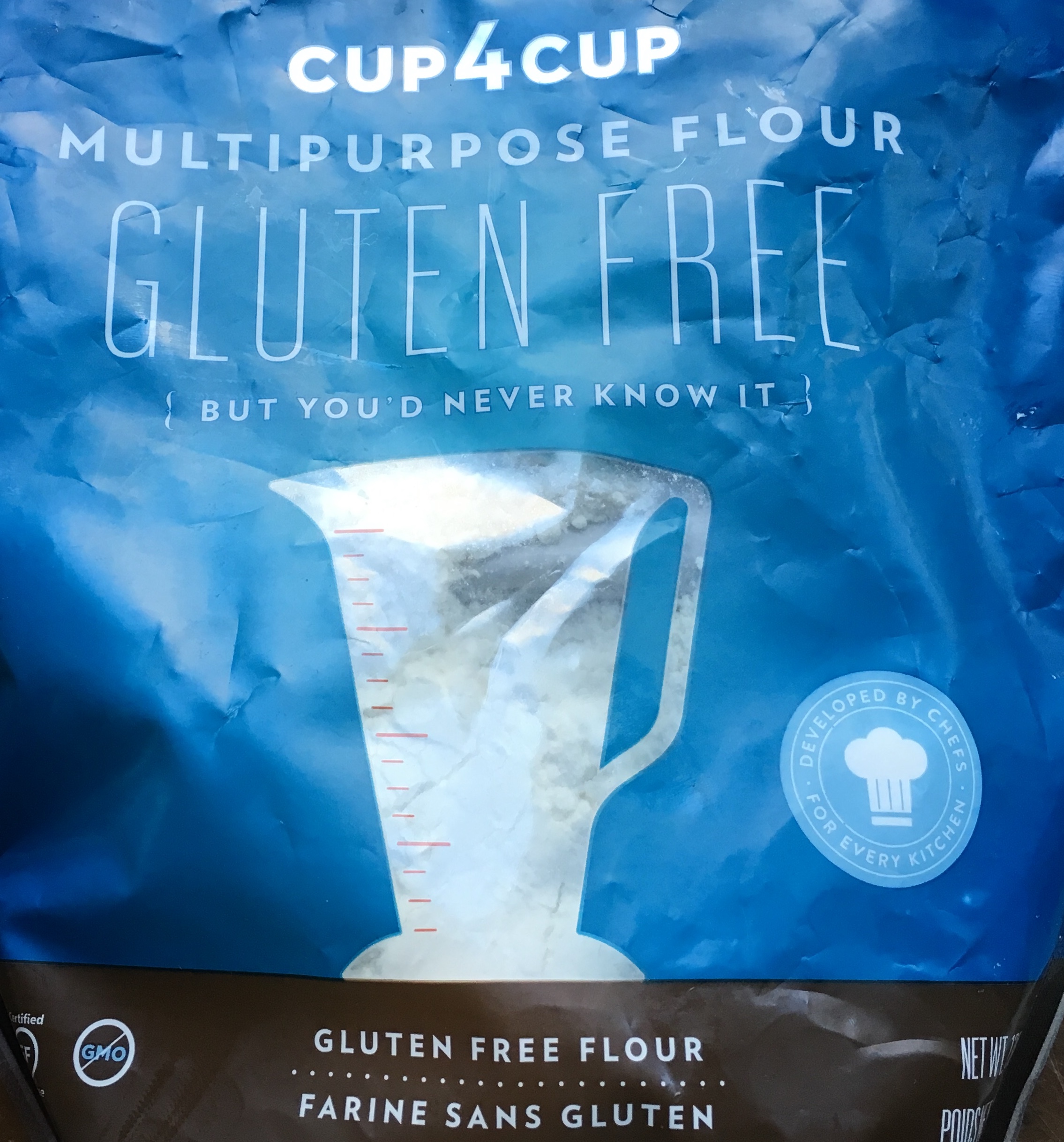
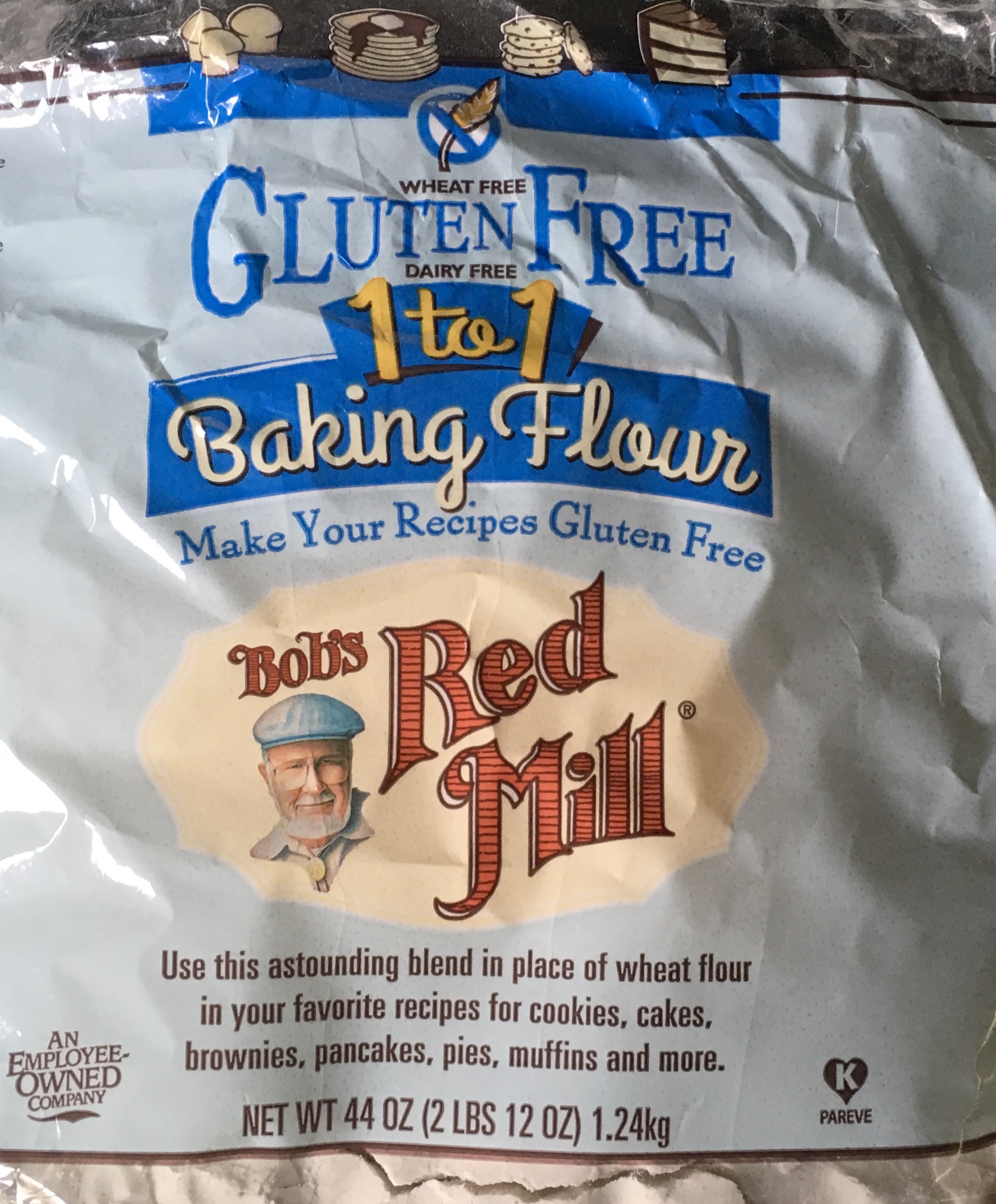
1/2 cup all-purpose flour (I use Cup4Cup GF flour to keep it gluten-free)
1/2 cup yellow corn meal
2 tablespoons Paul Prudhomme Seafood Magic seasoning
1 teaspoon sea salt
1 raw egg, scrambled
avocado oil or pork fat, for frying

image

Combine the flour, corn meal, Prudhomme seasoning (see below) and salt in a bowl. Set aside.

Scramble the egg in another bowl and set aside.

Peel and de-vein the shrimp. Remove the entire shell, or leave the tip of the tail, depending on your preference.

Heat a pan with an inch of the oil. When it reaches 325 degrees, it’s ready for frying.

Dip the shrimp in the egg, and shake off any excess. Then toss the shrimp in the flour mixture, shaking off any excess. Carefully place the shrimp in the pan of oil.

Cook the shrimp for about 45 seconds, flip them over, and cook for another 45 seconds, until they’re golden brown. Don’t crowd the pan and never over-cook shrimp!

Drain on paper towels and serve immediately!


The shrimp are delicious by themselves, but here’s an easy remoulade to make along with them…

1 cup mayo
1/4 cup Gulden’s mustard
1/4 teaspoon granulated garlic
1 tablespoon dill pickle relish
1/2 teaspoon Frank’s Red Hot
Pinch cayenne pepper
1/2 teaspoon salt
1/4 teaspoon white pepper

Combine the ingredients and keep in the fridge until ready to use.


It’s a bit of a cheat, but I find the Paul Prudhomme Seafood Magic seasoning has great flavor and works really well for this. I also use it on fish: simply pan saute a filet in butter, and sprinkle on the seasoning. I originally started with the small jar found in most supermarkets, but then quickly graduated to the jumbo size can found online!


If you want to make your own seafood seasoning, a combination of salt, pepper, garlic powder, onion powder, paprika and cayenne will get you a result that’s pretty close to the Prudhomme seasoning.


No, this is not a blog about a Chinese rock band. I happened to buy a pack of chicken drumsticks the other day and wanted to create something other than the usual Asian-style flavors I’ve done in the past. So, I “winged” it! (That’s genuine chicken humor there…)

I’ve got many Asian ingredients in my fridge, so I started to put together a marinade and it tasted pretty good even before it went on the chicken. But afterwards, with the flavors baked into the drumsticks, it was amazing…and highly addictive! No matter how drumsticks you bake, it won’t be enough!

I tossed the drumsticks in a Ziplock bag, dumped the marinade on top of them, sealed the bag and squished it around a bit to make sure all the chicken got a hit of the marinade.

I placed the bag in a bowl at room temperature (in case of spillage, it wouldn’t go all over my counter), and gently squished it around every half hour for about 2 hours.

After that, the drumsticks went in a 350-degree oven…

Marinated drumsticks, before cooking…


4 lbs. chicken drumsticks
1/2 cup soy sauce
3 tablespoons Thai peanut satay sauce
2 tablespoons hoisin sauce
1 tablespoon honey
1 teaspoon sesame oil
1/4 teaspoon chili oil


…and after.


Combine everything but the chicken in a bowl and whisk well to mix. Place the drumsticks in a large Ziplock bag and pour the marinade in. Seal the bag well, and squish it around so that the marinade makes contact with every part of the chicken pieces.

Let the bag sit at room temperature for 2 hours, squishing it around gently every half hour.

Pre-heat an oven to 350 degrees.

Line a pan with aluminum foil (to make clean-up easy later.) Lay the drumsticks in the pan, pouring the leftover marinade into a small saucepan.

Bake the drumsticks for about 45 minutes. Take the pan out of the oven and carefully pour the juices in the pan into the same small saucepan with the leftover marinade. Keep the chicken “on hold” for a few minutes while you focus on the saucepan.

Heat the saucepan with the marinade until boiling, then reduce the heat and cook a little more until the marinade has thickened a bit. Brush this all over the chicken pieces and return the chicken to the oven for the last 10 or so minutes of cooking.


You might be familiar with most of the ingredients in this recipe. They are easily found in the international food aisle at any good supermarket, and that includes the less-common Thai peanut satay sauce. There are different brands, but here’s what a jar of it looks like…


Cooler fall weather always gets us craving for comfort foods, and this is one we discovered on a trip to Spain in 2014. Croquettes are the Spanish equivalent of chicken nuggets: they’re found on every kids’ menu…and my daughter ordered them just about everywhere we went! So it’s no surprise that I “got the order” to make a batch of croquettes this weekend!

image

I found a great recipe for croquettes in Saveur magazine, and decided to try it out. I was a bit clumsy at making them at first–they do need a bit of finesse–but by the end of the batch, I got the hang of it. And to make them gluten-free, I simply substituted GF flour and breadcrumbs for the all-purpose flour and Panko.

image


2 lbs. potatoes, peeled and cut into 1″ cubes
4 tablespoons unsalted butter
1 onion, minced
1/4 to 1/2 cup heavy cream
6 oz. cheddar cheese, grated
6 oz. ham, finely chopped
salt and pepper
1 cup all-purpose flour (or gluten-free flour like Cup4Cup)
2 eggs
2 cups Panko breadcrumbs (or gluten-free breadcrumbs)
avocado oil for frying


image

Peel the potatoes, cut them into 1″ cubes and boil them in salted water until tender. Drain and set them aside.

Melt the butter in the same pot the potatoes were in, then add the onions and saute until translucent. Put the potatoes back in the pot and add 1/4 cup of the heavy cream. Mash the potatoes with a potato masher until smooth. Add more cream, if needed, but be careful not to make it mushy.

Add the cheese and mix until it has melted in. Add the ham and mix again. Season with salt and pepper.

Pour the contents of the pot into a metal bowl and place it in the freezer to cool, stirring every 10 minutes until the mashed potato mix is cold, but not frozen.

Line up three bowls: flour (or GF flour) in the first bowl, eggs (scrambled) in the second bowl, Panko (or GF breadcrumbs) in the third.

Remove the mashed potato mix from the freezer, and with floured hands, grab enough to gently roll a small meatball in your hands. (I’ve found that starting with a round shape makes it easier to work with.)

Roll the ball in the flour, then the egg, then drop in the Panko and roll again. With the ball in your hand, gently squeeze into a tubular shape, and then place it on a sheet pan lined with non-stick aluminum foil. Continue with the rest of the potato mixture. (You may need to add another egg or two if you run out.)

Once you’ve rolled all the croquettes, place the sheet pan in the freezer for 20 minutes to firm up.

Heat a pan with 2″ of oil to 350 degrees. Remove the croquettes from the freezer, and working in small batches, fry them until golden brown. Place on paper towels, and quickly season lightly with salt while hot, if desired.

image


The croquettes freeze really well, so this batch goes a long way. Once they’ve been fried, let them cool completely to room temp. Place them in Ziploc freezer bags and store in the freezer. When it’s time to cook them, let them thaw for about 15 minutes, then place in a pre-heated 325 degree oven for another 15 minutes.


BEET AND QUINOA SALAD

Posted: September 24, 2017 in beets, Food, Recipes
Tags: , , , ,

Why was it that I could only find a great beet salad in a restaurant? Was there some secret to making one? Well, after some experimentation, I came up with a beet salad that I really enjoy…and it’s easy to put together ahead of time if you have guests coming over for dinner.


Sometimes I skip the arugula and just go for a bowl like this…

2 cups cooked quinoa
1/2 lb. beets, cooked and sliced
1/2 cup extra virgin olive oil
1/2 cup red wine vinegar
1 teaspoon sugar
1/2 clove garlic, through a press
1/2 teaspoon salt
1/4 teaspoon ground black pepper
1 scallion, finely minced
2 cups baby arugula
5 oz. feta cheese, crumbled


Prepare the quinoa according to the package instructions. I like to substitute half of the water with homemade chicken stock.

While the quinoa is cooking, combine the olive oil, vinegar, sugar, garlic, salt and pepper in a separate bowl.

Once the quinoa has cooked, place it in a bowl and add half of the dressing, mixing gently with a fork to fluff up the quinoa. Place it in the fridge to cool completely.

I like to use the product LoveBeets, available in any supermarket. The beets come fully cooked and peeled, ready to slice.

I go to the membership clubs and buy the beetlicious jumbo size!

Chop the beets to the size you like and place them in the bowl of quinoa. Add the scallions, arugula and cheese. Toss to combine.

When the mixture has cooled down, give it a taste and add more of the dressing if needed. This tastes great at room temperature as well.

Years ago, before Alex & Ani founder Carolyn Rafaelian bought Sakonnet Vineyards in Little Compton, its success at creating quality wine was mediocre at best.
I heard stories that the grapevines on the property were there just for show. The story goes that the land was contaminated, and they couldn’t use it for winemaking. So despite having this magnificent piece of property, just about all of their grape juice was imported from South America.
To me, that defeated the purpose of going to a local vineyard. You expect them to grow the grapes and then use those grapes to make their wine.
Fast forward years later, the property is now called Carolyn’s Sakonnet Vineyards, and their website claims that they make their wines from the grapes they grow on their land. Is this truly the case? Or is this a bunch of BS? It’s hard to really know for sure.

The tasting room is full, especially on rainy days!

That issue aside, the vineyard seems to attract a lot of tourists, especially on rainy days when there isn’t a whole heck of a lot to do in Little Compton. Sampling a variety of wines, even if they’re not really that great, is better than sitting at home and watching television.
The property also has an outdoor stage for mellow concerts when the weather is cooperating. (They were denied a permit to have a larger concert venue established on their property, because of the traffic and noise it would create. The town of Little Compton has had a bug up its ass lately…just ask the folks trying to get the historic Stone House open again.)
And there is a café, which is open seven days a week through Columbus Day…and weekends through the winter months.
That’s good to know, because there isn’t a huge choice of places to dine nearby. There’s a luncheonette and pizza joint in Little Compton Commons, and there’s a grill and sandwich place at Tiverton Four Corners. But that’s about it.
The café at Carolyn’s Sakonnet Vineyards serves up a tasty menu of freshly prepared sandwiches, flatbreads, salads and more. At a recent lunch, my daughter and I enjoyed their steamed pork dumplings as a starter. My daughter chose the Sakonnet Club, a turkey and ham sandwich on sourdough. I went with the Grilled Tuscan, which featured Genoa salami, capicola and soppressata and mozzarella on sourdough, all freshly made and grilled to melt the cheese. The table next to us had a bachelorette party, and all the gals there had different flatbreads, which looked really delicious…something to keep in mind for our next visit. Our sandwiches came with a light salad and a bag of chips on the side.
I had a glass of mediocre Albariño with my lunch, but it served its purpose.
All in all, a really nice lunch, and other things on the menu that I am looking forward to trying in the future.
I didn’t taste more than one wine at the vineyard that day, so in all fairness, I need to make a return visit for that purpose. But for me, the best wines in the area are located down the road at Westport Rivers. Although they don’t have the beautiful room and property that Carolyn’s Sakonnet Vineyard has, they more than make up for it in the quality of their wine.
Almost 95% of all shrimp sold in the United States comes from farmed shrimp in countries like China, Thailand, Vietnam and India…as well as Latin America. The stuff you buy at the supermarket comes frozen (since shrimp is highly perishable) and then is thawed out and placed on ice to make the display look nice. But the shrimp you’re getting is not “fresh” (unless you’re lucky enough to get some wild caught local shrimp) and it’s from countries where the methods of farming are questionable at best.
Shrimp farming in Asia and Latin America is destroying mangrove forests and because of that, coastal villages as well. Disease is commonplace in shrimp farms, so they’re pumped full of antibiotics and pesticides.
Imported wild shrimp are also a problem because of bycatch. For every pound of wild shrimp caught, several pounds of other animals such as turtles die needlessly in the trawler nets.
Wild-caught  American shrimp is the best way to go for your health and the environment. American shrimp fishermen are required by law to reduce bycatch. For example, they’re required to use Turtle Exclusion Devices to stop turtles from being caught in their nets.
I stopped eating tiger shrimp and other farmed shrimp from foreign countries a long time ago because I found a source of shrimp that not only delivers to my door, but offers me that shrimp at competitive pricing even with the shipping! And best of all, it’s wild caught in American waters. I’m supporting the lives of shrimp men along the Gulf of Mexico, not some foreign country that doesn’t give a rat’s ass about the environment, the shrimp they raise in it, or my family’s well-being.

The real deal, usually sold in 5 lb. boxes.

On top of everything else, wild-caught American shrimp tastes better. And why shouldn’t it? The shrimp are eating their natural foods found in the wild…not some pellets thrown at them that contaminate the water and the shrimp themselves.
My favorite website for wild-caught American gulf shrimp is www.cajungrocer.com. I’ve been ordering my favorite Cajun foods, like Turduckens and alligator sausage, from these people for many years, but they also sell frozen shrimp and live crawfish (in season.)
Don’t cheat yourself, your friends or your family out of something really special. Wild-caught American gulf shrimp costs the same, supports our economy, is better for you and tastes better.
The basics of this recipe come from my friend, Lee, a retired chemist in New Jersey who also enjoys creating in the kitchen. What I found interesting about his recipe was the touch of sugar that doesn’t really add sweetness but rather helps create the light, tasty caramelized crust that forms on the shrimp when you sear it. I tweaked a few things in this recipe, but the essence of it remains the same.

Seasoned shrimp.


1 lb. large peeled and deveined wild-caught American shrimp
Salt
Freshly ground pepper
Sugar
4 tablespoons softened butter
1 clove of garlic, squeezed through a press
1 tablespoon freshly squeezed lemon juice
2 tablespoons chopped parsley
1 teaspoon oregano
Extra Virgin olive oil
Toss the shrimp, 1/4 teaspoon salt, 1/4 teaspoon pepper, and 1/4 teaspoon sugar in a bowl.
In a separate bowl, mash the butter with a fork, folding in the garlic. Add the lemon juice, parsley, oregano, and 1/4 teaspoon salt.
Heat a tablespoon of olive oil in a large skillet over high heat. Add half the shrimp in a single layer to the pan and cook it at high heat until it’s caramelized on one side, about 1 minute. Flip the shrimp over with tongs and cook for another 30 seconds. Don’t over-cook it!
Remove the cooked shrimp to a covered bowl and similarly sear the other half of the shrimp, then return the other half of the shrimp back to the skillet. Turn down the heat to medium and add the butter/garlic/lemon/parsley/oregano/salt mixture, occasionally tossing shrimp around in the pan to evenly coat them with the glaze.
If you’re serving the shrimp over pasta, increase the amount of butter and olive oil to just lightly coat the pasta. Toss the cooked pasta into the pan of shrimp to combine.
I like to season lightly at the end with a tiny pinch of Fleur de Sel. Serve immediately.