Since I like to check out rock n roll memorabilia, and I am a tourist from America, after all, I check out Hard Rock Cafes wherever I go. The one in Edinburgh, Scotland was small and not that impressive. (There was one in Glasgow that suddenly shut down earlier this year.)
But the one in Dublin, Ireland, was in the middle of all the action in the Temple Bar district.
Dublin was my 21st Hard Rock Cafe!
I’ve visited: New York, Boston (no longer there), Washington, DC, Philadelphia, Chicago, Orlando, Scottsdale, Phoenix, Maui, Bangkok, London, Athens, Cayman Islands, St Thomas (no longer there), Rome, Paris, Las Vegas, New Orleans, and Reykjavik. (As far as I remember!)
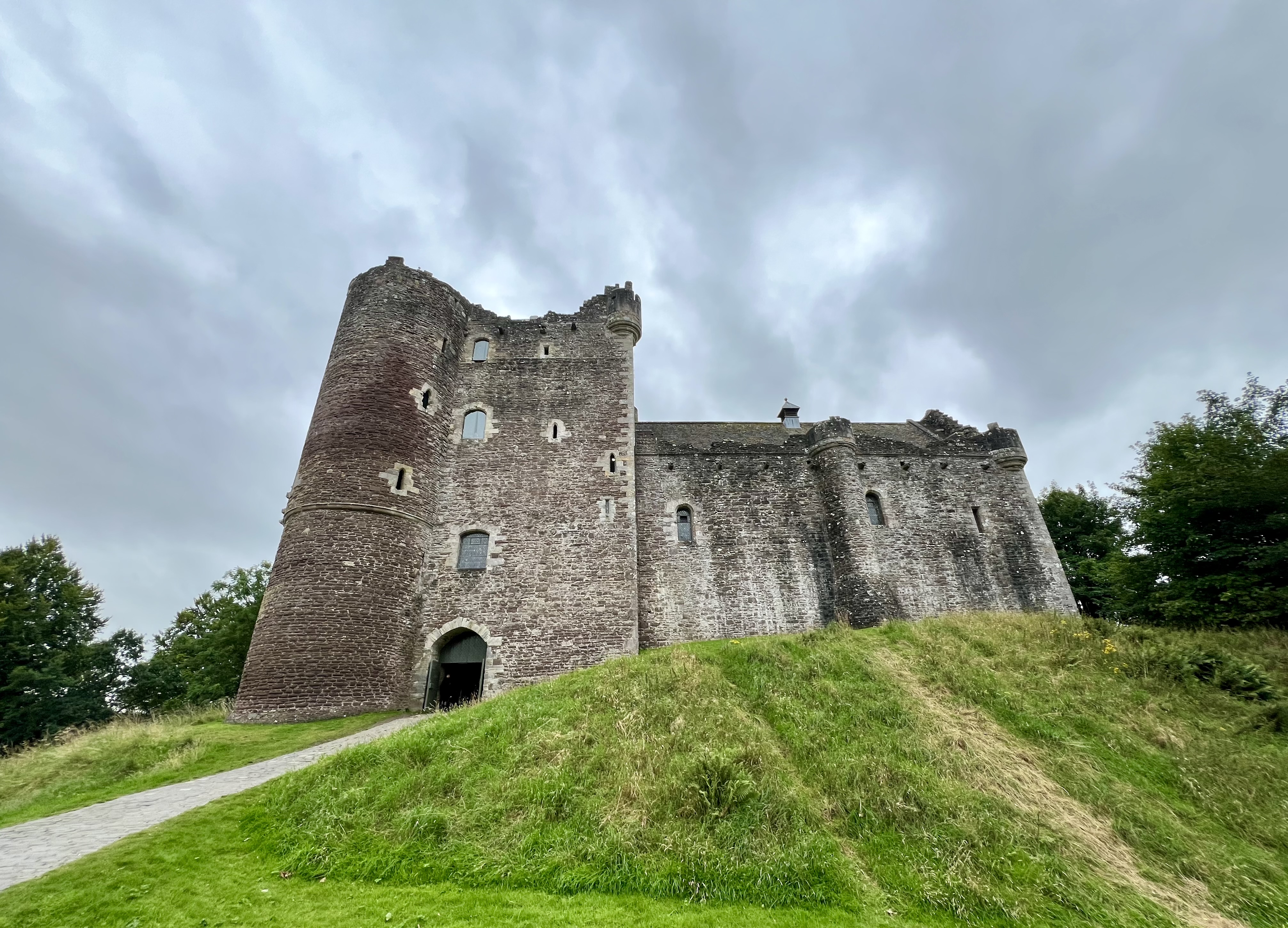
Doune was used in the filming of “Outlander,” but for me, all that mattered was this was the castle in “Monty Python and the Holy Grail.” A bucket list destination!
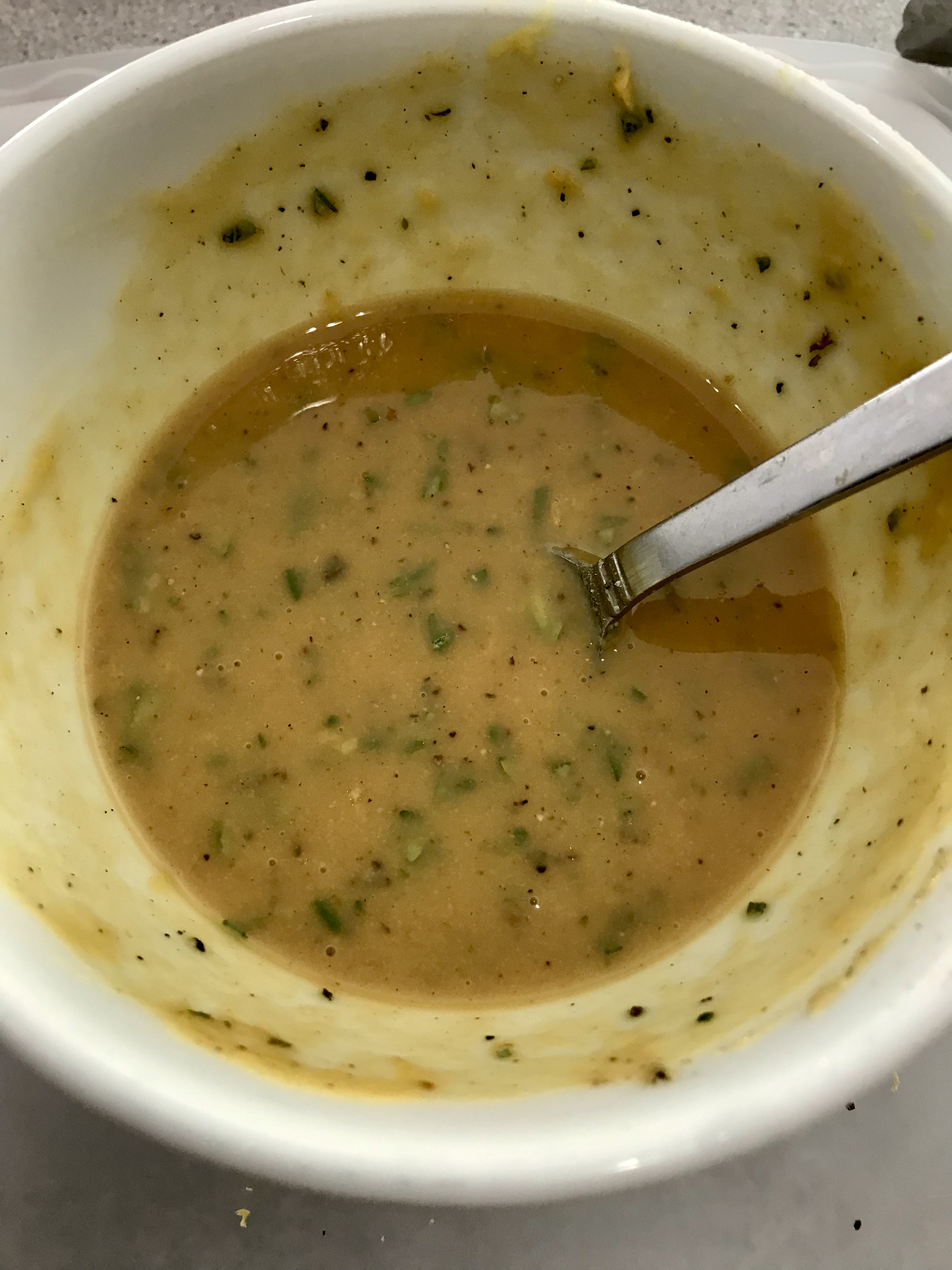
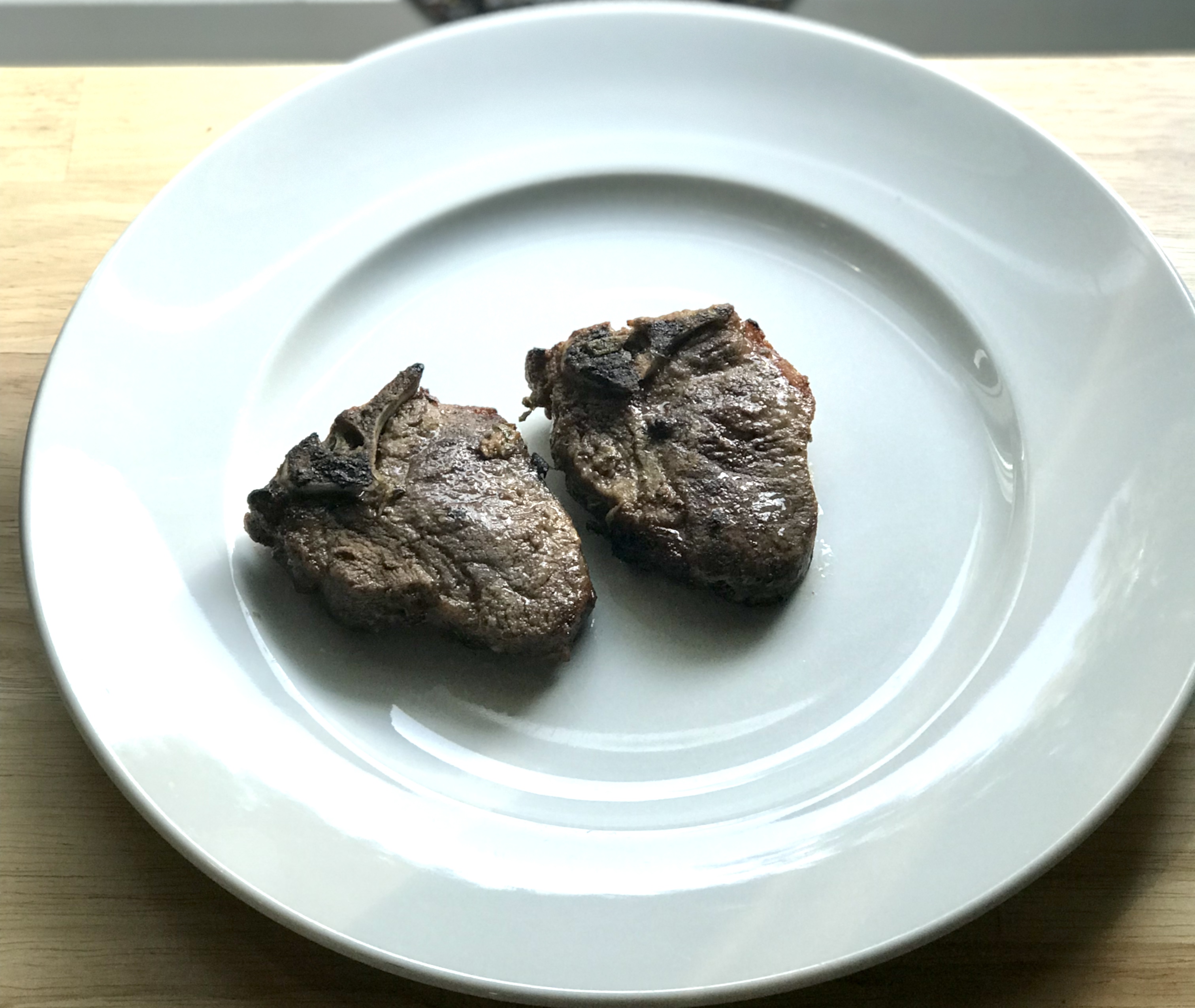
I marinated and roasted both lamb and chicken with this marinade, and both worked great. So if you’re not as big a fan of lamb as I am, no worries.
The key to the success of this dish is to make sure you give the meat a lot of time to suck up the marinade, and to season the meat well.
1/4 cup Dijon mustard The zest and juice of a lemon 2 tablespoons maple syrup 1 teaspoon garlic salt 1/2 teaspoon Kosher salt 1/4 teaspoon black pepper Fresh thyme and rosemary, chopped fine
Combine all the ingredients in a bowl and mix well.
Place the lamb and/or chicken in a Ziploc bag and pour in the marinade, squishing it around so that it really covers the meat. Marinate the meat at room temp for at least 3 hours, but overnight in the fridge is best. Make sure to squish the bag around every few hours to make sure all parts get the marinade.
The next day, pre-heat the oven to 350 degrees.
Place the marinated meats on a sheet pan with non-stick foil. Season the meat with salt and pepper.
Pour whatever marinade is left in the bag into a bowl and use it to baste the meats as they cook. (Don’t use any of the marinade without cooking it–it has touched raw meat!) Bake until medium for the lamb, or all the way through for the chicken. At the end of cooking, toss the meat under the broiler for a few minutes to get a nice char.
Grilling is certainly an option for this dish. Lamb can be cooked directly on the grill, all the way through. Chicken will require to be pre-cooked in an oven or cooked over medium heat on the grill to make sure it’s cooked all the way through before that final char.
I overheard a conversation at a Portland, Maine, restaurant where the server told one of their customers that Portland has the most restaurants, per capita, in the country, second only to San Francisco. I would not doubt that for a minute. Although I live just minutes away from Providence, Rhode Island, a pretty darn good food town in itself, what makes Portland so very special is the fact that you can park your car and walk everywhere. And the variety of foods you can sample is hard to beat.
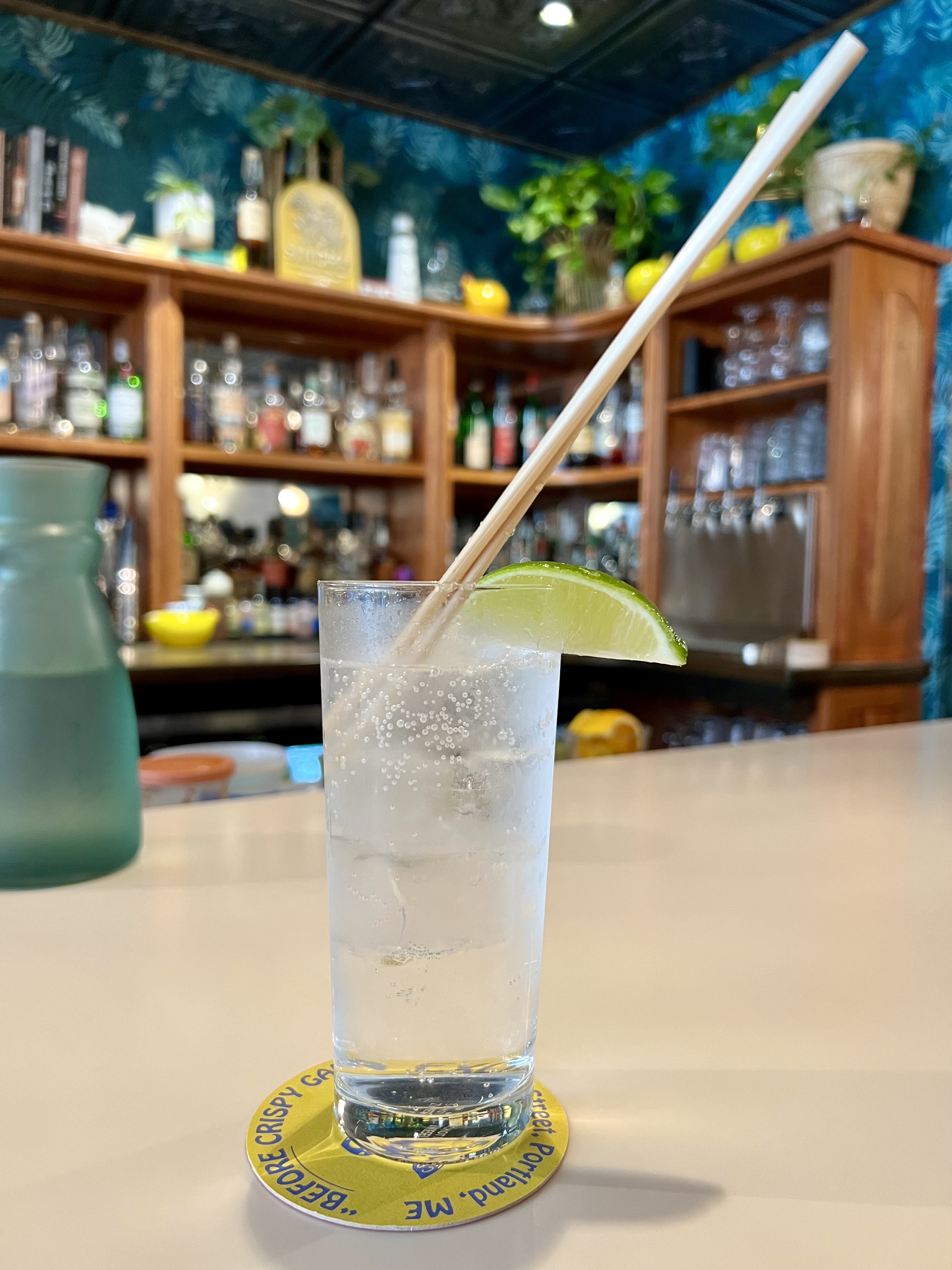
The bar at Crispy Gai.
The food craze in Portland started many years ago with the granddaddy of them all, a restaurant that is still kicking butt: Fore Street. Fire roasted meats and fish, served in a beautiful dining room, with tasty crafted cocktails… it’s a fine dining experience. You definitely want to save for that special occasion. But for this trip, my mission was to have a small bite in many different places, and so I chose to visit ForeStreet again another time.
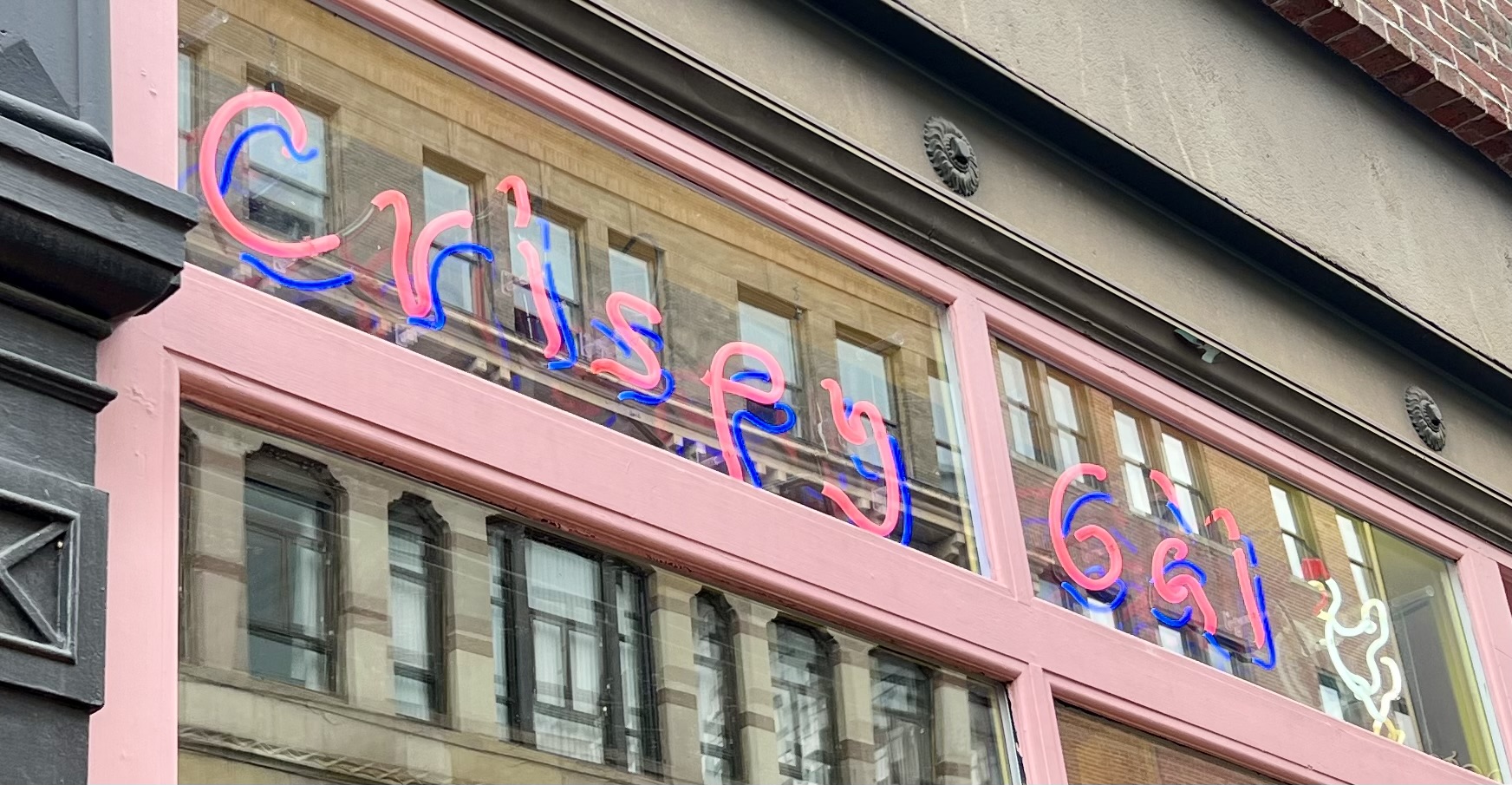
My first stop was Crispy Gai, a small, energetic Asian bistro. I was there before the lunch crowd at 11 AM, but I could imagine this place just jamming on weekends.
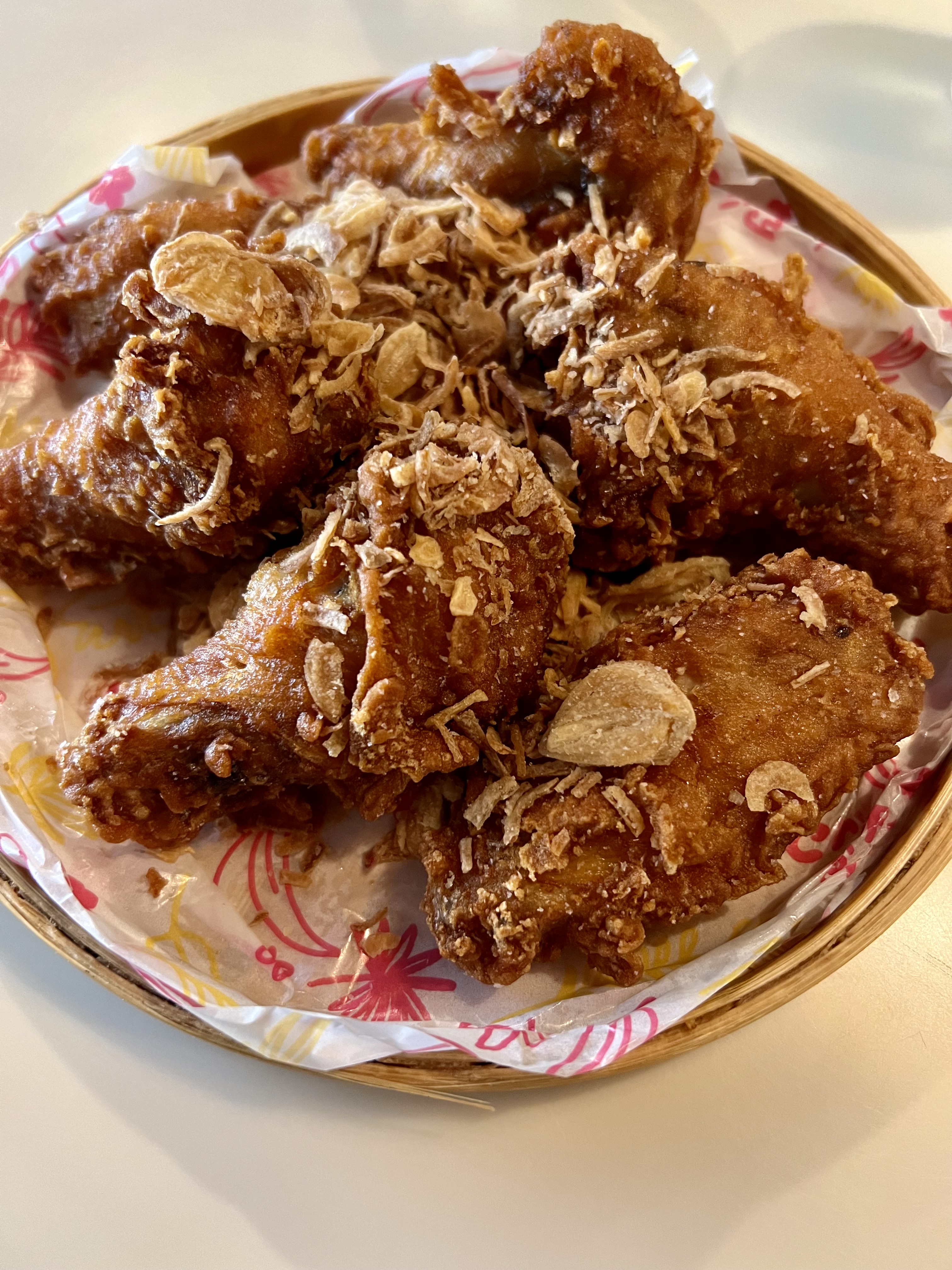
Their Hat Yai fried chicken wings were to die for and the Siu Mai dumplings were fantastic.
After that, I checked into my hotel, got my room early, and walked down Commercial Street to the main focus of my trip: a magnificent trio of restaurants, all located around the same corner of Middle Street.
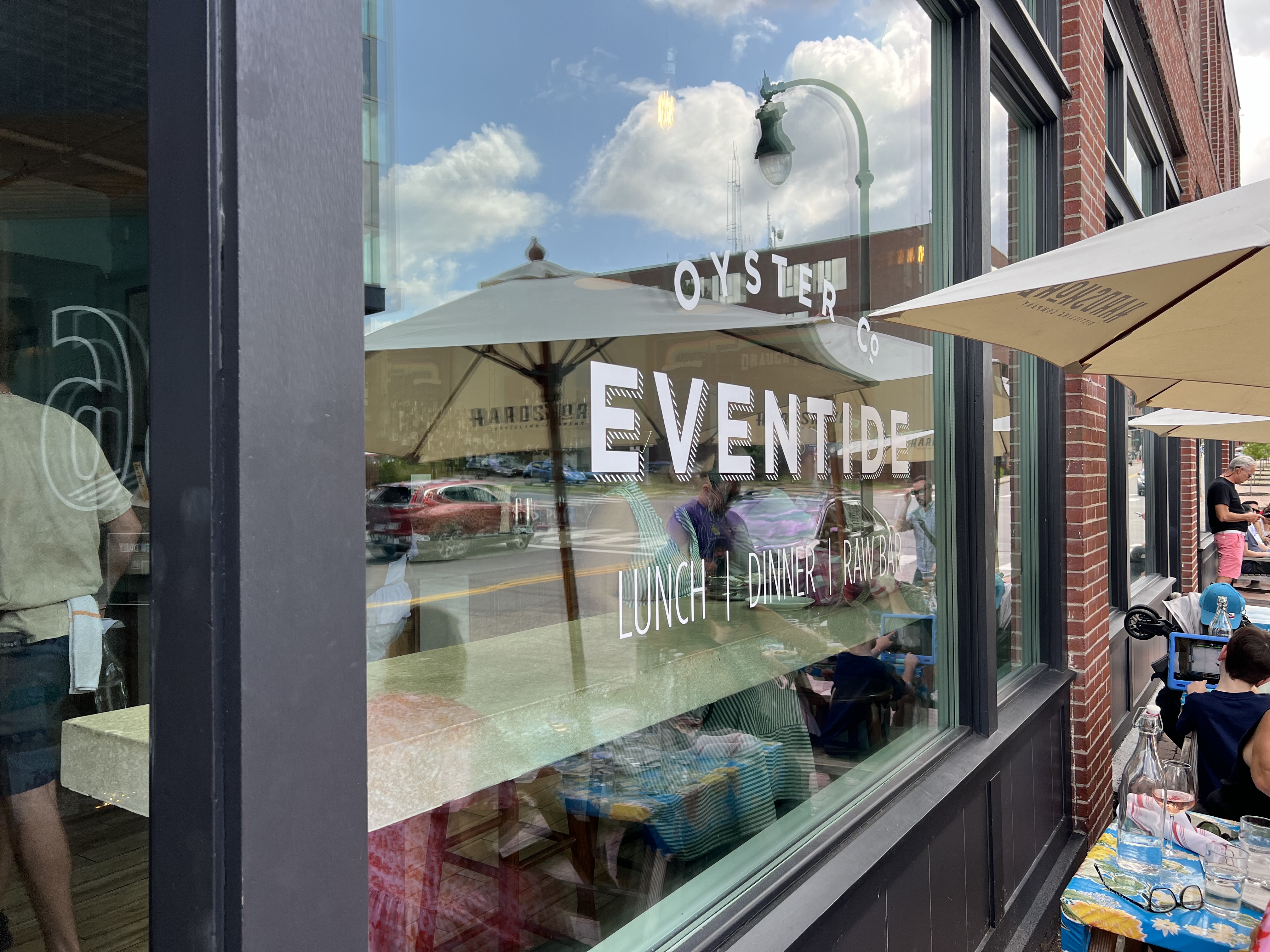
Perhaps the one restaurant that has made the most noise when it comes to luring foodies into Portland, is Eventide. It’s been featured in countless food magazines, and they even have a second (smaller) location near Fenway Park in Boston.
I started coming here years ago, when nobody even heard of this place, and you could get a seat right away. Now, no matter what day you go, and no matter what time of day it is, you’ve got to wait.
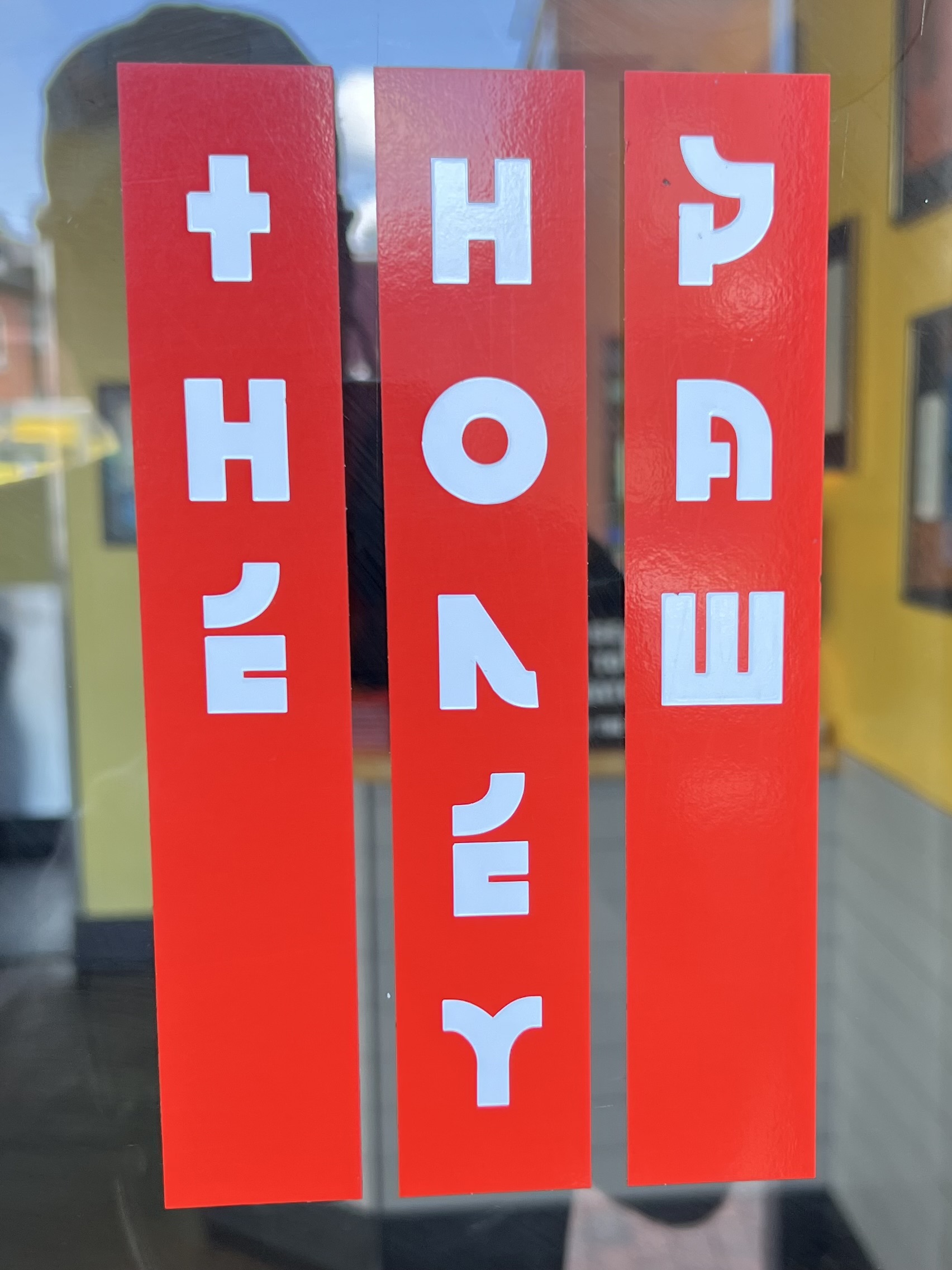
So here’s my secret: walk up to the maître d’ and give her your name and phone number. They will text you when a space becomes available. That gives you just enough time to go next-door to The HoneyPaw for a quick bite and a drink.
Owned by the people that run Eventide (in fact, they share one long kitchen that runs the length of the back of the building), The Honey Paw features incredible, creative, and eclectic Asian-themed dishes with really fresh ingredients.
The Honey Paw bar.
I enjoyed a fabulous plate of bluefin tuna crudo with a Hendrick’s and tonic.
And just as I was finishing the last sip of my drink, I got a text that my space at Eventide next door was waiting for me.
If you’re a regular at Eventide, you may go there for the oysters. They certainly do have a huge selection. But for someone like me who rarely gets to visit, it’s all about the creativity, and their chefs really shine. I’ve had the lobster roll and the bao buns and all that stuff, so for me, it’s all about the specials on the chalkboard, and this time, a BLT, using cured and smoked Toro tuna as the bacon, instantly caught my eye.
Words cannot describe how fantastic this sandwich was!
I really wish I lived closer to Portland because I would go to Eventide every single day until I got sick of it. (And I don’t think I ever would!)
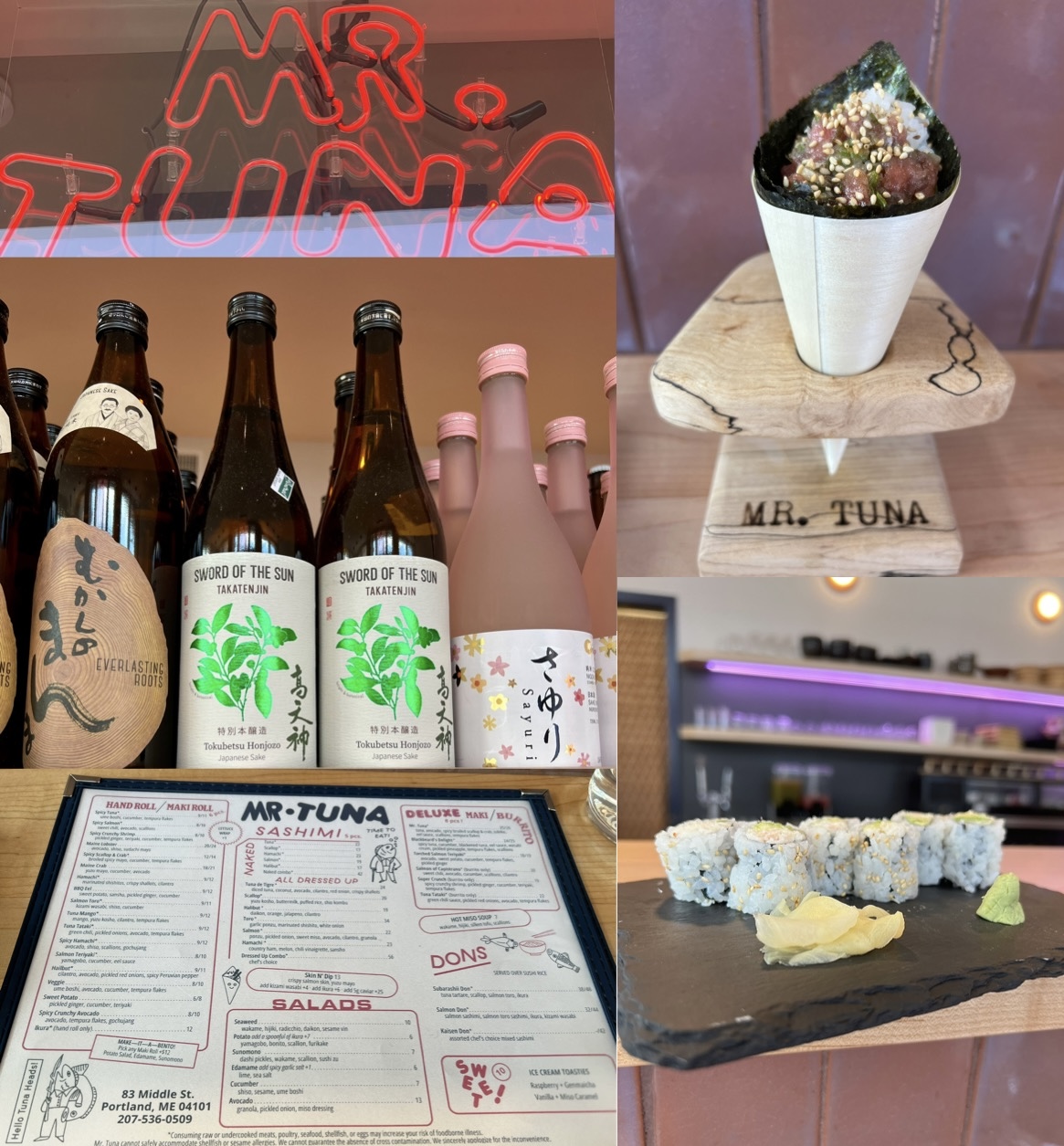
So I washed my TBLT down with another Hendrick’s and tonic (you can see where this is going!) and I crossed the street to a brand new spot, at least for me, called Mr. Tuna.
Fresh sushi is the name of the game here, and I enjoyed an Otoro hand roll and a Maine crab maki roll. This time, I accompanied my bites with an excellent glass of refreshing sake.
To say I was stuffed at this point was an understatement. I’m glad I had a bit of a walk back to my hotel to burn at least a few calories. But a power nap was definitely in order if I was to continue my journeys into the evening!
On the way back to my hotel, the Courtyard by Marriott on Commercial Street, I noticed a new hotel called the Canopy, which featured a rooftop bar named Luna. I decided this would be my first stop after my much needed nap.
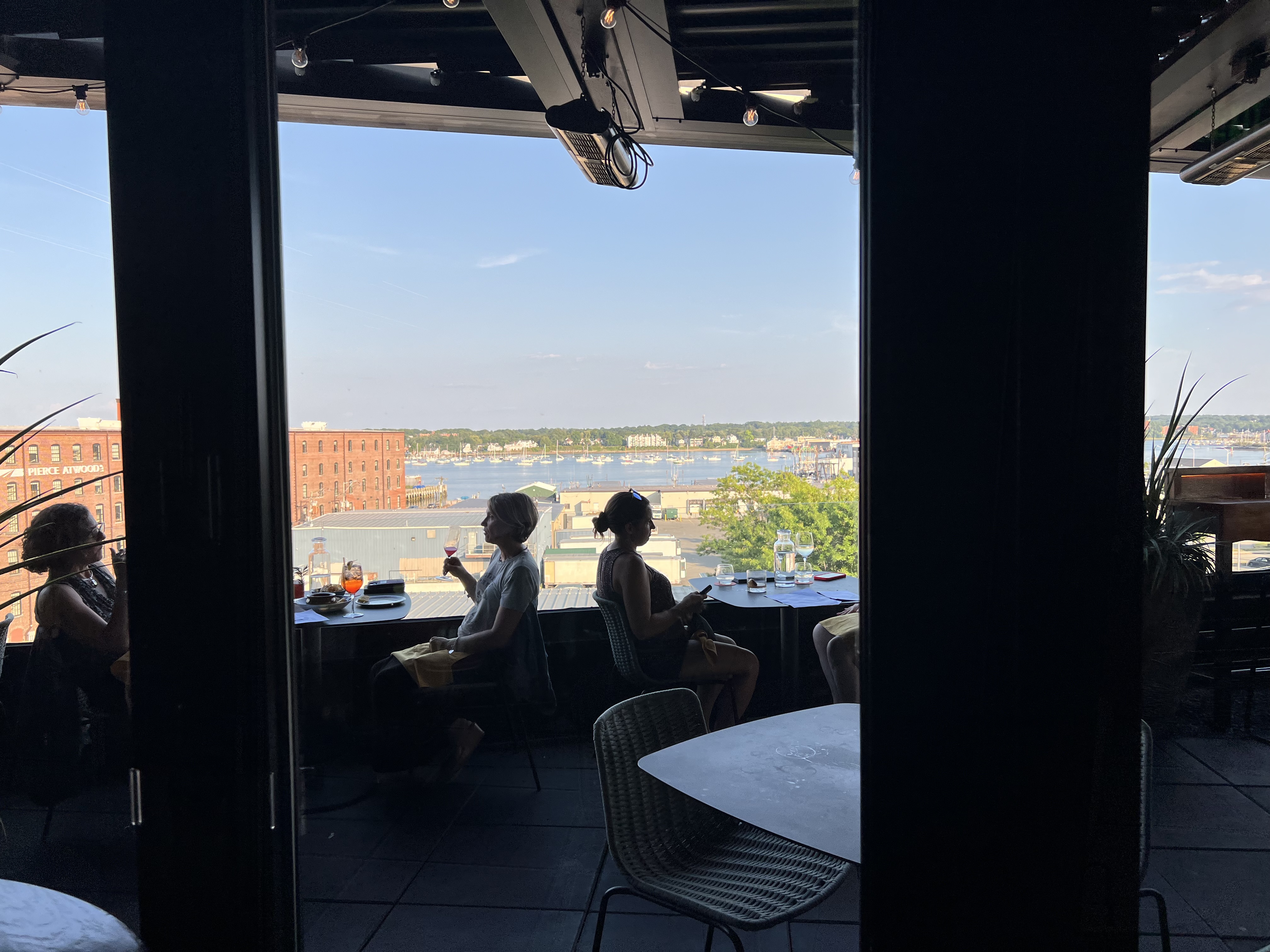
Luna is on the sixth floor of the Canopy hotel, and when I arrived, it was absolutely packed with well-dressed couples, enjoying drinks and the fantastic views of Portland Harbor.
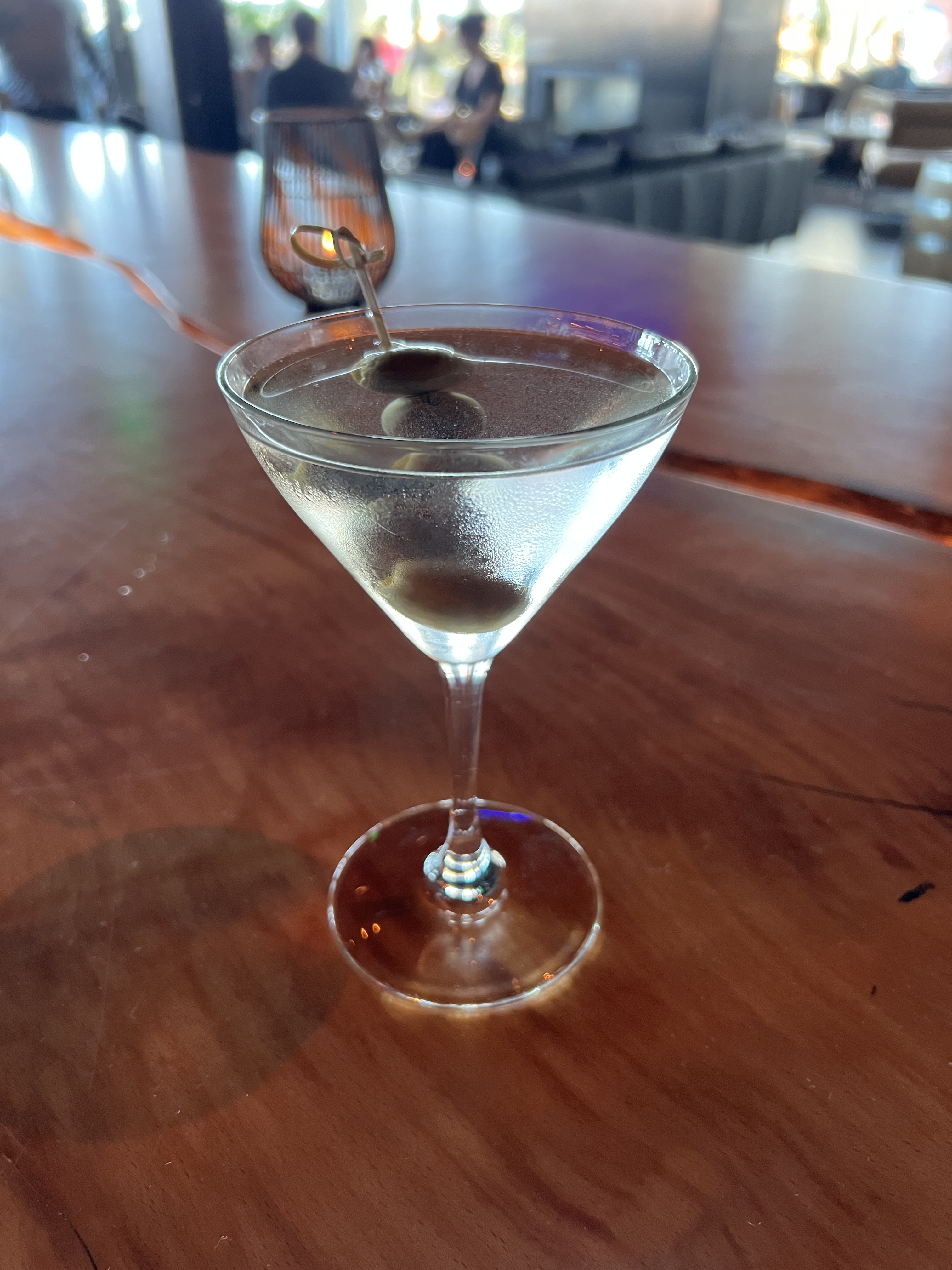
I managed to get my first cocktail pretty quickly, and soon I found a seat at the bar. But then the masses moved in and the two bartenders, though very skilled and hustling as fast as they could, were completely overwhelmed by the crowd. It took forever for me to get my second drink. A third bartender was absolutely necessary there. It is, after all, summertime in Portland…
I didn’t have any of the food at Luna, because the menu was not impressive. Basic bar bites that didn’t really do anything for me. So after a couple of drinks, I made my way down the elevator once again to Commercial Street.
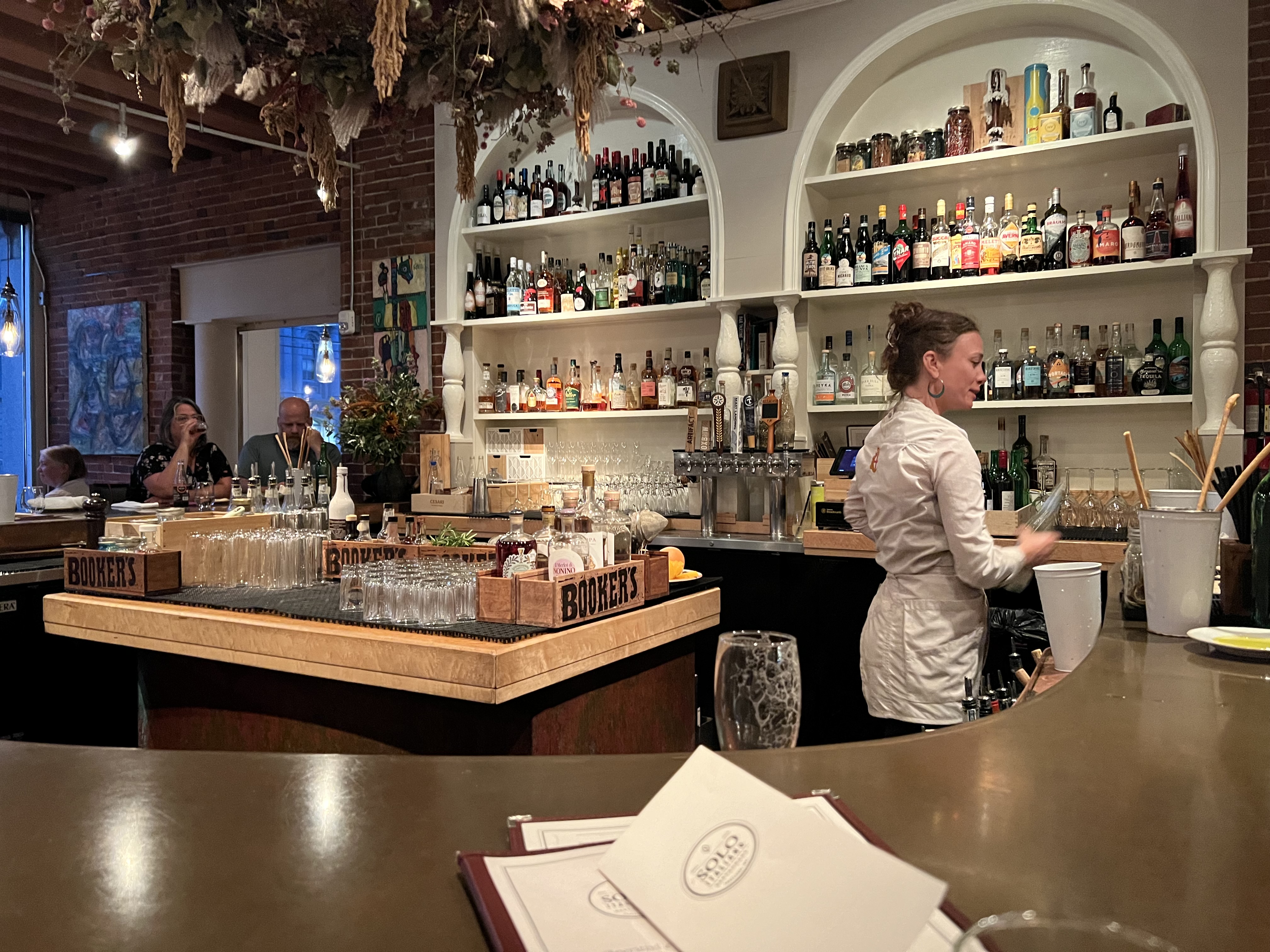
I wanted to finish my adventure on a happy food note, and I was craving pizza. But I didn’t want to go to a pizzeria. That’s when I remembered having had wonderful appetizers at the bar at Solo, an Italian restaurant on Commercial Street, just a short walk down from where I was.
I grabbed a seat at the bar and enjoyed a Negroni.
The menu was full of fantastic crudos that would’ve tempted me at any other time, but I was craving pizza, so I went for the Donna Scala, a sourdough focaccia with mozzarella, San Marzano tomato sauce and fresh basil. The perfect way to end a long day of eating and drinking.
My food day started at 11 AM and ended just before 11 PM. Someday, I will come back to Portland and do this again. But I think a diet is in order right now…
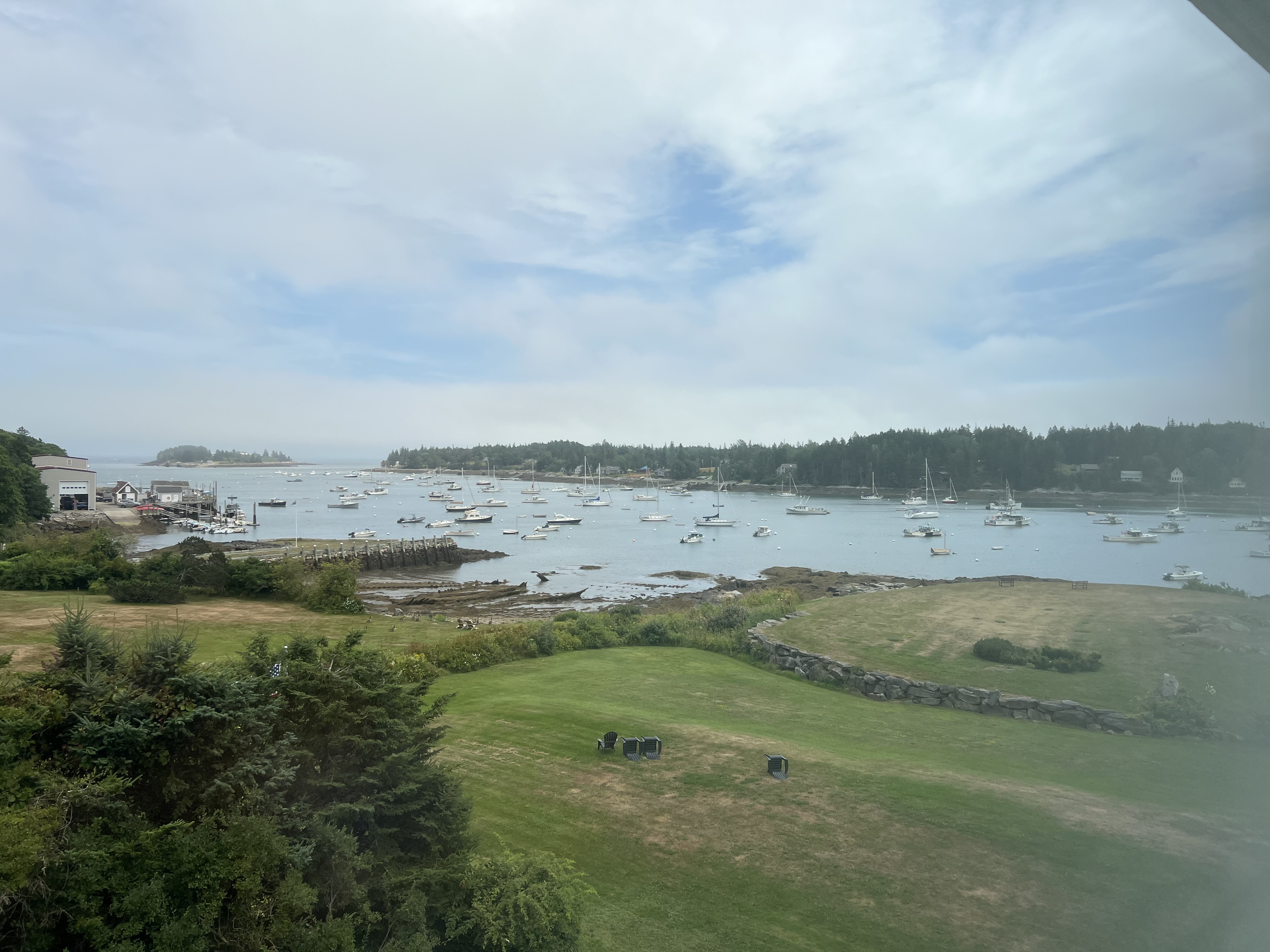
Every summer, I try to grab a few free days and drive up the Maine coast. It’s only a few hours from my home in Rhode Island, but it’s a different world. People are friendlier, life is slower, the fresh seafood is astounding, and it’s just damn beautiful.
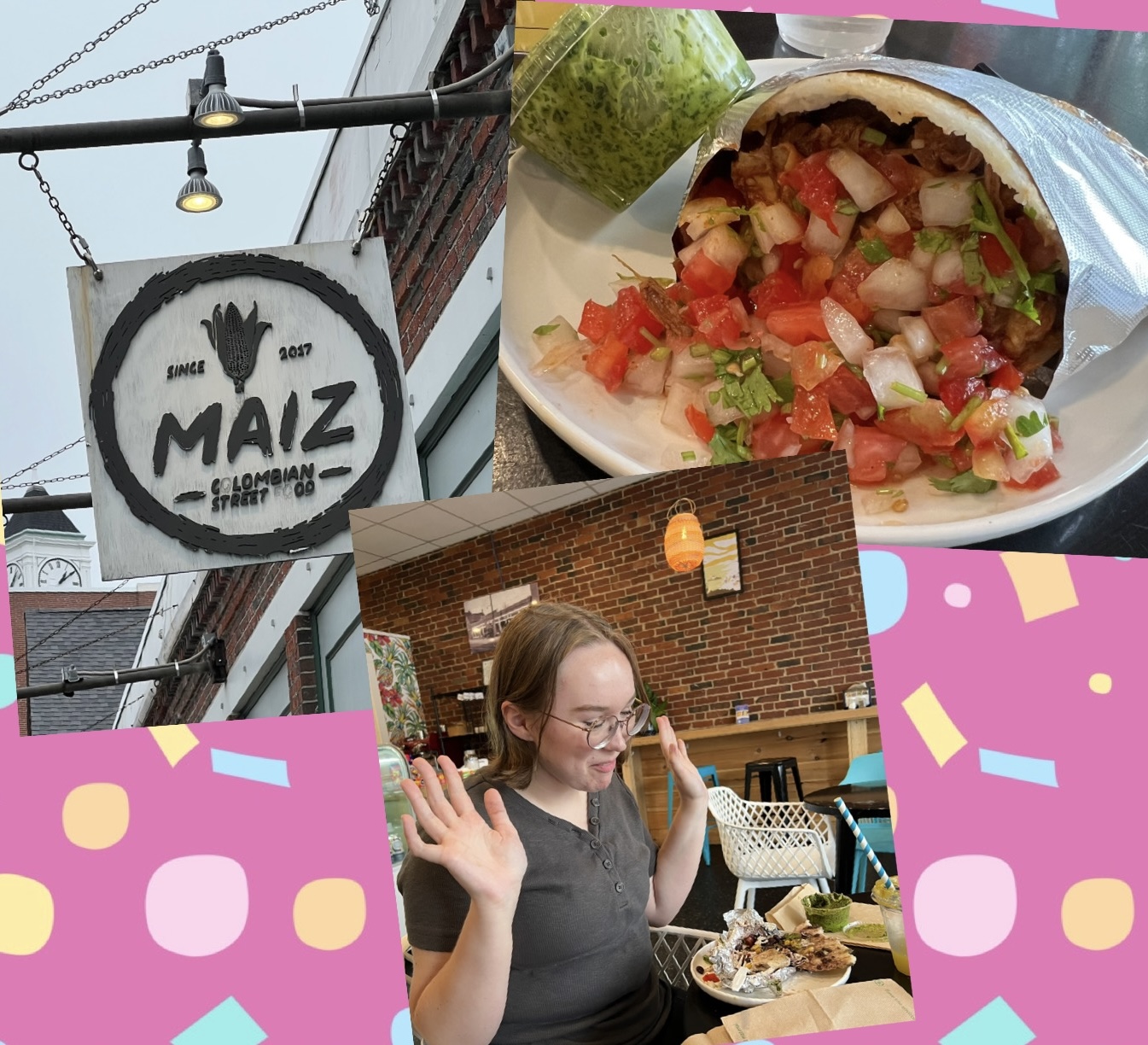
On the way up, my daughter and I made a quick stop, right off the highway in Portland, for some Colombian street food at Maiz. The arepas were overflowing with goodies, and we enjoyed every bite.
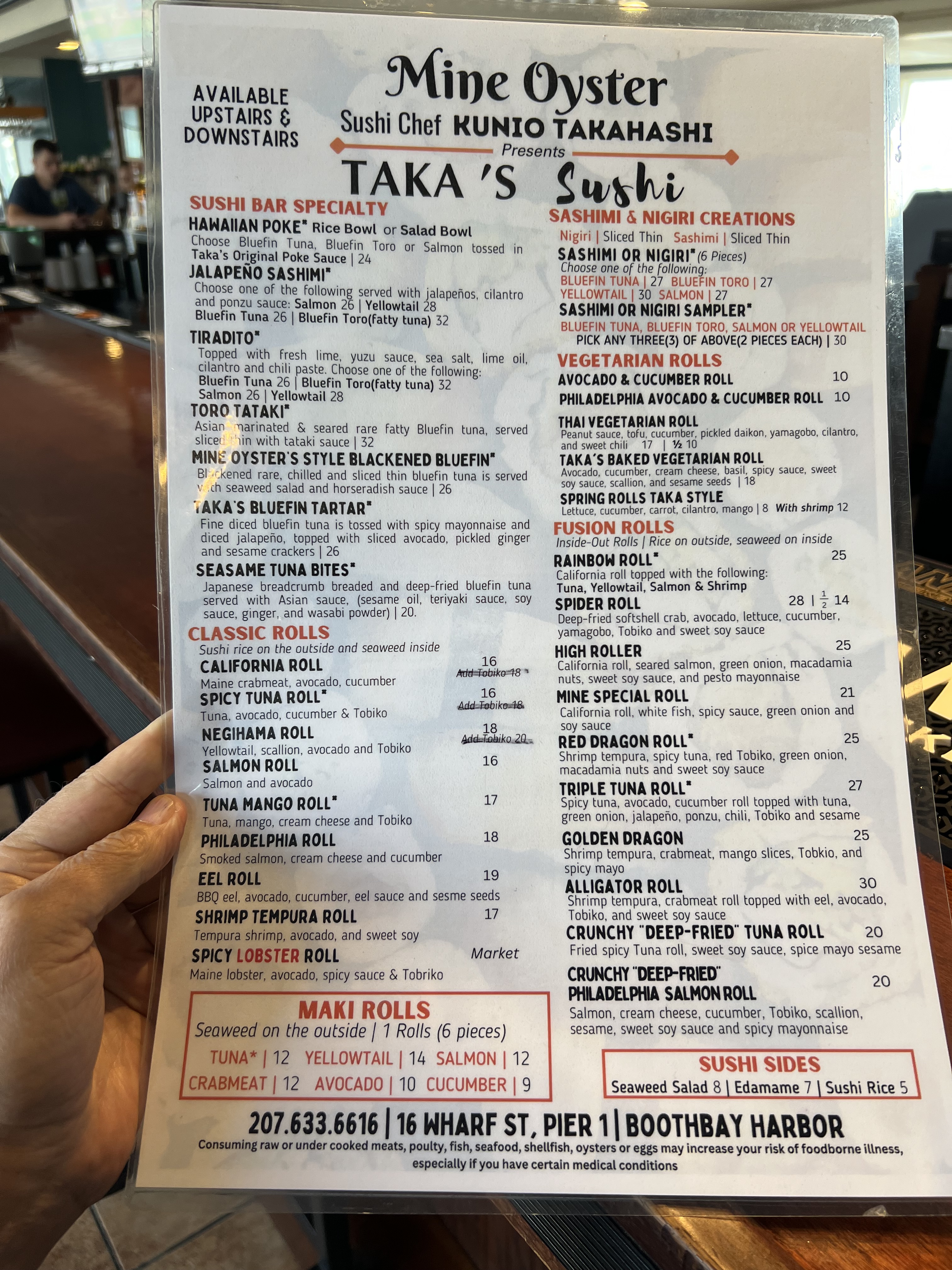
Our first overnight stop is usually Boothbay Harbor, because we love the quaintness of that little town, and my sister lives not too far away in Newcastle. Of course, I also love Boothbay Harbor because it’s the home of one of my favorite restaurants, Mine Oyster.
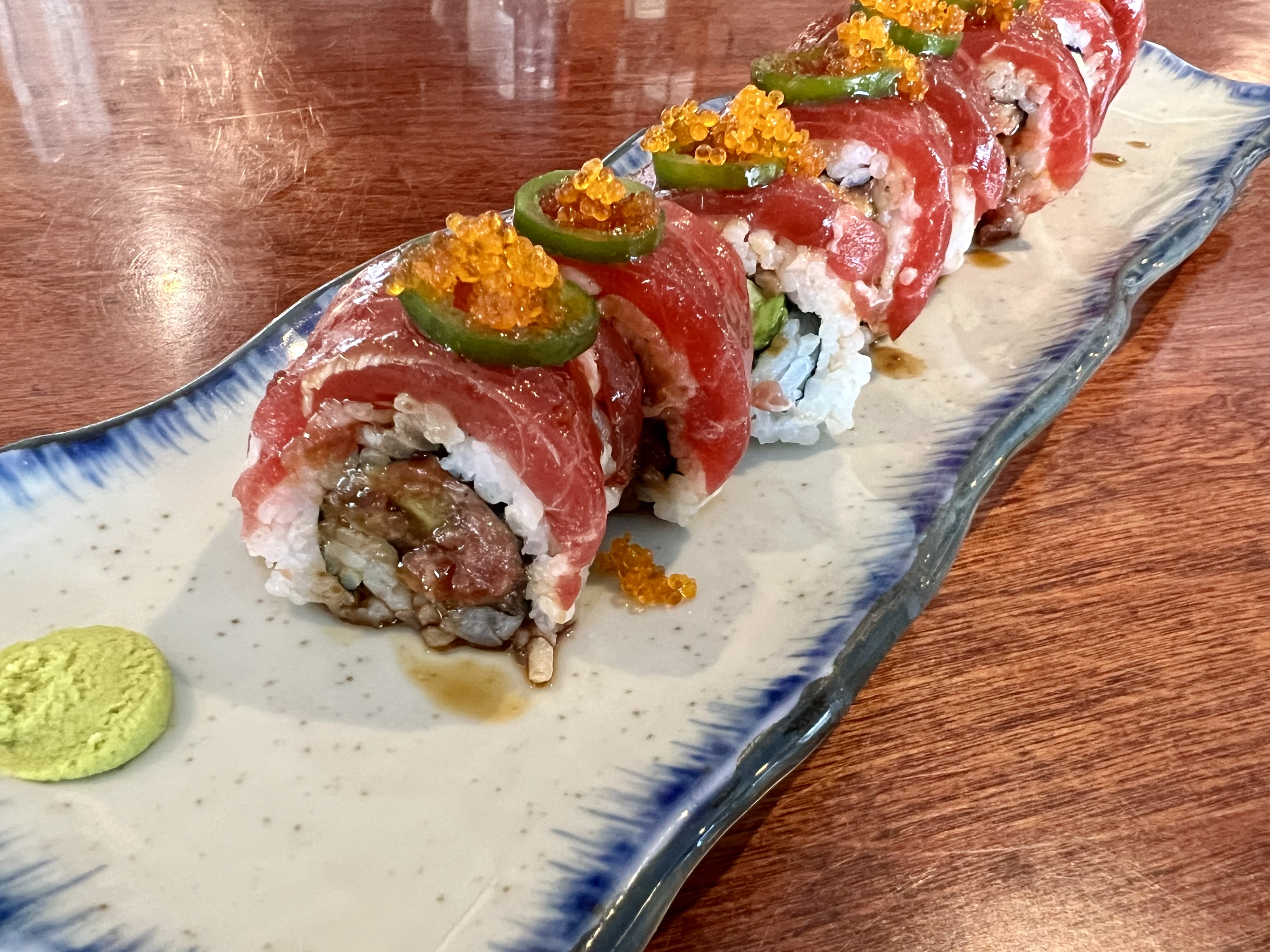
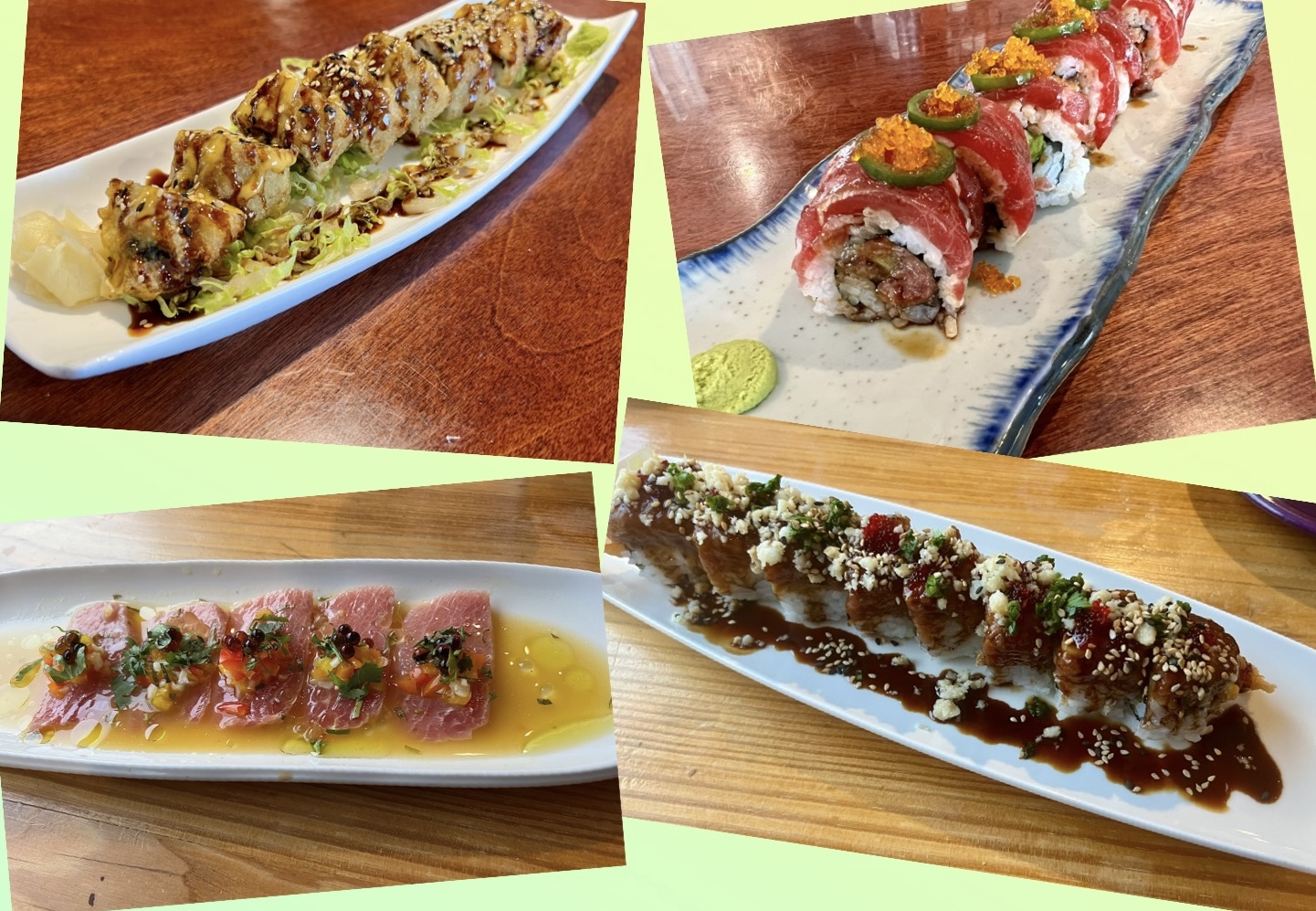
It’s nuthin’ fancy, but they have a massive menu, and I go there for one thing, and one thing only: the incredible fresh-off-the-boat tuna they always serve up. Sushi chef, Taka, is a master, and the specialty roles they have are like no other place I’ve ever been. I spent two nights in Boothbay Harbor, and both nights I dined at Mine Oyster. I just couldn’t get enough.
We did explore the area, however, and another favorite stop was Deb’s Bristol Diner, in Bristol, Maine. My daughter and I have been there several times before and the food is just terrific, as long as you’re willing to wait in line. No reservations here, but once you take a bite of the food, you don’t care anymore.
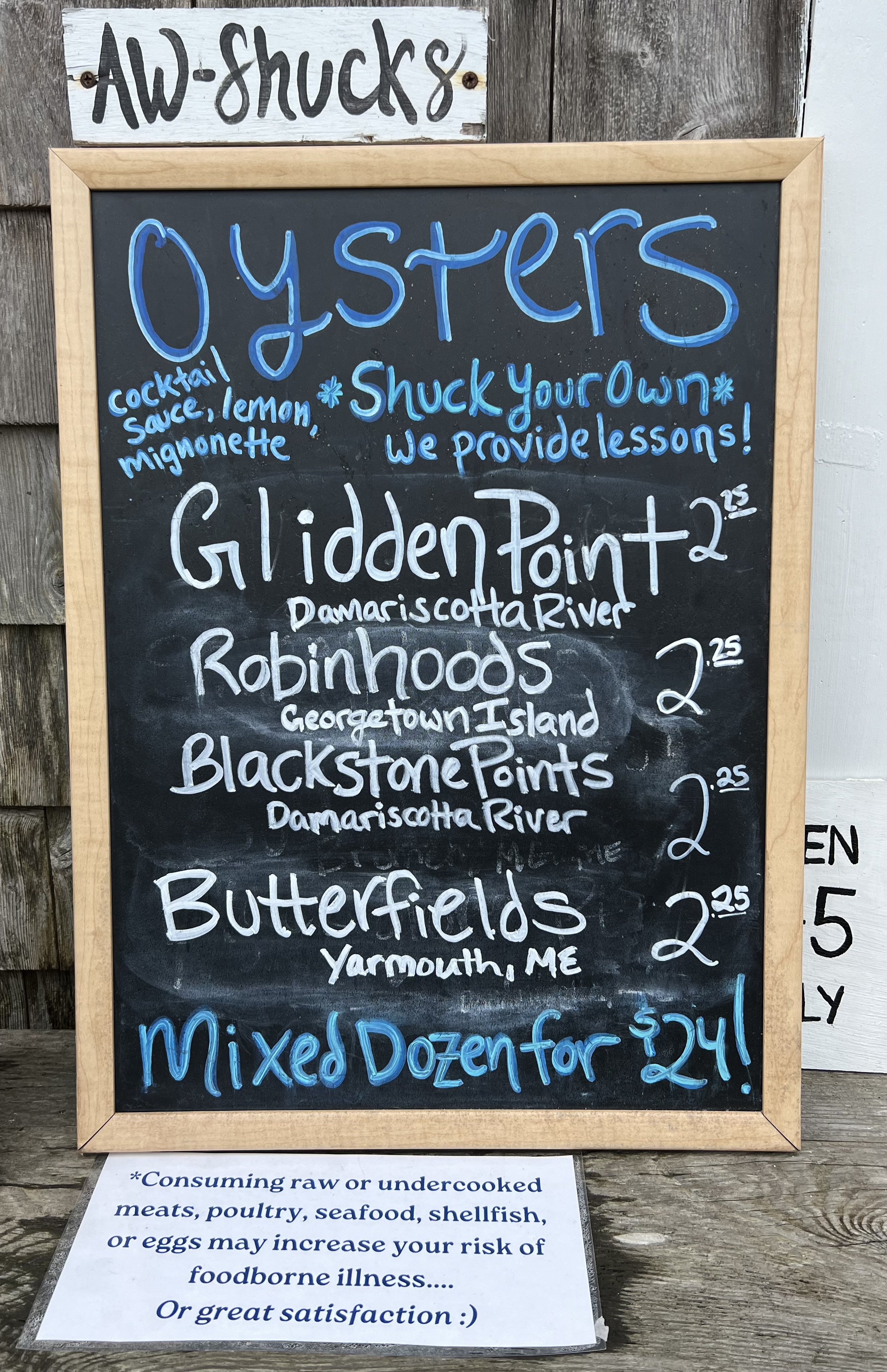
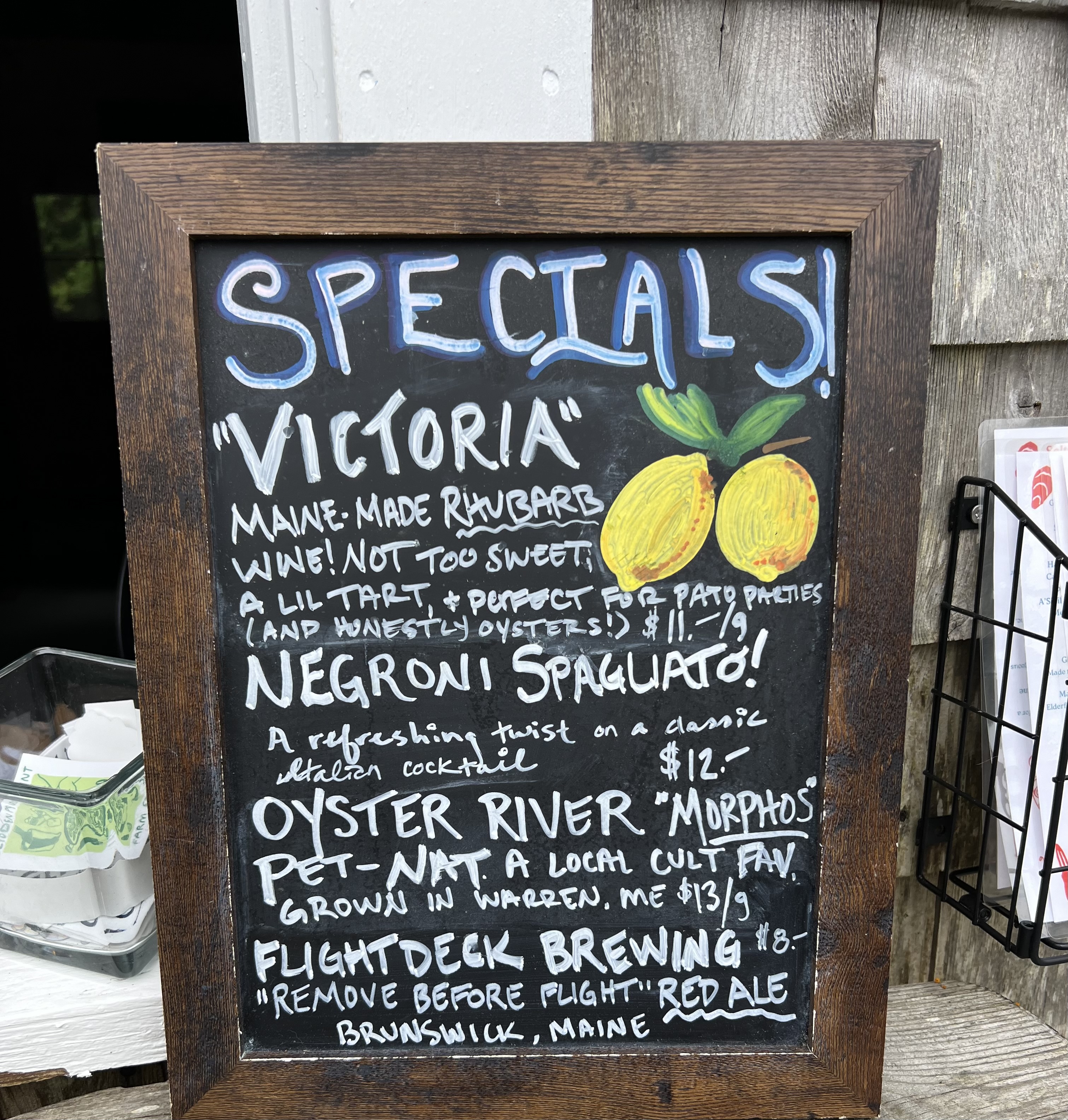
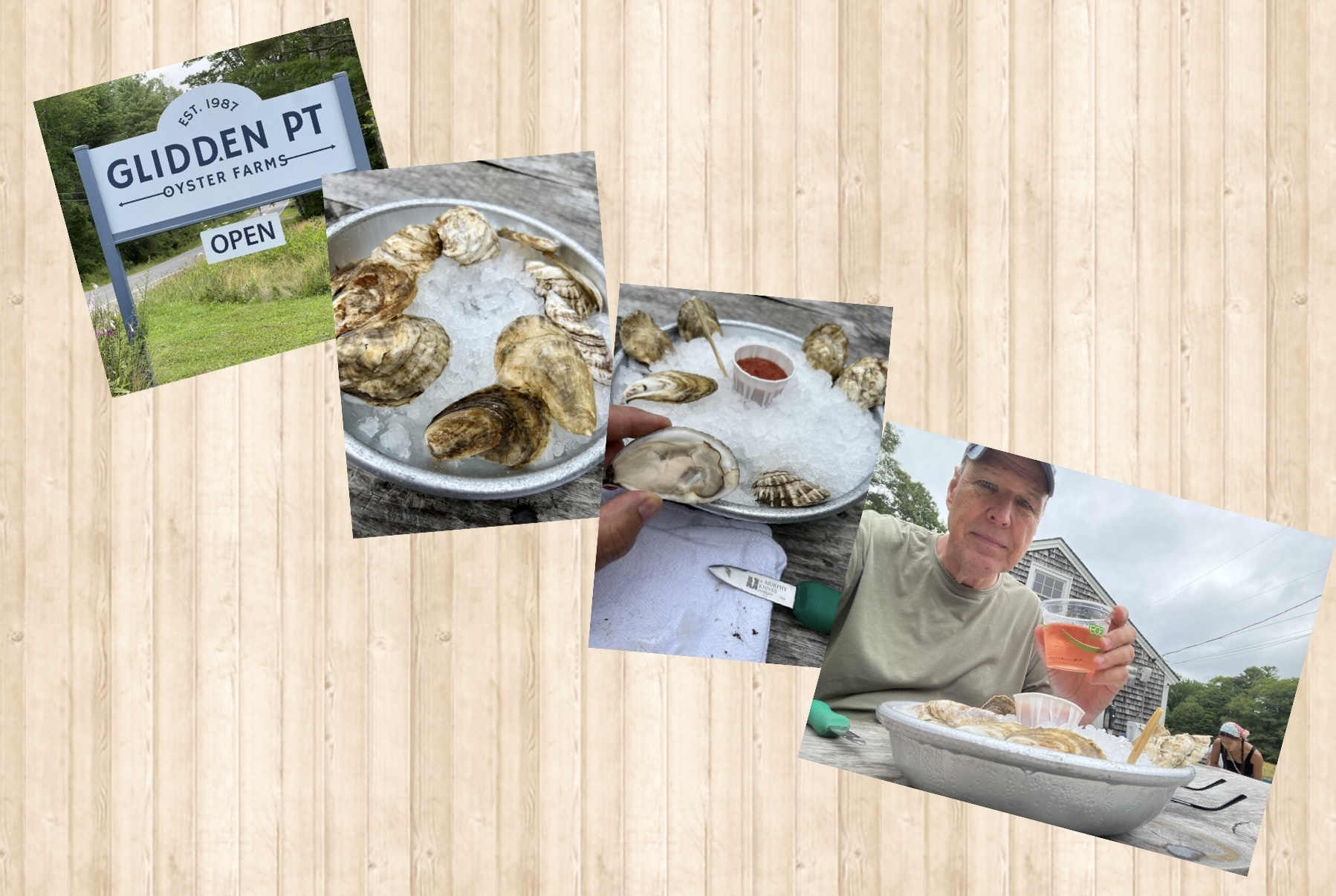
I dropped my daughter off at New Harbor, where she took the Hardy Boat, the ferry to Mohegan Island, and I headed back to Boothbay, stopping at Glidden Point Oyster Farm. I’ve passed this property before, but they’ve always been closed. This time, I got to shuck my own oysters and sip on some Maine-made rhubarb wine.
Some of my other favorite stops for food in Boothbay Harbor include Ports of Italy for, what else, Italian. The Red Cup Coffeehouse to get the day started with some caffeine and a bagel. Pier 1 Pizza and Pub for that nice slice. And the Downeast Ice Cream Factory for something sweet at the end of the day.
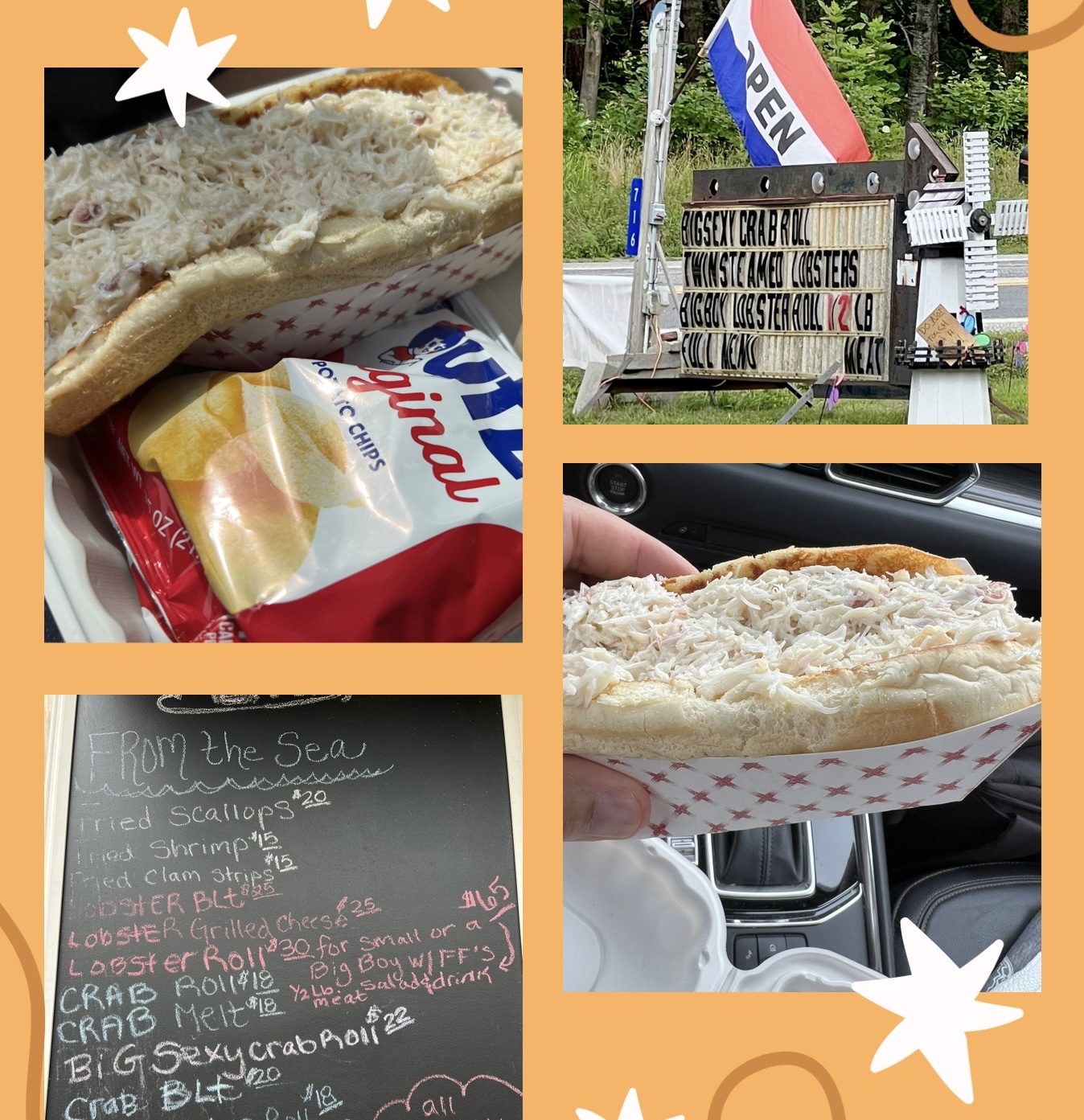
Somewhere in all these travels, on the outskirts of Boothbay, my attention was drawn by a sign at Karen‘sHideaway, which boasted a “big sexy crab roll.” Naturally, my curiosity was piqued, and what I got was a hefty serving of freshly caught Maine Jonah crab, tossed in mayo, and served on a toasted bun with strips bacon under the crab. Bacon instead of lettuce? That is damn sexy!
I headed North on Route 1 from Boothbay to Rockport, Maine, my next destination.
I had time for a bite for lunch, and no place in this area is better for lobster than McLoon’s Lobster Shack on Spruce Head Island.
I had discovered McLoon’s years ago, back before it seemed the rest of Maine had discovered it. Now, the place is jammin’, but the quality of their lobster rolls remains the same: excellent!
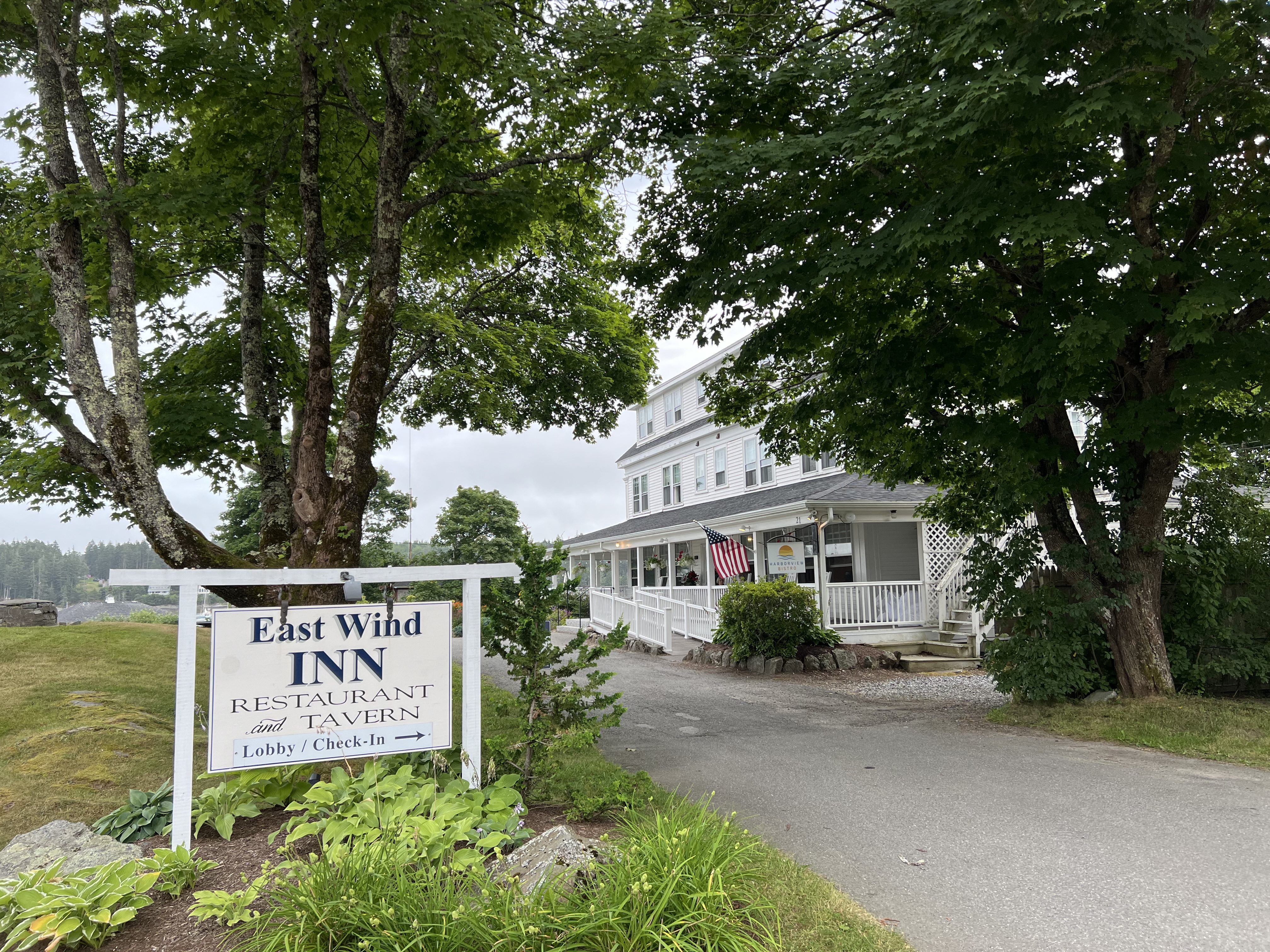
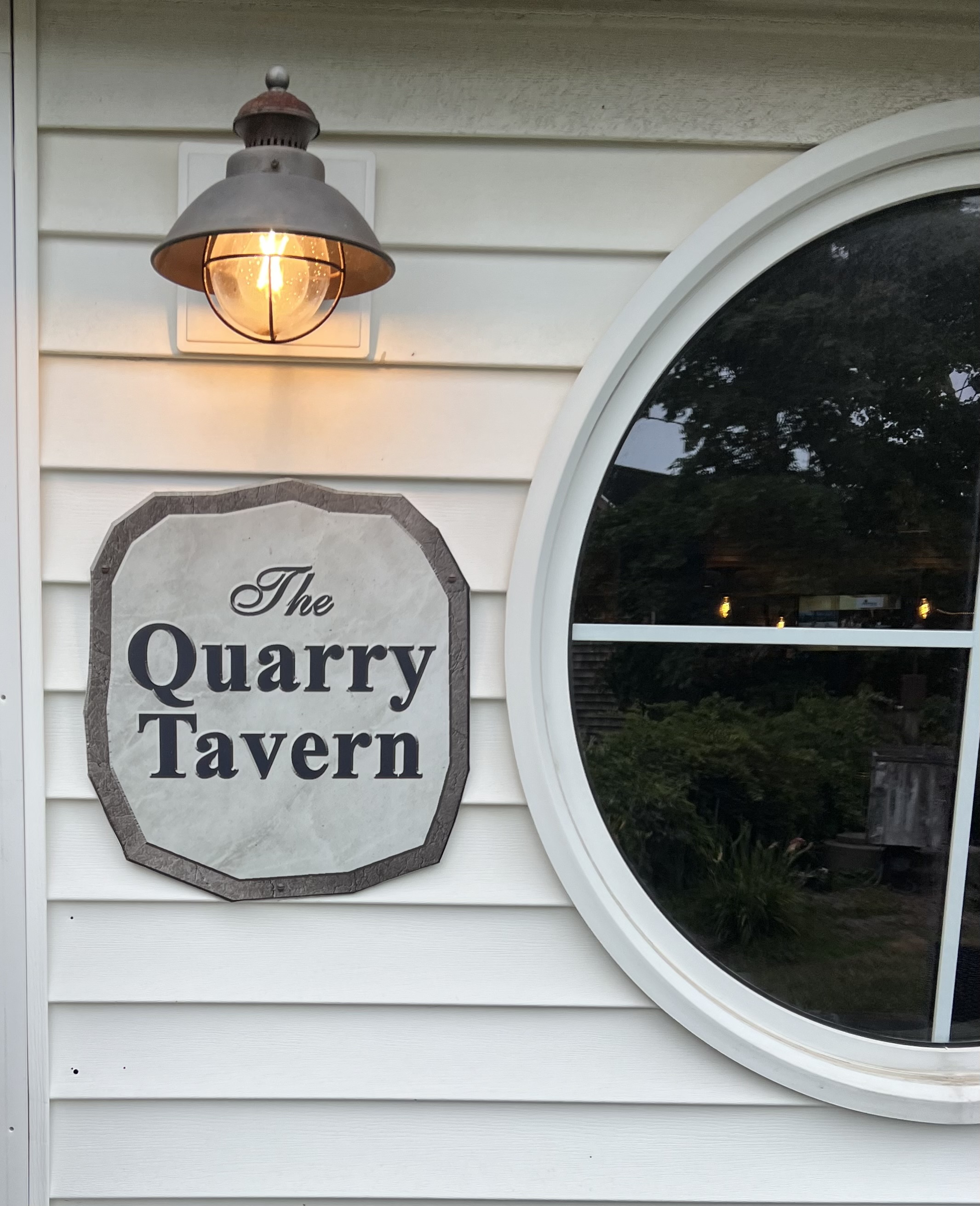
I had intended to go to Primo, a James Beard award-winning restaurant that is one of my all-time favorites. But my overnight accommodations at the East Wind Inn in Tenants Harbor was further away from the restaurant than I thought, somehow, and rather than drinking and driving, I decided to stay at the inn and sample some of their food and drink in their basement bar, known as the Quarry Tavern. I wasn’t disappointed.
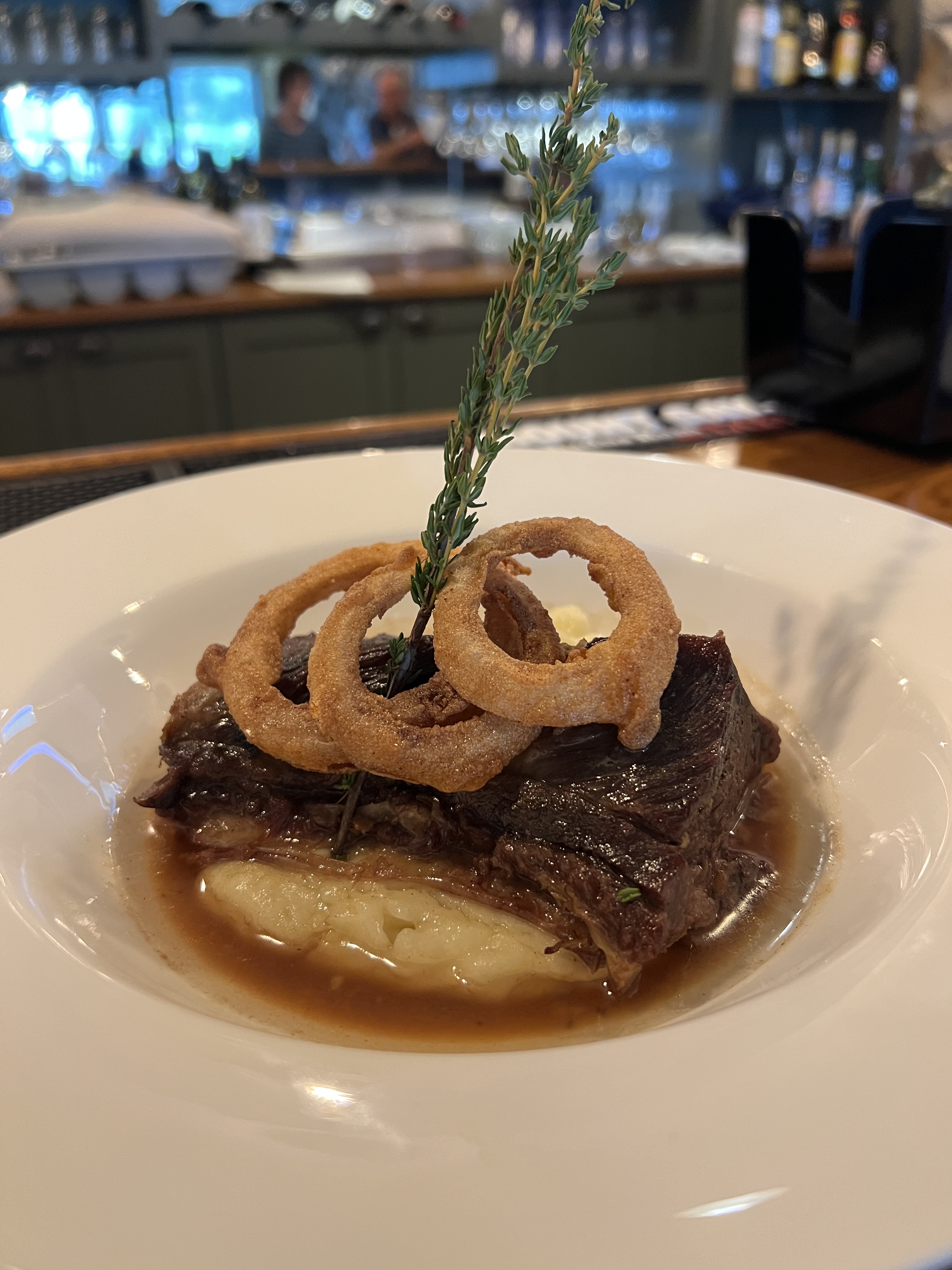
I sat at the bar, which only seats five people, and enjoyed a Caesar salad and a main course of beautifully prepared beef short ribs.
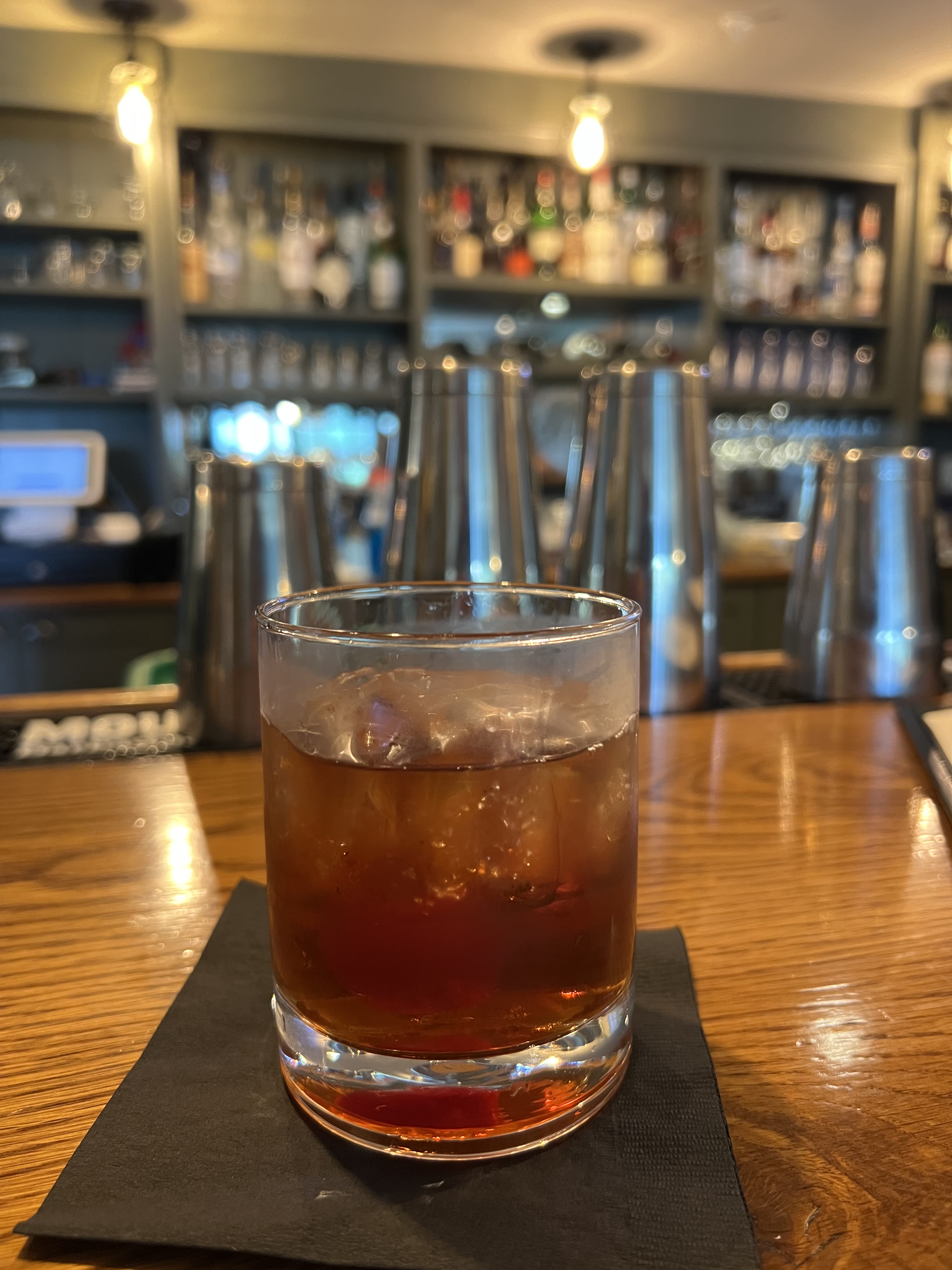
It was a nice break from all the seafood that I had gorged on for the last two days. (I also knew that I was going to be eating more seafood the following day, when I headed to Portland.) It was a good move on my part. I had a few cocktails, and all I needed to do was walk back to my room at the end of the night.
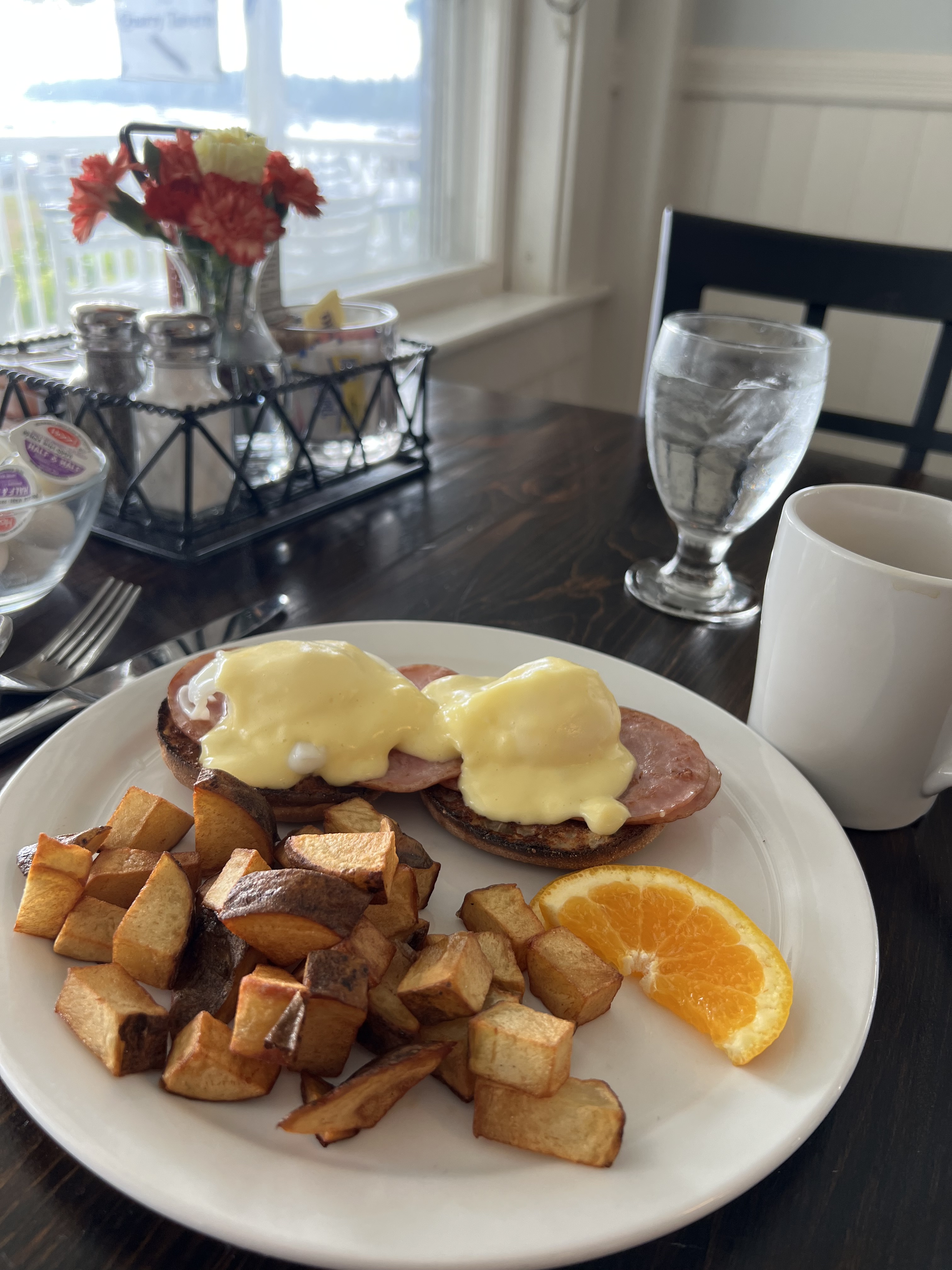
The next morning, I enjoyed a fabulous free Eggs Benny breakfast at the inn’s Harborview Bistro – – part of the deal when you get a room – – and then I hit the road, heading south toward Portland (and home), where another full day of feasting would begin.
I had a ridiculous harvest of shishito peppers in my garden this year, all from a mere eight plants. They were so prolific, I ate blistered shishitos almost every day for weeks on end…and that was after I gave away pounds of them to friends.
I was at my wits’ end. The season was waining, but I had bags and bags of shishitos in my fridge. Then on Instagram, my friend Ron exclaimed: “Pickle them!”
I had no idea you could do that!
Pickling shishitos…why didn’t I think of this sooner?
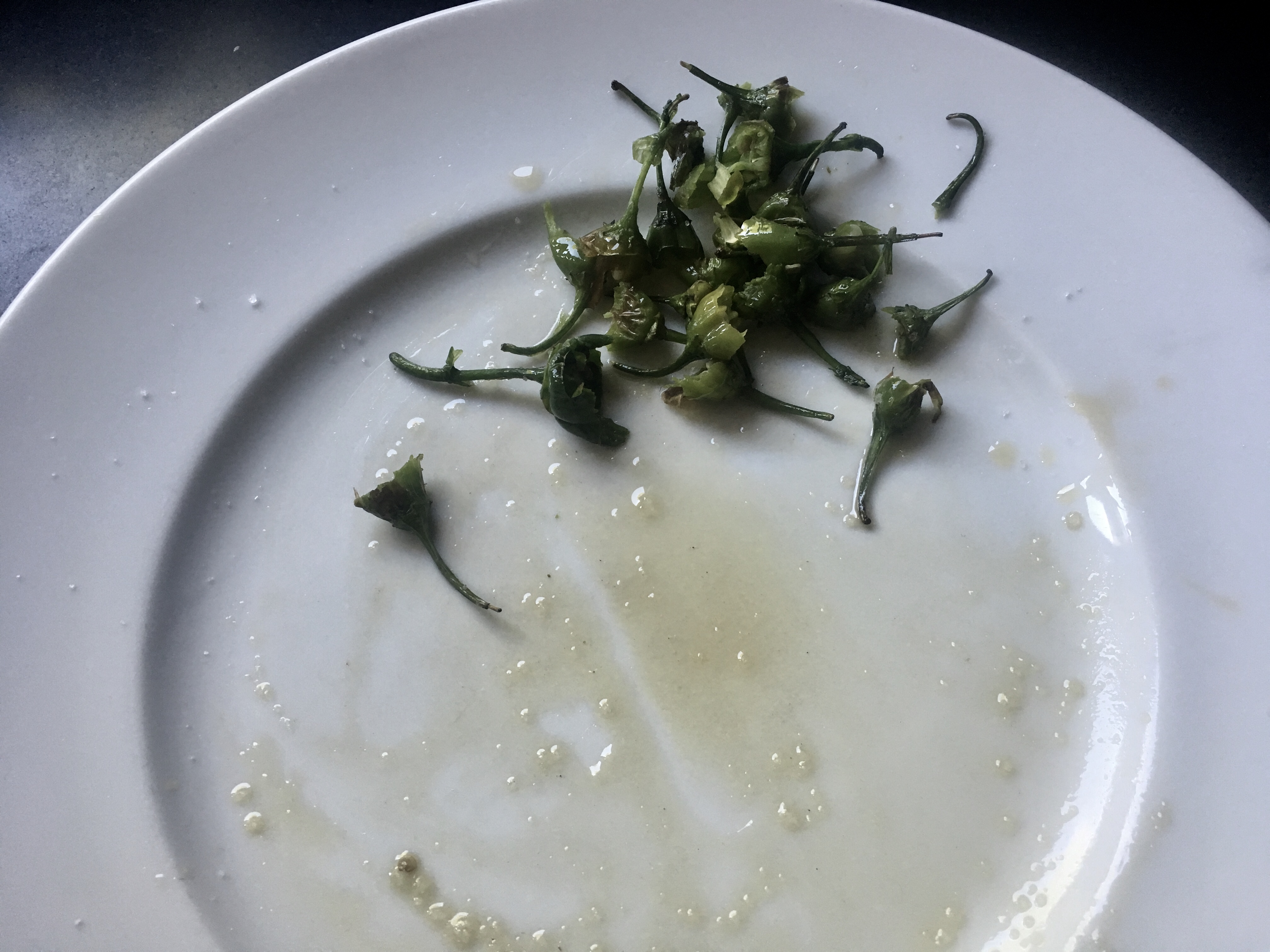
So, thanks, Ron. You saved the harvest! And by the way… While the pickling brine was boiling, I blistered and ate another batch of shishitos! (Needed to do something while I was waiting… )
Blistered shishitos gone!
The original recipe for pickled shishitos suggested that I boil the pickling spices and then combine them with sliced shishitos. But I didn’t like the idea of having whole peppercorns and other spices getting stuck in my teeth. I wanted their flavor, but I didn’t want to bite into them whole. (If you’ve ever accidentally bitten into a peppercorn, you know what I mean.)
So I strained the brining liquid after boiling, and then combined it with the shishitos. I got all the flavor, and none of the grit.
I cut the stem ends off the shishitos, then sliced them into rings.
2 cups vinegar
2 cups water
4 garlic cloves
2 tablespoons sugar (I use organic cane sugar)
2 tablespoons pickling spices
1 tablespoon black peppercorns
2 teaspoons sea salt
1 pound shishito peppers, sliced into rings
Boil a couple of Mason jars in a large pot to clean them. Let them air dry completely.
In a saucepan over high heat, combine the vinegar, water, garlic cloves, sugar, pickling spices, black peppercorns, and sea salt. Bring it to a boil, then lower the heat to medium and let to boil for 5 to 8 minutes.
The take pickling liquid off the heat and strain it into a bowl. Discard the spices. Add the sliced shishitos into the pickling liquid, mixing well, and let it sit for 3 to 5 minutes.
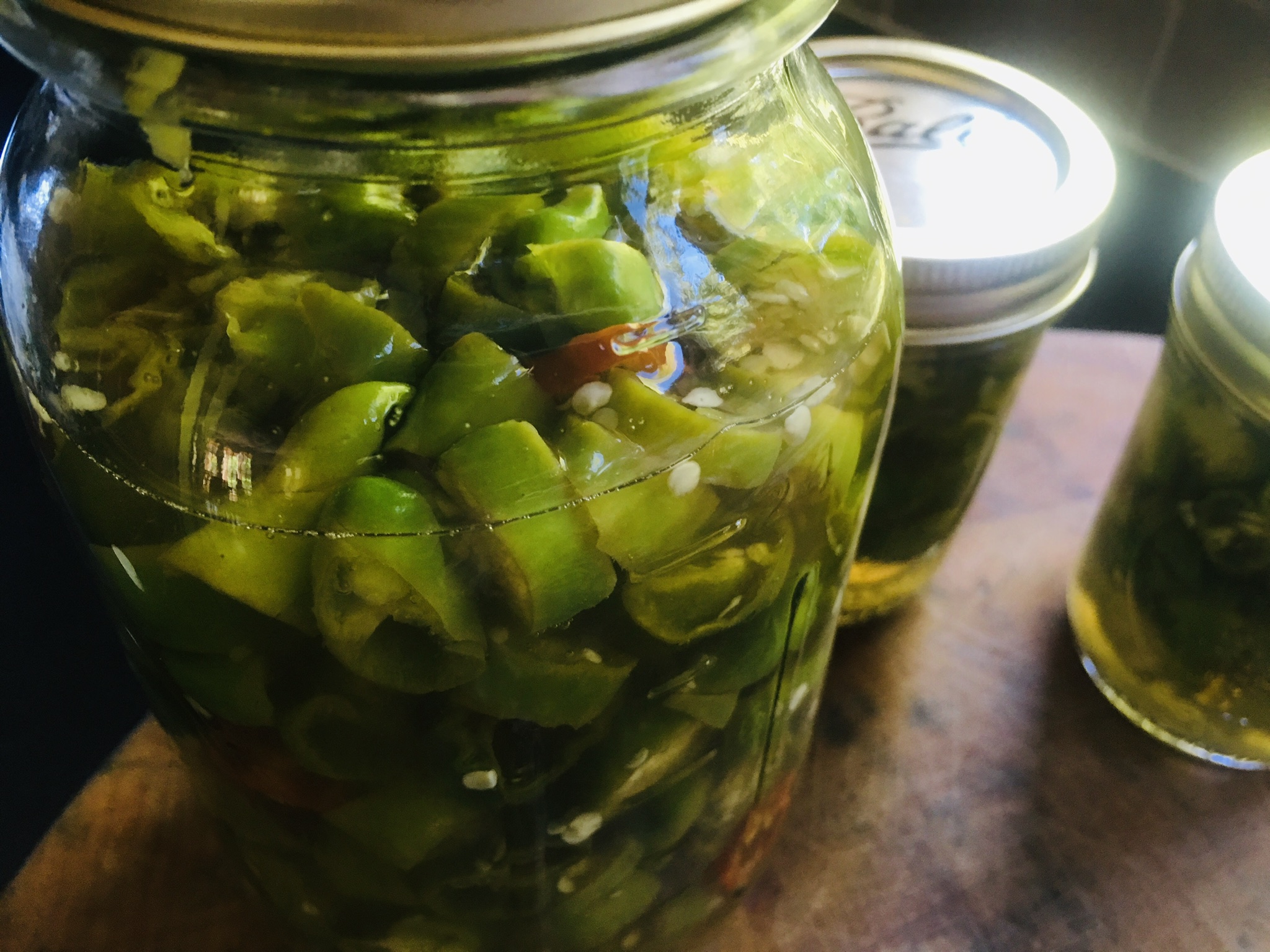
Spoon the mixture into the Mason jars and seal them tightly. Let them cool to room temperature. (You should hear the lids of the Mason jars make a popping noise to seal properly.)
Once the peppers have cooled, place the jars in the fridge and let them sit in the fridge for a week or so until the flavors combine.
The pickled shishitos are great on salads, sandwiches, cheese platters, and anything else that needs a kick in the pants!




























 Live the Live ™