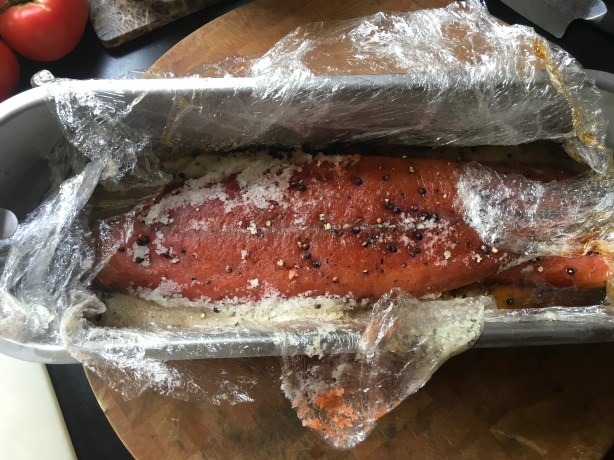
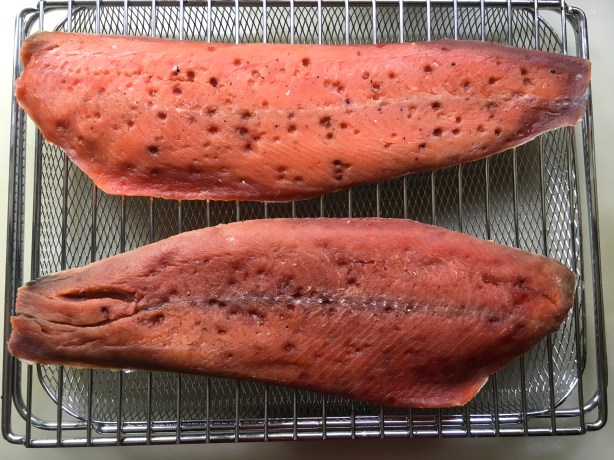
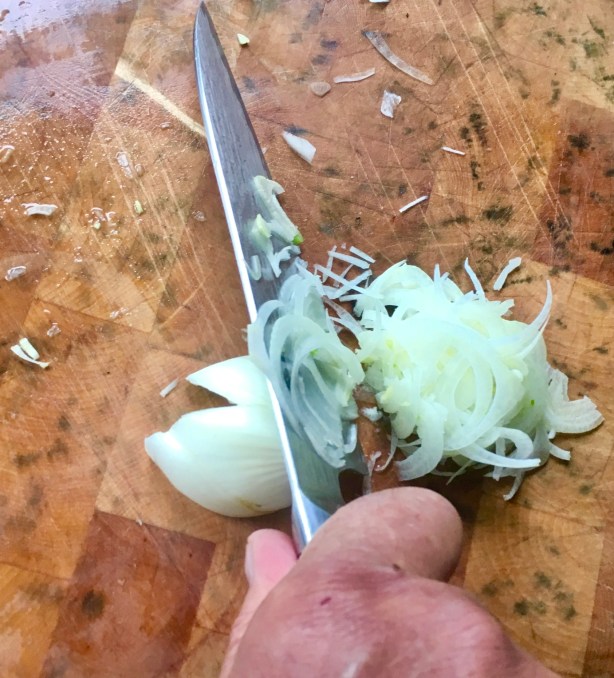
Over the years, I’ve learned to cure and smoke my own bacon, from heritage breeds like Berkshire. I’ll make my own pork sausage on occasion. But the desire to make a classic Italian dish, genuine spaghetti carbonara, required that I learn how to cure an unusual cut of pork I’ve never used before.
Archive for the ‘Uncategorized’ Category
GUANCIALE: A LOVE STORY
Posted: October 15, 2017 in carbonara, curing, guanciale, Italian, pork jowl, UncategorizedTags: curing, food, guanciale, ITALIAN, pork, PORK JOWL
2 lbs. raw pork jowls
1 1/2 cups Diamond Crystal Kosher Salt
A MUST VISIT: THE STATUE OF LIBERTY
Posted: October 1, 2017 in UncategorizedTags: Ellis Island, new york, Statue of Liberty, travel
Why is it that we rarely visit historic sites that are in our home town?
Though I grew up in New York, and I visit often, it’s been over 40 years since I made the trip to the Statue of Liberty. But now that I’ve got a 10-year-old daughter, I thought it was an important trip for us to make together. That, combined with a trip to Ellis Island, where my father and his siblings arrived in this country, is a must-visit for anyone who may have forgotten in these politically heated days that we were once a nation that welcomed all those in need of sanctuary, including, perhaps, our own parents and grandparents.
If you’re going to go to the Statue of Liberty–and you should–here are some tips to make that trip as easy as possible…
Despite all the websites you see, there is only one sanctioned service that takes you to the Statue of Liberty, and it requires that you buy your tickets several months ahead of time. The website is: http://www.statueoflibertytickets.com.
You’ve got several choices for tickets: a reserved ferry ticket, a reserved ferry ticket with pedestal access, and a reserved ferry ticket with crown access (seasonal.) I signed my daughter and myself up for the crown access tickets. (Climbing up to the torch has been closed off for many years now.) The climb to the crown requires that you take the elevator to the pedestal where you go up one flight of stairs. From there, you show them your special wristband, and they allow you access to a winding staircase that leads you up to the crown. The steps are very narrow–about 19″ wide–with about 6’2″ of headroom. Though it’s a sturdy staircase, you’re bound to get a little dizzy if you look over the edge as you slowly ascend to the crown. There are a couple of points on the way up where you can step out to take a breather, but once you’re going up, there is no way to change your mind and go back down. It’s one way!

When you reach the crown, you’re greeted by two park rangers who will give you a lot of information or just simply take your picture. Linger for a bit, soak in the view, but don’t stay too long, because there’s a line of people behind you waiting their turn. The stairs seem to be even narrower on the way down, posing as much, if not more of, a challenge.
Temperatures in the crown can be 20 degrees hotter than outdoor temps, and we visited on a 90-degree day, so we certainly worked up a sweat.
Back packs and other cumbersome items are not allowed on the steps up to the crown (but a bottle of water is allowed), so lockers are offered for a few bucks for you to store your belongings for the ascent.
Some tips if you plan on visiting the Statue of Liberty…
Ferries leave from Battery Park in Manhattan, though you can also leave from New Jersey. See the website for details.
You will be screened twice, airport TSA-style. The first screening takes place before you step onto the ferry from Battery Park. Just like at the airport, you’ll need to remove belts, and place all metallic objects in a plastic container that rolls through an x-ray machine. The second time, you get screened before you’re allowed into the pedestal area of the statue.
Tickets are non-refundable. Crown tickets require that you show up at the ticket booth with ID, so give yourself extra time for that. Otherwise, you can just print your tickets online.
Get the earliest ferry you can. The crowds get bigger and crazier as the day goes on, and you’ll be standing in long lines if you get to Liberty Island in the afternoon. It’s especially important to get there early if you’re planning on climbing to the crown. Standing on that winding staircase jammed with hundreds of people above/in front of you is not where you want to be!
Don’t be late but don’t be too early for your ferry, either. We had a 10AM ferry, but got there at 8:40. They wouldn’t let us in line until 9:20.
Although access to Liberty Island is year-round, crown access tickets are seasonal. They shut down during some winter months. So plan ahead.
Snack bars and gift shops are located on the ferries, Liberty Island, and Ellis Island.
Ferries run from Battery Park, to Liberty Island, then to Ellis Island, then back to Battery Park about every 20–30 minutes.
WHAT WAS IN THAT GREEN BOTTLE?
Posted: September 14, 2017 in Capri, Food, travel, UncategorizedTags: Italy, olive oil, travel
HOW TO THROW A PARTY
Posted: August 25, 2017 in Food, Rhode Island, UncategorizedTags: catering, food, party, Rhode Island
We recently invited our closest friends, neighbors and family members to our home to celebrate life after my wife’s last year of health issues. (We are grateful the prognosis is good!) We called it our FLY party (F*ck Last Year!) and it was a huge success.
We went all-out this time, taking our “usual” 100-person summer party to the next level, renting a large tent and tables…hiring a staff to serve food and drinks and clear the tables and park cars…hiring a bartender…enlisting the culinary services of Rocket Fine Street Food of Providence and bringing in the best shucking oysters in Rhode Island with 401 Catering and Events.
Unlike past years, where I would spend all day cooking a few appetizers and ran around cleaning the yard all night–barely chatting with the very friends I’ve invited–this time, we coughed up the extra cash to hire people to do the work, allowing us to actually be part of the party!
What a fun night! Great food and drink…great friends.
If you’re in Providence, look for the Rocket truck! Go to their website (www.rocketstreetfood.com) and check out where they’ll be on their calendar. It’s worth the effort.
If you’ve got a big event, and are looking for the best Rhode Island oysters, go with the guys that supply the best east coast restaurants with the best the Ocean State has to offer. No gig is too big! Max, Brian and their staff are professional and truly some of the nicest guys you’ll ever meet. and they’re passionate about the quality of their oysters! Start here: www.401catering.com.
REFRESHING CUCUMBER COCKTAIL
Posted: August 11, 2017 in Cocktails, Cucumbers, drink recipes, Drinks, Food, garden, mixology, Recipes, UncategorizedTags: cocktails, cucumber, food, recipes
Just because you’ve got a garden full of fresh veggies, it doesn’t mean you have to gorge on nothing but salads! Sometimes, a refreshing cocktail is just what you need after a long day of yard work. This one fits the bill!
4 fresh cucumbers, peeled and seeded
Small ice cubes
1 cup loosely packed fresh mint leaves
2 teaspoons granulated organic cane sugar
3 tablespoons fresh lime juice
1/2 cup vodka (I like Tito’s)
1 oz. orange liqueur (I like Cointreau)
Peel and seed the cucumbers. Coarsely chop them and then purée in a food processor until smooth. Strain through a fine sieve, pressing the solids to extract as much liquid as possible. Or, if you have one, use a juicer. Set the cucumber juice aside.
To a large glass pitcher, add the mint leaves, sugar and lime juice. Muddle the ingredients so that the mint leaves release their oils. Add 3/4 cup (at least) of the cucumber juice. Add the vodka and Cointreau. Muddle again briefly.
Fill tall drinking glasses with ice cubes. Strain the cocktail into glasses. Garnish with a cucumber spear or mint.
PORK RIBS WITH BLACKBERRY BARBECUE SAUCE
Posted: August 3, 2017 in UncategorizedTags: BBQ, blackberry, food, pork, recipes, ribs, sauce
I’ve seen a lot of recipes lately that feature barbecue sauces made with berries. I’m a fan of a sweeter barbecue sauce, so this was right up my alley! The first time I made it, I didn’t have any chicken or beef stock on hand, so I used veal bone broth, which was pretty intense. The flavor of the sauce was delicious, but a lighter stock allows the flavor of the berry flavor to come through better.
12 oz. jar of blackberry preserves
1 cup chicken or beef stock
1/2 cup ketchup
1/4 cup turbinado sugar
juice of 1/2 large lemon (or 1 small lemon)
2 tablespoons apple cider vinegar
Cooking ribs is a low and slow process, so start by cooking the ribs in a smoker at 250 degrees for about 4 hours. I like to use hickory wood when smoking pork. If you don’t have a smoker handy, you can simply place the ribs on a sheet pan in a 250-degree oven and bake for 4 hours.
While the ribs are cooking, combine all the ingredients in a sauce pan. Heat to a boil, then reduce it to a simmer and cook it for about 20 minutes, until slightly thickened.
After the ribs cook for 4 hours, baste them on both sides with the sauce, and wrap them in aluminum foil. Bake them in the foil–still at 250–for another hour.
LOTS OF COCOA IN THIS GLUTEN-FREE BROWNIE
Posted: July 28, 2017 in Food, Recipes, UncategorizedTags: brownies, cake, chocolate, desserts, food, GF, gluten-free, recipes
Generally speaking, I’m not a fan of many gluten-free desserts or snacks. They claim to be healthy by avoiding wheat, but then compensate for the lack of flavor and texture by overloading with bad fats, salt and sugar. This brownie/cake combo is the exception. It’s full of great flavor, which make me happy, and is gluten-free thanks to ground hazelnuts, which makes my wife (on a GF diet) happy.
When buying hazelnuts, the most important thing to remember is that the nuts are raw and of the best quality you can find. No surprise: Amazon is a great source for that.
9 oz. ground hazelnuts
5 1/2 oz. (2/3 cup) sugar
4 oz. (1 stick) unsalted butter
4 eggs
1 oz. cocoa powder
1 tablespoon baking powder
Pour the hazelnuts into a food processor and grind them as fine as you can. It won’t be powdery, like flour, but like tiny particles. Dump them into a separate bowl.
Back in the food processor bowl, add the sugar and butter and pulse until combined. Crack the eggs in a separate bowl, and add them slowly to the sugar and butter, pulsing to mix in between each addition.
Pour the ground hazelnuts into the mixture a little at a time, pulsing after each addition. Add the cocoa powder and baking powder, straining them through a sieve to keep out lumps, and pulse again. Scrape down the sides of the bowl and give it all one last mix.
Pour the batter into a buttered pan and cook at 350 for 30 minutes. Use a deeper pan so that the brownies don’t overflow as they rise while baking.
THE PLEASURE–AND PAIN–OF HORSERADISH
Posted: June 18, 2017 in Food, garden, horseradish, Recipes, UncategorizedTags: food, garden, horseradish, recipes
It’s Father’s Day. Here’s a story about my Mom’s dad, my grandfather. Born in Lithuania, he came here during WWII. He was a short man, barely 5’5″ tall, but he was the strongest man I ever knew. As a kid, I watched him crush walnuts, and even hazelnuts, in his bare hands. He would go out into the water at Rockaway Beach, and the waves would hit him head-on, but never knock him down. He had little or no formal education, but he could fix or build anything, from concrete driveways to dog houses. And no matter what chore he took on, he wore a white shirt and tie with a vest while he did it. He never became a US citizen because he had a hard time with the English language, but he maintained his legal alien status, and spoke enough to work in the kitchens of several high-end restaurants in Queens, NY.

My grandfather, Vaclovas Lukosevicius. A helluva name and a helluva guy. Now I know where I got my receding hairline!
I smoked my first cigarette with him when I was 12, and we had a good talk about it after my face returned to a lighter shade of blue-green. We would walk to his favorite bar on Jamaica Avenue in Richmond Hill, the Triangle Hofbrau (it’s still there) and they let me sit at the bar, snacking on pretzels with a 7-Up while he enjoyed a beer. My Mom was an only child, so I was the only grandson, and nobody made me feel more special than he did.
One of my grandfather’s passions was horseradish…homegrown, homemade horseradish.
It’s been almost 50 years since I watched my grandfather dig the long, dirty, gnarled horseradish roots out of his garden with a sharp spade, lunging at the ground with all of his strength to cut through the thick fibers of the plant.
After harvesting a large piece, he would wash the dirt from it and then peel it, leaving behind a beautifully smooth white root.
He had a large bowl set under a grater, and he would hand grate the horseradish root with incredible speed. But no matter how fast he went, the potent vapors released by the root would make their way to his eyes, and he was forced to stop several times to wipe the tears away with his old handkerchief and regain his composure before returning to grate the root again.
Onions were child’s play compared to horseradish, and I understood why he did all the preparation just outside of the kitchen door of his Queens, NY home.
Once grated, he would add some water, vinegar, and salt, and his prepared horseradish was complete. He’d store it in tightly sealed glass jars in the fridge, and when it was time to sample the goods, he would carefully open a jar, poke his knife in, and spread the prepared horseradish over beef, beets, twice-smoked bacon, or anything else he desired.
I’d watch his face slowly turn red, small beads of perspiration developing on his forehead, and he’d turn and smile at me and tell me in Lithuanian: “Labai skanu!” (Very tasty!)
At the age of 10, I couldn’t figure out what he saw in horseradish, but it didn’t take long before I was hooked myself, as it was a staple at every family dinner table.
Opting for the stuff that came in a jar in the supermarket, I never made my own prepared horseradish until almost 50 years later.
I’ve had a huge horseradish plant growing in my garden for years, and I just never got around to doing anything with it. But the other night, as I was preparing my cocktail sauce recipe and I realized that I was out of prepared horseradish, it became clear that the time of reckoning had arrived. It was time, in the finest tradition of my grandfather, to make my own prepared horseradish.
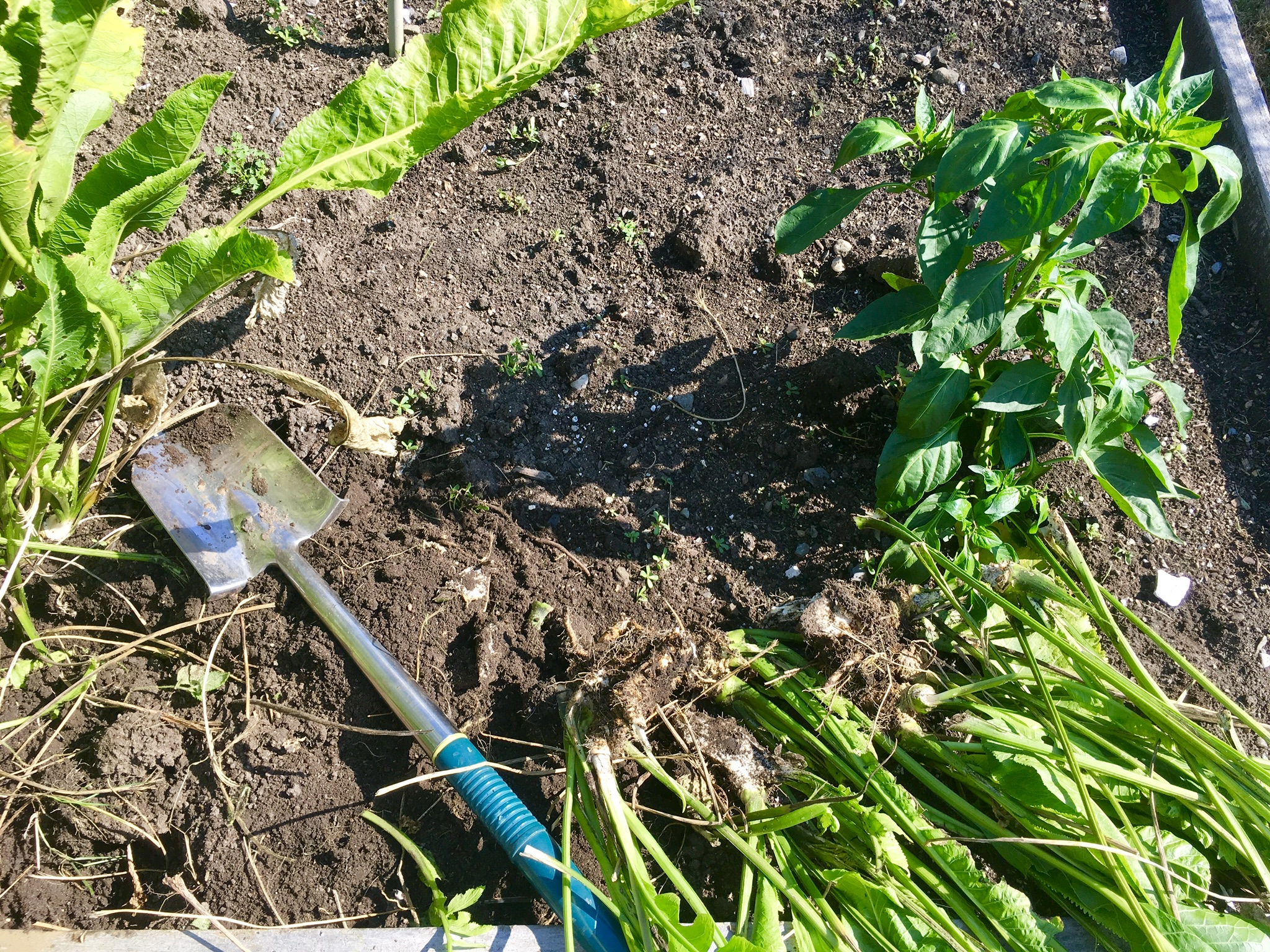
I went out to the yard with a sharp shovel and lunged at the horseradish plant, splitting a few roots off of the main crown. I pulled them out of the ground, detached the long leaves, and headed back to the kitchen.
Today’s kitchen technology gave me a distinct advantage over my grandfather, and after washing and peeling the root, I chopped it into smaller pieces and tossed them into a food processor. No hand grating necessary!
The processor pulverized the root in no time, and I added water, vinegar and salt as my grandfather did, being very careful not to stick my face too close to the opening of the processor where the vapors were their most powerful.
A small taste on my tongue just about had my eyeballs shoot out of my head, and I muttered silently to myself: “Labai skanu!”
My grandfather would be proud.
Horseradish is a member of the Brassicaceae family, which includes mustard, cabbage, wasabi, and broccoli. The horseradish root itself hardly has any aroma. But when you crush it, enzymes from the broken plant cells produce mustard oil, which irritates the mucous membranes of the sinuses and eyes. To keep the horseradish from losing its pungency and freshness, vinegar must be added immediately.
Prepared Horseradish
6 oz. fresh horseradish root, peeled
6 tablespoons water
3 tablespoons white vinegar
3 pinches of salt
Chop the horseradish root into small pieces and add water, vinegar and salt. Process until proper consistency is reached.
Careful! Use proper ventilation or the vapors will blow your eyeballs and sinuses out!
GRAVLAX: MY FAVORITE WAY TO SERVE SALMON
Posted: June 10, 2017 in brining, curing, Food, Recipes, salt, seafood, UncategorizedTags: food, Gravlax, recipes, salmon, seafood
I love salmon in all forms but cooked. To me, cooking changes the true flavor of this fantastic fish, so I enjoy it raw (as in sashimi), smoked, and cured.
The best smoked salmon uses the gentle process of cold smoking. It’s something that the average homeowner can’t really do successfully, so I simply buy cold-smoked salmon when I crave it. I’ve made hot-smoked salmon at home with some success, but the fish is so delicate, you really have to keep an eye on it. It takes no time for a juicy, perfectly smoked piece of salmon to turn into a dry, overcooked hockey puck.
Curing, which is how you get Gravlax, is really quite simple. You just need to have enough patience to wait a few days before you can eat it.
There are many gravlax recipes out there. Some use peppercorns, fennel, caraway, even Aquavit in the curing process. My opinion is: if you’ve got a beautiful piece of fish, why mask the flavor of it? I go with the simplest recipe possible, featuring just 3 ingredients that cure the salmon: salt, sugar and fresh dill, and I lean toward the salty versus sweet side.
The first step, of course, is to get the right piece of salmon. What you want is that beautiful, vibrant, almost-orange wild-caught Alaskan or Pacific salmon that costs more than you thought you were going to spend. Wild-caught means the salmon has eaten the foods it loves, a balanced diet consisting of bugs, fish, shrimp, and small invertebrates. A natural diet gives the meat of the fish that beautiful color and incredible flavor. What the salmon eats is very important because you are eating the salmon. Wild-caught salmon is high in Omega-3’s…the good fats.
I avoid Atlantic salmon at all costs. Unfortunately, most restaurants on the east coast serve Atlantic salmon because it’s less expensive. There’s a reason for that. Atlantic salmon is farmed in the USA, Canada and Europe, which means the fish are kept in crowded underwater pens and are fed food pellets that contain a number of nutrients and additives. Often, farmed fish are treated to prevent sea lice, and are given antibiotics to prevent diseases caused by their tight living quarters. When you buy Atlantic salmon in the fish store, you can spot it a mile away, because it’s pale with a tinge of gray, and its flavor is bland and lifeless. Farmed salmon is much lower in Omega-3’s.
If it doesn’t say wild-caught Alaskan or Pacific salmon, it isn’t! Previously frozen vs. fresh fish matters less than where it came from and how it was raised.
2 lbs. wild-caught salmon, skin on, pin bones removed
2/3 cup (100g) Kosher salt (I use Diamond Crystal)
1/3 cup (80g) sugar (I use natural beet sugar)
1 large bunch fresh dill, washed
If your fish monger hasn’t removed the pin bones from your salmon filet, you’ll need to get a pair of long-nose pliers and remove them. It’s not the worst thing in the world to leave them in there, but you really don’t want to be spitting bones out later.
The reason I mention that I use Diamond Crystal Kosher salt is because all Kosher salt does not weigh the same. Morton Kosher salt, for example, is much heavier by volume, so it weighs more even though you’re using the same cup measurement. In the case of Diamond Crystal, 2/3 cup weighs 100g. Same rules apply to the sugar. This is really important point to keep in mind when you’re curing anything, fish or meat.
Get a non-reactive tray long enough to hold the salmon filet. I prefer glass.
Mix the salt and the sugar together, and sprinkle half of it evenly on the bottom of the glass tray. Lay the piece of salmon down on the cure, skin side down, and cover the top of the salmon with the rest of the cure evenly.
Lay the sprigs of dill on top of the cure, covering the entire piece of fish.
Cover everything with several layers of plastic wrap, pushing it down and tucking it into the corners for a tight fit.
Find a flat board or something similar (I used a clear plastic tray) and lay it on top of the plastic wrap.
Add heavy weights on top to press down evenly on all surfaces. I used cans of tomatoes.
Place the tray in the fridge for 48-72 hours.
After 24 hours, remove the plastic wrap and, tilting the tray, baste the dill-covered salmon with the brine juices that have formed. Put clean plastic wrap on top, add the weights, and put it all back in the fridge for another 24 hours. Repeat that process at the 48-hour mark, if needed.
You’ll know the fish is fully cured when the thickest part of the filet is firm to the touch.
Unwrap the salmon, discarding the salt and sugar brine and the dill. Rinse the filet under cold running water and pat dry with paper towels.
I don’t like a ton of chopped dill imbedded into my gravlax as some do, but if you do, simply chop a bunch of dill, spread it out onto a board, and press the salmon into it flesh-side down.
To serve, place the gravlax skin-side down on a board. With a long, sharp narrow-bladed knife, slice the fish against the grain, on the diagonal, into thin pieces. Serve with mustard-dill sauce, chopped onion, capers, hard-boiled egg, bread, whatever you like.
Refrigerate any remaining gravlax immediately, wrapped in plastic wrap, for up to 2 weeks.
(My fresh dill bunch came with the roots intact, so I cut them off and placed them into the soil in my herb garden. New dill will sprout up quickly!)