Posts Tagged ‘beef’
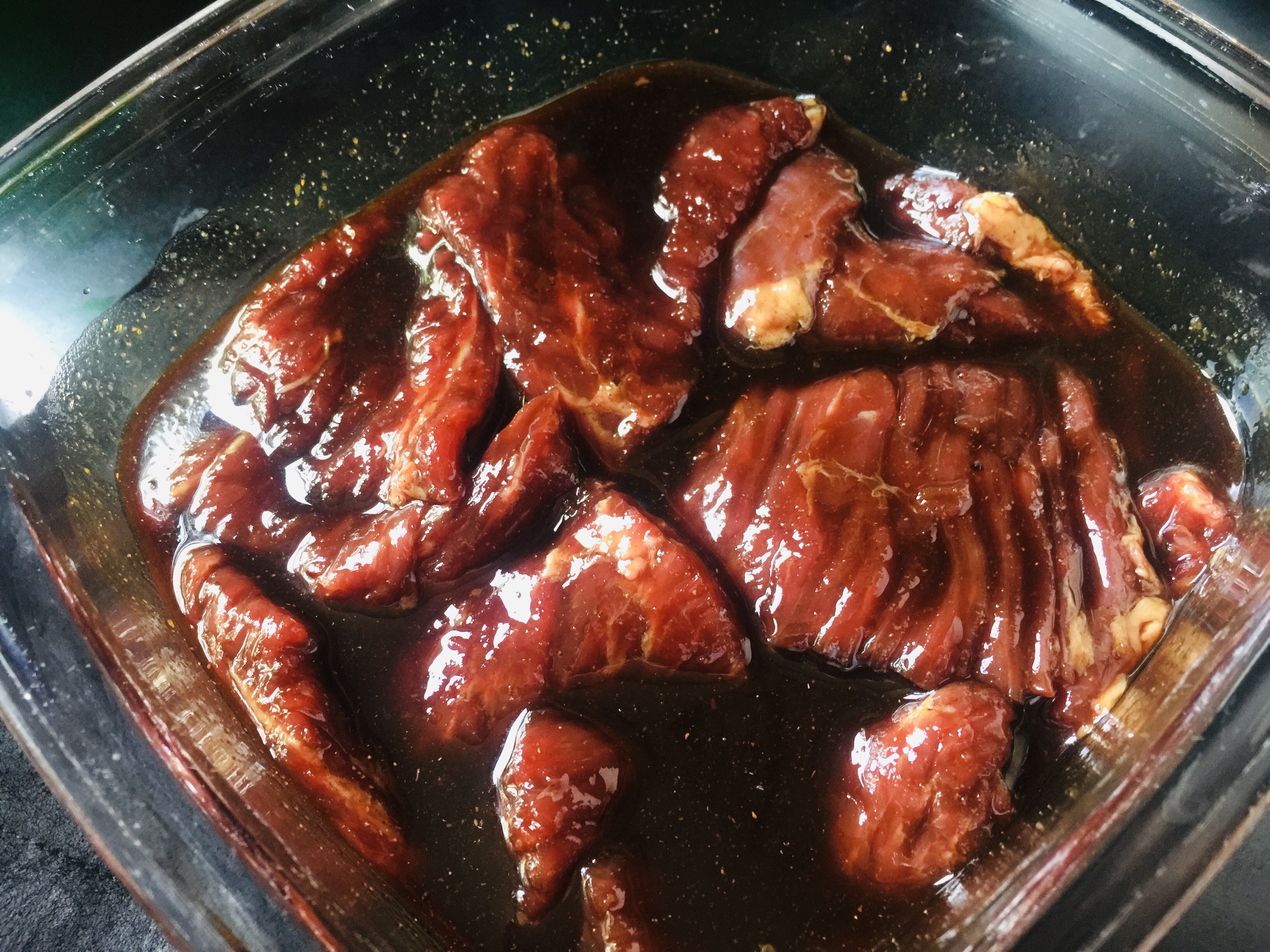
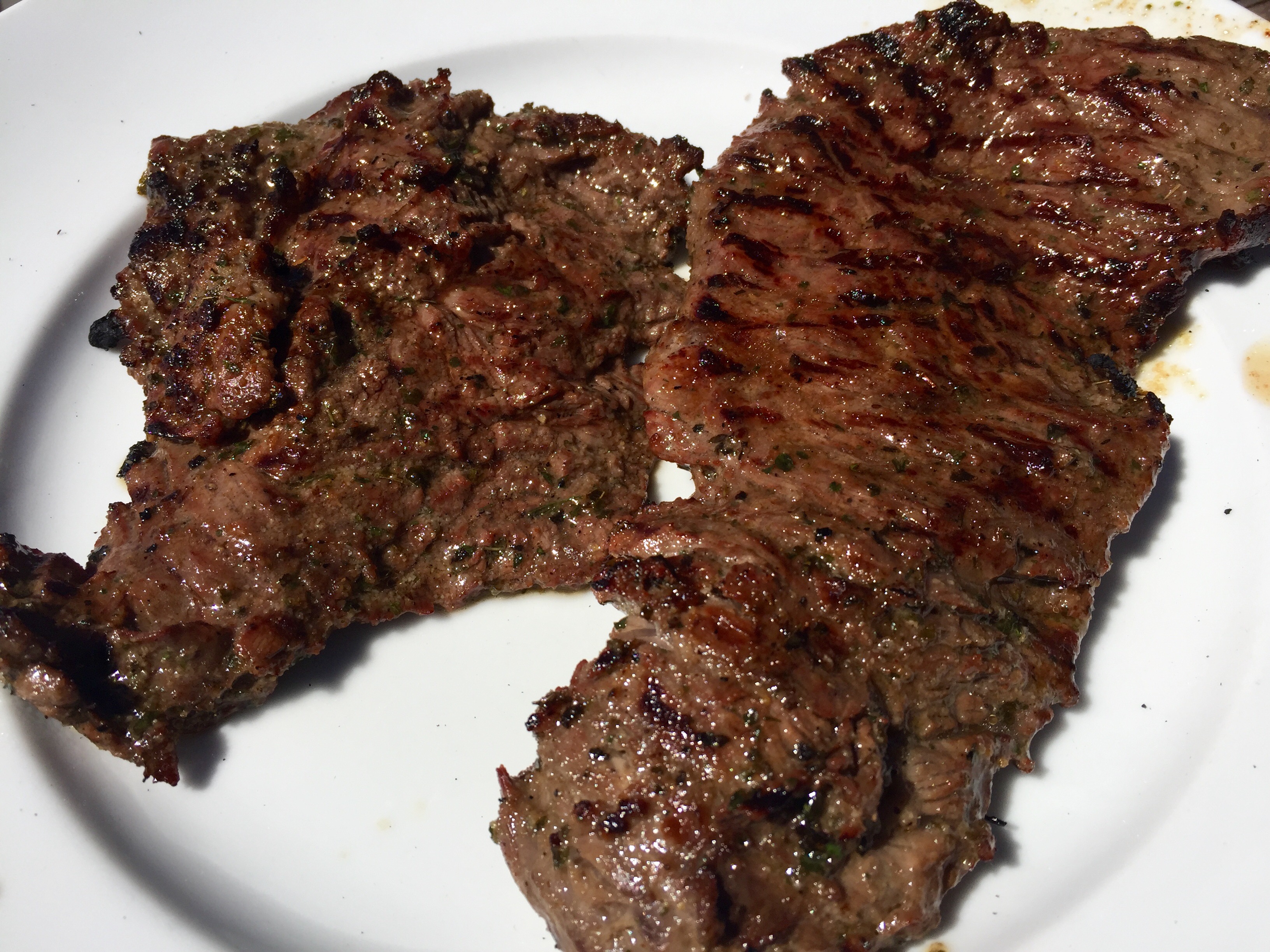
HOME MADE BEEF JERKY IS THE BEST
Posted: August 4, 2019 in beef, Carnivore!, Food, jerky, marinade, RecipesTags: beef, food, GF, gluten-free, jerky, marinade, recipes
1 tablespoon salt
THE PERFECT PRIME RIB ROAST
Posted: June 9, 2019 in beef, Carnivore!, Food, RecipesTags: beef, carnivore, food, prime rib, recipes, roast
Buying a 10 to 12-pound roast is not an inexpensive proposition, so you want to be as sure as possible that it’s going to come out right. With a family reunion looming, I got to work, researching recipes online and watching every You Tube video I could find. Every chef and home cook had their own ideas of spices and rubs, but the basic methodology was the same: start the roast at very high heat to form a delicious crust on the meat, then bring the oven temperature down and cook it more slowly to bring the roast to a perfect medium rare.
A big roast is going to cost you around 100 bucks, so the first step is simple: don’t skimp by buying a cheap cut of meat. You will absolutely regret it. Get the best meat you can afford. The reward you’ll get when you slice it in front of the family, with all those “oohs and ahhhs” will totally be worth it!
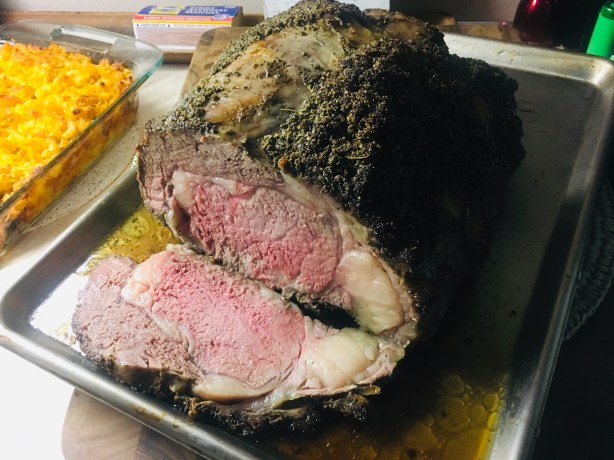
The second step is simple but very important: make sure the roast is at room temperature before cooking, and make sure the oven is really pre-heated properly to the right temperature before you put the roast in it. A cold roast will cook unevenly, and you won’t get that beautiful pink all the way through the meat when you slice it. It’ll be raw on the inside and overcooked on the outside. Take the roast out of the fridge for a good 2 hours before cooking.
You can already see that back-timing is going to play an important part in a perfect roast. So, for example, if you want to be serving at 7PM, you need a half-hour (at least) for the meat to rest after cooking…about 2 hours of cooking time…and about 2 hours of bringing the roast to room temperature….give or take. Oven temperature settings vary, and roasts can be uneven. You’ll have to keep an eye on this thing.
That brings us to monitoring the temperature. If you have a meat thermometer, you’ll need to jab the roast a couple of times during the cooking process to know what temperature you’re at. I don’t like this method, because it means you’re pulling the roast out of the oven, dropping the oven temperature each time, and jabbing the meat, which releases juices every time you pull the thermometer out. I suggest you invest in a probe that goes in the roast from the very beginning, and stays in the roast through the whole cooking process, monitoring the temperature the entire time. When the roast hits the perfect temperature of about 115 degrees, it beeps and lets you know it’s time to remove it from the oven. It’s practically foolproof.
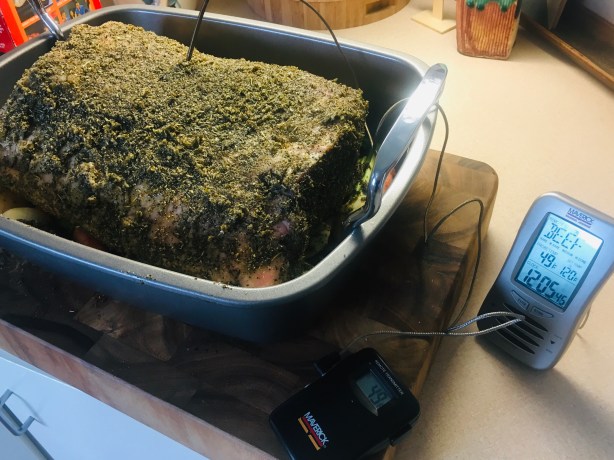
My old-school monitoring system. I had it set for 120 degrees, but actually pulled the roast out at 115.
The monitor that I have is old-school, but it still works like a charm. I use it at Thanksgiving to get perfectly roasted turkeys on a Weber grill, and it works great here as well. The probe goes into the meat, and it’s connected to a transmitter. It also has a receiver that can be as far away as 100 feet from the roast, and it will signal you when the desired temperature has been reached. That means you don’t have to stare at the roast all the time…you can actually enjoy a cocktail in the company of your guests while the meat cooks.
Other monitors are totally wireless. You stick a probe in the roast, and it calls your cell phone when the meat is done. Pretty cool. Amazon’s got whatever you need.
2 onions
3 carrots
3 stalk celery
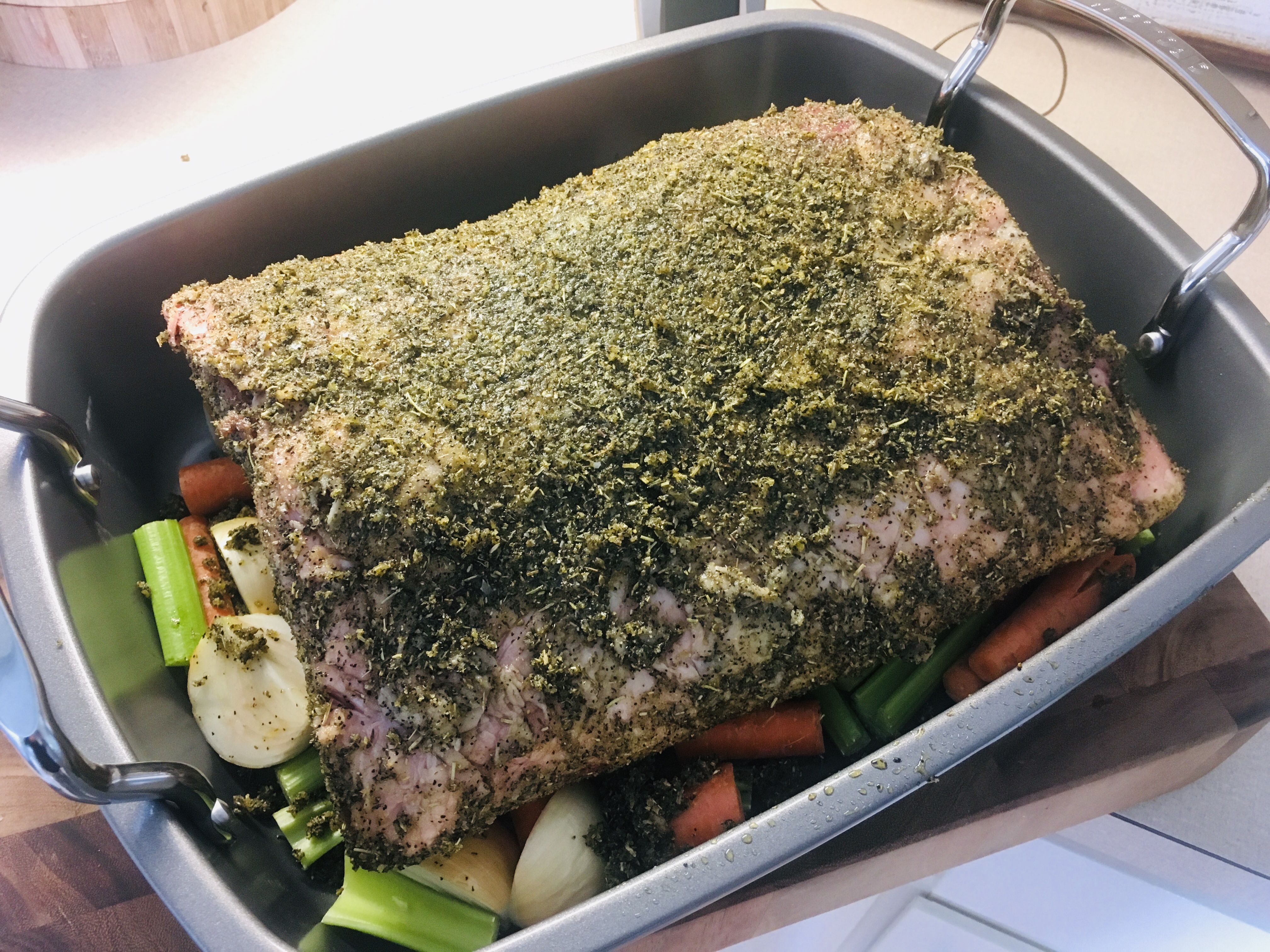
When it’s time to remove the roast from the fridge to bring it to room temperature, roughly chop the onions, carrots and celery and place them on the bottom of a roasting pan. Lay the roast on top.
The rub that you use on your roast is really a matter of what you like. Use the herbs and seasonings you love, and you can’t go wrong. Here’s my recipe for a 10 to 12-pound roast…
1/2 cup olive oil
1/2 cup Kosher salt
1/4 cup black pepper
1/4 cup granulated garlic
2 tablespoons dried oregano
2 tablespoons dried thyme
2 tablespoons dried rosemary
Combine these ingredients in a bowl. You want it to be like a paste or wet sand. So if it’s too dry, add a little more olive oil. Dried oregano and thyme are usually fine the way they are, but dried rosemary is like pine needles. I take the 2 tablespoons of rosemary and put it in a spice grinder and grind until it’s more like a powder, then use it in this recipe.
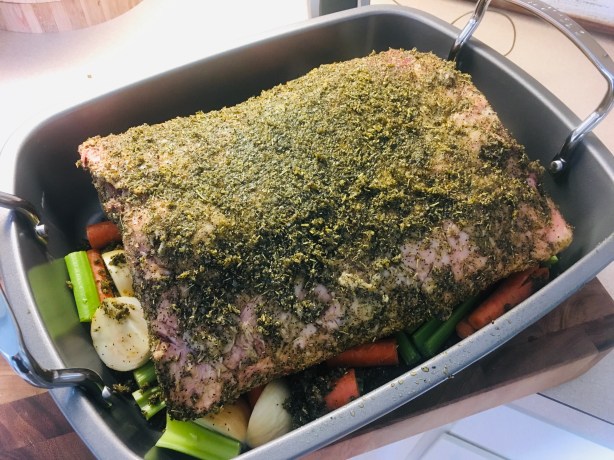
Rub the seasonings all over the roast, making sure you get the bottom and the sides as well. Use it all up! It’s a big hunk meat. Some of the seasonings will fall off. Be fearless!
To flavor the meat while cooking, I add a cup of red wine and 2 cups of beef stock in the pan with the vegetables. (In some cases, after the roast is cooked, you can use the juices at the bottom of the pan to make gravy. But my seasonings were just too strong (and too salty) for this, so I chose to go with a classic horseradish cream sauce instead. The recipe is below.)
About a half-hour before you want to start cooking, pre-heat the oven to 450 degrees. You really want it hot to start. Roast the meat at 450 for 20 minutes, then turn down the heat to 325 degrees.
This is where many recipes tell you to calculate how much more to cook based on the size of the roast, etc. If you’ve got a probe in the roast, you can see exactly how the temperature changes over time. If you decide that you’re going to “wing it,” you can go by the general math of 15 minutes per pound of meat, including that first 20 minutes. So, if you have a 10-pound roast, multiply that by 15 and you get 150 minutes. Subtract the first 20 minutes from that, and you need to cook the roast another 130 minutes at 325 degrees. This is by no means a guarantee of success, but a very general guideline.
If you have a meat thermometer, you know that you can leave the roast in the oven at least an hour before taking the first temperature reading. Then play it by ear.
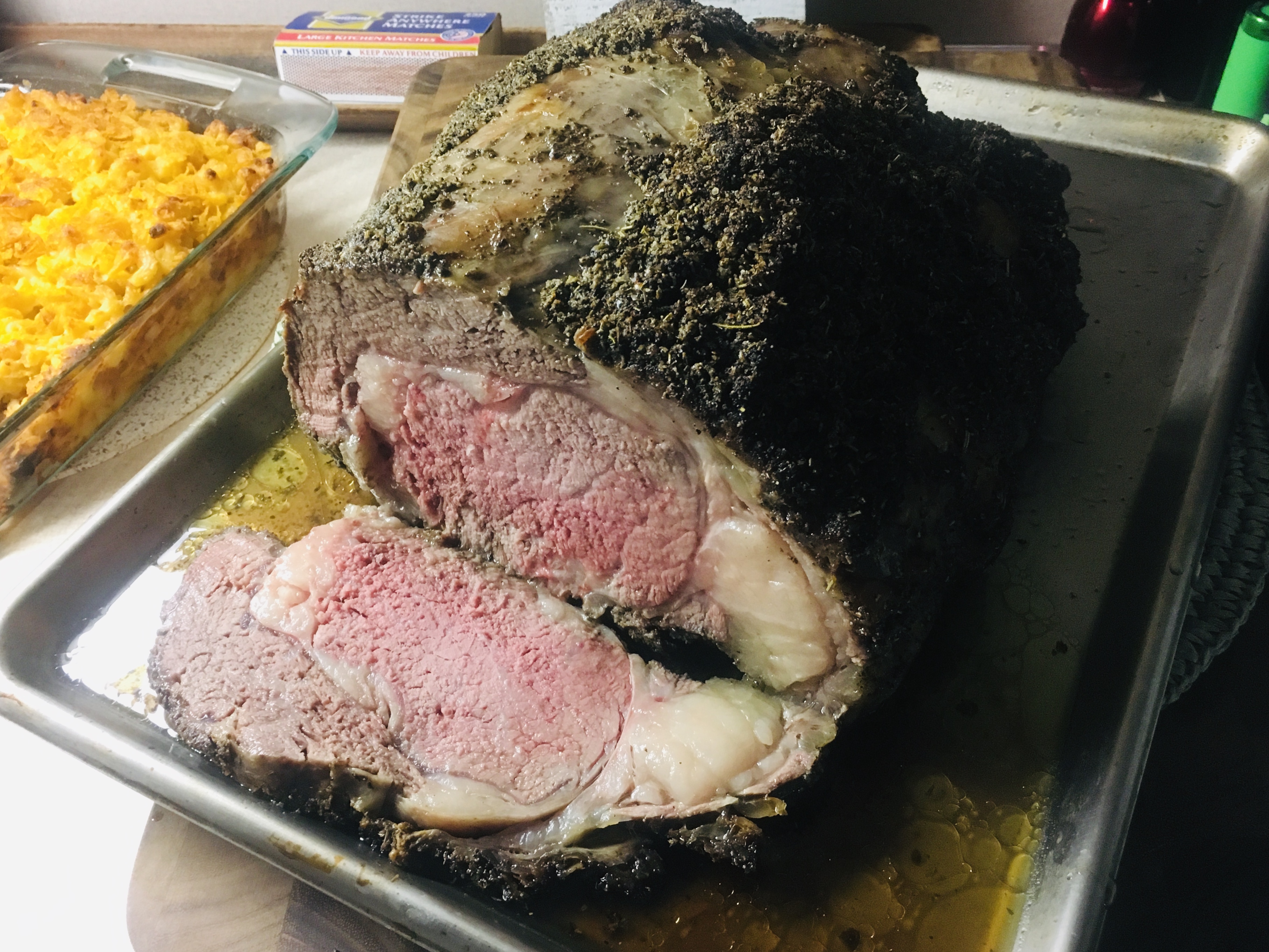
For me, using the probe, although I had my beeper set at 120 degrees, I took the meat out at 115, removing the roast from the pan, and placing it on a cutting board. Then I wrapped the roast with foil, and covered the foil with a clean bath towel, keeping all the heat in, letting the meat rest for AT LEAST 30 minutes. The meat inside continued to cook and reached a temperature of 130 degrees before it started to slowly cool down.
After at least 30 minutes of resting, I unwrapped the roast and started slicing!
This is where you can pour off all the pan drippings and make a sauce if your spice mix wasn’t too crazy. As I mentioned, I chose to go with a classic horseradish cream sauce instead…
1 cup sour cream
1/2 cup mayonnaise
6 tablespoons prepared horseradish (more if you like it!)
the juice of 2 lemons
1 tablespoon Worcestershire sauce
Combine all the ingredients, mixing well. Keep this refrigerated until ready to serve.
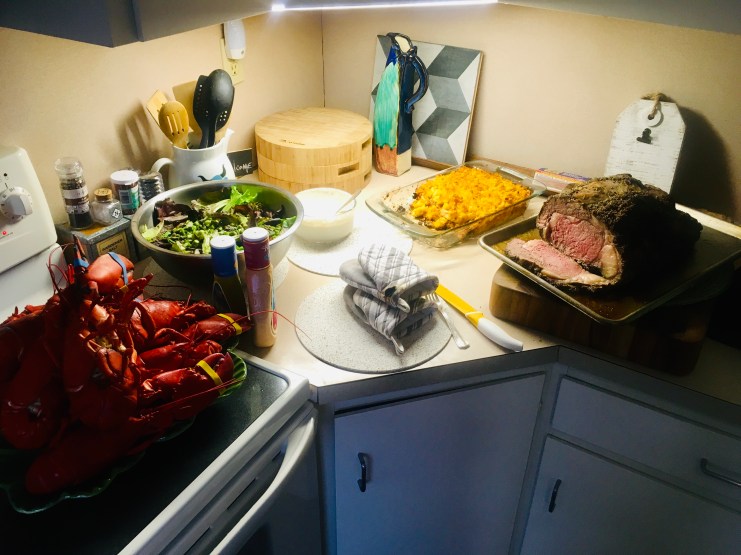
For our family reunion, the roast was just one part of our meal. Surf and turf with amazing lobsters from Sakonnet Lobster in Little Compton, RI!
MANLY MEAT SAUCE
Posted: May 27, 2019 in bacon, beef, Food, Italian, pasta, RecipesTags: beef, food, Italian, meat sauce, pasta, recipes
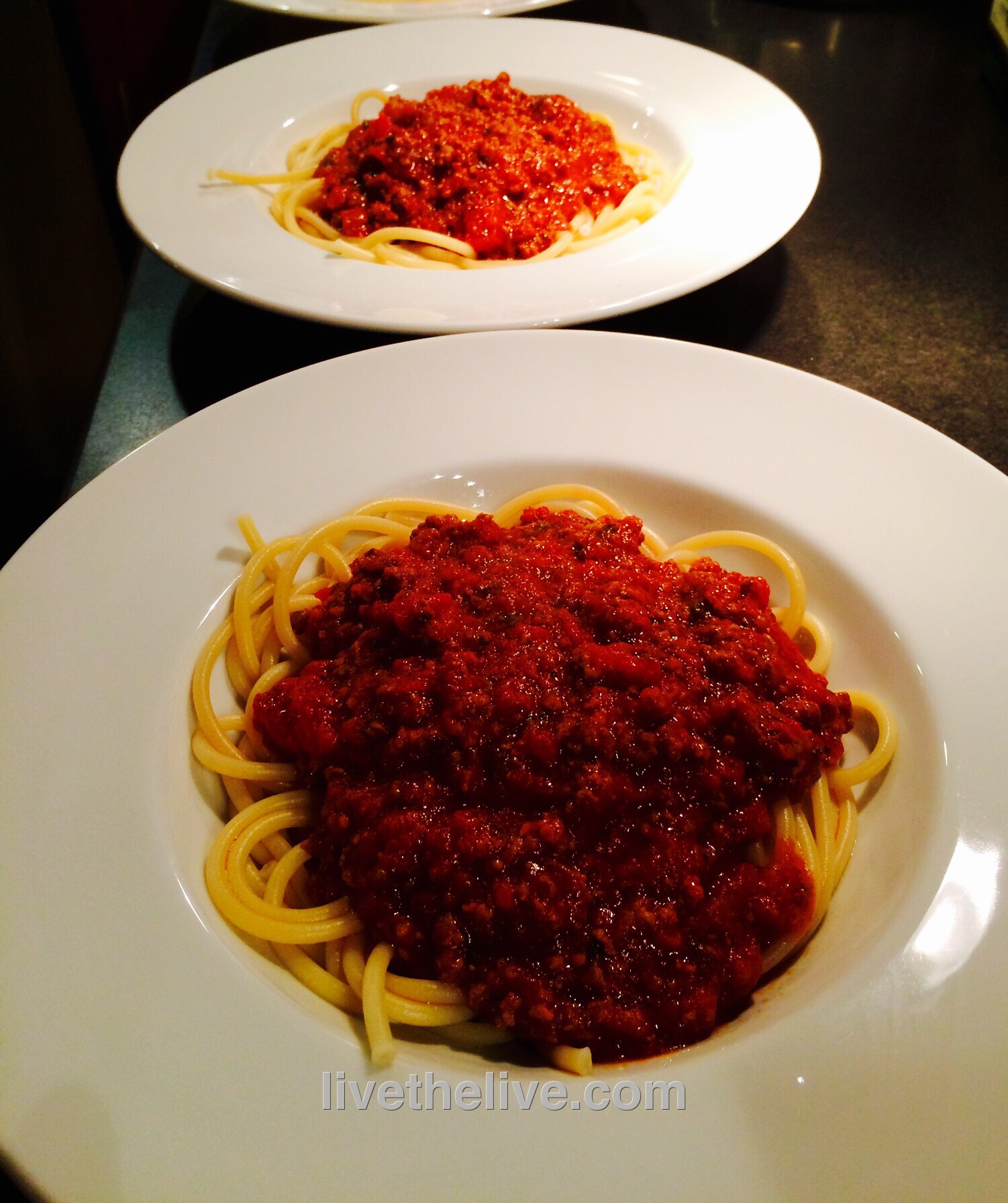
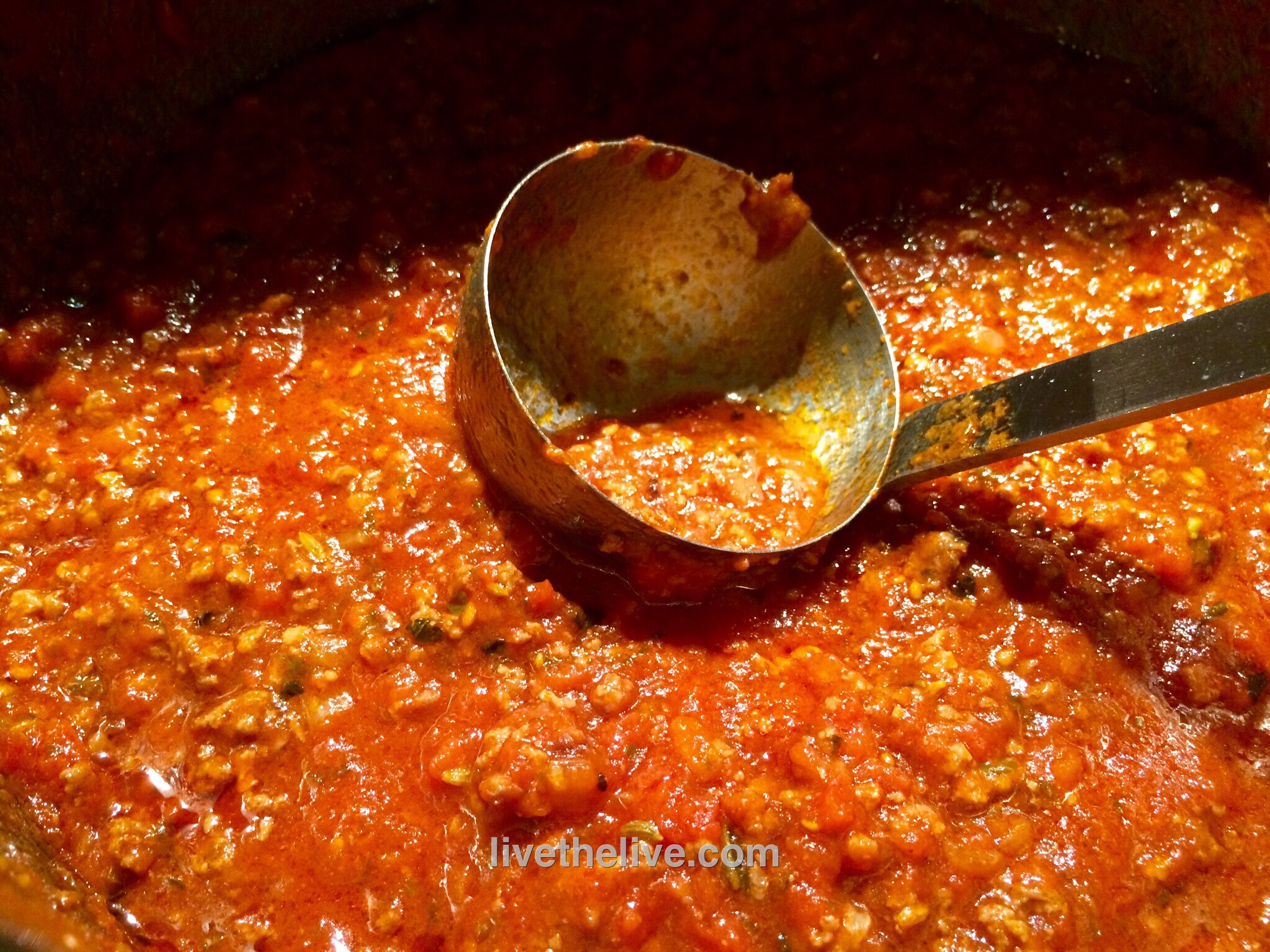
Although my daughter goes crazy for my Ragu Bolognese, pasta with meat sauce is one of the easiest things to make, with ingredients you probably have in your home. This sauce is really rich with flavor, and once you put all the ingredients together, it requires nothing more from you than an occasional stir every now and then.
1/4 cup olive oil
3 strips bacon, finely chopped, raw or pre-cooked
1 onion, finely chopped
1 teaspoon garlic salt
2 lbs. ground beef (I use grass-fed beef)
2 cans (28 oz. each) whole tomatoes
1 tablespoon dried oregano
1 tablespoon dried basil
2 tablespoons dried parsley
2 teaspoon salt
1/2 teaspoon black pepper
1 teaspoon anise seed
1 teaspoon fennel seed
2 bay leaves
1 small can (6 oz.) tomato paste
In a large pot, heat the olive oil and add the bacon. Once the bacon is sizzling, add the onions and cook until the onions are translucent. Add the garlic salt and mix. Add the ground beef and cook until it has browned.
Pour the 2 cans of whole tomatoes into a food processor and blend until chunky…or go the old-fashioned route and simply squeeze the tomatoes with your hands, breaking them up. Pour the contents of both cans into the pot and stir well. Cook over medium heat, stirring, until the orange tomato foam disappears.
Add the oregano, basil and parsley and stir. Add the salt and pepper and stir. Add the anise seed and fennel seed and stir. Throw in the 2 bay leaves and stir. (I think you get the idea, there’s a lot of stirring going on!)
When the sauce starts to boil, add the tomato paste and stir well. Let it come up to a boil again–the paste thickens best at high heat–then turn the heat down to a low simmer and cover the pot.
Let the sauce simmer on low heat for several hours. Whenever you walk by, give the sauce a good stir.
Serve the sauce over pasta, with some grated Parmiggiano Reggiano.
CHIVE BLOSSOMS
Posted: May 22, 2019 in Food, garden, pizza, UncategorizedTags: beef, CHIVES, food, garden, pizza, recipes
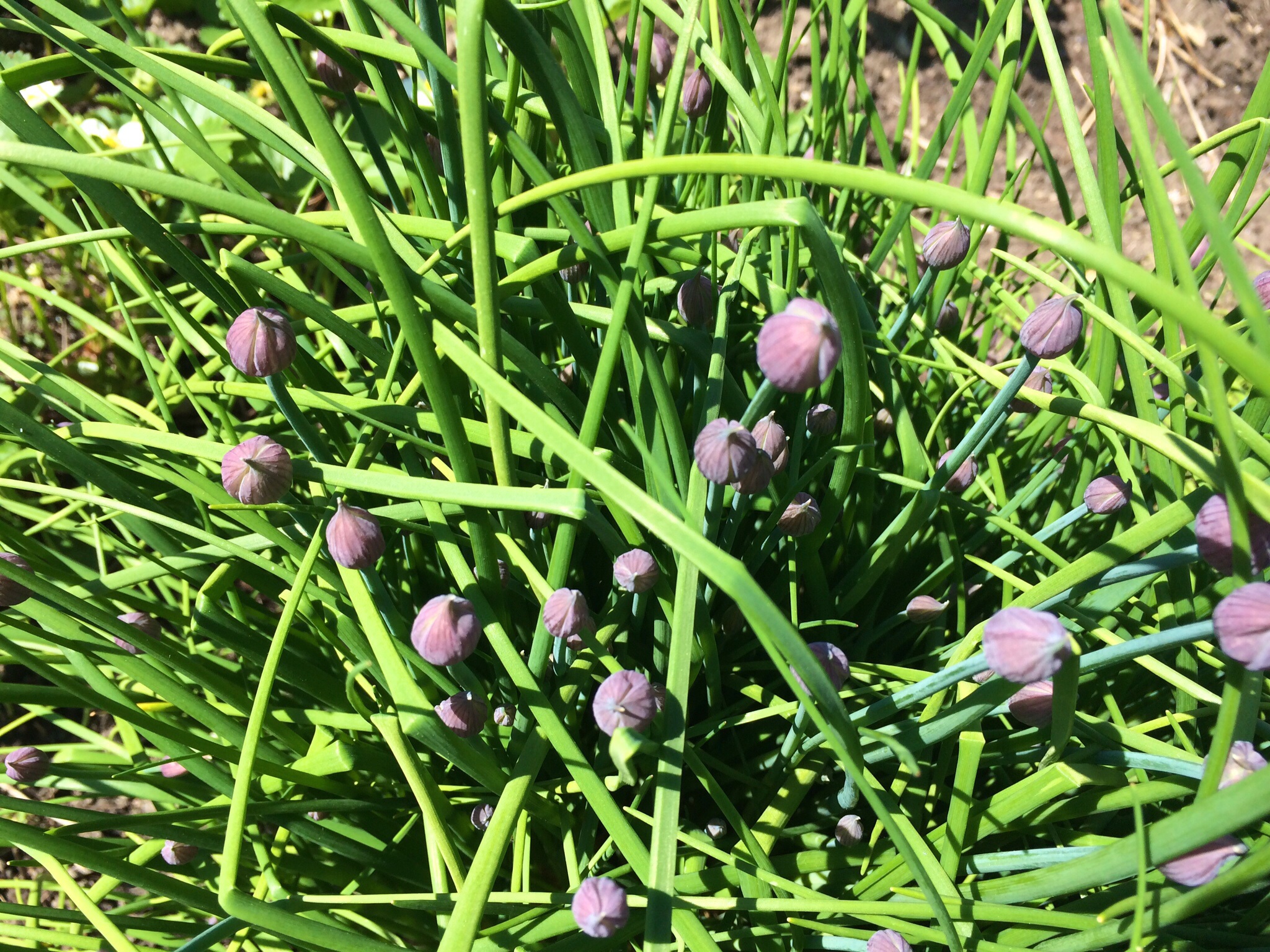
This is the time of year when the chives in my herb garden are busting out with blossoms. Before they pop, I head out every few days and snip the larger ones off the chive plants with about 3 inches of the green stem, wrap them in freezer bags and freeze them.
I use those blossoms over the course of the year on a variety of dishes, but they really shine on my signature marinated beef and chive blossom pizza. I just take a packet of chive blossoms out of the freezer, and sauté them lightly in olive oil and salt and pepper, then sprinkle them on the pizza before baking.
Chive blossoms not only add great flavor, but they look cool on the plate, too. I’ll add them as a side to almost any meat dish, or chop them after sautéing and sprinkle them in rice or quinoa. Great for stir-frying.
SLOPPY JOSÉ
Posted: May 19, 2019 in beef, burgers, Carnivore!, cheese, Food, Recipes, tacoTags: beef, burgers, food, recipes, sandwich, sloppy joe, tacos
Instead of opening a nasty can of Manwich or other similar product, the classic Sloppy Joe sandwich is easy enough to make from scratch.
My version takes on a Mexican twist (hence the name Sloppy José), using seasoned taco meat and a great barbecue sauce. Putting them together with a sprinkling of Mexican cheese on a bun with lettuce and tomato makes for one sloppy but delicious sandwich!
For the barbecue sauce…
2 cups ketchup
3/4 cup water
6 tablespoons white vinegar
6 tablespoons apple cider vinegar
6 tablespoons brown sugar
3 tablespoons Worcestershire sauce
1 tablespoon chili powder
2 teaspoons salt
2 teaspoons black pepper
1 1/2 teaspoons cumin
Mix all the ingredients in a saucepan and simmer until the flavors have blended, about 20 minutes. Remove from the heat and cool to room temp. If you store it in an airtight container in the fridge, it’ll stay good for a few months.
For the seasoned taco meat…
1 teaspoon granulated garlic
1 teaspoon onion powder
1/4 teaspoon crushed pepper flakes
1 teaspoon dried Mexican oregano
1 teaspoon paprika
2 teaspoons ground cumin
1 teaspoon sea salt
1 teaspoon black pepper
1 Spanish onion, finely chopped
olive oil
2 lbs. grass-fed ground beef
Combine all the spice ingredients in a bowl.
Sauté the onions in a bit of olive oil until translucent. Add the beef and sauté until cooked, mixing in the spice mixture a little at a time until you’ve used it all.
For the sandwich…
Take some of the taco meat and place it in a small non-stick pan and heat on medium. Squirt in as much of the barbecue sauce as you like, mixing thoroughly. Sprinkle some grated Mexican cheese on top. (I like Cotija, which is like a Mexican feta, but a bag of mixed cheeses works great, too.) Mix thoroughly, letting it all melt together into one warm, gooey mess. Throw it on a bun. Add lettuce, tomato, avocado slices, whatever you like!
COOKIN’ WITH THE KID: SHEPHERD’S PIE
Posted: May 12, 2019 in beef, Food, lamb, potatoes, RecipesTags: beef, food, potatoes, recipes, shepherds pie
Here’s an old recipe that I brought back, since comfort food is the name of the game here in New England, where we’re getting nothing but cool temperatures and way too much rain. I think we’re going to miss spring entirely this year and go right into summer…
I like to think that I was the force behind my daughter’s sudden interest in cooking, but the fact is, it was probably the Food Network. Shows like “Chopped Junior” and “Kids Baking Championship” are her favorites, and I have to admit, watching a 9-year-old displaying knife skills better than mine does have me feeling somewhat inferior at times.
A gift of a kids’ cookbook from our friend, Stacey, was what finally got my daughter to ask if we could cook together. She chose the Shepherd’s Pie recipe. I never really analyzed my own cooking style until my daughter started reading the recipe step-by-step and I heard myself saying: “Oh, we can skip that…Oh, we don’t need to do that…Oh, let’s use another ingredient.” She’d look up at me and say: “But, Dad, the book says you have to do this.” Lesson one, kid: improvise to make the recipe your own.
The original recipe called for lamb. We used beef. The original recipe had a huge proportion of potatoes to meat. We doubled the meat and veggies.
3 lbs. potatoes (I like organic gold potatoes)
1 cup whole milk
4 tablespoons unsalted butter
salt and pepper
2 lbs. ground beef
1 onion, finely chopped
4 carrots, diced
2 tablespoons tomato paste
2 tablespoons all-purpose flour (I use gluten-free flour)
1 cup beef broth
olive oil
Peel the potatoes just to remove any blemishes. (I like my mashed potatoes with the skin included.) Cut into smaller pieces and place in a pot of cold, salted water. Bring to a boil and cook until fork-tender. Drain the potatoes, and put them back in the pot. Add the milk and butter, add salt and pepper, and mash until smooth. Set aside.
Chop the onions and dice the carrots. In a large skillet, heat some olive oil, then add the onion and carrot. Cook over medium heat until the onions are translucent. Add the beef, and cook until it’s browned, breaking the meat up into small pieces. Add the tomato paste and flour, and mix thoroughly. Add the beef broth and mix again. Cover the skillet with a lid, reduce the heat, and let it cook for about 15 minutes, until the sauce in the pan thickens.
Find an ovenproof pie pan or lasagna pan. Pour the beef and carrot mixture into the bottom of the pan and smooth it out. Add the mashed potatoes on top. Place in a pre-heated 350-degree oven and bake for about 20 minutes if the potatoes are warm–a little longer if they’ve cooled down–until the potatoes start to turn a golden brown.
Let the pan rest for a few minutes, then serve.