Archive for the ‘Food’ Category

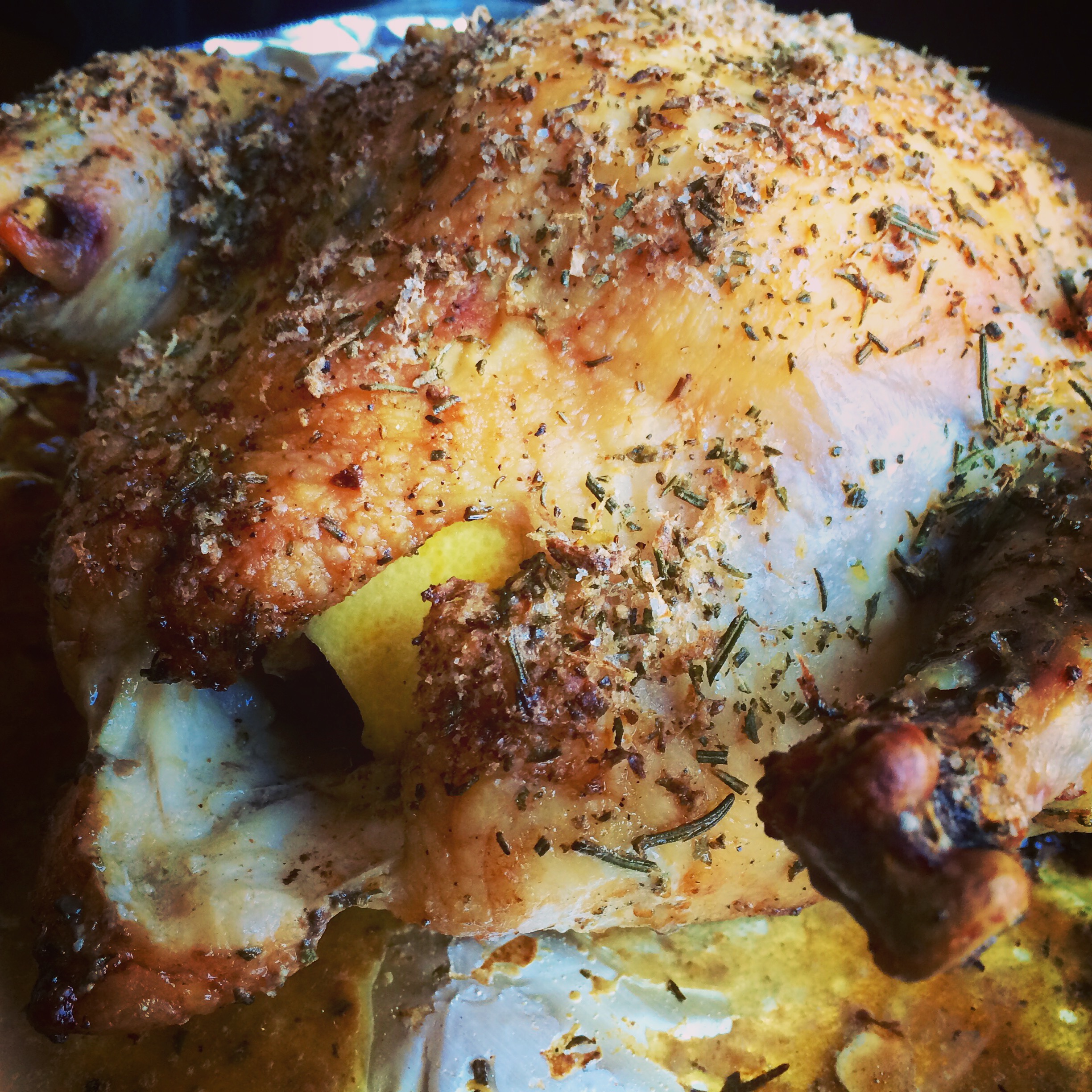
On my low-carb/no carb diet, I can enjoy pork, chicken, beef…any carnivorous delight I choose. What makes them bad for me is the rub and sauce that I put on them, which usually has a good amount of sugar. So I came up this alternate pork rib dry rub recipe.

I used the juice of two oranges in this recipe, but it’s mainly in the marinade which is later poured off. With 5 pounds of ribs, I think the carb intake is minimal. Using the orange zest adds extra citrus flavor.

image

Zest and juice of 2 oranges

1 teaspoon black pepper

3 tablespoons seasoned salt

2 tablespoons good quality (not the expensive stuff) balsamic vinegar

5 lbs. Berkshire pork ribs (I like the St Louis style)


In one bowl, combine the zest of 2 oranges, 1 teaspoon of black pepper, 3 tablespoons of seasoned salt. Combine so that the zest dries out. Set aside.

Cut the ribs into smaller pieces. I like making double-rib cuts and not single. Place all the ribs in a large Ziploc bag.

In another bowl, combine the juice of the 2 oranges (about 1 cup) and 2 tablespoons good quality balsamic vinegar. Mix the two well then pour into the Ziploc bag with the ribs to marinate for at least a couple of hours at room temperature, or in the fridge overnight.

Pre-heat the oven to 450°.

Line a sheet pan with aluminum foil with extra over the sides. Remove the marinated ribs from the bag and lay them down on the foil, trying to keep them in one layer.

Sprinkle both sides of the ribs with the orange zest, salt and pepper seasoning. Rub it into the ribs well. Fold the foil over, wrapping the ribs tightly.

Placed the sheet pan with the ribs in the oven and cook at 450° for 30 minutes. Then reduce the oven temperature to 325.

Cook for 2 hours more, then open up the foil and cook another hour.


Of course, if you’re not on a low carb diet, feel free to slather these bad boys with your favorite sauce. My grapefruit barbecue sauce would work well with these: http://wp.me/p1c1Nl-qX

BURGER HACK

Posted: January 20, 2015 in barbecue, beef, Carnivore!, Food
Tags: , , ,

I’ve bought many burger presses in my day, and I’ve found that the meat gets stuck inside them after pressing, making removal somewhat difficult. Some presses have so many parts to them, they get lost in my cabinet or jam up the dishwasher. Frankly, every one that I’ve bought over the years was a waste of money.

Chances are, somewhere in your storage area, you’ve got a wide mouth Mason jar with a metal top, composed of a flat lid and the band that goes around it and screws onto the jar top. As long as they’re not rusty, you can use them to make perfect quarter-pound burgers. If they are rusty, you can buy a half-dozen lids and bands for just a few bucks in any supermarket.

image

I get my burger meat in 1-lb. packs. If they’re frozen, I let them thaw wrapped. Then I cut the meat into quarters, simply eyeballing it. Each quarter-pound of meat fits quite nicely into the Mason jar top. I flip the top over and press down to compact it, then push the flat lid through the band, and out pops a perfect quarter-pound burger.

Once I’ve got all my burgers made, I place them on a small sheet pan lined with non-stick aluminum foil and keep them in the fridge until I’m ready to cook.

The lid and band go in the dishwasher, and can be used over and over.


It’s always a challenge when you’re on a diet. I’m going no alcohol and low-carb to lose some weight. (Down 6 lbs. in 5 days so far.) My wife needs to include gluten-free food in her diet, though she can have a few carbs. Fish is a great source of protein, and we love it sauteed in a little butter and olive oil with Paul Prudhomme’s Seafood Magic seasoning on it. But let’s face it, that gets old after a while, and we all know there’s nothing tastier than fried fish.

Rather than using a heavy beer batter like I used to do (damn good and easy to do:http://wp.me/p1c1Nl-en), I came up with a very light gluten-free-flour-based seasoning that gave the fresh-caught local fish we bought incredible flavor and crunch without a carb overload and without gluten. Damn good, and I have to say, you’d never know the difference.

There are many gluten-free flours out there now, and all you need to do is substitute them cup-for-cup in any recipe you have. I’ve tried Bob’s Red Mill (OK), King Arthur (better), and Pamela’s (very good–what I used for this recipe.) I’ve just ordered the latest: Cup 4 Cup, created by chefs that include the famous Thomas Keller, which we tasted at Mario Batali’s Del Posto restaurant in New York City recently. They have about 12 different pasta dishes on their menu, and each one has a gluten-free option using the Cup 4 Cup flour. They were fantastic!

image


1 cup flour (all-purpose or gluten-free)

2 teaspoons salt

1/2 teaspoon pepper

1 tablespoon dried parsley

1 teaspoon oregano

1 teaspoon granulated onion

1/2 teaspoon granulated garlic

1 teaspoon paprika

2 eggs

fresh locally caught fish fillets of your choice (I used fluke and ocean perch)

Organic GMO-free canola oil or avocado oil for frying


In a flat bowl you will use to dredge the fish fillets, combine the flour, salt and pepper, parsley, oregano, granulated onion and garlic, and paprika.

In a separate flat bowl, scramble the 2 eggs.

Pour about 1/2″ of the oil in a pan and heat to medium-high heat.

Dip the fish fillets first in the eggs, coating well. Then dredge in the flour mixture, pressing down on both sides, so the flour mixture really sticks to the fish. Then shake the fillet lightly to remove the excess flour and gently lay the fillet in the hot oil. Fry until golden.

We made a quick and delicious tartare sauce using mayonnaise, dill pickle relish and Maille sauterne mustard.


An easy way to marinate beef is to simply throw the meat in a bag and dump some Italian dressing into it. As simple as that sounds, it flavors the meat really nicely. But I’ve got a problem with anything that comes from a jar and was made in a factory, especially when it’s so easy to make my own Italian seasoning.
I recently bought some sirloin beef tips and after trimming the fat and silver skin (they always leave it on the meat), I cut it up into 1 inch cubes. I put the pieces in a glass container–a plastic bag would be fine–and then made my marinade.

Ingredients:

For the marinade:
1/4 cup decent quality balsamic vinegar–not the expensive stuff
1/4 cup avocado oil
1 teaspoon dried oregano
1 teaspoon dried parsley
1 teaspoon granulated garlic
1 teaspoon granulated onion
1 teaspoon salt
1/2 teaspoon pepper


2 lbs. sirloin beef tips, trimmed and cut into 1″ cubes

avocado oil

3 onions, sliced into rings

2 sweet bell peppers, sliced into thin strips

splash of white wine

Combine the marinade ingredients and pour them into the bag or container with the meat. Mix it around so that every bit of the meat gets coated with the marinade. Seal the container and place in the fridge overnight.
Next day, remove it from the fridge and let it come to room temperature before cooking.

Marinated beef, ready to cook.

Marinated beef, ready to cook.

Heat a large cast-iron skillet until hot. You may not need to add oil, since the meat has marinated in it. Using tongs to shake off any marinade, place the beef tips in the skillet, and brown on all sides, constantly flipping them. Cook the meat until it is done: medium to medium rare. (Of course, a hardwood fire is great for cooking these, too. It’s just a question of wanting to freeze your butt off outside or not.)
Remove the meat from the pan and place in a bowl to the side. In the hot pan, toss in the sliced onions and peppers. Cook until the onions and peppers are caramelized, and splash a little white wine to de-glaze the pan if you like. (The alcohol cooks off.) If there’s any left over marinade in the bag or container, you can pour it into the pan at this time.

Return the beef to the pan being sure to include all the juices that may have settled into the bottom of the bowl. Mix through until thoroughly heated and serve immediately.

I made a lot more...forgot to take the pic before devouring!

I made a lot more…forgot to take the pic before devouring!

This recipe is gluten-free. If you’re on a low-carb diet, you may want to skip the onions and peppers, since they’ve got natural sugars. The amount of sugar in the balsamic is minimal, when you spread it out over 2 lbs. of meat.

TIME FOR A DAMN DIET

Posted: January 13, 2015 in Carnivore!, Food, Recipes
Tags: , , ,

Actually, not just a diet, but a lifestyle change. A recalibration of things, my food and liquid intake a significant part of that.

It’s clear I love food. This is mainly a food blog, after all. I don’t eat a lot of bad snacks. Rarely do I eat chips, cookies, candy, cake, ice cream, etc.– but I do take in calories from a variety of places that should be drastically reduced, like bread, pizza and pasta…and, of course, alcohol.

The Paleo diet is all the rage right now, and although the idea of eating simpler foods is a good one, I don’t need to be a damn caveman to do it, and some of the strict rules in that diet are really somewhat random.

Back when my wife and I got engaged, we went on the Atkins diet, and it really worked. I got to a long-time low of 217 lbs. (I’m back up to 235 now), despite the fact that I was eating a ton of meat, bacon and cheese, all slathered in mayo. But, of course, my cholesterol and blood pressure went through the roof. It was only 12 years ago, but back then I couldn’t find pastured chicken, heritage Berkshire pork, or grass-fed beef. So the fats I was consuming were all bad. Today, the most of my meat intake falls in one of those three categories, and all of my seafood is wild-caught from American waters. Great proteins with healthy fats.

So what do I cut out? I remember Oprah went on a “no white food” diet a bunch of years ago, way before people knew what Atkins was. It made a lot of sense then, and it makes sense now: no flour, white rice, sugar, or potatoes (and limited salt.) I’m going a step further and eliminating all high-carb foods, including certain fruits and veggies. And, at least for a month, I’m giving up the alcohol, which honestly is the hardest thing about this diet.

image

I have an alcoholic beverage every day. At least one. Without fail. Weekdays, it’s usually a few glasses of wine. Weekends, I go for the cocktails. They all have hundreds of useless calories. An ounce of any 80-proof liquor has 64 calories. I use a 5-ounce martini glass. That’s 320 calories per martini, without the olives. I’ve been known to put 3 of those bad boys away in one sitting. We’re talking almost 1000 calories! And that’s before we bring up the topic of liver damage.

So the diet begins. For one month, I’ll go balls-to-the-wall and be really strict. By mid-February, I will allow myself to enjoy a cocktail now and then. But a low-carb diet will stay in place until I get back to at least “wedding weight.”

If you see what look like tears on my blog, you’ll know I’m having a moment of weakness.

I wisely chose to start this diet after going back to my hometown of New York City for a long weekend. I’ve had the best pizza, the best bagels, some fine carb-filled meals, and fantastic cocktails.

But now…it’s time to get down to business!


Despite the large Italian community we have here in southern New England, there’s no exceptional pizza to speak of. I suppose you could say “them’s fightin’ words!” but if it’s here, I haven’t found it yet. (Fellini Pizza is about the best in Providence…and New Bedford’s Brick makes a good pie.)


So where is the excellent pizza? New York City, of course. OK…maybe I’m prejudiced because I’m a Brooklyn boy, and worked in a variety of pizzerias in my younger days, but there’s no doubt in my mind that if you want the best pizza–or bagel, for that matter–you’ve got to go to the Big Apple. (Even “Frank Pepe’s” in New Haven, CT is a mere stop on the way to the real deal.)


Pizza in NYC can be confusing as there are many different varieties to choose from. Brick oven pizzas abound, but there are pizza lovers who won’t settle for anything less than a pizza baked in a coal-fired oven. The extremely high heat of a coal-fired oven cooks the pizza in just a minute, and imparts a crusty, charred flavor you can’t get any other way. There are only about a dozen coal-fired pizzerias in New York City, and many of them have been around for 100 years or more, so it’s definitely a matter of making a special trip to enjoy this style of pizza.


Plenty of good, basic pizza, too: the traditional thin, round Neopolitan pie, and the thicker, square Sicilian pie, baked in that Blodgett pizza oven we all knew in our early pizza-making days.


So several years ago, when I heard through the pizza lovers’ grapevine that a “new” pizza was out there, one that was gaining a cult following, I needed to know about it. And more importantly, I needed to taste it!


It’s called Pizza Montanara, and there’s only a few pizzerias in New York City that serve it. The one I go to without fail is PizzArte, on West 55th, and I have to say it’s the ultimate pizza.


What makes Pizza Montanara so spectacular, quite simply, is that the dough is fried in oil before they put the sauce and cheese on it, and then they cook it in a wood burning oven. It is not greasy. The frying process, which lasts only a minute, puffs the dough up and creates a beautiful pillow-like softness that I’ve never experienced in a pizza before. Imagine a pizza cloud and you’ve got Pizza Montanara.

My signature pizza: marinated beef tenderloin with chive blossoms. Not Pizza Montanara, but not bad!

My signature pizza: marinated beef tenderloin with chive blossoms. Not Pizza Montanara, but not bad!


I’ve made Pizza Montanara at home, with some success. I poured a few inches of olive oil in a large skillet, stretched my dough into a small pie, and gently floated it into the pan. Using a spatula and tongs, I was able to flip the fried dough over after about 30 seconds, then removed it from the pan after another 30 seconds. It was golden and puffy. I quickly sauced and cheesed it and in the oven it went. But it’s a messy process I’d rather leave to the pros.


I’ll be “living the live” in New York City this weekend. PizzArte already on the list for Friday night. Looks for the photos. I can’t think of anything better than an amazing Pizza Montanara before I go on my no-carb diet next week!

The original recipe called for skirt steak, but I didn’t have any in my freezer. I did have a fat ribeye, though, so once I thawed it, I sliced it lengthwise to get two large, thin steaks which would easily suck up the marinade I was going to make. And the ribeye was nicely marbled, so it stayed juicy and tender.

image


For the marinade:

1/4 cup toasted sesame oil
1/4 cup soy sauce
2 tablespoons each finely chopped ginger, garlic, cilantro and unsalted dry roasted peanuts

2 scallions, minced

1 tablespoon each of light brown sugar, lime juice and chile oil


2 lbs. beef ribeye
1/4 cup chicken stock

 
In a bowl, whisk together the sesame oil, soy sauce, ginger, garlic, cilantro, peanuts, scallions, sugar, lime juice and chile oil. Transfer half to a shallow dish.
Add the steak to the dish and turn to coat. Cover and refrigerate overnight. Refrigerate the remaining marinade.
The next day, light a grill. While it’s warming up, add the chicken stock to the reserved marinade. This will be the dipping sauce for the beef. (I like it at room temp.)
Bring the steak to room temp, season with salt and pepper, and grill over high heat until medium-rare, 5 minutes. Too cold to light a grill? Heat a cast iron pan, add a few drops of avocado oil, and sear the beef on both sides before placing it in a pre-heated 375-degree oven to finish cooking.


No trip to Madrid is complete without visiting a couple of food markets. The quality and selection of foods, ready-to-eat on location or packaged to go, is mind-boggling!

Mercado de San Miguel

Mercado de San Miguel

On our recent trip to Madrid, we sampled foods from two food markets: Mercado de San Miguel and Mercado San Anton.

Mercado de San Miguel

Mercado de San Miguel

Praised by many as the best market in the city, Mercado de San Miguel is near the tourist center of Madrid, by the Plaza Mayor, a plaza featuring open-air restaurants, outdoor concerts and loads of street performers looking to make a few bucks. The choice of foods at Mercado de San Miguel is incredible, and you’ll be hard-pressed to find an empty seat.

My not-so-adventurous daughter found happiness in a personal pizza.

My not-so-adventurous daughter found happiness in a personal pizza.

It’s worth the extra effort to elbow your way over to your own private corner of the market to enjoy everything from olives to oysters.

image


image


House-made sangria and little salamis served up like french fries.

House-made sangria and little salamis served up like french fries.

Grilled sardines.

Grilled sardines.

Sweet as well as savory bites.

Sweet as well as savory bites.

If you’re lucky enough to have a place to cook, you can take home some fantastic seafood…

image


…including swordfish and squid!

image


Though the Mercado de San Miguel clearly has it all, its large size and huge crowds can be a challenge to those not wanting to stand in long lines. The Mercado San Anton across town, meanwhile, is funky, smaller and a more manageable market.

Pork heaven at Mercado San Anton.

Pork heaven at Mercado San Anton.


Mercado San Anton has five floors. Three feature food shops and tapas bars. Grab a bite and a drink right there or take it with you.

Our favorite tapas when in Spain: a skewer of olives, peppers and anchovies.

Our favorite tapas when in Spain: Gilda de Boqueron y Anchoa (a skewer of olives, peppers and anchovies.)

And on the top floor: a great restaurant that you shouldn’t miss: La Cocina de San Anton. If for no other reason, you need to dine here to experience the magnificent plate of Iberico ham and other meats they offer, sliced to order. This is truly a situation where more is more.

Acorn-fed Iberico ham: there's nothing like it!

Acorn-fed Iberico ham: there’s nothing like it!


The window at Cocina de San Anton.

The window at Cocina de San Anton: it’s all about the pig!

We’d go back to the Mercado San Anton in a heartbeat. Located in the colorful Chueca neighborhood full of art galleries, it’s a place where you can easily spend hours and hours over lunch.

Madrid has many fine restaurants. But tapas are a great way for any self-respecting foodie to explore the markets for a real taste of this beautiful city.

image


Here in Rhode Island, we have access to amazing seafood year-round. My friend Gary, is a lobster man. My neighbor farms oysters. And for anything else, the winter farmers’ market at the Hope Artiste Village in Pawtucket, RI, is a great place to pick up veggies, bread, pasture-raised meats from local farmers, and freshly caught seafood.
I was on a mission to find fresh mussels, and in the process, stumbled upon fresh local bay scallops piled high on ice at the Matunuck Oyster Bar booth. (www.rhodyoysters.com) Unlike like the larger sea scallops or bomster scallops, bay scallops are small and sweet, about the size of a mini-marshmallow.
image
As far as I’m concerned, there is no better way to eat a fresh scallop than right out of the shell with just a little marinade on top, popping these beauties into my mouth literally as they’re still pulsing on the shell.
Scallops are a bit trickier to open and clean than clams or oysters (at least for me) but all it took was a little practice while sipping a Chopin martini and I got the hang of it in no time.
There are two marinades that I use when serving up raw scallops. The acidity in these marinades will cook the scallop a little, like in ceviche.
“MILLS TAVERN” MARINADE
The first place my wife and I ever had a raw scallop was at Mills Tavern, one of our favorite restaurants in Providence, RI. Freshly shucked scallops (in large flat shells) were served on ice with a tangy red marinade. We never got the recipe from the restaurant, but this is our version of that marinade.
Ingredients:
3 tablespoons rice wine vinegar
2 tablespoons Grenadine
1/2 teaspoon fresh finely grated ginger
2 teaspoons finely chopped scallions or chives
Combine all the ingredients and chill before using. Open the scallops, clean them, then place a small spoonful of the marinade on top.
image
I’ve developed 2 marinades that work well on raw scallops or other raw seafood…
ALZ “CEVICHE” MARINADE
Ingredients:
1/4 cup freshly squeezed orange juice
1 1/2 tablespoons freshly squeezed lemon juice
1 1/2 tablespoons freshly squeezed lime juice
2 tablespoons soy sauce
1 tablespoon + 1 teaspoon peanut oil
1/2 teaspoon honey
1 1/2 teaspoons fresh finely grated ginger
2 tablespoons finely chopped scallion
2 small dried chili peppers, finely chopped

Combine all the ingredients and chill before using. You can simply spoon a little bit on your seafood and eat, or submerge the seafood in the marinade, which will “cook” it after a couple of hours in the fridge.

image


ALZ GRAPEFRUIT SEAFOOD MARINADE


Ingredients:

2 tablespoons fresh grapefruit juice
2 tablespoons soy sauce
1 1/2 teaspoons grated ginger
1/2 teaspoon chili oil
1/2 teaspoon honey
1 tablespoon finely chopped scallion or chives

Combine all ingredients in a bowl. Mix well. Keep refrigerated.


We’re home in Rhode Island for Christmas this year. Usually, we go to New York and my Lithuanian family celebrates Christmas Eve with loads of herring, smoked eel, smelts, potato pancakes, and a family favorite: porcini mushroom pierogis or grybiniai koldunai. The table is loaded with food, and we feast.

This year, it’s a bit simpler here in Rhode Island: one main dish. For one thing, I don’t know anyone that supplies quality herring or smoked eel around here. And secondly, the one dish I’m making is simply fantastic.

One of the best dishes we’ve ever had on the beautiful island of Santorini, Greece, is lobster with pasta. It sounds so simple, bit it’s one of those dishes that takes time to prepare, because the lobster sauce they make is made to order…time consuming but so spectacular.

Cooked lobster LTL

To try to recreate that lobster sauce we had in Santorini, I start with a kick-ass lobster stock. It’s simple but flavorful:


Stock ingredients:


2 1-1/2 lb. lobsters, slightly under-cooked

12 cups water

1/2 onion, chopped into quarters

3 celery stalks, chopped into quarters

1 carrot, chopped into quarters


Under-cook (steam or boil, whatever your favorite method) the lobsters, less than the usual 8 minutes, or so. Remove the lobster meat from the shells and set aside.

Place the cleaned lobster shells, claws, tails, legs and bodies in a large pot. (You don’t want any of the internal organs or tommaley.) Add the water, onion, celery and carrot. Set heat on high. Crush the lobster shells with potato masher as it cooks. Cook until it is reduced by half.

Strain the stock, discarding the lobster shells and veggies. Bring the stock back to the heat and reduce until all you have left is 1 cup of intense stock.


Pasta with lobster sauce

Lobster sauce ingredients:


1/2 onion, finely chopped

1 garlic clove, finely chopped

pinch of Italian red pepper flakes

teaspoon parsley

extra virgin olive oil

1/2 cup lobster stock

1/4 cup San Marzano tomato sauce (see below)

splash of white wine (I use Alice white Chardonnay)

salt and pepper


 Also:


reserved lobster meat

1/2 lb. cooked pasta


Add some olive oil to a large pan and saute the onions until translucent. Season with salt and pepper. Add the garlic and cook for 10 seconds. Add the red pepper flakes and parsley.

Add 1/4 cup of the lobster stock and let it cook, reducing by half. Add the other 1/4 cup of lobster stock and the tomato sauce. Let it cook for a couple of minutes and add the white wine. Cook for a few minutes more.

Cook the pasta and drain it even before it reaches the al dente stage. Place the pasta in the pan with the sauce, heating and coating thoroughly. Add the reserved lobster pieces and warm them through, tossing in the sauce. Serve immediately.

For the San Marzano tomato sauce: I take a can of San Marzano tomatoes and place it in a food processor or Vita-Mix and blend. Pour into a pan and reduce over medium heat by half, until sauce has thickened.