Archive for the ‘marinade’ Category

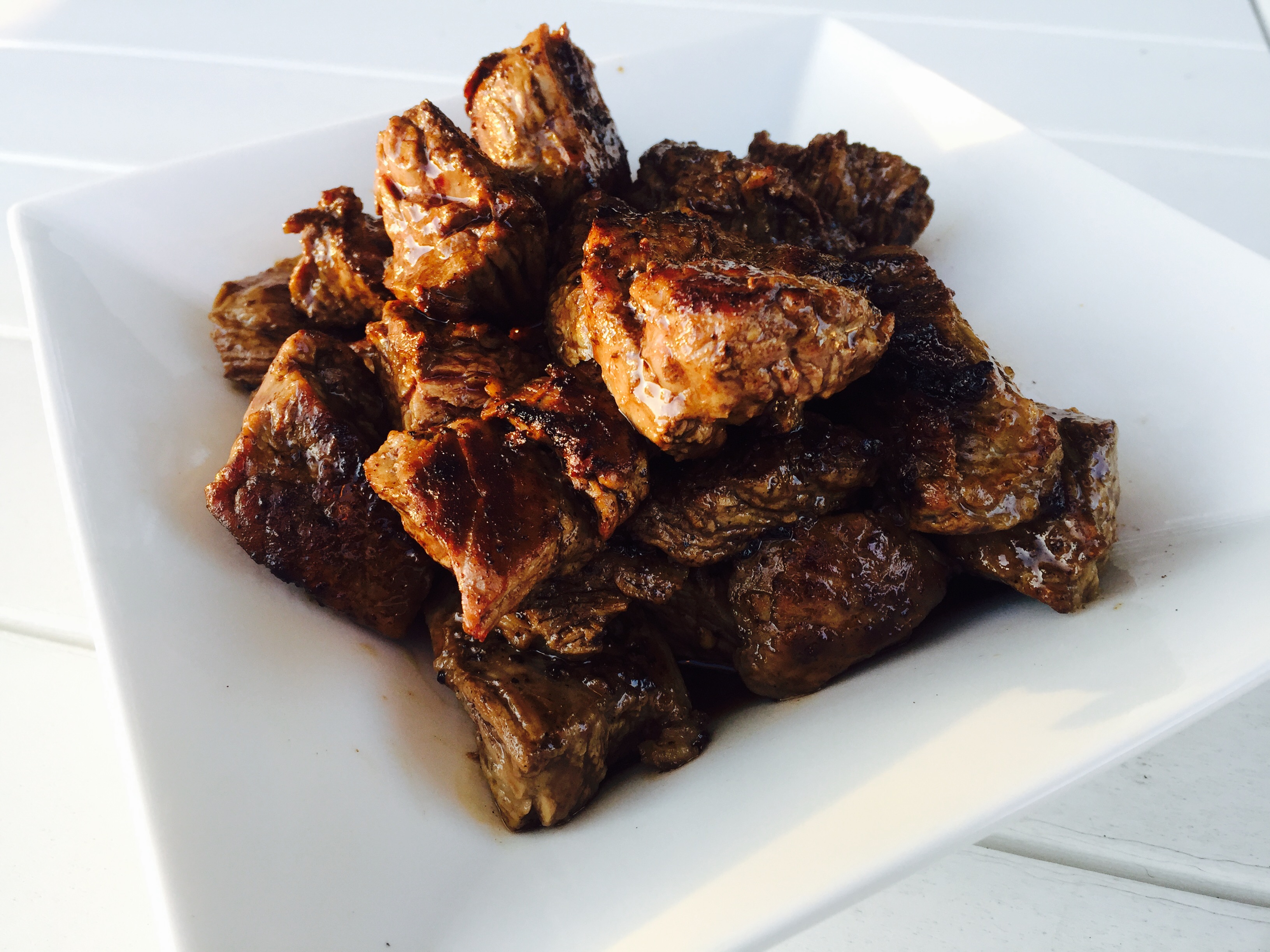
Beef sirloin tips are a bit fatty, which makes them perfect for grill because they don’t dry out, even if you leave them on a little too long. But they can be chewy, so marinating them overnight before grilling tenderizes them and gives them great flavor.

There always seems to be 2 choices when it comes to beef tips at the supermarket: the nice, clean tips that cost a lot, and the fattier, gristlier ones that come cheap. I’ve bought both, figuring I’d still save money with the cheap ones if I cleaned them up myself. Generally speaking, after cleaning up the cheap cuts of meat and tossing all the fat and gristle in the trash, I’ve found that it winds up costing about the same. So now I go for the nicest sirloin tips I can find.

I’ve made many marinades in my day, but I’ve never used the “secret ingredient” that I used this time around. I make my own Lithuanian honey liqueur called Krupnikas (I’ll write more about it in a future blog), and the combination of honey and secret spices really added to the marinade. Unless you make your own Krupnikas, you’re SOL, so I recommend honey and a little bourbon.

Gochujang is a Korean hot sauce. Feel free to substitute with your favorite.

fullsizerender-11


2 lbs. beef sirloin tips, cut into 1 1/2″ cubes
2 tablespoons La Choy Stir Fry Teriyaki sauce and marinade
2 tablespoons honey
1 tablespoon bourbon
2 teaspoons peanut oil
1 teaspoon lite soy sauce
1/2 teaspoon chili garlic sauce
1/2 teaspoon sesame oil
1/4 teaspoon gochujang


Trim off the excess fat and gristle, as well as all the silver skin off the beef, then cut into 1 1/2″ pieces. Place them in a large Ziploc bag, sitting inside a bowl. (The bowl will keep the marinade from spilling into your fridge if the bag leaks.)

In a separate bowl, combine all the other ingredients and whisk to combine thoroughly. Pour this marinade over the beef in the bag, making sure every bit of the marinade makes contact with the meat. Seal the bag tightly, squeezing all the air out of it, and place it in the fridge overnight. Be sure to squish the bag every once in a while to make sure the marinade penetrates all parts of the beef.

The next day, light a hot grill and cook the beef tips to desired doneness. If you’re cooking indoors, heat some pork lard in a large cast iron skillet, and sear the beef tips on all sides until done.

Let the beef rest before digging in!


Like hot dogs and Slim Jims, jerky is one of those “mystery meats” we love but don’t really know how it’s made or what part of the animal it comes from.
Really excellent beef jerky is a rare treat, and once you have it, you will never go back to that rancid, preservative-filled dog meat you find in a bag at the supermarket. And the best part is: it’s easy to make.
Shop around for a really nice slab of London broil or similar cut. You don’t need to buy an expensive piece of grass-fed beef, but the better the meat, the better the jerky. Remove all the gristle and fat that may be on the meat and then slice it against the grain and on a diagonal, into 1/4″ thick slices. Toss all the meat in a Ziploc bag. Once you’ve done that, all you need to do is make the marinade, marinate the beef overnight, and then dry it the next day. Your final product will be a flavorful beef jerky that is so good, you’ll find it very hard to stop eating it…or to share it.
If you use gluten-free soy sauce and teriyaki sauce (La Choy is the brand I use, found in any supermarket), this recipe can be considered gluten-free. Be careful: regular soy sauce, and even some tamari sauces, have wheat in them. Read the label!
image
1 tablespoon salt
1 1/2 tablespoons granulated garlic
1 teaspoon black pepper
1 teaspoon fresh minced peeled ginger
2/3 cup brown sugar
1 cup teriyaki sauce
1 cup soy sauce
8 lbs. raw, lean beef, like London broil, cut into 1/4″ thick diagonal slices, against the grain of the meat
Mix all the ingredients except the meat in a large bowl. Place the meat in a large Ziploc bag, pour the marinade inside, seal, and refrigerate overnight. Squish the bag around once in a while, to make sure all the meat surfaces make contact with the marinade. Keep the bag in a bowl to prevent any accidental spillage in your fridge!
The next day, pour off the marinade and discard it. Using a food dehydrator, dry the meat by laying strips in a single layer. You can also dry them in a 140 degree oven on racks slightly elevated off a baking sheet. Drying could take several hours to half a day, depending on how dry and chewy you like your jerky.
Jerky in the dehydrator.

Jerky in the dehydrator.

This recipe makes a lot of jerky, but it stores really well in the freezer. I put small amounts into individual freezer bags, then place all of them in one large freezer bag. Thaw as needed.

At a recent summer garden dinner for 12 of our friends, I wanted to serve my corn and tomato salsa that I featured here a few weeks ago.

We “smuggled” a few treats from a recent visit to Santorini Greece: capers, caper leaves and sun-dried tomatoes. Adding them to fresh corn and tomatoes gave it that salty bite that. I usually use feta cheese in this recipe, but we served a cheese plate as an appetizer, so I left the feta out. Turns out we like it even better this way…

1 dozen fresh ears of corn, lightly sautéed in olive oil
2 dozen (or more) tiny tomatoes, cut in half
1/2 small red onion, finely chopped
2 tablespoons capers
1 tablespoon caper leaves
2 tablespoons finely chopped sun-dried tomatoes
1/4 teaspoon black pepper
2 tablespoons white vinegar
1 tablespoon extra virgin olive oil (in addition to what you saute the corn with)

Slice the kernels of corn off the ears with a sharp knife. Saute them in a little olive oil, just to remove the raw taste. Don’t over cook them!

Combine the corn with all the other ingredients and place in a bowl in the fridge.

Just before serving, let it come back to cool, not cold, and check for seasoning. The capers and caper leaves are salty, so I’m careful not to over-salt.

An easy way to marinate beef is to simply throw the meat in a bag and dump some Italian dressing into it. As simple as that sounds, it flavors the meat really nicely. But I’ve got a problem with anything that comes from a jar and was made in a factory, especially when it’s so easy to make my own marinade.
I recently bought some sirloin beef tips and after trimming the fat and silver skin (they always leave it on the meat), I cut it up into 1 inch cubes. I put the pieces in a Ziploc bag and then made the marinade…

For the marinade:
1/4 cup decent quality balsamic vinegar–not the expensive stuff
1/4 cup avocado oil
1 teaspoon dried oregano
1 teaspoon dried parsley
1 teaspoon granulated garlic
1 teaspoon granulated onion
1 teaspoon salt
1/2 teaspoon pepper


2 lbs. sirloin beef tips, trimmed and cut into 1″ cubes
avocado oil
3 onions, sliced into rings
2 sweet bell peppers, sliced into thin strips
splash of white wine

Combine the marinade ingredients and pour them into the bag or container with the meat. Mix it around so that every bit of the meat gets coated with the marinade. Seal the container and place in the fridge overnight.
Next day, remove it from the fridge and let it come to room temperature before cooking.

Marinated beef, ready to cook.

Marinated beef, ready to cook.

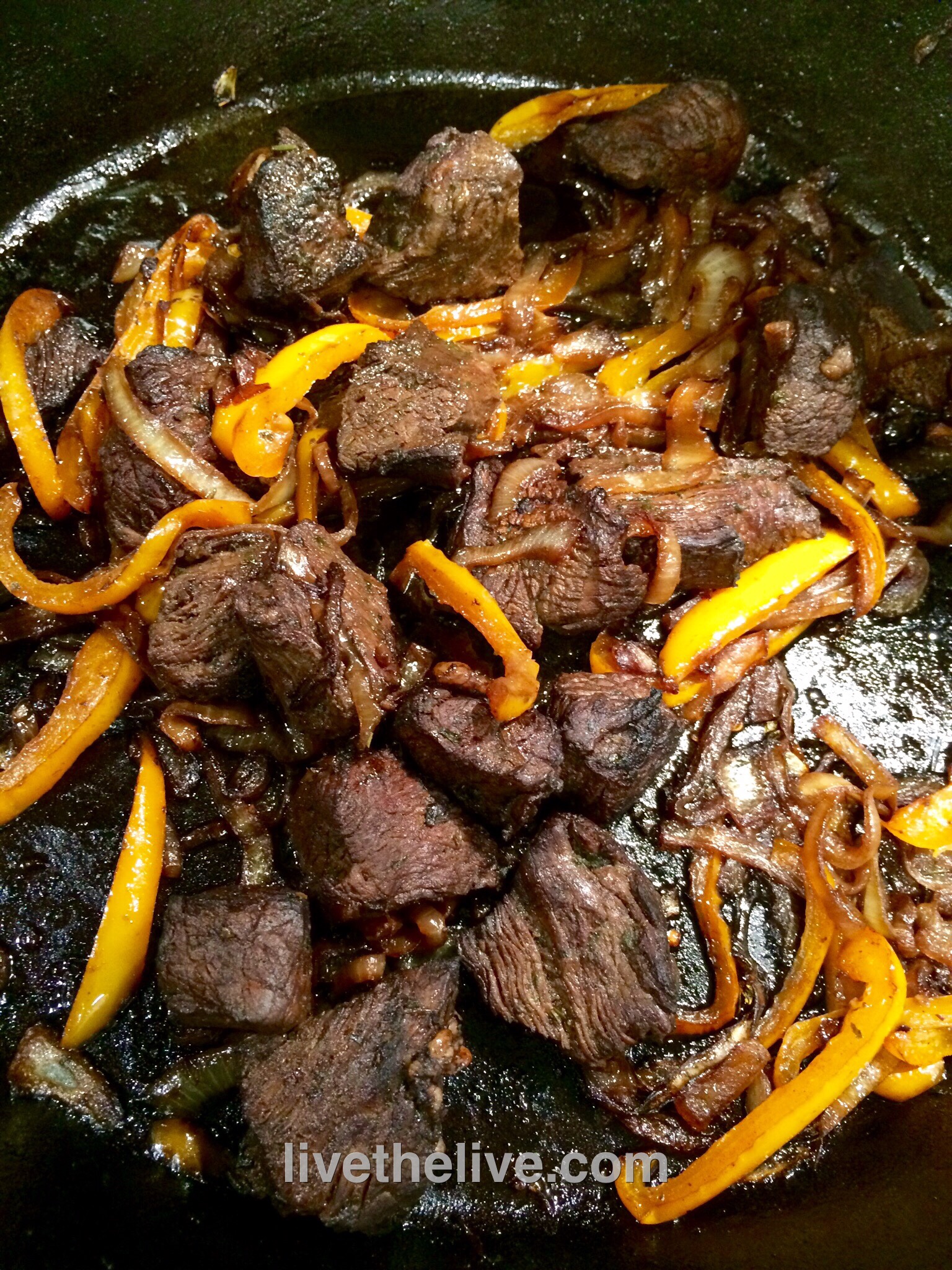
Heat a large cast-iron skillet until hot. You may not need to add oil, since the meat has marinated in it. Using tongs to shake off any marinade, place the beef tips in the skillet, and brown on all sides, constantly flipping them. Cook the meat until it is done: medium to medium rare. (Of course, a hardwood fire is great for cooking these, too.)
Remove the meat from the pan and place in a bowl to the side. In the hot pan, toss in the sliced onions and peppers. Cook until the onions and peppers are caramelized, and splash a little white wine to de-glaze the pan if you like. (The alcohol cooks off.) If there’s any left over marinade in the bag or container, you can pour it into the pan at this time.

Return the beef to the pan being sure to include all the juices that may have settled into the bottom of the bowl. Mix through until thoroughly heated and serve immediately.

I made a lot more...forgot to take the pic before devouring!


Beef flap or flap steak is a cut from the lower sirloin. It’s a long, thin cut that resembles skirt steak or hanger steak, though they come from a different part of the animal.

You can stuff and roll a beef flap, as I did in a previous blog, but it’s really hard to beat the flavor of a slab of beef that was simply marinated and thrown on the grill.

Though the beef flap is a relatively thin piece of meat, I carefully butterfly it by slicing it lengthwise with a sharp knife, to get 2 thinner pieces that really absorb the marinade.

grill3


1 lb. (or more!) beef flap steak, sliced lengthwise
2 tablespoons balsamic vinegar (red wine vinegar works just as well)
4 tablespoons extra virgin olive oil
1 teaspoon oregano
1 teaspoon parsley
1/2 teaspoon granulated garlic
1/2 teaspoon granulated onion
salt and pepper

rill2

To make the marinade, combine everything but the beef in a bowl and whisk to mix thoroughly. Place the beef in a large Ziploc bag and add the marinade. Squeeze the bag so that the marinade reaches every part of the beef. Squeeze the air out of the bag, zip it tightly, and place it in a bowl (in case of accidental spillage) in the fridge. Let it marinate overnight, squeezing the bag every few hours to let the marinade do its job. Remove the bag from the fridge about an hour before grilling so the meat comes to room temperature.

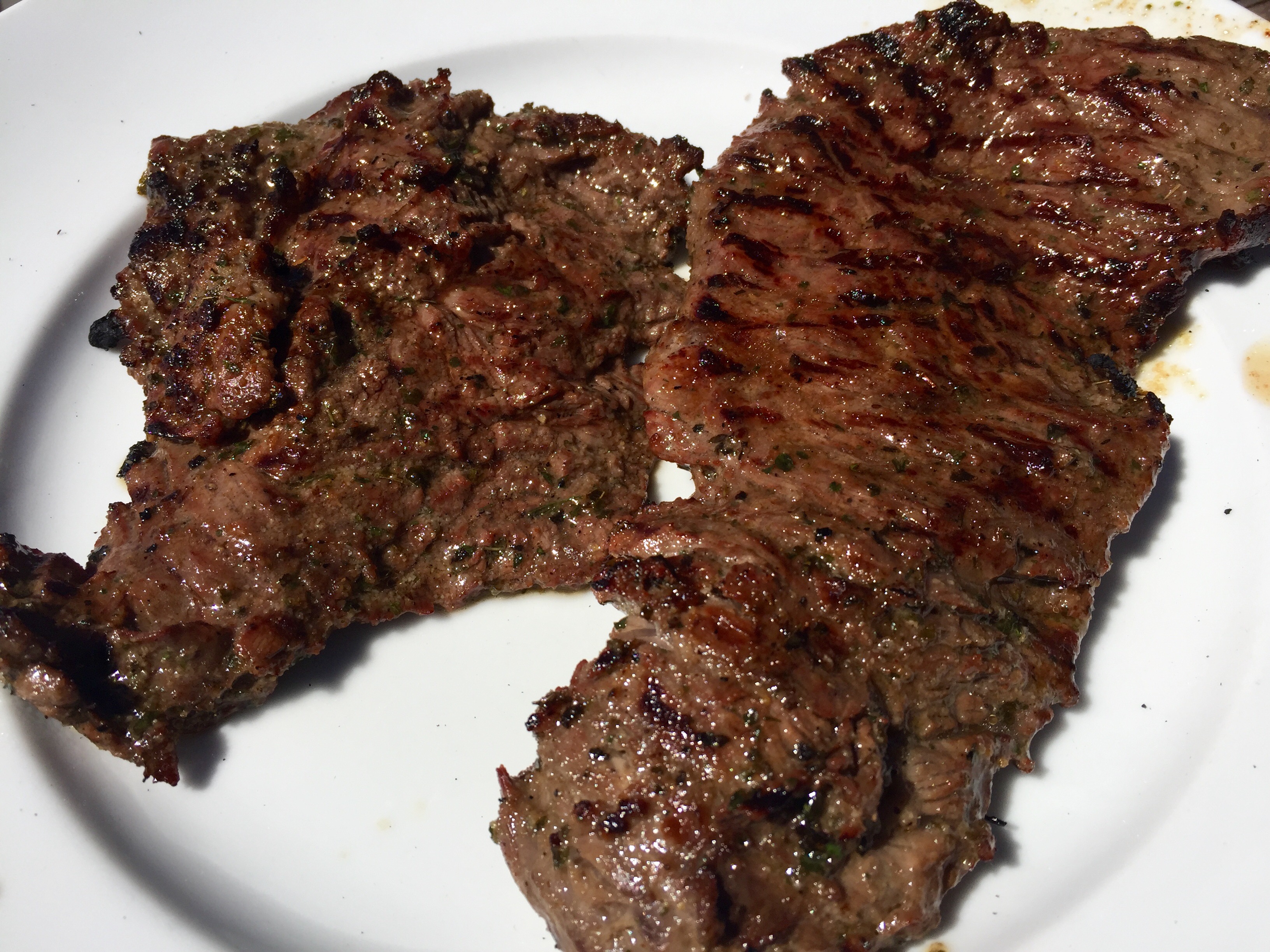
Light a hardwood fire. When the coals are really hot, place the steak on the grill and sear each side. Then flip to sear the other side. Flip again to get those fancy diamond marks on the beef. Then flip again.

grill1

The meat has little fat, so it should be nicely seared on the outside, but still medium-rare on the inside. Let it rest before slicing. When slicing, cut the beef on an angle against the grain.

Soy sauce, citrus and honey is always a winning combination with chicken. The addition of star anise adds that touch of licorice without overpowering it. The sugar in the honey can make these thighs burn, so keep an eye on them. Using non-stick aluminum foil saves a lot of clean-up hassles later.

FullSizeRender (8)


1 teaspoon ground star anise
2 teaspoons granulated garlic
1/4 cup fresh lime juice or lemon juice or combination
1/4 cup soy sauce (I use La Choy to keep it gluten-free)
2 tablespoons honey
8 chicken thighs (about 4 lb.), skin on

I have an old coffee grinder I use for spices, so I toss in a couple of star anise and grind them up. Then I measure out a teaspoon of that for my marinade. (If you don’t have a spice grinder, use a mortar and pestle.)


Combine the star anise, garlic, lemon or lime juice, soy sauce and honey. Pour into a large Ziploc bag and add chicken thighs. Squish around to make sure thighs are well coated. Marinate for several hours, or better: overnight.


Pre-heat the oven to 200 degrees. 


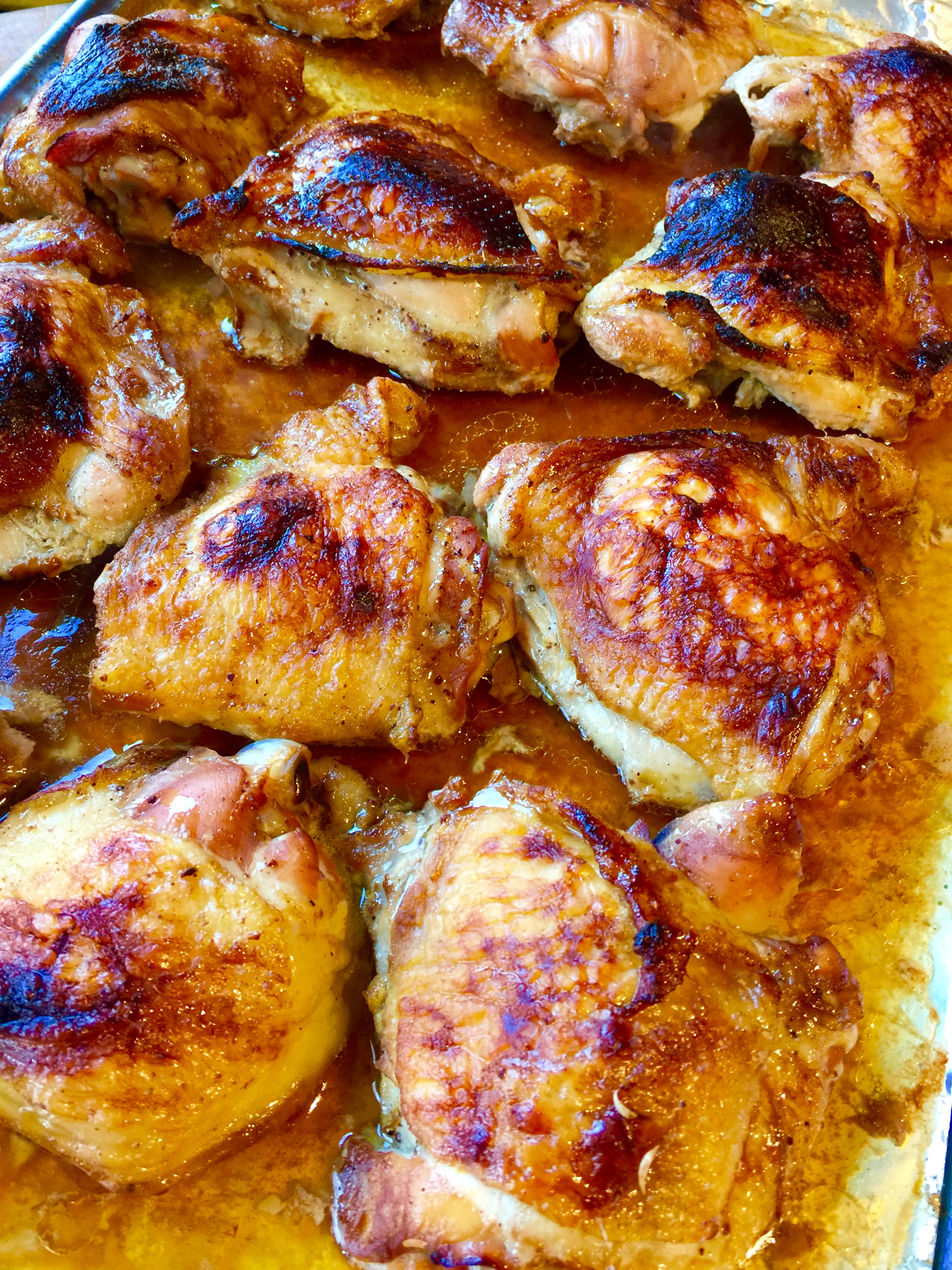
Cover a sheet pan with non-stick aluminum foil and place thighs skin-side up. Cook low and slow for about 2 hours.


Here in Rhode Island, we have access to amazing seafood year-round. My friend, Gary, is a lobster man. My neighbor farms oysters. And for anything else, the Aquidneck winter farmers’ market at Newport Vineyards in Middletown is a great place to pick up veggies, bread, pasture-raised meats from local farmers, and freshly caught seafood.
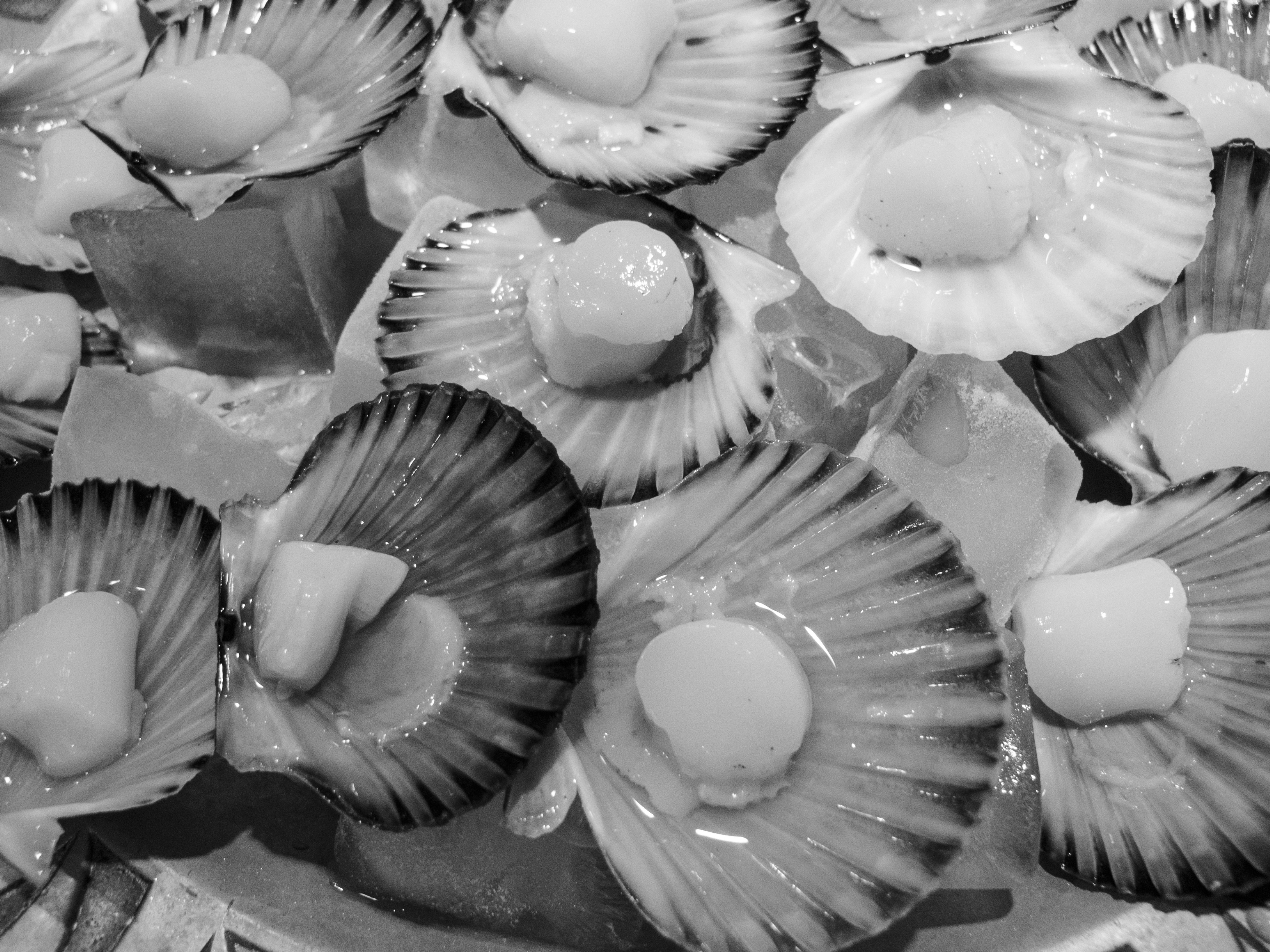
IMG_3031
As far as I’m concerned, there is no better way to eat a fresh scallop than right out of the shell with just a little marinade on top, popping these beauties into my mouth literally as they’re still pulsing on the shell.
(Channeling Clint Eastwood) “So I gotta ask just one question: Would ya eat it if it twitches? Well, would ya, punk?”  youtu.be/b4eCXZUQkNY
Scallops are a bit trickier to open and clean than clams or oysters (at least for me) but all it took was a little practice while sipping a Chopin martini and I got the hang of it in no time.
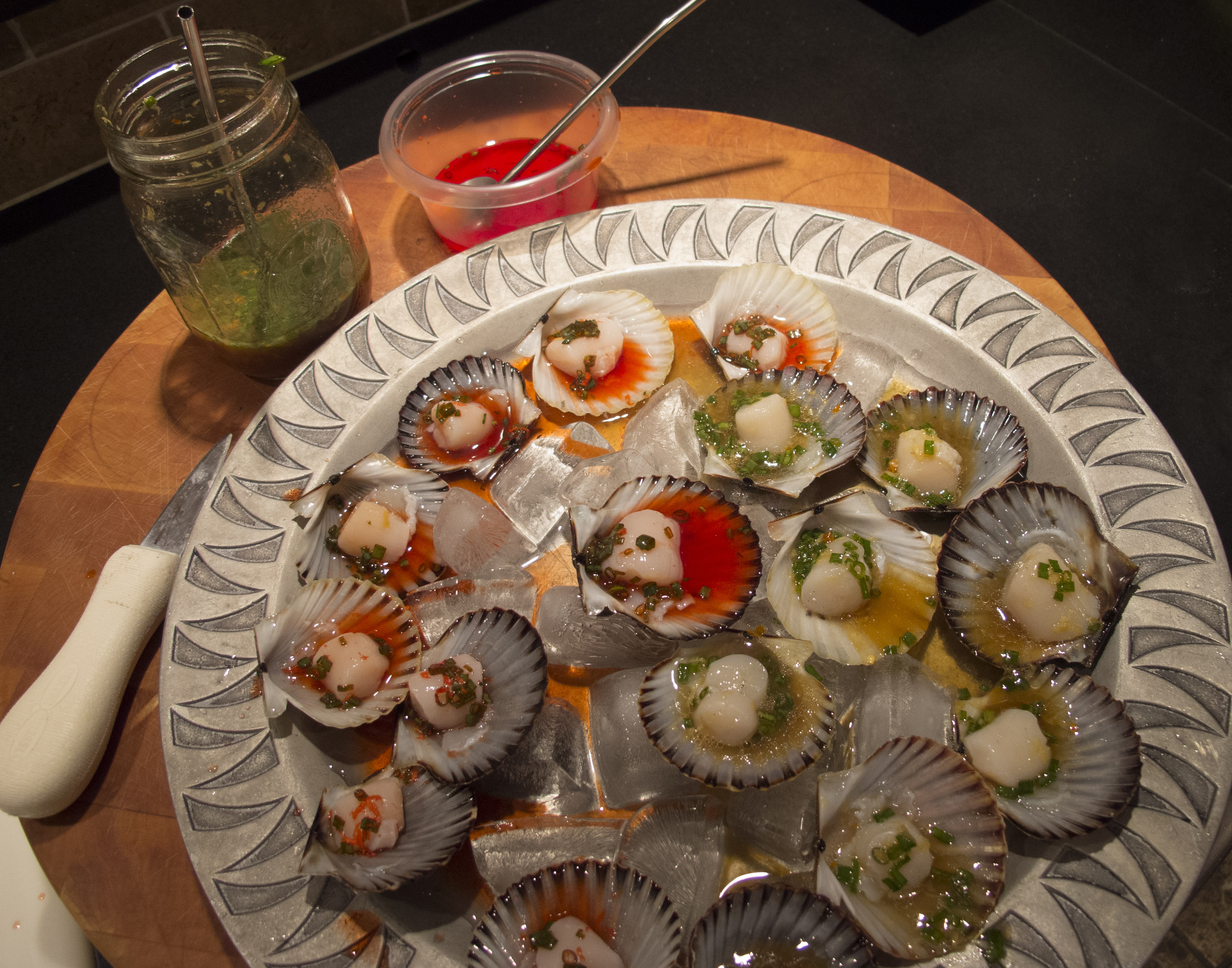
There are two marinades that I use when serving up raw scallops. The acidity in these marinades will cook the scallop a little, like in ceviche.
“MILLS TAVERN” MARINADE
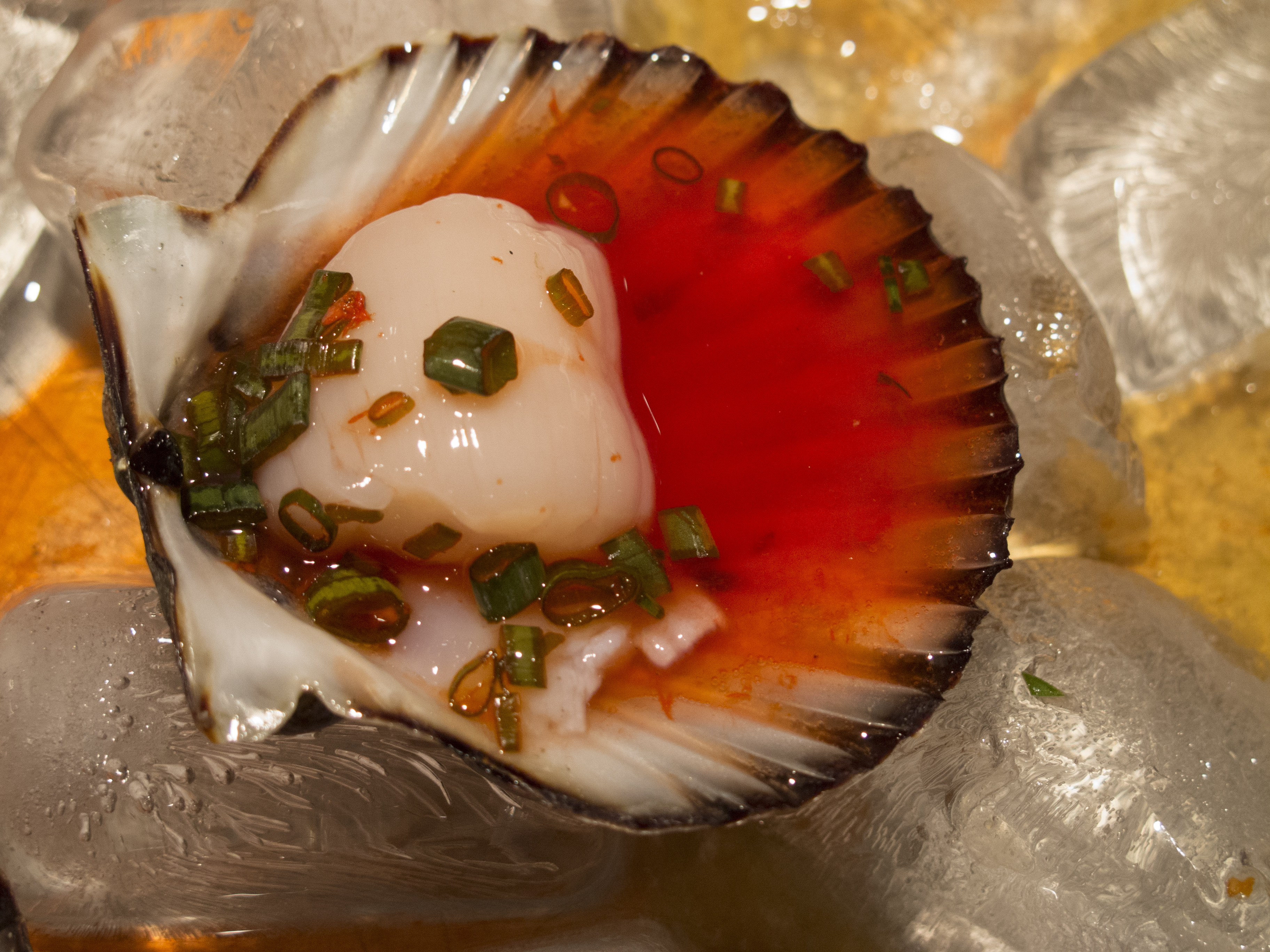
The first place my wife and I ever had a raw scallop was at Mills Tavern, in Providence, RI. Freshly shucked scallops (in large flat shells) were served on ice with a tangy red marinade. We never got the recipe from the restaurant, but this is our version of that marinade.
3 tablespoons rice wine vinegar
2 tablespoons Grenadine
1/2 teaspoon fresh finely grated ginger
2 teaspoons finely chopped scallions
Combine all the ingredients and chill before using.
IMG_3037
And here’s one I came up with that also works really well with raw seafood…
1/4 cup freshly squeezed orange juice
1 1/2 tablespoons freshly squeezed lemon juice
1 1/2 tablespoons freshly squeezed lime juice
2 tablespoons soy sauce
1 tablespoon + 1 teaspoon peanut oil
1/2 teaspoon honey
1 1/2 teaspoons fresh finely grated ginger
2 tablespoons finely chopped scallion
2 small dried chili peppers, finely chopped

Combine all the ingredients and chill before using.

IMG_3033


Thanksgiving is only a couple of weeks away. Time to talk turkey! No matter what method you prefer to cook your bird, brining it beforehand will make it tastier and juicier. And it’s easy to do.

It’s basic high school science: the brine has a greater concentration of salt and water than the molecules of the protein (in this case, a turkey) that is soaking in it. By simple diffusion, the protein molecules suck up the salty water and keep it. When you cook the meat, some of the water evaporates, but the meat still has far more moisture in it than it would have without the brine soaking, and the result is a moister, more delicious bird.

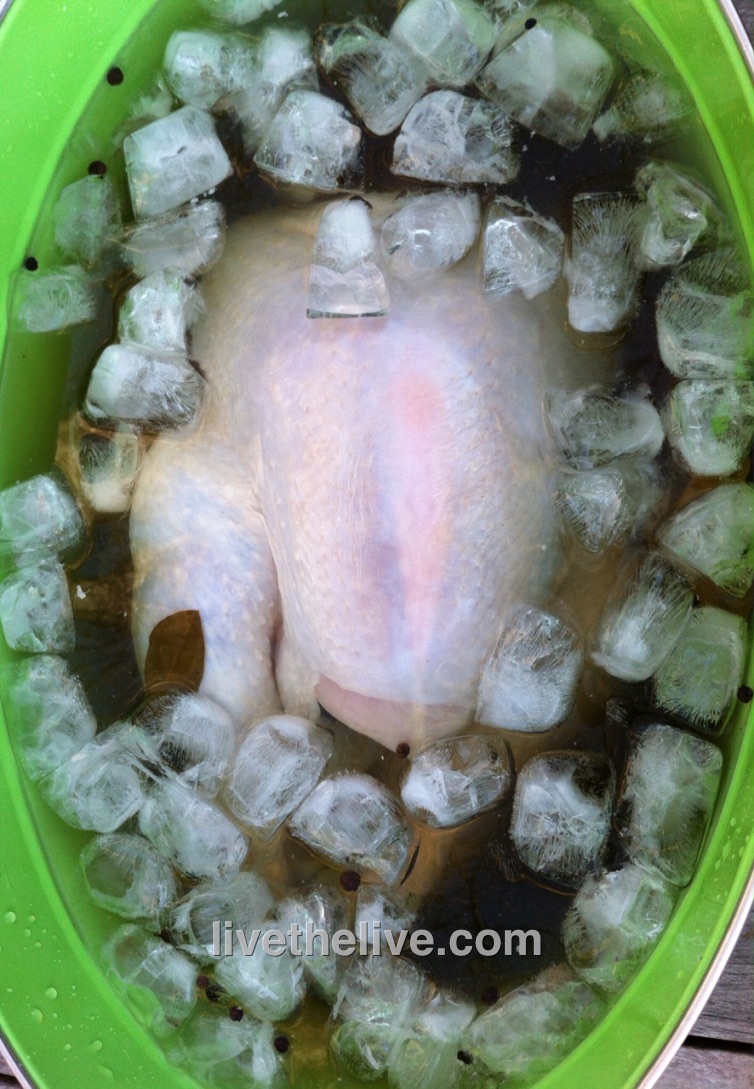
Some people use giant syringes to inject their turkeys with crazy solutions, but I think that the old way is still the best when it comes to brining. Get a big pot, fill it with the brine, and soak the bird in it. Done.

Here’s my tried-and-true turkey brining recipe. Once the brining is done, you can cook the turkey whatever way you like best. I use a method where I grill it inside a Weber grill with charcoal. It comes out smokey and absolutely amazing. I’ll have that info in the next blog.
image

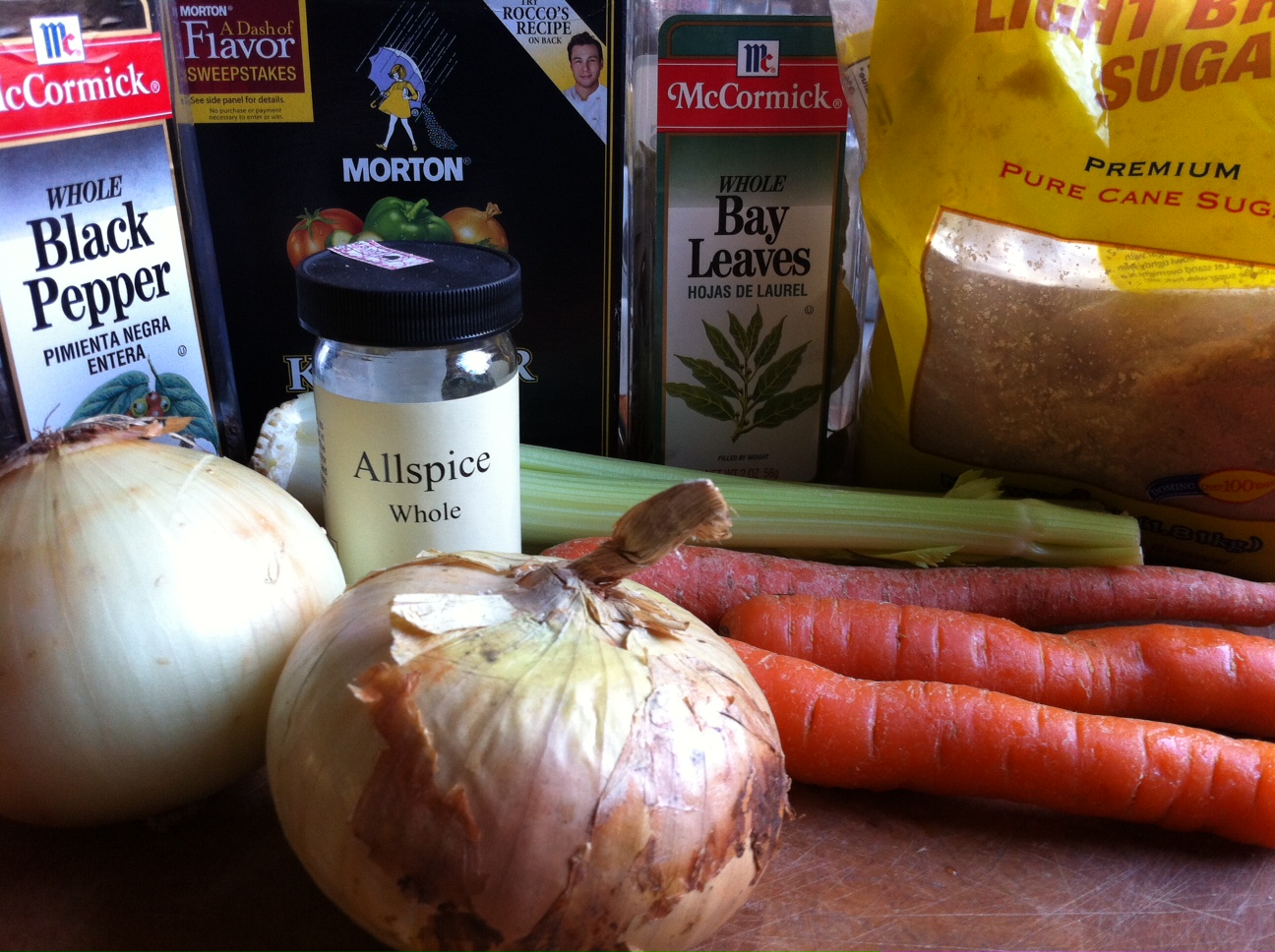
1 gallon of water
2 onions
3 carrots
3 stalks celery
1 cup kosher salt
1 tablespoon black peppercorns
1/2 cup light brown sugar
1 1/2 teaspoons whole allspice
4 bay leaves
1 gallon of ice water
14–15 lb turkey, thawed

Pour the first gallon of water in a large pot. Quarter the onions, carrots and celery (no need to peel them) and add to the water. Add salt, black peppercorns, brown sugar, allspice, and bay leaves.

Let the pot come to a boil for a few minutes. Remove it from heat and let the brine cool down to room temperature.

Remove the giblets from the turkey and place the bird in a container just big enough to hold it and 2 gallons of liquid.

Pour the now-cooled brine over the turkey, then pour in the gallon of ice water.
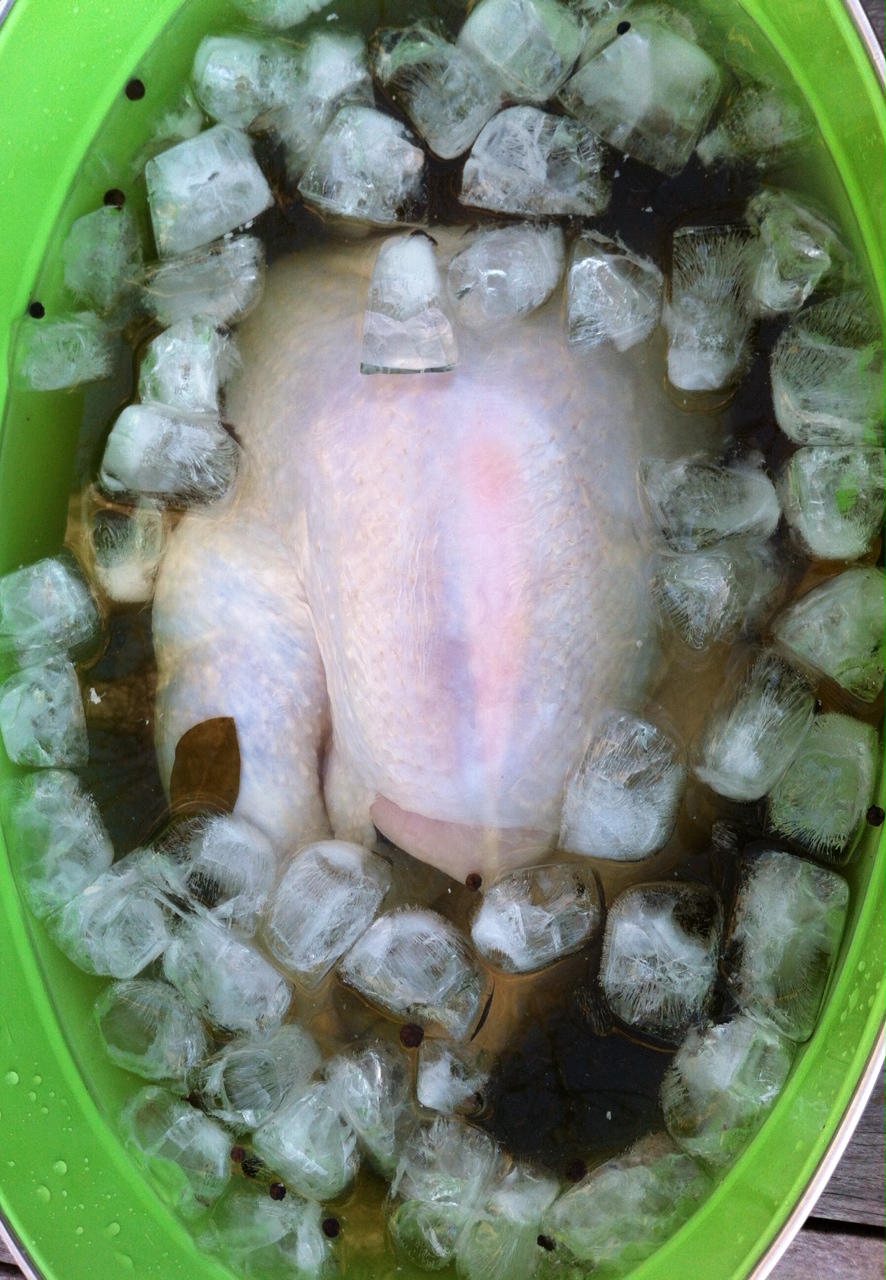
 

Make sure the turkey doesn’t float up by placing a plate on top. Put the turkey container in the fridge for 4 to 6 hours, flipping the turkey over in the container halfway through.

Drain the turkey, pat it dry with paper towels, and then cook it using your favorite recipe.


Besides a ham, lamb is the classic Easter dish. And there’s no better way to prepare it than on the grill. Many people are turned off by lamb because somewhere in their past, they had a horribly cooked piece of meat that ruined it for the rest of their lives. Don’t be sheepish! Try lamb again!

If you think lamb is too “gamey,” buy American lamb over New Zealand or Australian lamb. Although the animals are mostly pasture-raised, most American lamb is larger and grain finished, which results in a milder flavor. Unfortunately, like with non grass-fed American beef, this also results in a larger, fattier animal, and a less healthy cut of meat.

I prefer 100% grass-fed lamb. You can find it from the US, but most often it comes from New Zealand. Having been to the country, I can tell you that the quality is unmatched and the grasslands in New Zealand are the most beautiful I’ve ever seen. New Zealand lamb is smaller and is slaughtered at a younger age than American lamb, making it very tender. In New Zealand, as well as many other countries, only an animal under 12 months of age and without incisors can be called “lamb.” No such labeling is required in the United States.

I love the baby lamb chops that look like miniature porterhouse steaks. You can find them in any supermarket. Here’s an easy recipe that I served at a party in my home for 40 people, many of whom claimed they didn’t like lamb or never had it before. By the end of dinner, the chops were gone!

lamb LTL


8 small lamb chops
½ cup olive oil
¼ cup balsamic vinegar
2 cloves garlic, through a garlic press
1 tablespoon fresh rosemary, chopped
1 tablespoon honey
2 teaspoons Dijon mustard
1 teaspoon dried oregano
Salt and pepper

Place the lamb meat in a plastic bag. In a bowl, combine all the ingredients for the marinade and pour over the lamb. Seal the bag and squish it around so that the marinade reaches every part of the chops. I leave it at room temp if marinating for a few hours…or in the fridge if overnight.

Before grilling, take the lamb out of the fridge and let it come back to room temperature.

Pre-heat your barbecue grill. Grill the lamb until it’s done. That means cooked no more than medium. Don’t cook it to death! If you can’t get to a grill, place the lamb chops in an oven-proof pan (cast iron is always best) and sear on all sides. Then place the pan in a 350-degree oven to cook all the way through.


An easy way to marinate beef is to simply throw the meat in a bag and dump some Italian dressing into it. As simple as that sounds, it flavors the meat really nicely. But I’ve got a problem with anything that comes from a jar and was made in a factory, especially when it’s so easy to make my own Italian seasoning.
I recently bought some sirloin beef tips and after trimming the fat and silver skin (they always leave it on the meat), I cut it up into 1 inch cubes. I put the pieces in a glass container–a plastic bag would be fine–and then made my marinade.

Ingredients:

For the marinade:
1/4 cup decent quality balsamic vinegar–not the expensive stuff
1/4 cup avocado oil
1 teaspoon dried oregano
1 teaspoon dried parsley
1 teaspoon granulated garlic
1 teaspoon granulated onion
1 teaspoon salt
1/2 teaspoon pepper


2 lbs. sirloin beef tips, trimmed and cut into 1″ cubes

avocado oil

3 onions, sliced into rings

2 sweet bell peppers, sliced into thin strips

splash of white wine

Combine the marinade ingredients and pour them into the bag or container with the meat. Mix it around so that every bit of the meat gets coated with the marinade. Seal the container and place in the fridge overnight.
Next day, remove it from the fridge and let it come to room temperature before cooking.

Marinated beef, ready to cook.

Marinated beef, ready to cook.

Heat a large cast-iron skillet until hot. You may not need to add oil, since the meat has marinated in it. Using tongs to shake off any marinade, place the beef tips in the skillet, and brown on all sides, constantly flipping them. Cook the meat until it is done: medium to medium rare. (Of course, a hardwood fire is great for cooking these, too. It’s just a question of wanting to freeze your butt off outside or not.)
Remove the meat from the pan and place in a bowl to the side. In the hot pan, toss in the sliced onions and peppers. Cook until the onions and peppers are caramelized, and splash a little white wine to de-glaze the pan if you like. (The alcohol cooks off.) If there’s any left over marinade in the bag or container, you can pour it into the pan at this time.

Return the beef to the pan being sure to include all the juices that may have settled into the bottom of the bowl. Mix through until thoroughly heated and serve immediately.

I made a lot more...forgot to take the pic before devouring!

I made a lot more…forgot to take the pic before devouring!

This recipe is gluten-free. If you’re on a low-carb diet, you may want to skip the onions and peppers, since they’ve got natural sugars. The amount of sugar in the balsamic is minimal, when you spread it out over 2 lbs. of meat.