Archive for the ‘Food’ Category
SUGAR IS SUGAR? UH…NO
Posted: February 10, 2014 in Food, UncategorizedTags: agave, diabetes, fructose, glucose, high fructose corn syrup, sucrose, sugar
THERE’S PORCHETTA…AND THEN THERE’S PORCHETTA!
Posted: February 8, 2014 in Carnivore!, Food, Italian, New York City, pork, Recipes, restaurants, travelTags: food, Italy, New York City, porchetta, pork, recipes
Porchetta is a savory, fatty, herby, delicious slab of pig that is slow roasted…a favorite in Italy. Porchetta is also the name of a small eatery on the Lower east side of New York City, the baby of chef Sara Jenkins, where they serve this Italian classic almost exclusively, with lines of people winding down the block, waiting for their taste of pig heaven.
Traditional porchetta is made from a hog that is butchered, boned and roasted. Porchetta in New York City takes the pork loin, wraps it with the belly and skin, and slow roasts it in their special Combi oven. The result is nothing short of fantastic.
Both methods are way too big for my kitchen, so I took a page out of one of my favorite cooking magazines, La Cucina Italiana , where chef Jenkins described how a homemade version of porchetta was possible using boneless pork shoulder.
Well, I didn’t have a boneless pork shoulder, dammit! I had two beautiful pork tenderloins…not nearly as fatty, and no pork skin to wrap them with. I knew that I would have to be extremely careful not to totally dry my pork out.
Ingredients:
10 small fresh sage leaves
3 fresh small rosemary sprigs, leaves only
1 garlic clove, chopped
2 tablespoons wild fennel pollen (see below)
1 1/2 teaspoons sea salt
1 1/2 teaspoons coarsely ground black pepper
2 pork tenderloins (2 1/2 to 3 lb total)
2 tablespoons extra virgin olive oil
1/2 cup dry white wine
Heat oven to 250 degrees.
Finely chop the sage, rosemary and garlic. (I place them in a food processor.) Place mixture in a small bowl and add fennel pollen, salt and pepper. Stir together well.
Rub the herb mixture all over the 2 tenderloin pieces. Tie the tenderloins together with butcher twine. (Usually one end of the tenderloin is fatter and the other thinner. Line them up so that one fat end is tied with one thin end, making the pork package of equal thickness.)
Set pork fat side up in a roasting pan. Drizzle with olive oil.
Roast the tenderloins, basting with the wine and pan juices every 15 minutes. Cook until pork has an internal temperature of 140 degrees.
Despite that it came out somewhat awesome, I plan on using a pork shoulder next time. Leftovers make great sandwiches!
PANCAKES MADE WITH FRESH RICOTTA
Posted: February 4, 2014 in breakfast, curds, Food, Iron Chefs, New York City, pancakes, Recipes, restaurants, UncategorizedTags: April Bloomfield, breakfast, food, Iron Chef, Michael Symon, pancakes, recipes, ricotta
These pancakes, based on a recipe from chef April Bloomfield (The Spotted Pig and The Breslin in NYC), are made from fresh homemade ricotta cheese. Light as air…and really delicious! I made my first-ever batch of homemade ricotta cheese the other day, following a recipe from Iron Chef Michael Symon. He used lemon juice and zest in the recipe, which gave the cheese a stronger lemon profile than I had hoped for. But once I realized I could use that ricotta in a pancake, the lemon flavor really took the pancakes to a whole new level.
I use raw milk for my ricotta cheese. It’s not available here in Rhode Island, but it is in neighboring Massachusetts. If you can’t find raw milk, use organic milk. Just avoid anything that is ultra-pasteurized.
Ingredients:
1.2 gallon of raw milk
juice and zest of 8 small organic lemons
salt
sugar
In a saucepan, heat the milk to 180 degrees. Remove from the heat. Add lemon juice and zest, salt and sugar. Stir once and then let it sit for 5 minutes.
Pour the curds (solids) and whey (liquid) into a strainer lined with cheesecloth over a bowl. Discard the whey, if you choose, then place the remaining cheese in the fridge overnight to further continue drippage.
The next morning, the ricotta is ready to use!
Once you have the fresh ricotta, it’s time to put these beautiful rustic pancakes together…
Ingredients:
1 1/2 cups all-purpose flour
1/4 cup yellow cornmeal
2 tablespoons sugar
1/2 teaspoon salt
1/2 teaspoon baking powder
1/2 teaspoon baking soda
2 cups milk
2 large eggs, separated
1/2 cup fresh ricotta
In a large bowl, combine the flour, cornmeal, sugar, salt, baking powder and baking soda. In another large bowl, whisk together the milk, ricotta, and egg yolks. Fold the wet ingredients into the dry ingredients.
In a large stainless steel bowl, whisk the egg whites until they are stiff, but not dry. Fold gently into the batter.
Spray a non-stick griddle with a little cooking spray and drop about 1/4 cup of batter per pancake. Cook over medium heat for about 2 minutes per side, until golden and fluffy.
PASTA WITH LOBSTER SAUCE
Posted: January 19, 2014 in Food, Recipes, seafood, tomatoes, travelTags: food, lobster, pasta, recipes, Santorini, sauce
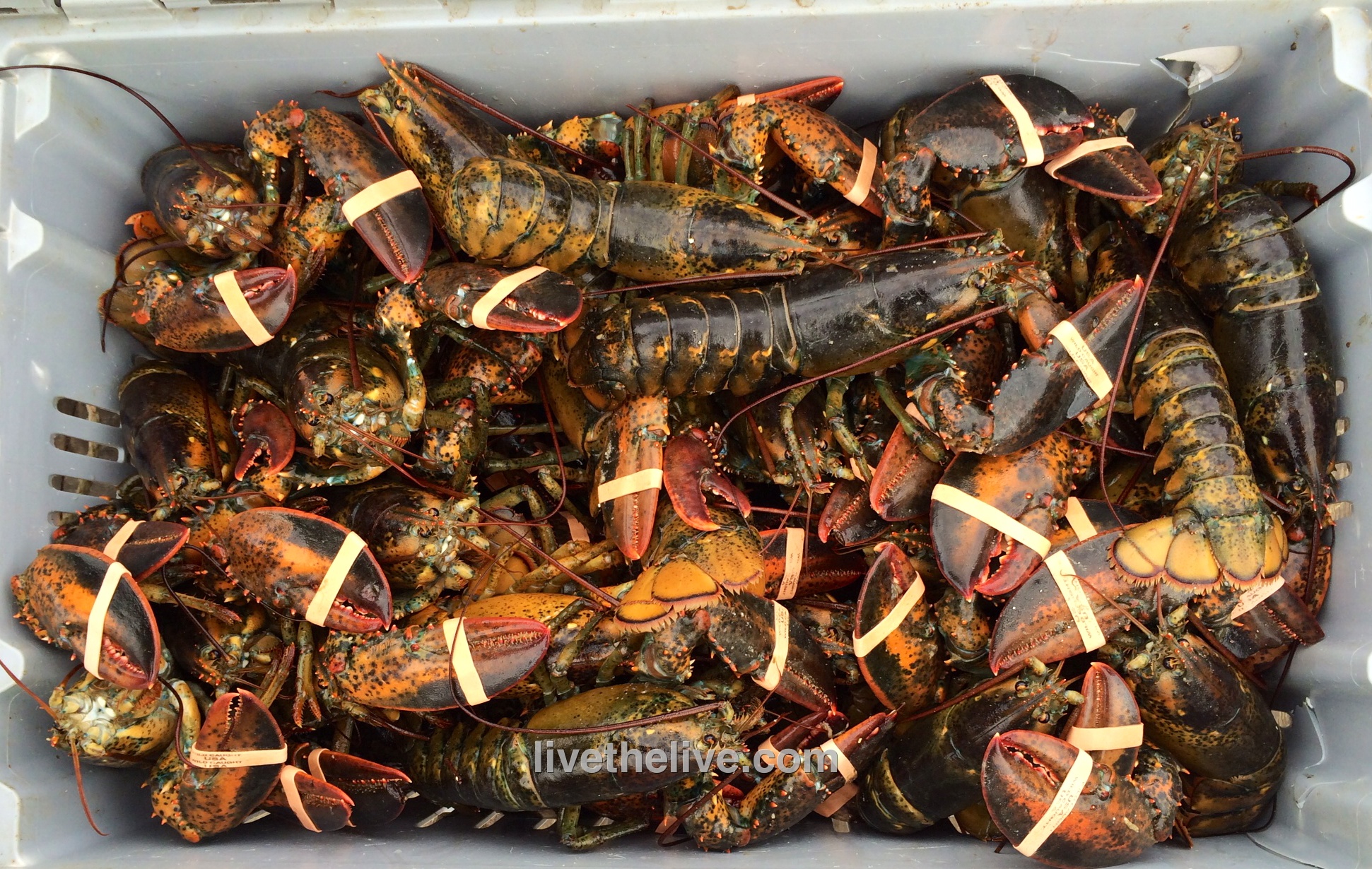
One of the most incredible dishes I’ve had on the beautiful island of Santorini, Greece, is lobster with pasta. It’s one of those dishes that takes time to prepare, because the pasta lobster sauce they make is a labor of love…time consuming and so spectacular.
To try to replicate that lobster sauce we had in Santorini, I started with a kick-ass lobster stock. It’s simple but flavorful:
Stock ingredients:
clean, empty claws, tails and bodies from two 1-1/2 lb. lobsters
12 cups water
1/2 onion
3 celery stalks
1 carrot
Place all ingredients in a large pot and set on high heat. Crush lobster shells with potato masher. Cook until it is reduced by half.
Strain the stock, discarding the lobster shells and veggies. Bring the stock back to the heat and reduce until all you have left is 1 cup of intense stock.
Now that I have the stock, I can make the sauce!
Sauce ingredients:
1/2 onion, finely chopped
1 garlic clove, finely chopped
pinch of Italian red pepper flakes
teaspoon parsley
extra virgin olive oil
1/2 cup lobster stock
1/4 cup San Marzano tomato sauce (see below)
splash of white wine (I use Alice white Chardonnay)
salt and pepper
1/2 lb. cooked pasta
Add some olive oil to a pan and saute the onions until translucent. Season with salt and pepper. Add the garlic and cook for 10 seconds. Add the red pepper flakes and parsley.
Add 1/4 cup of the lobster stock and let it cook, reducing by half. Add the other 1/4 cup of lobster stock and the tomato sauce. Let it cook for a couple of minutes and add the white wine. Cook for a few minutes more.
Cook pasta and drain even before it reaches the al dente stage. Place the pasta in the pan with the sauce, heating and coating thoroughly. Serve immediately.
For the San Marzano tomato sauce: I take a can of San Marzano tomatoes and place it in a food processor or Vita-Mix and blend until I get sauce. Pour into a pan and reduce over medium heat by half, until sauce has thickened.
MAKING MUSTARD: SHOULDA DONE THIS SOONER!
Posted: January 14, 2014 in Food, mustard, Recipes, spicyTags: condiments, food, mustard, recipes
It’s so easy to make your own mustard. And really good mustard. Mustard that hasn’t been sitting on the store shelf for a year. Mustard with real flavor.
Once the mustard is made, you’re supposed to wait a few weeks before using, letting its heat mellow a bit. But I enjoy it right from the start. Feel the burn!
The great thing about this recipe is that you make it with your favorite beer, so use what you drink and you’ll have a mustard like no one else. I used Samuel Adams Boston Ale for this recipe.
Ingredients:
1/4 cup yellow mustard seeds
1/4 cup brown mustard seeds
3/4 cup Sam Adams Boston Ale
1/4 cup apple cider vinegar
2 Tbsp. honey
2 Tbsp. brown sugar, firmly packed
2 garlic cloves, smashed
1 bay leaf
2 tsp. fleur de sel
1/8 tsp. freshly ground pepper
Put the yellow and brown mustard seeds in a bowl and pour in 1/2 cup of the beer. Push the mustard seeds down to submerge them in the beer. (I lay a sheet of plastic wrap down on top to keep them submerged.) Cover and refrigerate for 24 hours.
Combine the remaining 1/4 cup of beer, the vinegar, honey, brown sugar, garlic, bay leaf salt and pepper in a small saucepan. Bring the mixture to a boil over medium-high heat, stirring to dissolve the honey and the sugar. Boil for 1 minute, the immediately remove the pan from the heat and let it cool to room temperature.
Toss the garlic and the bay leaf in the trash and pour the liquid into a blender. Add 3/4’s of the plumped mustard seeds and blend to break the seeds. Add the remaining 1/4 of the mustard seeds and pulse just once to mix. You want the mustard thick, with some whole seeds remaining.
Put the mustard in an airtight container in the fridge for at least 3 days, and up to a week, depending on how mellow you want it and how much waiting you can tolerate! After about 3 weeks, the mustard will be at its peak…but it will keep in the fridge for several months. (I can’t imagine it will last that long.)
KRUPNIKAS: A LITHUANIAN HONEY LIQUEUR
Posted: January 10, 2014 in Cocktails, drink recipes, Drinks, Food, mixology, Recipes, UncategorizedTags: drinks, honey, krupnikas, liqueur
I can’t believe it took this long to write about something that is near and dear to my heart…and liver.
I’ve been making a Lithuanian honey liqueur called Krupnikas for over 30 years. (And no, I won’t be posting my secret recipe here.) It’s a honey-based liqueur that is popular in eastern Europe, especially in countries like Lithuania (where my parents were born) and Poland. Though most of the Krupnikas that I’ve tasted is similar, no two recipes are exactly alike.
If you Google “Krupnikas,” you’ll find many different recipes for the stuff…some pretty good, some incredibly awful…and none as good as mine! But still…you can make it at home. I make it with grain alcohol, but if that’s not available in your state, you’ll have to settle for vodka.
My Krupnikas making story started with my uncle, who would make batches of the stuff in his kitchen. Because I am the godfather of my cousin, Victor (his son), starting at the then-drinking age of 18, I got a bottle from my uncle every Christmas…and by New Year’s that bottle would be gone. It wasn’t long before I got very tired of waiting 51 weeks for another bottle and I asked my uncle if he would share his recipe with me. He never did that, exactly, but he did let me sit in on a brewing session and take notes.
I took my notes home and tried to decipher what I wrote. Since there was no such thing as the internet back then, I drove all over New York in search of some of the more exotic spices used in making Krupnikas. I became a regular in several Asian and Indian stores, where they looked at me somewhat suspiciously as I brought my spices to the counter for purchase.
Over the decades, through trial and error, I tweaked and even drastically changed my uncle’s original recipe to the one that I proudly call my own today. You can’t buy it in a store (obviously), but if you have tons of money and want to go into business with me, I’m sure we can work something out! Or become my best friend and you’ll get a bottle every Christmas…and then you’ll be the one waiting 51 weeks for another!
Versions of Krupnikas are available in liquor stores: Old Krupnik is a Polish liqueur, and the German brand Barenjager is another. And brands like Dewar’s and Jack Daniels are adding honey to their spirits as well.
Though quite different from my own recipe, there is one authentic Lithuanian style Krupnikas made in the United States. Based out of Durham, North Carolina, the Brothers Vilgalys Spirits Company (www.brothersvilgalys.com) has a pepperier version that uses local North Carolina wildflower honey. President of the company, Rim Vilgalys, the son of my good childhood friend from New York, has done what I never got around to do: make this fabulous elixir available to the public. You’ll find it at ABC stores throughout the state of North Carolina. On line, you’ll find it at Federal Spirits, based in Washington, DC…a very interesting website full of regional spirits from around the USA and Canada. www.federalspirits.com
Sveiks! (Cheers!)