Archive for the ‘Food’ Category

Here in Southern New England, the most popular brand of chicken salad you can buy is called Willow Tree. They’ve made it for over 50 years, and people crave it like crack. And it’s good: moist and “mayonnaisey”.

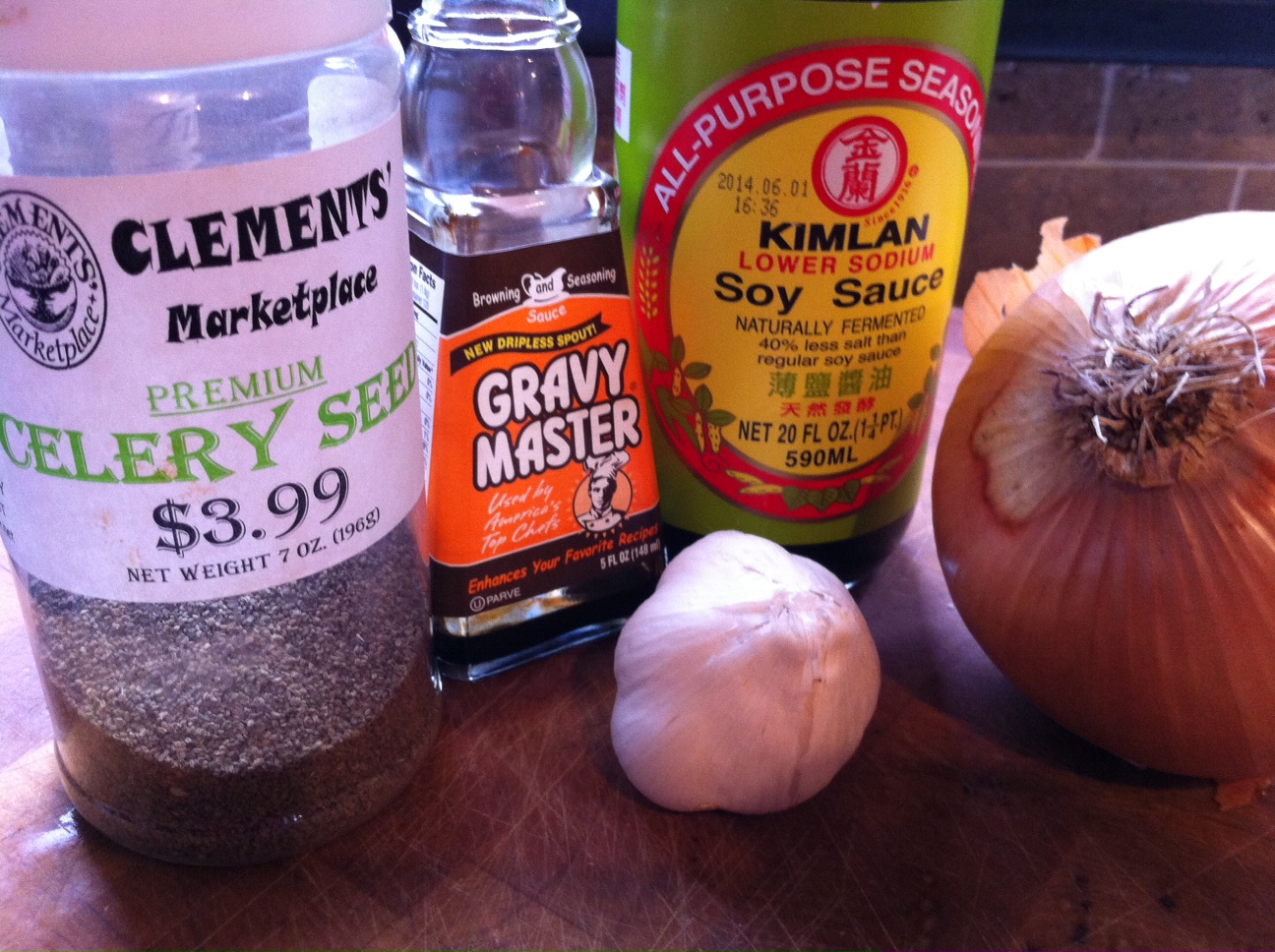
But I’ve never been a fan of “secret” ingredients, and Willow Tree is full of ’em, so my task was to make something that was as good as Willow Tree, with known ingredients. I got close…real close! As always, I use pastured chicken and organic veggies when possible. I found that boiling the chicken breasts in stock instead of water keeps the meat more flavorful.


image


1.5 lbs boneless skinless chicken breasts
4 pints salt-free chicken stock (I use home-made)
1/2 cup mayonnaise (I live on Hellman’s)
1/4 cup finely chopped celery
2 tablespoons finely chopped Vidalia onion
1 teaspoon light brown sugar
1/8 teaspoon granulated garlic
1/2 teaspoon salt
1/8 teaspoon black pepper


Heat the chicken stock in a large pot. Bring to a boil and add the chicken breasts. Bring to a boil again, then simmer uncovered for about 7 minutes. Turn the heat off, cover the pot with a lid, and let the breasts sit in the pot for 30 minutes. After 30 minutes, remove the breasts to a cutting board and allow them to cool. Save the chicken stock for another use, like soup. (See below.)
Meanwhile, in a large bowl, combine the mayonnaise, celery, onion, brown sugar, granulated garlic, salt and pepper. Mix them thoroughly to combine.

When the chicken has cooled, shred the breast meat into bite-sized pieces and then transfer it into the bowl with the mayonnaise mixture. Mix thoroughly and chill before serving.

I love my chicken salad on a Martin’s Long Roll.


BONUS: I don’t waste the chicken stock left over in the pot. I chop some carrots, celery and onion and throw it in there. I reserve some of the chicken breast meat–just a bit–and throw it in there, too. I add a little salt and pepper, and a pinch of dried Bouquet Garni. I bring it to a boil, then reduce the heat to a simmer and cook until the veggies are al dente. Pasta or potatoes optional.

Makes an awesome chicken soup!


As a teenager growing up on Long Island, I worked long hours at a local Italian restaurant called Pizza City East in Plainview. (The original Pizza City was in Ozone Park, Queens.) Though the pay sucked, I made some important friendships that have lasted to this day. I also learned many Italian cooking basics: how to open clams for red and white clam sauce, the secrets of great pizza dough, the art of a perfect espresso, and how to make massive quantities of baked ziti.

The basic ingredients of baked ziti are the same as lasagna, and I make one or the other depending on my mood or what I’ve got in the cupboard. I also like to make my lasagna a little dryer, where baked ziti shines in its incredible gooiness.

My lasagna usually consists of 2 sauces (a meat sauce and a bechamel sauce) and 4 cheeses (ricotta, mozzarella, provolone, and Parmigiano Reggiano) using pasta that is boiled much firmer than al dente. I like real pasta, not the no-boil sheets, because I think the flavor is better. I’ve tried the no-boils, and I’ve found that they don’t cook evenly. Sometimes you get a nice soft bite and other times it’s completely raw and pasty. There are plenty of great brand choices for lasagna sheets these days, and that includes gluten-free varieties.

lasagna


Meat Sauce…
1 small onion, finely chopped
1 small carrot, finely chopped
1 lb. grass-fed ground beef or pastured pork, or a combination of both
1 tablespoon dried parsley
2 teaspoons dried oregano
1 teaspoon dried basil
1 teaspoon salt
1/2 teaspoon black pepper
1 28-oz. can whole tomatoes
extra virgin olive oil for sautéing


Heat a tablespoon or 2 of olive oil in a large pan and sauté the onions until translucent. I finely chop the carrots by peeling them all the way down until there’s nothing but a pile of peeled pieces, then chopping them up so small, they almost melt into the sauce. Add the carrots and cook for 2 minutes. Add the beef (or pork) and cook the meat until it browns. Add the parsley, oregano, basil, salt and pepper and mix well.

Empty the can of tomatoes into a blender and blend it until smooth. Add this to the pan and mix well.

Cook the meat sauce for about 10 minutes, then remove it from the heat and set it aside.

Hint: I’ve found that no-boil pasta sheets suck up a lot more moisture than already-cooked pasta, so I make my sauce a bit runnier than usual when using the sheets.


Bechamel sauce…
3 tablespoons butter
3 tablespoon all-purpose flour (I use Cup4Cup flour to make it gluten-free)
1/2 teaspoon salt
1/4 teaspoon black pepper
2 cups 2% milk


Bechamel is a basic white sauce. It adds a wonderful creaminess to my lasagna or baked ziti.

Melt the butter in a saucepan under medium heat. Add the flour and whisk until you’ve combined the butter and flour and have a light roux.

Add the milk, and keep whisking, making sure you don’t get any lumps in the sauce. Season with the salt and pepper.

Keep whisking until the sauce thickens. Once it does, remove it from the heat and set it aside.


A special 4-cheese all-bechamel sauce lasagna, before cooking.


I made 2 different versions this last time. Having tomato allergies and on a gluten-free diet, my wife got a 4-cheese all-bechamel gluten-free lasagna all to herself. It baked up nicely.

4-cheese gluten-free lasagna, after baking.


12 oz. lasagna pasta sheets (boiled or no-boil)…or 12 oz. small pasta, like ziti, elbows or penne
4 slices provolone cheese (about 4 oz.)
ricotta cheese (about 4 oz.)
mozzarella cheese, thinly sliced (about 4 oz.)
2 tablespoons freshly grated Parmigiano Reggiano


Pre-heat the oven to 350 degrees.

If you’re using regular pasta, boil the lasagna sheets in a pot of salty boiling water until very firm…firmer than al dente. Drain the pasta and run cold water over it to stop the cooking process. The pasta will want to stick to itself, so work quickly. Adding a drop of olive oil can help.

Lay a thin layer of the meat sauce at the bottom of the lasagna pan, which will keep the lasagna from sticking. Then start your layers: a layer of pasta, a thin layer of the Béchamel sauce, the 4 slices of Provolone, a layer of pasta, a layer of the meat sauce, small teaspoon-sized dollops of the ricotta, another layer of pasta (press down occasionally to remove air bubbles), another thin layer of Béchamel, the Parmigiano Reggiano, more pasta, more meat sauce, etc….

Make it as thick as you like. I like to cover the final layer of pasta with the meat sauce and then finish the dish with the mozzarella, sprinkling a touch of oregano on top.

Place the lasagna pan in the oven and bake for 30 minutes, or until bubbly. Shut the oven off, but leave the pan in for another 10 minutes, then serve.

The baked ziti version, using elbow pasta this time, before baking.


If you’re making a baked ziti version, your job is a lot easier. Take the cooked, drained pasta and pour it into the pan. Add the meat sauce and some bechamel sauce. Stir in the ricotta, torn up pieces of the provolone, grated Parmigiano Reggiano, and even a few small chunks of mozzarella. Mix it well. Then place more mozzarella on the top, and bake it in the oven for about 30 minutes.

The best mac and cheese ever: the baked ziti version, substituting elbow pasta for lasagna sheets.


Of course, when you’re cooking, there’s always someone hanging around to grab a taste of the baked ziti before it goes in the oven…


Hosting a “boys’ weekend” at Saule, our rental home in Little Compton, Rhode Island  (Go to http://www.sauleri.com. We’re listing #4711871 Homeaway.com), I made this as a side dish to the piles of meats we devoured.

This is a salad you want to make now, while corn and tomatoes are still in season, but I’ve found that frozen organic corn and greenhouse tomatoes work pretty darn well.


2 lbs. fresh or frozen organic corn
1 container grape tomatoes, chopped
1 small red onion, finely chopped
6 oz. mild crumbled cheese, like cotija or feta
1 package (5 oz.) organic baby arugula
1 teaspoon Fleur de Sel
1 teaspoon black pepper
1 tablespoon capers, drained
2 teaspoons white balsamic vinegar
2 tablespoons extra virgin olive oil


If you’re using fresh corn, remove it from the ears, then pan saute it  in a little olive oil, but leave it nice and crisp. If you can roast the ears of corn over some coals, even better. If you’re using frozen corn, pan saute in a little olive oil. Set the corn aside to cool.

Mix the corn with all the other ingredients in a bowl. Cover and refrigerate.

Right before serving, taste and season it again, mixing well. I think it’s best a little cooler than room temperature.

I know many people like to dry the herbs they grow in their garden. It’s easy enough to do: you snip ’em, wash ’em, and then dry ’em, usually in a food dehydrator or on a sheet pan placed in a low-heat oven.

I prefer to freeze my herbs. Every year, I grow a wide variety: several types of basil, parsley, oregano, tarragon, thyme, rosemary, lavender, and massive quantities of sage. I snip the herbs, wash them and dry them in a salad spinner, and then place them in plastic freezer bags, squeezing all the air out before sealing. I place all those smaller bags in one larger bag, for extra protection. I like the color and flavor of the herbs better this way. I learned this method years ago, in my younger days, when preserving the potency of particular herbs was essential. (That’s all I’ll say about that!)

Freshly washed and dried sage.


The reason I grow a lot of sage is because I usually make a very large quantity of my famous stuffies (the New England stuffed clam) in the wintertime and the recipe calls for several cups of fresh sage…really expensive if you decide to buy it at the supermarket in the dead of winter. (You can find the stuffies recipe here: https://livethelive.com/2017/12/06/stuffies-a-new-england-classic-2/)

I snip the sage leaves, and before washing, I pre-measure them, usually a cup or two at a time, packing them somewhat tightly in a glass measuring cup. Once I have my measurement, I wash them, dry them in the salad spinner, and place them in plastic bags, marking the quantity on the bag. Then, when my stuffies recipe calls for 4 cups of sage, I simply grab the amount of bags I need and I’m ready to go.

Pre-measured sage, ready to go in the freezer.


But even though I do all this, I’ve still got a herb overload in my garden, and it seems like such a waste to let them simply turn into compost. Recently, I read an article in Christopher Kimball’s “Milk Street Magazine,” featuring New Orleans chef Alon Shaya. When he faces massive herb leftovers, he takes all of them–and here’s the key–it doesn’t matter what herbs they are–and tosses them in a food processor with an equal amount of kosher salt. A few seconds of processing, and he’s got a fantastic herb salt that he then uses in all kinds of dishes. (To keep the herb salt fresh, it’s a good idea to put it in a tightly sealed container in the freezer.)

My mix of garden herbs. Really: you can mix and match anything.


I thought that was a brilliant way to use up the leftover herbs I had in my garden, so I gave it a try: a tightly packed cup’s worth of fresh herbs, plus a cup of Kosher salt in the processor.

The beautiful color of herbed salt.


I went one step further. If having herbed salt is a great idea, then having herbed butter at the ready has to be even better! I simply took a stick of unsalted butter out of the fridge and let it soften. (Use unsalted butter or the result will be way too salty.) I added one teaspoon of the herbed salt to the butter and mixed it in well. Then I placed the butter on a sheet of wax paper, and rolled it into a small log, twisting the ends of the paper to seal it, placing it in a plastic bag and into the freezer.

Herb butter.


Now, when I want to amp-up the flavor of a freshly grilled steak or piece of fish (or a plate of freshly cooked  boiled or baked potatoes,) I just take the log of herbed butter out of the freezer, slice a piece off, and let it melt over the top, placing the log back for future use.


ASIAN NOODLES WITH PEANUT SAUCE

Posted: September 13, 2018 in Food, Recipes
Tags: , , , ,

There’s something about Asian noodle dishes that make them incredibly addictive. They’re great hot or cold, and easy to make at home, which is important to me because I live in the boonies, about 30 miles from my favorite Asian restaurant. I store an arsenal of basic Asian ingredients in my pantry, so slapping this together is no effort at all. And if you don’t have Asian noodles around, chances are you’ve got a box of pasta, which works just as well.

Next time you’ve got a bunch of people coming over to watch some football, cook a batch a few hours beforehand and let it come to room temperature. It’s great with anything, especially ribs. Grab a bag of frozen egg rolls or some potstickers, and you’ve got great munchies for the game.

To make this recipe gluten-free, I use GF pasta…and you can find gluten-free hoisin sauce in the Asian food section of most supermarkets.


Asian noodles


4 tablespoons creamy peanut butter
1 tablespoon hoisin sauce
2 teaspoons sesame oil
1 teaspoon Chinese chili garlic sauce (more, if you like it spicy!)
16 oz. package Chinese noodles or pasta


Combine the peanut butter, hoisin sauce, sesame oil, and chili garlic sauce in a bowl. Set it aside. I keep my peanut butter in the fridge once the jar is open, so sometimes it’s a bit thick. So I just zap it in the microwave for about 10 seconds to soften it up.

Boil the noodles or pasta until al dente. Drain it and place it in a large bowl.

Mix the noodles with the sauce.

Devour!

It’s National Cheese Pizza Day! If you want to know the measure of a truly great pizza, you gotta go bares bones and order a simple cheese pizza. It’s tough to hide behind a classic combination of dough, sauce and cheese. It either rocks or sucks.

There are few foods that people take as personally as pizza. Tell someone your pizza place is better than their pizza place, and chances are you’ll start a fight. Well, my pizza place is better than your pizza place, because I make it at home. Besides, I can run faster than you.

I’m not going to say that much of the pizza that I’ve tried here in Rhode Island is mediocre, but I will say that I was born in Brooklyn and grew up working in many New York pizza places in my youth. So yes, I do have a very strong opinion on what I think makes a good or bad pizza. And, alas, I’ve tried, but a good gluten-free pizza is not yet within reach. The frozen ones you get in stores are passable, but making one at home has been nothing short of a disaster.

My homemade pizza is all about the basics. The better quality my original ingredients are, the better my pizza will be:


The dough…

The key ingredient is 00 flour, and it can be found in specialty stores,  or online. Ratios for this recipe depend on the humidity in my kitchen on any given day, but my basic pizza dough recipe is as follows:

4–5 cups 00 flour
1 cup tepid water
1 tablespoon salt
1 packet Italian pizza yeast
a squirt of extra virgin olive oil

I mix all the dry ingredients in the bowl of a stand mixer, then slowly add the water as it mixes. After the ingredients are well mixed, and the dough pulls from the side of the bowl, I remove it to a floured board, where I knead the dough by hand for another 5 minutes, until it is smooth and elastic, shaping it into a ball. I rub a little olive oil over the ball of dough, place it in a bowl covered with plastic wrap, and let it rise for 2 hours, punching it down after that, and letting it rise another 2 hours again.

The sauce…

I’ve written an earlier blog about real and fake cans of San Marzano tomatoes. I feel that San Marzanos make the best sauce, but not all cans of San Marzanos are created equal. The only way you can be guaranteed you have a real can of these beauties, grown in volcanic Italian soil in the shadow of Mt. Vesuvius, is by the D.O.P. designation on the can. (D.O.P. stands for “Denominazione d’Origine Protetta,” and signifies that it’s the real deal.) Anything else that says San Marzano may not be.

San Marzanos are so amazing, that all I do is puree them in a food processor, pour the sauce into a pan, and let it reduce until it has thickened. No spices or additions of any kind.

The cheese…

I don’t need to go super-fancy with mozzarella di bufala (cheese made from the milk of the water buffalo) …but I don’t use the mass-produced supermarket stuff, either. Fresh mozzarella, found in most supermarkets, is the way to go.

The toppings…

Since we’re talking National Cheese Pizza Day, it’s a no topping day.

But my signature pizza that wows my dinner guests is my marinated beef tenderloin and fried chive blossom pizza. I marinate and grill a piece of beef tenderloin, slicing it thin. And in the springtime, when my chive plants are budding like crazy, I snip the blossoms before they open and place them in Ziploc freezer bags to use all year-long. When it’s time, I grab a handful of the blossoms and fry them in a little olive oil, salt and pepper, and sprinkle them over the top of the beef tenderloin pizza. A touch of Fleur de Sel on top seals the deal.

My signature marinated beef tenderloin and chive blossom pizza.

The oven…

Many professional pizza ovens reach a temperature of 1000 degrees. My home oven only reaches 500, but it does the trick. I do use a pizza stone, and place it on the center rack of the oven, and let it heat up thoroughly (about an hour) before sliding a pizza onto it for cooking.


My favorite pizza?

I haven’t been to every pizzeria on this here planet, but I’ve been to a few, and for my money, the best pizza I’ve ever had is something called pizza montanara. They take the pizza dough, stretch it out, then fry it in olive oil for a minute so that it puffs up like a beautiful pillow, then they add the sauce and mozzarella di bufala on top and place it in a wood burning oven to cook. Garnished with a basil leaf, it is absolute pizza perfection, and my favorite place to get it is at Pizzarte on West 55th St. in Manhattan.

The original location of Frank Pepe Pizza Napoletana in New Haven, CT, is a very different and very delicious pie. And locally, in my neighborhood of Southern New England, I’ve had excellent pizza at Al Forno in Providence, RI, the restaurant that started the grilled pizza craze…Fellini Pizzeria, on the east side of Providence, RI and in Cranston, RI, home of a wonderful New York-style thin crust pie…and Brick, with 3 locations: Fairhaven, MA, N. Dartmouth, MA and New Bedford, MA.

I’m not a big beer drinker, but I do like to cook with it. One of my favorite things in the world is beer-battered fish. And it doesn’t have to be greasy if you do it right. (Scroll down to the bottom to see how to make this gluten-free!)

When you fry at home, you can do things the right way: start with clean oil, heat it to the right temperature, and then throw it out when it’s done. When you go to a fast-food place, that oil has sat there all day (if not all week)…it’s been used hundreds of times…it absorbs the flavors of whatever was fried before your food got dropped in there…and quite frankly, it’s beat up.

What got me started with this whole beer-batter-at-home process was stumbling upon some fresh local cod at my neighborhood seafood store: Bridgeport Seafood in Tiverton, Rhode Island. My buddy, Dave, said that the cod came from just off Sakonnet Point that day. Good enough for me!

I always try to fry with healthy oils. For me, that means olive oil, avocado oil, or, pork lard from heritage breed pigs. But none of those choices are cheap. So I allow myself to “cheat” when deep-frying and I use peanut oil or vegetable oil. Using a thermometer, I heat it to 350 degrees. I always watch the temp of my oil…it can get too hot very quickly…and by the same token, the temp can drop quickly if I throw in a whole bunch of fish into the pot all at once. Using one of those deep fryers made for home use is also a good way of cooking and controlling temperature. I’m careful not to put too much oil in my pot (halfway up is fine) or it could spill over, since oil expands as it gets hotter.

Here’s all you need for great beer batter:

1 1/2 cups all-purpose flour (I use King Arthur)
12 oz. bottle of beer (Sam Adams Boston Lager works for me)
1 teaspoon salt

Combine all the ingredients in a bowl and beat until smooth. Cover loosely with plastic wrap and place in the fridge for 3 hours.

Cut your fish into pieces that aren’t too big and will fit in your pot easily. The thickness of the fish may vary and so may the cooking times of each piece. When the oil reaches 350, simply dip the fish into the batter and let as much batter drip off as you like before you carefully place the fish into the oil. Fry until golden brown.


beer batter


What good is fried fish without tartare sauce, right? Don’t tell me you’re using the stuff in a jar after frying the fish yourself!

1/2 cup mayo (I always use Hellmann’s)
Dash of Worcestershire sauce
Dash of Frank’s Red Hot cayenne sauce
Grinding of black pepper
1 tablespoon finely chopped capers
1 teaspoon lemon zest, using micro plane zester

Combine all the ingredients in a bowl, cover with plastic and refrigerate for an hour before using.


To make beer-batter gluten-free, substitute GF flour for the all-purpose flour. (I like Cup4Cup.) And now, you can get gluten-free beer that tastes pretty damn good. Use it instead of regular beer, and you’ve got a beer batter that’s gluten-free!

Before you can have great shrimp cocktail, you have to do 2 things: buy the right shrimp and cook the shrimp the right way. The right shrimp is nothing less than wild-caught American shrimp. If you’re buying shrimp from Asia, your supporting a system that uses slave labor, where shrimp are fed chemical pellets and swim in feces. If it doesn’t say wild-caught American shrimp on the package or at your local seafood store, it’s crap. Give your store owner hell for selling it.

Cooking shrimp the right way is something I learned living in the South. My wonderful friends and neighbors taught me many things about food, and the right way to cook shrimp is near the top of the list.

Shrimp was never meant to be cooked to death. It doesn’t matter if you start with fresh shrimp, store-bought shrimp, or even frozen shrimp…the same rules apply: 1) Season your water. 2) Bring it to a boil, then reduce to a simmer and let it get happy for 20 minutes. 3) Drop in the shrimp and raise the heat. 4) Remove the shrimp AS SOON AS the water returns to a boil.

The seasoning for the water, commonly called shrimp boil, makes or breaks the flavor of your shrimp. For years, I used Zatarain’s Crawfish, Shrimp and Crab Boil in a bag. And it was good. But at some point, I realized I had to get serious and make my own boil.

2 quarts water
2 cloves garlic, smashed
1/2 lemon, squeezed, then drop the lemon in
1 small onion, peeled and quartered
4 bay leaves
1 tablespoon black peppercorns
1 tablespoon salt
1 tablespoon whole allspice
1 teaspoon cayenne pepper
1 teaspoon celery seed
1 teaspoon whole cloves
1 teaspoon brown mustard seed
1 teaspoon dry thyme

Combine all the ingredients in a 4–6 quart pot. Bring it to a boil, then reduce to a simmer, put a lid on the pot, and let it simmer for 20 minutes.

After 20 minutes, remove the lid and pour in your shrimp. (I prefer unpeeled.) Stir well, bring the heat back up to high, and remove the shrimp AS SOON AS it returns to a boil! The shrimp are cooked! Done!

Strain the shrimp and place them in a bowl with crushed ice on the bottom. Add more crushed ice on top of the shrimp, and place the bowl in the fridge until you’re ready to serve.


Freshly shucked oysters and clams, or in this case, beautiful boiled wild-caught American shrimp, all call for an equally amazing cocktail sauce…and this sauce kicks butt! And it features a key ingredient that you might not expect: vodka. The small amount of vodka in the mix makes the cocktail sauce easy to scoop even when stored in the freezer. Just scoop out what you need, let it thaw, and put the rest back in the freezer until next time.

image


2 cups ketchup
4 tablespoons prepared horseradish
1 tablespoon fresh lemon juice
1 teaspoon Worcestershire sauce
1/2 teaspoon Frank’s Red Hot, or other hot pepper sauce
5 grinds of fresh black pepper
1/4 teaspoon salt
1 teaspoon good quality vodka, like Tito’s

Combine all the ingredients. Store in a tight plastic container in the freezer.

I recently hosted a “boys’ weekend” at Saule, our rental home in Little Compton, Rhode Island (http://www.sauleri.com. We’re listed at Homeaway.com), and when you’ve got guys coming over, you’ve got to have ribs! I like making these because they don’t require hours on the grill. They’re gooey, sweet and absolutely delicious!
 image
¾ cup soy sauce
 1/4 cup hoisin sauce
5 lbs. pork ribs
Zest and juice of 1 lemon
2 whole star anise
2 cinnamon sticks (3”)
1/2 cup honey
4 cups chicken broth
Mix the soy sauce and the hoisin in a bowl, and set aside. These are the marinade ingredients.
If the ribs are large, cut them into individual pieces. If smaller, cluster 2 or 3 ribs together. Place them in a large pot. Cover them with water and bring it to a boil. Boil for 5 minutes. Drain.
Place the ribs on a baking sheet lined with non-stick aluminum foil or with a rack and coat them with the marinade. Let them sit for 10 minutes.
Pre-heat the oven to 350 degrees. Bake the ribs on the baking sheet for 30 minutes.
While the ribs are baking, start the sauce in a large non-stick pan or pot that will hold all the ribs: combine the lemon zest and juice, star anise, cinnamon sticks, honey and chicken broth. Bring it to a boil, then reduce it to a simmer.
When the ribs have finished baking, add them to the sauce pot and simmer (covered) for at least 15 minutes or until the rib meat is tender.
Turn the heat on high, uncover the pot and cook until the sauce is reduced to a glaze that coats the ribs. Be sure to reduce the heat as the sauce thickens or the sugars in the honey will burn! When the ribs are sticky and gooey, they’re ready.
Substituting grapefruit for the lemon works really well, too!


One of our favorite restaurants in Southern New England is The Back Eddy in Westport, Massachusetts, and one of their best-selling appetizers is a simple but delicious deviled egg plate with raw tuna on top. It’s so good, it’s the only thing on the menu that my wife and I refuse to share…we always get a plate for ourselves!

We can’t always get back to the Back Eddy, so when the cravings hit, I make my version of this dish at home. Of course, my version has a lot less finesse to it…but a lot more tuna, which is what I crave! It takes a little time to make it, but it’s so worth it…


FullSizeRender (5)


6 hard-boiled eggs
1/4 cup + extra mayonnaise
8 oz. high quality raw tuna
3 tablespoons soy sauce (I use gluten-free)
1/2 teaspoon chili oil
1/4 cup finely chopped scallions
1 teaspoon sesame seeds
fish roe (optional, see below)
handful fresh spinach, or cucumbers (see below)


My favorite method of hard-boiling eggs is to put them in a pot of cold water. Turn the heat on high and bring to a boil. As soon as the water boils, turn the heat off and place a lid on the pot. Let it sit for 15 minutes. Perfect eggs every time. Remove the eggs from the water and cool them in the fridge, or in a bowl of ice water if you’re going to be serving this dish right away.

Here in Rhode Island, I can get fresh tuna right off the boat. Ideally, they say you should freeze all raw seafood before eating it. In general, killing parasites requires freezing and storing fish at a surrounding temperature of minus 4 degrees Fahrenheit or colder for seven days; or freezing at a surrounding temperature of minus 31 degrees or colder until the fish is solid and storing at the same temperature for 15 hours; or freezing at a surrounding temperature of minus 31 degrees until the fish is solid and storing at minus 4 degrees or below for 24 hours.

That’s a lot of work and worry. I find that I can get high quality tuna already frozen into convenient bricks at Whole Foods or on-line at websites like Vital Choice, one of my favorites for extremely high quality, responsibly sourced seafood.

I always try to buy responsibly sourced, fair trade seafood, like this beautiful ahi tuna.


If the tuna is frozen, let it thaw a little. If it’s fresh, place it into the freezer for about 10 minutes to firm up. That makes it easier to cube up. Slice the tuna carefully into the smallest cubes you can make. Once done, place the tuna in a bowl and put it back in the fridge to continue its slow thawing until ready to use.

In a separate small bowl, combine the soy sauce and the chili oil. Set aside.

Finely chop the scallions. Set aside.

Once the eggs have cooled, peel them and cut them in half. Scoop out the yolks and place them in a bowl, starting with 1/4 cup of the mayonnaise. Add more mayo if needed. Mix well. I use a fork or whisk to get as many of the lumps out as possible. If you want to go crazy, you can put them in a blender or food processor to make a creamy puree. You can place the puree in a piping bag and carefully squeeze it out into each egg half. I simply use a spoon.

Once all the egg halves are filled, place them on a spinach leaf-covered dish and put them back in the fridge until ready to serve. Or, instead of the bed of spinach, peel a cucumber and cut the ends off. Slice the cuke into 1/2″ thick slices. Then, using a melon baller, carefully scoop out the seeds from the center to make a “cuke donut.” Use these as little stands to hold your eggs on the plate.

When you’re ready to serve, take the tuna out of the fridge. Pour the soy sauce/chili oil mix into the bowl with the tuna and mix well. Let the tuna marinate for just 2 minutes. Pour off the excess marinade, or it’ll get too salty.

Remove the plate of eggs from the fridge and carefully put a small spoonful of tuna on top of each one. Garnish with the sesame seeds and the chopped scallions and serve immediately.


FullSizeRender