It’s interesting how we sometimes stumble upon great food finds. After taking our daughter to the Boston Museum of Science on a recent Saturday, we decided to eat at a small family run Italian restaurant in a blue-collar neighborhood in East Boston, one that was featured a few years ago on the Food Network’s “Diners, Drive-Ins and Dives” with Guy Fieri. It’s called Rino’s Place, and we’ve been waiting for the opportunity to try the food there for a long time.

Rino’s Place opens at 3PM. We got there at 3PM. The line was out the door and down the street, with a 3-hour wait. (They don’t take reservations for parties smaller than 6.) I don’t care how good the food is supposed to be…I’m not going to wait 3 hours to eat pasta. So, disappointed, we drove off, hoping to perhaps visit Rino’s on a less popular weekday some other time.

Meanwhile,  my wife, the artist, was scanning the neighborhood and found an interesting art gallery, Atlantic Works, nearby. We decided to check it out. There wasn’t much to see, but the ladies that ran the joint told us that Rino’s, in their opinion, was good but overrated. The exposure Rino’s got from DDD was so huge that they even bought the convenience store across the street from the restaurant and converted it into a bar for those that chose to wait for their tables. Total cash cow.

Just down the road from the Atlantic works, the ladies told us, was a funky little joint that made authentic Australian meat pies. That sounded good. They said it was tucked away inside a funky old marina that featured bizarre metal sculptures on the roofs of the buildings. That sounded intriguing. Off we went.
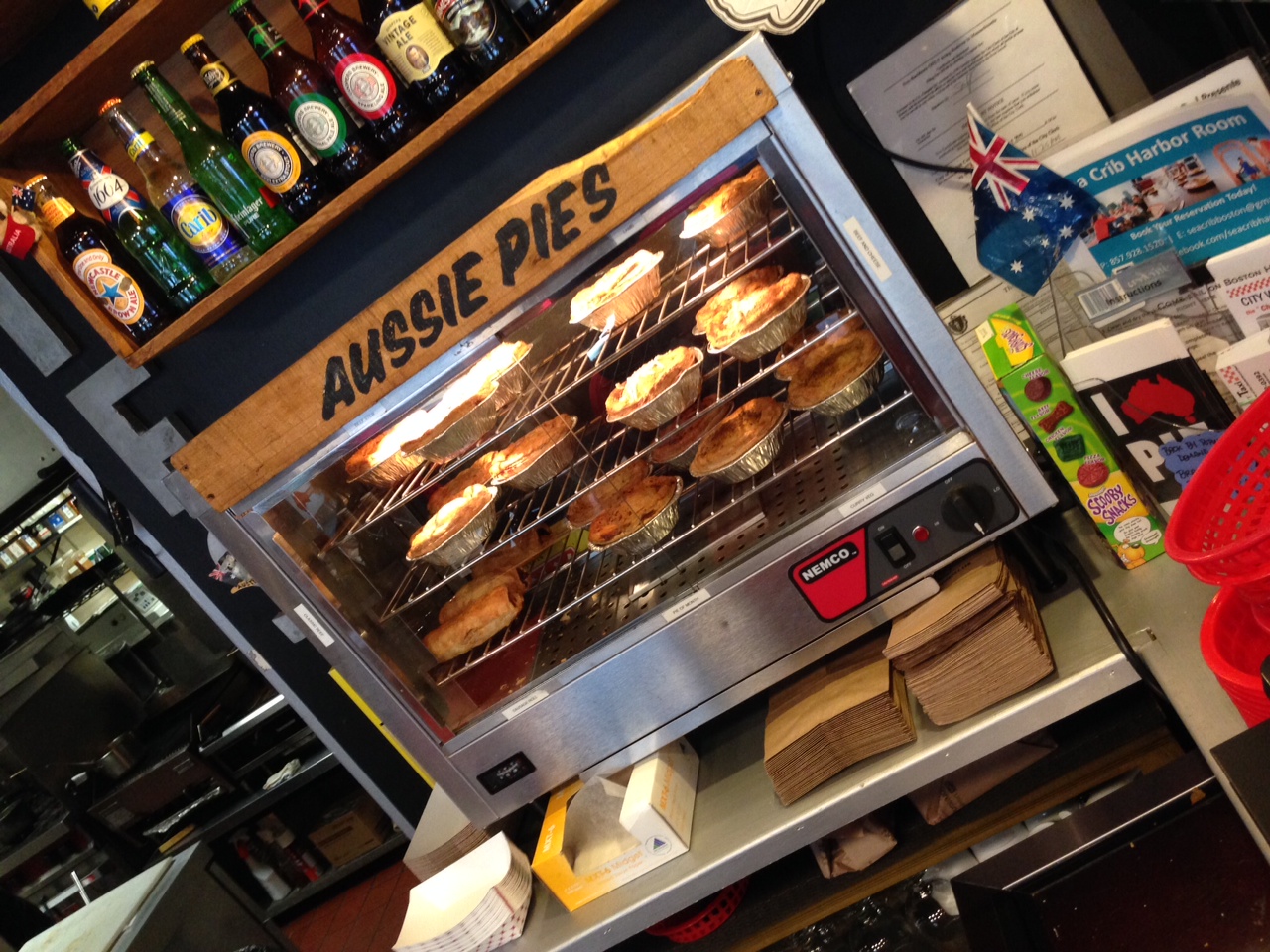
photo

A few lefts and rights…a little loss of GPS at one moment…and we arrived at the Boston Harbor Marina. Definitely the slow season, as many of the boats were still shrink-wrapped, but you could see this place had potential in the summertime, with huge metal sculptures of fish and mermaids on the property. And sure, enough, tucked away in a far corner was KO Catering and Pies, our Aussie meat pie joint.

pie2

It was cold and windy outside, but some brave souls were sitting at the picnic tables outside, enjoying their meals. We chose to buy a bunch of frozen pies and take them home to re-heat.

They were awesome: beef with cheese, braised lamb shank, beef stew…all surrounded by some of the most delicious and flakiest pie crusts you ever bit into.
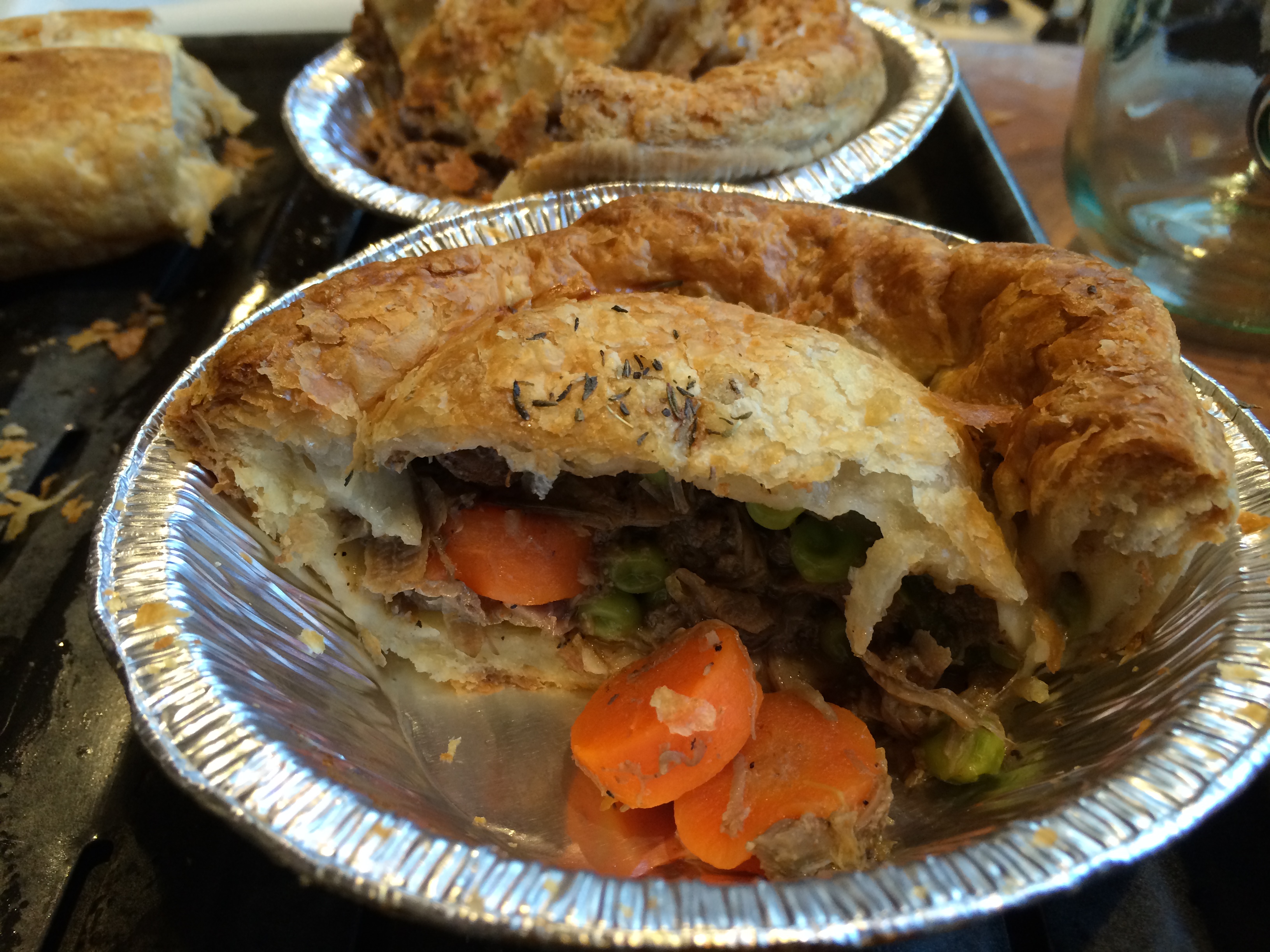
more pie

KO has another location in south Boston as well. Either one is worth a visit. Start here: http://www.kocateringandpies.com

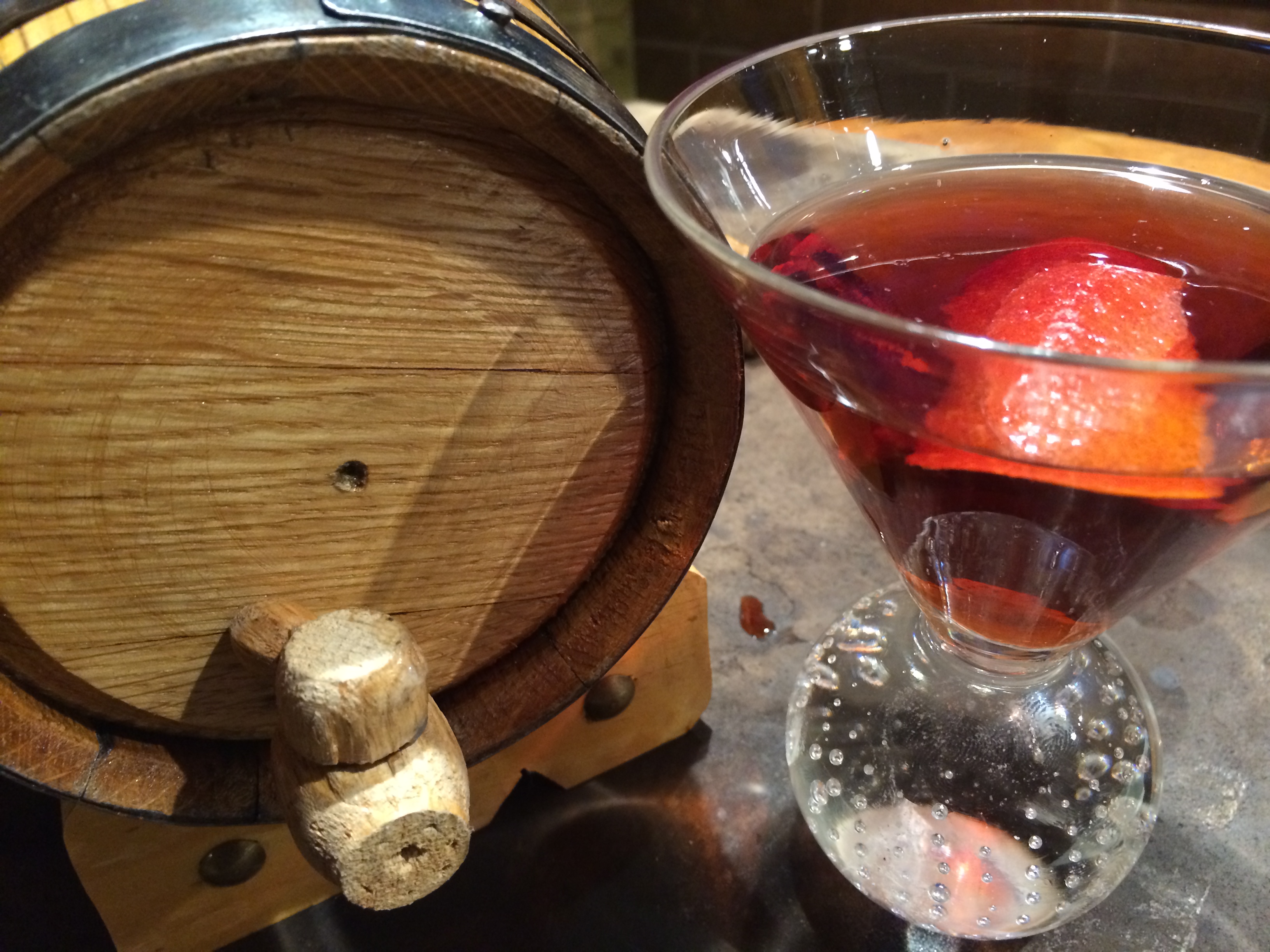
Used to be that only the big distilleries were able to age their finest spirits in charred oak barrels. But now, there’s a movement goin’ on…and hand-crafted oak barrels are available to aficionados at home.

Companies like Redhead Barrels (www.redheadoakbarrels.com) are offering oak barrels for aging that range in size from 1 liter to 20 liters. And that’s where this enthusiast comes in: with a 1-liter barrel, I’m able to age my favorite spirit–vodka, rum, whiskey, bourbon, anything–in just a few weeks, elevating the flavors to levels previously unknown. For example, they claim that Crown Royal will age to Crown Reserve in 14–15 days! Imagine what it can do for any spirit–or wine–you choose.

wood

My  1-liter barrel arrived with the spigot and bung separately. The instructions say that curing the barrel is necessary before using it. You do this by rinsing the barrel out a few times to remove any loose pieces of wood chips or splinters that may still be inside. You hand-turn the spigot into the barrel until it fits snugly and you place the barrel in your sink on the included stand. You fill the barrel with very hot water…and watch. Some barrels are totally watertight and will not leak. Others may take literally a few days of repeated fillings with hot water before it thoroughly seeps into the wood, expanding it to seal the barrel.

Once there are no leaks, you are ready to go. Simply empty the water out of the barrel and fill it with your favorite spirit. Because there is more wood surface area to less liquid, as compared to the large barrels companies like Jack Daniels use, your alcohol will age faster…in weeks instead of years. Once you’ve aged it as much as you want, you simply pour it into a bottle to stop the aging process. Rinse the barrel out thoroughly, and you are ready to age yet another spirit.

I chose to age a favorite cocktail that I first savored at the Greenhouse Tavern in Cleveland, Ohio, the brainchild of the insanely talented chef Jonathon Sawyer. The call it a Negroski, their take on a Negroni. It features equal parts Campari, Cocchi sweet vermouth, and OYO stone fruit vodka. They make large batches of it and keep it in a barrel until they serve it. So enamoured my wife and I were with this drink, that I begged the bartender to give me the recipe. He did, and though I could easily find Campari back home, I went on an internet search for the Cocchi vermouth (found it at http://www.drinkupny.com, a great wine and spirits website) and the OYO stone fruit vodka (an Ohio product that I finally found at http://www.thepartysource.com.)

Doing the math, equal parts of each ingredient meant 1 1/3 cups of each to make a quart…which fit perfectly in my 1-liter barrel. Once I corked the top with the bung, it was time to let it age.

A slight daily rotation of the barrel gently rocks the liquid inside, exposing it to the barrel’s charred wood interior, giving it more flavor. And at the end of   a week, I was ready for my first tasting: the wood had a subtle influence, rounding out the flavors. I wanted a little more, so I waited another week.: even better, but not quite there. It took a total of three weeks before the drink reached its flavorful peak.

I poured some of the drink into a cocktail shaker with ice, stirred briskly with a spoon, and strained it into a martini glass, garnishing with a twist of blood orange peel. Delicious!

cask

What’s next for my little wooden cask? Perhaps some of my Krupnikas (http://wp.me/p1c1Nl-lq).

CHIMICHURRI

Posted: March 28, 2014 in beef, Food, grilling, marinade
Tags: , , ,

Chimichurri is a green sauce usually used with grilled meats. This pesto-like condiment originated in Argentina and is also commonly used in Nicaragua and Uruguay. Though some recipes include cilantro, the original is made with parsley. Chimichurri also makes an excellent marinade for grilled meats.

My buddy Lee, a chemist and avid chimichurri fan, is the one that first turned me on to this wonderful sauce. As usual, I took his recipe and tweaked it just a bit to make it my own. It’s incredibly easy to make. Just make sure you use fresh ingredients, and be sure to wash all the veggies before using.

chimi

Ingredients:

1 bunch flat-leaf parsley, chopped

1/4 cup water

1 medium onion, chopped

3 cloves garlic, minced

3–4 tablespoons fresh oregano, leaves only (or 1 tablespoon dry)

1 tablespoon paprika

1 teaspoon crushed bay leaf

1 tablespoon coarse sea salt

1 teaspoon freshly ground black pepper

pinch red pepper flakes

1/4 cup red wine vinegar

1/2 cup extra virgin olive oil

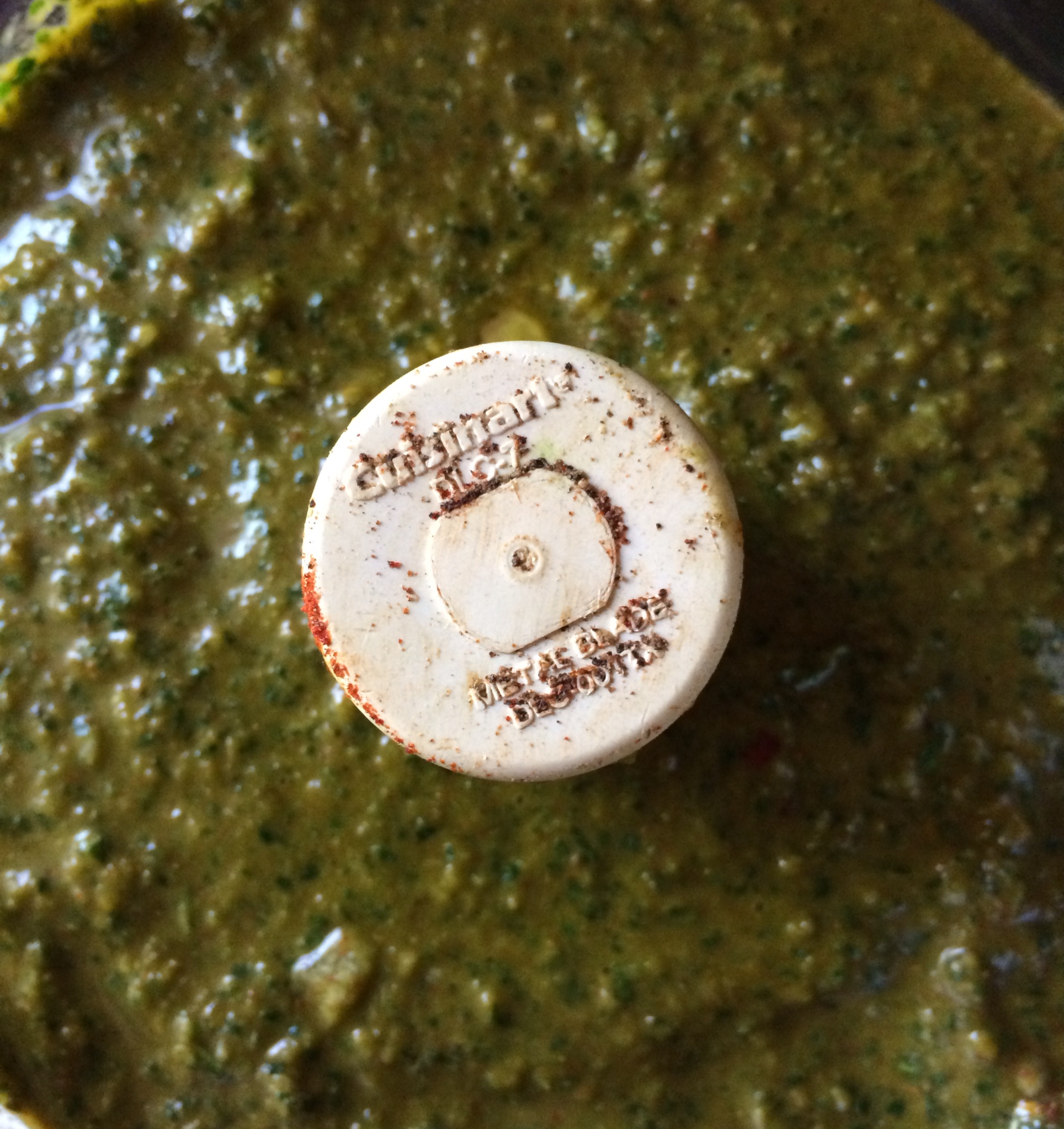
Place all the parsley and the water in a food processor and begin to chop. When parsley is in small pieces, stop the processor and add the remaining ingredients, except the vinegar and olive oil. Start the processor again and slowly pour in the vinegar, then the olive oil. Mix and chop, do not puree. Allow to rest for at least 30 minutes, but overnight in the fridge is best.

I marinated 2 grass-fed beef ribeyes in chimichurri overnight. The next day, I let the beef come to room temperature and I wiped the marinade off the steaks. I discarded the marinade, then I re-seasoned the beef with a little salt and pepper and pan seared them, finishing them in a 350-degree oven until medium-rare. A little dipping of fresh chimichurri on the side.

Grass-fed beef ribeyes with chimichurri

Grass-fed beef ribeyes with chimichurri

If you do your share of Italian recipes, a common product that you can find in just about any store has many people confused: San Marzano tomatoes. Most good cooks agree that San Marzano tomatoes are some of the best canned tomatoes you can buy.

But unfortunately,  the label can say “San Marzano tomatoes” even if they are not real San Marzano tomatoes.

San Marzano is a region in Italy near Naples and Mt. Vesuvius, and the special combination of climate and volcanic soil make these plum tomatoes world famous. They have less water, fewer seeds and are picked off the vine when perfectly ripe and processed the same day.

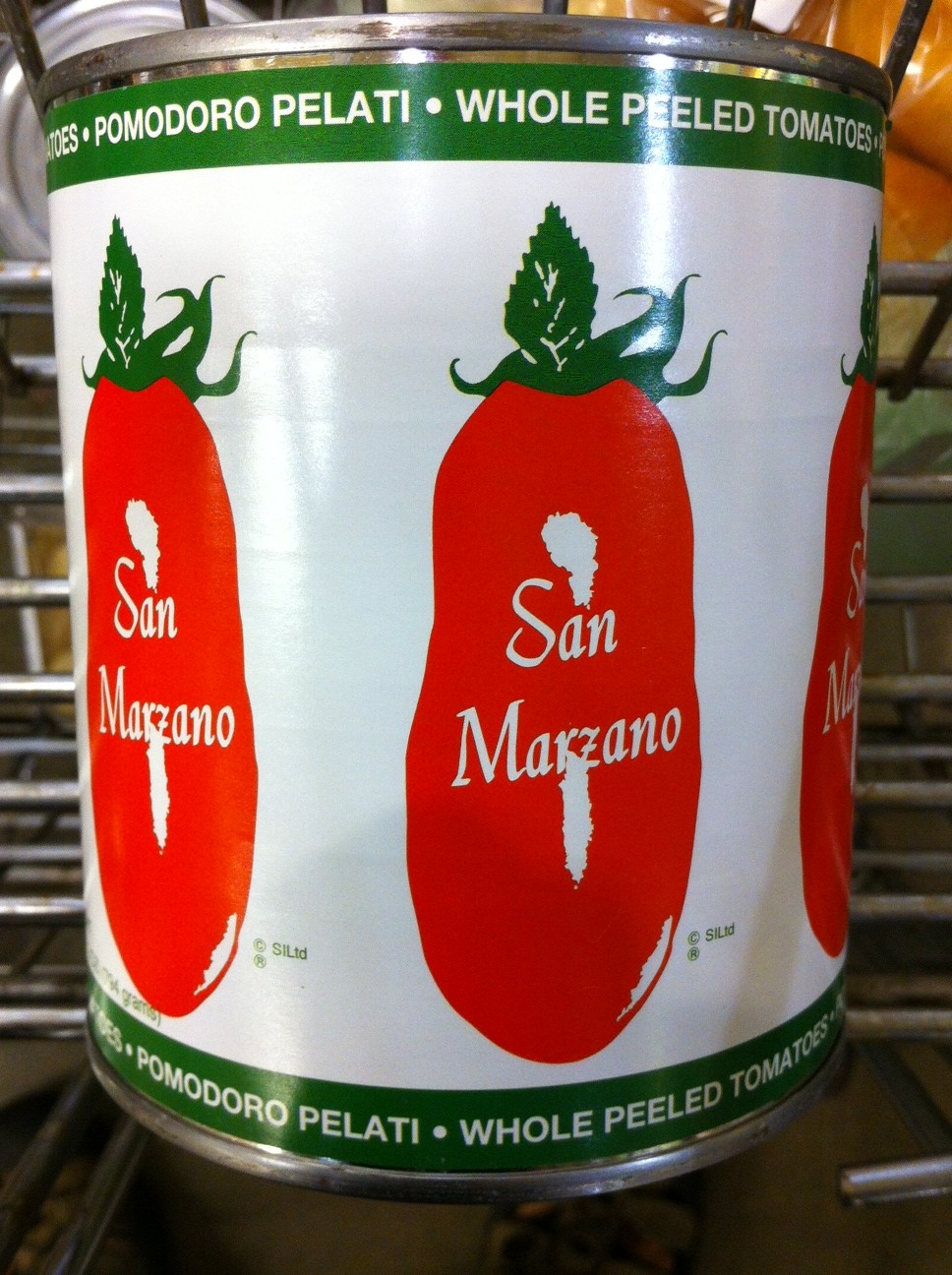
But San Marzano is a variety of tomato, too…and so you can have a can of San Marzano tomatoes that are not from San Marzano. And to add to the confusion, there’s actually a brand of tomatoes called San Marzano, with tomatoes grown in the United States. Bet your ass the sellers of these tomatoes are counting on you not to know the difference!

Sold everywhere, but not the real deal. Grown in the USA.

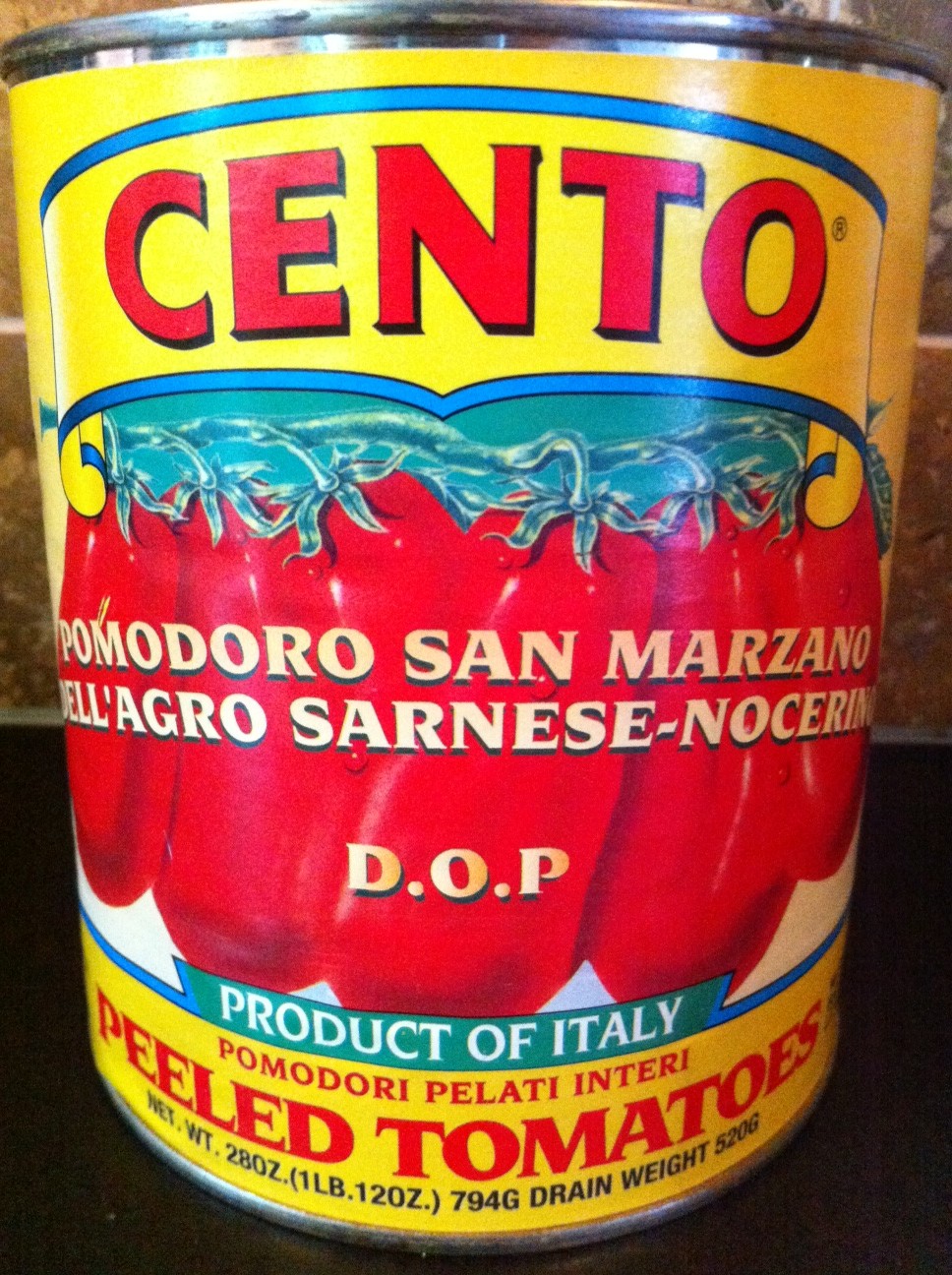
Real San Marzano Tomatoes are a very old variety, extremely limited in quantity, grown and produced exclusively in the San Marzano region of Italy. Because production is so very limited, the Italian Government and the European Union have formed a way of protecting consumers from fraud by having San Marzano tomatoes tightly controlled. DOP, or denomination of protected origin, is the mechanism that the government is using to control the production and marketing of genuine San Marzano tomatoes. Labels for DOP products must be individually numbered and manually applied to each can in specific lots and government officials must oversee this application. So here’s the deal: unless you see “DOP” on the label with a hand-stamped number on the can, it’s not a real San Marzano tomato.


Real San Marzano tomatoes. Cento also sells non-certified San Marzano’s, so always look for the DOP on the can.

Another way to tell when you’re in the market is simple. Check the price. Your average can of tomatoes will be in the $2 range. Real DOP San Marzano tomatoes: about $4–$5 a can. It’s all about quality.

My first foray into serious cooking started when I bought “The Classic Italian Cookbook,” written by the legendary Marcella Hazan.

Like many great recipes, Fettuccine Alfredo is not complicated…but few restaurants that offer it get it right. Most of the Alfredo sauces I’ve had were watery, floury, and salty and had nothing in common with the real deal.
To this day, if I want a great Alfredo, I make it like Marcella.

alfredo2

Ingredients:

1 cup heavy cream
3 tablespoons butter
Fleur de Sel or sea salt
1 lb. Fettuccine, fresh or dried
2/3 cup freshly grated Parmesan cheese
Freshly ground pepper
A very tiny grating of nutmeg

Put 2/3 cup of the cream and all the butter in a large saucepan that will later accommodate all the pasta. Simmer over medium heat for less than a minute, until the butter and cream have thickened. Turn off the heat.

Drop the fettuccine in a big pot of boiling salted water. If the pasta is fresh, it will take just seconds. If it’s dry, it will take a few minutes. Cook the fettuccine firmer than usual, because it will finish cooking in the pan with the butter and cream. Drain the pasta immediately and thoroughly when it’s done and transfer to the pan containing the butter and cream.

Turn the heat under the pan on low, and toss the fettuccine, coating them with the sauce. Add the rest of the cream, all the grated cheese, 1/2 teaspoon salt, the pepper and the nutmeg. Toss briefly until the sauce has thickened and the fettuccine are well coated. Taste and correct for salt.

Serve immediately!

I JUST MET FRANKIE AVALON!

Posted: March 22, 2014 in Uncategorized

What a really nice guy !

20140322-002548.jpg

I love avocado, but I never thought of cooking with it until I saw this recipe. It was a very simple burger that had only a handful of ingredients, and so I thought: “Oh, I don’t need to write this down!” After I made the burger patties and put them in the fridge to chill, I took a look at the recipe on line and realized I forgot one of the ingredients! The original recipe called for a 1/2 cup of Panko breadcrumbs mixed in. My burger tastes fantastic without it…plus now it’s low or no carb. So I will leave it out.

chicken2

Ingredients:

1 lb ground chicken

1 ripe avocado, sliced into small cubes

1/2 teaspoon salt

1/4 teaspoon black pepper

pinch granulated garlic

chicken1

Combine the ingredients in a bowl and mix thoroughly but carefully so that you don’t squash the cubes of avocado. Form the meat into burger patties. It will be a bit sticky, but just make sure you get the avocado evenly distributed. Chill the patties in the freezer for about 10 minutes before cooking to firm them up.

Pre-heat the oven to 350 degrees.

Heat a little oil in an ovenproof pan, and place burgers in it when hot. Let the burgers sear on one side, then flip them. Place the pan in the oven to finish cooking.

Serve with a slice of bacon and Awesomesauce! (http://wp.me/p1c1Nl-gT)

Kelly Milukas, my incredibly talented wife, debuts her “Keys to the Cure” exhibition at the Palm Beach Photographic Centre tomorrow, March 20th! The show runs through May 31st!

http://www.workshop.org/museum_exhibits.php


KELLY MILUKAS
KEYS TO THE CURE

Keys_to_The_Cure_Square_Print

New Exhibitions By Artist Kelly Milukas Visually Explores the Mysteries of Science and Art

and

Regenerative Medicine Foundation’s
1st Art Contest & Gallery Showing

THE ART OF SCIENCE: Under the Surface

Exhibition Opening Will Include Lecture by Anthony Atala, M.D., Global Expert in Regenerative Medicine

Lecture & Opening Reception

Thursday, March 20th, 2014 – 4:00pm
On View March 20 – May 31, 2014

“Keys can open hearts, they can unlock mysteries behind closed chambers, and they can set people free,” says artist Kelly Milukas, whose provocative new exhibition spans the broad symbolism entwined with keys, and the mysteries of the body.

Comprised of more than 50 multi-media artworks, KEYS TO THE CURE is a dynamic interplay of photography and sculpture to tell the incredible story of stem-cell research and regenerative medicine.  Handmade keys float off painted color fields representing the interior tissue and organs of the bodies, while glowing keys hang from above, giving abstract visualization to the human body’s complex systems.

“I wish to convey my artistic interpretation the simple beautiful science we have around us, creating an accessible and identifiable place for people to understand, embrace and celebrate the body can renew and heal itself,” says Ms. Milukas.

Also on exhibit will be THE ART OF SCIENCE: Under the Surface, pictures taken through a microscope that draws the viewer into the world of regenerative medicine and the human body – images that have clear scientific value but are also stunning works of art.

Originally commissioned by the Regenerative Medicine Foundation, which promotes exploring “the body’s natural ability to heal itself,” the joint exhibition at the Photo Centre reflects “a unique collaboration between art and science (as it) visually captures this extraordinary science revolution,” adds Ms. Milukas.

Late last year, the Regenerative Medicine Foundation issued an international call for macro-photography of regenerative medicine images taken through a microscope, The first Science Photo Art Contest was open to scientists working in the field of regenerative medicine and more than 80 entries were submitted, Milukas was a co-juror along with Dr. Linas Kudzma, an award-winning macro-photographer and scientist.

The ART OF SCIENCE exhibition will include stem cell and other “Under the Surface” regenerative medicine photos representing scientists from the United States, Australia, Canada, Germany, Netherlands and the United Kingdom. Among the photos to be presented is the contest’s Grand Prize Winner: Cells Performing Secret Handshakes bySebastian Barreto.

Opening Lecture & Public Reception
The March 20 opening of KEYS TO THE CURE will include a 4 p.m. lecture by Anthony Atala, M.D., Director of the Wake Forest Institute for Regenerative Medicine where his work focuses on growing and regenerating tissues and organs. He oversees a team of more than 300 physicians and researchers working together to develop healing cell therapies and grow replacement tissues and organs in the lab. A recognized pioneer in the field, Dr. Atala’s team engineered the first lab-grown organ to be implanted into a human – a bladder – and is developing experimental fabrication technologies that can “print” human tissue and organs on demand.

Dr. Atala has received many awards, including the US Congress funded Christopher Columbus Foundation Award, bestowed on a living American who is currently working on a discovery that will significantly affect society. Dr. Atala’s work has twice been included in Time magazine’s “Top 10 Medical Breakthroughs of the Year.” He is a member of the Institute of Medicine of the National Academy of Sciences. He has published over 400 journal articles and has applied for or received more than 200 national or international patents.

Geared toward both the scientific and artistic communities, both the lecture by Dr. Atala and his introduction by artist Milukas will focus on the positive impact of art on the healing process.

The lecture will be followed at 5:30 p.m. for the opening reception for the exhibition, to which the public is invited to attend for free.

That’s how the saying goes here in New England. I’ve sown my peas in my garden as soon as the soil can be worked in the spring for years with great success. In addition to peas, you can sow arugula, broccoli raab, radishes and onions. Sprouting the peas indoors before sowing by placing them on a moist paper towel for a days or two can speed the process, but I usually just sow them directly.

peas

I also start some seedlings early indoors, including tomatoes. These will go under grow lights for several weeks until the weather outside is warm enough for them to be transferred to my unheated greenhouse.

seedlings


M.C.Spiedo is a new Italian restaurant in the Renaissance Hotel by the Boston waterfront. It’s a massive, over-the-top (as in a bit gaudy) establishment that features rustic food from Italy’s historic past, dating back to the Renaissance period of the 1400’s. You’ll find no tomato dishes here: tomatoes were introduced into Italy in the 1500’s. What you will find are rustic, flavorful spit-roasted meats, pastas with rich sauces, and robust flavors.

MCSpiedo

This is a huge departure for chefs Mark Gaier and Clark Frasier, who come from acclaimed Maine restaurants Arrows (which just celebrated its 25th anniversary)and MC Perkins Cove in Ogunquit. (They just announced that they are selling Arrows for $1.2 million.)

What’s in the name? The M.C. is from Marc and Clark, and Spiedo means a spit or skewer in Italian. Considering this is still a new restaurant, I was surprised that the two chefs were nowhere to be found on a recent Saturday night. Nonetheless, the staff seems to be knowledgeable, and our server, Daniel ,was eager to guide us through the many menu choices.

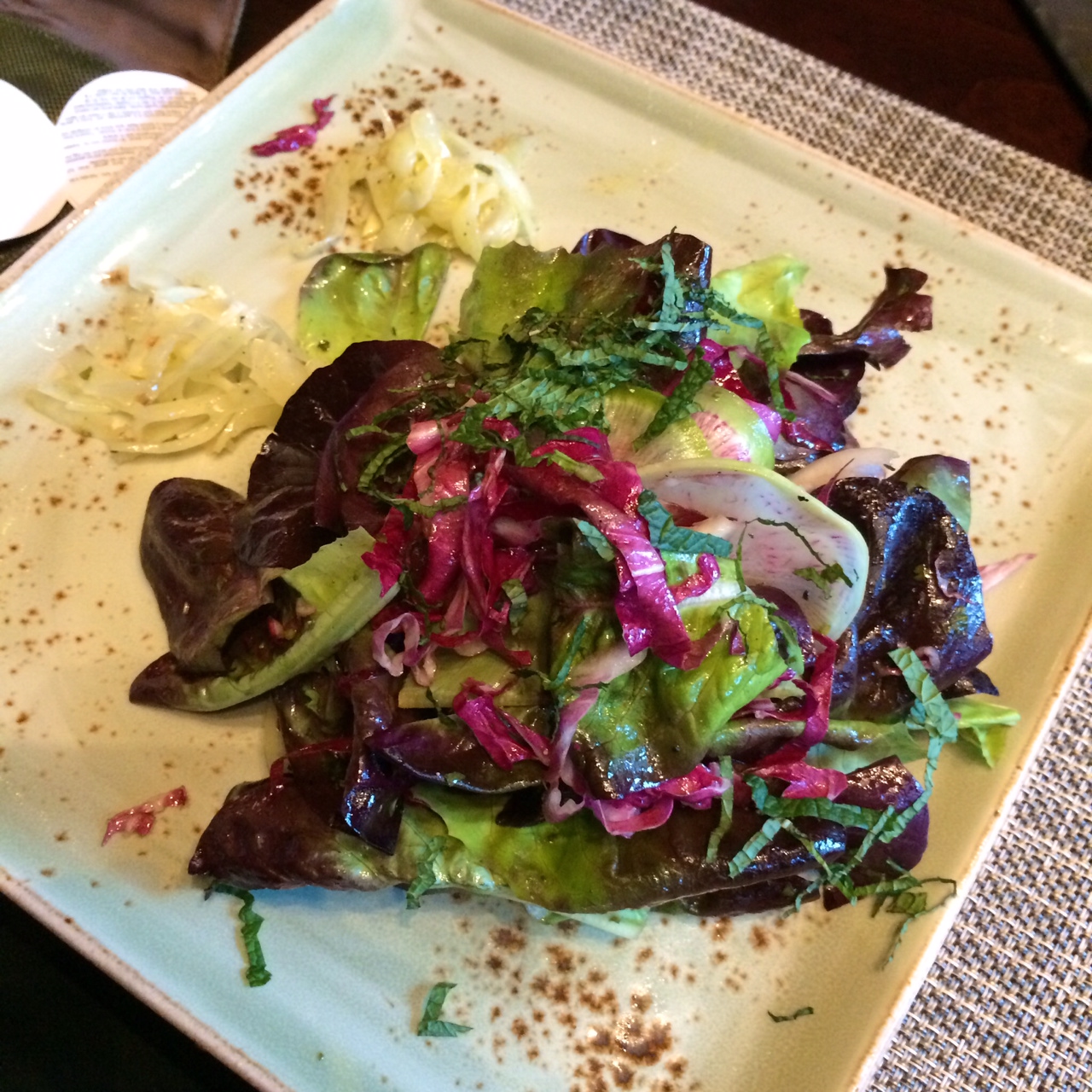
The Leonardo's Notebook Salad

The Leonardo’s Notebook Salad

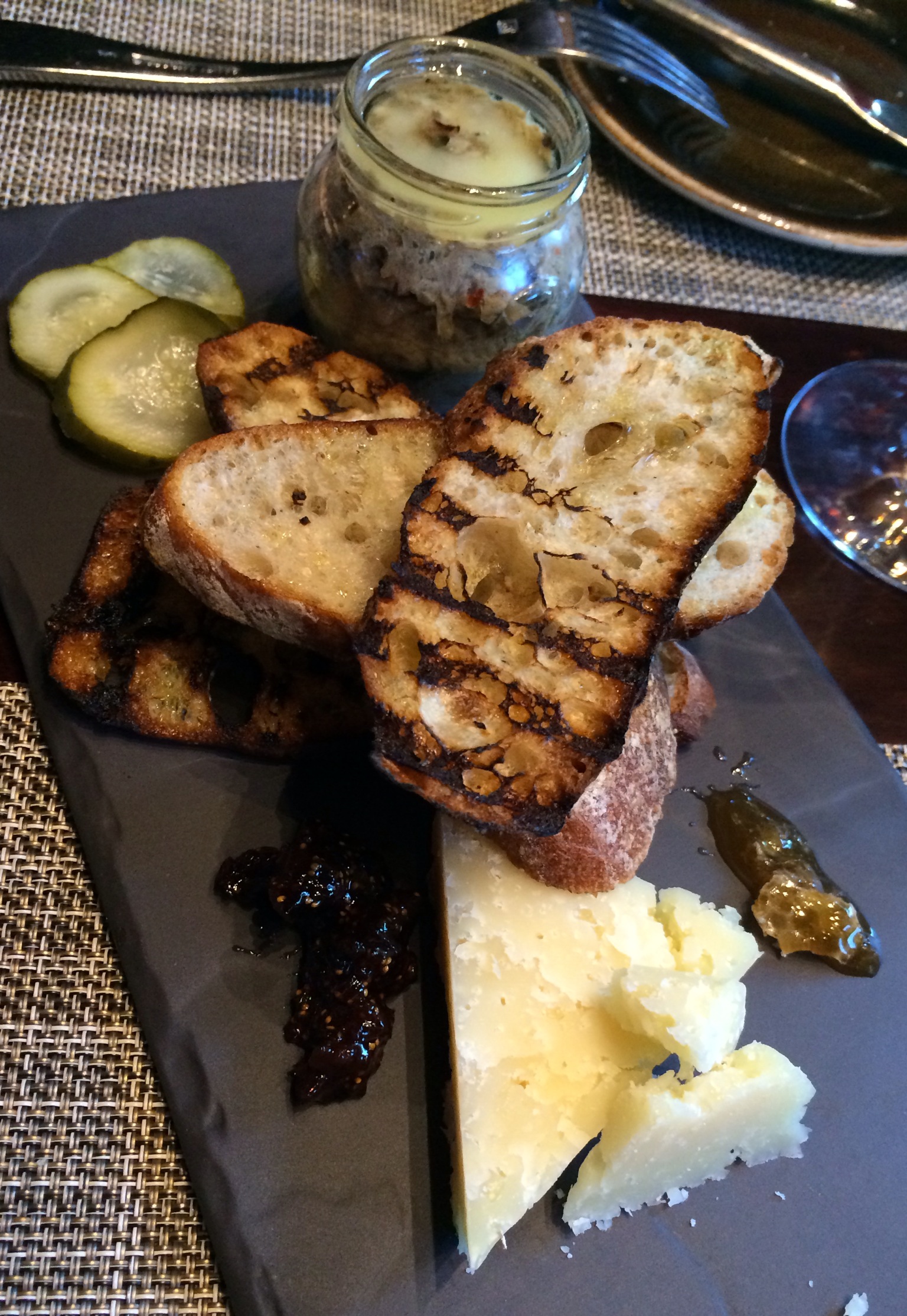
Leonardo’s Notebook Salad, with garlic, fennel, lettuces and herbs was delightfully fresh and thoroughly enjoyable. The house made burrata: fantastic…just not enough of it. The duck rillette was good, but unseasoned. However, the accompanying house made mustard and pickles remedied that. The Grand Tortellini and Meat Torta, a mile-high meat pie featuring more meat than you can imagine, is a must. It sells out every night. The spit-roasted pig with sausage and shelling bean macaroni would have been delicious had it not been for a VERY heavy amount of salt…so much that I had to mention it to our server, who promptly whisked it away, tasted it, agreed with us, consulted management, and returned with an apology and did not charge us for the dish.

Grand Tortellini and Meat Torta

Grand Tortellini and Meat Torta

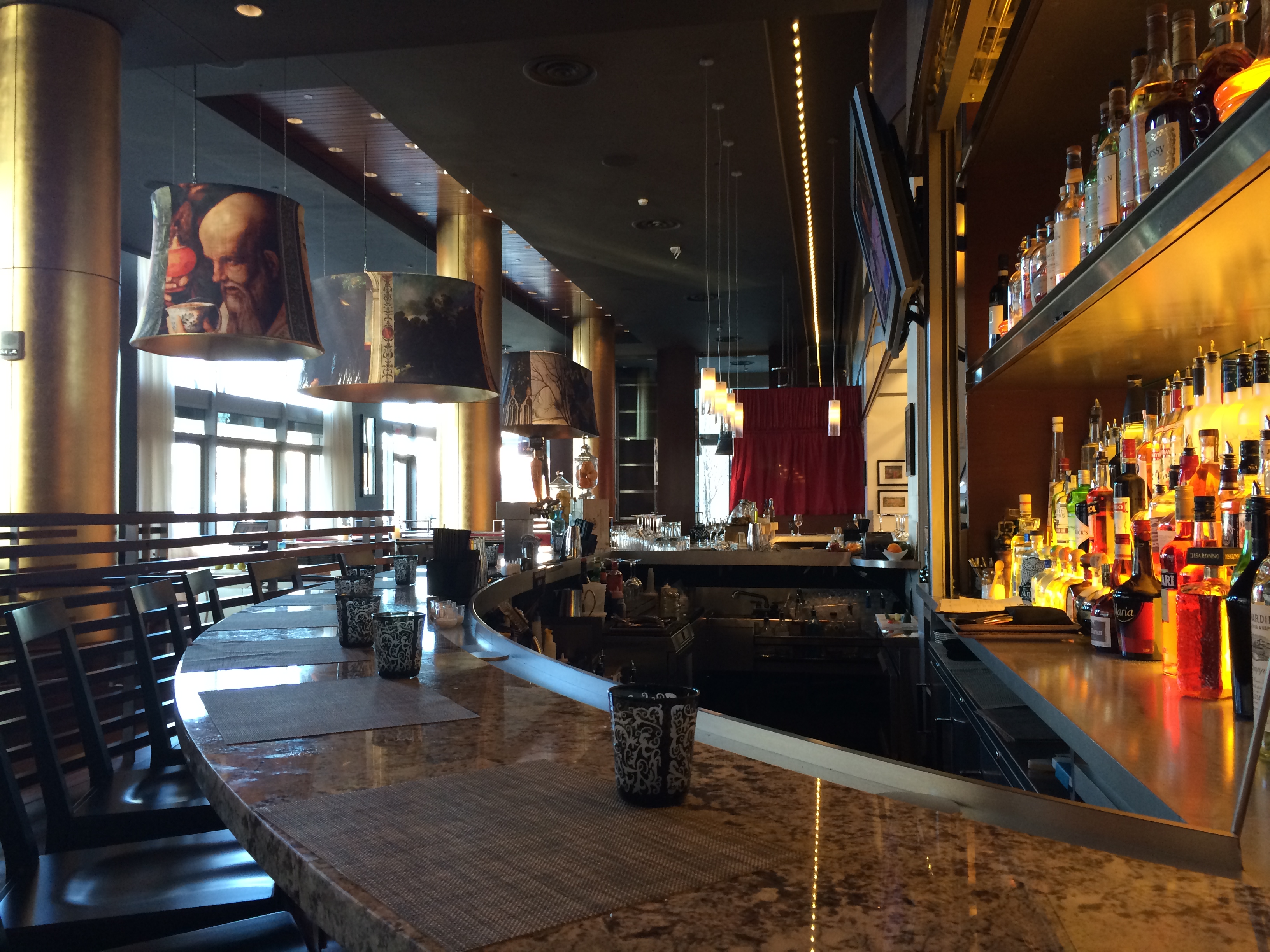
Thankfully, there are 2 parts of M.C.Spiedo that don’t stick to the rules of only serving ingredients from Italy’s Renaissance period: the bar, where you can find many wonderful house specialty cocktails as well as a wine list with only Italian wines…and the kids menu, which is a welcome surprise to find in this kind of restaurant. My daughter loved the meatballs and the grilled cheese.

Duck rillette with house made pickles, mustard, and Fiore Sardo cheese

Duck rillette with house made pickles, mustard, and Fiore Sardo cheese

There are a few kinks to work out, but that’s to be expected from a new restaurant. And they’ve got to lighten up on the SALT. But I can see myself coming back to M.C. Spiedo for another enjoyable dining experience.

MC4