Archive for the ‘Food’ Category

When one of your favorite restaurants (I won’t name names) removes a profitable, bestselling dish from its menu, and the reason you’re given is that “the chef is tired of making it,” you kind of have to scratch your head and ask yourself: “What’s wrong with this picture?”

In this particular case, I decided to make it on my own. It’s really not hard to do…just takes a little time. But the end result is totally worth it.

FullSizeRender (5)

6 hard-boiled eggs
1/4 cup + extra mayonnaise
8 oz. high quality raw tuna
3 tablespoons soy sauce (I use gluten-free)
1/2 teaspoon chili oil
1/4 cup finely chopped scallions
1 teaspoon sesame seeds
fish roe (optional, see below)
handful fresh spinach, or cucumbers (see below)


The best way to hard-boil eggs is to put them in a pot of cold water. Turn the heat on high and bring to a boil. As soon as the water boils, turn the heat off and place a lid on the pot. Let it sit for 15 minutes. Perfect eggs every time. Remove the eggs from the water and cool them in the fridge.

If the tuna is frozen, let it thaw a little. If it’s fresh, you might need to place it into the freezer for about 10 minutes to firm up. That makes it easier to cube up. Slice the tuna carefully into the smallest cubes you can make. Once done, place the tuna in a bowl and put it back in the fridge until ready to use.

In a separate small bowl, combine the soy sauce and the chili oil. Set aside.

Finely chop the scallions. Set aside.

Once the eggs have cooled, peel them and cut them in half. Scoop out the yolks and place them in a bowl, starting with 1/4 cup of the mayonnaise. Add more mayo if needed. Mix well. I use a fork and try to get as many of the lumps out as possible. If you want to go crazy, you can put them in a blender or food processor to make a creamy puree. And again, you can place the puree in a piping bag and carefully squeeze out the puree into each egg half. I simply use a spoon.

Once all the egg halves are filled, place them on a spinach leaf-covered dish and put them back in the fridge until ready to serve.

When you’re ready to serve, take the tuna out of the fridge. Pour the soy sauce/chili oil mix into the bowl and mix well. Let the tuna marinate for just 2 minutes. Then pour off the excess marinade, or it’ll get too salty.

Remove the plate of eggs from the fridge and carefully put a small spoonful of tuna on top of each one. Garnish with the sesame seeds and the chopped scallions and serve immediately.

FullSizeRender

Optional: Instead of the bed of spinach, here’s another way to serve that works just as well: Peel a cucumber and cut the ends off. Slice the cuke into 1/2″ slices. Then carefully remove the seeds from the center to make a “cuke donut.” Use these as little stands to hold your eggs on the plate. When ready to serve, remove the eggs from the fridge and top them with the raw tuna without marinating it first. Drizzle the soy sauce/chili oil over the top of the eggs, garnishing with the sesame seeds, scallions, and a touch of fish roe.


What a week! Cinco de Mayo and Derby Day within a couple of days of each other! Let’s start it off with my favorite margarita recipe…

image

ALGARITA:

3 oz. Patron silver tequila
1 oz. Cointreau orange liqueur
4 oz. pineapple juice
1/2 a fresh lime, squeezed

Add ice to a tall glass and add Patron, Cointreau, pineapple juice and a good squeeze of lime juice from 1/2 a lime. Pour into a margarita glass (salt rim optional) and garnish with a lime wedge.

One tequila, two tequila, three tequila, FLOOR!

asparagus pastaAsparagus season has arrived in my garden. This is one of my favorite ways to enjoy it.
4 mild Italian sausages, sliced into pieces 1/2″ thick
1 lb. penne pasta
1/2 onion, finely chopped
1 cup chopped fresh trumpet mushrooms (white button mushrooms work, too)
2 cups fresh asparagus, sliced into 1-inch pieces
1 clove garlic, passed through a garlic press
1 cup homemade chicken broth
6 fresh sage leaves, finely chopped
1/2 cup freshly grated Parmigiano Reggiano cheese
extra virgin olive oil
salt and pepper
Have the pasta water boiling, and add pasta, cooking until just a bit more undercooked than al dente.
Heat a large pan, and drizzle in some olive oil. Saute the sausage pieces until browned and cooked through, but not over cooked. Remove the sausages from the pan and place them in a separate bowl. Remove all but 2 tablespoons of the fat left behind in the pan.
Place the pan back on stove and saute the onion until translucent. Add the garlic, and saute for 10 seconds. Add the sage, and saute for 10 seconds, stirring. Add the chopped mushrooms and saute for a few minutes, then add the chicken broth, and simmer until almost all the liquid has evaporated. Pour the contents of the pan into the bowl with the sausages.
Return the pan to the stove, add a little more olive oil, and on medium heat, saute the asparagus pieces. Cook until they are al dente, not too soft. Once the asparagus has reached this stage, return all the contents of the sausage/mushroom bowl to the pan to heat through. Drain the pasta, and add it to the pan as well, combining all the ingredients. If it looks too dry, add a little pasta water to the pan. Season with salt and pepper.
Make sure you serve this hot, with grated Parmigiano Reggiano on top, and drizzle lightly over the top with extra virgin olive oil.


Beef flap or flap steak is a cut from the lower sirloin. It’s a long, thin cut that resembles skirt steak or hanger steak, though they come from a different part of the animal.

You can stuff and roll a beef flap, as I did in a previous blog, but it’s really hard to beat the flavor of a slab of beef that was simply marinated and thrown on the grill.

Though the beef flap is a relatively thin piece of meat, I carefully butterfly it by slicing it lengthwise with a sharp knife, to get 2 thinner pieces that really absorb the marinade.

grill3


1 lb. (or more!) beef flap steak, sliced lengthwise
2 tablespoons balsamic vinegar (red wine vinegar works just as well)
4 tablespoons extra virgin olive oil
1 teaspoon oregano
1 teaspoon parsley
1/2 teaspoon granulated garlic
1/2 teaspoon granulated onion
salt and pepper

rill2

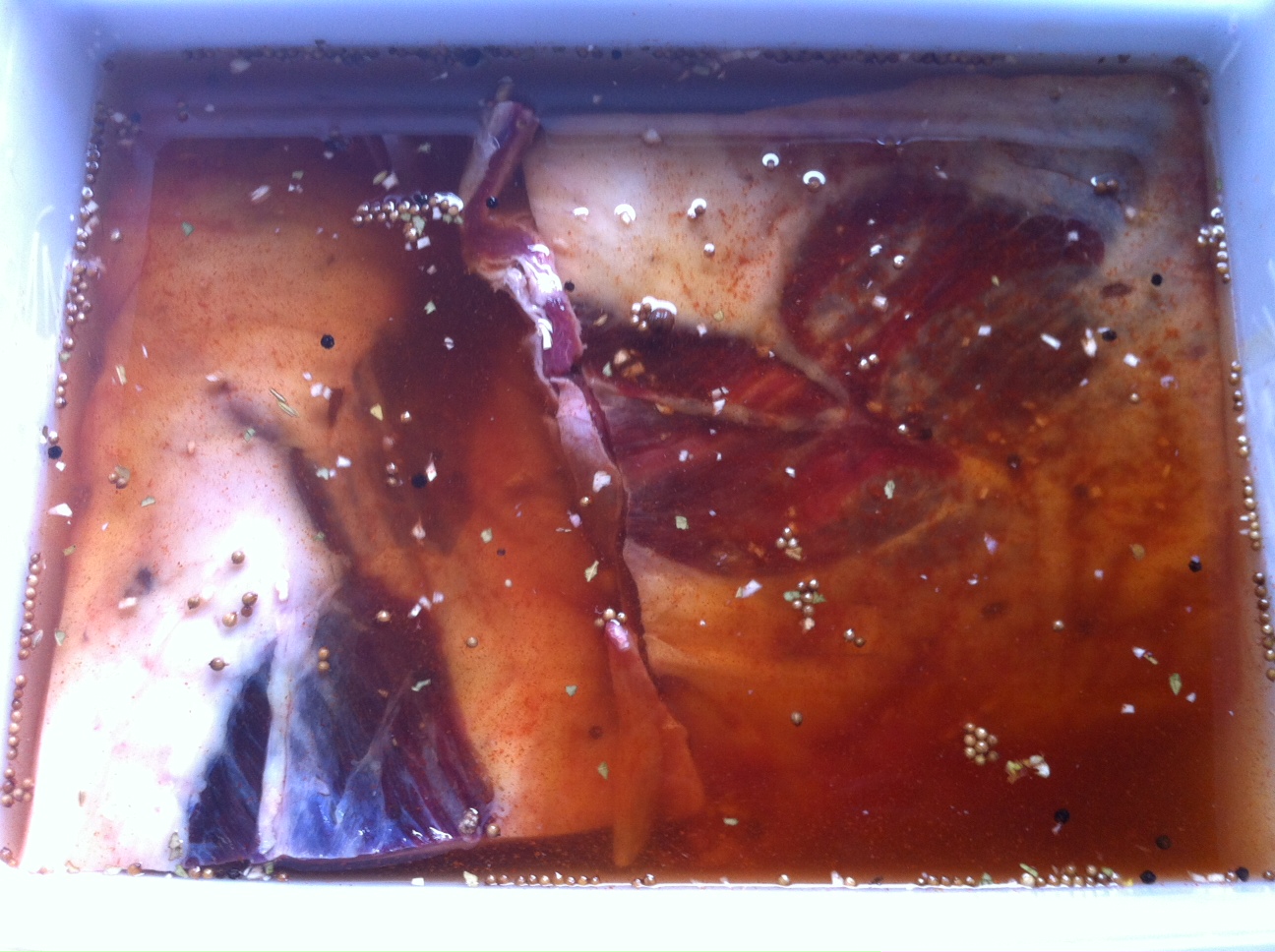
To make the marinade, combine everything but the beef in a bowl and whisk to mix thoroughly. Place the beef in a large Ziploc bag and add the marinade. Squeeze the bag so that the marinade reaches every part of the beef. Squeeze the air out of the bag, zip it tightly, and place it in a bowl (in case of accidental spillage) in the fridge. Let it marinate overnight, squeezing the bag every few hours to let the marinade do its job. Remove the bag from the fridge about an hour before grilling so the meat comes to room temperature.

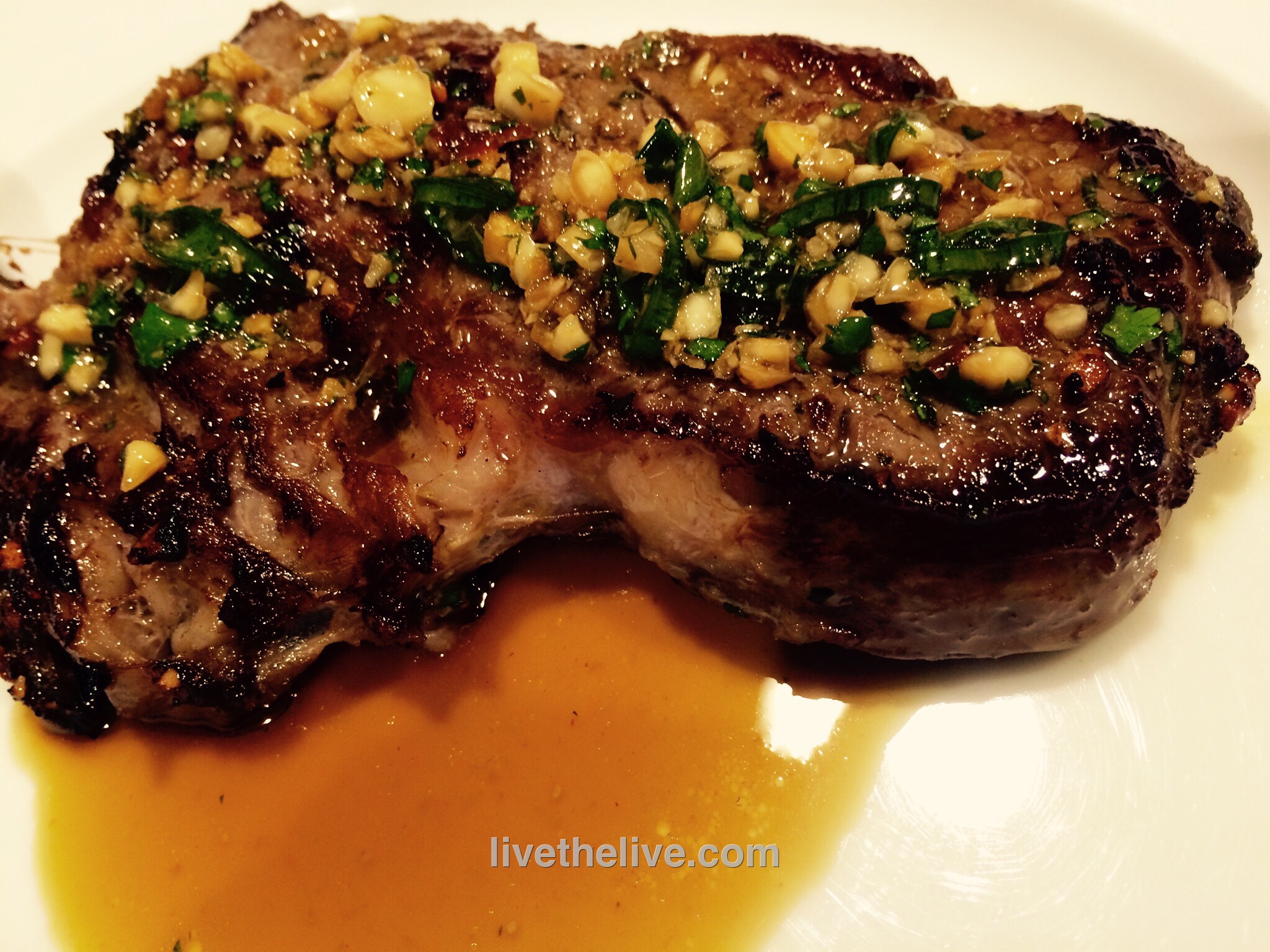
Light a hardwood fire. When the coals are really hot, place the steak on the grill and sear each side. Then flip to sear the other side. Flip again to get those fancy diamond marks on the beef. Then flip again.

grill1

The meat has little fat, so it should be nicely seared on the outside, but still medium-rare on the inside. Let it rest before slicing. When slicing, cut the beef on an angle against the grain.

I sowed some early spring seeds around March 7th in one of my raised beds. Here’s what it looked like on Day 1…

FullSizeRender


Three weeks later, germination began, albeit slowly. But you can see the happy little green seedlings popping up. On the left: peas. On the right: radishes, Asian greens, spinach, kale, arugula and others.

FullSizeRender

Now, it’s week #7, and you can see significant growth…

FullSizeRender

The peas (on the left) are about 6″ tall. Spinach (bottom right) making an appearance, too.

Another photo in a few weeks!

Mugaritz, San Sebastian, Spain

Mugaritz, San Sebastian, Spain

In the yearly listing: The World’s Top 50 Restaurants, Mugaritz consistently gets into the top 10…this year it’s at #6. A few years ago, on a trip to San Sebastian, Spain, my family and I had a chance to dine there.

The main kitchen from outside.

The main kitchen from outside.

The dishes that acclaimed chef Andoni Luis Aduriz created were some of the most original we’ve ever enjoyed. There was a flow to our experience…a reason why one dish followed another. It was like a concert, with Aduriz at the helm as director and composer.

Mugaritz has about twenty tables. And one seating. You are there for the night. Well over twenty courses, small bites to be sure, but all intense and rich with flavors and textures that complimented each other.

The kitchen at Mugaritz.

The main kitchen at Mugaritz.

Every table got a private tour of the kitchen. And though we didn’t meet chef Aduriz, we did get to talk with his second in command: chef Ramon Perise.

Mugaritz, as Perise explained it, has three kitchens: a lower level for preparation…a middle kitchen on the main floor for cooking all the food, plating it and making it look beautiful…and then an upstairs kitchen, the laboratory, where they come up with their newest creations.

Hangin' with Ramon Perise.

Hangin’ with Ramon Perise.

With our kitchen tour, we saw the chefs setting up rows of small iron bowls on wooden stands: individual mortar and pestles for each person in the dining room. It was going to be a dish that was served to everyone at the same time, no matter where they were in the course of their meal. So when we finished our kitchen tour, we sat down, and the mortar and pestles were brought out.

Inside the iron bowl were some wet and dry ingredients: what looked like corn nuggets, a colorful cube of gelatin and other ingredients. We were instructed to grind up what was in our bowls with our personal pestle. The entire restaurant was filled with a ringing sound, like church bells going off somewhere in the distance. For a few precious minutes, every patron shared this special perfectly choreographed event as we ground up the contents of our bowls. They called it the “linking dish.”

Then, one by one, the grinding stopped. The iron bowls continued to ring for a few seconds until the sounds faded away into silence, replaced by the low murmur of conversation. And we all went back to our meals.

The linking dish.

The linking dish.

Our sommelier, Guillermo Cruz, was a bright, knowledgeable and enthusiastic young man that offered us thrill rides in a glass, including a much-needed digestivo half-way through the meal so that we could continue our dining experience!

A grappa-like Fillaboa digestif from Gallicia that was made from the local Albarino grapes. Helpful in making room for more food!

A grappa-like Fillaboa digestif from Gallicia that was made from the local Albarino grapes. Helpful in making room for more food!

As Chef Perise said to us (paraphrasing): “When you leave this place…and weeks afterwards…you’re not going to remember the food. But you’re going to remember the emotions you had and the feelings you had when you were here. And that’s what we’re working for.”

Shaved ice cream with cheese: one of many desserts.

Shaved frozen apple with cheese: one of many desserts.

Could there have been too many dishes? Is there such a thing as too much of a good thing? Is less really more?

These burning questions can only be answered with another visit to Mugaritz. I hope it’s sometime soon!


Although the name may not sound entirely appetizing, the beef flap or flap steak is a thin cut of meat that comes from the bottom sirloin butt cut, and it’s delicious when properly cooked. It’s not a skirt steak or a hanger steak, though they are similar.

I bought a beef flap from my friends at Simmons Organic Farm in Middletown, RI , and didn’t really know what I’d do with the cut until I started searching through my fridge for available ingredients. There were 2 beef flaps in the package I bought, one larger, one smaller, so I put the smaller one in a Ziploc bag with an olive oil/balsamic/garlic/onion/salt/pepper marinade, and left it to chill overnight in the fridge (what I did with it is in the next blog) while I worked on the larger, 2-lb. flap.

meat butterfly

Though long and flat, if you have a sharp knife and you work carefully, you can slice the beef lengthwise and, stopping just before you cut it into 2 separate pieces, create a nicely butterflied piece of meat. Smear some tasty ingredients on the meat, then roll it up tightly and cook it.

meat cheese

2-lb. beef flap (I like grass-fed)
1/2 sweet onion, chopped (I like Vidalias)
1 clove garlic, minced
3 strips bacon, finely chopped
4 oz. container of organic spinach and kale (or whatever greens you like)
salt and pepper
8 oz. halloum-style cheese, sliced thin (provolone works, too)

meat roll 2

Take a little of the bacon fat rendered when cooking the bacon strips, and heat it in a saute pan. Add the onions and sauté until translucent. Add the garlic, and sauté for a minute. Add the chopped bacon and stir. Add the spinach and kale, and let it wilt and cook down entirely until it’s soft. Season with salt and pepper. Remove the pan from the heat and let it cool.

Butterfly the beef flap, as described above. Take the cooled mixture from the pan and smear it all along there top of the beef evenly. Add the slices of cheese on top.

Tightly roll the beef into a log shape, carefully keeping the inside ingredients from squeezing out.

I pinned the log together with toothpicks my first time around, and it did okay. But I suggest tying the roll with butchers twine in several places so that the meat stays together and cooks more evenly.

meat roll

Place the log in the fridge, removing it about an hour before cooking to bring it back to room temperature.

Rub the outside of the log with olive oil and season with salt and pepper. Place the log in a hot oven-proof pan and sear on all sides. Then place the pan in a pre-heated 350 degree oven and cook until the interior temperature of the meat is around 120, about 30 minutes.

cooked beef


A temperature of 140 is considered to be medium-rare for beef, but I like to cook it only to 120 and then let it rest, covered with a tent of foil. It will still rise in temperature for a few minutes before it starts to cool down.

Slice carefully with a sharp knife.

I love the combination of tomato sauce and feta, and this dish, served over some pasta, will have you licking the plate.

FullSizeRender (7)

8 oz. (or more!) feta cheese
1 can (28 oz.) whole tomatoes, ground into sauce
1 lb. (about 24) shrimp, peeled and deveined
1 medium onion, chopped
juice of 1/2 lemon
2 tablespoons olive oil
2 cloves garlic, through a press
pinch red pepper flakes
1 teaspoon fresh dill
1 teaspoon oregano
1 tablespoon Ouzo
salt and pepper

Peel and de-vein the shrimp. Place in a bowl and squeeze the lemon juice over the shrimp and toss to mix. Open the can of tomatoes and puree in a food processor.

In a saucepan, heat the olive oil. Saute the onions until translucent and then add the garlic. Saute the garlic for 10 seconds, until fragrant, then add the red pepper flakes, dill and oregano. Add the tomato sauce, and cook over medium heat until the sauce has reduced a bit and isn’t watery. Add the Ouzo carefully–keep away from open flame! Add salt and pepper to taste.

Line a sheet pan with foil and pour a thin layer of the tomato sauce on the bottom. Lay the shrimp down in one layer on the sauce, and then cover the shrimp with the rest of the sauce. Crumble the feta cheese with your fingers and sprinkle all over the top.

Bake in a pre-heated 350 oven until the shrimp has cooked through and it’s nice and bubbly. Serve over pasta.

When it comes to grilling, lamb is often overlooked. Yet it’s a wonderful, flavorful meat that makes a great burger. The taste of lamb can be a bit strong, however, so I mix 1 lb. of ground lamb with 1 lb. of ground grass-fed beef.

1 lb. ground lamb
1 lb. ground beef
2 tablespoons + 2 teaspoons extra Virgin olive oil
4 tablespoons minced Spanish onion
2 1/2 teaspoons Dijon mustard
1 teaspoon each fresh parsley, mint, and dill, finely chopped
1 teaspoon dried Greek oregano
1/2 teaspoon cumin
1 large clove garlic, squeezed through a garlic press
1 scallion, finely chopped, green part only
1 teaspoon salt
1/2 teaspoon black pepper

Heat 2 tablespoons of the olive oil in a skillet over medium heat. Add the onions. Cook until browned, about 6 minutes. Transfer the onions to a plate and let them cool.
In a bowl, mix the onions, the lamb, pork, mustard, herbs, spices, garlic, scallions, salt and pepper.

Form the meat into slider-sized patties. Place them on a baking sheet covered with non-stick foil, and place the baking sheet in the fridge.

Don’t let the lamburgers get too cold in the fridge…just enough to firm the meat up a bit. If it gets too cold, give it a few minutes at room temp to warm up again.  Grill the burgers until cooked to medium. (If you’re cooking them indoors, heat some pork fat or avocado oil in an oven-proof pan. Sear the burgers on both sides, then place the pan in the oven to finish cooking.)

Place the burgers on slider buns with lettuce and tomato, and smear the bun with the feta cheese dressing or tzaziki. Recipes for both are below.

lamburger

My recipe for feta cheese dressing works really well with lamburgers. If you’re skipping the bun and serving the burger with a salad, you might want to try my tzaziki recipe.

Feta Cheese Dressing:
3/4 cup plain Greek yogurt
1  cup mayo
1 teaspoon Worcestershire sauce
1/2 teaspoon cayenne pepper sauce, like Franks Red Hot
1 teaspoon Dijon mustard
1/2 teaspoon granulated garlic
1/2 teaspoon salt
1/2 teaspoon ground black pepper
4–5 ounces crumbled feta cheese

Combine all the ingredients in a bowl. Mix well. Cover and refrigerate. Best the next day.

FullSizeRender (14)

Tzaziki:
1 pint plain yogurt
1/3 cup extra virgin olive oil
1 tablespoon white balsamic vinegar
1 teaspoon dill weed
1/2 teaspoon granulated garlic
1 English cucumber, peeled and grated
Salt

Combine all the ingredients, except the cucumber, in a bowl. With the cuke: peel it, then finely grate it into a bowl. Add a pinch of salt and let it sit for a few minutes. Then scoop out the mashed cucumber with your hands and squeeze as much liquid out of it as you can. Add the cucumber to the bowl with the other ingredients. Discard the cucumber liquid.

Cover and refrigerate. Best the next day.


I like to think that I was the force behind my daughter’s sudden interest in cooking, but the fact is, it was probably the Food Network. Shows like “Chopped Junior” and “Kids Baking Championship” are her favorites, and I have to admit, watching a 9-year-old displaying knife skills better than mine does have me feeling somewhat inferior at times.

A gift of a kids’ cookbook from our friend, Stacey, was what finally got my daughter to ask if we could cook together. She chose the Shepherd’s Pie recipe. I never really analyzed my own cooking style until my daughter started reading the recipe step-by-step and I heard myself saying: “Oh, we can skip that…Oh, we don’t need to do that…Oh, let’s use another ingredient.” She’d look up at me and say: “But, Dad, the book says you have to do this.” Lesson one, kid: improvise to make the recipe your own.

Peeling potatoes without peeling your fingers!

Peeling potatoes without peeling your fingers!

The original recipe called for lamb. We used beef. The original recipe had a huge proportion of potatoes to meat. We doubled the meat and veggies.

Mastering knife skills.

Mastering knife skills.

3 lbs. potatoes (I like organic gold potatoes)
1 cup whole milk
4 tablespoons unsalted butter
salt and pepper
2 lbs. ground beef
1 onion, finely chopped
4 carrots, diced
2 tablespoons tomato paste
2 tablespoons all-purpose flour (I use gluten-free flour)
1 cup beef broth
olive oil


Peel the potatoes just to remove any blemishes. (I like my mashed potatoes with the skin included.) Cut into smaller pieces and place in a pot of cold, salted water. Bring to a boil and cook until fork-tender. Drain the potatoes, and put them back in the pot. Add the milk and butter, add salt and pepper, and mash until smooth. Set aside.

Chop the onions and dice the carrots. In a large skillet, heat some olive oil, then add the onion and carrot. Cook over medium heat until the onions are translucent. Add the beef, and cook until it’s browned, breaking the meat up into small pieces. Add the tomato paste and flour, and mix thoroughly. Add the beef broth and mix again. Cover the skillet with a lid, reduce the heat, and let it cook for about 15 minutes, until the sauce in the pan thickens.

FullSizeRender (18)

Find an ovenproof pie pan or lasagna pan. Pour the beef and carrot mixture into the bottom of the pan and smooth it out. Add the mashed potatoes on top. Place in a pre-heated 350-degree oven and bake for about 20 minutes if the potatoes are warm–a little longer if they’ve cooled down–until the potatoes start to turn a golden brown.

Proud chef.

Proud chef.

Let the pan rest for a few minutes, then serve.

FullSizeRender (21)