Posts Tagged ‘gluten-free’
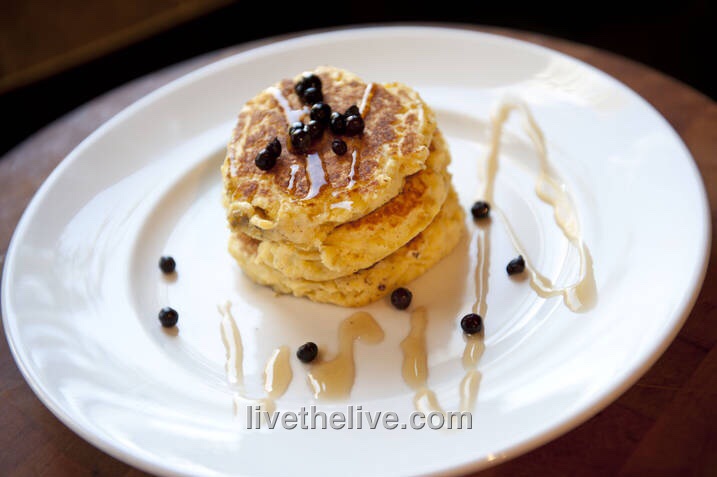
BLUEBERRY CORNMEAL BUTTERMILK PANCAKES WITH LEMON ZEST (NOW GF!)
Posted: May 24, 2017 in breakfast, buttermilk, Food, pancakes, RecipesTags: blueberry, breakfast, buttermilk, buttermilk pancakes, cormeal, food, GF, gluten-free, pancakes, recipes
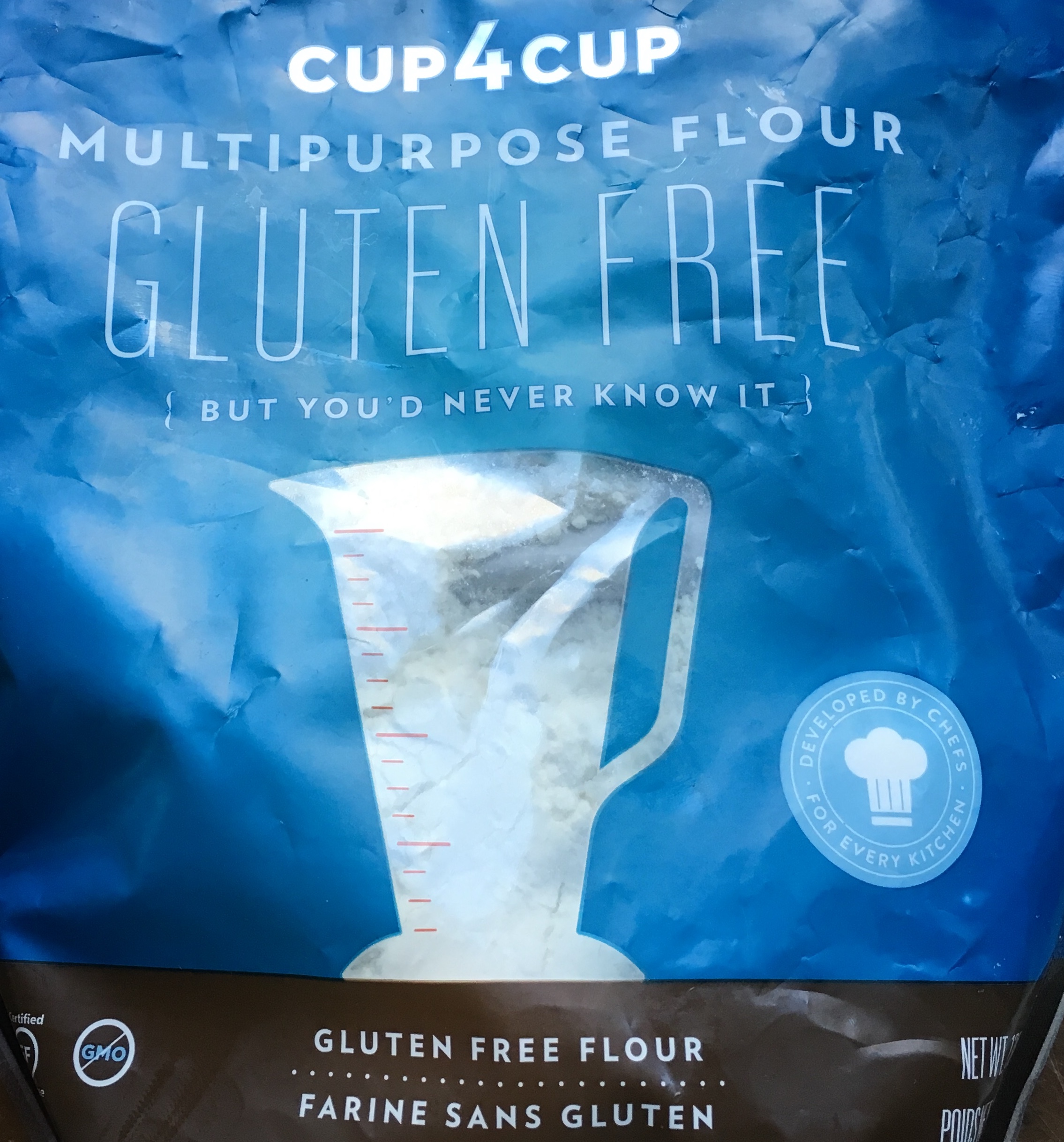
1 cup all-purpose flour (or Cup 4 Cup original multi-purpose flour)
CANTONESE ROASTED CHICKEN
Posted: March 22, 2017 in Carnivore!, chicken, Food, RecipesTags: Asian, Cantonese, chicken, chinese, food, GF, gluten-free, recipes
When I can’t get to Chinatown in Boston or New York, I cook my version of a recipe I discovered many years ago in “The Chinese Cookbook,” a wonderful source of information by former NY Times food critic Craig Claiborne and Virginia Lee. Whenever possible, I use a whole pasture-raised chicken.
This recipe can be made gluten-free by using GF hoisin and soy sauce, available in most supermarkets.
1 whole chicken, about 6 lbs., or 2 smaller chickens (pictured)
1 tablespoon peanut oil
1 tablespoon soy sauce
6 tablespoons hoisin sauce
2 teaspoons sesame oil
4 teaspoons Chinese five spice powder
2 teaspoons granulated garlic
2 teaspoons salt
1/2 teaspoon black pepper
Remove all the giblets from chicken. Rub the soy sauce all over the chicken. Then rub the peanut oil all over the chicken.
Combine the Chinese five spice, garlic, salt and pepper in a bowl. Season the entire chicken, including inside the cavity, with this mixture.
Pre-heat the oven to 325 degrees. Place the chicken in a pan lined with aluminum foil (cleanup will be easier) and bake.
Meanwhile, combine the hoisin sauce and sesame oil in a small bowl. When the chicken is about 15 minutes away from being done, brush it with the hoisin/sesame oil mixture. Cook it another 15 minutes until the chicken has a nice dark glaze. Don’t let it burn!
Let it rest about 15 minutes before carving.
LITHUANIAN KOLDUNAI BEAT PIEROGIS EVERY TIME
Posted: December 13, 2016 in beef, Food, Recipes, UncategorizedTags: food, GF, gluten-free, koldunai, lithuanian, pierogi, recipes
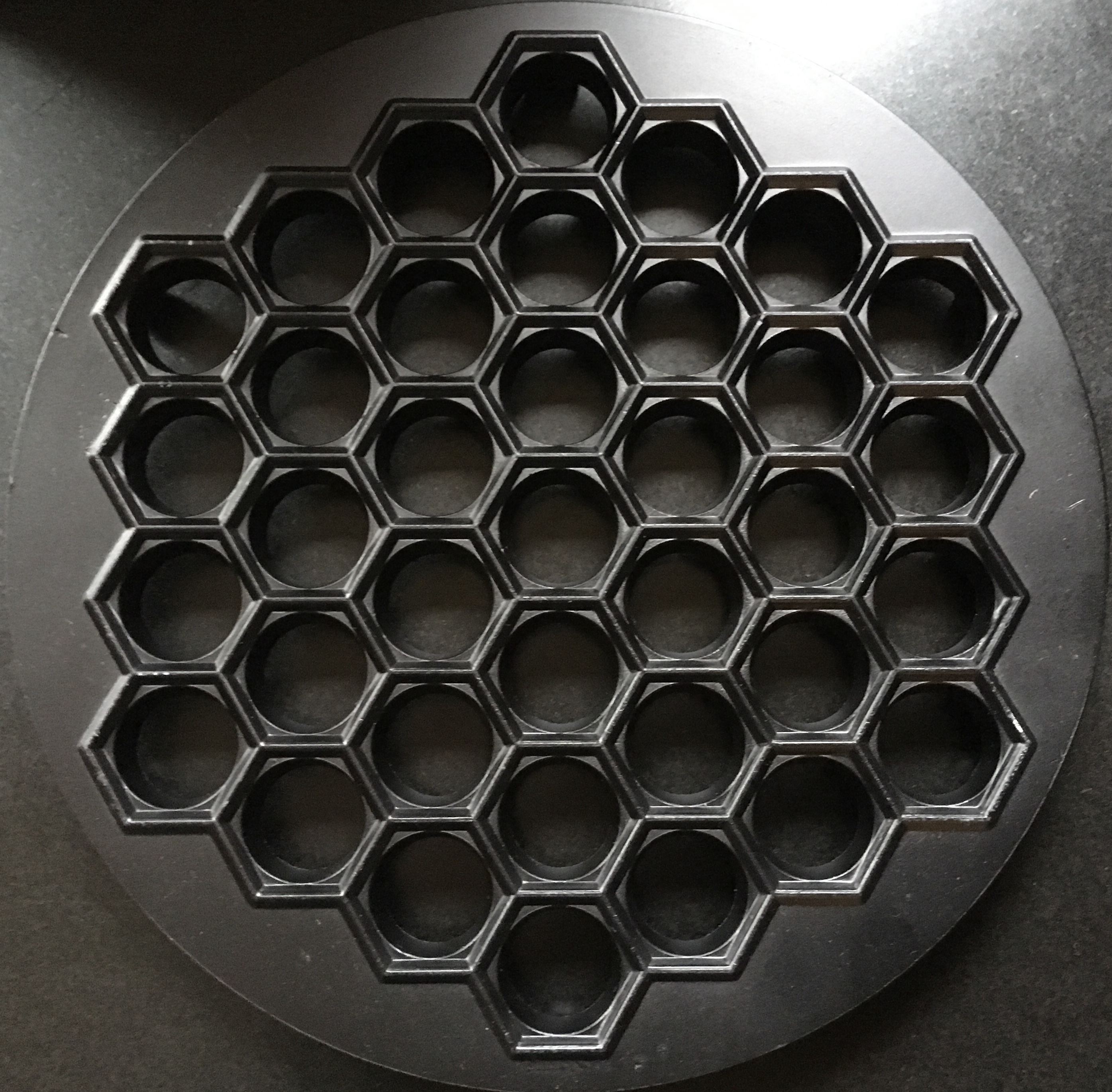
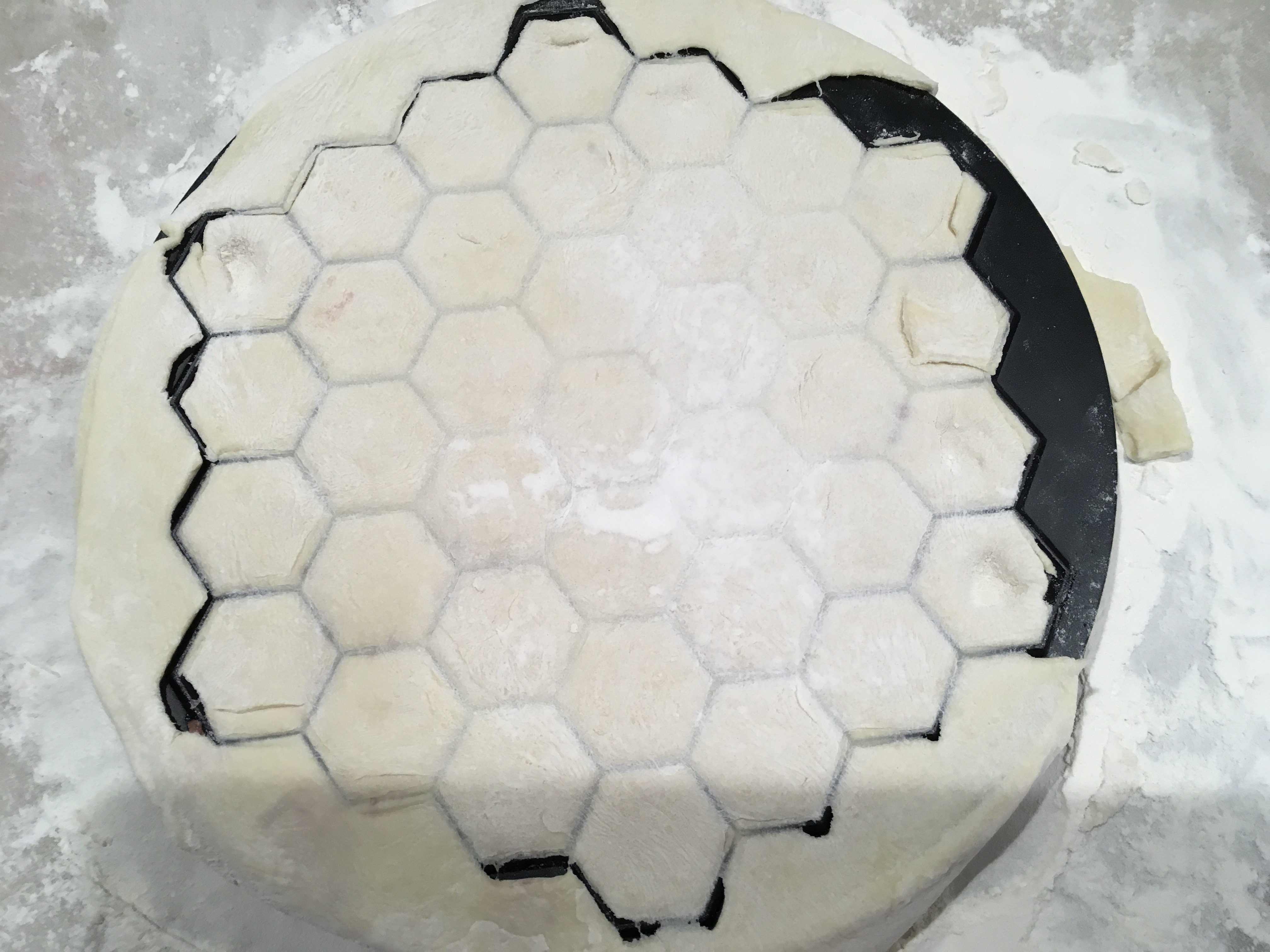
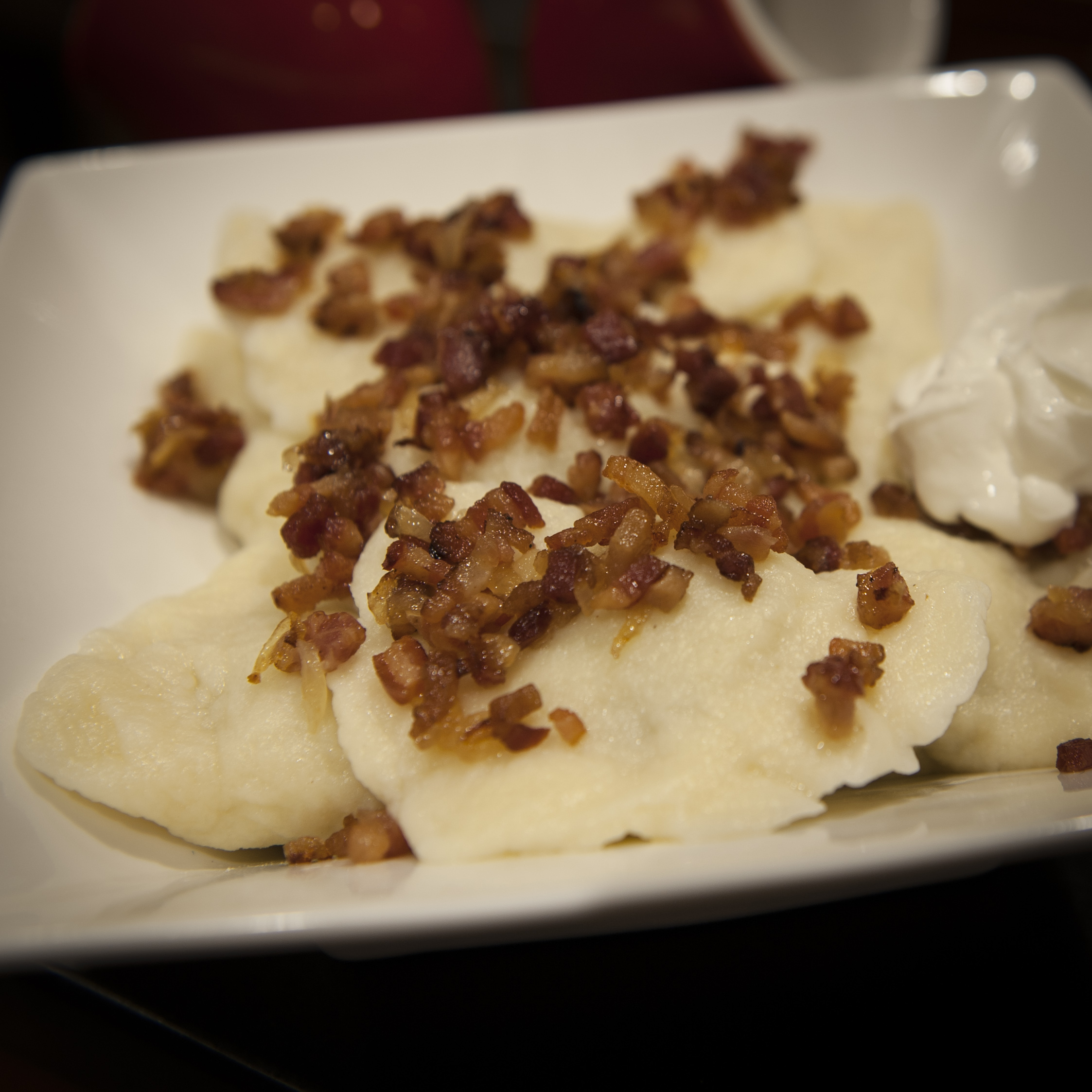
I think half my childhood was spent in the kitchen, watching my Mom and grandmother make koldūnai (kohl-DOO-nayh), the Lithuanian version of a pierogi, by hand at lightning speed. Some Lithuanian cooks make the dough, roll it out into a large flat sheet with a rolling-pin, then cut circles out with a glass or a cookie cutter. But my Mom and grandmother used a different method: they’d roll the dough into a log, cut it into 1″ pieces, and then twirl each piece in their hands to make a flat pancake that they would then fill with a spoonful of meat or mushrooms. It blew my mind that they could crank out over a hundred of these perfectly shaped dumplings in no time, placing them on a sheet pan and freezing them until it was time to cook.
One of the main reasons koldūnai beat pierogis every time is the filling. My Mom would mix ground beef with chopped onions sautéed in butter, a couple of eggs, and milk crackers soaked in milk. She’d add salt and pepper, then take a spoonful of the raw meat mixture and plop it in my mouth. “Enough salt?” she’d ask. I loved the taste of the raw beef like that…probably why I always order beef tartare when I see it on a restaurant menu.
The mushroom filling was usually reserved for special holidays like Christmas and Easter. Italy may lay claim to the porcini, but the fact of the matter is, Lithuania is porcini heaven. They’re called baravykai (buh-ruh-VEE-kayh), and when they’re dried and reconstituted, their incredible flavor is so intense, you don’t need many of them to flavor a large amount of cheaper button mushrooms. We’d get our dried boletes from relatives in Lithuania every year…the real deal. (They’d even have a radiation-free certification sticker on the bag, thanks to Chernobyl!) Mom would place a handful of the dried mushrooms in some boiling water and they would rehydrate, nice and plump, and could then easily be chopped and added to the other mushrooms. She’d pour the mushroom liquid into the pan as well, not wasting a bit of that magical porcini flavor. The mushrooms were simply sautéed in butter, cooled, then used to fill the koldūnai.
Basic Polish pierogi fillings include sauerkraut or potatoes with cheese. There’s no question the Lithuanians got this round.
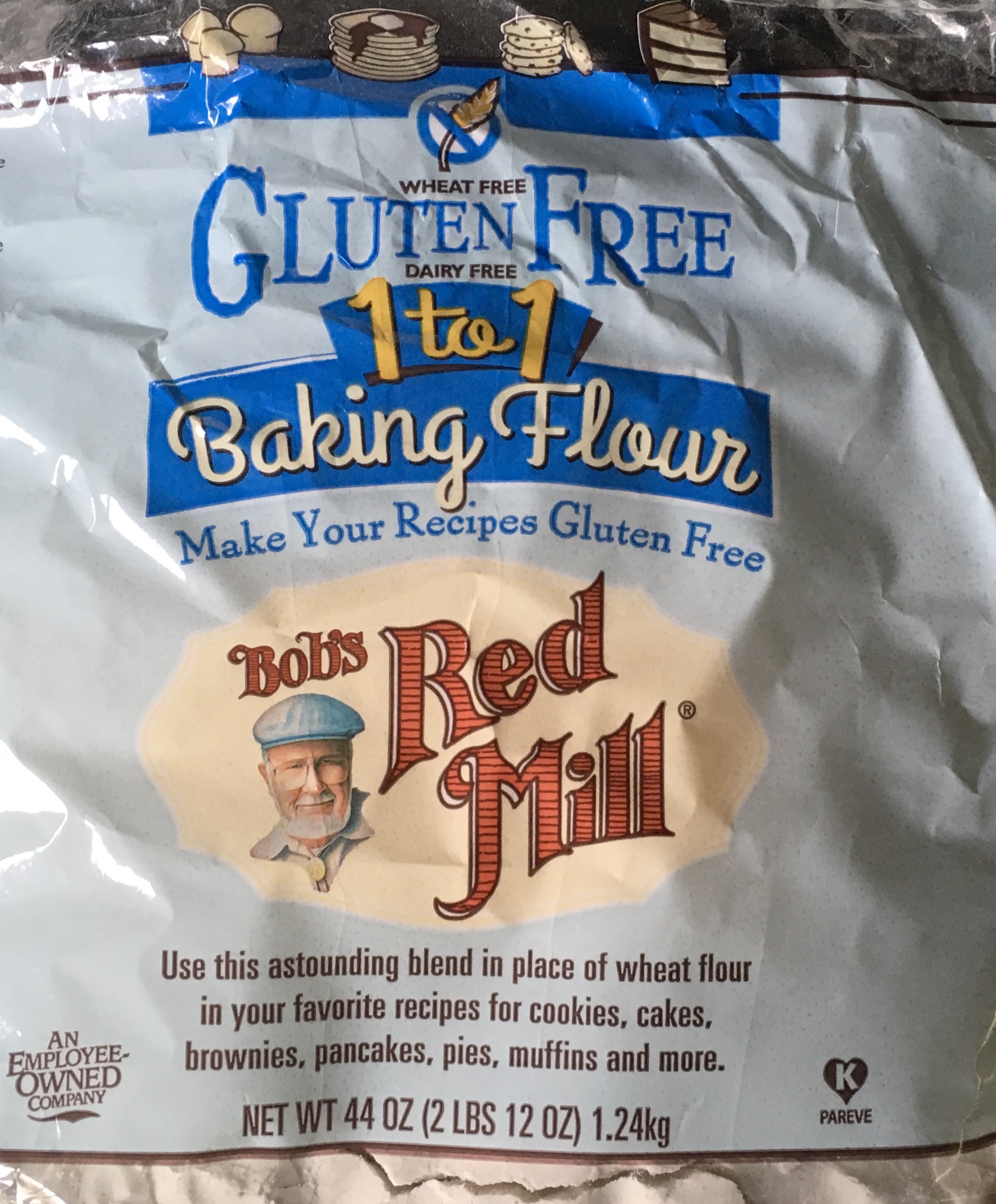
It was time to try my hand at making koldūnai. As I recall, my Mom simply mixed water with flour to make the dough, kneaded it into a log, and off she went. My challenge was a bit more daunting: I needed to make them gluten-free as well. My sister, whose family lives the GF lifestyle, told me that they simply exchange all-purpose flour for gluten-free flour and it works fine. I had my doubts and first tried a recipe I found online that used a slurry of cottage cheese, eggs, and milk with the flour, but I found that it was overkill. The dough was very sticky and hard to work with. So I tried the simple recipe of water and flour (a half-cup of water for every cup of gluten-free flour) and it worked well.
Wearing disposable nitryl gloves was a stroke of genius. Not only were my hands protected from the sticky dough, it seemed that the dough didn’t stick to the gloves. I poured a cup of GF flour into a stainless steel bowl, added a half-cup of water to it, and mixed it around with my hands until it formed a ball of dough that pulled away from the sides of the bowl cleanly. (Sometimes a little more water or flour would be needed.)
I dusted a board with more flour, and moved the flour from the bowl onto the board. I kneaded it into a long log, about a foot long and 1 1/2″ thick. I cut it into 12 equal pieces, about 1″ wide.
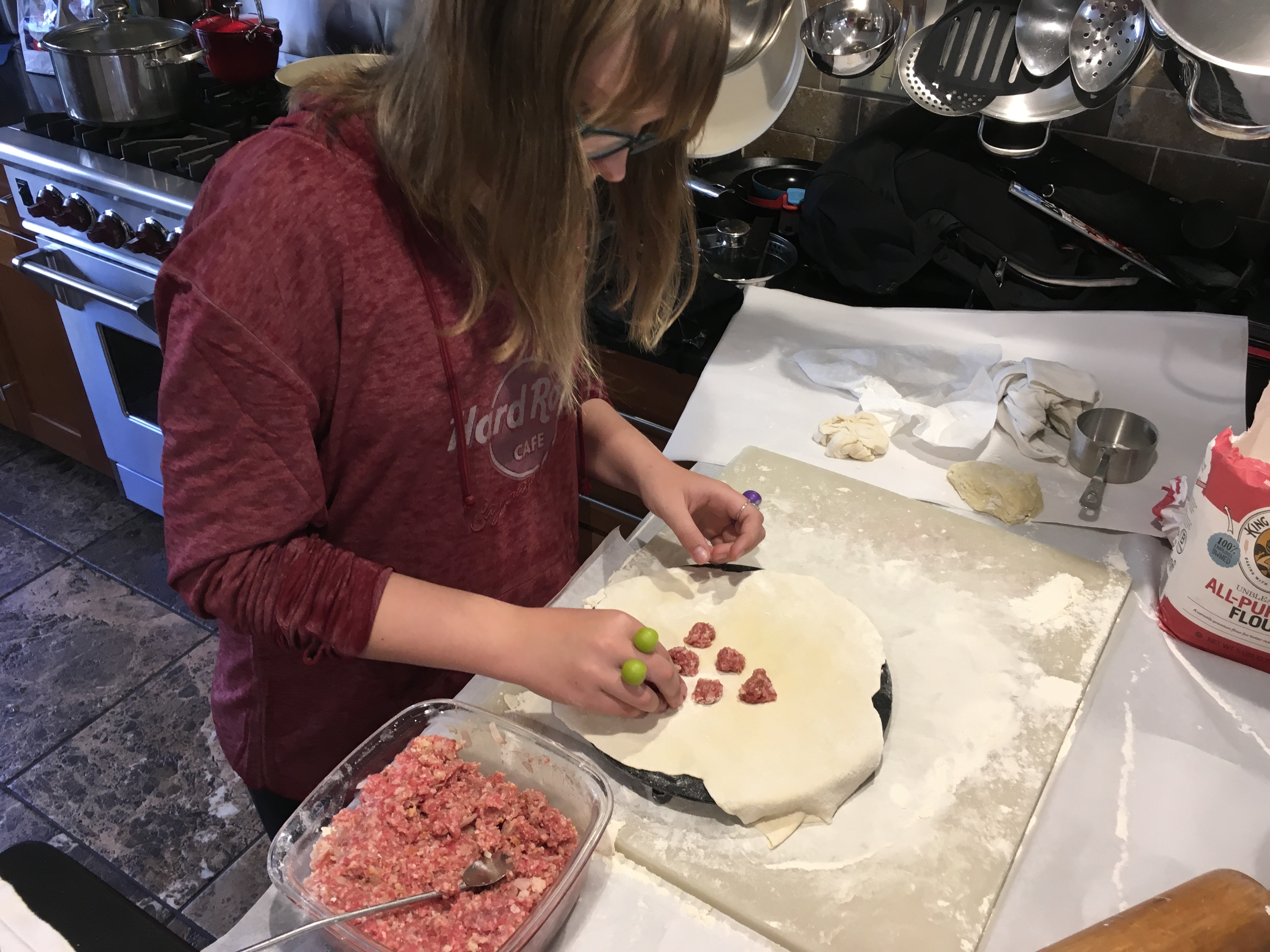
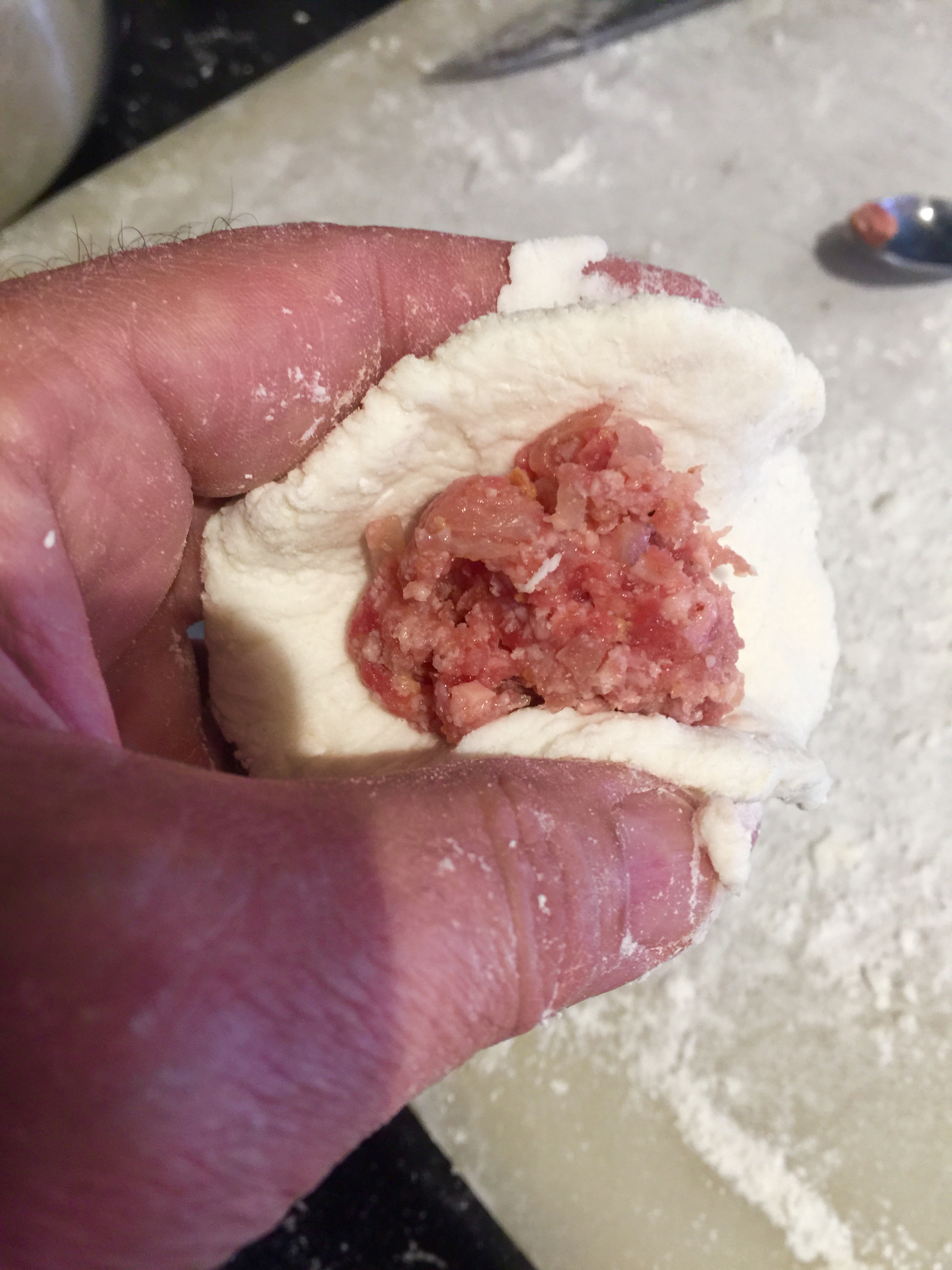
Taking one cut piece, and using my thumbs, I twirled the dough around, flattening it into a small pancake, the way I remember my Mom and grandmother used to do it. I placed a teaspoon of filling in the center of the pancake, then folded one side over so that it met the edges of the other side. I pressed with my fingers to make the two halves stick together and formed a seal.
The biggest challenges I had with making koldūnai was my own clumsiness and lack of experience. But once I got the hang of it, things moved along steadily, and it didn’t take long for me to make a couple of dozen. I placed them on a sheet pan lined with non-stick aluminum foil (you can also use parchment paper) and placed them in the freezer to harden. Once hard, they go in freezer bags until ready to boil.
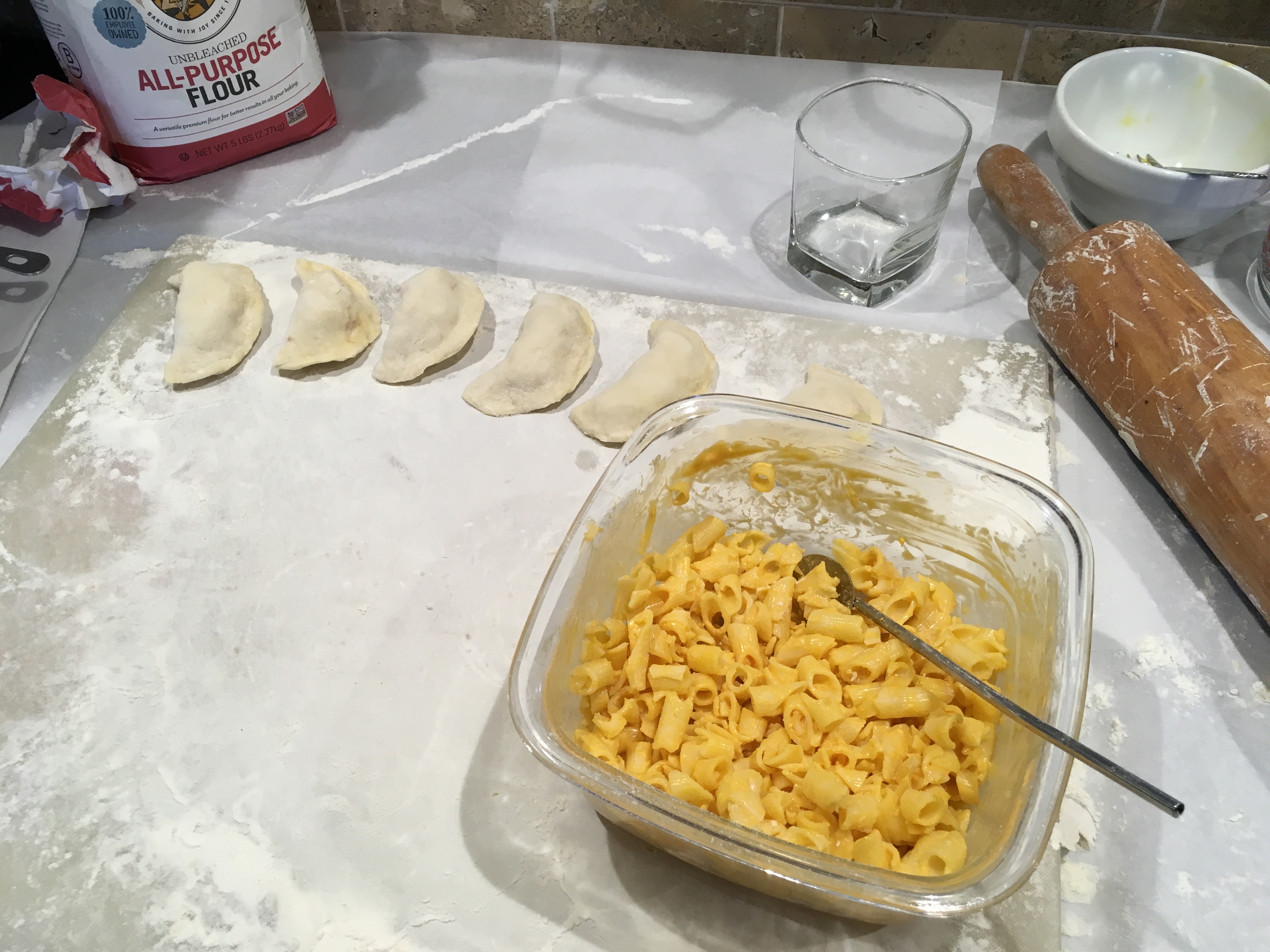
I made 3 types of koldūnai: mushroom, beef, and mac-and-cheese (by my daughter’s request.)
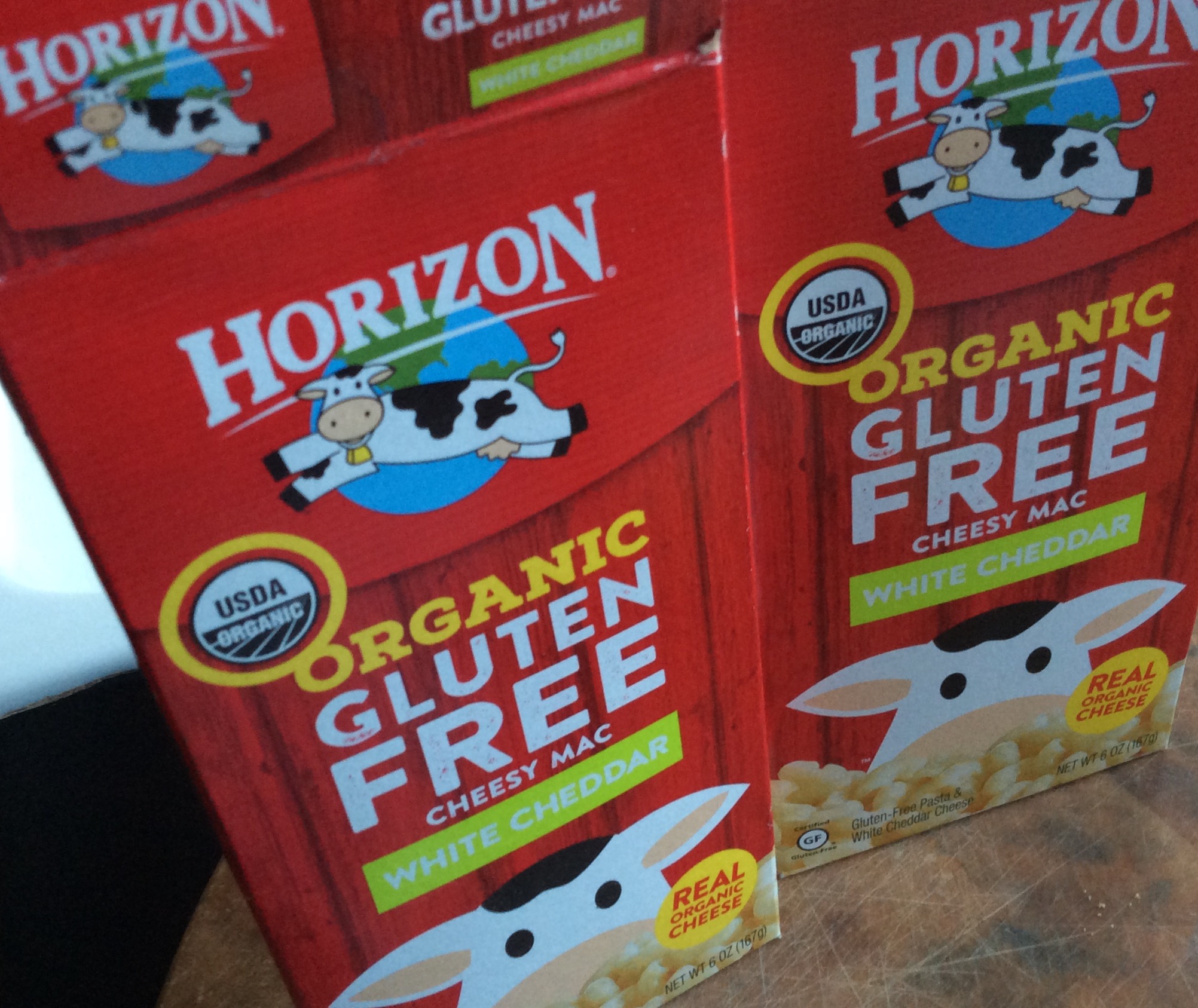
The mushroom filling was nothing more than chopped button mushrooms combined with chopped porcinis that had been rehydrated, all sautéed in butter. The mac-and-cheese filling was a gluten-free mac-and-cheese dinner out of a box.
For the beef filling…
1/2 onion, finely chopped
1 pat of butter
1 lb. ground beef
1 egg
1/2 cup breadcrumbs (I use gluten-free)
1/4 cup milk
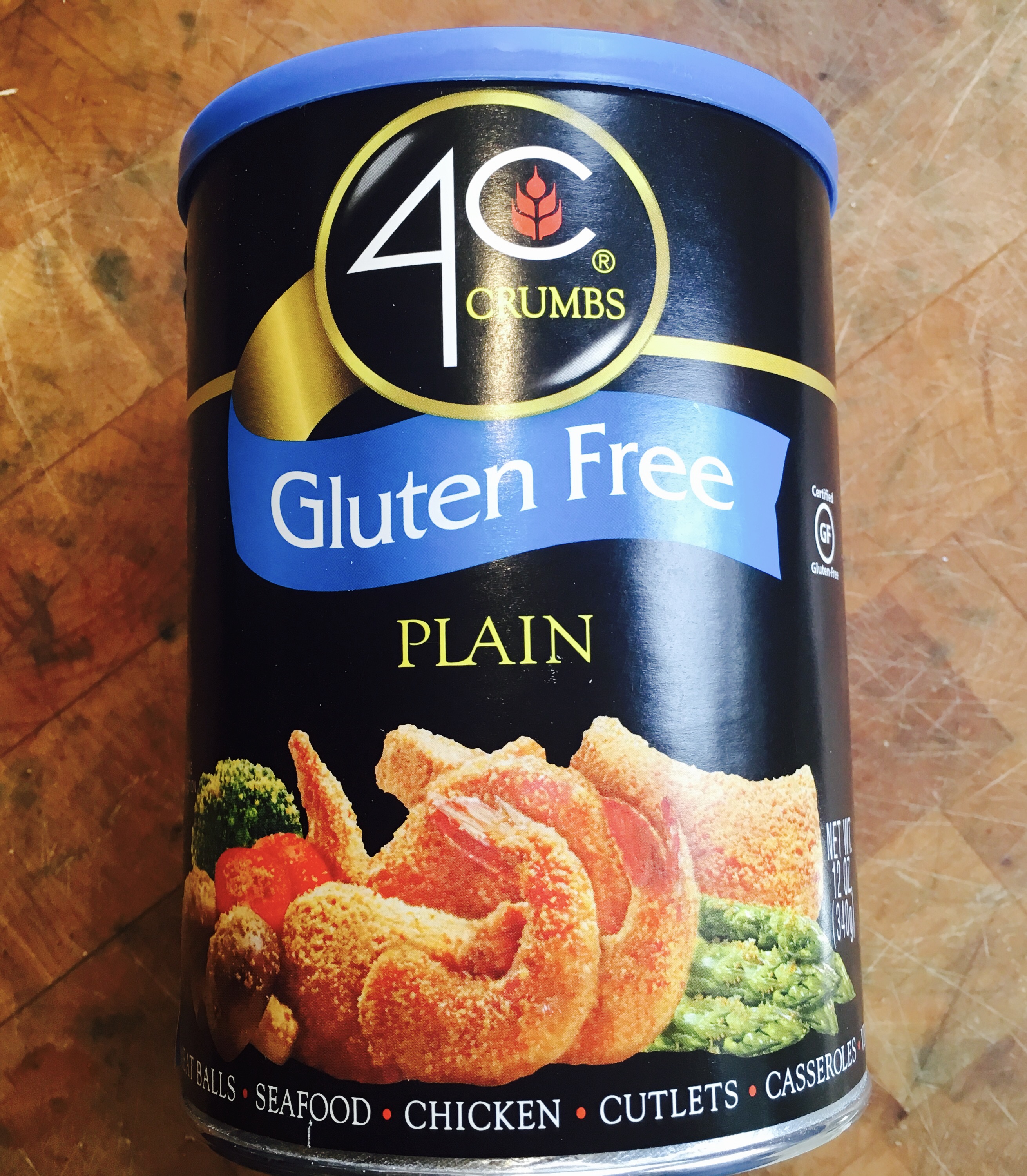
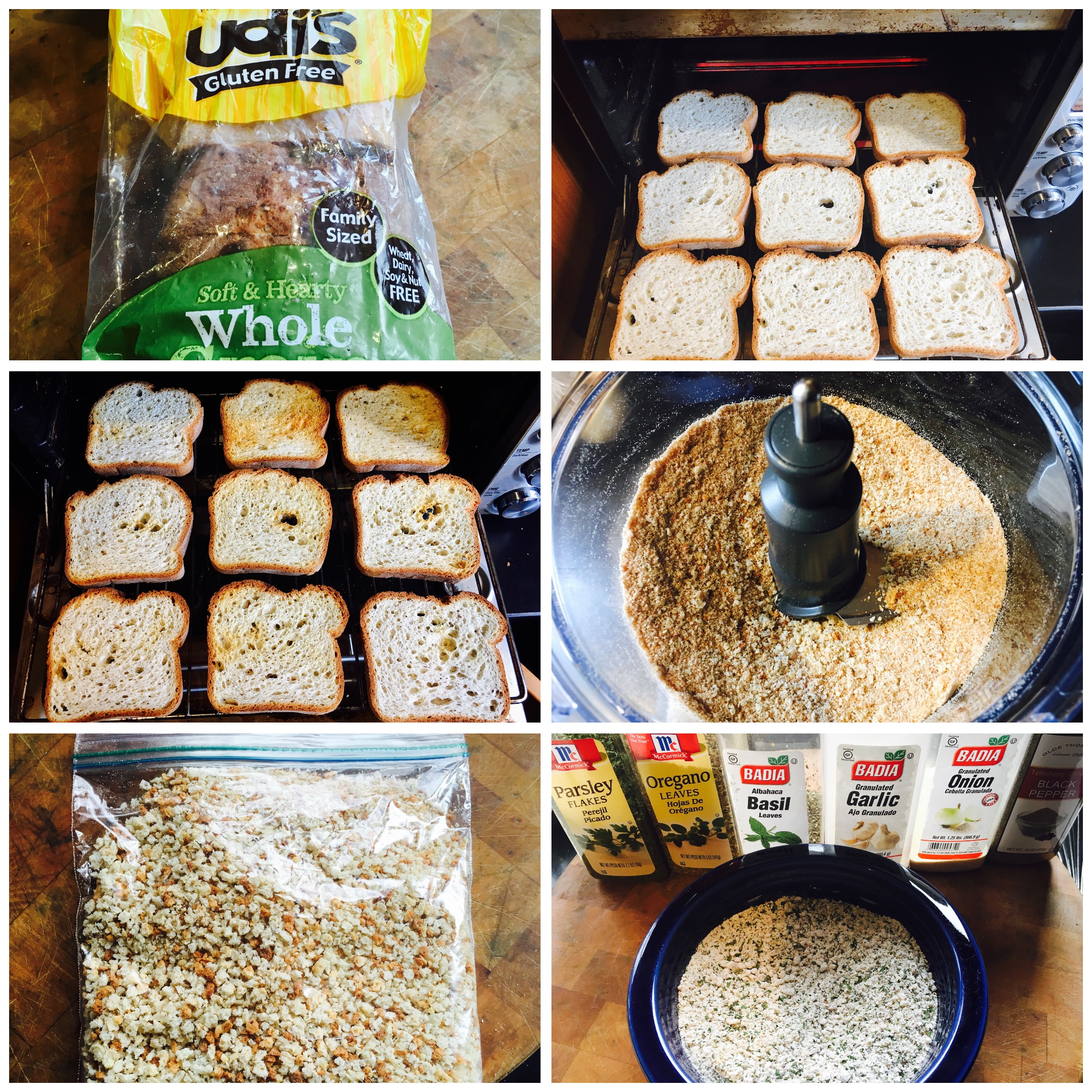
To make the breadcrumbs, I took a couple of slices of whole grain gluten-free bread and toasted them. Then I ground them up in a blender or food processor. The taste is far better than store-bought GF breadcrumbs, which usually are rock-hard rice nuggets.
I finely chopped the onion and sautéed it in a little butter until translucent. I let it cool, then added it to 1 lb. of thawed ground beef. I added the egg, the breadcrumbs, and the milk. I seasoned it with salt and pepper, and I mixed everything thoroughly, keeping the meat mixture in the fridge until I needed it.

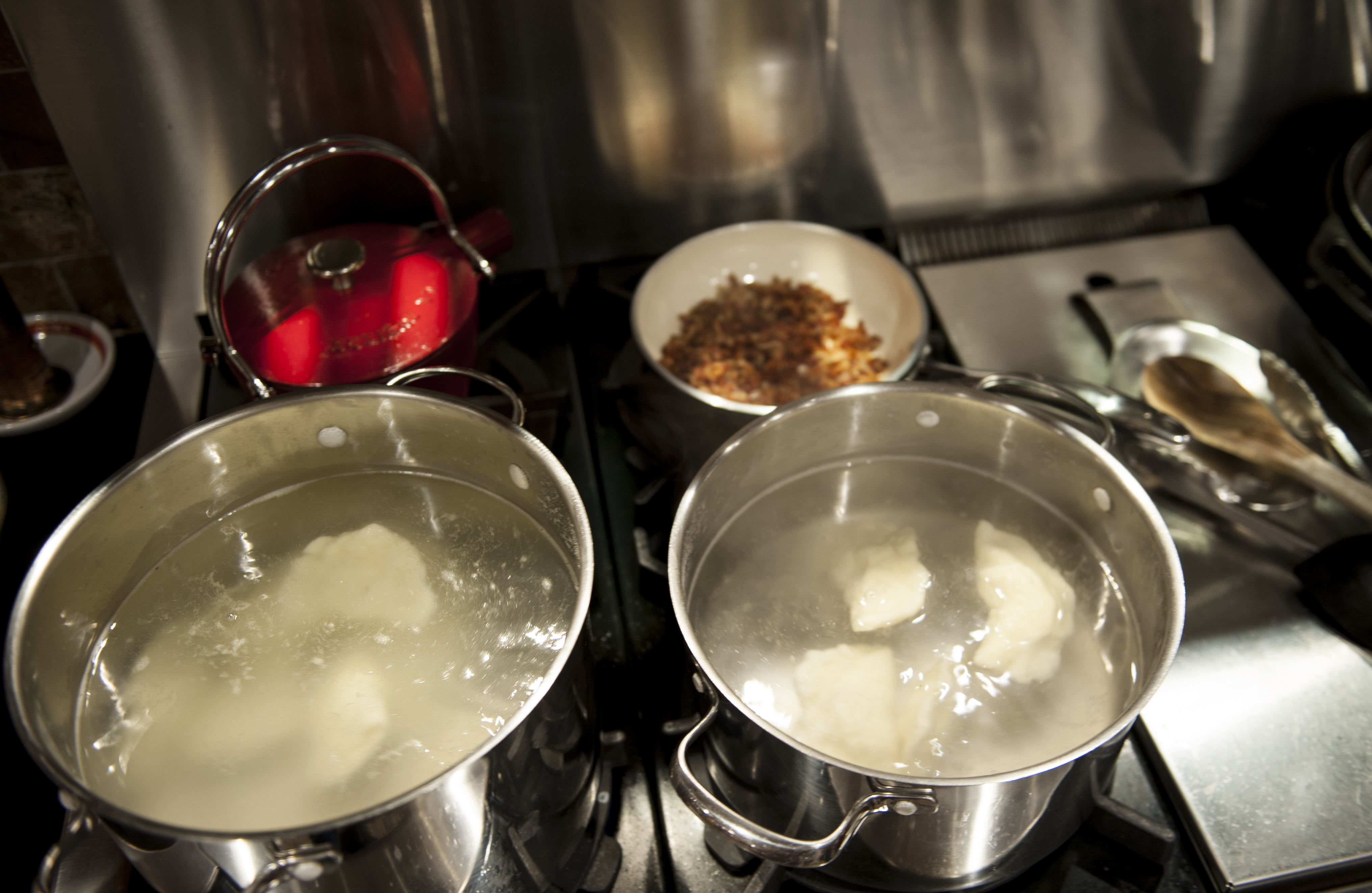
Two pots of boiling salted water: one for the meat-filled koldūnai, and one for the mac-and-cheese filled koldūnai.
No Lithuanian koldūnas recipe is complete without spirgučiai…
1 lb. bacon, finely chopped
1 large onion, finely chopped
In a large pan, fry the chopped bacon until it’s almost crisp. I don’t drain the fat, but you can if you’re a wuss. Add the chopped onions and cook until they are soft. Set aside. These are called spirgučiai, (spir-guh-chay) and they are sprinkled on top of the finished koldūnai, just before serving. (My Mom always kept a stash of spirgučiai in a container in the fridge, and sprinkled them on anything and everything.)
Once you’ve made the koldūnai, it’s up to you if you want to cook them right away or freeze them for later. Either way, when you’re ready, get a large pot of salted water boiling. Salt, just like when boiling pasta, is essential in giving the dough flavor.) Drop the koldūnai in gently, being careful not to overcrowd them. If the dough is thin, they will be ready when they float up to the surface. A thicker dough will need longer cooking. The best way to know if they’re done is by taking one out, cutting it open and having a look (and a taste!)
You can serve them straight out of the boiling water, but dropping them in a pan with a little butter to lightly sauté them a bit before serving is really the way to go.
When plating, sprinkle generously with spirgučiai, and serve with sour cream.
GLUTEN-FREE MUSSEL FRITTERS
Posted: November 30, 2016 in UncategorizedTags: food, fritters, GF, gluten-free, mussels, recipes, seafood
For years, I’ve made a simple fritter recipe using mussels that everybody raved about. But when the dietary needs of our family changed, and we had to start a gluten-free lifestyle, it seemed that fritters would have to be taken off the menu. I had nothing to lose by trying GF alternatives, and I was shocked at how delicious they were: crispy on the outside, soft and chewy on the inside.
Here in Rhode Island, fresh mussels are everywhere. But if you live in an area where they’re not easily found, frozen mussel meats are sometimes available in better seafood stores. Just make sure they come from the USA…I saw one package that had farm-grown Chilean mussels that were packed in Thailand. That’s about as nasty as it gets.
My original recipe calls for fritter flour, which you can usually find in any supermarket. If you’re using that, you can skip the baking powder. I added the baking powder to give a little lightness to the dough. My favorite beer for this recipe is Sam Adams Boston Lager, but again, I had to go gluten-free.
If you don’t have to worry about gluten, just use the regular versions of the ingredients.
1 cup water
1 lb. fresh mussels
1 cup gluten-free flour (I use Cup4Cup)
1 teaspoon baking powder
1/3 cup gluten-free beer
oil, for frying (I use a combination of avocado and olive oils)
sea salt (I like Fleur de Sel)
Place the cup of water in a large pot and add a steamer basket. Pour in the mussels, turn the heat on high, and place a lid on top. Steam the mussels just until they open. Throw away any mussels that don’t open.
Remove the meats from the shells and chop them into very small pieces. Reserve about 1/4 to 1/3 cup of the steam water, which now has some mussel flavor. Try to avoid any grit. Let the mussels and broth cool a bit until they’re warm.
In a large bowl, add the flour, the baking powder, the mussels and the broth. Add the beer little by little as you stir gently. As soon as the dough is sticky and mixed, stop! Don’t over-mix. Let it rest about 15 minutes.
Heat the oil in a pan to 340. Working in small batches, drop 2″ blobs of dough into the oil, turning once when they are golden. Remove them from the oil when they’re done, placing them on paper towels, and sprinkling them immediately with salt.
You can enjoy them as is, or you can make a quick dipping sauce using mayonnaise and Ponzu sauce. I haven’t found a gluten-free Ponzu yet, so I combine mayo with GF soy sauce, and a squeeze of lemon juice.
CAULIFLOWER PIZZA CRUST
Posted: September 29, 2016 in cheese, Food, garden, Italian, pizza, Recipes, sausage, tomatoes, UncategorizedTags: cauliflower, food, gluten-free, low carb, pizza, recipes, vegetables
The latest rage in food is finding new uses for cauliflower. Personally, I love the taste of it so I don’t really need alternatives. But my wife’s on a gluten-free diet, I need to reduce my carbs, and we both love pizza. It seemed that maybe a cauliflower crust could be the answer.
The key to the crispiest crust possible is to make sure you bake it thoroughly before you put the toppings on. Even if the crust comes out a bit soggy, all is not lost. Just grab a knife and fork… It’ll still taste pretty darn good.
2 cups riced, then cooked cauliflower
1 cup grated parmesan cheese
2 eggs, beaten
1 teaspoon garlic salt
1 teaspoon oregano
1 teaspoon parsley
mozzarella cheese
tomato sauce
additional pizza toppings of your choice
Cut the cauliflower florets into chunks and toss them in a food processor. Pulse until you get the consistency of rice. Don’t over-process, or you’ll get mush.
Microwave the riced cauliflower in a bowl for about 6 minutes on high. No need to add water. Depending on the amount of liquid in your cauliflower, you may need to transfer it to a fine mesh strainer to let it drain. Once it has drained, transfer it to a clean dish towel and wrap the sides around the cauliflower, gently pressing out the excess water. You want to get it as dry as possible. Dry = crispier crust. But be careful…let the nuked cauliflower cool first or you could burn your hands!
Pre-heat your oven to 450 degrees. (I like to use my large toaster oven, with the convection feature turned off.)
In a large bowl, use 2 cups of the cauliflower. (Depending on the size of the cauliflower head, you may have a little left over.) Add the parmesan cheese, the eggs, garlic salt, oregano and parsley. Mix well until it forms a sort of ball of “dough.”
Grease a 9″ stainless pizza pan with olive oil. (Lining it with non-stick foil first is an option.) Take your ball of “dough” and press it evenly into the pan, making sure you don’t get it too thin, or you’ll get holes.
Bake the “dough” in the oven for 20–25 minutes, until it looks brown and crispy and is fully cooked. You don’t want it to be soft or soggy.
Remove the pizza from the oven, and add the tomato sauce, cheese, and whatever other toppings you like. (I used some pre-cooked chicken sausage and a sprinkling of oregano.)
Return the pizza to the oven, only this time place it under the broiler, and cook until the toppings have browned and the cheese has melted. Keep an eye on it…be careful not to burn it!
SPAGHETTI (SQUASH) AND MEATBALLS
Posted: September 6, 2016 in Food, Italian, RecipesTags: food, gluten-free, ITALIAN, low carb, meatballs, mozzarella, recipes, spaghetti, squash, tomato sauce
I always thought that spaghetti squash was a sort of “gimmick” vegetable. But once I roasted it, I realized just how delicious it could be. And I hit the “squash lottery” the other day, when my friend, Karen, stopped by with a bunch of beautiful spaghetti squash straight from her and her husband, Bill’s, garden. It was time to cook!
Cooking them is easy. I wash them, cut them in half, and remove the seeds and membrane stuff with a spoon. I flip them onto their backs, skin side down, and drizzle some extra virgin olive oil on them. A little sea salt and pepper, and then I flip them back down, skin side up, on a sheet pan lined with non-stick aluminum foil. Into a pre-heated 350 degree oven for 30–40 minutes. When they’re soft to the touch, I remove the sheet pan from the oven, flip them back over again, and let them cool to room temperature. Then I simply scrape out the flesh with a fork, and it comes out in strands, like spaghetti.
While the squash roasts in the oven, I make the meatballs…
1 lb. ground grass-fed beef
1 lb. pastured ground veal (substitute ground beef if you can’t get this)
1 cup breadcrumbs (I use gluten-free)
2 eggs, cracked and scrambled
2 tablespoons dried parsley
2 tablespoons dried oregano
1 tablespoon dried basil
1 tablespoon granulated garlic
1 tablespoon granulated onion
1 teaspoon black pepper
2 teaspoons salt
Mix all the ingredients in a large bowl and form into meatballs. Place them in a hot pan with 1/4 cup of extra virgin olive oil. Cook until the meatballs are browned on all sides.
And you need homemade sauce…
2 cans (28 oz.) of tomatoes, pureed
olive oil
1/2 onion, finely chopped
1 tablespoon dried parsley
1 tablespoon dried oregano
1 teaspoon dried basil
1 teaspoon granulated garlic
2 teaspoons salt
1/2 teaspoon fennel seeds
In a large pot, saute the onions in a little olive oil until translucent. Add the pureed tomatoes and cook at medium heat until the foam disappears.
Add all the herbs and spices and mix well. Continue cooking on medium heat, lowering to a simmer if the sauce seems to be boiling too hard.
Add the meatballs to the sauce when the meatballs have been browned on all sides. Pour the entire contents of the meatball pan, including the olive oil and fat, into the tomato sauce pot.
Make sure all the meatballs are covered with the sauce. Place a lid on the pot, and simmer for at least an hour, until the meatballs are cooked all the way through.
Scrape the spaghetti squash with a spoon and place a mound of it in the center of the serving dish. Top it with the meatballs and sauce. Grate some Parmigiano-Reggiano over the top, or do what I did this time, and cut a slab of mozzarella di bufala into small cubes and toss on top. A little sprinkle of oregano and olive oil for good measure on top.